1. Search Result
Search Result
Results for "

allosteric modulation

" in MedChemExpress (MCE) Product Catalog:

17

Inhibitors & Agonists

2

Peptides

Cat. No. Product Name Target Research Areas Chemical Structure
  • HY-139644

    Adenosine Receptor Neurological Disease
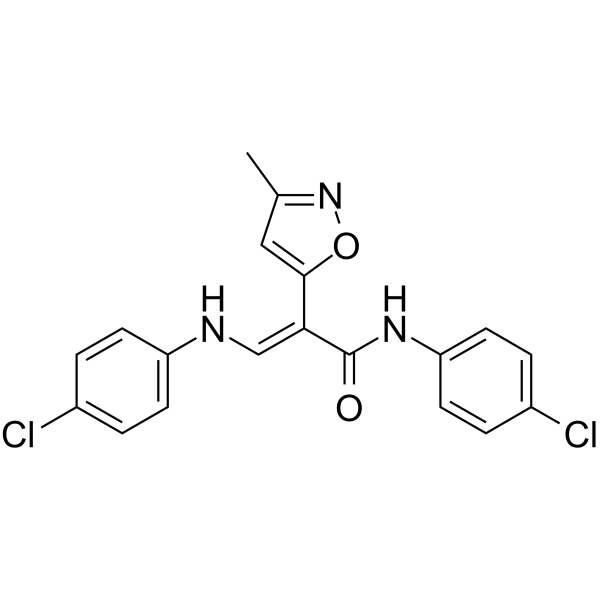
    MIPS521 is a positive allosteric modulator of adenosine A1 receptor (A1AR). MIPS521 also has a lower A1R allosteric affinity (pKB=4.95; KB=11 μM). MIPS521 exhibits pain-relieving effects in vivo through modulation of the increased levels of endogenous adenosine .
    MIPS521
  • HY-12150
    CCMI
    1 Publications Verification

    AVL-3288; UCI-4083

    nAChR Neurological Disease
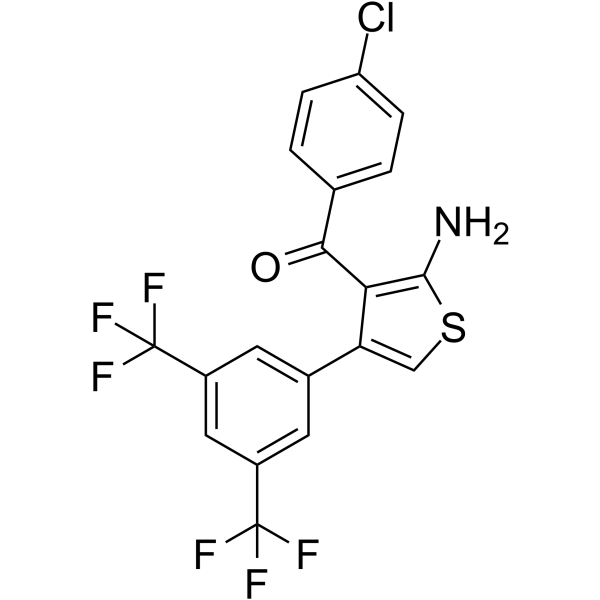
    CCMI (AVL-3288) is a potent and selective α7 nAChR-positive allosteric modulator, does not bind to or activate α7 nAChRs via the orthosteric site, and causes significant positive modulation of agonist-induced currents at α7 nAChRs. CCMI has potential in CNS diseases with cognitive dysfunction .
    CCMI
  • HY-12151

    NSC 213859

    nAChR Neurological Disease
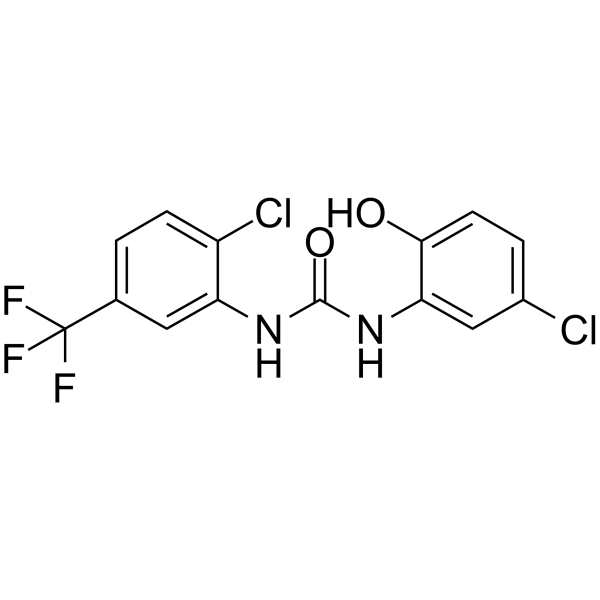
    NS 1738 (NSC 213859) is a novel positive allosteric modulator of the α7 nAChR, with respect to positive modulation of α7 nAChR (EC50=3.4 μM in oocyte experiments).
    NS 1738
  • HY-103475

    GABA Receptor Neurological Disease
    GS39783 is a positive allosteric modulator (PAM) of GABABR. Positive modulation of the GABABR can be used for the research of Nicotine addiction .
    GS39783
  • HY-147007
    β-catenin-IN-3
    1 Publications Verification

    β-catenin Wnt CDK Cancer
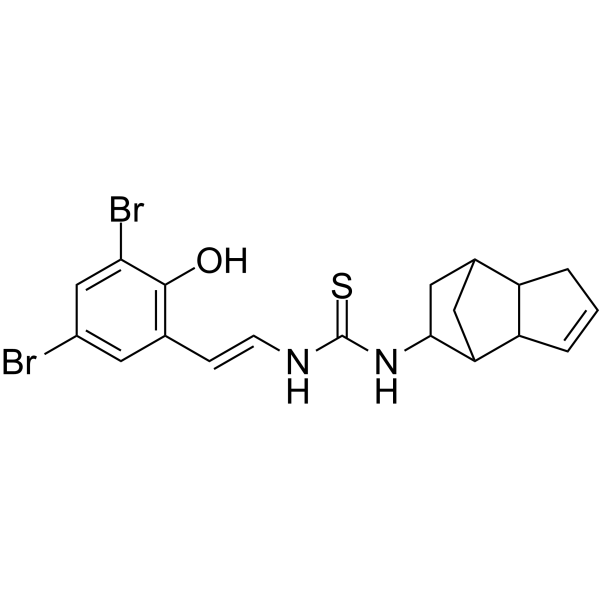
    β-catenin-IN-3 (Compound C2) is a selective β-catenin inhibitor. β-catenin-IN-3 binds to allosteric site on the surface of β-catenin with K D calculated at 54.96 nM. β-catenin-IN-3 selectively inhibits β-catenin via targeting a cryptic allosteric modulation site, lowers its cellular load. β-catenin-IN-3 significantly reduces viability of β-catenin driven cancer cells, and triggers β-catenin degradation via proteasome system in β-catenin-overexpressing cancer cells .
    β-catenin-IN-3
  • HY-112603

    Free Fatty Acid Receptor Metabolic Disease
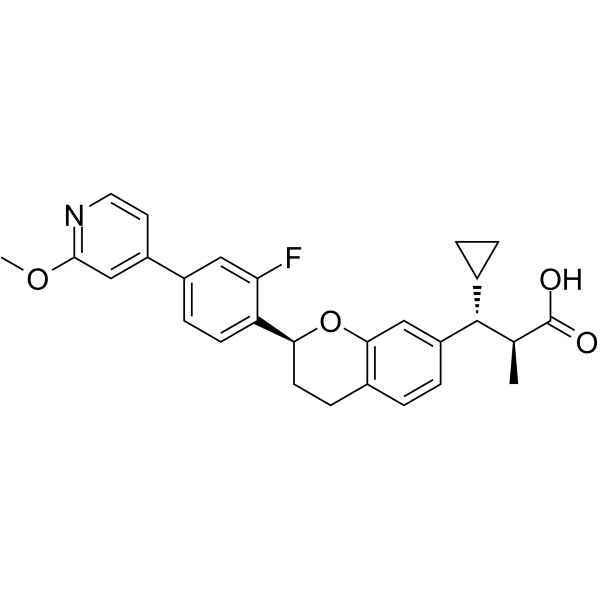
    AP5 is a potent, orlly active, and selective GPR40 receptor agonist with a positive allosteric modulation of endogenous ligand (AgoPAM). AP5 demonstrates rat and human inositol monophosphate (IP1) EC50 values of 0.49 nM and 0.8 nM against the GPR40 receptor, respectively. AP5 has the potential for type II diabetes research .
    AP5
  • HY-P1073

    Calcium Channel Potassium Channel Sodium Channel TRP Channel Neurological Disease Cancer
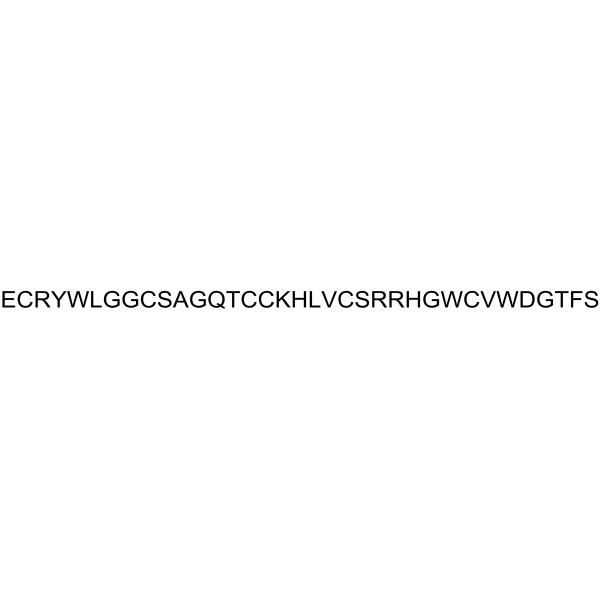
    ProTx-I is a toxin derived from Thrixopelma pruriens and a peptide inhibitor targeting TTX-resistant sodium channels. ProTx-I interacts with voltage sensors of multiple domains such as NaV1.7, reduces neuronal excitability through allosteric modulation of channel gating and alteration of voltage dependence. The IC50 values of ProTx-I against human NaV1.7, NaV1.2, NaV1.6, and NaV1.5 are 95 nM, 104 nM, 21 nM, and 358 nM, respectively; ProTx-I also potently inhibits Ba 2+ currents of hCav3.1, while its inhibitory potency against hCav3.2 is approximately 160-fold lower. ProTx-I is applicable to the research of chronic pain .
    ProTx-I
  • HY-103320B

    CaSR Metabolic Disease
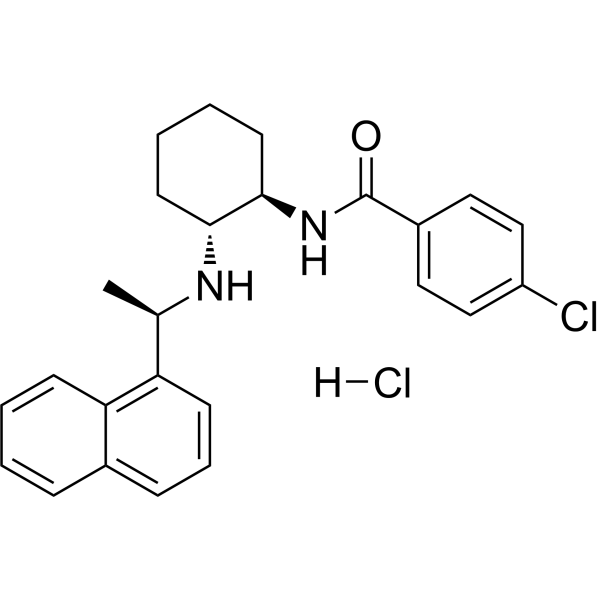
    (1R,2R)-Calhex 231 hydrochloride is the isomer of Calhex 231 hydrochloride (HY-103320A), and can be used as an experimental control. Calhex 231 hydrochloride is a CaSR inhibitor via negative allosteric modulation. Calhex 231 hydrochloride blocks Ca 2+-induced accumulation of [ 3H]inositol phosphate with an IC50 of 0.39 μM in HEK293 cells. Calhex 231 hydrochloride has the potential for diabetic cardiomyopathy (DCM) treatment .
    (1R,2R)-Calhex 231 hydrochloride
  • HY-162401

    RXFP Receptor Cardiovascular Disease
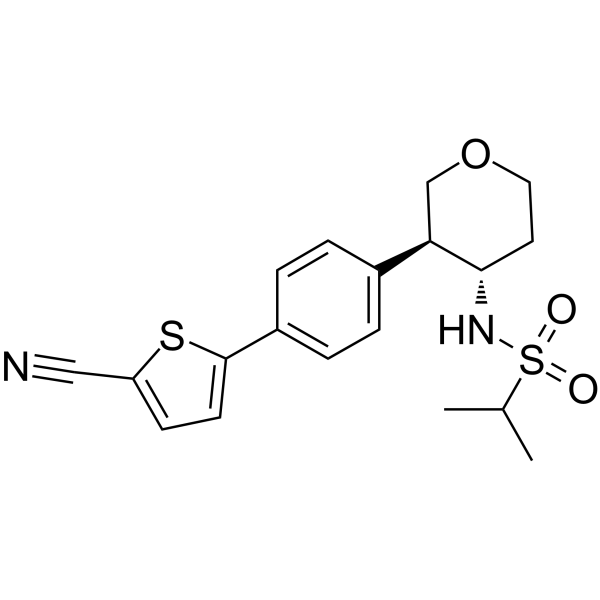
    AZ7976 (Compound 42) is a highly selective agonist for the Relaxin Family Peptide Receptor 1 (RXFP1) (pEC50 > 10.5). AZ7976 enhances RXFP1's cAMP signaling through an allosteric mechanism, thereby physiologically increasing heart rate. AZ7976 can be used in the field of cardiovascular disease research .
    AZ7976
  • HY-14451

    iGluR Neurological Disease
    PF-4778574 is a positive allosteric modulation of AMPA receptor with EC50 of 45 to 919 nM in differenct cells.
    PF-4778574
  • HY-155484

    Sigma Receptor Neurological Disease
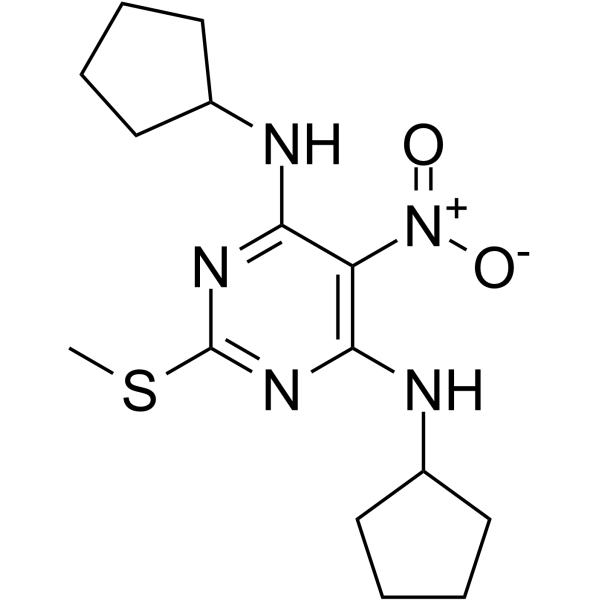
    SOMCL-668 is a selective and potent sigma-1 receptor allosteric modulator. ?SOMCL-668 shows positive modulation of improvement in social deficits and cognitive impairment induced by the selective sigma-1 agonist PRE084.?SOMCL-668 displays anti-seizure activities and can be used for psychotic illness research .
    SOMCL-668
  • HY-179240

    Dopamine Receptor Neurological Disease
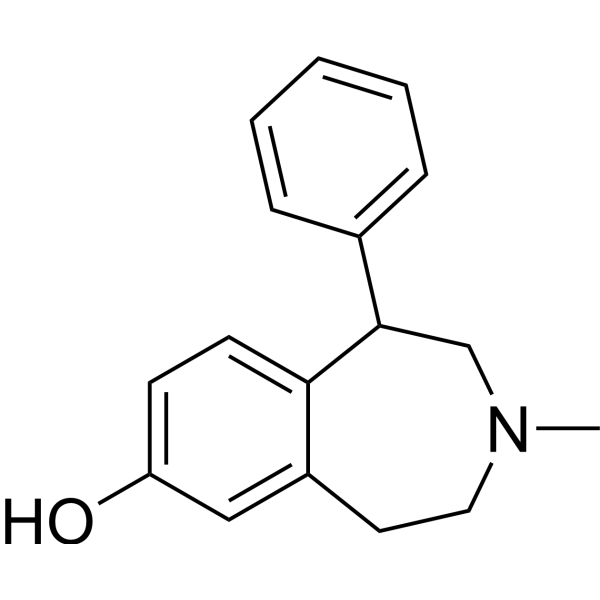
    UNC9815 is a D1 dopamine receptor (D1R) orthosteric allosteric modulator (PAM). UNC9815 can dose-dependently enhance the functional efficacy of dopamine in β-inhibitory protein recruitment experiments and cAMP accumulation experiments. When used in combination with other PAMs, UNC9815 exhibits a significant synergistic enhancement effect. UNC9815 can be used to study neurological and psychiatric diseases such as Parkinson's disease and schizophrenia .
    UNC9815
  • HY-108668

    P2X Receptor Others
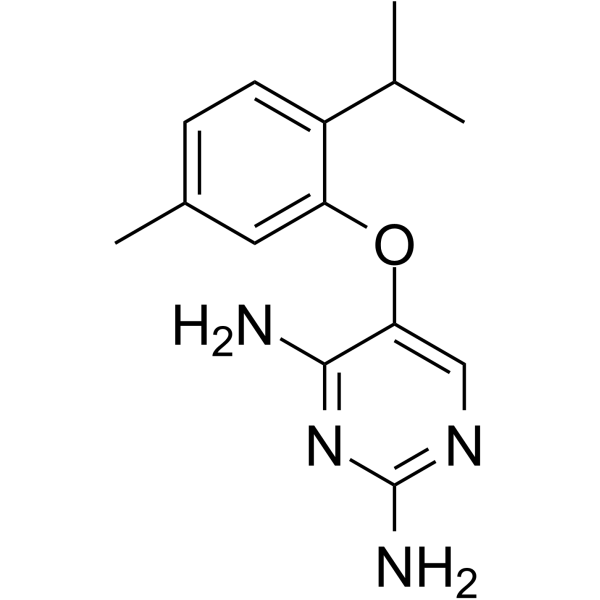
    TC-P 262 is a potent P2X3 inhibitor. TC-P 262 shows inhibition by bindings to hP2X3. TC-P 262 has the potential for the research of rheumatoid arthritis, cough, and pain .
    TC-P 262
  • HY-112603A

    Free Fatty Acid Receptor Metabolic Disease
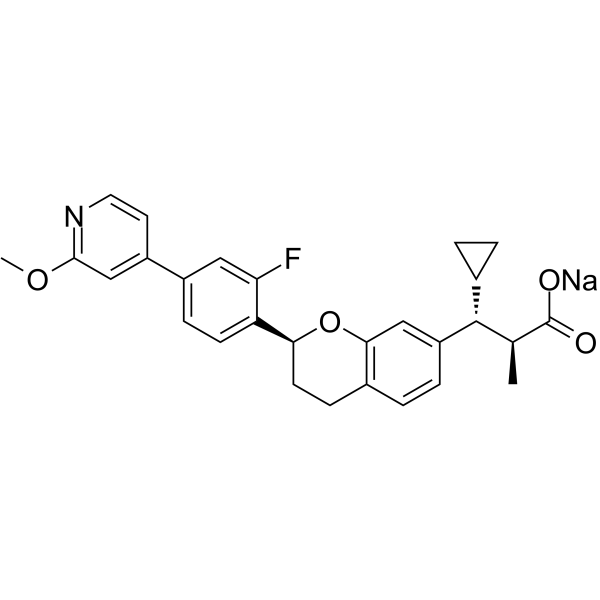
    AP5 sodium is a potent, orall active, and selective GPR40 receptor agonist with a positive allosteric modulation of endogenous ligand (AgoPAM). AP5 sodium demonstrates rat and human inositol monophosphate (IP1) EC50 values of 0.49 nM and 0.8 nM against the GPR40 receptor, respectively. AP5 sodium has the potential for type II diabetes research .
    AP5 sodium
  • HY-118502

    GABA Receptor Neurological Disease
    DOV51892 is a GABAA receptor modulator. DOV51892 has a specific effect on GABAA receptors containing the α1 subunit. DOV51892 exhibits non-sedative anti-anxiety effects. DOV51892 can be used for in-depth research on the function of GABAA receptors .
    DOV51892
  • HY-180370

    NitroSynapsin; YQW-036; NMI-6979

    iGluR Drug Derivative Cardiovascular Disease Neurological Disease
    Nitromemantine (NitroSynapsin) is a nitrate derivative of Memantine (HY-B0591) and is a dual-functional NMDAR antagonist. Nitromemantine exhibits significant efficacy in rodent models of cerebral infarction through a dual mechanism of blocking channels and regulating receptors via NO/redox regulation. Nitromemantine can target ischemic neurons under hypoxic conditions and enhance its activity. Nitromemantine inhibits the current induced by NMDA, with its IC50 being 2.4 μM. Nitromemantine can be used for the study of cerebral ischemic stroke .
    Nitromemantine
  • HY-P11258

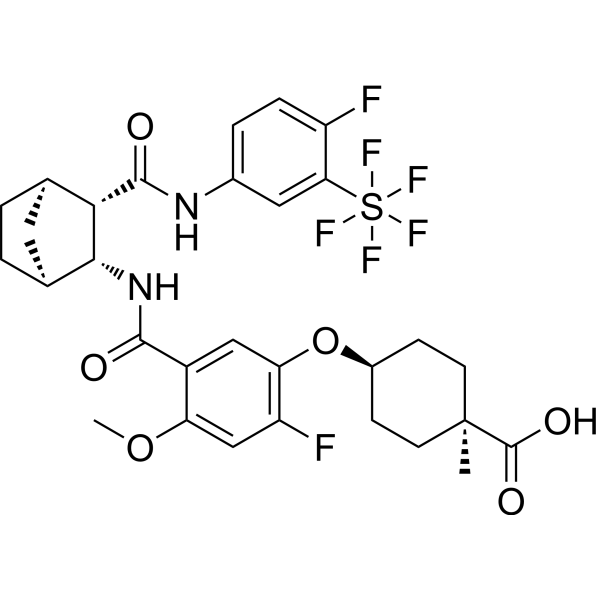
    Urotensin Receptor Cardiovascular Disease Metabolic Disease Inflammation/Immunology Cancer
    UPG-108, a peptide compound, is a non-competitive allosteric modulator of Urotensin II receptors (UTR). UPG-108 significantly enhances the efficacy of UTR agonists but reduces the potency of UTR agonists. UPG-111 efficiently induces calcium release and does not cause contraction of rat aortic rings without endothelial denudation. UPG-111 can be used to study various diseases related to the angiotensinergic system .
    UPG-108

Inquiry Online

Your information is safe with us. * Required Fields.

Salutation


Country or Region *

Applicant Name *


Organization Name *

Department *


Email Address *


Product Name *

Cat. No.


Requested quantity *

Phone Number *


Remarks

Inquiry Online

Inquiry Information

Product Name:
Cat. No.:
Quantity:
MCE Japan Authorized Agent:

