

Search Result
Results for "
amino terminus
" in MedChemExpress (MCE) Product Catalog:
7
Biochemical Assay Reagents
1
Isotope-Labeled Compounds
| Cat. No. |
Product Name |
Target |
Research Areas |
Chemical Structure |
-
- HY-133513
-
|
(±)-H3L28
|
Drug Derivative
|
Cancer
|
|
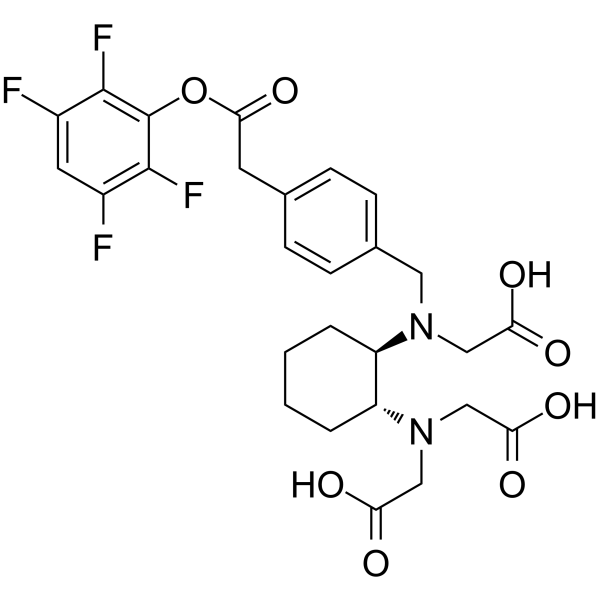
(±)-H3RESCA-TFP ((±)-H3L28) is a tetrafluorophenyl ester derivative of restrained complexing agent (RESCA). (±)-H3RESCA-TFP can be used to conjugate the chelator with a biomolecule via amine coupling (e.g., N terminus and/or the ε-amino groups of lysine) .
|
-
-
- HY-P1136
-
Gap19
5 Publications Verification
|
Gap Junction Protein
|
Cardiovascular Disease
|
|
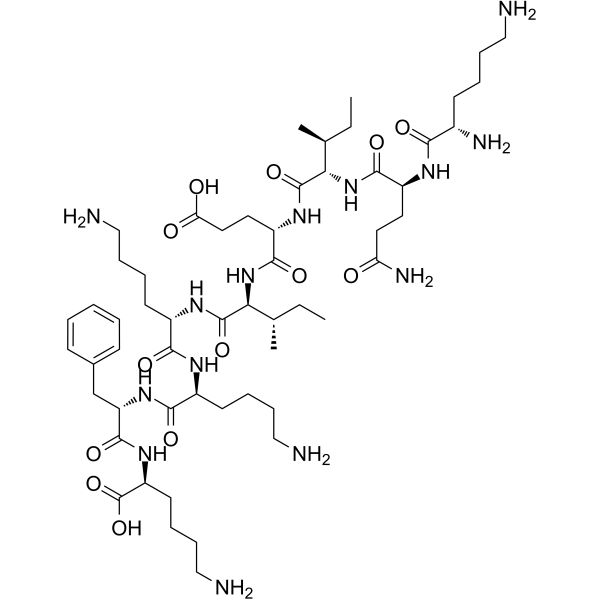
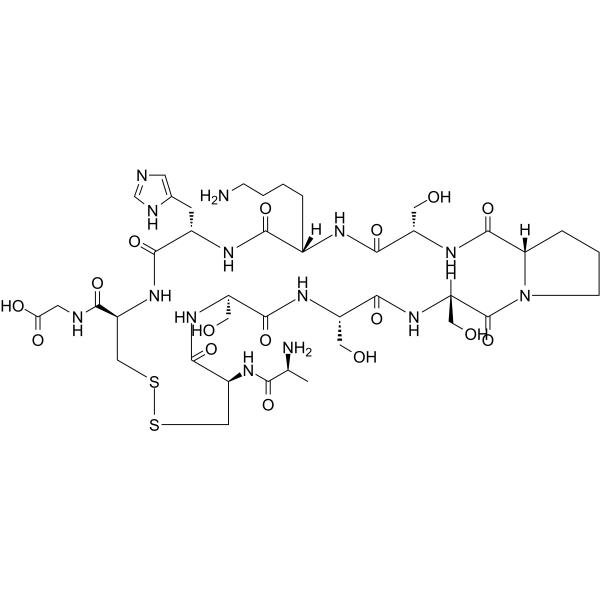
Gap19, a peptide derived from nine amino acids of the Cx43 cytoplasmic loop (CL), is a potent and selective connexin 43 (Cx43) hemichannel blocker. Gap19 inhibits hemichannels caused by preventing intramolecular interactions of the C-terminus (CT) with the CL. Gap19 is not blocking GJ channels or Cx40/pannexin-1 hemichannels. Gap19 has protective effects against myocardial .
|
-
-
- HY-P1732
-
|
|
Biochemical Assay Reagents
|
Cancer
|
|
Transportan is an amphipathic cell-penetrating peptide containing 12 functional amino acids from the amino terminus of the neuropeptide galanin and mastoparan in the carboxyl terminus, connected via a lysine. Transportan interacts with galanin receptors and G-proteins, modulates GTPase activity, enters cells via direct translocation and endocytic pathways, accumulates in cytoplasmic, nuclear, and membranous structures, and delivers cargo including peptides, PNAs, proteins, siRNA, and liposomes [12].
|
-
-
- HY-P2543
-
|
|
Neuropeptide Y Receptor
|
Cardiovascular Disease
Neurological Disease
|
|
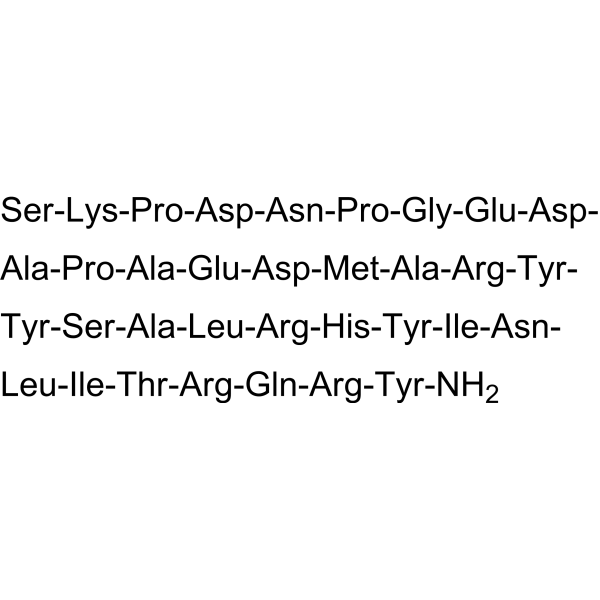
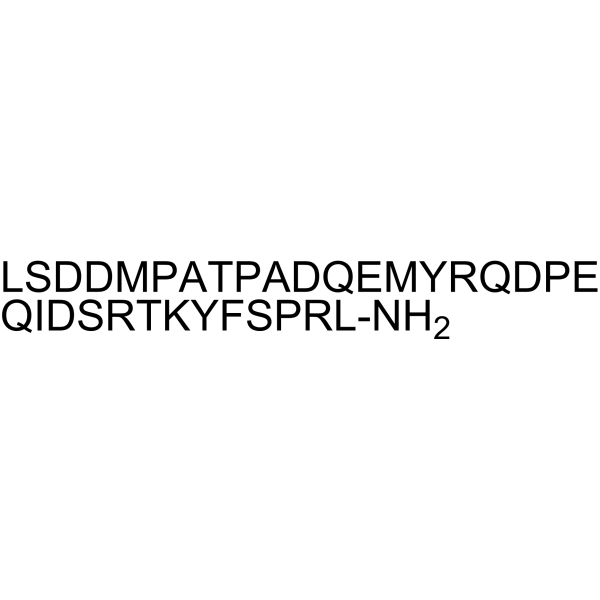
Neuropeptide Y (3-36) (human, rat) is a neuropeptide Y fragment derived from humans or rats. Neuropeptide Y is an extremely abundant neurotransmitter in central and peripheral neurons, and it participates in the regulation of psychomotor activity, circadian rhythm, feeding behavior and cardiovascular function. Neuropeptide Y (3-36) (human, rat) can serve as a substrate to be sequentially degraded from its N-terminus by AfuS28, and it requires binding to AfuS28 and SedB to be decomposed into amino acids, dipeptides and tripeptides [1] [2].
|
-
-
- HY-P3815
-
|
|
Casein Kinase
|
Others
|
|
Casein Kinase 2 Substrate Peptide is a common CK2 substrate peptide. Casein Kinase 2 Substrate Peptide is synthesized with its C-terminus conjugated to 5-[(2-aminoethyl)amino]naphthalene-1-sulfonic acid (EDANS). Casein Kinase 2 Substrate Peptide can be used for protein kinase CK2 activity determination .
|
-
-
- HY-P99163
-
|
ABBV-8E12; C2N-8E12
|
Tau Protein
|
Neurological Disease
|
|
Tilavonemab (ABBV-8E12) is a humanized anti-tau monoclonal antibody that binds to amino acids 25-30 near the N-terminus of the tau protein. Tilavonemab can block the ability of human and mouse neurons to uptake tau aggregates. Tilavonemab can be used for research on Alzheimer’s disease and other tauopathies .
|
-
-
- HY-P5506
-
|
|
Complement System
|
Others
|
|
C5a Receptor agonist, W5Cha (Peptide 1) is a selective complement C5a receptor (C5aR) agonist (EC50=0.2 μM), a hexapeptide derived from the C-terminus of C5a with specific amino acid modifications. C5a Receptor agonist, W5Cha is able to interact with the Arg-206 site of the C5a receptor through its C-terminal arginine, thereby activating the receptor .
|
-
-
- HY-125372
-
|
ABAO
|
Biochemical Assay Reagents
|
Others
|
|
2-Amino benzamidoxime (ABAO) acts as a bioconjugation reagent precursor and a fluorescent probe precursor. 2-Amino benzamidoxime contains an aniline group for imine activation of aldehydes, as well as a nucleophilic group (Nu:) located at the ortho position of the amine, which is responsible for intramolecular cyclization. 2-Amino benzamidoxime reacts with glyoxal at the N-terminus of phage-displayed peptide libraries. Derivatives of 2-Amino benzamidoxime can be used for protein bioconjugation. Derivatives of 2-Amino benzamidoxime serve as fluorescent probes .\n
|
-
-
- HY-P1136A
-
|
|
Gap Junction Protein
|
Cardiovascular Disease
|
|
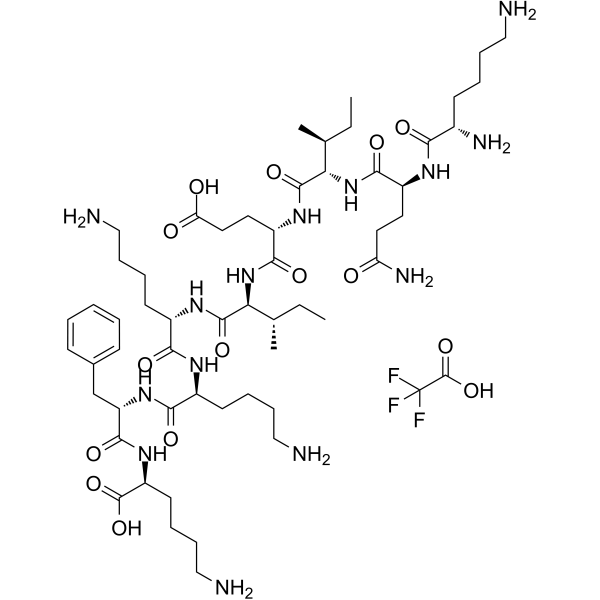
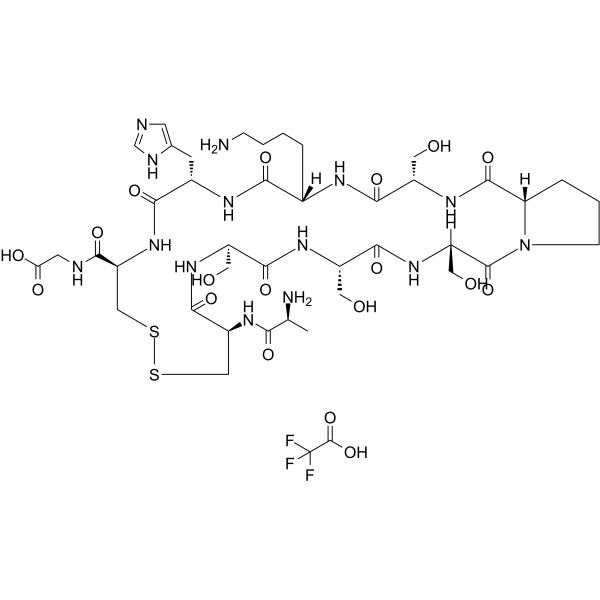
Gap19 TFA, a peptide derived from nine amino acids of the Cx43 cytoplasmic loop (CL), is a potent and selective connexin 43 (Cx43) hemichannel blocker. Gap19 TFA inhibits hemichannels caused by preventing intramolecular interactions of the C-terminus (CT) with the CL. Gap19 TFA is not blocking GJ channels or Cx40/pannexin-1 hemichannels. Gap19 TFA has protective effects against myocardial .
|
-
-
- HY-P1565
-
|
TD 1 Disulfide(peptide)
|
Na+/K+ ATPase
|
Inflammation/Immunology
|
|
Transdermal Peptide Disulfide (TD 1 Disulfide(peptide)) is a 11-amino acid peptide, binds toNa +/K +-ATPase beta-subunit (ATP1B1), and mainly interacts with the C-terminus of ATP1B1. Transdermal Peptide Disulfide can enhance the transdermal delivery of many macromolecules .
|
-
-
- HY-P1565A
-
|
TD 1 Disulfide(peptide) TFA
|
Na+/K+ ATPase
|
Others
|
|
Transdermal Peptide Disulfide TFA (TD 1 Disulfide(peptide) TFA) is a 11-amino acid peptide, binds to Na +/K +-ATPase beta-subunit (ATP1B1), and mainly interacts with the C-terminus of ATP1B1. Transdermal Peptide Disulfide TFA can enhance the transdermal delivery of many macromolecules .
|
-
-
- HY-34738
-
|
3-(Boc-amino)-1-propanol
|
Amino Acid Derivatives
|
Others
|
|
Boc-β-Ala-ol (3-(Boc-amino)-1-propanol) is an alanine derivative with a Boc protecting group at the N-terminus, which can be used to synthesize bioactive peptide mimics, such as Nα-Benzoyl-α-azaornithine phenyl ester, which has trypsin inhibitory activity .
|
-
-
- HY-136881
-
|
|
CCR
|
Inflammation/Immunology
|
|
CH0076989 is a specific CCR3 agonist. CH0076989 activates eosinophils and transfectants expressing both wild-type CCR3 and a CCR1:CCR3 chimaeric receptor lacking the CCR3 amino-terminus. CH0076989 has a direct interaction with the transmembrane helices of CCR3, supported by the complete loss of its activity due to mutations of the residues Y41, Y113 and E287. CH0076989 can be used for the study of inflammation and allergic diseases (such as asthma) .
|
-
-
- HY-131800
-
|
|
ATP Synthase
|
Metabolic Disease
|
|
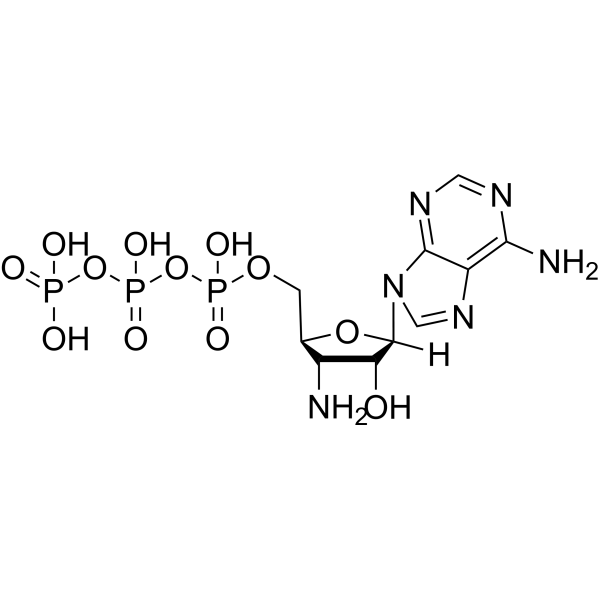
3'-NH2-ATP, an ATP analogue, is a potent and competitive inhibitor of ATP, with a Ki of 2.3 μM. 3'-NH2-ATP can be used to synthesis of 3′-Amino-3′-deoxy transfer RNA by incorporation into the 3' terminus of tRNA-C-C .
|
-
-
- HY-P3971
-
|
|
TGF-beta/Smad
|
Inflammation/Immunology
|
|
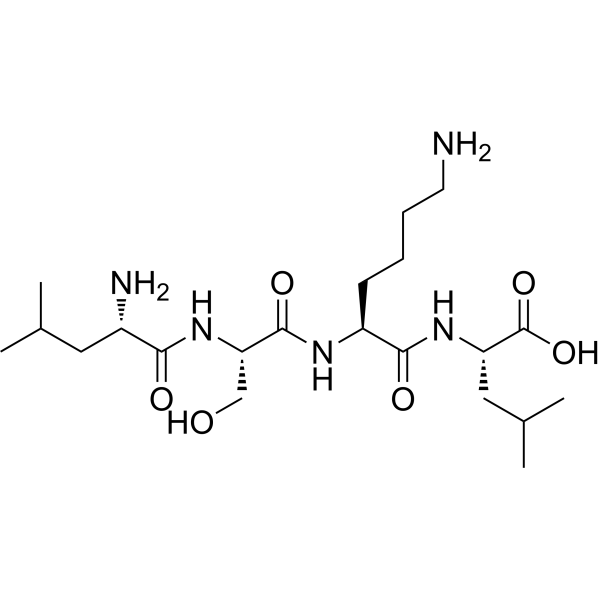
H-Leu-Ser-Lys-Leu-OH (LSYL) is a latency-associated peptide at the amino terminus of LAP, with inhibitory effect on TGF-β1 activation. H-Leu-Ser-Lys-Leu-OH, binding with KRFK (HY-P3970), can block the signal transduction of TGF-β1, and prevent the progression of hepatic damage and fibrosis .
|
-
-
- HY-P2842
-
-
-
- HY-P1493
-
|
FPB,human
|
Thrombin
|
Inflammation/Immunology
|
|
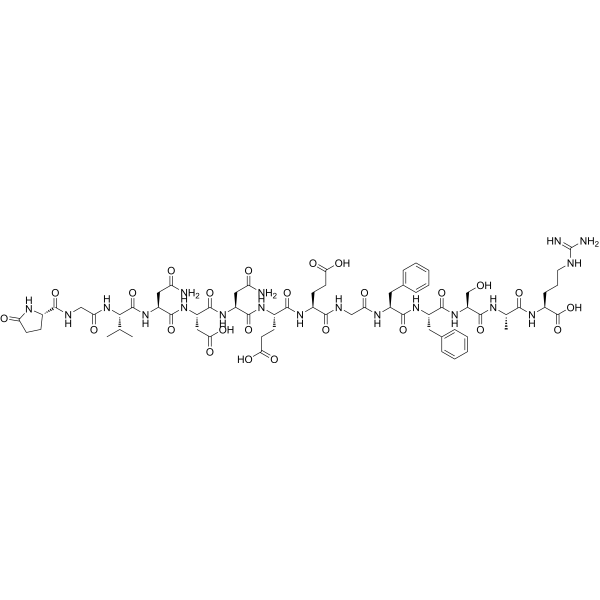
Fibrinopeptide B, human is a 14-aa peptide, released from the amino-terminus of β-chains of fibrinogen by thrombin.
|
-
-
- HY-E70413
-
|
|
Endogenous Metabolite
|
Cardiovascular Disease
Metabolic Disease
|
|
Amino acid arylamidase, hog kidney is a metalloprotease that can hydrolyze proteins or peptides containing free α-amino or α-imino groups, playing a crucial role in amino acid metabolism and protein digestion. Its hydrolytic activity can be blocked by acetylation of the N-terminus. Amino acid arylamidase, hog kidney can be used in research on hepatic diseases, biliary diseases, and heart failure .
|
-
-
- HY-174365H
-
|
|
Biochemical Assay Reagents
|
Others
|
|
mPEG-NPC (MW 20000) is an important PEG derivative whose reactive groups can be used to modify proteins, peptides or any other compounds with available amino groups at lysine residues or N-terminus .
|
-
-
- HY-174365D
-
|
|
Biochemical Assay Reagents
|
Others
|
|
mPEG10000-NPC is an important PEG derivative whose reactive groups can be used to modify proteins, peptides or any other compounds with available amino groups at lysine residues or N-terminus .
|
-
-
- HY-174365E
-
|
|
Biochemical Assay Reagents
|
Others
|
|
mPEG40000-NPC is an important PEG derivative whose reactive groups can be used to modify proteins, peptides or any other compounds with available amino groups at lysine residues or N-terminus .
|
-
-
- HY-174365
-
|
|
Biochemical Assay Reagents
|
Others
|
|
mPEG1000-NPC is an important PEG derivative whose reactive groups can be used to modify proteins, peptides or any other compounds with available amino groups at lysine residues or N-terminus .
|
-
-
- HY-P11314
-
|
|
Amyloid-β
|
Cardiovascular Disease
Neurological Disease
|
|
ABri, 34 amino acids long, is an Amyloid subunit with certain degree of N- and C-terminal heterogeneity and no sequence identity to any known amyloid protein. ABri is devoid of glycine, methionine, proline, aspartic acid, tryptophane, tyrosine and glutamine, featuring pyroglutamate at its N-terminus. ABri can be used for cerebral hemorrhages, ischemic infarction and Alzheimer disease research .
|
-
-
- HY-P1055
-
|
|
iGluR
|
Neurological Disease
|
|
Pep2-SVKE is an inactive control peptide for pep2-SVKI (HY-P1056). Pep2-SVKE is an inhibitory peptide corresponding to the last 10 amino acids of the C-terminus of the GluR2 AMPA receptor subunit. Pep2-SVKE does not block AMPA-mediated [ 3H]DA exocytosis. Pep2-SVKE does not bind to GRIP or PICK43 and does not block retention of PICK1 by GST-GluR2 and LTD [1] [2] [3] [4] [5].
|
-
-
- HY-P11284B
-
|
|
Drug Derivative
|
Neurological Disease
|
|
TGN, Cys modified is a cysteine modified TGN (HY-P11284) on the C-terminus. TGN, a 12-amino acid ligand, is a BBB-penetrating peptide. TGN can be used as a drug delivery vehicle for Alzheimer's disease research .
|
-
-
- HY-174365C
-
|
|
Biochemical Assay Reagents
|
Others
|
|
mPEG5000-NPC is an important PEG derivative whose reactive groups can be used to modify proteins, peptides or any other compounds with available amino groups at lysine residues or N-terminus .
|
-
-
- HY-174365A
-
|
|
Biochemical Assay Reagents
|
Others
|
|
mPEG2000-NPC is an important PEG derivative whose reactive groups can be used to modify proteins, peptides or any other compounds with available amino groups at lysine residues or N-terminus .
|
-
-
- HY-174365B
-
|
|
Biochemical Assay Reagents
|
Others
|
|
mPEG3400-NPC is an important PEG derivative whose reactive groups can be used to modify proteins, peptides or any other compounds with available amino groups at lysine residues or N-terminus .
|
-
-
- HY-W099633
-
|
|
Amino Acid Derivatives
|
Neurological Disease
|
|
2-Aminodecanoic acid is a lipophilic α-amino acid with an aliphatic side chain of 10 carbon atoms. 2-Aminodecanoic acid modifies the N-terminus of endogenous opioid peptide endomorphin-1 to enhance metabolic stability and membrane permeability. 2-Aminodecanoic acid can be used for the research of neuropathic pain .
|
-
-
- HY-176277S
-
|
FPB,human-(Val-13C5,15N, Arg-13C6,15N4) TFA
|
Isotope-Labeled Compounds
|
Inflammation/Immunology
|
|
Fibrinopeptide B, human-(Val- 13C5, 15N, Arg- 13C6, 154) TFA is the 13C- and 15N-labeled Fibrinopeptide B, human (HY-P1493). Fibrinopeptide B, human is a 14-aa peptide, released from the amino-terminus of β-chains of fibrinogen by thrombin .
|
-
-
- HY-W800719
-
|
|
Biochemical Assay Reagents
|
Others
|
|
N-Boc-N'-(PEG1-t-butyl ester)-L-Lysine-amido-Mal is the amino acid, lysine, with a maleimide at its C-terminus, a Boc-protecting group on its α-amine, and an amido-PEG1-t-butyl ester on its ε-amine. Maleimide is a thiol-reactive covalent group used to conjugate cysteine residues, while the Boc and the t-butyl ester can be later deprotected to perform further reactions.
|
-
-
- HY-P3051A
-
|
|
Drug Derivative
|
Infection
Inflammation/Immunology
|
|
CKS-17 (dimer) is the dimer of CKS-17 (HY-P3051). CKS-17 (dimer) can be prepared by introducing a naturally occurring cysteine at the carboxyl terminus and dimerizing via a cysteine-disulfide bond. CKS-17 is a synthetic retroviral envelope peptide. CKS-17 has a highly conserved amino acid sequence present in the transmembrane envelope proteins of numerous animal and human retroviruses. As an immunomodulatory epitope, CKS-17 exhibits inhibitory properties on a variety of immune functions .
|
-
-
- HY-W968308
-
|
|
Amino Acid Derivatives
|
Metabolic Disease
|
|
H-Gly-D-Ala-OH is a dipeptide containing D-amino acid. H-Gly-D-Ala-OH can be specifically hydrolyzed by renal dipeptidase, which acts on peptide segments with a D-amino acid at the carboxyl terminus. H-Gly-D-Ala-OH enables highly specific detection of renal dipeptidase activity without interference from other serum or urine aminopeptidases. When used in combination with low-dose Sodium nitrite (HY-N11218), H-Gly-D-Ala-OH inhibits the initial spore growth of Clostridium botulinum in pork homogenate, whereas it has no such effect on its own. H-Gly-D-Ala-OH can be used in research related to chronic renal failure, diabetes mellitus and botulism .
|
-
| Cat. No. |
Product Name |
Type |
-
- HY-174365H
-
|
|
Biochemical Assay Reagents
|
|
mPEG-NPC (MW 20000) is an important PEG derivative whose reactive groups can be used to modify proteins, peptides or any other compounds with available amino groups at lysine residues or N-terminus .
|
-
- HY-174365D
-
|
|
Biochemical Assay Reagents
|
|
mPEG10000-NPC is an important PEG derivative whose reactive groups can be used to modify proteins, peptides or any other compounds with available amino groups at lysine residues or N-terminus .
|
-
- HY-174365E
-
|
|
Biochemical Assay Reagents
|
|
mPEG40000-NPC is an important PEG derivative whose reactive groups can be used to modify proteins, peptides or any other compounds with available amino groups at lysine residues or N-terminus .
|
-
- HY-174365
-
|
|
Biochemical Assay Reagents
|
|
mPEG1000-NPC is an important PEG derivative whose reactive groups can be used to modify proteins, peptides or any other compounds with available amino groups at lysine residues or N-terminus .
|
-
- HY-174365C
-
|
|
Biochemical Assay Reagents
|
|
mPEG5000-NPC is an important PEG derivative whose reactive groups can be used to modify proteins, peptides or any other compounds with available amino groups at lysine residues or N-terminus .
|
-
- HY-174365A
-
|
|
Biochemical Assay Reagents
|
|
mPEG2000-NPC is an important PEG derivative whose reactive groups can be used to modify proteins, peptides or any other compounds with available amino groups at lysine residues or N-terminus .
|
-
- HY-174365B
-
|
|
Biochemical Assay Reagents
|
|
mPEG3400-NPC is an important PEG derivative whose reactive groups can be used to modify proteins, peptides or any other compounds with available amino groups at lysine residues or N-terminus .
|
| Cat. No. |
Product Name |
Target |
Research Area |
-
- HY-P1136
-
Gap19
5 Publications Verification
|
Gap Junction Protein
|
Cardiovascular Disease
|
|
Gap19, a peptide derived from nine amino acids of the Cx43 cytoplasmic loop (CL), is a potent and selective connexin 43 (Cx43) hemichannel blocker. Gap19 inhibits hemichannels caused by preventing intramolecular interactions of the C-terminus (CT) with the CL. Gap19 is not blocking GJ channels or Cx40/pannexin-1 hemichannels. Gap19 has protective effects against myocardial .
|
-
- HY-P1732
-
|
|
Biochemical Assay Reagents
|
Cancer
|
|
Transportan is an amphipathic cell-penetrating peptide containing 12 functional amino acids from the amino terminus of the neuropeptide galanin and mastoparan in the carboxyl terminus, connected via a lysine. Transportan interacts with galanin receptors and G-proteins, modulates GTPase activity, enters cells via direct translocation and endocytic pathways, accumulates in cytoplasmic, nuclear, and membranous structures, and delivers cargo including peptides, PNAs, proteins, siRNA, and liposomes [12].
|
-
- HY-P2543
-
|
|
Neuropeptide Y Receptor
|
Cardiovascular Disease
Neurological Disease
|
|
Neuropeptide Y (3-36) (human, rat) is a neuropeptide Y fragment derived from humans or rats. Neuropeptide Y is an extremely abundant neurotransmitter in central and peripheral neurons, and it participates in the regulation of psychomotor activity, circadian rhythm, feeding behavior and cardiovascular function. Neuropeptide Y (3-36) (human, rat) can serve as a substrate to be sequentially degraded from its N-terminus by AfuS28, and it requires binding to AfuS28 and SedB to be decomposed into amino acids, dipeptides and tripeptides [1] [2].
|
-
- HY-P10531
-
|
|
Peptides
|
Others
|
|
ALFA-tag is a small and stable α-helical structure composed of 15 amino acids. ALFA-tag is highly hydrophilic and can be placed at the N-terminus, C-terminus, or between two independently folded domains of the target protein without affecting the function of the protein. ALFA-tag is widely used as an epitope tag and is used for the detection and manipulation of proteins in living cells .
|
-
- HY-P3815
-
|
|
Casein Kinase
|
Others
|
|
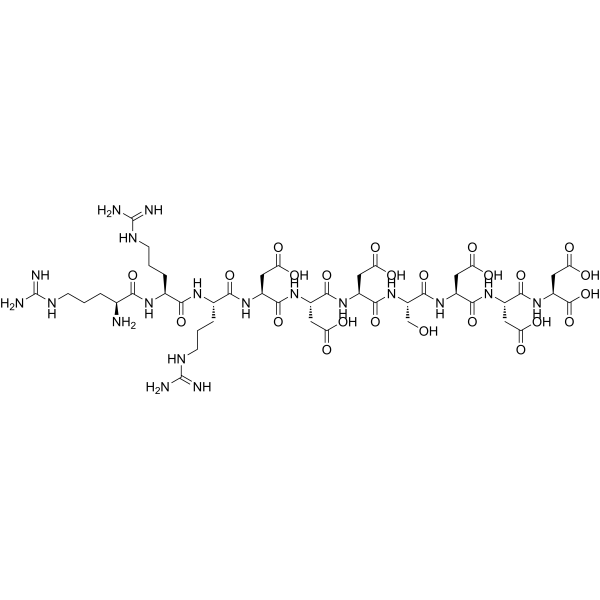
Casein Kinase 2 Substrate Peptide is a common CK2 substrate peptide. Casein Kinase 2 Substrate Peptide is synthesized with its C-terminus conjugated to 5-[(2-aminoethyl)amino]naphthalene-1-sulfonic acid (EDANS). Casein Kinase 2 Substrate Peptide can be used for protein kinase CK2 activity determination .
|
-
- HY-P5506
-
|
|
Complement System
|
Others
|
|
C5a Receptor agonist, W5Cha (Peptide 1) is a selective complement C5a receptor (C5aR) agonist (EC50=0.2 μM), a hexapeptide derived from the C-terminus of C5a with specific amino acid modifications. C5a Receptor agonist, W5Cha is able to interact with the Arg-206 site of the C5a receptor through its C-terminal arginine, thereby activating the receptor .
|
-
- HY-P1136A
-
|
|
Gap Junction Protein
|
Cardiovascular Disease
|
|
Gap19 TFA, a peptide derived from nine amino acids of the Cx43 cytoplasmic loop (CL), is a potent and selective connexin 43 (Cx43) hemichannel blocker. Gap19 TFA inhibits hemichannels caused by preventing intramolecular interactions of the C-terminus (CT) with the CL. Gap19 TFA is not blocking GJ channels or Cx40/pannexin-1 hemichannels. Gap19 TFA has protective effects against myocardial .
|
-
- HY-P1565
-
|
TD 1 Disulfide(peptide)
|
Na+/K+ ATPase
|
Inflammation/Immunology
|
|
Transdermal Peptide Disulfide (TD 1 Disulfide(peptide)) is a 11-amino acid peptide, binds toNa +/K +-ATPase beta-subunit (ATP1B1), and mainly interacts with the C-terminus of ATP1B1. Transdermal Peptide Disulfide can enhance the transdermal delivery of many macromolecules .
|
-
- HY-P1565A
-
|
TD 1 Disulfide(peptide) TFA
|
Na+/K+ ATPase
|
Others
|
|
Transdermal Peptide Disulfide TFA (TD 1 Disulfide(peptide) TFA) is a 11-amino acid peptide, binds to Na +/K +-ATPase beta-subunit (ATP1B1), and mainly interacts with the C-terminus of ATP1B1. Transdermal Peptide Disulfide TFA can enhance the transdermal delivery of many macromolecules .
|
-
- HY-34738
-
|
3-(Boc-amino)-1-propanol
|
Amino Acid Derivatives
|
Others
|
|
Boc-β-Ala-ol (3-(Boc-amino)-1-propanol) is an alanine derivative with a Boc protecting group at the N-terminus, which can be used to synthesize bioactive peptide mimics, such as Nα-Benzoyl-α-azaornithine phenyl ester, which has trypsin inhibitory activity .
|
-
- HY-P3971
-
|
|
TGF-beta/Smad
|
Inflammation/Immunology
|
|
H-Leu-Ser-Lys-Leu-OH (LSYL) is a latency-associated peptide at the amino terminus of LAP, with inhibitory effect on TGF-β1 activation. H-Leu-Ser-Lys-Leu-OH, binding with KRFK (HY-P3970), can block the signal transduction of TGF-β1, and prevent the progression of hepatic damage and fibrosis .
|
-
- HY-P5429
-
|
|
Peptides
|
Others
|
|
DNA-PK Substrate is a biological active peptide. (A substrate for DNA-dependent protein kinase (DNA-PK), phosphorylation. DNA-PK is essential for the repair of DNA double-strand breaks. This peptide corresponding to 11–24 amino acids of human p53 with threonine 18 and serine 20 changed to alanine is used as a substrate for the assay of DNA-PK activityPyroglutamyl (pGlu) peptides may spontaneously form when either Glutamine (Q) or Glutamic acid (E) is located at the sequence N-terminus. The conversion of Q or E to pGlu is a natural occurrence and in general it is believed that the hydrophobic γ-lactam ring of pGlu may play a role in peptide stability against gastrointestinal proteases. Pyroglutamyl peptides are therefore considered a normal subset of such peptides and are included as part of the peptide purity during HPLC analysis.)
|
-
- HY-P1493
-
|
FPB,human
|
Thrombin
|
Inflammation/Immunology
|
|
Fibrinopeptide B, human is a 14-aa peptide, released from the amino-terminus of β-chains of fibrinogen by thrombin.
|
-
- HY-P4807
-
|
Hez-PBAN
|
Peptides
|
Neurological Disease
|
|
Pheromone Biosynthesis Activating Neuropeptide (Helicoverpa assulta, Heliothis zea) (PBAN), a member of the PBAN/Pyrokinin neuropeptide family, characterized by a common amino acid sequence FXPRLamide motif in the C-terminus .
|
-
- HY-P1493A
-
|
FPB,human TFA
|
Peptides
|
Inflammation/Immunology
|
|
Fibrinopeptide B, human TFA (FPB,human TFA), human is a 14-aa peptide, released from the amino-terminus of β-chains of fibrinogen by thrombin .
|
-
- HY-P11314
-
|
|
Amyloid-β
|
Cardiovascular Disease
Neurological Disease
|
|
ABri, 34 amino acids long, is an Amyloid subunit with certain degree of N- and C-terminal heterogeneity and no sequence identity to any known amyloid protein. ABri is devoid of glycine, methionine, proline, aspartic acid, tryptophane, tyrosine and glutamine, featuring pyroglutamate at its N-terminus. ABri can be used for cerebral hemorrhages, ischemic infarction and Alzheimer disease research .
|
-
- HY-P1055
-
|
|
iGluR
|
Neurological Disease
|
|
Pep2-SVKE is an inactive control peptide for pep2-SVKI (HY-P1056). Pep2-SVKE is an inhibitory peptide corresponding to the last 10 amino acids of the C-terminus of the GluR2 AMPA receptor subunit. Pep2-SVKE does not block AMPA-mediated [ 3H]DA exocytosis. Pep2-SVKE does not bind to GRIP or PICK43 and does not block retention of PICK1 by GST-GluR2 and LTD [1] [2] [3] [4] [5].
|
-
- HY-P5479
-
|
|
Peptides
|
Others
|
|
EE epitope is a biological active peptide. (This peptide is a 314 to 319 amino acids fragment of the middle T antigen of mouse polymavirus. Glu-Glu epitope peptide is widely used as an epitope tag.Pyroglutamyl (pGlu) peptides may spontaneously form when either Glutamine (Q) or Glutamic acid (E) is located at the sequence N-terminus. The conversion of Q or E to pGlu is a natural occurrence and in general it is believed that the hydrophobic γ-lactam ring of pGlu may play a role in peptide stability against gastrointestinal proteases. Pyroglutamyl peptides are therefore considered a normal subset of such peptides and are included as part of the peptide purity during HPLC analysis.)
|
-
- HY-P2553
-
|
|
Peptides
|
Others
|
|
Histone H3 (116-136), C116-136 is a peptide spaning the C-terminus of histone H3, amino acids 116 to 136 .
|
-
- HY-176277S
-
|
FPB,human-(Val-13C5,15N, Arg-13C6,15N4) TFA
|
Isotope-Labeled Compounds
|
Inflammation/Immunology
|
|
Fibrinopeptide B, human-(Val- 13C5, 15N, Arg- 13C6, 154) TFA is the 13C- and 15N-labeled Fibrinopeptide B, human (HY-P1493). Fibrinopeptide B, human is a 14-aa peptide, released from the amino-terminus of β-chains of fibrinogen by thrombin .
|
-
- HY-P11662
-
|
|
Peptides
|
Cancer
|
|
NLS peptide is a nuclear localization signal peptide, a short amino acid sequence that can be recognized by nuclear transport machinery (such as the Importin protein complex). NLS peptide can directionally transport the molecules or nanoparticles linked to it into the nucleus, and the N-terminal Cys terminus can be used for subsequent coupling. NLS peptide can be used to construct nucleus-specific imaging probes and nucleus-targeted nanoparticles
|
-
- HY-P3051A
-
|
|
Drug Derivative
|
Infection
Inflammation/Immunology
|
|
CKS-17 (dimer) is the dimer of CKS-17 (HY-P3051). CKS-17 (dimer) can be prepared by introducing a naturally occurring cysteine at the carboxyl terminus and dimerizing via a cysteine-disulfide bond. CKS-17 is a synthetic retroviral envelope peptide. CKS-17 has a highly conserved amino acid sequence present in the transmembrane envelope proteins of numerous animal and human retroviruses. As an immunomodulatory epitope, CKS-17 exhibits inhibitory properties on a variety of immune functions .
|
| Cat. No. |
Product Name |
Target |
Research Area |
Image |
-
- HY-P99163
-
|
ABBV-8E12; C2N-8E12
|
Tau Protein
|
Neurological Disease
|
|
Tilavonemab (ABBV-8E12) is a humanized anti-tau monoclonal antibody that binds to amino acids 25-30 near the N-terminus of the tau protein. Tilavonemab can block the ability of human and mouse neurons to uptake tau aggregates. Tilavonemab can be used for research on Alzheimer’s disease and other tauopathies .
|
-
(5)
| Cat. No. |
Product Name |
Chemical Structure |
-
- HY-176277S
-
|
|
|
Fibrinopeptide B, human-(Val- 13C5, 15N, Arg- 13C6, 154) TFA is the 13C- and 15N-labeled Fibrinopeptide B, human (HY-P1493). Fibrinopeptide B, human is a 14-aa peptide, released from the amino-terminus of β-chains of fibrinogen by thrombin .
|
-
Your information is safe with us. * Required Fields.
Inquiry Information
- Product Name:
- Cat. No.:
- Quantity:
- MCE Japan Authorized Agent:

