Search Result
Results for "
bifunctional molecule
" in MedChemExpress (MCE) Product Catalog:
2
Biochemical Assay Reagents
1
Isotope-Labeled Compounds
| Cat. No. |
Product Name |
Target |
Research Areas |
Chemical Structure |
-
- HY-138642
-
|
ARV-471
|
PROTACs
Estrogen Receptor/ERR
|
Cancer
|
|
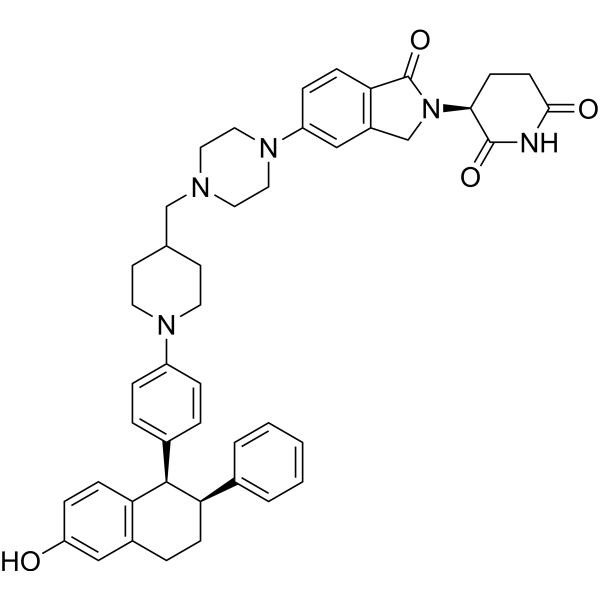
Vepdegestrant (ARV-471) is an orally active PROTAC estrogen receptor degrader against breast cancer. Vepdegestrant is a hetero-bifunctional molecule that facilitates the interactions between estrogen receptor alpha and an intracellular E3 ligase complex. Vepdegestrant leads to the ubiquitylation and subsequent degradation of estrogen receptors via the proteasome. Vepdegestrant robustly degrades ER in ER-positive breast cancer cell lines with a half-maximal degradation concentration (DC50) of about 2 nM .
|
-
-
- HY-131326
-
|
|
Biochemical Assay Reagents
|
Cancer
|
|
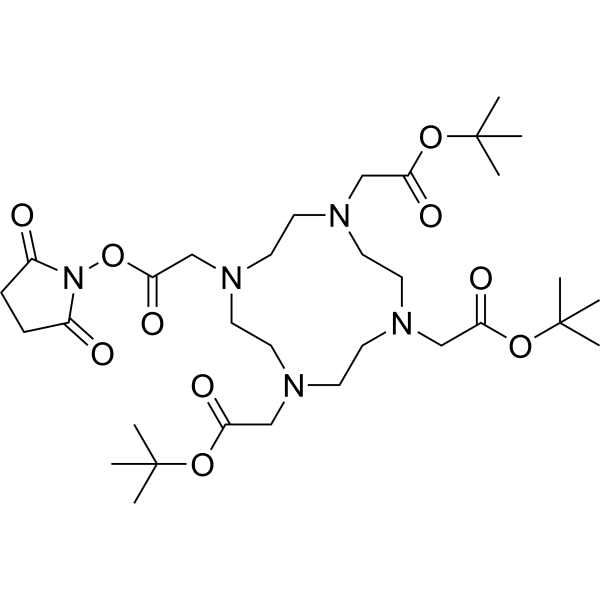
DOTA-tris(tBu)ester NHS ester is a bifunctional precursor to a DOTA-based chelating agent. DOTA-tris(tBu)ester NHS ester can be used to label primary amines (R-NH2) of proteins, amine-modified oligonucleotides, and other amine-containing molecules, and upon deprotection forms stable complexes with metal ions for applications in molecular imaging .
|
-
-
- HY-134797
-
|
|
Radionuclide-Drug Conjugates (RDCs)
|
Cancer
|
|
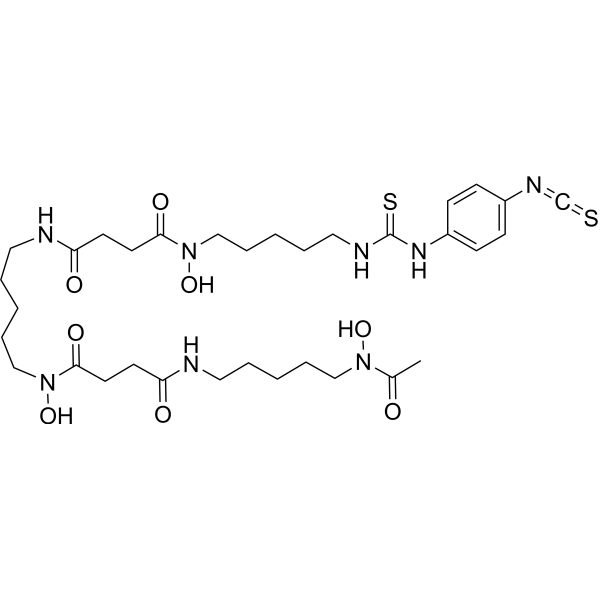
P-SCN-Bn-deferoxamine is a bifunctional chelating agent that can link radioactive metal nuclides (such as Zr-89) and biological targeting molecules (such as antibodies). P-SCN-Bn-deferoxamine can be used for the research of immune PET imaging .
|
-
-
- HY-153552A
-
|
|
FAP
|
Cancer
|
|
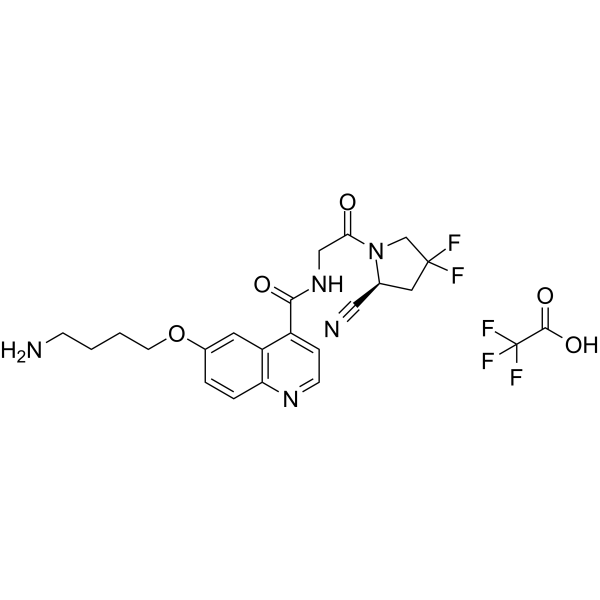
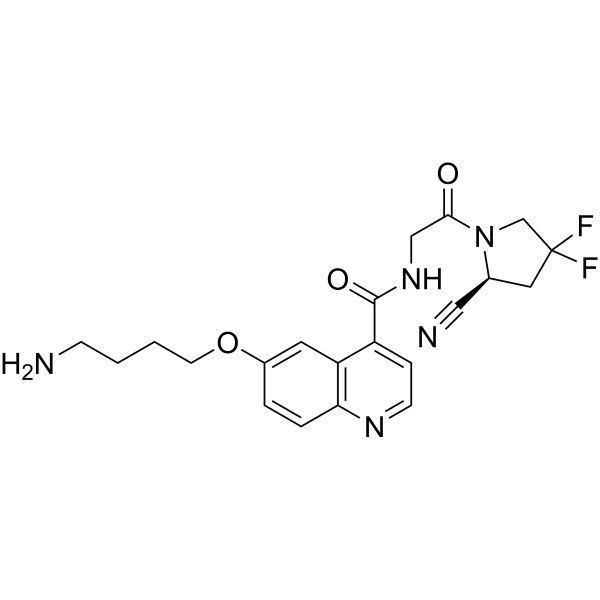
NH2-UAMC1110 TFA is an aminobutoxy derivative of the fibroblast activation protein (FAP) inhibitor UAMC1110 (HY-100684), and is a precursor compound for the synthesis of FAP inhibitor probes, not directly used in bioactivity experiments. For example, NH2-UAMC1110 TFA is involved in the synthesis of the radiotracer FAPI-QS, which exhibits high tumor selectivity and high dose effect, and has been used in tumor diagnosis. NH2-UAMC1110 TFA structurally incorporates an active amino group, allowing it to form covalent bonds with various molecules (such as DOTA, DATA5m, radionuclide chelators, etc.) to synthesize molecular imaging probes or targeted compounds with the ability to target FAP. NH2-UAMC1110 TFA specifically binds to the FAP active site, inhibiting its proline-selective serine protease activity (including dipeptidyl peptidase and endopeptidase activity), blocking FAP-mediated tissue remodeling-related processes. Its key activity is high targeting and high affinity, and its core function is to act as a targeting module coupled with bifunctional chelators (such as DOTA, DATA5m). NH2-UAMC1110 TFA can be applied to diagnostic imaging studies of tumors expressing FAP (such as colorectal cancer, pancreatic cancer, etc.), and also provides molecular tools for targeted research of FAP-related diseases with high FAP expression, such as fibrosis and arthritis .
|
-
-
- HY-153552
-
|
|
FAP
|
Cancer
|
|
NH2-UAMC1110 is an aminobutoxy derivative of the fibroblast activation protein (FAP) inhibitor UAMC1110 (HY-100684), and is a precursor compound for the synthesis of FAP inhibitor probes, not directly used in bioactivity experiments. For example, NH2-UAMC1110 is involved in the synthesis of the radiotracer FAPI-QS, which exhibits high tumor selectivity and high dose-response, and has been used for tumor diagnosis. NH2-UAMC1110 introduces an active amino group into its structure, enabling it to form covalent bonds with various molecules (such as DOTA, DATA5m, radionuclide chelators, etc.), thereby synthesizing molecular imaging probes or targeted compounds with the ability to target FAP. NH2-UAMC1110 specifically binds to the FAP active site, inhibiting its proline-selective serine protease activity (including dipeptidyl peptidase and endopeptidase activity), blocking FAP-mediated tissue remodeling processes. Its key activity is high targeting and high affinity, and its core function is to be coupled with bifunctional chelators (such as DOTA, DATA5m) as a targeting module. NH2-UAMC1110 can be applied to diagnostic imaging studies of tumors expressing FAP (such as colorectal cancer, pancreatic cancer, etc.), and also provides molecular tools for targeted research of FAP-related diseases with high FAP expression, such as fibrosis and arthritis .
|
-
-
- HY-159493
-
|
|
Polo-like Kinase (PLK)
|
Cancer
|
|
BI2536-PEG2-Halo is a bifunctional molecule containing a ligand for Halo tag and a Polo-like kinase 1 (PLK1) inhibitor BI-2536 (HY-50698). BI2536-PEG2-Halo inhibits the proliferation of 293T cells with Halo-p53R273H(FL)-mCherry tag (IC50=23 nM), exhibits selective toxicity against p53 mutant cancer cells .
|
-
-
- HY-159758
-
|
|
Others
|
Neurological Disease
Cancer
|
|
EcDHFR/FKBP12 F36V binder-1 (compound 1) is a bifunctional molecule that combines the Escherichia coli dihydrofolate reductase domain (EcDHFR) with the FKBP12 F36V domain .
|
-
-
- HY-132975
-
|
|
Bacterial
|
Others
|
|
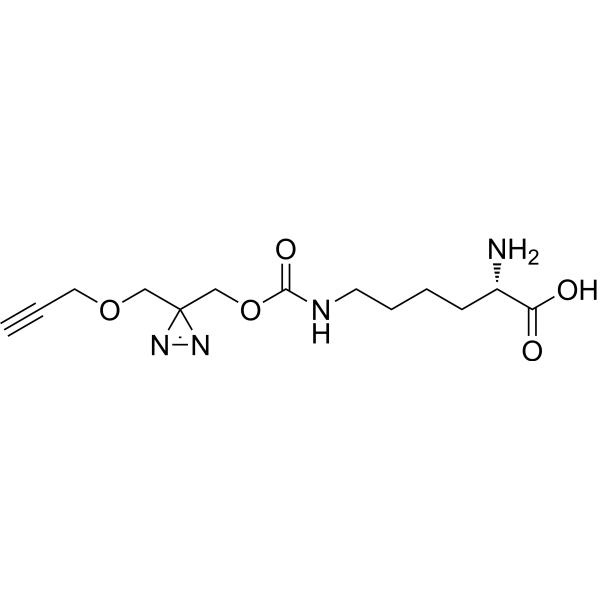
PrDiAzK is a bifunctional amino acid. PrDiAzK can be site-selectively incorporated into proteins in both bacterial and mammalian cell culture. PrDiAzK can be used for proteome-wide incorporation via stochastic orthogonal recoding of translation (SORT) . PrDiAzK is a click chemistry reagent, it contains an Alkyne group and can undergo copper-catalyzed azide-alkyne cycloaddition (CuAAc) with molecules containing Azide groups.
|
-
-
- HY-170405
-
|
|
PROTACs
mTOR
|
Cancer
|
|
YB-3-17 is a bifunctional molecule, that inhibits mTOR (IC50=0.22 nM) or degrades G1 to S phase transition 1 gene (GSPT1, DC50=5 nM) in a PROTAC mechanism. YB-3-17 exhibits antiproliferative activity in multi glioblastoma cell lines with IC50 of nanomolare levels. YB-3-17 exhibits antitumor efficacy in mouse models . (Pink: ligand for target protein (HY-170407); Black: linker (HY-A0102); Blue: ligand for E3 ligase Cereblon (HY-14658))
|
-
-
- HY-138642S
-
|
ARV-471-d5
|
Isotope-Labeled Compounds
|
Cancer
|
|
Vepdegestrant-d5 (ARV-471-d5) is the deuterium labeled Vepdegestrant (HY-138642). Vepdegestrant (ARV-471) is an orally active PROTAC estrogen receptor degrader against breast cancer. Vepdegestrant is a hetero-bifunctional molecule that facilitates the interactions between estrogen receptor alpha and an intracellular E3 ligase complex. Vepdegestrant leads to the ubiquitylation and subsequent degradation of estrogen receptors via the proteasome. Vepdegestrant robustly degrades ER in ER-positive breast cancer cell lines with a DC50 of about 2 nM .
|
-
-
- HY-158685
-
|
|
MDM-2/p53
|
Cancer
|
|
RG7112D is a potent MDM2 inhibitor with IC50s of 11 nM and >10000 nM and for MDM2-p53 and VHL-HIF1α by binding HTRF assay, respectively. RG7112D is coupled by an amide bond to VHL-Amine, resulting in a bi-functional molecule, YX-02-030. YX-02-03, a MDM2-PROTAC, potently inhibits MDM2-p53 binding (HTRF IC50=63nM). RG7112D can stabilize MDM2 protein and increase p53 protein levels .
|
-
-
- HY-163811
-
-
-
- HY-142881
-
|
|
LYTACs
|
Others
|
|
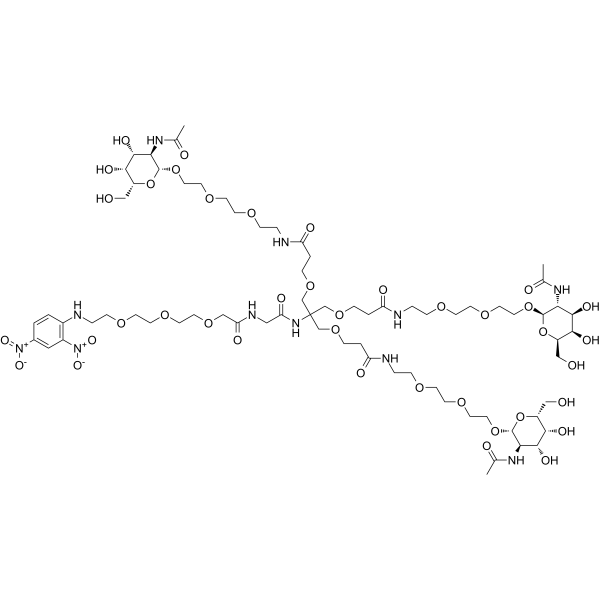
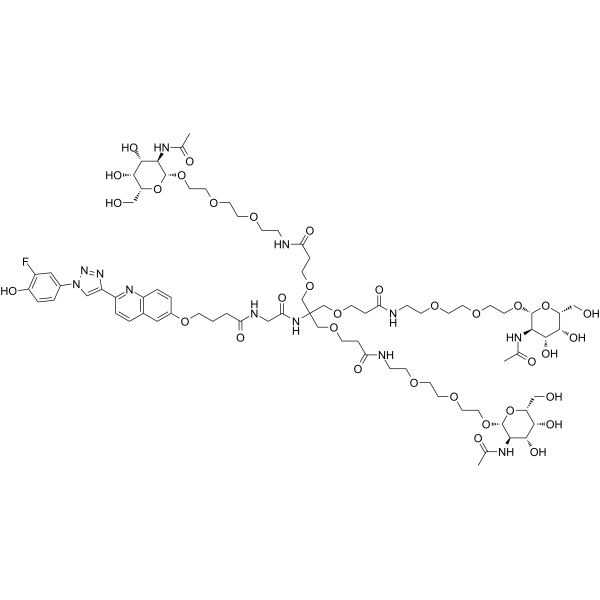
D-MoDE-A (1) is a bifunctional small molecule that mediates the degradation of extracellular proteins through the asialoglycoprotein receptor (ASGPR).
|
-
-
- HY-179560
-
|
|
Polo-like Kinase (PLK)
MDM-2/p53
|
Cancer
|
|
PMV6-PEG4-BI2536 is a p53-Y220C-PLK1 dual-functional compound, composed of a high-affinity p53-Y220C mutant binder (Kd ≈ 2.5 nM) and a potent PLK1 kinase inhibitor (IC50 = 0.83 nM). PMV6-PEG4-BI2536 triggers TP53 Y220C cell G2/M arrest and apoptosis through PLK1 mislocalization and kinase inhibition, independent of p53 transcriptional reactivation. PMV6-PEG4-BI2536 can be used for the study of TP53 mutant cancers .
|
-
-
- HY-138642A
-
|
(Rac)-ARV-471
|
Estrogen Receptor/ERR
PROTACs
|
Cancer
|
|
(Rac)-Vepdegestrant is the isomer of Vepdegestrant (HY-138642). Vepdegestrant ((R)-Lavandulol) is an orally active PROTAC estrogen receptor degrader against breast cancer. Vepdegestrant is a hetero-bifunctional molecule that facilitates the interactions between estrogen receptor alpha and an intracellular E3 ligase complex. Vepdegestrant leads to the ubiquitylation and subsequent degradation of estrogen receptors via the proteasome. Vepdegestrant robustly degrades ER in ER-positive breast cancer cell lines with a half-maximal degradation concentration (DC50) of about 2 nM .
|
-
-
- HY-173499
-
|
|
Aurora Kinase
Apoptosis
|
Cancer
|
|
HLDA-212 (Compound 43) is a bifunctional small molecule targeting HaloTag-tagged protein (Target Protein, TP) and Aurora kinase A/B (AURKA/B, Effector Protein, EP). HLDA-212 binds to TP and EP to form a stable ternary complex (TP:RIPTAC:EP), inhibiting the cell-survival function of EP and inducing apoptosis in TP-expressing cancer cells. HLDA-212 shows antiproliferative activity (GI50 of 0.011 μM) in 293_HFL cells. HLDA-212 is promising for research of cancers with high TP expression (such as prostate cancer and hematological malignancies) .
|
-
-
- HY-D2280
-
|
|
HDAC
Estrogen Receptor/ERR
|
Others
|
|
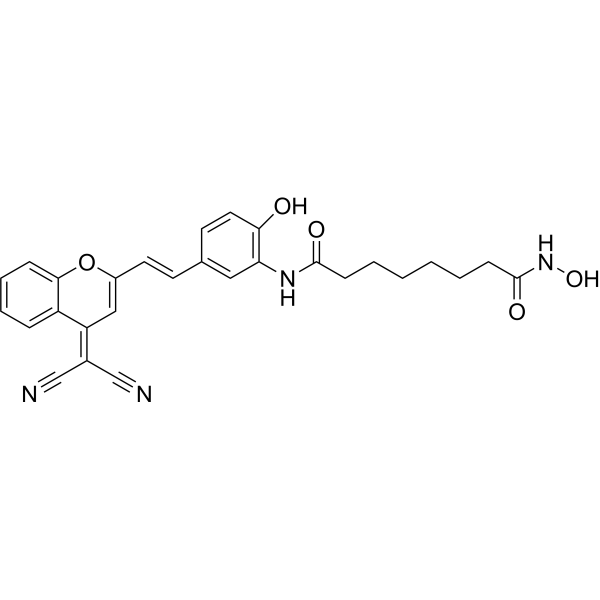
Estrogen receptor β/HDAC probe 1 (compound P1) is a near-infrared fluorescent probe that dual-targets the estrogen receptor (Estrogen Receptor/ERR) β/histone deacetylase HDAC .
|
-
-
- HY-163812
-
|
|
Molecular Glues
Estrogen Receptor/ERR
|
Cancer
|
|
ER degrader 9 (compound 1), a bifunctional molecular glue, is a potent estrogen receptor (ER) degrader with a DC50 of ≤10 nM in MCF-7 cells. ER degrader 9 can be used for the research of breast cancer .
|
-
-
- HY-142885
-
|
|
LYTACs
|
Others
|
|
M-MoDE-A (2) is a bifunctional small molecule that mediates the degradation of extracellular proteins through the asialoglycoprotein receptor (ASGPR).
|
-
-
- HY-171561G
-
|
|
Biochemical Assay Reagents
|
Others
|
|
DOTAM-Maleimide triTFA (GMP) is DOTAM-Maleimide triTFA (HY-171561) produced by using GMP guidelines. GMP small molecules works appropriately as an auxiliary reagent for cell therapy manufacture. DOTAM-Maleimide triTFA is a bifunctional chelator .
|
-
-
- HY-159004
-
|
|
Reactive Oxygen Species (ROS)
|
Metabolic Disease
Inflammation/Immunology
|
|
Se-DOPE is a phospholipid molecule with selenium. Se-DOPE can be used to synthesize the bifunctional Janus liposozyme. Se-DOPE promotes the production of ROS with induction of lights, scavenges the ROS with the presence of glutathione. Se-DOPE regulates redox and immune homeostasis in infected diabetic wounds .
|
-
-
- HY-W088413A
-
|
|
Biochemical Assay Reagents
|
Cancer
|
|
DOTA-amide (dihydrate) is a Bifunctional Chelators (BFCs). DOTA-amide (dihydrate) binds to the Affibody molecule ZHER2:S1. Its complex binds specifically to HER2 and can be used to detect bone metastases, which are common in prostate cancer .
|
-
-
- HY-120246
-
|
|
Adrenergic Receptor
Phosphodiesterase (PDE)
|
Inflammation/Immunology
|
|
GS-5759 is both a β₂-adrenergic receptor agonist and a PDE4 inhibitor. GS-5759 increases intracellular cAMP levels by activating the β₂ receptor, promoting bronchial dilation. GS-5759 inhibits PDE4 activity, reduces cAMP degradation, and enhances anti-inflammatory effects. GS-5759 exhibits potent bronchial dilation and anti-inflammatory capabilities in animal models. GS-5759 can be used for research on respiratory diseases such as chronic obstructive pulmonary disease (COPD) .
|
-
-
- HY-153665
-
|
|
Biochemical Assay Reagents
|
Others
|
|
Deg-1 is a a bifunctional probe with a cleavage group and a covalent binding group. Deg-1 covalently binds to the target nucleic acid, and serves as click-degrader to cleave a nucleic acid molecule. Deg-1 has potential to selectively cleave target nucleic acids in cells . It contains an azide group and can undergo copper-catalyzed azide-alkyne cycloaddition (CuAAc) with molecules containing alkyne groups. It can also undergo ring strain-promoted alkyne-azide cycloaddition (SPAAC) with molecules containing DBCO or BCN groups.
|
-
-
- HY-155819
-
|
|
mAChR
Phosphodiesterase (PDE)
|
Inflammation/Immunology
|
|
M3/PDE4 modulator-1 (compound 10f) is a bifunctional molecule that is an M3 mAChR antagonist and a PDE4 inhibitor. M3/PDE4 modulator-1 (10-1000 nM/kg; iv) reduces cysteine eosinophil influx in the OVA rat model .
|
-
-
- HY-149558
-
|
|
Apoptosis
CXCR
|
Cancer
|
|
CXCR4-IN-2 (compound A1) is a bifunctional fluorinated small molecule that is a potent CXCR4 inhibitor with anticancer activity. CXCR4-IN-2 has cytotoxic (IC50: 60 μg/mL; 72 h) and antiproliferative effects on mouse colorectal cancer (CRC) cells. CXCR4-IN-2 induces cell arrest in the G2/M phase and induces apoptosis .
|
-
-
- HY-130050
-
|
BBM-928 A
|
Antibiotic
HIV
|
Infection
Cancer
|
|
Luzopeptin A (BBM-928 A) is an actinoleukin-like antitumor antibiotic. Luzopeptin A is a bifunctional DNA intercalator which can interact with isolated DNA molecules. Luzopeptin A induces an unwinding-rewinding process of the closed superhelical PM2 DNA. Luzopeptin A is active against HIV-1 and HIV-2 reverse transcriptase with IC50s of 7 nM and 68 nM for HIV-1 RT and HIV-2 RT, respectively .
|
-
-
- HY-171342
-
|
|
LYTACs
|
Inflammation/Immunology
|
|
Mal-C2-amide-C10-tri-GalNAc (Compound 1226) is an asialoglycoprotein receptor (ASGPR) binding ligand fragment and a component of lysosome-targeted bifunctional molecules. Mal-C2-amide-C10-tri-GalNAc promotes the sequestration and degradation of extracellular target molecules in lysosomes. Mal-C2-amide-C10-tri-GalNAc is used in the research of autoimmune diseases .
|
-
-
- HY-181038
-
|
|
Bacterial
|
Infection
|
|
Rifabutin-vonoprazan conjugate 1 is an orally active acid-responsive bifunctional molecule. Rifabutin-vonoprazan conjugate 1 exhibits anti-Helicobacter pylori activity (MIC ≤ 0.125 μg/mL) and acid-suppressive effects (acid inhibition rate > 85% at a dose of 2 mg/kg). Rifabutin-vonoprazan conjugate 1 also demonstrates anti-ulcer activity. Rifabutin-vonoprazan conjugate 1 can be used in research related to Helicobacter pylori infection and gastric ulcer .
|
-
-
- HY-182964
-
|
|
ClpP
|
Cardiovascular Disease
Neurological Disease
Metabolic Disease
Cancer
|
|
WY165 is a bifunctional molecule comprising TR79, an activator of the mitochondrial protease complex caseinolytic protease P (ClpP), linked to desthiobiotin. WY165 mediates selective degradation of monomeric streptavidin (mSA) and its fusion proteins localized to the mitochondrial matrix with a DC50 of 197 nM. WY165 restores mitochondrial morphology by reducing the level of mSA fused to short transmembrane protein 1 (mSA-STMP1) in cells overexpressing mSA-STMP1. WY165 can be used for research in cancer, neurodegenerative diseases, cardiovascular diseases, and metabolic diseases .
|
-
-
- HY-180485
-
|
|
PROTACs
Wee1
CDK
|
Cancer
|
|
PROTAC D16-M1P2 is an orally active PKMYT1 PROTAC degrader with a DC50 of 0.7 nM. PROTAC D16-M1P2 also inhibits the activity of PKMYT1 with an IC50 of 7.6 nM. PROTAC D16-M1P2 inhibits pCDK1 with an IC50 of 9 nM. PROTAC D16-M1P2 has demonstrated significant anti-tumor efficacy in mouse models and can be used for research on breast cancer .
|
-
-
- HY-181607
-
|
|
YAP
|
Others
|
|
TEAD ligand-Linker Conjugate 3 (the blue structure + black structure of A536 in the literature) is a conjugate of a TEAD1-targeting ligand and a linker. TEAD ligand-Linker Conjugate 3 can be coupled with an IAP ligand (HY-181531) to form an IAP-recruiting bifunctional protein degrader (IPD) (HY-181594), also known as a SNIPER degrader. This TEAD SNIPER simultaneously binds to the TEAD1 palmitoylation pocket and the BIR3 domain of cIAP1 to form a ternary complex, efficiently inducing the ubiquitination and degradation of both TEAD1 and cIAP1 (DC50=110 nM, Dmax=51%; IC50=122 nM for cIAP1). TEAD ligand-Linker Conjugate 3 and its synthesized SENIPER molecule can be utilized in research on Hippo pathway dysregulation-related diseases, such as NF2-mutant tumors .
|
-
-
-
HY-L222
-
|
|
0 compounds
|
|
Linkers play a necessary role in the physicochemical properties and biological activity of the bifunctional molecule. These linkers are not a simply connection of two functional modules together, but its design and nature directly affect the stability, activity, selectivity, pharmacokinetics, and ultimately the therapeutic efficacy of the entire molecule. The length of the linker determines the extent of interaction between the two ligands and thus the maximum activity of the PROTAC molecule.
MCE has collected 0 PROTAC Linkers can be used for the design and synthesis of bifunctional molecules.
|
| Cat. No. |
Product Name |
Type |
-
- HY-D2280
-
|
|
Fluorescent Dyes
|
|
Estrogen receptor β/HDAC probe 1 (compound P1) is a near-infrared fluorescent probe that dual-targets the estrogen receptor (Estrogen Receptor/ERR) β/histone deacetylase HDAC .
|
-
- HY-171561G
-
|
|
Fluorescent Dyes
|
|
DOTAM-Maleimide triTFA (GMP) is DOTAM-Maleimide triTFA (HY-171561) produced by using GMP guidelines. GMP small molecules works appropriately as an auxiliary reagent for cell therapy manufacture. DOTAM-Maleimide triTFA is a bifunctional chelator .
|
| Cat. No. |
Product Name |
Type |
-
- HY-171561G
-
|
|
Biochemical Assay Reagents
|
|
DOTAM-Maleimide triTFA (GMP) is DOTAM-Maleimide triTFA (HY-171561) produced by using GMP guidelines. GMP small molecules works appropriately as an auxiliary reagent for cell therapy manufacture. DOTAM-Maleimide triTFA is a bifunctional chelator .
|
-
- HY-W088413A
-
|
|
Biochemical Assay Reagents
|
|
DOTA-amide (dihydrate) is a Bifunctional Chelators (BFCs). DOTA-amide (dihydrate) binds to the Affibody molecule ZHER2:S1. Its complex binds specifically to HER2 and can be used to detect bone metastases, which are common in prostate cancer .
|
| Cat. No. |
Product Name |
Category |
Target |
Chemical Structure |
-
- HY-130050
-
|
BBM-928 A
|
Microorganisms
Antibiotics
Source Classification
|
Antibiotic
HIV
|
|
Luzopeptin A (BBM-928 A) is an actinoleukin-like antitumor antibiotic. Luzopeptin A is a bifunctional DNA intercalator which can interact with isolated DNA molecules. Luzopeptin A induces an unwinding-rewinding process of the closed superhelical PM2 DNA. Luzopeptin A is active against HIV-1 and HIV-2 reverse transcriptase with IC50s of 7 nM and 68 nM for HIV-1 RT and HIV-2 RT, respectively .
|
-
| Cat. No. |
Product Name |
Chemical Structure |
-
- HY-138642S
-
|
|
|
Vepdegestrant-d5 (ARV-471-d5) is the deuterium labeled Vepdegestrant (HY-138642). Vepdegestrant (ARV-471) is an orally active PROTAC estrogen receptor degrader against breast cancer. Vepdegestrant is a hetero-bifunctional molecule that facilitates the interactions between estrogen receptor alpha and an intracellular E3 ligase complex. Vepdegestrant leads to the ubiquitylation and subsequent degradation of estrogen receptors via the proteasome. Vepdegestrant robustly degrades ER in ER-positive breast cancer cell lines with a DC50 of about 2 nM .
|
-
| Cat. No. |
Product Name |
|
Classification |
-
- HY-159493
-
|
|
|
Azide
|
|
BI2536-PEG2-Halo is a bifunctional molecule containing a ligand for Halo tag and a Polo-like kinase 1 (PLK1) inhibitor BI-2536 (HY-50698). BI2536-PEG2-Halo inhibits the proliferation of 293T cells with Halo-p53R273H(FL)-mCherry tag (IC50=23 nM), exhibits selective toxicity against p53 mutant cancer cells .
|
-
- HY-132975
-
|
|
|
Alkynes
|
|
PrDiAzK is a bifunctional amino acid. PrDiAzK can be site-selectively incorporated into proteins in both bacterial and mammalian cell culture. PrDiAzK can be used for proteome-wide incorporation via stochastic orthogonal recoding of translation (SORT) . PrDiAzK is a click chemistry reagent, it contains an Alkyne group and can undergo copper-catalyzed azide-alkyne cycloaddition (CuAAc) with molecules containing Azide groups.
|
-
- HY-153665
-
|
|
|
Azide
|
|
Deg-1 is a a bifunctional probe with a cleavage group and a covalent binding group. Deg-1 covalently binds to the target nucleic acid, and serves as click-degrader to cleave a nucleic acid molecule. Deg-1 has potential to selectively cleave target nucleic acids in cells . It contains an azide group and can undergo copper-catalyzed azide-alkyne cycloaddition (CuAAc) with molecules containing alkyne groups. It can also undergo ring strain-promoted alkyne-azide cycloaddition (SPAAC) with molecules containing DBCO or BCN groups.
|
| Cat. No. |
Product Name |
Target |
Research Areas |
Chemical Structure |
-
- HY-171561G
-
|
|
Biochemical Assay Reagents
|
Others
|
|
DOTAM-Maleimide triTFA (GMP) is DOTAM-Maleimide triTFA (HY-171561) produced by using GMP guidelines. GMP small molecules works appropriately as an auxiliary reagent for cell therapy manufacture. DOTAM-Maleimide triTFA is a bifunctional chelator .
|
-
Your information is safe with us. * Required Fields.
Inquiry Information
- Product Name:
- Cat. No.:
- Quantity:
- MCE Japan Authorized Agent:

