
1. Search Result
Search Result
Results for "

biochemical analysis

" in MedChemExpress (MCE) Product Catalog:

20

Inhibitors & Agonists

3

Fluorescent Dye

10

Biochemical Assay Reagents

3

Peptides

1

Isotope-Labeled Compounds

Targets Recommended:
Cat. No. Product Name Target Research Areas Chemical Structure
  • HY-W034953
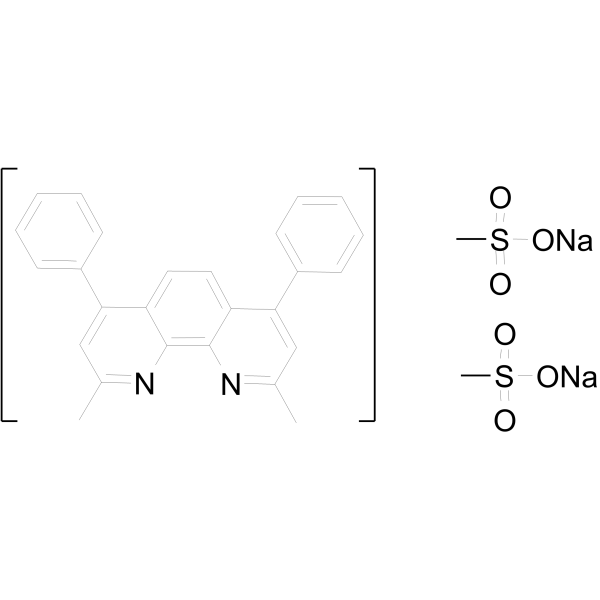
    Bathocuproine disulfonate disodium
    2 Publications Verification

    Biochemical Assay Reagents Others
    Bathocuproine disulfonate disodium (BCS) is an organic compound used as a highly sensitive colorimetric reagent for copper ions in biochemical and analytical applications. It has a bright yellow color and absorbs light at specific wavelengths, so it can be used to detect and quantify trace copper. In biochemical applications, BCS is commonly used to study the role of copper ions in various biological processes. Copper is an essential nutrient for many organisms, but it can also be toxic in high concentrations, so accurate measurement of copper levels is important to understand its impact on living systems. In terms of analysis, BCS is often used in environmental monitoring and water quality testing to detect copper pollution. It can detect copper even at very low concentrations, making it an invaluable tool for identifying potential sources of pollution and assessing the impact of industrial activities on aquatic ecosystems.
    Bathocuproine disulfonate disodium
  • HY-W127711

    Phosphatase Lipase Metabolic Disease Inflammation/Immunology
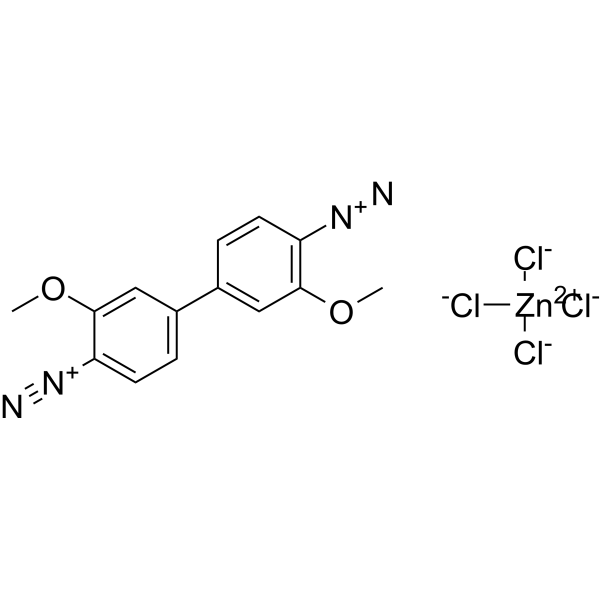
    Fast Blue B Salt, Dye content ~95% is a diazo dye, primarily used as a chromogenic substrate in biochemical analysis. Fast Blue B Salt, Dye content ~95% is the coupling agent for the histochemical demonstration of proteases. Fast Blue B Salt, Dye content ~95% can be used for the detection of acid phosphatase in Clostridium perfringens, and also for the determination of lipase activity. Fast Blue B Salt, Dye content ~95% reacts directly with the active hydroxyl groups in phenolic compounds to determine the content of phenolic substances .
    Fast Blue B Salt, Dye content ~95%
  • HY-W749209

    Anhydrous sodium acetate-13C2

    Endogenous Metabolite
    Acetic acid-13C2 is a stable isotope labeled compound with biomarker and metabolic tracking activity. Acetic acid-13C2 is often used in biochemical research for the analysis of metabolic pathways. Acetic acid-13C2 is also used in medical imaging and compound development to improve the understanding of biological processes.
    Acetic acid-13C2 sodium
  • HY-W129633

    DCIP sodium hydrate; DPIP sodium hydrate

    Biochemical Assay Reagents Others
    2,6-Dichlorophenolindophenol (DCIP; DPIP) sodium hydrate is a redox chromogenic indicator with a redox potential of +217 mV relative to SHE, and it acts as a substrate for reduction reactions. During the metabolic process of nutrient consumption by Saccharomyces cerevisiae, 2,6-Dichlorophenolindophenol sodium hydrate is reduced from dark blue to colorless, resulting in a decrease in absorbance. 2,6-Dichlorophenolindophenol sodium hydrate is widely used in spectrophotometric biochemical oxygen demand determination and preclinical colorimetric toxicity analysis for heavy metal ion detection based on Saccharomyces cerevisiae .
    2,6-Dichlorophenolindophenol sodium hydrate
  • HY-W040144

    Fluorescent Dye Others
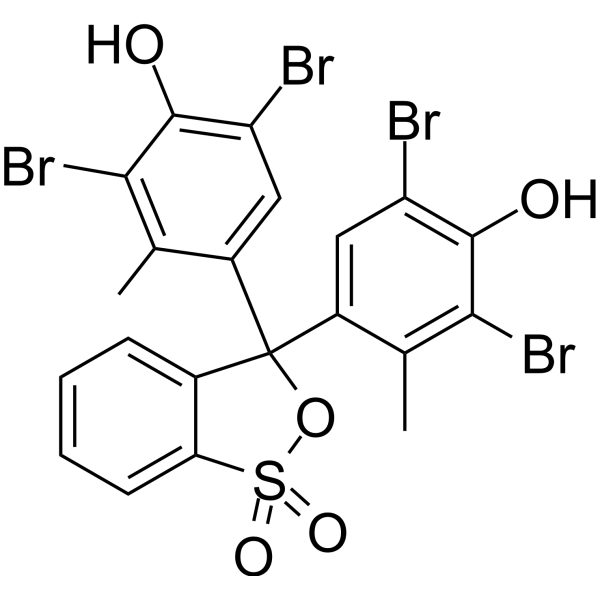
    Bromocresol green is a pH-sensitive triphenylmethane dye commonly used for the determination of protein and albumin in serum. Bromocresol green is a bio-based dye with a yellow-green to blue-green color. Bromocresol green turns yellow (λmax=435 nm, protonated form) when placed in acidic solution (e.g. pH=4.15), and turns blue in basic solution (λmax=615 nm, deprotonated form). Bromocresol green is widely used as a pH indicator in the field of biochemical analysis. In addition, Bromocresol green is also used to detect the concentration of molecules such as creatinine, and to judge the viability of cells .
    Bromocresol green
  • HY-169798

    Fluorescent Dye VSV Infection
    1,9-Dimethylmethylene blue is a photosensitizer, virus inactivator and hemoglobin oxidant derived from methylene blue. When activated, 1,9-Dimethylmethylene blue generates reactive oxygen species including singlet oxygen, and acts as a metachromatic dye. When activated in monomeric or dimeric form, 1,9-Dimethylmethylene blue induces photoinactivation of R17 phage and vesicular stomatitis virus and oxidizes hemoglobin via non-singlet oxygen reactive oxygen species or singlet oxygen-mediated pathways, respectively. The monomeric form, with higher nucleic acid affinity, achieves virus inactivation under specific conditions without forming methemoglobin. 1,9-Dimethylmethylene blue binds to substances such as glycosaminoglycans to produce color changes. Although it is susceptible to interference from non-glycosaminoglycan components in urine, it is still applicable to spectrophotometric analysis for glycosaminoglycan quantification. With these unique photochemical and binding properties, 1,9-Dimethylmethylene blue is widely used in studies of viral infections and related biochemical analyses .
    1,9-Dimethylmethylene blue
  • HY-15929
    TBHBA
    1 Publications Verification

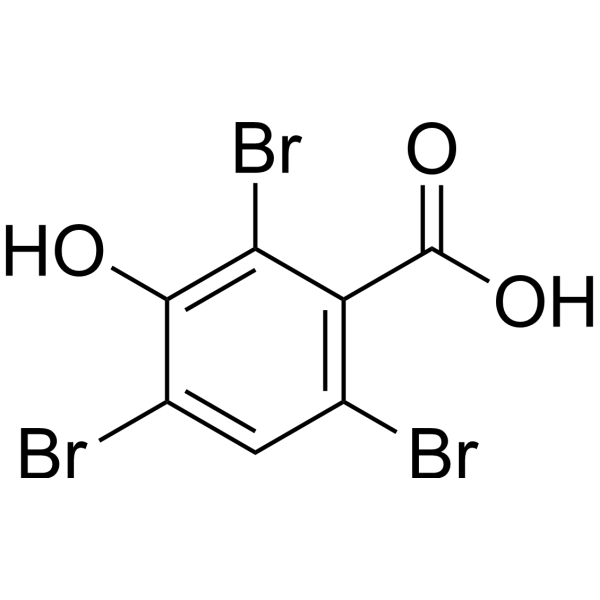
    2,4,6-Tribromo-3-hydroxybenzoic acid

    Biochemical Assay Reagents Others
    TBHBA (2,4,6-Tribromo-3-hydroxybenzoic acid) is a chemical colorimetric agent and nanomaterial surface modifier. TBHBA can react with some oxidants (such as H2O2) to generate high-absorbance quinoneimine dyes, which enhance the sensitivity of HDL cholesterol enzymatic determination. TBHBA can be used as a bromine-containing coupling agent to modify the surface of silica nanoparticles through esterification reaction. Thereby, organic flame retardant groups are introduced to improve the thermal stability and flame retardant properties of nanocomposites. TBHBA can be used in clinical biochemical testing (such as serum lipoprotein analysis) and the preparation of flame-retardant polymer nanocomposites .
    TBHBA
  • HY-P4566

    Pro-Val

    Dipeptidyl Peptidase Others
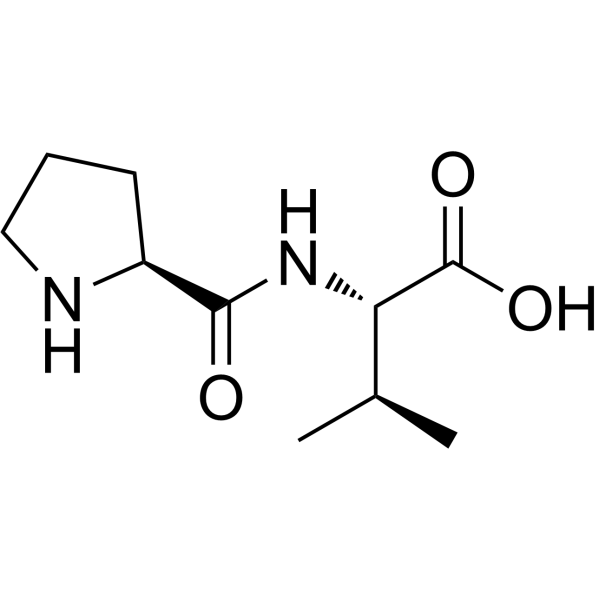
    H-Pro-Val-OH is a deprotonation dipeptide containing proline, which can catalyze the Michael addition reaction of acetone to trans-β-nitrostyrene. H-Pro Val OH can also serve as a substrate for fibroblast enzymes and prolinase, and has potential applications in biochemical analysis .
    H-Pro-Val-OH
  • HY-P0048
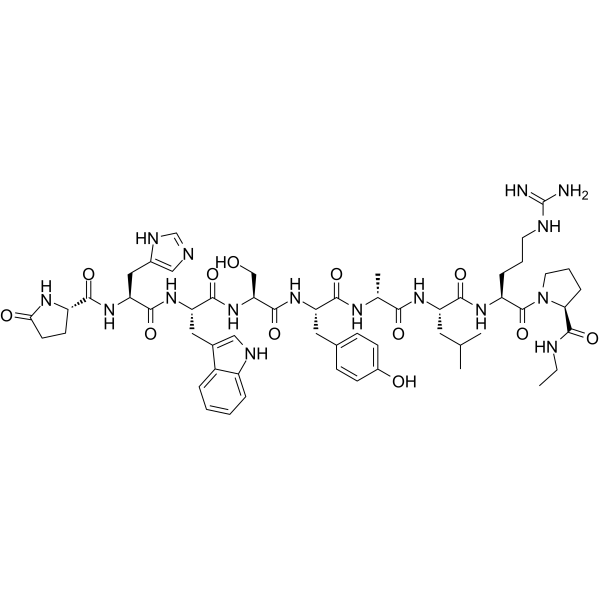
    (Des-Gly10,D-Ala6,Pro-NHEt9)-LHRH
    1 Publications Verification

    Surfagon

    GnRH Receptor Others
    (Des-Gly10,D-Ala6,Pro-NHEt9)-LHRH (Surfagon, Mwt 1167.34 Da) is an agonist of gonadotropin-releasing hormone (GnRH). (Des-Gly10,D-Ala6,Pro-NHEt9)-LHRH can be used as an internal standard for the LC-MS analysis of leuprorelide acetate. (Des-Gly10,D-Ala6,Pro-NHEt9)-LHRH has potential applications in biochemical analysis and fertility .
    (Des-Gly10,D-Ala6,Pro-NHEt9)-LHRH
  • HY-P2999

    ENGase

    Endogenous Metabolite Others
    Endo-β-N-acetylglucosaminidase (ENGase) is cytosolic deglycosylating enzyme that hydrolyzes the N-linked oligosaccharides. Endo-β-N-acetylglucosaminidase can be used for glycan analysis on glycoproteins and preparation of precursors for glycosylated compounds, is often used in biochemical studies .
    Endo-β-N-acetylglucosaminidase
  • HY-P4561

    Cathepsin Others
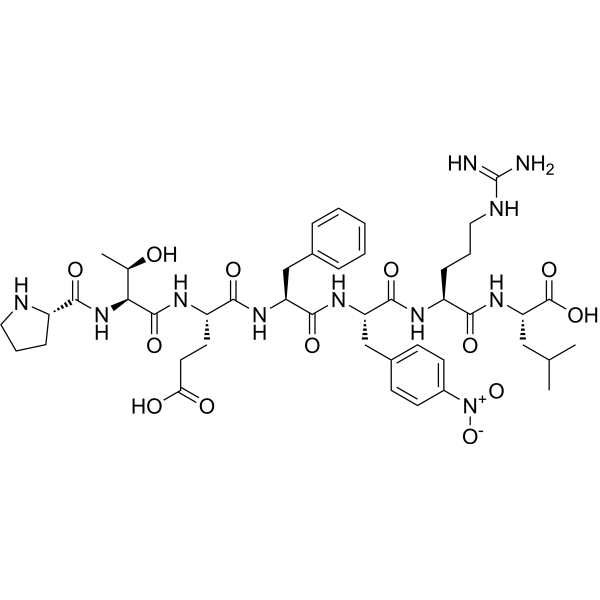
    H-Pro-Thr-Glu-Phe-p-nitro-Phe-Arg-Leu-OH is a water-soluble polypeptide that can serve as a substrate for cathepsin D, pepsin and pepsinogen. H-Pro-Thr-Glu-Phe-p-nitro-Phe-Arg-Leu-OH has potential applications in biochemical analysis .
    H-Pro-Thr-Glu-Phe-p-nitro-Phe-Arg-Leu-OH
  • HY-W250181

    Octyl β-D-thiomaltopyranoside

    Biochemical Assay Reagents Others
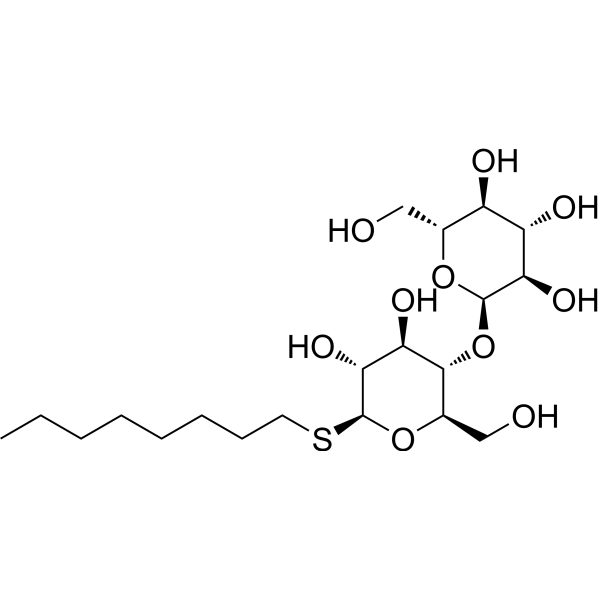
    Octyl thiomaltoside (OTM) is a nonionic detergent commonly used in the purification and crystallization of membrane proteins. It belongs to the family of maltoside detergents and has a hydrophilic head group and a lipophilic tail group, enabling it to interact with water-soluble and membrane-bound proteins. OTMs are known for their ability to solubilize integral membrane proteins without disrupting their structure or function, making them an invaluable tool in biochemical and biophysical research. In addition to protein research, OTMs are used in a variety of other applications, including drug delivery systems, nanotechnology, and diagnostic analysis.
    Octyl thiomaltoside
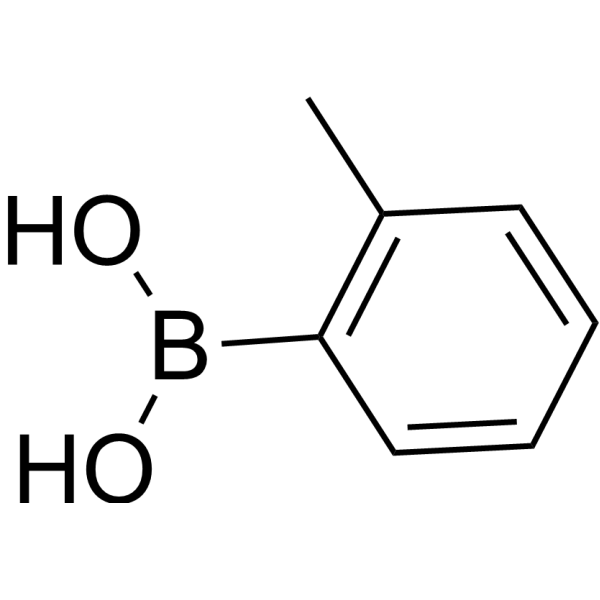
  • HY-W001232

    Biochemical Assay Reagents Drug Intermediate Others
    2-Tolylboronic acid is a biochemical analysis reagent and an important intermediate. 2-Tolylboronic acid can be used for the synthesis of other active compounds .
    2-Tolylboronic acid
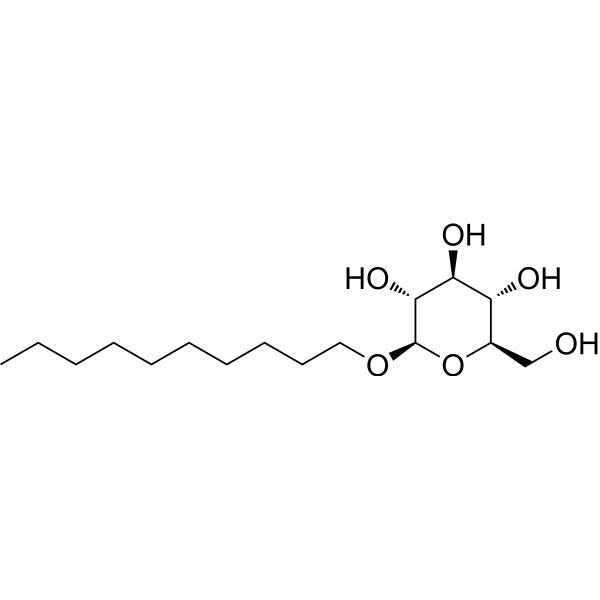
  • HY-W127628

    Biochemical Assay Reagents Others
    Decyl β-D-glucopyranoside is a nonionic surfactant commonly used in biochemical and molecular biology research. It can be used for the extraction, purification and structural analysis of cell membranes, and is widely used in the fields of proteomics and genetic engineering. In addition, this compound is also used as an auxiliary reagent and dehydrating agent in some biochemical experiments.
    Decyl β-D-glucopyranoside
  • HY-D2931

    Fluorescent Dye Others
    SNAP-FAM is a FAM-labeled SNAP tag fluorescent probe, specifically designed for live-cell protein labeling and real-time imaging applications .
    SNAP-FAM
  • HY-W540926

    Biacetyl dioxime sodium hydrate

    Biochemical Assay Reagents Others
    Dimethylglyoxime (sodium hydrate) (Biacetyl dioxime (sodium hydrate)) is a biochemical reagent used for biochemical analysis and as a basic chemical raw material. Dimethylglyoxime (sodium hydrate) is a kind of biological materials or organic compounds that are widely used in life science research .
    Dimethylglyoxime sodium hydrate
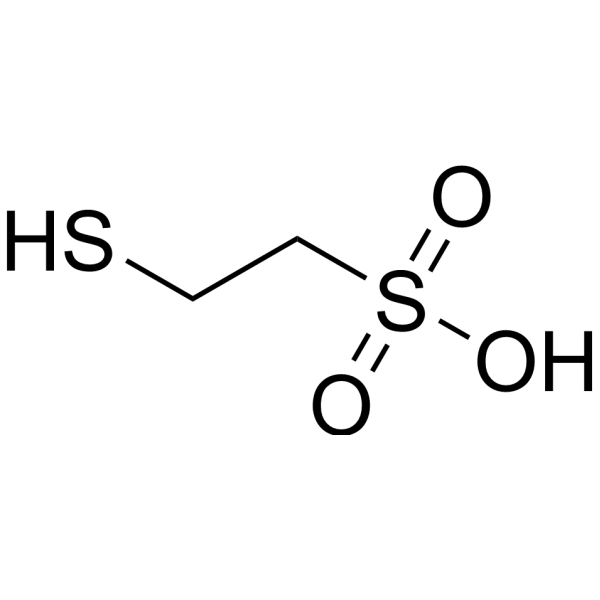
  • HY-157881

    β-Mercaptoethanesulfonic acid (ampule,3.0M±0.1M in H2O)

    Biochemical Assay Reagents Others
    2-Mercaptoethanesulfonic acid (ampule,3.0M±0.1M in H2O) is a biochemical reagent that can be used for protein sequence analysis .
    2-Mercaptoethanesulfonic acid (ampule,3.0M±0.1M in H2O)
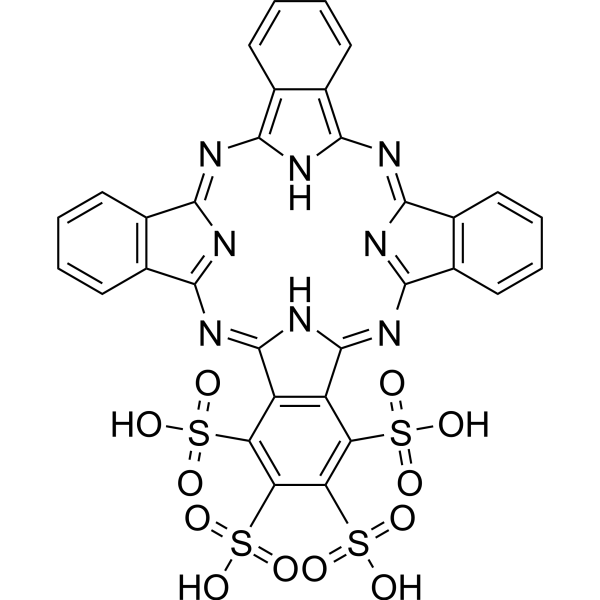
  • HY-W127721

    Phthalocyanine tetrasulfonic acid

    Biochemical Assay Reagents Others
    Tetrasulfophthalocyanine is an organic compound commonly used as dyes, photosensitive materials and catalysts. It can be used in certain organic batteries, solar cells, and laser printing, and is widely used in chemical analysis, biotechnology, and environmental monitoring. In addition, this compound is also used as a substrate or catalyst in certain biochemical reactions.
    Tetrasulfophthalocyanine
  • HY-W099771

    p-Propylanisole

    Environmental Pollutants Biochemical Assay Reagents Others
    4-Propylanisole (p-Propylanisole) is a biochemical analysis reagent. Structurally similar to Estragole (HY-N5060), 4-Propylanisole can be used as an internal standard for the GC-MS quantification of Estragole in fennel tea .
    4-Propylanisole
  • HY-48813

    Endogenous Metabolite NF-κB Interleukin Related Metabolic Disease
    Glycoursodeoxycholic acid 3-sulfate is a glycine-conjugated sulfated bile acid 3-sulfate, which is produced by SULT2A1-mediated sulfation of glycoursodeoxycholic acid (HY-N1424) in the liver. Glycoursodeoxycholic acid 3-sulfate attenuates the anti-inflammatory effect of glycoursodeoxycholic acid and impairs the inhibitory effect on the IL-17 and NF-κB signaling pathways. Glycoursodeoxycholic acid 3-sulfate shows a significant correlation with aortic flow velocity and BNP in patients with aortic stenosis. Glycoursodeoxycholic acid 3-sulfate is mainly used in related studies such as quantitative analysis, quality control and biochemical experiments; it often serves as a reagent for metabolomics analysis and can also be applied to research related to aortic stenosis .
    Glycoursodeoxycholic acid 3-sulfate

Inquiry Online

Your information is safe with us. * Required Fields.

Salutation


Country or Region *

Applicant Name *


Organization Name *

Department *


Email Address *


Product Name *

Cat. No.


Requested quantity *

Phone Number *


Remarks

Inquiry Online

Inquiry Information

Product Name:
Cat. No.:
Quantity:
MCE Japan Authorized Agent:

