
1. Search Result
Search Result
Results for "

boundaries

" in MedChemExpress (MCE) Product Catalog:

24

Inhibitors & Agonists

1

Screening Libraries

1

Fluorescent Dyes

1

Biochemical Assay Reagents

1

Peptides

3

Natural
Products

12

Isotope-Labeled Compounds

1

Oligonucleotides

Cat. No. Product Name Target Research Areas Chemical Structure
  • HY-N1150
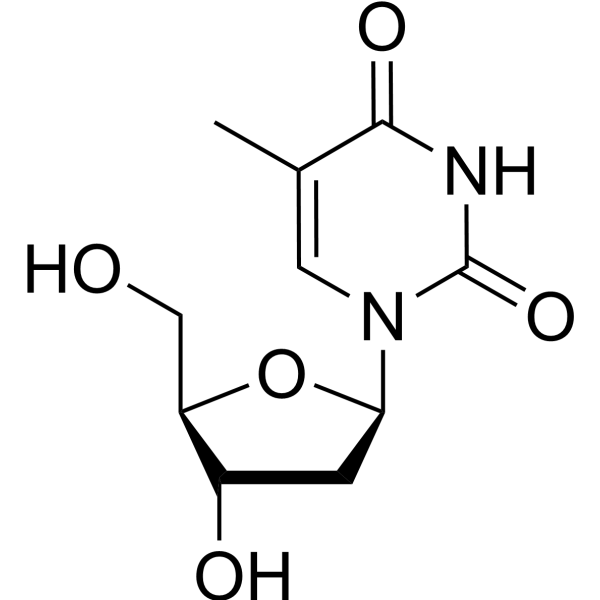
    Thymidine
    20+ Cited Publications

    DThyd; NSC 21548

    DNA/RNA Synthesis Endogenous Metabolite Orthopoxvirus Cancer
    Thymidine, a specific precursor of deoxyribonucleic acid, is used as a cell synchronizing agent. Thymidine is a DNA synthesis inhibitor that can arrest cell at G1/S boundary, prior to DNA replication .
    Thymidine
  • HY-N6791
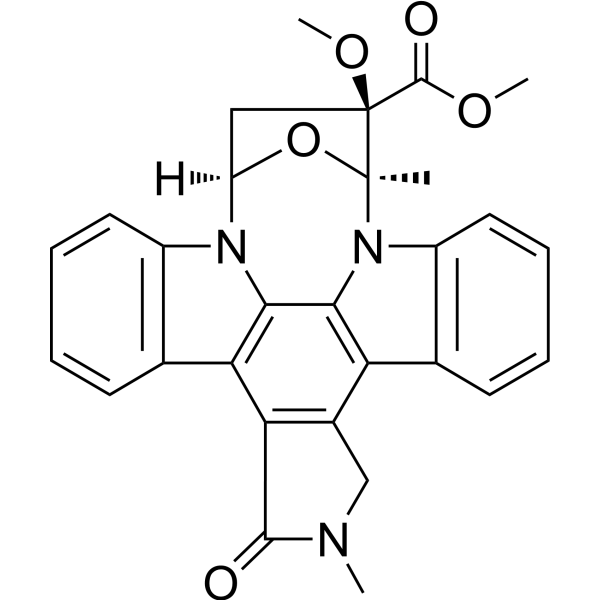
    KT5823
    10+ Cited Publications

    PKA PKC Bacterial Apoptosis Antibiotic Infection Inflammation/Immunology
    KT5823, a selective the cGMP-dependent protein kinase (PKG) inhibitor with an Ki value of 0.23 μM, it also inhibits PKA and PKC with Ki values of 10 μM and 4 μM, respectively. KT5823 is a Staurosporine-related protein kinase inhibitor, increases thyroid-stimulating hormone-induced (Na +/I - symporter) NIS expression, and iodide uptake in thyroid cells. KT5823 arrests cells after the G0/G1 boundary and causes increases in the levels of apoptotic DNA fragmentation .
    KT5823
  • HY-W020086

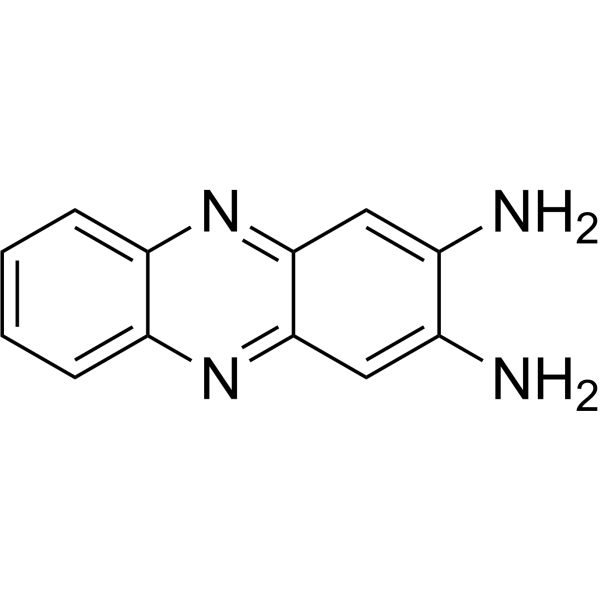
    2,3-Phenazinediamine; NNC39-0028

    DNA Alkylator/Crosslinker Fluorescent Dye Metabolic Disease
    2,3-Diaminophenazine (2,3-Phenazinediamine) is an orally active amino derivative of phenazine. 2,3-Diaminophenazine can intercalate into DNA. 2,3-Diaminophenazine triggers photochemical reactions. 2,3-Diaminophenazine inhibits vascular hypertrophy and tissue AGE deposition in diabetic rats. 2,3-Diaminophenazine can be used for luminescence and diabetes research .
    2,3-Diaminophenazine
  • HY-154636

    Biochemical Assay Reagents Endocrinology
    Liquid Paraffin is a petroleum-derived mixture of saturated hydrocarbons and an orally active fecal lubricant. Liquid Paraffin is widely used in studies of constipation and fecal incontinence in children through its lubricating effect and the osmotic effect generated by its conversion to hydroxy fatty acids. Liquid Paraffin has high safety, is non-carcinogenic, and does not affect fat-soluble vitamin levels with long-term use. Liquid Paraffin does not cause abdominal pain or electrolyte disorders, but may lead to lipoid pneumonia and granulomas caused by rectal administration. Liquid Paraffin can also be used as a phase change material for thermal energy storage, or combined with nanoparticles to form a protective boundary film to reduce mechanical wear .
    Liquid Paraffin
  • HY-N1150R

    DThyd (Standard); NSC 21548 (Standard)

    Reference Standards DNA/RNA Synthesis Endogenous Metabolite Orthopoxvirus Cancer
    Thymidine (Standard) is the analytical standard of Thymidine. This product is intended for research and analytical applications. Thymidine, a specific precursor of deoxyribonucleic acid, is used as a cell synchronizing agent. Thymidine is a DNA synthesis inhibitor that can arrest cell at G1/S boundary, prior to DNA replication .
    Thymidine (Standard)
  • HY-N1150S9

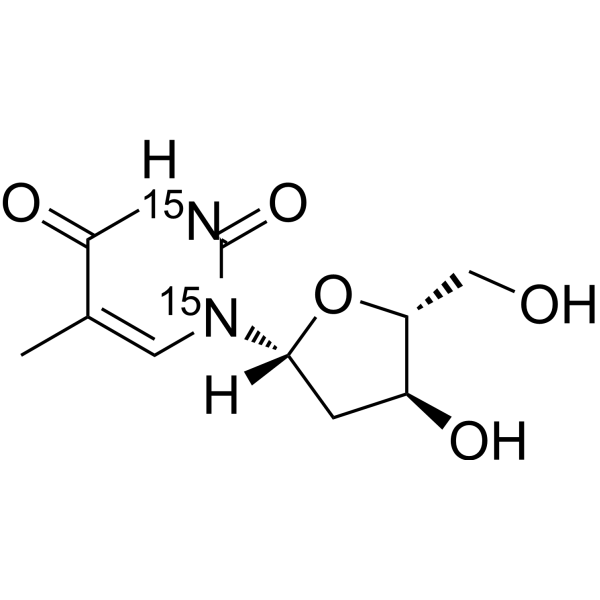
    DThyd-15N2; NSC-15N2

    DNA/RNA Synthesis Endogenous Metabolite Orthopoxvirus Cancer
    Thymidine- 15N2 is the 15N labeled Thymidine . Thymidine, a specific precursor of deoxyribonucleic acid, is used as a cell synchronizing agent. Thymidine is a DNA synthesis inhibitor that can arrest cell at G1/S boundary, prior to DNA replication .
    Thymidine-15N2
  • HY-N1150S8

    DThyd-13C10,15N2; NSC-13C10,15N2

    DNA/RNA Synthesis Endogenous Metabolite Orthopoxvirus Cancer
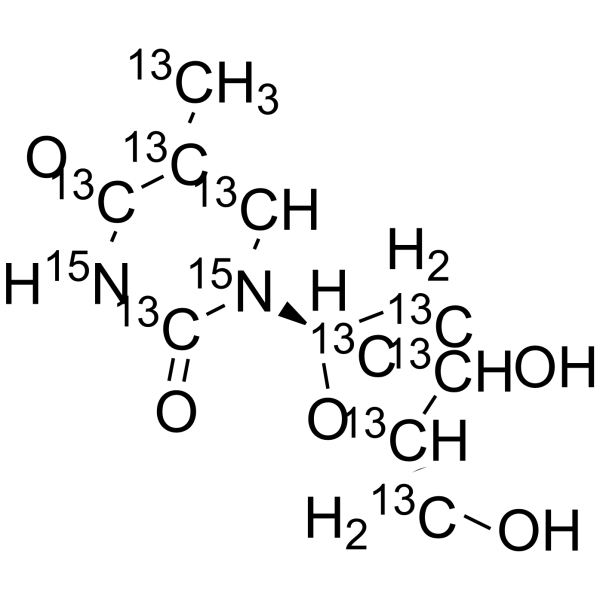
    Thymidine- 13C10, 15N2 is the 13C and 15N labeled Thymidine[1]. Thymidine, a specific precursor of deoxyribonucleic acid, is used as a cell synchronizing agent. Thymidine is a DNA synthesis inhibitor that can arrest cell at G1/S boundary, prior to DNA replication[2][3][4].
    Thymidine-13C10,15N2
  • HY-N1150S11

    DThyd-13C10; NSC 21548-13C10

    Isotope-Labeled Compounds DNA/RNA Synthesis Endogenous Metabolite Orthopoxvirus Cancer
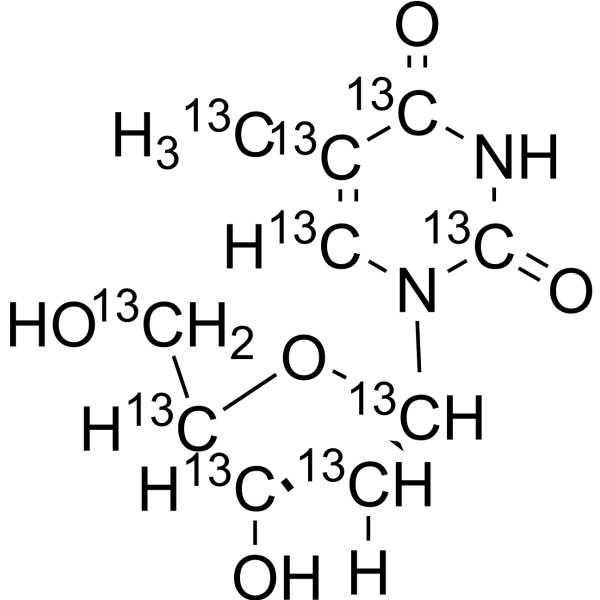
    Thymidine- 13C10 (DThyd- 13C10; NSC 21548- 13C10) is 13C-labeled Thymidine (HY-N1150). Thymidine, a specific precursor of deoxyribonucleic acid, is used as a cell synchronizing agent. Thymidine is a DNA synthesis inhibitor that can arrest cell at G1/S boundary, prior to DNA replication.
    Thymidine-13C10
  • HY-W854659
    Chlorin e6 trisodium
    15+ Cited Publications

    Ce6 trisodium

    Photosensitizer Cancer
    Chlorin e6 Ce6 (trisodium) is a water-soluble derivative of chlorophyll, belonging to the chlorin class of photosensitizers with an absorption wavelength range of 600-670 nm. Chlorin e6 trisodium emits characteristic red fluorescence upon light excitation, enabling real-time identification of tumor boundaries and progression. Chlorin e6 trisodium can be used for the study of photodynamic therapy (PDT) of cancers (bladder cancer) and fluorescence diagnosis of neoplastic lesions .
    Chlorin e6 trisodium
  • HY-N1150S2

    DThyd-13C; NSC 21548-13C

    Isotope-Labeled Compounds DNA/RNA Synthesis Endogenous Metabolite Orthopoxvirus Cancer
    Thymidine- 13C is the 13C labeled Thymidine. Thymidine, a specific precursor of deoxyribonucleic acid, is used as a cell synchronizing agent. Thymidine is a DNA synthesis inhibitor that can arrest cell at G1/S boundary, prior to DNA replication
    Thymidine-13C
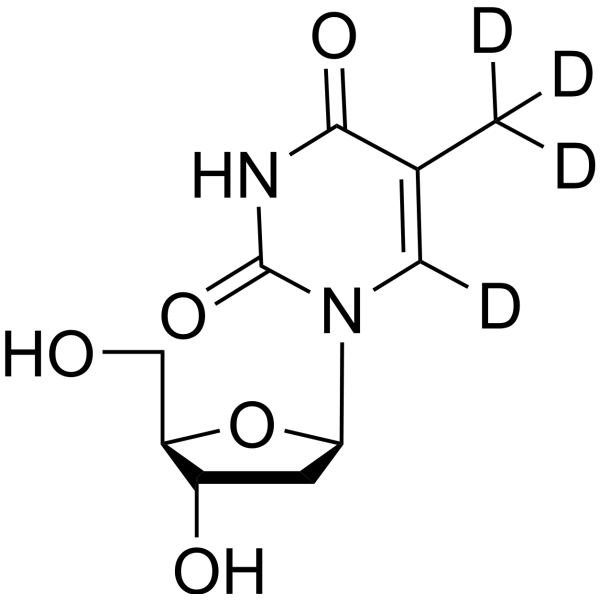
  • HY-N1150S

    DThyd-d3; NSC 21548-d3

    Isotope-Labeled Compounds DNA/RNA Synthesis Endogenous Metabolite Others
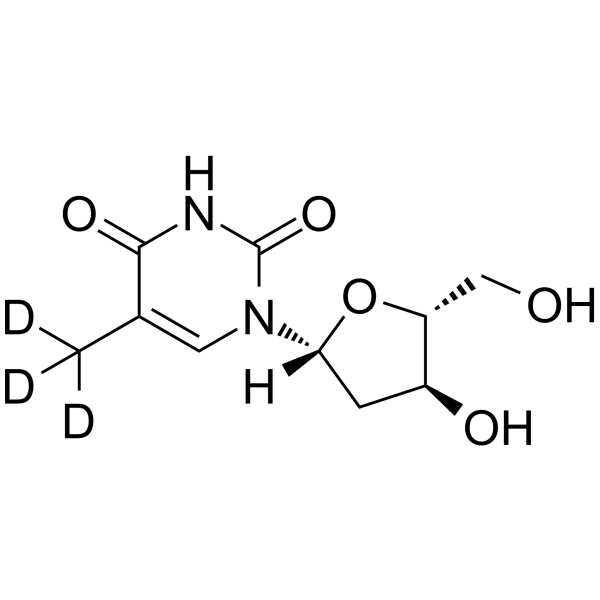
    Thymidine-d3 is the deuterium labeled Thymidine. Thymidine, a specific precursor of deoxyribonucleic acid, is used as a cell synchronizing agent. Thymidine is a DNA synthesis inhibitor that can arrest cell at G1/S boundary, prior to DNA replication .
    Thymidine-d3
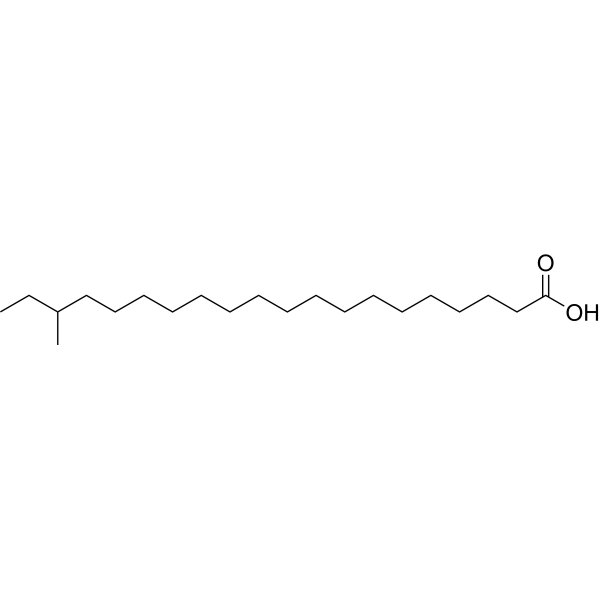
  • HY-121950

    Biochemical Assay Reagents Others
    18-Methyleicosanoic acid is a branched-chain fatty acid. 18-Methyleicosanoic acid has a hydrophobic surface and can act as a boundary lubricant .
    18-Methyleicosanoic acid
  • HY-N1150S6

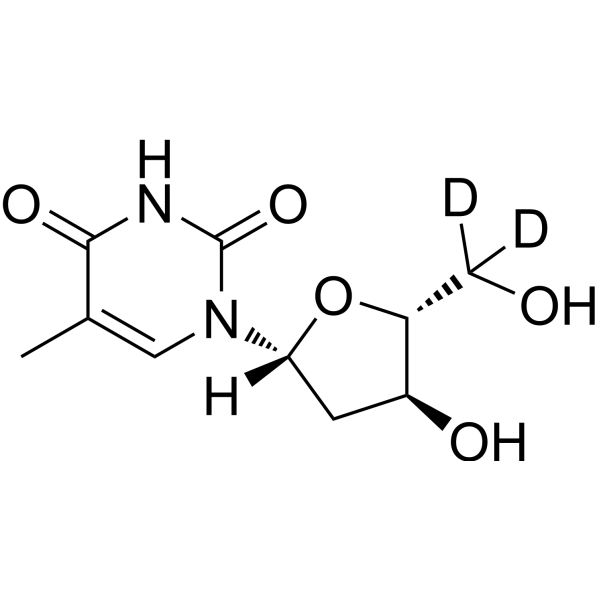
    DThyd-d2; NSC 21548-d2

    Isotope-Labeled Compounds DNA/RNA Synthesis Endogenous Metabolite Orthopoxvirus Cancer
    Thymidine-d2 is the deuterium labeled Thymidine. Thymidine, a specific precursor of deoxyribonucleic acid, is used as a cell synchronizing agent. Thymidine is a DNA synthesis inhibitor that can arrest cell at G1/S boundary, prior to DNA replication[1
    Thymidine-d2
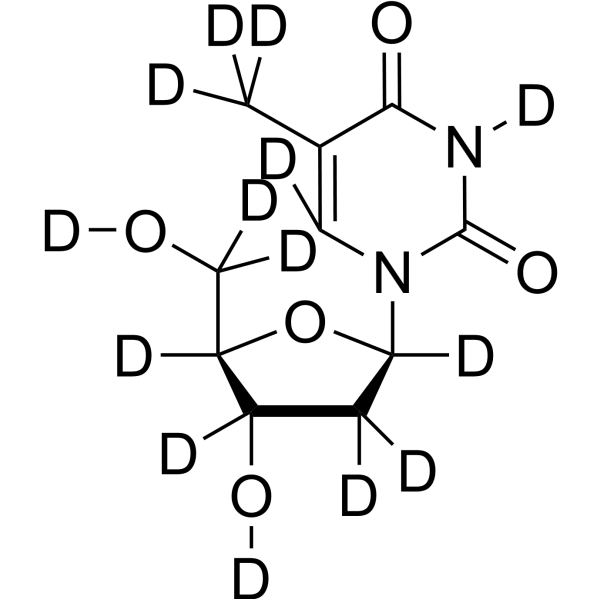
  • HY-N1150S10

    DThyd-d14; NSC 21548-d14

    Isotope-Labeled Compounds DNA/RNA Synthesis Endogenous Metabolite Orthopoxvirus Cancer
    Thymidine-d14 (DThyd-d14; NSC 21548-d14) is deuterium labeled Thymidine (HY-N1150). Thymidine, a specific precursor of deoxyribonucleic acid, is used as a cell synchronizing agent. Thymidine is a DNA synthesis inhibitor that can arrest cell at G1/S boundary, prior to DNA replication.
    Thymidine-d14
  • HY-N1150S1

    DThyd-d4; NSC 21548-d4

    DNA/RNA Synthesis Endogenous Metabolite Others
    Thymidine-d4 is the deuterium labeled Thymidine. Thymidine, a specific precursor of deoxyribonucleic acid, is used as a cell synchronizing agent. Thymidine is a DNA synthesis inhibitor that can arrest cell at G1/S boundary, prior to DNA replication .
    Thymidine-d4
  • HY-N1150S3

    DThyd-13C-1; NSC 21548-13C-1

    Isotope-Labeled Compounds DNA/RNA Synthesis Endogenous Metabolite Orthopoxvirus Cancer
    Thymidine- 13C-1 is the 13C labeled Thymidine. Thymidine, a specific precursor of deoxyribonucleic acid, is used as a cell synchronizing agent. Thymidine is a DNA synthesis inhibitor that can arrest cell at G1/S boundary, prior to DNA replication
    Thymidine-13C-1
  • HY-P5520

    Bombesin Receptor Radionuclide-Drug Conjugates (RDCs) Cancer
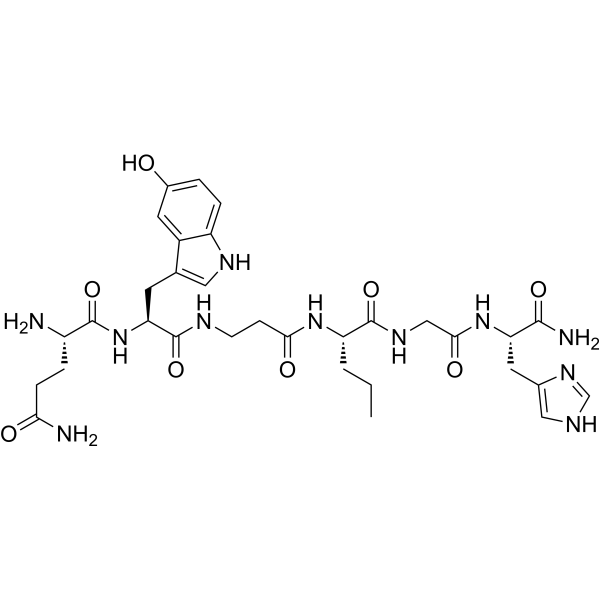
    GB-6 is a short linear peptide that targets the gastrin releasing peptide receptor (GRPR). GRPR is overexpressed in pancreatic cancer. Based on the tumor selectivity and tumor-specific accumulation properties of GB-6, GB-6 labeled with near infrared (NIR) fluorescent dyes or radionuclide netium-99m (99mTc) can be used as a high-contrast imaging probe. GB-6 has excellent in vivo stability, with tumor to pancreatic and intestinal fluorescence signal ratios of 5.2 and 6.3, respectively, in SW199 0 subcutaneous xenograft models. GB-6 can rapidly target tumors and accurately delineate tumor boundaries, which has broad application prospects .
    GB-6
  • HY-139712

    Fluorescent Dye Others
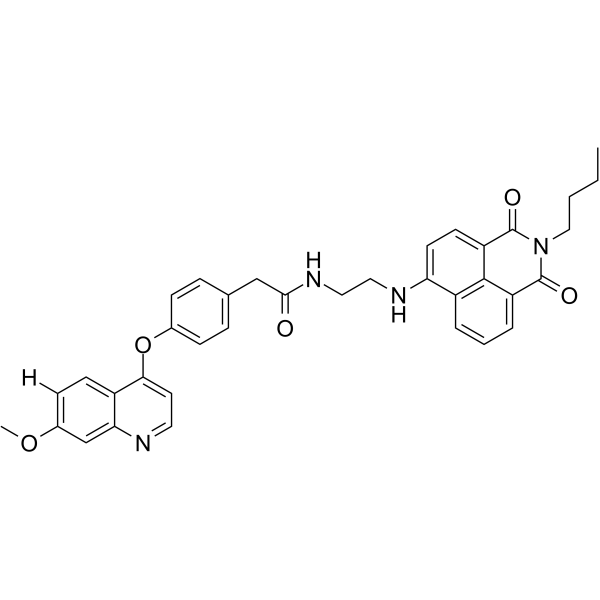
    PDGFP 1 is a promising probe for simultaneously differentiating glioma boundary and grades.
    PDGFP 1
  • HY-N1150S5

    Isotope-Labeled Compounds DNA/RNA Synthesis Endogenous Metabolite Orthopoxvirus Cancer
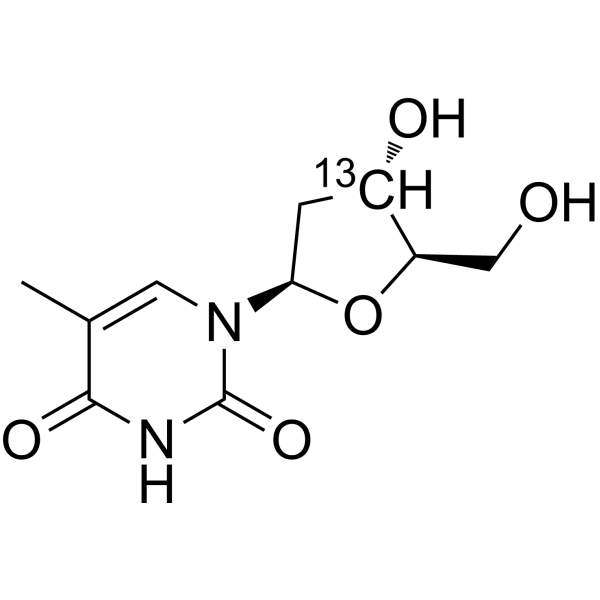
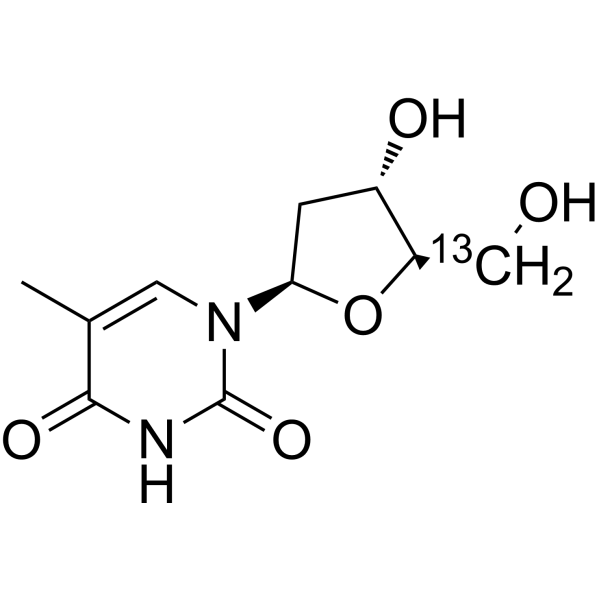
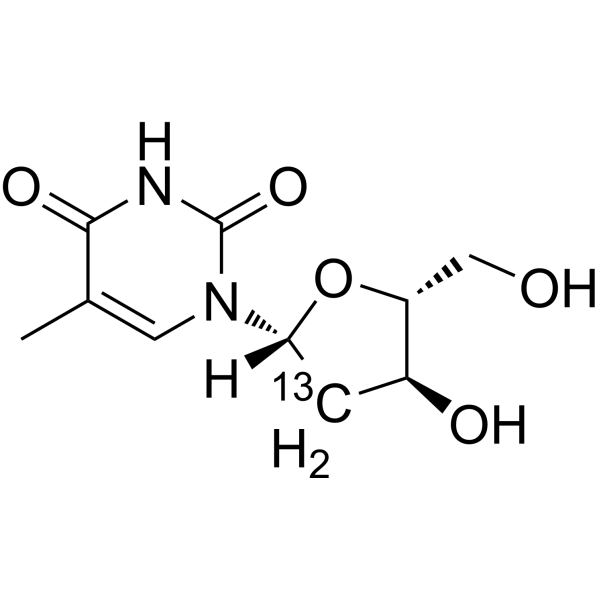
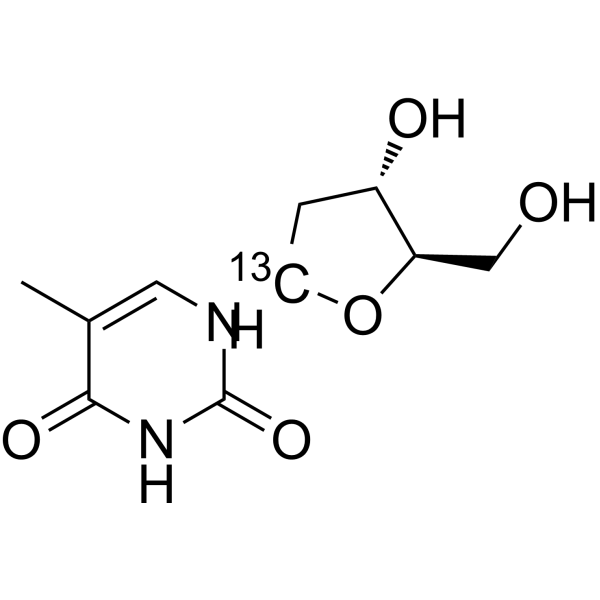
    Thymidine-2′- 13C is the 13C labeled Thymidine. Thymidine, a specific precursor of deoxyribonucleic acid, is used as a cell synchronizing agent. Thymidine is a DNA synthesis inhibitor that can arrest cell at G1/S boundary, prior to DNA replication .
    Thymidine-2′-13C
  • HY-N1150S4

    DThyd-13C-2; NSC 21548-13C-2

    Isotope-Labeled Compounds DNA/RNA Synthesis Endogenous Metabolite Orthopoxvirus Cancer
    Thymidine- 13C-2 is the 13C labeled Thymidine. Thymidine, a specific precursor of deoxyribonucleic acid, is used as a cell synchronizing agent. Thymidine is a DNA synthesis inhibitor that can arrest cell at G1/S boundary, prior to DNA replication
    Thymidine-13C-2
  • HY-125570

    Apoptosis Cancer
    Ginsenoside Rs3 is a natural diol-type ginseng saponin with anticancer effects. Ginsenoside Rs3 selectively elevates protein levels of p53 and p21WAF1 leading to induction of apoptosis in SK-HEP-1 cells .
    Ginsenoside Rs3
  • HY-W766305

    Isotope-Labeled Compounds DNA/RNA Synthesis Endogenous Metabolite Orthopoxvirus Cancer
    Thymidine- 13C, 15N2 is the 13C- and 15N-labeled Thymidine (HY-N1150). Thymidine, a specific precursor of deoxyribonucleic acid, is used as a cell synchronizing agent. Thymidine is a DNA synthesis inhibitor that can arrest cell at G1/S boundary, prior to DNA replication .
    Thymidine-13C,15N2
  • HY-115932

    Aurora Kinase Apoptosis Cancer
    Aurora kinase-IN-1 (Compound 9) is a potent inhibitor of aurora kinase. Aurora kinase-IN-1 upregulates the expression of G1 cell cycle inhibitory proteins including p21 and p27, and G1 progressive cyclin D1, and downregulates G1-to-S progressive cyclins, resulting in cell cycle arrest at the G1/S boundary. Aurora kinase-IN-1 also induces apoptosis. Aurora kinase-IN-1 is a lead compound for chemotherapeutic agents .
    Aurora kinase-IN-1
  • HY-D3311

    Fluorescent Dye Cancer
    M1219 is a GSH/ATP dual near-infrared activated fluorescent probe that enables independent real-time monitoring of dynamic changes in intracellular GSH and ATP without spectral crosstalk (GSH: Ex=640 nm, Em=740~800 nm; ATP: Ex=594 nm/610 nm, Em=650~700 nm). M1219 not only visualizes the metabolic regulatory mechanism of TNBC under single/dual-target inhibition of SLC7A11/GLUT1 and accurately evaluates its in vivo efficacy, but also achieves precise localization of the TNBC tumor invasion boundary. M1219 can be used for the research of triple-negative breast cancer .
    M1219

Inquiry Online

Your information is safe with us. * Required Fields.

Salutation


Country or Region *

Applicant Name *


Organization Name *

Department *


Email Address *


Product Name *

Cat. No.


Requested quantity *

Phone Number *


Remarks

Inquiry Online

Inquiry Information

Product Name:
Cat. No.:
Quantity:
MCE Japan Authorized Agent:

