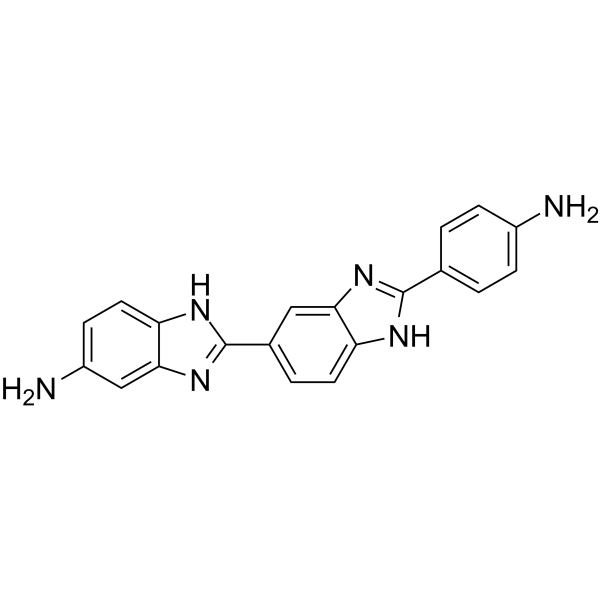
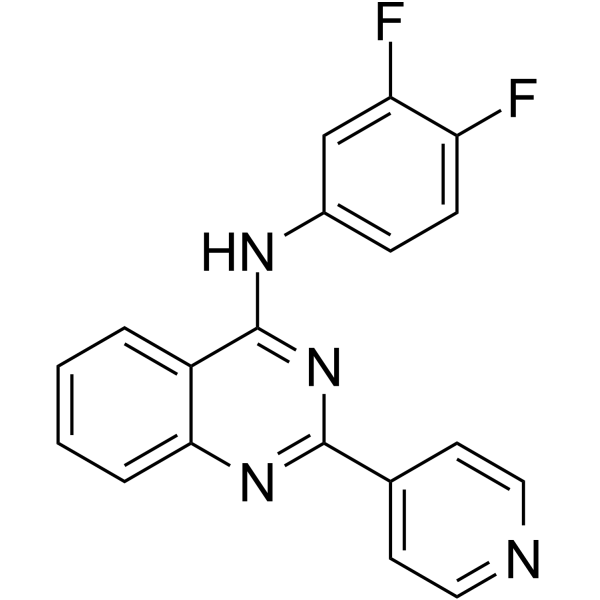
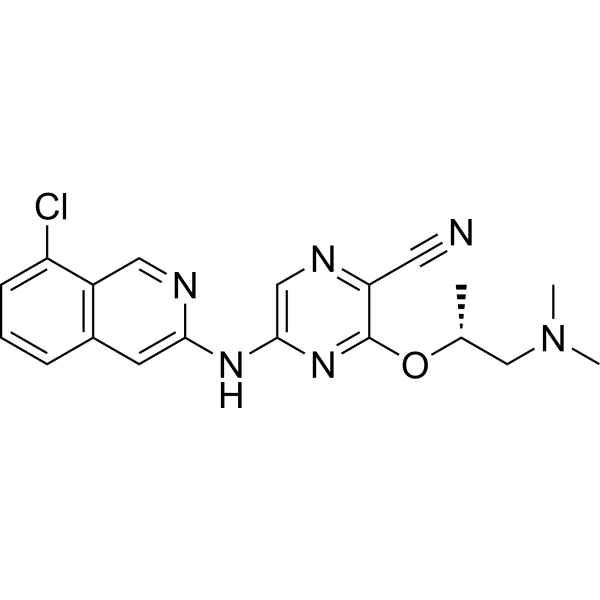
1. Search Result
Search Result
Isoforms Recommended: Chk1
Results for "

chk1

" in MedChemExpress (MCE) Product Catalog:

95

Inhibitors & Agonists

1

Biochemical Assay Reagents

5

Peptides

1

Natural
Products

2

Recombinant Proteins

3

Isotope-Labeled Compounds

9

Antibodies

2

Oligonucleotides

Targets Recommended:
Cat. No. Product Name Target Research Areas Chemical Structure
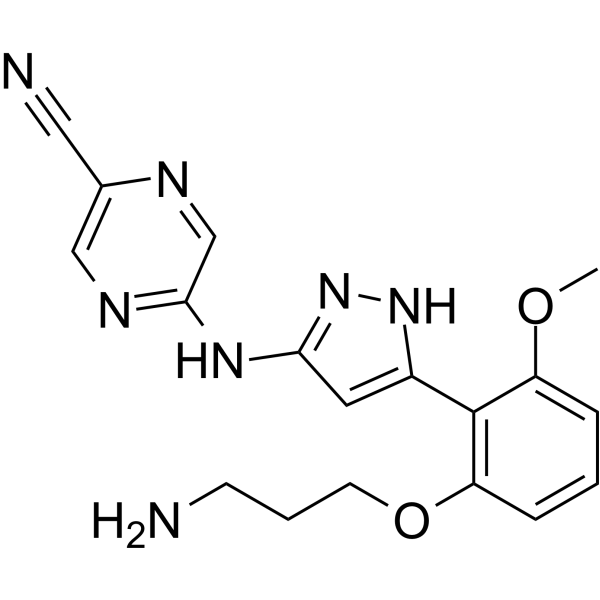
  • HY-18174
    Prexasertib
    Maximum Cited Publications
    33 Publications Verification

    LY2606368

    Checkpoint Kinase (Chk) Apoptosis Cancer
    Prexasertib (LY2606368) is a selective, ATP-competitive second-generation checkpoint kinase 1 (CHK1) inhibitor with a Ki of 0.9 nM and an IC50 of <1 nM. Prexasertib inhibits CHK2 (IC50=8 nM) and RSK1 (IC50=9 nM). Prexasertib causes double-stranded DNA breakage and replication catastrophe resulting in apoptosis. Prexasertib shows potent anti-tumor activity [1] .
    Prexasertib
  • HY-136270
    Gartisertib
    5 Publications Verification

    VX-803; M4344; ATR inhibitor 2

    ATM/ATR Cancer
    Gartisertib (VX-803) is an ATP-competitive, orally active, and selective ATR inhibitor, with a Ki of <150 pM. Gartisertib potently inhibits ATR-driven phosphorylated checkpoint kinase-1 (Chk1) phosphorylation with an IC50 of 8 nM. Antitumor activity [1] .
    Gartisertib
  • HY-10992
    AZD-7762
    20+ Cited Publications

    Checkpoint Kinase (Chk) Cancer
    AZD-7762 is a potent ATP-competitive checkpoint kinase (Chk) inhibitor in with an IC50 of 5 nM for Chk1.
    AZD-7762
  • HY-14720
    Rabusertib
    20+ Cited Publications

    LY2603618; IC-83

    Checkpoint Kinase (Chk) Autophagy Cancer
    Rabusertib (LY2603618) is a potent and selective inhibitor of Chk1 with an IC50 of 7 nM.
    Rabusertib
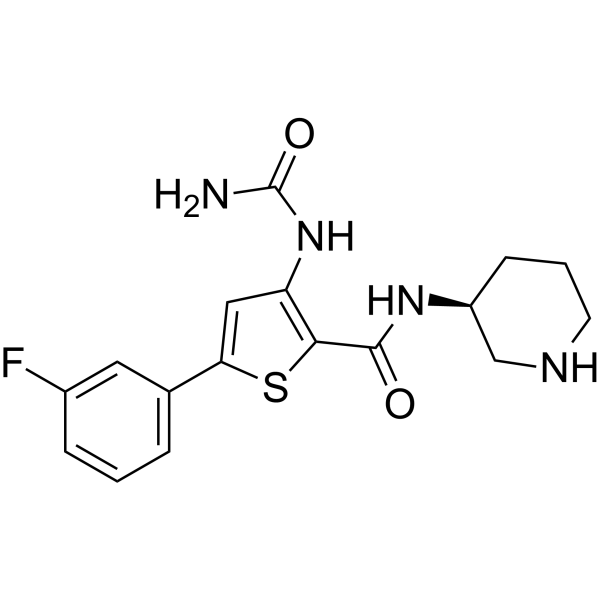
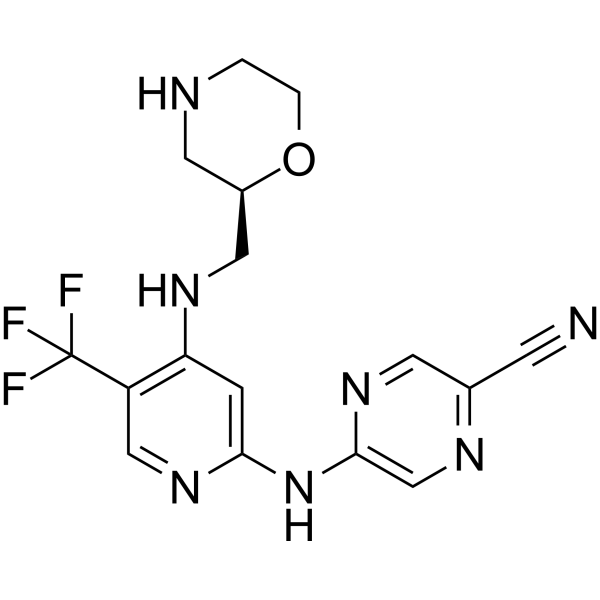
  • HY-18958
    CCT245737
    4 Publications Verification

    SRA737

    Checkpoint Kinase (Chk) Cancer
    CCT245737 (SRA737) is an orally active and seletive Chk1 inhibitor, with an IC50 of 1.3 nM.
    CCT245737
  • HY-157941

    ATM/ATR Checkpoint Kinase (Chk) DNA/RNA Synthesis Cancer
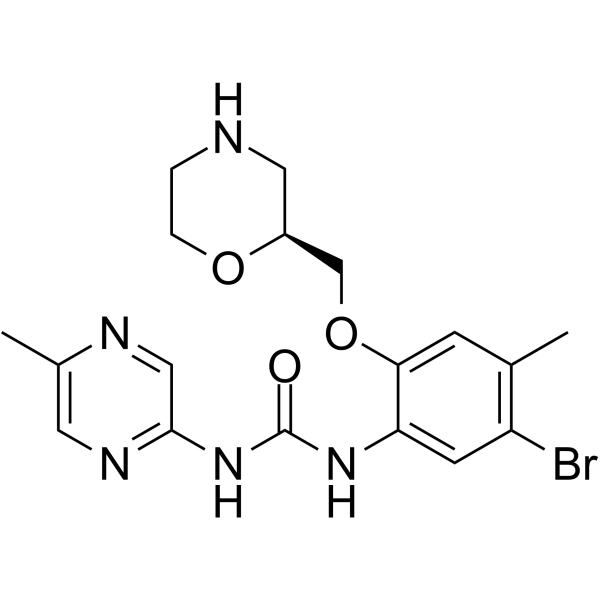
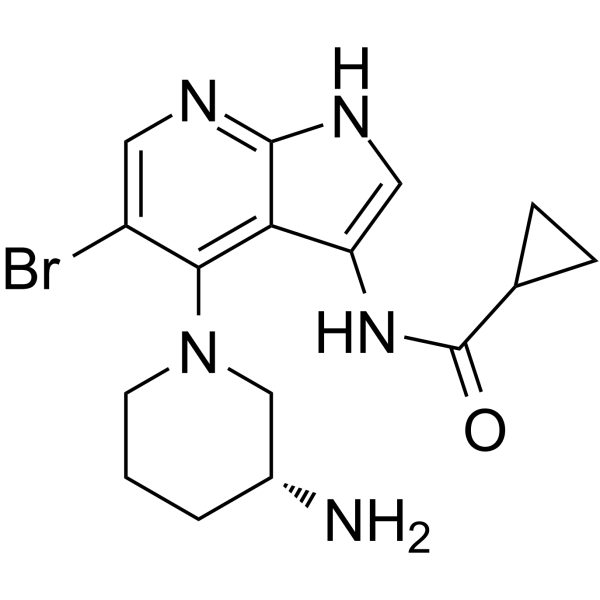
    ART0380 is a potent, selective and orally active ATR kinase inhibitor. ART0380 potently inhibits human ATR-ATRIP complex with an IC50 of 51.7 nM. ART0380 binds the ATP pocket of the ATR-ATRIP complex, blocks ATR-dependent Chk1 serine 345 phosphorylation, and induces cell cycle disorder and DNA damage. ART0380 demonstrates potent and selective antitumor activity in preclinical models with varying types of ataxia-telangiectasia mutated (ATM) gene aberrancy. ART0380 can be used for the research of cancer, such as colorectal cancer and prostate cancer [1].
    ART0380
  • HY-107407
    SB-218078
    5 Publications Verification

    Checkpoint Kinase (Chk) CDK PKC Apoptosis Cancer
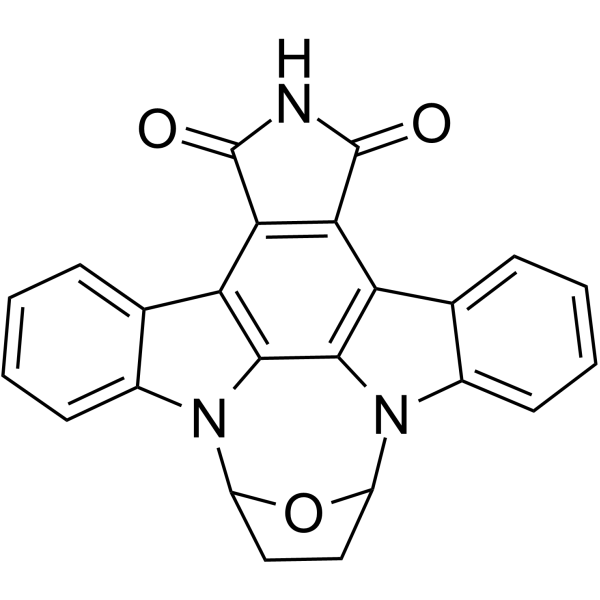
    SB-218078 is a potent, selective, ATP-competitive and cell-permeable checkpoint kinase 1 (Chk1) inhibitor that inhibits Chk1 phosphorylation of cdc25C with an IC50 of 15 nM. SB-218078 is less potently inhibits Cdc2 (IC50 of 250 nM) and PKC (IC50 of 1000 nM). SB-218078 causes apoptosis by DNA damage and cell cycle arrest [1] .
    SB-218078
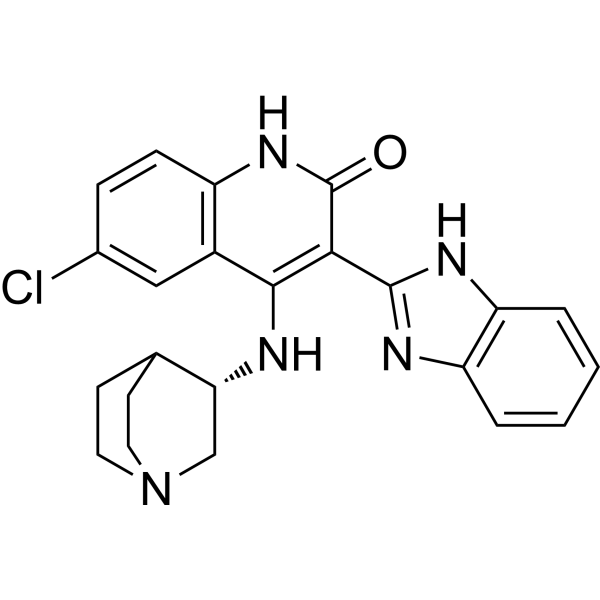
  • HY-13263
    CHIR-124
    3 Publications Verification

    Checkpoint Kinase (Chk) FLT3 PDGFR Apoptosis Cancer
    CHIR-124 is a potent and selective Chk1 inhibitor with IC50 of 0.3 nM, and also potently targets PDGFR and FLT3 with IC50s of 6.6 nM and 5.8 nM.
    CHIR-124
  • HY-15532
    SCH900776
    10+ Cited Publications

    MK-8776

    Checkpoint Kinase (Chk) Cancer
    SCH900776 (MK-8776) is a potent, selective and orally bioavailable inhibitor of checkpoint kinase1 (Chk1) with an IC50 of 3 nM. SCH900776 shows 50- and 500-fold selectivity over CDK2 and Chk2, respectively [1] .
    SCH900776
  • HY-164734

    R-DXd; DS-6000

    Antibody-Drug Conjugates (ADCs) Cancer
    Raludotatug Deruxtecan is an antibody-drug conjugate targeting CDH6, with an EC50 of 64.7 ng/mL in humans, 70.4 ng/mL in cynomolgus monkeys, and 228 ng/mL in mice. Raludotatug Deruxtecan specifically binds to CDH6 on the surface of cancer cells, triggers lysosomal internalization, and releases the DXd payload that inhibits TOP1. Raludotatug Deruxtecan induces DNA damage, Chk1 phosphorylation, caspase-3 cleavage, apoptosis, and bystander cell death. Raludotatug Deruxtecan is applicable to research related to serous ovarian cancer and renal cell carcinoma [1].
    Raludotatug Deruxtecan
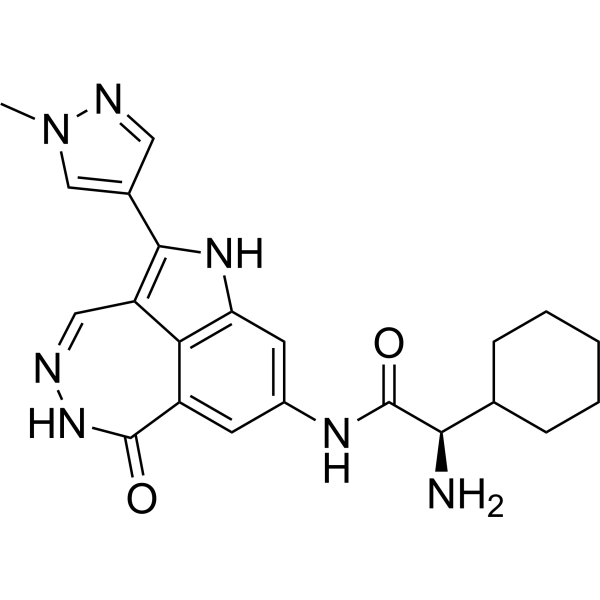
  • HY-10032
    PF 477736
    4 Publications Verification

    PF 00477736

    Checkpoint Kinase (Chk) VEGFR Src c-Fms Aurora Kinase FGFR FLT3 RET CDK Cancer
    PF 477736 (PF 00477736) is a potent, selective and ATP-competitive inhibitor of Chk1, with a Ki of 0.49 nM, it is also a Chk2 inhibitor, with a Ki of 47 nM. PF 477736 shows <100-fold selectivity for Chk1 over VEGFR2, Fms, Yes, Aurora-A, FGFR3, Flt3, and Ret (IC50=8 (Ki), 10, 14, 23, 23, 25, and 39 nM, respectively). PF 477736 can enhance Gemcitabine antitumor activity in vitro and in vivo [1] .
    PF 477736
  • HY-13925
    PD0166285
    5+ Cited Publications

    Wee1 Apoptosis Cancer
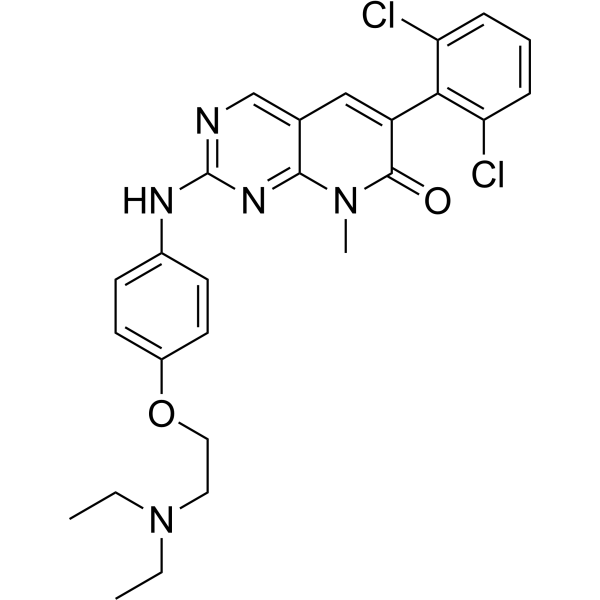
    PD0166285, a substrate of P-gp, is a WEE1 inhibitor and a weak Myt1 inhibitor with IC50 values of 24 and 72 nM, respectively. PD0166285 exhibits an IC50 of 3.433 μM for Chk1 [1].
    PD0166285
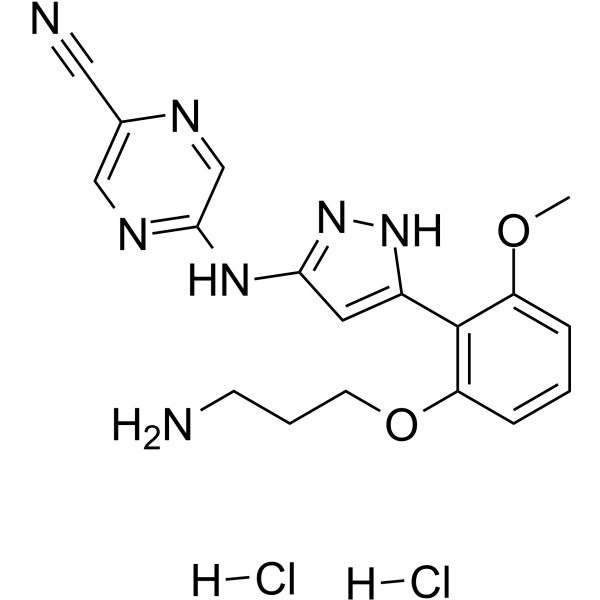
  • HY-18174A
    Prexasertib dihydrochloride
    Maximum Cited Publications
    33 Publications Verification

    LY2606368 dihydrochloride

    Checkpoint Kinase (Chk) Apoptosis Cancer
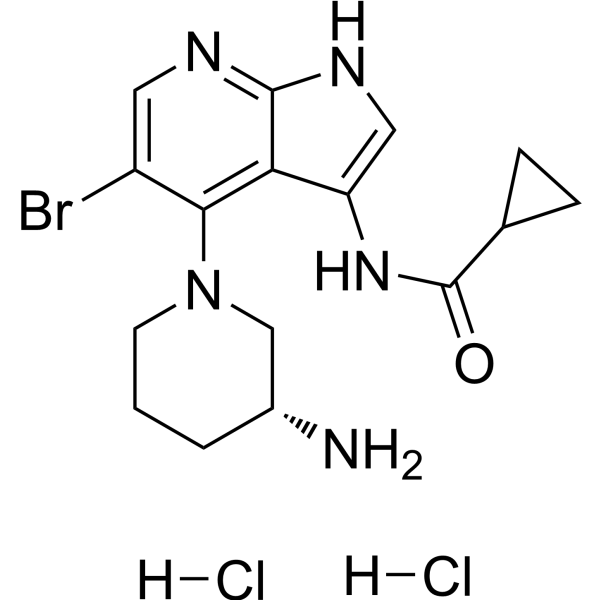
    Prexasertib dihydrochloride (LY2606368 dihydrochloride) is a selective, ATP-competitive second-generation checkpoint kinase 1 (CHK1) inhibitor with a Ki of 0.9 nM and an IC50 of <1 nM. Prexasertib dihydrochloride inhibits CHK2 (IC50=8 nM) and RSK1 (IC50=9 nM). Prexasertib dihydrochloride causes double-stranded DNA breakage and replication catastrophe resulting in apoptosis. Prexasertib dihydrochloride shows potent anti-tumor activity [1] .
    Prexasertib dihydrochloride
  • HY-148962

    Checkpoint Kinase (Chk) Cancer
    LY2880070 is an orally active CHK1 inhibitor, IC501 nM. LY2880070 can be used as an anticancer agent for combination with DNA damaging agents [1] .
    LY2880070
  • HY-112167
    GDC-0575
    5+ Cited Publications

    ARRY-575; RG7741

    Checkpoint Kinase (Chk) Cancer
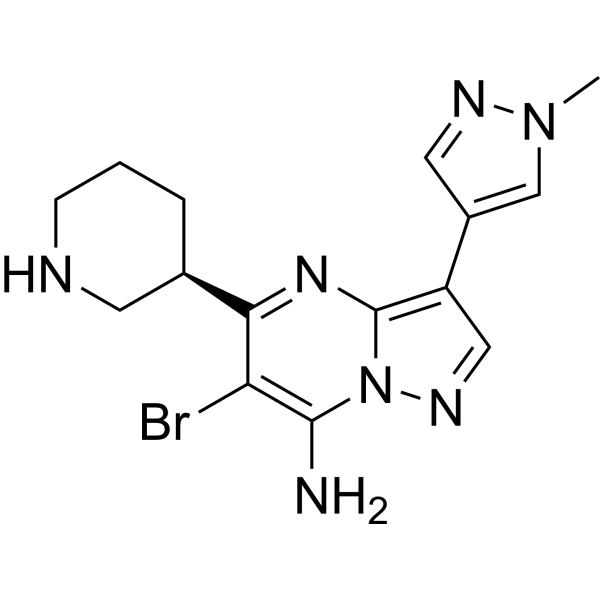
    GDC-0575 (ARRY-575, RG7741) is a highly-selective oral small-molecule Chk1 inhibitor with an IC50 of 1.2 nM.
    GDC-0575
  • HY-161108

    PROTACs Checkpoint Kinase (Chk) Cancer
    PROTAC Chk1 degrader-1 is a Chk1-targeting PROTAC.PROTAC Chk1 degrader-1 recruits the Cereblon E3 ligase to induce ubiquitination and proteasomal degradation of Chk1.PROTAC Chk1 degrader-1 exhibits Chk1 degradation activity in malignant melanoma cells without showing a hook effect.PROTAC Chk1 degrader-1 can be used for the research of malignant melanoma [1].
    PROTAC Chk1 degrader-1
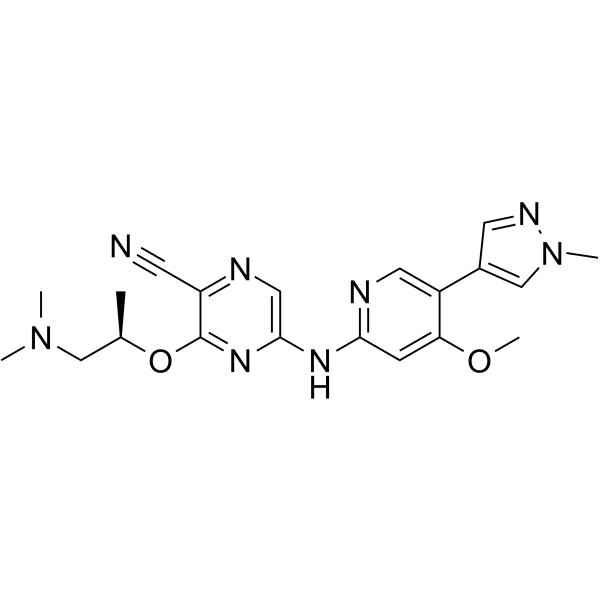
  • HY-18175
    CCT244747
    5 Publications Verification

    Checkpoint Kinase (Chk) Cancer
    CCT244747 is a potent, orally bioavailable and highly selective CHK1 inhibitor, with an IC50 of 7.7 nM; CCT244747 also abrogates G2 checkpoint with an IC50 of 29 nM.
    CCT244747
  • HY-122198
    ML367
    1 Publications Verification

    Checkpoint Kinase (Chk) Cancer
    ML367 is a potent inhibitor of ATPase family AAA domain-containing protein 5 (ATAD5) stabilization, acts as a probe molecule that has low micromolar inhibitory activity. ML367 blocks DNA repair pathways, suppresses general DNA damage responses including RPA32-phosphorylation and CHK1-phosphorylation in response to UV irradiation [1].
    ML367
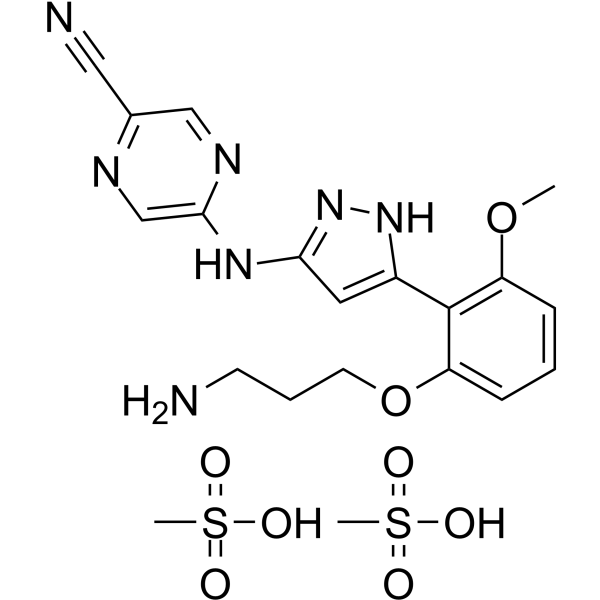
  • HY-18174E
    Prexasertib dimesylate
    Maximum Cited Publications
    33 Publications Verification

    LY2606368 dimesylate

    Checkpoint Kinase (Chk) Apoptosis Cancer
    Prexasertib dimesylate (LY2606368 dimesylate) is a selective, ATP-competitive second-generation checkpoint kinase 1 (CHK1) inhibitor with a Ki of 0.9 nM and an IC50 of <1 nM. Prexasertib dimesylate inhibits CHK2 (IC50=8 nM) and RSK1 (IC50=9 nM). Prexasertib dimesylate causes double-stranded DNA breakage and replication catastrophe resulting in apoptosis. Prexasertib dimesylate shows potent anti-tumor activity [1] .
    Prexasertib dimesylate
  • HY-128601

    Checkpoint Kinase (Chk) Cardiovascular Disease Cancer
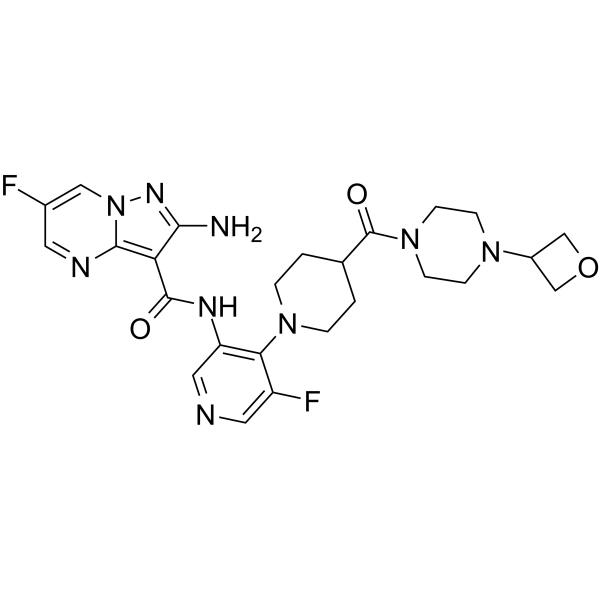
    CHK1-IN-3 is a potent and selective CHK1 inhibitor with an IC50 of 0.4 nM. CHK1-IN-3 effectively inhibits the growth of malignant hematopathy cell lines and displays low affinity for hERG (IC50 > 40 μM). CHK1-IN-3 significantly suppresses the tumor growth in vivo. CHK1-IN-3 can be used for the study of hematologic malignancies [1].
    CHK1-IN-3
  • HY-19926

    RG-7602

    Checkpoint Kinase (Chk) Cancer
    GDC-0425 (RG-7602) is an orally available, highly selective small molecule ChK1 inhibitor. GDC-0425 can be used for the research of various malignancies [1] .
    GDC-0425
  • HY-100195
    SAR-020106
    1 Publications Verification

    Checkpoint Kinase (Chk) Cancer
    SAR-020106 is an ATP-competitive, potent, and selective CHK1 inhibitor with an IC50 of 13.3 nM for human CHK1. SAR-020106 shows excellent selectivity over CHK2. SAR-020106 significantly enhances the cell killing of Gemcitabine and SN38 by 3- to 29-fold in several colon tumor lines and in a p53-dependent fashion. SAR-020106 can enhance antitumor activity with selected anticancer agents [1] .
    SAR-020106
  • HY-103241
    Ro 90-7501
    3 Publications Verification

    Amyloid-β ATM/ATR Phosphatase Apoptosis Neurological Disease Cancer
    Ro 90-7501 is an amyloid β42 (Aβ42) fibril assembly inhibitor that reduces 42-induced cytotoxicity (EC50 of 2 μM). Ro 90-7501 inhibits ATM phosphorylation and DNA repair. RO 90-7501 selectively enhances toll-like receptor 3 (TLR3) and RIG-I-like receptor (RLR) ligand-induced IFN-β gene expression and antiviral response . Ro 90-7501 also inhibits protein phosphatase 5 (PP5) in a TPR-dependent manner . Ro 90-7501 has significant radiosensitizing effects on cervical cancer cells .
    Ro 90-7501
  • HY-131446
    Chk1-IN-5
    1 Publications Verification

    Checkpoint Kinase (Chk) Cancer
    Chk1-IN-5 is a potent checkpoint kinase 1 (Chk1) inhibitor. Chk1-IN-5 inhibits Chk1 phosphorylation and inhibits tumor growth in colon cancer xenograft model [1].
    Chk1-IN-5
  • HY-10992A
    AZD-7762 hydrochloride
    20+ Cited Publications

    Checkpoint Kinase (Chk) Cancer
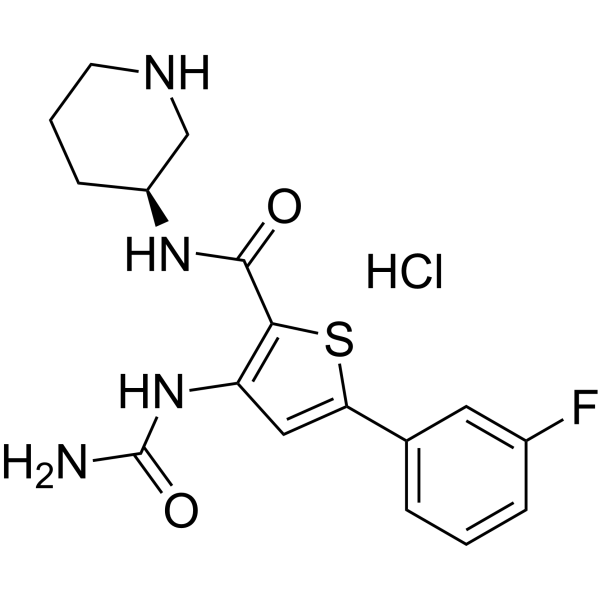
    AZD-7762 hydrochloride is a potent ATP-competitive checkpoint kinase (Chk) inhibitor in with an IC50 of 5 nM for Chk1.
    AZD-7762 hydrochloride
  • HY-112167A
    GDC-0575 dihydrochloride
    5+ Cited Publications

    ARRY-575 dihydrochloride; RG7741 dihydrochloride

    Checkpoint Kinase (Chk) Cancer
    GDC-0575 dihydrochloride (ARRY-575 dihydrochloride) is an orally bioavailable CHK1 inhibitor, with an IC50 of 1.2 nM, and has antitumor activity.
    GDC-0575 dihydrochloride
  • HY-15532B

    MK-8776 S-isomer

    Drug Isomer Cancer
    SCH900776 S-isomer is the S-isomer of SCH900776. SCH900776 is a potent, selective and orally bioavailable inhibitor of checkpoint kinase1 (Chk1) with IC50 of 3 nM.
    SCH900776 (S-isomer)
  • HY-18961

    Checkpoint Kinase (Chk) Wee1 Inflammation/Immunology Cancer
    PD 407824 is a checkpoint kinase Chk1 and WEE1 inhibitor with IC50s of 47 and 97 nM, respectively. PD 407824 is a chemical BMP sensitizer and increases the sensitivity of cells to sub-threshold amounts of BMP4 [1] .
    PD 407824
  • HY-114302
    CCB02
    1 Publications Verification

    Microtubule/Tubulin Cancer
    CCB02 is a selective CPAP-tubulin interaction inhibitor, binding to tubulin and competing for the CPAP binding site of β-tubulin, with an IC50 of 689 nM, and shows potent anti-tumor activity. CCB02 shows no inhibition on the cell cycle- and centrosome-related kinases, or the phosphorylation status of Aurora A, Plk1, Plk2, CDK2, and CHK1 [1].
    CCB02
  • HY-15883

    Checkpoint Kinase (Chk) Apoptosis Cancer
    GNE-900 is a an ATP-competitive, selective, and orally active ChK1 inhibitor with IC50s of 0.0011, 1.5 μM for ChKl, ChK2, respectively. GNE-900 abrogates the G2-M checkpoint, enhances DNA damage, and induces Apoptosis. Gemcitabine (HY-17026) and GNE-900 administration shows anti-tumor activity [1].
    GNE-900
  • HY-16129

    Calmodulin Checkpoint Kinase (Chk) MAPKAPK2 (MK2) MAP3K Cancer
    CBP-501, a cell-permeable calmodulin-binding peptide and a G2-abrogating drug candidate, inhibits the activity of multiple Ser 216-specific kinases, such as MAPKAP-K2, C-Tak1, CHK1 and CHK2, with IC50 values of 0.9 μM, 1.4 μM 3.4 μM and 6.5 μM, respectively. CBP-501 is used for various types of cancer [1] .
    CBP-501
  • HY-155798

    Checkpoint Kinase (Chk) Cancer
    CHK1-IN-8 (example 3-2) is a Chk1 inhibitor with an IC50 of <10 nM for human Chk1. CHK1-IN-8 can be used for the study of cancer [1].
    CHK1-IN-8
  • HY-139901

    Checkpoint Kinase (Chk) Cancer
    Chk1-IN-6 is a selective and orally active Chk1 inhibitor with an IC50 of 16.1 nM. Chk1-IN-6 shows antiproliferative activity of MV-4-11 cells. Chk1-IN-6 exerts effective response in the MV-4-11 xenograft mouse model. Chk1-IN-6 exhibits synergistic anticancer effect with Gemcitabine (HY-17026). Chk1-IN-6 can be used in the research of cancers such as acute myeloid leukemia and colorectal adenocarcinoma [1].
    Chk1-IN-6
  • HY-112927

    Checkpoint Kinase (Chk) Cancer
    MU380 is a potent and selective CHK1 inhibitor that induces apoptosis and has anticancer activity [1].
    MU380
  • HY-103367

    Checkpoint Kinase (Chk) Cancer
    CHK1-IN-7 (Compound 10c) is a potent human CHK1 inhibitor. CHK1-IN-7 shows no single agent effect, potentiates the antiproliferative effect of Gemcitabine HY-17026 in both prostate and breast cancer cell lines. CHK1-IN-7 can be used for the research of cancer [1].
    CHK1-IN-7
  • HY-155195

    FLT3 Cancer
    FLT3/CHK-IN-1 (Compound 18) is a dual inhibitor of FLT3/CHK1. FLT3/CHK-IN-1 is more than 1700 times more selective to c-KI T and greatly reduces hERG affinity with an IC50 value of 58.4 μM. FLT3/CHK-IN-1 inhibits tumor growth in mouse xenotransplantation models inoculated with MV-4-11 cells [1].
    FLT3/CHK1-IN-1
  • HY-177551

    Checkpoint Kinase (Chk) Cancer
    CHK1-IN-14 is a free base form of CHK1 inhibitor. CHK1-IN-14 can be used in research on resistance to chemotherapy and radiotherapy [1].
    CHK1-IN-14
  • HY-178858

    PROTACs FLT3 Checkpoint Kinase (Chk) STAT ERK c-Myc Akt Cancer
    PROTAC FLT3/CHK1 Degrader-1 is a PROTAC FLT3/CHK1 degrader, with DC50 values of 5.88 nM (FLT3) and 4.17 nM (CHK1), respectively. PROTAC FLT3/CHK1 Degrader-1 can inhibit the phosphorylation of FLT3 downstream signaling effectors STAT5 (Tyr694), AKT (Ser473), and ERK (Tyr204), downregulate the protein level of c-Myc and maintain the expression of p53 protein. PROTAC FLT3/CHK1 Degrader-1 induces apoptosis in MV-4-11 cells. PROTAC FLT3/CHK1 Degrader-1 shows significant anti-tumor efficacy in mice bearing MV-4-11 subcutaneous xenografts. PROTAC FLT3/CHK1 Degrader-1 can be used for the study of acute myeloid leukemia (AML). (Pink: FLT3/CHK1 ligand (HY-178869 ), Blue: CRBN Ligand (HY-W093272), Black: Linker, E3 ligase ligand-linker conjugate (HY-W998238)) [1].
    PROTAC FLT3/CHK1 Degrader-1
  • HY-117857

    Casein Kinase Checkpoint Kinase (Chk) MDM-2/p53 Early 2 Factor (E2F) Cancer
    MRT00033659 is a potent broad-spectrum kinase inhibitor of CK1 (IC50=0.9 μM for CK1δ) and CHK1 (IC50=0.23 μM). MRT00033659, a pyrazolo-pyridine analogue, induces p53 pathway activation and E2F-1 destabilisation [1].
    MRT00033659
  • HY-W341547

    Adrenergic Receptor Inflammation/Immunology
    3,4-Dihydro-6,7-isoquinolinediol (compound 7) is a β2-AR agonist with an EC50 of 106.9 μM in CH-K1/GA1S cells. 3,4-Dihydro-6,7-isoquinolinediol can also inhibit the production of NO in mouse macrophage RAW 264.7 cells induced by lipopolysaccharide, showing anti-inflammatory activity [1].
    3,4-Dihydro-6,7-isoquinolinediol
  • HY-161622

    Checkpoint Kinase (Chk) Cancer
    K1586 is an amidine derivative that efficiently targets Chk1. K1586 enhances the degradation of Chk1 that sensitizes colorectal cancer cells to ionizing radiation. K1586 shows anticancer effects [1].
    K1586
  • HY-179157

    PROTACs Checkpoint Kinase (Chk) DNA/RNA Synthesis Apoptosis Bcl-2 Family Caspase Cancer
    MA203 is a highly efficient and selective PROTAC degrader targeting CHK1. MA203 accelerates CRBN-dependent proteasomal degradation of CHK1 in solid tumor-derived cells and acute leukemia cells. MA203 induces DNA replication stress. MA203 blocks cell cycle progression and triggers tumor cell apoptosis. MA203 does not damage healthy differentiated and primitive hematopoietic cells, stromal cells, and retinal epithelial cells. MA203 can be used for the study of CHK1-dependent cancers [1].
    MA203
  • HY-171785

    Checkpoint Kinase (Chk) Apoptosis Cancer
    CHK1-IN-12 (Compound example 1-5) is an orally active and highly selective checkpoint kinase 1 (CHK1) inhibitor with in vitro enzyme IC50≤10 nM and cellular IC50≤50 nM. CHK1-IN-12 inhibits the phosphorylation activity of CHK1 kinase to block the DNA damage response pathway, inducing tumor cell cycle arrest and apoptosis. CHK1-IN-12 is promising for research of cancers [1].
    CHK1-IN-12
  • HY-177027

    Checkpoint Kinase (Chk) Cancer
    CHK1-IN-13 (Compound 38) is a checkpoint kinase 1 (Chk1) inhibitor with an IC50 of 10-50  nM. CHK1-IN-13 has anticancer activity, and can be used for the research of cancers, such as breast, ovarian and prostate cancer [1].
    CHK1-IN-13
  • HY-161383

    Checkpoint Kinase (Chk) Cancer
    CHK1-IN-9 (compound 11) is an orally active CHK1 inhibitor with an IC50 value of 0.55 nM. CHK1-IN-9 can enhance the effect of DNA-damaging drugs on tumor cells. CHK1-IN-9 has synergistic anticancer effects with Gemcitabine (HY-17026) [1].
    CHK1-IN-9
  • HY-111369

    Checkpoint Kinase (Chk) Cancer
    CHK1-IN-2 is a checkpoint kinase 1 (CHK1) inhibitor, with an IC50 of 6 nM.
    CHK1-IN-2
  • HY-178869

    Ligands for Target Protein for PROTAC FLT3 Checkpoint Kinase (Chk) Cancer
    FLT3/CHK1 ligand-1 is a PROTAC target protein ligand that can be used for synthesis of PROTACs, such as PROTAC FLT3/CHK1 Degrader-1 (HY-178858). PROTAC FLT3/CHK1 Degrader-1 is a potent FLT3/CHK1 PROTAC degrader with anti-tumor activity [1].
    FLT3/CHK1 ligand-1
  • HY-159707

    Checkpoint Kinase (Chk) Cardiovascular Disease Cancer
    MCL1020 is a CHK1 inhibitor with an IC50 of 1.61 μM. MCL1020 properly occupies the ATP pocket by interacting with a diverse range of the sites of CHK1 kinase. MCL1020 can be used for the study of hematologic malignancies [1].
    MCL1020
  • HY-18174H

    LY2606368 lactate

    Checkpoint Kinase (Chk) Apoptosis DNA/RNA Synthesis Cancer
    Prexasertib lactate (LY2606368 lactate) is the lactate form of Prexasertib (HY-18174). Prexasertib lactate is a selective, ATP-competitive second-generation checkpoint kinase 1 (CHK1) inhibitor with a Ki of 0.9 nM and an IC50 of <1 nM. Prexasertib lactate inhibits CHK2 (IC50=8 nM) and RSK1 (IC50=9 nM). Prexasertib lactate causes double-stranded DNA breakage and replication catastrophe resulting in apoptosis. Prexasertib lactate shows potent anti-tumor activity [1] .
    Prexasertib lactate
  • HY-P5961

    Checkpoint Kinase (Chk) Cancer
    Chktide is a substrate for CHK1 and CHK2. Chktide can be used in kinase assays [1] .
    Chktide

Inquiry Online

Your information is safe with us. * Required Fields.

Salutation


Country or Region *

Applicant Name *


Organization Name *

Department *


Email Address *


Product Name *

Cat. No.


Requested quantity *

Phone Number *


Remarks

Inquiry Online

Inquiry Information

Product Name:
Cat. No.:
Quantity:
MCE Japan Authorized Agent:

