
1. Search Result
Search Result
Results for "

filters

" in MedChemExpress (MCE) Product Catalog:

102

Inhibitors & Agonists

28

Screening Libraries

7

Fluorescent Dye

40

Biochemical Assay Reagents

1

Peptides

6

MCE Kits

6

Natural
Products

10

Isotope-Labeled Compounds

1

Oligonucleotides

Cat. No. Product Name Target Research Areas Chemical Structure
  • HY-B1234

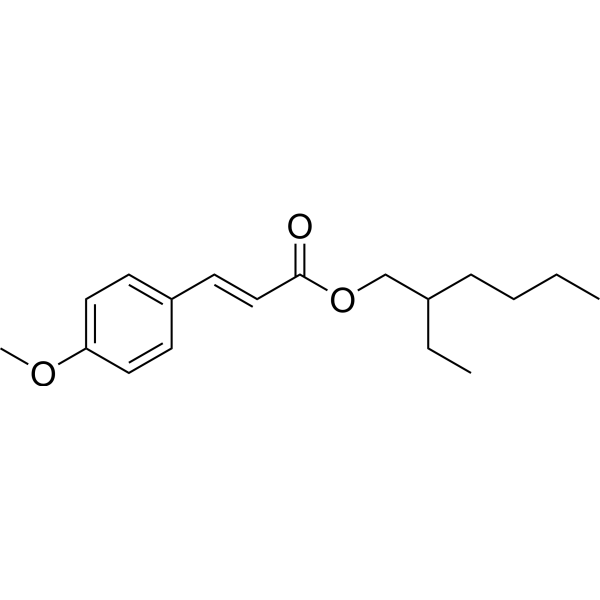
    Octyl methoxycinnamate

    Environmental Pollutants Estrogen Receptor/ERR Androgen Receptor Cytochrome P450 Thyroid Hormone Receptor Metabolic Disease Endocrinology
    Octinoxate (Octyl methoxycinnamate) is a thyroid hormone receptor agonist, reducing the levels of triiodothyronine (T3) and thyroxine (T4) and transcription levels of genes related to type II deiodinase (deio2) in Japanese Medaka. Octinoxate is commonly used as a safe ultraviolet (UV) filter used in the aquatic environment. Octinoxate inhibits CYP1A1 and CYP1B1 to regulate hyaluronan (HA) (HY-B0633A) metabolism in a PI3K pathway-dependent manner in human keratinocytes. Octinoxate also exhibits an anti-estrogenic and anti-androgenic effect in vitro and in vivo .
    Octinoxate
  • HY-Y1212

    Diatomaceous earth

    Environmental Pollutants Biochemical Assay Reagents Metabolic Disease
    Celite (Diatomaceous earth) is a filter aid. Celite induces hepatic tryptophan oxygenase activity and reduces hepatic glycogen in mouse experiments. Celite can be used for studies of endotoxemia .
    Celite
  • HY-B0316

    Environmental Pollutants Apoptosis Estrogen Receptor/ERR Others
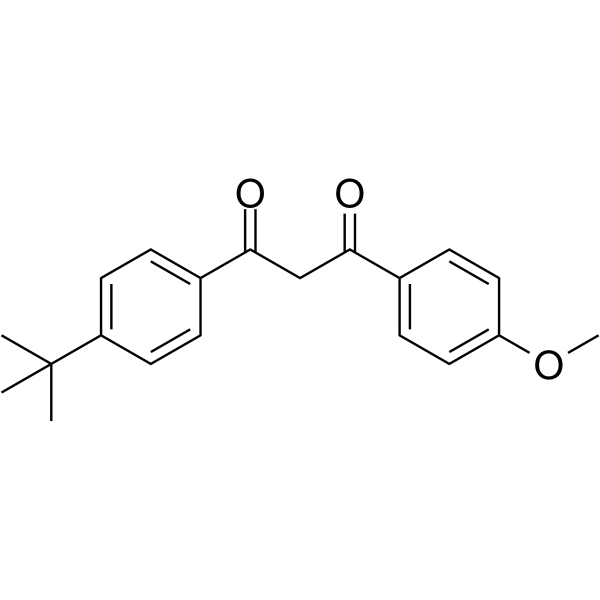
    Avobenzone, a dibenzoylmethane compound, is one of the most widely used filters in sunscreens for skin photoprotection in the UVA band. Avobenzone is an endocrine disruptor that directly binds to estrogen receptor β and acts as an estrogen agonist .
    Avobenzone
  • HY-A0067
    Oxybenzone
    Maximum Cited Publications
    6 Publications Verification

    Benzophenone 3

    Environmental Pollutants Autophagy RAR/RXR Apoptosis Neurological Disease
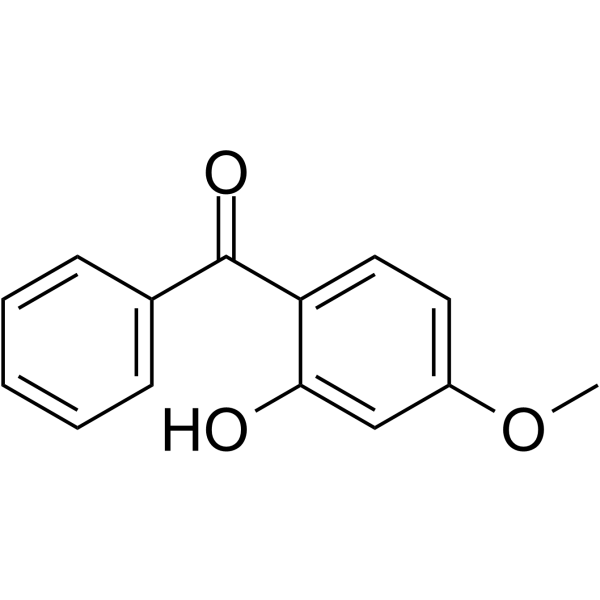
    Oxybenzone (Benzophenone 3) is a commonly used UV filter in sun tans and skin protectants. Oxybenzone act as endocrine disrupting chemicals (EDCs) and can pass through the placental and blood-brain barriers. Benzophenone-3 impairs autophagy, alters epigenetic status, and disrupts retinoid X receptor signaling in apoptotic neuronal cells .
    Oxybenzone
  • HY-126437J

    PLL solution 0.01%, sterile-filtered, hydrobromide, MW 150000-300000, for cell culture

    Biochemical Assay Reagents Others
    Poly-L-lysine solution (0.01%, sterile-filtered, MW 150000-300000), a positively charged amino acid polymer, is a nonspecific attachment factor for cells. Poly-L-lysine solution (0.01%, sterile-filtered, MW 150000-300000) has good biocompatibility. Poly-L-lysine solution (0.01%, sterile-filtered, MW 150000-300000) is used to increase cell adhesion to solid substrates by enhancing electrostatic interaction between negatively charged ions of the cell membrane and the culture surface .
    Poly-L-lysine solution (0.01%, sterile-filtered, MW 150000-300000)
  • HY-B2221C

    Carboxymethyl cellulose CM-32; CM-32

    Environmental Pollutants Biochemical Assay Reagents Others
    CM Cellulose CM-32 (Carboxymethyl cellulose) is a cellulose derivative. CM Cellulose CM-32 has a wide range of applications in the biomedical field, including tissue engineering, wound dressing, absorbent nonwovens, fabrication of 3D-scaffolds for biocompatible implants, artificial organs or mimics of extracellular polymeric matrix and diagnosis of various diseases. CM Cellulose CM-32 can decrease osteoclasts formation. CM Cellulose CM-32 can be used as a biological material or organic compound for life science related research .
    CM Cellulose CM-32
  • HY-D0284

    Fluorescent Dye Others
    Pigment Yellow 139 is a biological dye and indicator. Pigment Yellow 139 is an organic pigment and an additive for color filters of liquid crystal displays. When formulated in a dye-pigment hybrid system, Pigment Yellow 139 can form color filters with specific chromaticity coordinates, brightness, contrast, and average particle size .
    Pigment Yellow 139
  • HY-126437K

    PLL solution 0.01%, sterile-filtered, hydrobromide, MW 70000-150000, for cell culture

    Biochemical Assay Reagents Others
    Poly-L-lysine solution (0.01%, sterile-filtered, MW 70000-150000) (PLL solution (0.01%, sterile-filtered, hydrobromide, MW 70000-150000, for cell culture)) is a polycationic electrolyte polymer solution polymerized from L-lysine monomers and can be used for cell culture .
    Poly-L-lysine solution (0.01%, sterile-filtered, MW 70000-150000)
  • HY-B0928
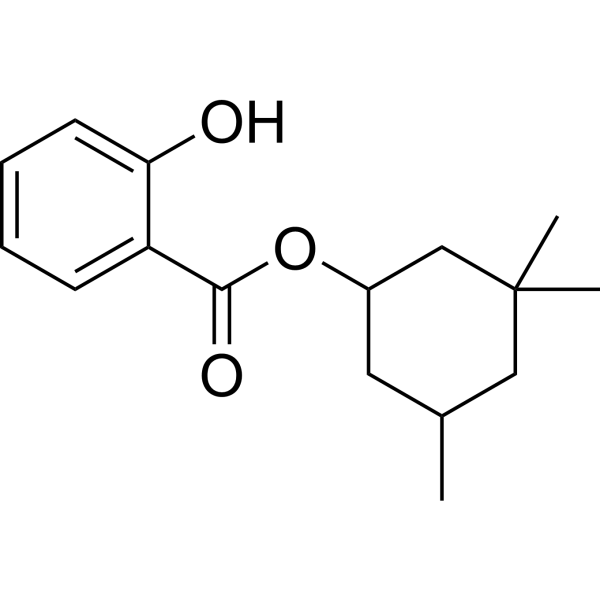
    Homosalate
    1 Publications Verification

    Homomenthyl salicylate

    Environmental Pollutants Biochemical Assay Reagents Others
    Homosalate (Homomenthyl salicylate) is an organic compound used as a sunscreen to filter UV rays and protect the skin from sun damage. Homosalate has anti-inflammatory activity .
    Homosalate
  • HY-108882C

    DNA/RNA Synthesis Inflammation/Immunology
    DNase I is an enzyme that degrades DNA. DNase I is mainly produced by digestive system organs, such as the pancreas and parotid gland. Three types of DNase I are known in mammals: pancreatic type, parotid type, and pancreatico-parotid type. DNase I plays a key role in the cleavage of extracellular DNA, and is critical for limiting inflammatory responses and maintaining homeostasis. DNase I is responsible for digesting extracellular nucleoproteins, which may be essential for preventing autoimmune reactions. Decreased DNase I activity may be associated with the occurrence and development of systemic lupus erythematosus (SLE). DNase I (filtered) is filtered through a 0.22 μM membrane and is not tested for pyrogenicity .
    DNase I (filtered)
  • HY-B1162
    Sulisobenzone
    1 Publications Verification

    Benzophenone-4

    Environmental Pollutants Biochemical Assay Reagents Metabolic Disease
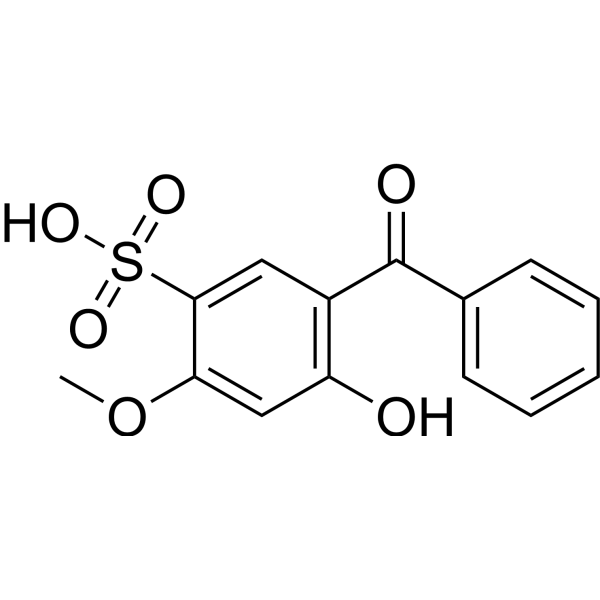
    Sulisobenzone (Benzophenone-4) is a benzophenone-type UV filter. Sulisobenzone can act as a endocrine disrupting compound. Sulisobenzone disrupts energy metabolism, nucleotide synthesis, oxidative stress response, and endocrine function. Sulisobenzone thyroid hormone biosynthesis and induces oxidative stress .
    Sulisobenzone
  • HY-A0087
    Octocrylene
    2 Publications Verification

    Environmental Pollutants PPAR Estrogen Receptor/ERR Biochemical Assay Reagents Cytochrome P450 Others
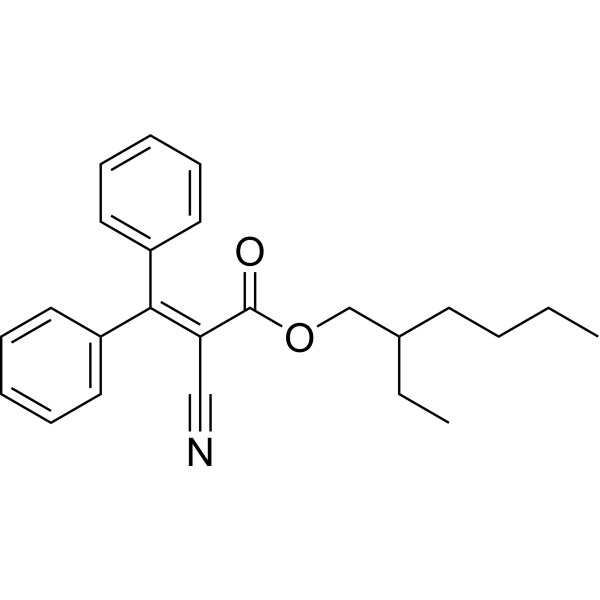
    Octocrylene is an organic ultraviolet (UV) filter that absorbs mainly UVB radiation and shorter UVA wavelengths. Octocrylene acts as a partial agonist of PPARγ, which alters the gene transcription profile of lipid metabolism enzymes. In addition, Octocrylene is cytotoxic and genotoxic to human skin fibroblasts and mediates the biosynthesis of estrogens such as estriol in zebrafish larvae, while affecting antioxidant pathways including glutathione transferase and peroxisomes .
    Octocrylene
  • HY-16182
    Ecamsule
    1 Publications Verification

    Biochemical Assay Reagents Others
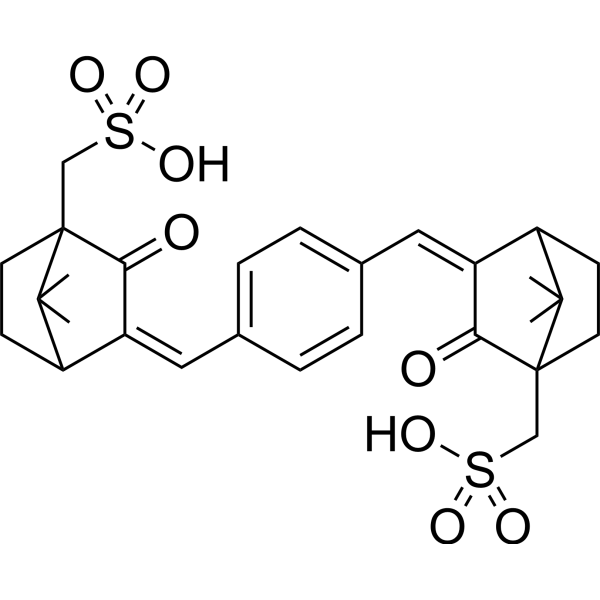
    Ecamsule is a broad-spectrum UVA filter that can be used in sunscreen product. Ecamsule reduces biological damage caused by solar radiation such as pyrimidine dimer formation, p53 protein accumula-tion, or collagenase 2 expression. Ecamsule has the potential for the research of polymorphous light eruption (PMLE) .
    Ecamsule
  • HY-17587
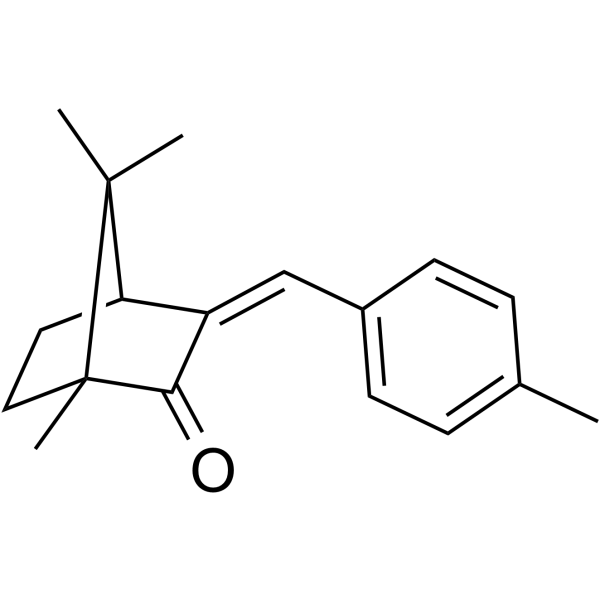
    4-Methylbenzylidene camphor
    2 Publications Verification

    4-MBC; Enzacamene

    Apoptosis PI3K Akt ERK Metabolic Disease
    4-Methylbenzylidene camphor (4-MBC) is an endocrine disrupter that produces estrogen-like effects. 4-Methylbenzylidene camphor decreases the proliferation of human trophoblast cells and induces apoptosis. 4-Methylbenzylidene camphor activates PI3K/AKT and ERK1/2 signaling pathways and elevates intracellular ROS production. 4-Methylbenzylidene camphor is a ultraviolet (UV) filter and may hamper normal placental formation during early pregnancy .
    4-Methylbenzylidene camphor
  • HY-109655

    Octyl triazone

    Biochemical Assay Reagents Others
    Ethylhexyl triazone is an approved ultraviolet-B (UV-B) chemical filter for commercial sunscreens.
    Ethylhexyl triazone
  • HY-D1161

    NCI 240899

    Fluorescent Dye Neurological Disease
    True Blue (NCI 240899) is a fluorescent dye, as neuronal retrograde tracer (excitation wavelength 395-425 nm, barrier filter 450 nm). True Blue can label neuron and has no effects on neuronal survival .
    True Blue
  • HY-148139

    Biochemical Assay Reagents Others
    Cross-linked dextran G 75 is a Gel-filtration media. Cross-linked dextran G 75 also is a dextran-based matrix and used for Gel-filtration chromatography (Particle size range: 40-120 μm; Sphere protein separation range: 3K-80K Da; Polysaccharide separation range: 1K-50K Da) .
    Cross-linked dextran G 75
  • HY-16182A
    Ecamsule disodium
    1 Publications Verification

    Biochemical Assay Reagents Others
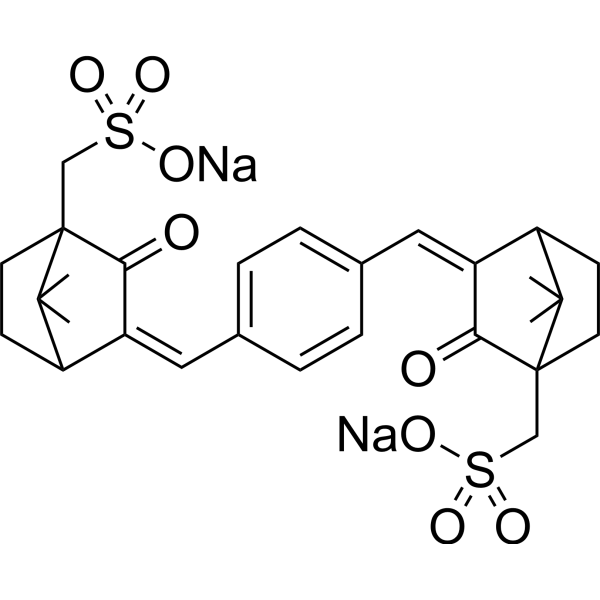
    Ecamsule disodium is a broad-spectrum UVA filter that can be used in sunscreen product. Ecamsule reduces biological damage caused by solar radiation such as pyrimidine dimer formation, p53 protein accumula-tion, or collagenase 2 expression .
    Ecamsule disodium
  • HY-B1023
    Mexenone
    1 Publications Verification

    Biochemical Assay Reagents Others
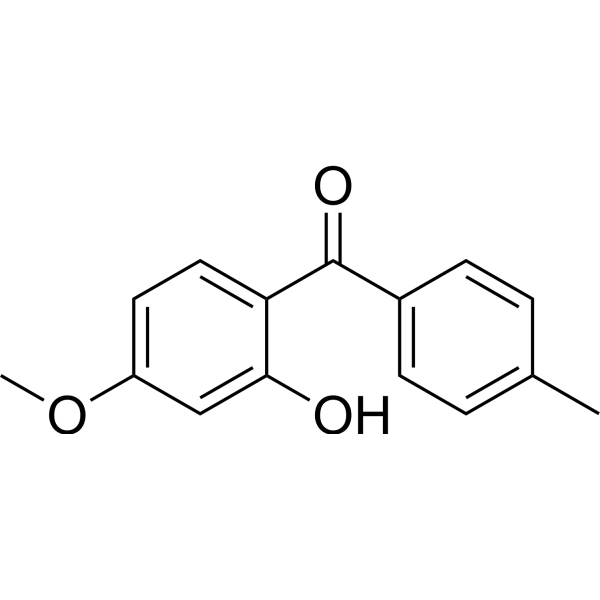
    Mexenone is a potent benzophenone-type UV filter. Mexenone is used for sunscreening agent .
    Mexenone
  • HY-138560
    Cross-linked dextran G 50
    2 Publications Verification

    Biochemical Assay Reagents Others
    Cross-linked dextran G 50 is a gel filtration medium. Cross-linked dextran G 50 can be used in gel permeation chromatography for fractionation of the glycopeptide mixture (Sphere protein separation range: 1.5K-30K Da; Polysaccharide separation range: 500-10K Da) .
    Cross-linked dextran G 50
  • HY-141522

    Biochemical Assay Reagents Others
    Cross-linked dextran G 100 is a gel filtration medium that can be used for protein purification (Sphere protein separation range: 4K-150K Da; Polysaccharide separation range: 1K-100K Da) .
    Cross-linked dextran G 100
  • HY-W046325

    Diethylaminoethyl cellulose

    Biochemical Assay Reagents Others
    DEAE-Cellulose (Diethylaminoethyl cellulose), a common biopolymer derivative. DEAE-Cellulose is a weakly basic cellulose anion exchanger .
    DEAE-Cellulose
  • HY-156045C

    Biochemical Assay Reagents Others
    Cross-linked dextran G 200 is a hydrophilic gel based on molecular size exclusion and targeted macromolecular separation. Cross-linked dextran G 200 works through the gel permeation mechanism, and the cross-linked structure forms a three-dimensional network with a specific pore size, achieving separation based on the molecular hydrodynamic volume. Cross-linked dextran G 200 can be used to adjust the osmotic solute distribution coefficient and the ability to maintain osmotic equilibrium, such as in gel filtration chromatography for purification and analysis of biomacromolecules such as proteins and nucleic acids . Cross-linked dextran G 200 can also be used as a gel filtration filler (particle size range: 40-120 μm; globular protein separation range: 5-600 kDa) .
    Cross-linked dextran G 200
  • HY-W134328E

    Dextran blue (MW 70000)

    Biochemical Assay Reagents Others
    Blue dextran (MW 70000) (Dextran blue (MW 70000)) is a conjugate of dextran and Cibacron Blue 3G-A ligand, mainly used for purification of human serum albumin .
    Blue dextran (MW 70000)
  • HY-135737
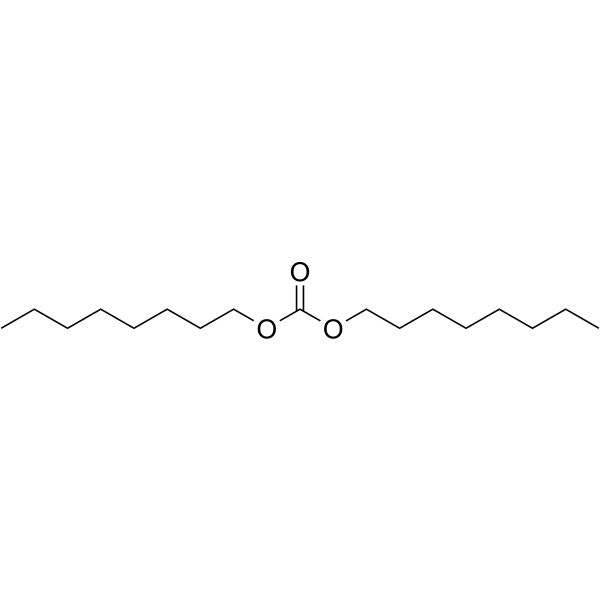
    Dicaprylyl carbonate
    1 Publications Verification

    Dioctyl carbonate

    Others Others
    Dicaprylyl carbonate, a solid, plant-derived fat, is a dry emollient. Dicaprylyl carbonate has excellent dermatological compatibility and a comprehensive performance profile, such as solubilizing and dispersing ability for sun-care filters .
    Dicaprylyl carbonate
  • HY-B0316R

    Reference Standards Estrogen Receptor/ERR Apoptosis Others
    Avobenzone (Standard) is the analytical standard of Avobenzone. This product is intended for research and analytical applications. Avobenzone, a dibenzoylmethane compound, is one of the most widely used filters in sunscreens for skin photoprotection in the UVA band. Avobenzone is an endocrine disruptor that directly binds to estrogen receptor β and acts as an estrogen agonist .
    Avobenzone (Standard)
  • HY-W011954

    Biochemical Assay Reagents Inflammation/Immunology
    Isopentyl 3-(4-methoxyphenyl)acrylate, a derivative of cinnamon acid ester, is a UV-filter with anti-inflammatory activity .
    Isopentyl 3-(4-methoxyphenyl)acrylate
  • HY-N3985

    Others Cancer
    Gyrophoric acid is a good ultraviolet filter in lichen populations. Gyrophoric acid shows DPPH radical scavenging activity with an IC50 value of 105.75 μg/ml .
    Gyrophoric acid
  • HY-W099730R

    Tinosorb S (Standard)

    Reference Standards Others Others
    Bemotrizinol (Standard) is the analytical standard of Bemotrizinol. This product is intended for research and analytical applications. Bemotrizinol (Tinosorb S), an ultraviolet (UV) filter, has been shown to accept atomic oxygen generated by N-oxide photodeoxygenation .
    Bemotrizinol (Standard)
  • HY-133876

    DiA

    Fluorescent Dye Others
    4-Di-16-ASP is a green fluorescent membrane dye. 4-Di-16-ASP is a lipophilic aminostyryl probe with a broad emission spectrum (can be detected with green, orange or even red filters). It is commonly used for neuronal membrane tracing (it diffuses faster than DiO) .
    4-Di-16-ASP
  • HY-156045B

    Biochemical Assay Reagents Others
    Cross-linked dextran G 150 is a hydrophilic gel based on molecular size exclusion and targeted for the separation of macromolecules. Cross-linked dextran G 150 functions through the gel permeation mechanism, where the cross-linked structure forms a three-dimensional network with specific pore diameters, achieving separation based on the molecular volumetric flow. Cross-linked dextran G 150 can be used to regulate the distribution coefficient of permeating solutes and maintain the permeation balance, such as in gel filtration chromatography for the purification and analysis of biological macromolecules like proteins and nucleic acids. Cross-linked dextran G 150 can also be used as a gel filtration filler (particle size range: 40-120 μm; spherical protein separation range: 5-300 kDa) .
    Cross-linked dextran G 150
  • HY-W134328C

    Dextran blue (MW 20000)

    Biochemical Assay Reagents Others
    Blue dextran (MW 20000) (Dextran blue (MW 20000)) is a conjugate of dextran and Cibacron Blue 3G-A ligand, mainly used for purification of human serum albumin .
    Blue dextran (MW 20000)
  • HY-D0272

    Estrogen Receptor/ERR Metabolic Disease
    2,3,4-Trihydroxybenzophenone is a hydroxylated benzophenone UV filter with estrogenic activity. 2,3,4-Trihydroxybenzophenone is a quorum sensing inhibitor and an EC 1.14.18.1 (tyrosinase) inhibitor. 2,3,4-Trihydroxybenzophenone is also a human urinary metabolite, a rat metabolite and a drug metabolite .
    2,3,4-Trihydroxybenzophenone
  • HY-Y1212A

    Purified Diatomaceous earth, for injection; Purified Diatomaceous silica, for injection

    Biochemical Assay Reagents Metabolic Disease
    Purified Siliceous Earth, for injection (Purified Diatomaceous earth, for injection; Purified Diatomaceous silica, for injection) is a filter aid.
    Purified Siliceous Earth, for injection
  • HY-W111589F

    Biochemical Assay Reagents Others
    Kieselguhr, soda ash flux-calcined is a filter aid.
    Kieselguhr, soda ash flux-calcined
  • HY-E70005P

    Biochemical Assay Reagents Others
    Collagenase (Type B, animal free) does not contain animal-related components, and is sterilized by filtration using a 0.22 μm filter membrane. Collagenase (Type B, filtered, animal free) has higher collagenase and casein activity.
    Collagenase (Type B, filtered, animal free)
  • HY-E70005O

    Proteasome Others
    Collagenase (Type A, filtered, animal free) is a proteolytic enzyme targeting collagen, capable of releasing corneal endothelial cells (CECs) without damaging cell junctions .
    Collagenase (Type A, filtered, animal free)
  • HY-W014226

    Drug Intermediate Ser/Thr Protease Others
    4,4'-Dihydroxybenzophenone is a type of phenolic ultraviolet absorber and a drug intermediate for synthesis of various anticancer active compounds (such as Sivifene (HY-14801)). 4,4'-Dihydroxybenzophenone binds to the active site of trypsin with binding constants (KA = 7.59 x 10 5 L/moL) and leads to abnormal structure of trypsin, suggesting that long-term intake may affect the digestive function of the human body. 4,4’-dihydroxybenzophenone has a relatively low toxicity to Chlorella vulgaris and a moderate toxicity to Daphnia magna .
    4,4'-Dihydroxybenzophenone
  • HY-W011954R

    Biochemical Assay Reagents Reference Standards Inflammation/Immunology
    Isopentyl 3-(4-methoxyphenyl)acrylate (Standard) is the analytical standard of Isopentyl 3-(4-methoxyphenyl)acrylate (HY-W011954). This product is intended for research and analytical applications. Isopentyl 3-(4-methoxyphenyl)acrylate, a derivative of cinnamon acid ester, is a UV-filter with anti-inflammatory activity .
    Isopentyl 3-(4-methoxyphenyl)acrylate (Standard)
  • HY-A0087R

    Biochemical Assay Reagents Reference Standards PPAR Estrogen Receptor/ERR Cytochrome P450 Others
    Octocrylene (Standard) is the analytical standard of Octocrylene. This product is intended for research and analytical applications. Octocrylene is an organic ultraviolet (UV) filter which absorbs mainly UVB radiation and short UVA wavelengths. Octocrylene has the potential for using in various cosmetic products to either provide an appropriate sun protection factor in sunscreen products or to protect cosmetic formulations from UV radiation .
    Octocrylene (Standard)
  • HY-A0067S

    RAR/RXR Apoptosis Autophagy Neurological Disease
    Oxybenzone-d5 is the deuterium labeled Oxybenzone . Oxybenzone (Benzophenone 3) is a commonly used UV filter in sun tans and skin protectants. Oxybenzone act as endocrine disrupting chemicals (EDCs) and can pass through the placental and blood-brain barriers. Benzophenone-3 impairs autophagy, alters epigenetic status, and disrupts retinoid X receptor signaling in apoptotic neuronal cells .
    Oxybenzone-d5
  • HY-W134328A

    Dextran blue (MW 5000)

    Biochemical Assay Reagents Others
    Blue dextran (MW 5000) (Dextran blue (MW 5000)) is a conjugate of dextran and Cibacron Blue 3G-A ligand, mainly used for purification of human serum albumin .
    Blue dextran (MW 5000)
  • HY-148140B

    Biochemical Assay Reagents Others
    Cross-linked dextran G 25, medium are microspheres with an average particle size of D50 = 120-140 μm.
    Cross-linked dextran G 25, medium
  • HY-148140A

    Biochemical Assay Reagents Others
    Cross-linked dextran G 25, coarse are microspheres with an average particle size of D50 = 200-250 μm.
    Cross-linked dextran G 25, coarse
  • HY-148140C

    Biochemical Assay Reagents Others
    Cross-linked dextran G 25, fine are microspheres with an average particle size of D50 = 70-90 μm.
    Cross-linked dextran G 25, fine
  • HY-W115757

    Environmental Pollutants Biochemical Assay Reagents Others
    Magnesium trisilicate, is an antacid and filter aid. Magnesium trisilicate is a biomaterial or organic compound that can be used in life science research .
    Magnesium trisilicate
  • HY-E70005Q

    Biochemical Assay Reagents Others
    Collagenase (Type C, filtered, animal free) does not contain animal-related components, and is sterilized by filtration using a 0.22 μm filter membrane. Collagenase (Type C, filtered, animal free) has low trypsin activity similar to type 4 collagenase.
    Collagenase (Type C, filtered, animal free)
  • HY-P3023A

    Biochemical Assay Reagents Others
    Mutanolysin, streptomyces globisporus ATCC21553 (0.2 μm filtered) is an N-acetylmuramidase that can be used to prepare nucleic acids and intact ribosomal RNA from Gram-positive bacteria .
    Mutanolysin, streptomyces globisporus ATCC21553 (0.2 μm filtered)
  • HY-118736

    Others Cardiovascular Disease
    Ganodermic acid S is an oxygenated triterpenoid, that can be isolated from the Chinese medicinal fungus Ganoderma lucidum (Fr.) Karst (Polyporaceae). Ganodermic acid S exerts a concentration dependent inhibition on the response of human gel-filtered platelets (GFP) to U-46619 (HY-108566), a thromboxane (TX) A2 mimetic .
    Ganodermic acid S
  • HY-129502

    P-23924C

    HIF/HIF Prolyl-Hydroxylase Others
    Fibrostatin C (P-23924C) is an orally active prolyl hydroxylase inhibitor that also inhibits collagen biosynthesis. Fibrostatin C also increases the number of cytoplasmic granules immunoreactive with antibodies to collagen I or III. Fibrostatin C inhibits the secretion of type I collagen in Tenon's capsule fibroblasts. Fibrostatin C is promising for research of the wound fibrotic response in the wound of glaucoma filtering surgery .
    Fibrostatin C

Inquiry Online

Your information is safe with us. * Required Fields.

Salutation


Country or Region *

Applicant Name *


Organization Name *

Department *


Email Address *


Product Name *

Cat. No.


Requested quantity *

Phone Number *


Remarks

Inquiry Online

Inquiry Information

Product Name:
Cat. No.:
Quantity:
MCE Japan Authorized Agent:

