
12 Results for "

first-line

" in MedChemExpress (MCE) Product Catalog:
Products (12)

12 Results for "first-line" in MCE Product Catalog:

Cat. No.: HY-118472
CAS No.: 86541-78-8
Purity:  99.54%
Synonyms: CGS 14831
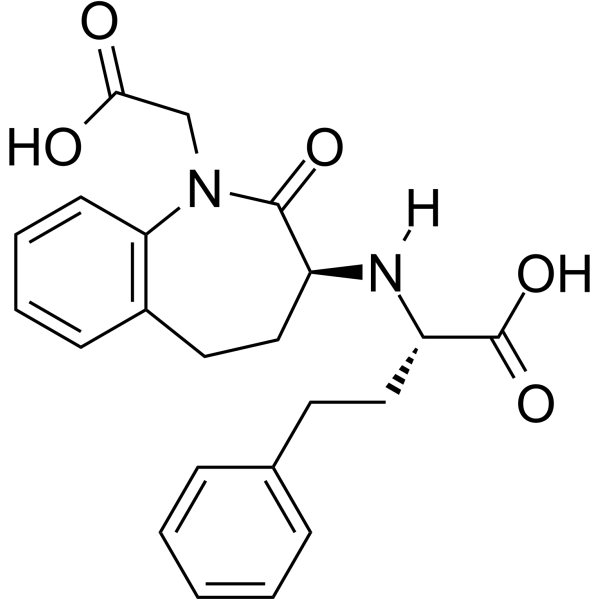
Benazeprilat is an orally active and the active metabolite of benazepril, a carboxyl-containing ACE inhibitor with antihypertensive activity. Benazepril is a well-established antihypertensive agent, both in monoresearch and in combination with other classes of drugs including thiazide diuretics and calcium channel blockers. Benazepril is a first-line research in reducing various pathologies associated with CV risk and secondary end-organ damage .
loading...
    loading...
Cat. No.: HY-19617A
CAS No.: 2227455-78-7
Target:  

EGFR

Research Areas:  

Cancer

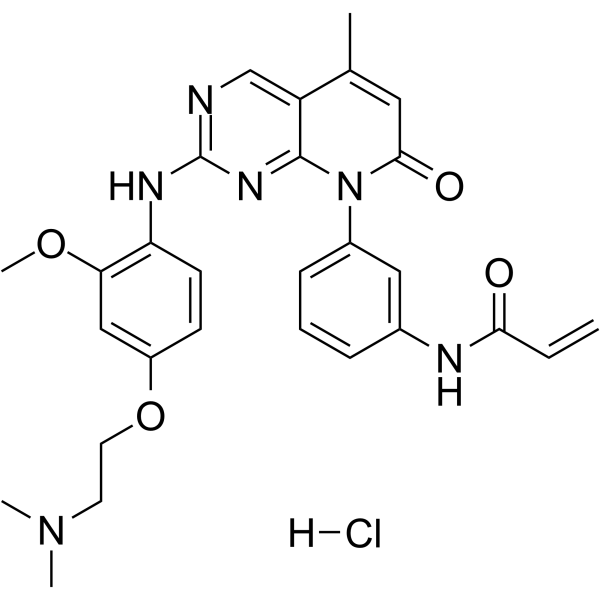
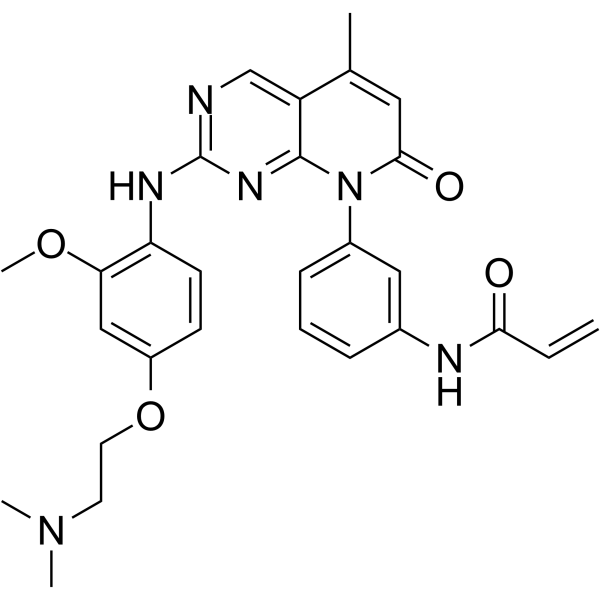
EGFR-IN-1 hydrochloride is an orally active and irreversible L858R/T790M mutant selective EGFR inhibitor. EGFR-IN-1 hydrochloride potently inhibits Gefitinib-resistant EGFR L858R, T790M with 100-fold selectivity over wild-type EGFR. EGFR-IN-1 hydrochloride displays strong antiproliferative activity against the H1975 cells and the first line mutant HCC827 cells. Antitumor activity .
loading...
    loading...
Cat. No.: HY-118472R
CAS No.: 86541-78-8
Synonyms: CGS 14831 (Standard)
Benazeprilat (Standard) is the analytical standard of Benazeprilat. This product is intended for research and analytical applications. Benazeprilat is an orally active and the active metabolite of benazepril, a carboxyl-containing ACE inhibitor with antihypertensive activity. Benazepril is a well-established antihypertensive agent, both in monoresearch and in combination with other classes of drugs including thiazide diuretics and calcium channel blockers. Benazepril is a first-line research in reducing various pathologies associated with CV risk and secondary end-organ damage .
loading...
    loading...
Cat. No.: HY-N3103R
CAS No.: 7362-39-2
Synonyms: Ethyl (E)-p-hydroxycinnamate (Standard); Ethyl trans-4-hydroxycinnamate (Standard)
Benazeprilat (Standard) is the analytical standard of Benazeprilat. This product is intended for research and analytical applications. Benazeprilat is an orally active and the active metabolite of benazepril, a carboxyl-containing ACE inhibitor with antihypertensive activity. Benazepril is a well-established antihypertensive agent, both in monoresearch and in combination with other classes of drugs including thiazide diuretics and calcium channel blockers. Benazepril is a first-line research in reducing various pathologies associated with CV risk and secondary end-organ damage .
loading...
    loading...
Cat. No.: HY-P2291
Target:  

Bacterial

Research Areas:  

Inflammation/Immunology

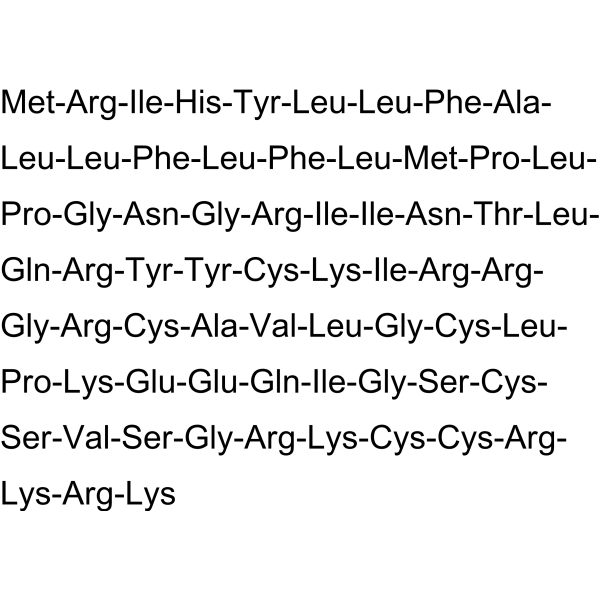
Beta-defensin 103 isoform X1, pig is an antimicrobial peptide found in different living organisms, involved in the first line of defense in their innate immune response against pathogens .
loading...
    loading...
Cat. No.: HY-P2291A
Target:  

Bacterial

Research Areas:  

Inflammation/Immunology

Beta-defensin 103 isoform X1, pig TFA is an antimicrobial peptide found in different living organisms, involved in the first line of defense in their innate immune response against pathogens .
loading...
    loading...
Cat. No.: HY-19617B
CAS No.: 2753348-63-7
Target:  

EGFR

Research Areas:  

Cancer

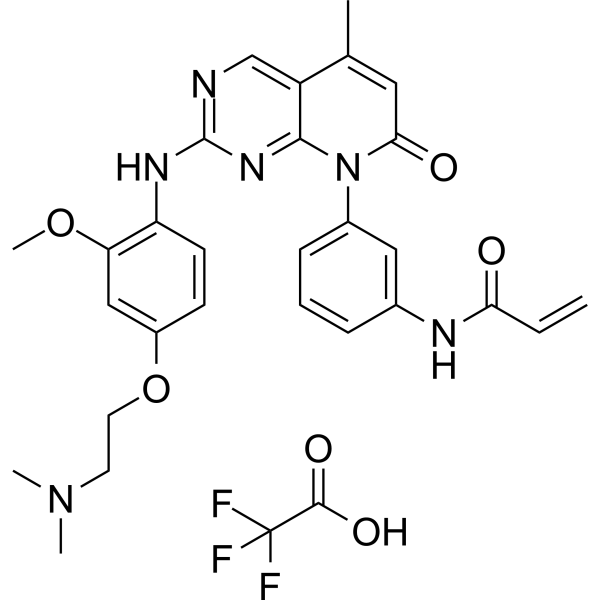
EGFR-IN-1 TFA is an orally active and irreversible L858R/T790M mutant selective EGFR inhibitor. EGFR-IN-1 TFA potently inhibits Gefitinib-resistant EGFR L858R, T790M with 100-fold selectivity over wild-type EGFR. EGFR-IN-1 TFA displays strong antiproliferative activity against the H1975 cells and the first line mutant HCC827 cells. Antitumor activity .
loading...
    loading...
Cat. No.: HY-19617
CAS No.: 1625677-63-5
Target:  

EGFR

Research Areas:  

Cancer

EGFR-IN-1 (compound 24) is an orally active and irreversible L858R/T790M mutant selective EGFR inhibitor. EGFR-IN-1 potently inhibits Gefitinib-resistant EGFR L858R, T790M with 100-fold selectivity over wild-type EGFR. EGFR-IN-1 displays strong antiproliferative activity against the H1975 cells and the first line mutant HCC827 cells. Antitumor activity .
loading...
    loading...
Cat. No.: HY-178738
CAS No.: 1371629-36-5
GC-072 is an orally active, 4-oxoquinolizine antibiotic that selectively inhibits bacterial DNA gyrase and Topo IV enzymes. GC-072 does not inhibit human topoisomerases I and II. GC-072 demonstrates strong antimicrobial activity against various bacterial strains, including Gram-positive, Gram-negative, and resistant bacteria. GC-072 also exhibits bactericidal activity against Burkholderia pseudomallei both extracellularly and intracellularly, leading to dose-dependent survival in mice exposed to lethal inhalational models of B. pseudomallei infection. GC-072 can be used for the research of melioidosis .
loading...
    loading...
Cat. No.: HY-124195
CAS No.: 461431-74-3
Target:  

Bacterial

Research Areas:  

Infection

Antitubercular agent-57 is a selective antimycobacterial agent with low in vitro toxicity against mammalian cell lines including hepatocyte cell lines. Antitubercular agent-57 exhibits activity against drug-sensitive, multidrug-resistant and extensively drug-resistant Mycobacterium tuberculosis strains, and shows no cross-resistance with first-line or second-line antitubercular agents. Antitubercular agent-57 has no activity against Gram-positive bacteria, Gram-negative bacteria and fungal strains. Antitubercular agent-57 can be used in the research of tuberculosis and multidrug-resistant tuberculosis .
loading...
    loading...
Cat. No.: HY-L237
327 compounds

Pattern Recognition Receptors (PRRs) are a crucial class of protein molecules expressed in cells of the innate immune system. The core function of Pattern Recognition Receptors is to recognize Pathogen-Associated Molecular Patterns (PAMPs) and Damage-Associated Molecular Patterns (DAMPs). Upon recognizing and binding to PAMPs or DAMPs, PRRs rapidly initiate intracellular signaling pathways (such as the NF-κB, IRF, and inflammasome pathways). This triggers the production of inflammatory factors, chemokines, and type I interferons, thereby initiating inflammatory responses to eliminate pathogens or repair damage. PRRs represent the body's first line of defense against infection, and the rapidity and broad specificity of their response are crucial for host survival. However, aberrant activation of PRR signaling is also a cause of many chronic inflammatory diseases, autoimmune disorders, and neurodegenerative diseases. Therefore, precisely regulating PRR activity has become a key therapeutic strategy for these conditions.

MCE has cataloged 327 inhibitors targeting key PRRs, such as NLRs, TLRs, C-type Lectin Receptors (CLRs), and cGAS, to support drug discovery efforts for chronic inflammatory diseases.

Cat. No.: HY-L174
270 compounds

Macrophages are effector cells of the innate immune system, engulfing bacteria and secreting pro-inflammatory and antibacterial mediators. They are an important component of the first line defense against pathogens and tumor cells. In addition, macrophages play an important role in eliminating damaged cells through programmed cell death. Like all immune cells, macrophages originate from pluripotent hematopoietic stem cells in the bone marrow. Macrophages play key functions in many physiological processes beyond homeostasis and innate immunity, including metabolic function, cell debris clearance, tissue repair, and remodeling. In order to fulfill their different functional roles, macrophages can polarize into a series of phenotypes, including classic (pro inflammatory, M1) and alternative (anti-inflammatory, healing promoting, M2) activation states, as well as a wide range of regulatory phenotypes and subtypes. Macrophages exist in all vertebrate tissues and have a dual function in host protection and tissue damage, maintaining a good balance.

MCE designs a unique collection of 270 macrophage related compounds. It is a good tool to be used for research on Inflammation, cancer and other diseases.

  • 1

