
1. Search Result
Search Result
Pathways Recommended: MAPK/ERK Pathway
Results for "

glycolytic pathways

" in MedChemExpress (MCE) Product Catalog:

26

Inhibitors & Agonists

3

Screening Libraries

2

Biochemical Assay Reagents

3

Natural
Products

6

Isotope-Labeled Compounds

1

Click Chemistry

Cat. No. Product Name Target Research Areas Chemical Structure
  • HY-W015913
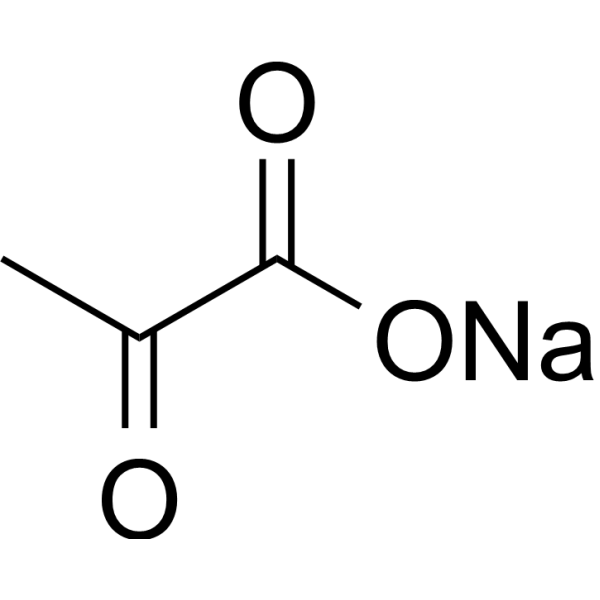
    Pyruvic acid sodium
    15+ Cited Publications

    Sodium 2-oxopropanoate; Acetylformic acid sodium

    Reactive Oxygen Species (ROS) Endogenous Metabolite Metabolic Disease
    Sodium 2-oxopropanoate (Sodium pyruvate), a three-carbon metabolite of Glucose, is a compound produced in the glycolytic pathway. Sodium 2-oxopropanoate is a free radical scavenger that can scavenge ROS .
    Pyruvic acid sodium
  • HY-12689
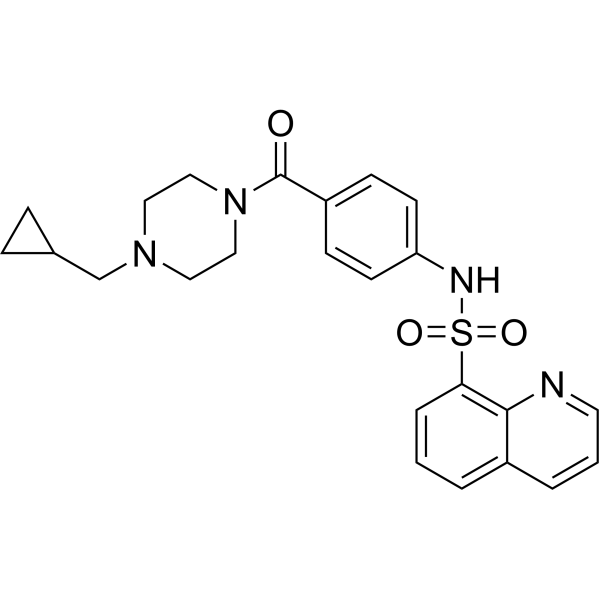
    Mitapivat
    3 Publications Verification

    AG-348

    Pyruvate Kinase Metabolic Disease
    Mitapivat (AG-348) is an orally active pyruvate kinase allosteric activator. Mitapivat increases enzymatic activity, protein stability, and ATP levels over a broad range of PKLR genotypes, shows the potential to restore the activity of PK (pyruvate kinase)-deficient glycolytic pathways. Mitapivat can be used in study of PK deficiency .
    Mitapivat
  • HY-W015913S
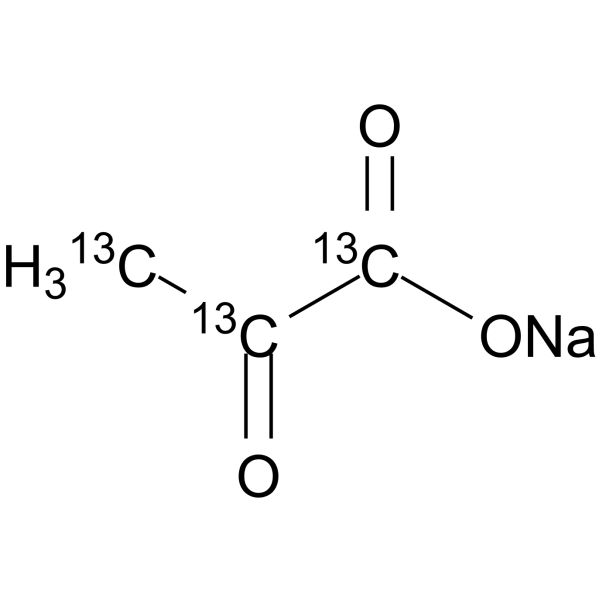
    Pyruvic acid-13C3 sodium
    1 Publications Verification

    Sodium 2-oxopropanoate-13C3; Acetylformic acid-13C3 sodium

    Reactive Oxygen Species (ROS) Endogenous Metabolite Metabolic Disease
    Sodium 2-oxopropanoate- 13C3 is the 13C-labeled Sodium 2-oxopropanoate. Sodium 2-oxopropanoate (Sodium pyruvate), a three-carbon metabolite of Glucose, is a compound produced in the glycolytic pathway. Sodium 2-oxopropanoate is a free radical scavenger that can scavenge ROS .
    Pyruvic acid-13C3 sodium
  • HY-113167

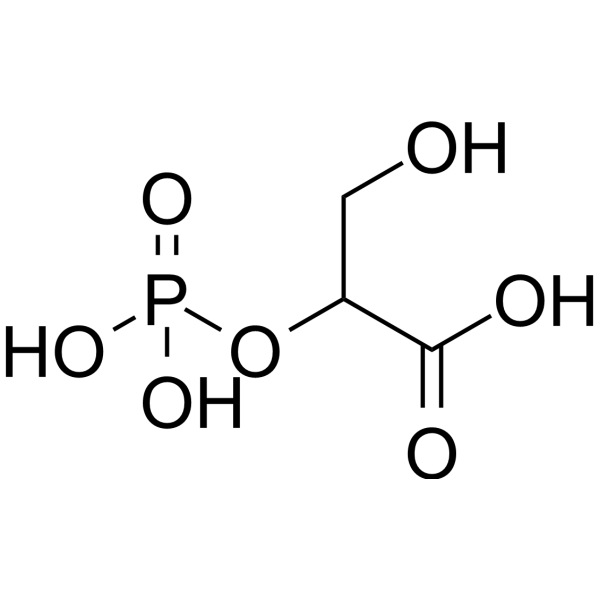
    DL-2-phosphoglyceric acid

    ACSL Family Endogenous Metabolite Ferroptosis Glutathione Peroxidase Reactive Oxygen Species (ROS) Metabolic Disease
    2-Phosphoglyceric acid (DL-2-phosphoglyceric acid) is a glycolytic substrate that is catalyzed by enolase to form phosphoenolpyruvate ester (PEP). 2-Phosphoglyceric acid inhibits the ferroptosis pathway by down-regulating ACSL4 and up-regulating GPX4, and has significant neuroprotective effects. 2-Phosphoglyceric acid reflects the overall metabolic state and flux of the cell .
    2-Phosphoglyceric acid
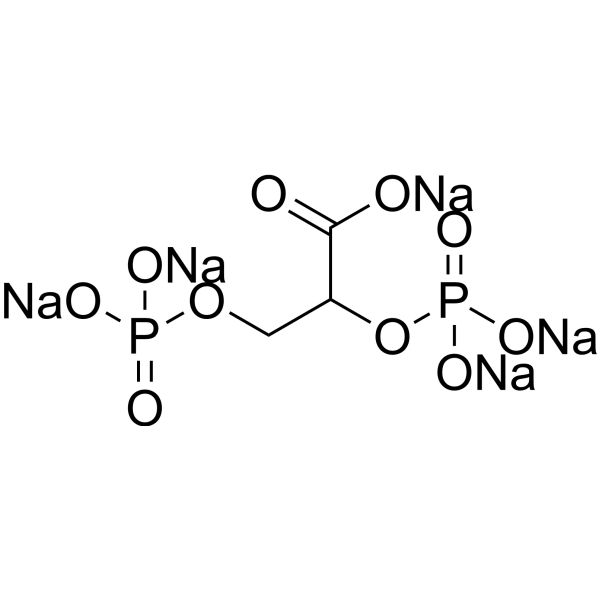
  • HY-W587427

    Endogenous Metabolite Monocarboxylate Transporter Neurological Disease Cancer
    D-2-Phosphoglyceric acid trisodium is a glycolysis and gluconeogenesis intermediate with altered levels linked to MCT4-modulated glycolytic pathways. D-2-Phosphoglyceric acid trisodium shows reduced intracellular levels in hypoxic glioblastoma stem cells after MCT4 knockdown. D-2-Phosphoglyceric acid trisodium can be used for the research of glioblastoma .
    D-2-Phosphoglyceric acid trisodium
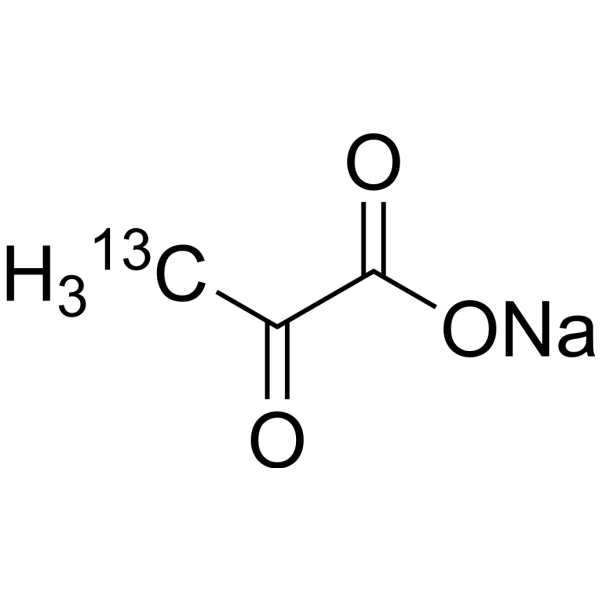
  • HY-W015913S3

    Sodium 2-oxopropanoate-13C; Acetylformic acid-13C-1 sodium

    Endogenous Metabolite Reactive Oxygen Species (ROS) Metabolic Disease
    Sodium 2-oxopropanoate- 13C is the 13C labeled Sodium 2-oxopropanoate . Sodium 2-oxopropanoate (Sodium pyruvate), a three-carbon metabolite of Glucose, is a compound produced in the glycolytic pathway. Sodium 2-oxopropanoate is a free radical scavenger that can scavenge ROS .
    Pyruvic acid-13C-1 sodium
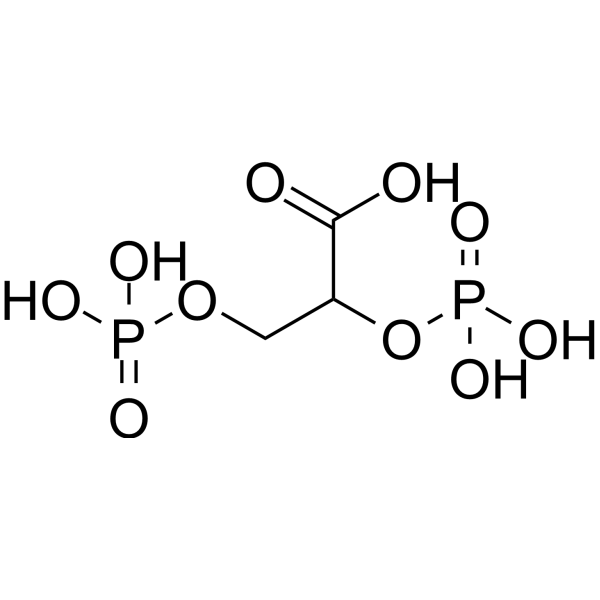
  • HY-113050

    2,3-DPG

    Parasite Infection Neurological Disease
    2,3-Diphosphoglyceric acid (2,3-DPG) is an intermediate of the glycolytic pathway. 2,3-Diphosphoglyceric acid stabilizes the deoxygenated form of hemoglobin by allosteric binding and facilitates oxygen release at tissue sites. 2, 3-diphosphoglyceric acid has antiparasitic activity. 2,3-Diphosphoglyceric acid can be used in the study of Alzheimer's disease (AD) .
    2,3-Diphosphoglyceric acid
  • HY-128788

    DNA/RNA Synthesis SARS-CoV Endogenous Metabolite Flavivirus Lactate Dehydrogenase Infection
    ddhCTP is an endogenously produced pyrimidine base analog with a Kd of 17.0 nM for LLDH and an IC50 of 55.8 μM for GAPDH. By inhibiting key metabolic enzymes such as GAPDH, ddhCTP reduces glycolytic flux and shifts metabolic flow toward the pentose phosphate pathway, thereby regulating the redox balance of cells. As a competitive CTP analog, ddhCTP terminates RNA synthesis by flavivirus RdRps and SARS-CoV-2 RdRp, and inhibits Zika virus replication in vivo. ddhCTP can be used in studies related to viral infections, COVID-19 and Zika virus infections.
    ddhCTP
  • HY-113050A

    2,3-DPG pentasodium

    Parasite Others
    2,3-Diphosphoglyceric acid (2,3-DPG) pentasodium is an intermediate of the glycolytic pathway. 2,3-Diphosphoglyceric acid pentasodium stabilizes the deoxygenated form of hemoglobin by allosteric binding and facilitates oxygen release at tissue sites. 2,3-Diphosphoglyceric acid pentasodium binds to hemoglobin and decrease its affinity for oxygen .
    2,3-Diphosphoglyceric acid pentasodium
  • HY-P2819

    PFK1

    Phosphatase Metabolic Disease
    Phosphofructokinase 1 (PFK1) is a major regulatory enzyme targeting glycolytic pathway. Phosphofructokinase 1 catalyzes the phosphorylation of fructose-6-phosphate (F6P) to fructose-1,6-bisphosphate (F1,6BP) to regulate glycolytic flux. Phosphofructokinase 1 is promising for research of cancer metabolic reprogramming (e.g., hypoxia adaptation, oxidative stress resistance) and metabolic syndromes .
    Phosphofructokinase 1
  • HY-178989

    Phosphoglycerate Kinase (PGK) Cuproptosis Cancer
    PGK1-IN-2 (Compound 60) is a PGK1 inhibitor with an IC50 of 8.24 μM. PGK1-IN-2 demonstrates a significant ability to inhibit the proliferation of osteosarcoma cells. PGK1-IN-2 interferes with the glycolytic pathway of tumor cells by inhibiting PGK1. PGK1-IN-2 inhibits cell migration and invasion, and induces cell S phase and G2-M phase cycle arrest. PGK1-IN-2 may kill cells by inducing cuproptosis. PGK1-IN-2 shows a significant anti-tumor effect in the MNNG-HOS osteosarcoma xenograft mouse model. PGK1-IN-2 can be used for the study of osteosarcoma .
    PGK1-IN-2
  • HY-W015913R
    Pyruvic acid sodium (Standard)
    5+ Cited Publications

    Sodium 2-oxopropanoate (Standard); Acetylformic acid sodium (Standard)

    Reference Standards Reactive Oxygen Species (ROS) Endogenous Metabolite Metabolic Disease
    Sodium 2-oxopropanoate (Standard) is the analytical standard of Sodium 2-oxopropanoate. This product is intended for research and analytical applications. Sodium 2-oxopropanoate (Sodium pyruvate), a three-carbon metabolite of Glucose, is a compound produced in the glycolytic pathway. Sodium 2-oxopropanoate is a free radical scavenger that can scavenge ROS .
    Pyruvic acid sodium (Standard)
  • HY-169436

    PD-1/PD-L1
    Lon-TK is a glycolysis inhibitor + linker conjugate of LTB (HY-169434). LTB is an intelligent responsive prodrug that connects Lonidamine (Lon) (HY-B0486) and a PD-L1 inhibitor (BMS-1, HY-19991) through a thioketal linker. It significantly inhibits the glycolytic metabolism of tumor cells and blocks the PD-1/PD-L1 immune escape pathway. Lon-TK shows potential for application in photodynamic-enhanced immunotherapy research .
    Lon-TK
  • HY-159495

    Keap1-Nrf2 Metabolic Disease Cancer
    Keap1-Nrf2-IN-21 (compound 4d) is a glucose metabolism inhibitor with antitumor activity. Keap1-Nrf2-IN-21 inhibits glycolytic activity of cancer cells by targeting the glycolytic pathway, especially by affecting the Keap1-Nrf2 signaling pathway, thereby inhibiting tumor growth. Keap1-Nrf2-IN-21 exhibits cytotoxicity against the HEC1A cell line (IC50=2.60 μM) .
    Keap1-Nrf2-IN-21
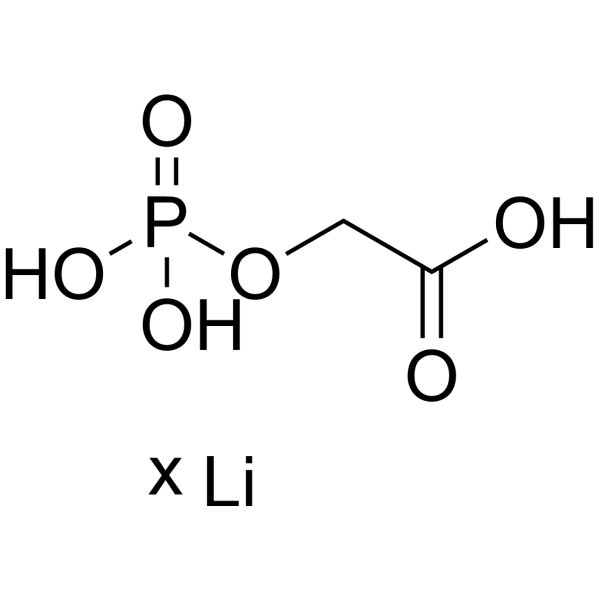
  • HY-138877A

    Phosphatase Cancer
    Phosphoglycolic acid (lithium) is a competitive inhibitor of phosphoglycerate mutase (PGAM)-B, an enzyme of the glycolytic pathway. Phosphoglycolic acid increases basal and fMLF-induced levels of G6P in intact neutrophils. Phosphoglycolic acid thereby increases upstream intermediates in neutrophils, thereby amplifying the respiratory oxidative burst .
    Phosphoglycolic acid lithium
  • HY-W015913S1

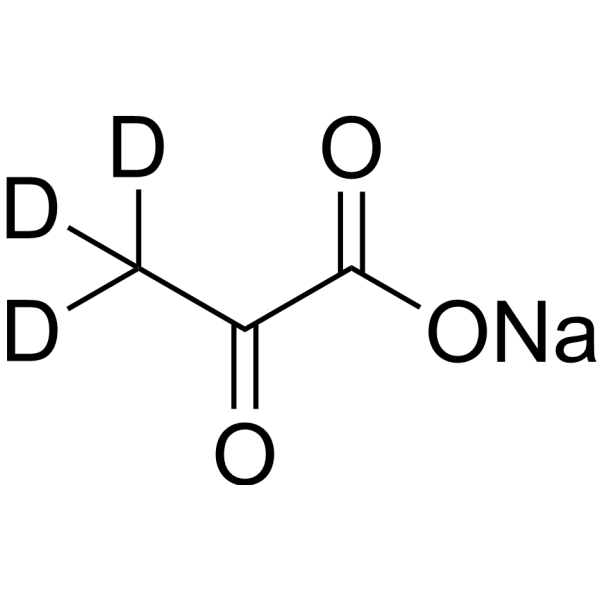
    Sodium 2-oxopropanoate-d3; Acetylformic acid-d3 sodium

    Endogenous Metabolite Reactive Oxygen Species (ROS) Metabolic Disease
    Sodium 2-oxopropanoate-d3 is the deuterium labeled Sodium 2-oxopropanoate . Sodium 2-oxopropanoate (Sodium pyruvate), a three-carbon metabolite of Glucose, is a compound produced in the glycolytic pathway. Sodium 2-oxopropanoate is a free radical scavenger that can scavenge ROS .
    Pyruvic acid-d3 sodium
  • HY-W015913S4

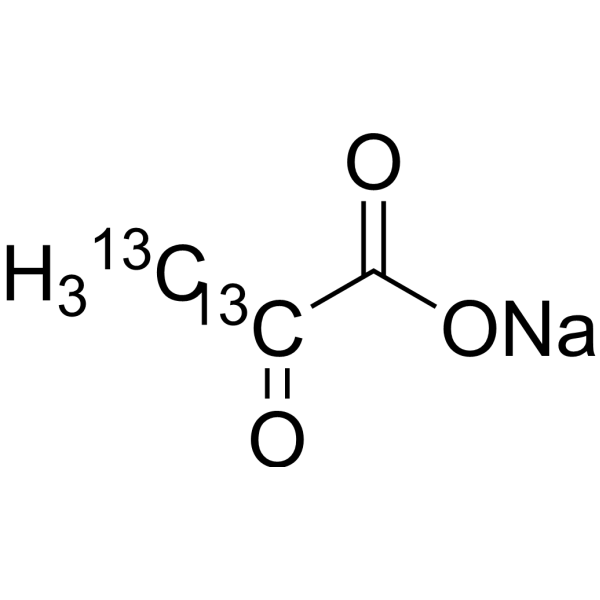
    Sodium 2-oxopropanoate-13C2; Acetylformic acid-13C2-1 sodium

    Endogenous Metabolite Reactive Oxygen Species (ROS) Metabolic Disease
    2-Oxopropanoate- 13C2 (sodium) is the 13C labeled Sodium 2-oxopropanoate . Sodium 2-oxopropanoate (Sodium pyruvate), a three-carbon metabolite of Glucose, is a compound produced in the glycolytic pathway. Sodium 2-oxopropanoate is a free radical scavenger that can scavenge ROS .
    Pyruvic acid-13C2-1 sodium
  • HY-12689B

    AG-348 hemisulfate

    Pyruvate Kinase Metabolic Disease
    Mitapivat hemisulfate is an orally active pyruvate kinase allosteric activator. Mitapivat hemisulfate increases enzymatic activity, protein stability, and ATP levels over a broad range of PKLR genotypes, shows the potential to restore the activity of PK (pyruvate kinase)-deficient glycolytic pathways. Mitapivat hemisulfate can be used in study of PK deficiency .
    Mitapivat hemisulfate
  • HY-12689A

    AG-348 hemisulfate sesquihydrate

    Pyruvate Kinase Metabolic Disease
    Mitapivat hemisulfate sesquihydrate (AG-348) is an orally active pyruvate kinase allosteric activator. Mitapivat increases enzymatic activity, protein stability, and ATP levels over a broad range of PKLR genotypes, shows the potential to restore the activity of PK (pyruvate kinase)-deficient glycolytic pathways. Mitapivat can be used in study of PK deficiency .
    Mitapivat hemisulfate sesquihydrate
  • HY-156109

    PDHK Mitochondrial Metabolism Cancer
    PDK-IN-2 (Compound 1F) is a PDK inhibitor (IC50: 68 nM). PDK-IN-2 inhibits the cellular expression of PDK1 and PDK4. PDK-IN-2 enhances mitochondrial bioenergetics, attenuates glycolytic phenotypes, and induces cell apoptosis in the mitochondrial pathway. PDK-IN-2 inhibits tumor growth in 4T1 syngeneic mice model .
    PDK-IN-2
  • HY-12689C

    AG-348 hydrochloride

    Pyruvate Kinase Cardiovascular Disease Metabolic Disease
    Mitapivat (AG-348) hydrochloride is an orally active and selective allosteric pyruvate kinase R (PK-R) activator. Mitapivat hydrochloride accelerates the reaction of PK-R catalyzing the conversion of phosphoenolpyruvate to pyruvate, thereby promoting the glycolytic pathway, increasing the production of adenosine triphosphate (ATP) in red blood cells, and reducing the level of 2,3-diphosphoglycerate (2,3-DPG). Mitapivat hydrochloride is promising for research of pyruvate kinase deficiency and other anemia-related diseases .
    Mitapivat hydrochloride
  • HY-113050SA

    2,3-DPG-d3 ammonium

    Isotope-Labeled Compounds Parasite Infection Neurological Disease
    2,3-Diphosphoglyceric acid-d3 ammonium (2,3-DPG-d3 ammonium) is the deuterium labeled 2,3-Diphosphoglyceric acid (HY-113050). 2,3-Diphosphoglyceric acid (2,3-DPG) is an intermediate of the glycolytic pathway. 2,3-Diphosphoglyceric acid stabilizes the deoxygenated form of hemoglobin by allosteric binding and facilitates oxygen release at tissue sites. 2, 3-diphosphoglyceric acid has antiparasitic activity. 2,3-Diphosphoglyceric acid can be used in the study of Alzheimer's disease (AD) .
    2,3-Diphosphoglyceric acid-d3 ammonium
  • HY-W751808S

    2,3-DPG-13C3

    Isotope-Labeled Compounds Parasite Infection Neurological Disease
    2,3-Diphosphoglyceric acid- 13C3 is the 13C-labeled 2,3-Diphosphoglyceric acid (HY-113050). 2,3-Diphosphoglyceric acid (2,3-DPG) is an intermediate of the glycolytic pathway. 2,3-Diphosphoglyceric acid stabilizes the deoxygenated form of hemoglobin by allosteric binding and facilitates oxygen release at tissue sites. 2, 3-diphosphoglyceric acid has antiparasitic activity. 2,3-Diphosphoglyceric acid can be used in the study of Alzheimer's disease (AD) .
    2,3-Diphosphoglyceric acid-13C3
  • HY-128788A

    DNA/RNA Synthesis SARS-CoV Endogenous Metabolite Flavivirus Lactate Dehydrogenase Infection
    ddhCTP trisodium solution (100 mM) is an endogenously produced pyrimidine base analog with a Kd of 17.0 nM for LLDH and an IC50 of 55.8 μM for GAPDH. By inhibiting key metabolic enzymes such as GAPDH, ddhCTP trisodium reduces glycolytic flux and shifts metabolic flow toward the pentose phosphate pathway, thereby regulating the redox balance of cells. As a competitive CTP analog, ddhCTP trisodium terminates RNA synthesis by flavivirus RdRps and SARS-CoV-2 RdRp, and inhibits Zika virus replication in vivo. ddhCTP trisodium can be used in studies related to viral infections, COVID-19 and Zika virus infections .
    ddhCTP trisodium solution (100 mM)
  • HY-E70976

    Endogenous Metabolite Metabolic Disease
    3-Phosphoglyceric Phosphokinase, Baker's yeast (S. cerevisiae) (EC 2.7.2.3) is an enzyme that catalyzes the reversible transfer of a phosphate group from 1,3-bisphosphoglyceRate (1,3-BPG) to ADP producing 3-phosphoglyceRate (3-PG) and ATP. 3-Phosphoglyceric Phosphokinase, Baker's yeast (S. cerevisiae) (EC 2.7.2.3) is a transferase. 3-Phosphoglyceric Phosphokinase is a major enzyme used in glycolysis, in the first ATP-geneRating step of the glycolytic pathway. In gluconeogenesis, the reaction catalyzed by 3-Phosphoglyceric Phosphokinase proceeds in the opposite direction, geneRating ADP and 1,3-BPG.
    3-Phosphoglyceric Phosphokinase, Baker's yeast (S. cerevisiae)
  • HY-183858

    Lactate Dehydrogenase Cancer
    NCATS-SM1440 is a glycolysis inhibitor and metabolic regulator that targets LDHA and LDHB (IC50=0.06 μM and 0.03 μM, respectively). Upon binding to LDHA, NCATS-SM1440 blocks the glycolysis pathway and reduces lactate production. NCATS-SM1440 drives the shift of pyruvate metabolism toward mitochondrial metabolism, effectively disrupting the dependence of cancer cells on aerobic glycolysis. NCATS-SM1440 can be widely used in research related to cancer, Ewing's sarcoma, and other related conditions .
    NCATS-SM1440

Inquiry Online

Your information is safe with us. * Required Fields.

Salutation


Country or Region *

Applicant Name *


Organization Name *

Department *


Email Address *


Product Name *

Cat. No.


Requested quantity *

Phone Number *


Remarks

Inquiry Online

Inquiry Information

Product Name:
Cat. No.:
Quantity:
MCE Japan Authorized Agent:

