1. Search Result
Search Result
Results for "

goats

" in MedChemExpress (MCE) Product Catalog:

26

Inhibitors & Agonists

6

Fluorescent Dye

5

Biochemical Assay Reagents

1

Peptides

6

Natural
Products

1

Click Chemistry

2

Oligonucleotides

Cat. No. Product Name Target Research Areas Chemical Structure
  • HY-W011527
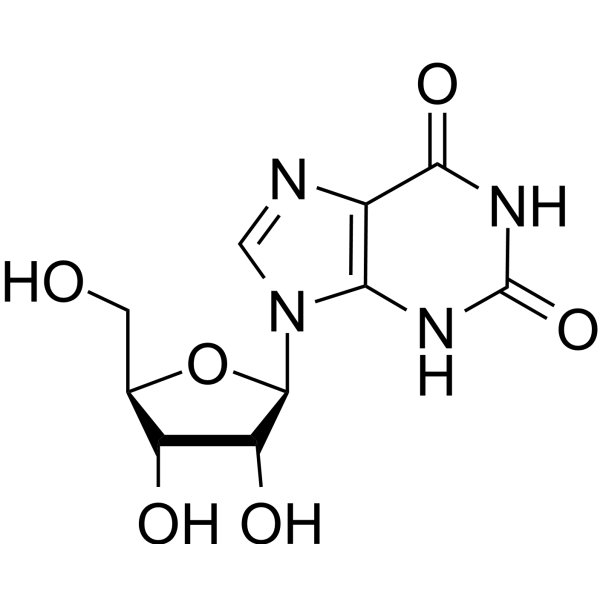
    Xanthosine
    3 Publications Verification

    Endogenous Metabolite Akt AMPK FOXO Metabolic Disease
    Xanthosine is a nucleoside derived from xanthine and ribose. Xanthosine activates the AMPK/FoxO1/AKT/GSK3β signaling cascade. Xanthosine promotes cell proliferation and regulates blood glucose metabolism. Xanthosine increases milk production in cows and goats. Xanthosine is used in mammary stem cell and type 2 diabetes research .
    Xanthosine
  • HY-D2769

    Difluorocarboxyfluorescein azide, 6-isomer

    Fluorescent Dye Others
    Oregon green 488 azide (Difluorocarboxyfluorescein azide, 6-isomer) is a bright green fluorescent azide-activated probe that reacts with terminal alkynes via copper-catalyzed azide-alkyne cycloaddition (CuAAC). Oregon green 488 azide can label goat anti-mouse IgG and exhibits excellent luminescence efficiency. Oregon green 488 azide, as a streptavidin conjugate, is used for flow cytometry staining of macrophages .
    Oregon green 488 azide
  • HY-B0291
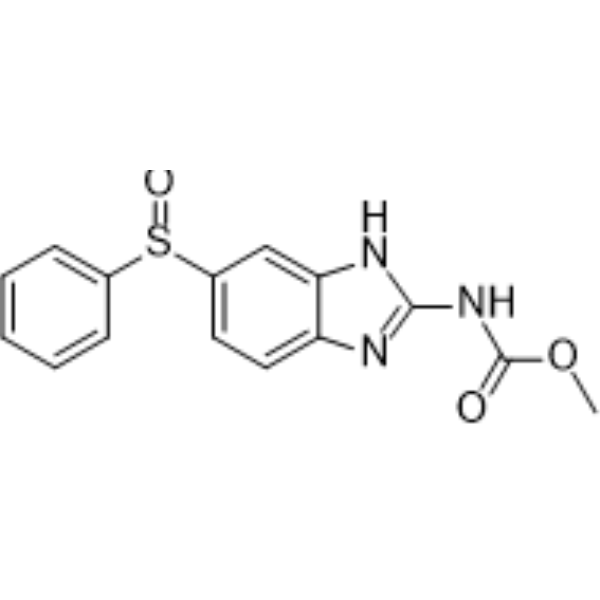
    Oxfendazole
    4 Publications Verification

    Parasite Infection Cancer
    Oxfendazole is a sulfoxide form of fenbendazole that is effective when taken orally. Oxfendazole fights parasites and has tumor-promoting activity .
    Oxfendazole
  • HY-B1136
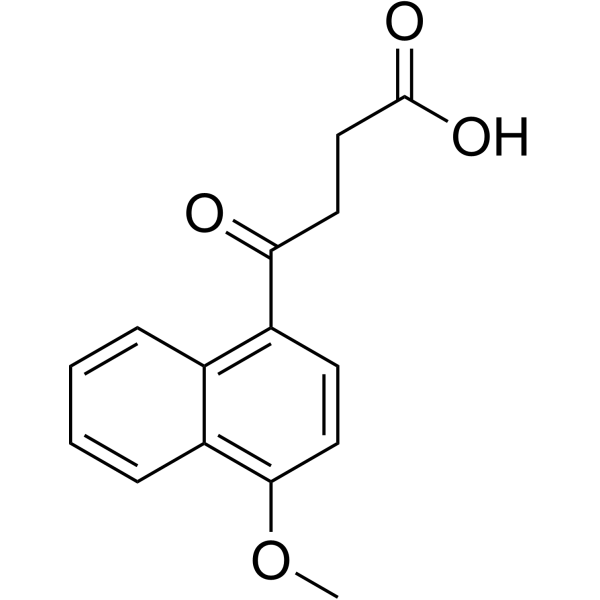
    Menbutone
    1 Publications Verification

    Genabilic acid

    Drug Derivative Metabolic Disease
    Menbutone (Genabilic acid), an oxobutyric acid derivative, is a choleretic. Menbutone can be used to treat digestive upsets (loss of appetite, indigestion, toxemia, or hepatic and pancreatic insufficiencies) in a variety of animal species, including different farm animals (cattle, sheep, goats, pigs), as well as in dogs .
    Menbutone
  • HY-W010178

    Endogenous Metabolite Others
    4-Methyloctanoic acid is a natural compound mainly responsible for the characteristic goaty sheepy flavour of sheep and goat milk .
    4-Methyloctanoic acid
  • HY-103479

    Acyltransferase Cardiovascular Disease Neurological Disease Metabolic Disease Cancer
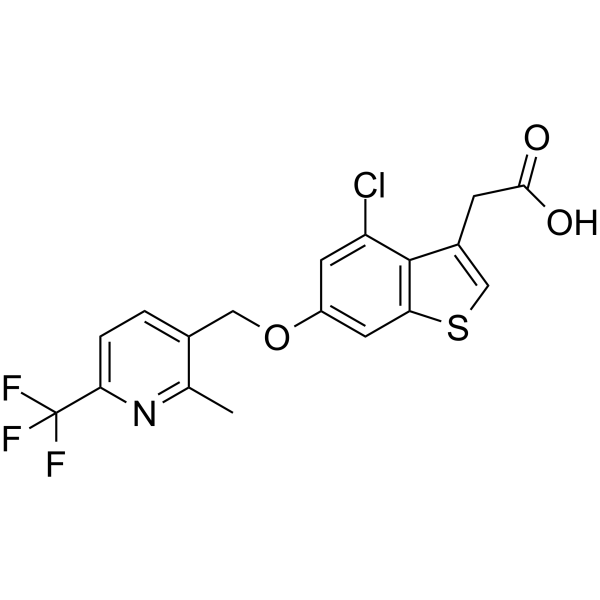
    GOAT-IN-1 is an inhibitor of ghrelin O-acyltransferase (GOAT), which could be useful for the prophylaxis or treatment of obesity, diabetes, hyperlipidemia, metabolic, non-alcoholic fatty liver, steatohepatitis, sarcopenia, appetite control, alcohol/narcotic dependence, Alzheimer’s disease, Parkinson’s disease, cerebrovascular dementia, cerebral apoplexy, cerebral infarction, cardic disease, some kind of tumors.
    GOAT-IN-1
  • HY-N4031

    Anaplastic lymphoma kinase (ALK) METTL3 Inflammation/Immunology
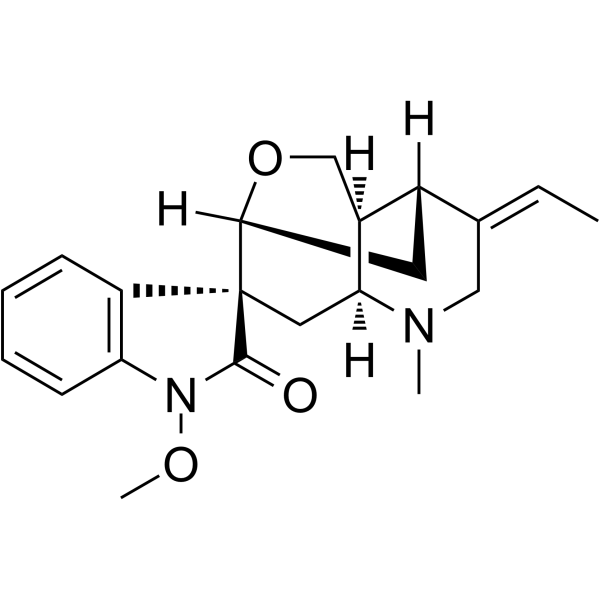
    Humantenine is a highly toxic indole alkaloid from Gelsemium elegans (Gardn. & Champ.) Benth. that binds to RNA m6A modification regulatory proteins (ALKBH5, METTL). Humantenine stably binds via hydrogen bonding and hydrophobic interactions and disrupts the m6A methylation level of target genes, thereby impairing the expression of intestinal epithelial cell tight junction and cytoskeleton-related genes, causing intestinal barrier dysfunction and significant intestinal cytotoxicity. The intraperitoneal injection LD50 values of Humantenine are <1 mg/kg in mice, 1.2 mg/kg in male rats and 1.5 mg/kg in female rats, respectively. Species differences exist in the metabolism of Humantenine in human, porcine, goat and rat liver microsomes, and demethylation, dehydrogenation and oxidation occur in liver microsomes .
    Humantenine
  • HY-NP002A

    Biochemical Assay Reagents Others
    Goat Serum Albumin is a plasma protein derived from goats. Goat Serum Albumin is a versatile protein commonly used in various life sciences research applications, including immunoassays and the production and purification of monoclonal antibodies .
    Goat Serum Albumin
  • HY-W013803

    Endogenous Metabolite Akt AMPK FOXO Metabolic Disease
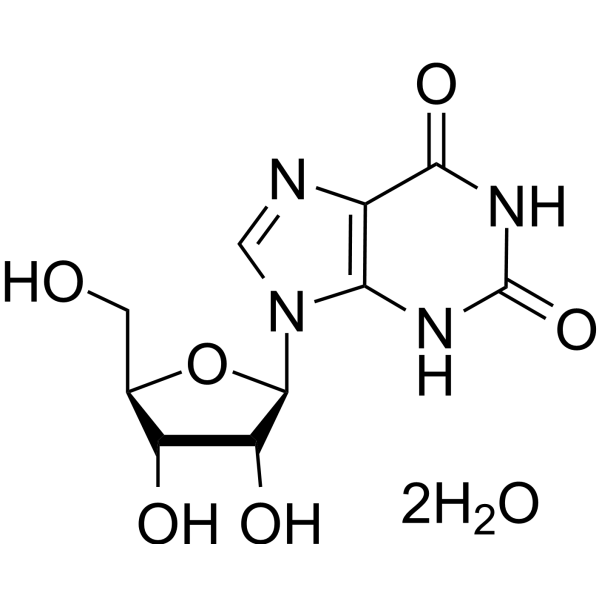
    Xanthosine dihydrate is a nucleoside derived from xanthine and ribose. Xanthosine dihydrate activates the AMPK/FoxO1/AKT/GSK3β signaling cascade. Xanthosine dihydrate promotes cell proliferation and regulates blood glucose metabolism. Xanthosine dihydrate increases milk production in cows and goats. Xanthosine dihydrate is used in mammary stem cell and type 2 diabetes research .
    Xanthosine dihydrate
  • HY-W342979

    trans-Petroselinic acid; trans-6-Octadecenoic acid

    Drug Isomer Others
    Petroselaidic acid is a trans fatty acid and the trans isomer of Petroselinic acid (HY-113362). Petroselaidic acid can be found in dairy products such as cow's milk and goat's milk .
    Petroselaidic acid
  • HY-108387

    Parasite Infection
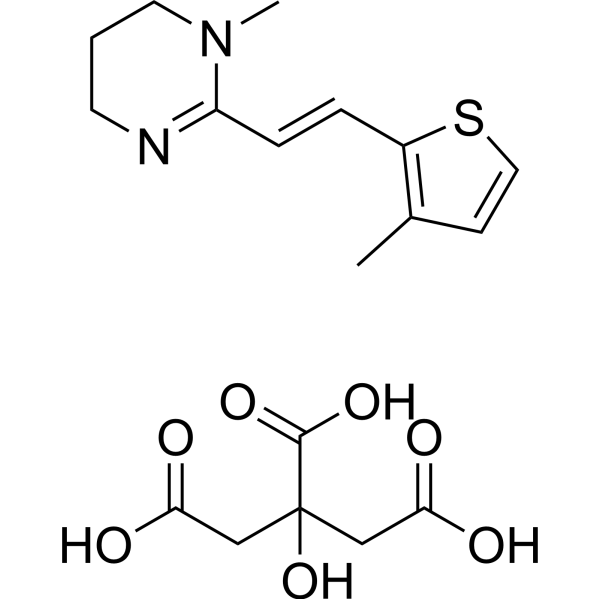
    Morantel citrate is a veterinary anthelmintic agent that inhibits parasitic infections in cattle, sheep and goats. Morantel citrate paralyzes the nervous system of the parasite, helping the animal expel the dead parasite from the body .
    Morantel citrate
  • HY-D1110

    Fluorescent Dye Others
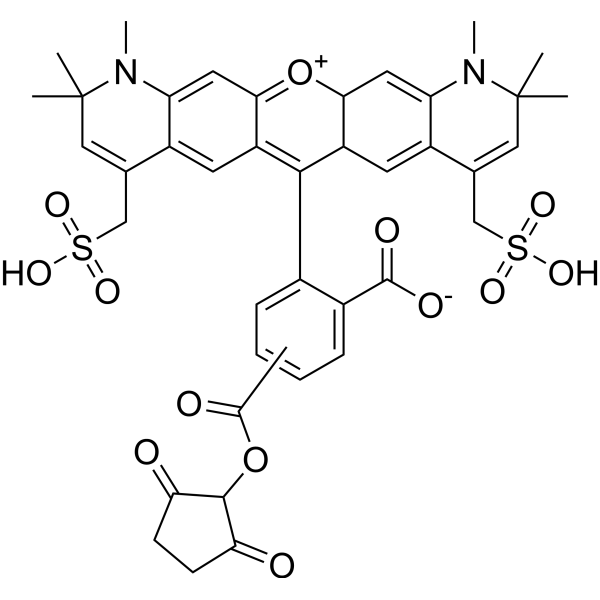
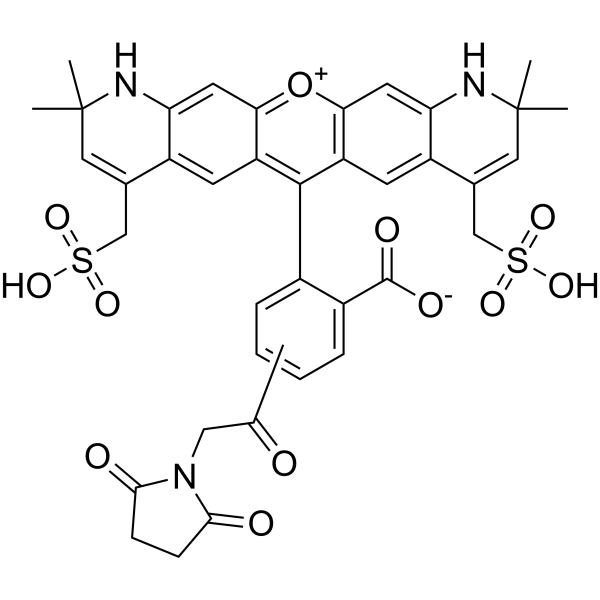
    TFAX 594,SE is a red fluorescent dye and exhibits pH-insensitivity over a very broad range (pH in the 4-10). TFAX 594,SE yields exceptionally bright, photostable conjugates with proteins or antibodies (such as goat anti-mouse IgG) .
    TFAX 594,SE
  • HY-NP0197A

    Fc Receptor (FcR) Inflammation/Immunology
    Goat IgG Fc fragment is a crystallizable fragment (Fc) of goat immunoglobulin G (IgG) molecules that can be used as an immunolabel in various immunoassays, including ELISA.
    Goat IgG Fc fragment
  • HY-D1113

    Fluorescent Dye Others
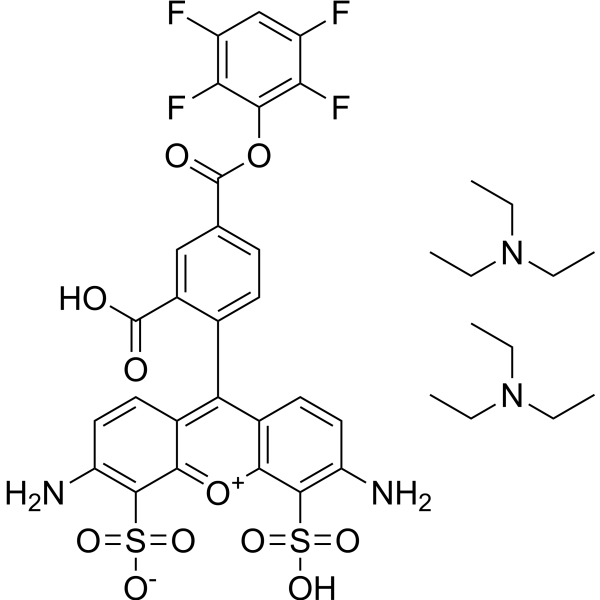
    TFAX 488,TFP is a green fluorescent dye and exhibits pH-insensitivity over a very broad range (pH in the 4-10). TFAX 488,TFP yields exceptionally bright, photostable conjugates with proteins or antibodies (such as goat anti-mouse IgG, streptavidin) .
    TFAX 488,TFP
  • HY-D1114

    Fluorescent Dye Others
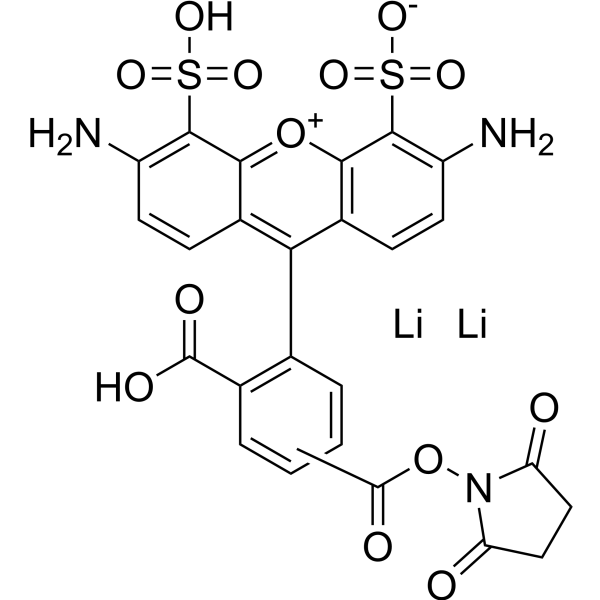
    TFAX 488,SE dilithium is a green fluorescent dye and exhibits pH-insensitivity over a very broad range (pH in the 4-10). TFAX 488,SE dilithium yields exceptionally bright, photostable conjugates with proteins or antibodies (such as goat anti-mouse IgG, streptavidin) .
    TFAX 488,SE dilithium
  • HY-148869A

    06:0 Coenzyme A triammonium

    Biochemical Assay Reagents Metabolic Disease
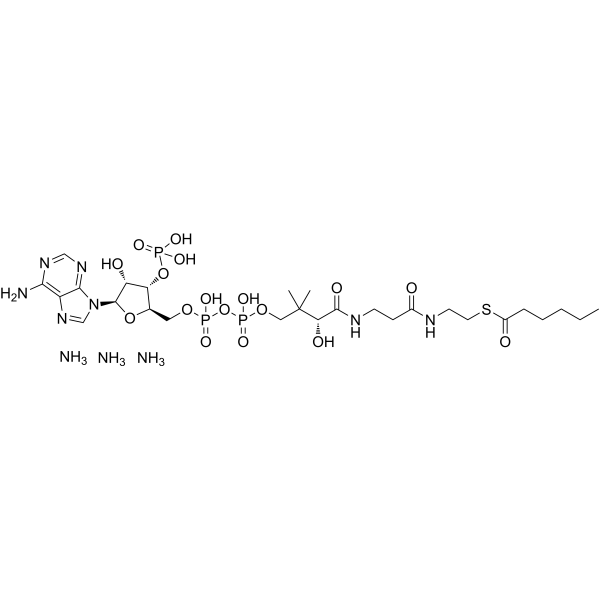
    Hexanoyl-Coenzyme A triammonium (06:0 Coenzyme A) is a medium-chain fatty acyl CoA that is an acyl donor substrate for ghrelin O-acyltransferase (GOAT) .
    Hexanoyl-coenzyme A triammonium
  • HY-NP0197

    Goat IgG

    Fc Receptor (FcR) Inflammation/Immunology
    Goat Immunoglobulin G (Goat IgG) is a goat serum immunoglobulin that can be used in immunolabeling and coating protein in a variety of immunoassays including ELISA .
    Goat immunoglobulin G
  • HY-NP130

    Goat Type II collagen, immunization grade

    MMP Inflammation/Immunology
    Highly purified Type II collagen, from goat articular cartilage (Goat Type II collagen, immunization grade) is an immune grade collagen derived from goat articular cartilage, which can stimulate the animal's immune system to produce specific antibodies against this collagen. Collagen is also a substrate for hydrolysis by MMPs .
    Highly purified Type II collagen, from goat articular cartilage
  • HY-D1111

    AFDye 568 NHS Ester

    Fluorescent Dye Others
    TFAX 568, SE is an orange fluorescent dye and exhibits pH-insensitivity over a very broad range (pH in the 4-10). TFAX 568, SE yields exceptionally bright, photostable conjugates with proteins or antibodies (such as goat anti-mouse IgG) .
    TFAX 568, SE
  • HY-P11182

    Bacterial Infection Cancer
    ChMAP-28 is an antimicrobial peptide. ChMAP-28 can be derived from goat Capra hircus. ChMAP-28 can initiate necrotic death. ChMAP-28 is effective in killing many bacteria, including strains resistant to Polymyxin and Meropenem (HY-13678). ChMAP-28 shows antitumor activity against acute promyelocytic leukemia, epidermoid carcinoma, melanoma, breast adenocarcinoma .
    ChMAP-28
  • HY-W011527R

    Reference Standards Endogenous Metabolite Others
    Xanthosine (Standard) is the analytical standard of Xanthosine. This product is intended for research and analytical applications. Xanthosine is a nucleoside derived from xanthine and ribose. Xanthosine activates the AMPK/FoxO1/AKT/GSK3β signaling cascade. Xanthosine promotes cell proliferation and regulates blood glucose metabolism. Xanthosine increases milk production in cows and goats. Xanthosine is used in mammary stem cell and type 2 diabetes research .
    Xanthosine (Standard)
  • HY-NP0197B

    Fc Receptor (FcR) Inflammation/Immunology
    Goat IgG Fab fragment is a fragment of antigen (Fab) of goat immunoglobulin G (IgG) molecules that can be used as an immunolabel in various immunoassays, including ELISA.
    Goat IgG Fab fragment
  • HY-103479R

    Reference Standards Acyltransferase Cardiovascular Disease Neurological Disease Metabolic Disease Cancer
    GOAT-IN-1 (Standard) is the analytical standard of GOAT-IN-1 (HY-103479). This product is intended for research and analytical applications. GOAT-IN-1 is an inhibitor of ghrelin O-acyltransferase (GOAT), which could be useful for the prophylaxis or treatment of obesity, diabetes, hyperlipidemia, metabolic, non-alcoholic fatty liver, steatohepatitis, sarcopenia, appetite control, alcohol/narcotic dependence, Alzheimer’s disease, Parkinson’s disease, cerebrovascular dementia, cerebral apoplexy, cerebral infarction, cardic disease, some kind of tumors.
    GOAT-IN-1 (Standard)
  • HY-W010178R

    Endogenous Metabolite Reference Standards Others
    4-Methyloctanoic acid (Standard) is the analytical standard of 4-Methyloctanoic acid. This product is intended for research and analytical applications. 4-Methyloctanoic acid is a natural compound mainly responsible for the characteristic goaty sheepy flavour of sheep and goat milk[1].
    4-Methyloctanoic acid (Standard)
  • HY-180418

    Parasite Infection
    Homidium chloride is a potent antiparasitic agent exhibiting activity against Trypanosoma rhodesiense and Trypanosoma congolense. Homidium chloride can reduce parasitaemia in murine models of infection. Homidium chloride can be used for trypanosomiasis research .
    Homidium chloride
  • HY-D3153

    Apoptosis Caspase Microtubule/Tubulin Inflammation/Immunology
    PbQ is a tubulin inhibitor (with an IC50 of 5 μM against goat tubulin) and a fluorescent probe for cuprous ions Cu (I). PbQ can penetrate the membrane of peripheral blood mononuclear cells, form a stable 1:1 complex with Cu + ions, and exhibits low toxicity and good biocompatibility toward macrophage cell lines. In addition, PbQ promotes tubulin degradation and disrupts the microtubule network in lung epithelial cells without affecting actin. PbQ also possesses genotoxicity by forming DNA base adducts, and it can activate caspase-3 and apoptosis-related genes, induce loss of mitochondrial membrane potential, and trigger cell apoptosis. PbQ can be used in studies related to chronic obstructive pulmonary disease .
    PbQ

Inquiry Online

Your information is safe with us. * Required Fields.

Salutation


Country or Region *

Applicant Name *


Organization Name *

Department *


Email Address *


Product Name *

Cat. No.


Requested quantity *

Phone Number *


Remarks

Inquiry Online

Inquiry Information

Product Name:
Cat. No.:
Quantity:
MCE Japan Authorized Agent:

