61 Results for "

incontinence

" in MedChemExpress (MCE) Product Catalog:
Products (61)

61 Results for "incontinence" in MCE Product Catalog:

28
28 Publications Verification
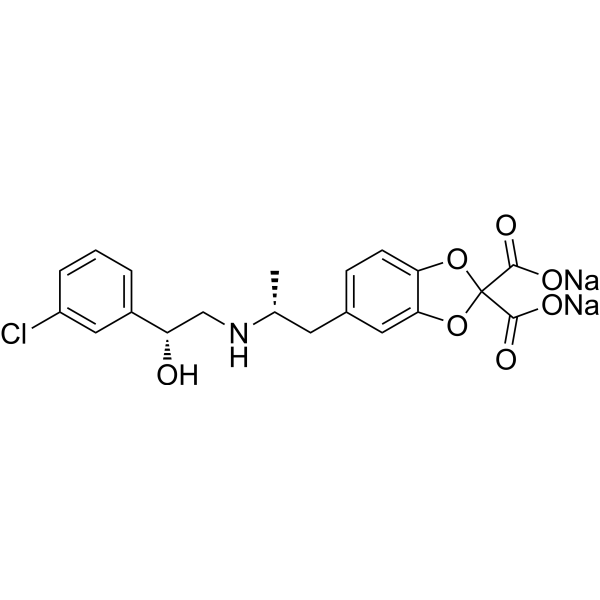
Cat. No.: HY-116771A
CAS No.: 138908-40-4
Purity:  99.98%
Target:  

Adrenergic Receptor

Research Areas:  

Metabolic Disease

CL316243 is a highly potent selective β3-adrenoceptor agonist with a EC50 of 3 nM, but is an extremely poor to β1/2- receptors .CL316243 is a effective stimulant of adipocyte lipolysis and increases brown adipose tissue thermogenesis and metabolic rate . CL316243 has the potential for the treatment obesity, diabetes and urge urinary incontinence .
loading...
    loading...
28
28 Publications Verification
Cat. No.: HY-116771
CAS No.: 183720-02-7
Purity:  99.37%
Target:  

Adrenergic Receptor

Research Areas:  

Metabolic Disease

CL316243 free acid is a highly potent selective β3-adrenoceptor agonist with a EC50 of 3 nM, but is an extremely poor to β1/2- receptors. CL316243 free acid is a effective stimulant of adipocyte lipolysis and increases brown adipose tissue thermogenesis and metabolic rate. CL316243 free acid has the potential for the treatment obesity, diabetes and urge urinary incontinence .
loading...
    loading...
8
8 Cited Publications
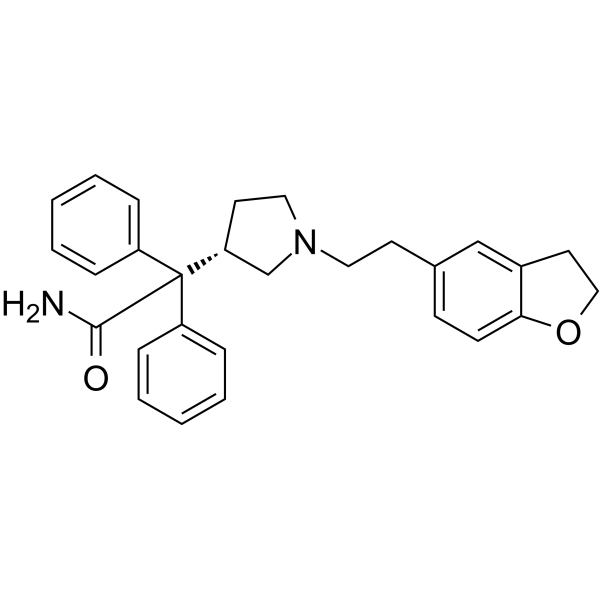
Cat. No.: HY-A0033
CAS No.: 133099-04-4
Synonyms: UK-88525
Darifenacin (UK-88525) is a selective and orally active M3 muscarinic receptor (M3R) antagonist with a pKi of 8.9. Darifenacin binds >20-fold more specifically to M3R than to other muscarinic receptors. Darifenacin can be used in the study of urinary incontinence and other symptoms of overactive bladder. Darifenacin inhibits tumor growth in colorectal cancer cells and has anti-tumor effects .
loading...
    loading...
8
8 Cited Publications
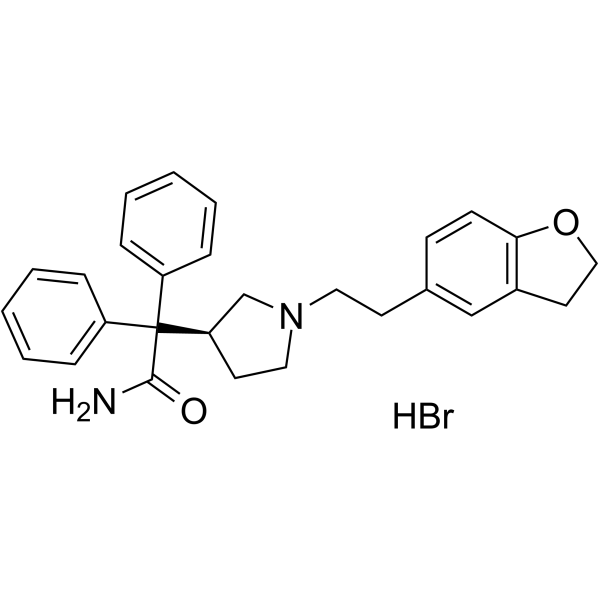
Cat. No.: HY-A0012
CAS No.: 133099-07-7
Synonyms: UK-88525 hydrobromide
Darifenacin (UK-88525) hydrobromide is a selective and orally active M3 muscarinic receptor (M3R) antagonist with a pKi of 8.9. Darifenacin hydrobromide binds >20-fold more specifically to M3R than to other muscarinic receptors. Darifenacin hydrobromide can be used in the study of urinary incontinence and other symptoms of overactive bladder. Darifenacin hydrobromide inhibits tumor growth in colorectal cancer cells and has anti-tumor effects .
loading...
    loading...
3
3 Cited Publications
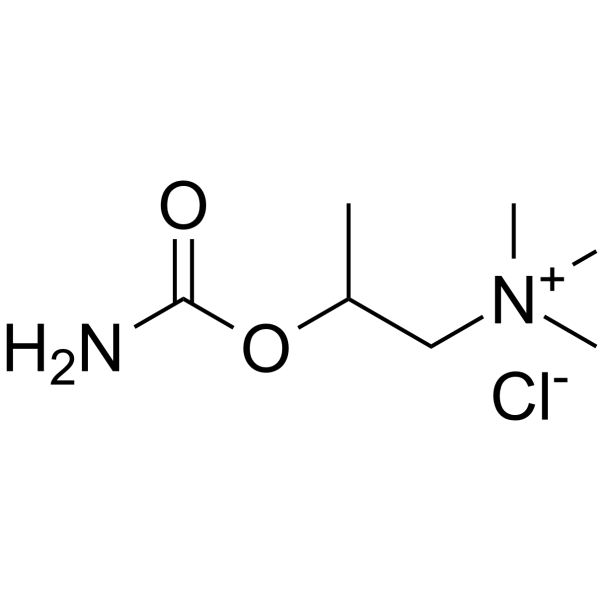
Cat. No.: HY-B0406A
CAS No.: 590-63-6
Synonyms: Carbamyl-β-methylcholine chloride
Target:  

mAChR

Research Areas:  

Neurological Disease Cancer

Bethanechol chloride (Carbamyl-β-methylcholine chloride), a parasympathomimetic agent, is a mAChR agonist that exerts its effects via directly stimulating the mAChR (M1, M2, M3, M4, and M5) of the parasympathetic nervous system .
loading...
    loading...
1
1 Cited Publications
Cat. No.: HY-19933
CAS No.: 1190389-15-1
Synonyms: MK-4618
Target:  

Adrenergic Receptor

Research Areas:  

Others

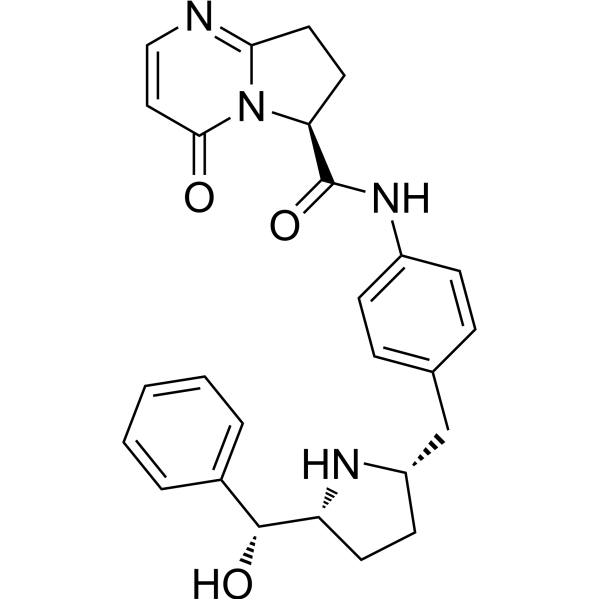
Vibegron (MK-4618) is a potent, highly selective and orally active β3-adrenoceptor agonist (EC50=1.1 nM). Vibegron can be used for severe urgency urinary incontinence related to overactive bladder .
loading...
    loading...
Cat. No.: HY-B0267
CAS No.: 5633-20-5
Target:  

mAChR Potassium Channel

Research Areas:  

Neurological Disease Cancer

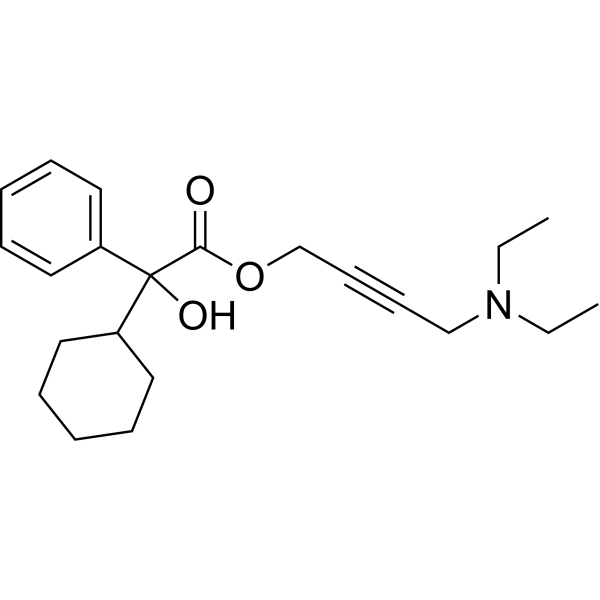
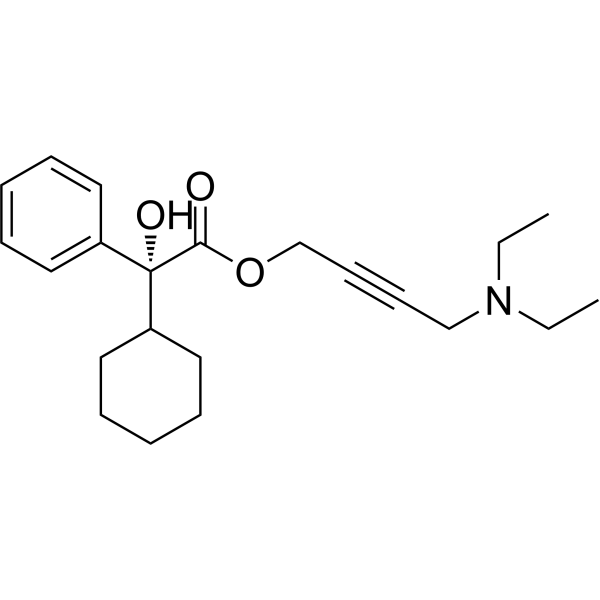
Oxybutynin is an anticholinergic agent, which inhibits vascular Kv channels in a concentration-dependent manner, with an IC50 of 11.51 μM . Oxybutynin is a click chemistry reagent, it contains an Alkyne group and can undergo copper-catalyzed azide-alkyne cycloaddition (CuAAc) with molecules containing Azide groups.
loading...
    loading...
Cat. No.: HY-B0461
CAS No.: 10405-02-4
Target:  

mAChR

Research Areas:  

Neurological Disease

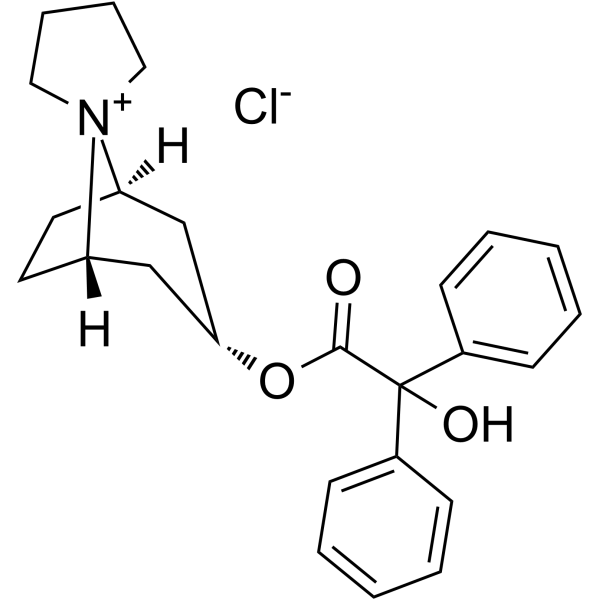
Trospium chloride is an orally active, specific and competitive antagonist of muscarinic cholinergic receptors (mAChRs), with antimuscarinic activity. Trospium chloride binds to muscarinic receptors M1, M2 and M3 with high affinity, but not nicotinic, cholinergic receptors .
loading...
    loading...
Cat. No.: HY-B0267A
CAS No.: 1508-65-2
Target:  

mAChR Potassium Channel

Research Areas:  

Neurological Disease Cancer

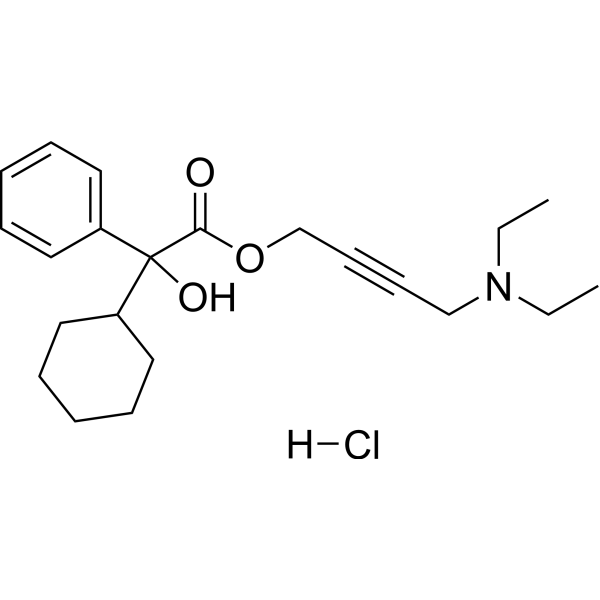
Oxybutynin chloride is an oral active and competitive mAChR antagonist with Kis of 14.3 and 5.55 nM for specific [ 3H]NMS binding in the mouse bladder and cerebral cortex, respectively. Oxybutynin chloride inhibits vascular Kv channels in a manner independent of anticholinergic effect, with an IC50 value of 11.51 μM. Oxybutynin chloride reduces muscle spasm in the bladder and urinary tract, can be used in study of overactive bladder syndrome (OAB) . Oxybutynin (chloride) is a click chemistry reagent, it contains an Alkyne group and can undergo copper-catalyzed azide-alkyne cycloaddition (CuAAc) with molecules containing Azide groups.
loading...
    loading...
Cat. No.: HY-116408A
CAS No.: 54556-98-8
Purity:  99.89%
Target:  

mAChR Calcium Channel

Research Areas:  

Neurological Disease Cancer

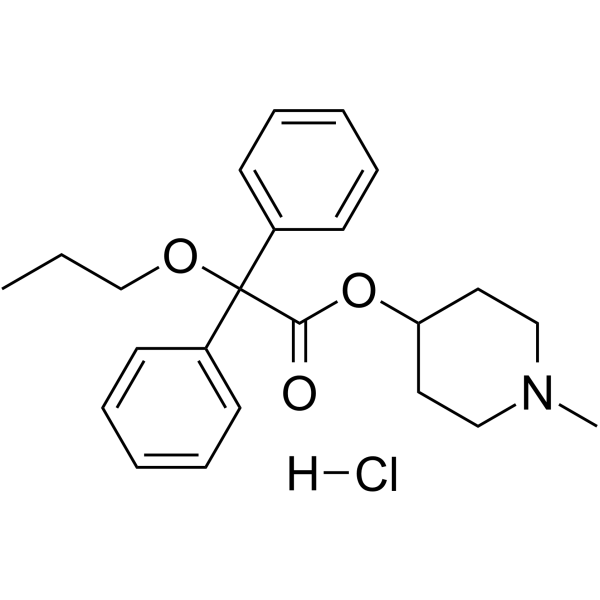
Propiverine hydrochloride is a bladder spasmolytic with calcium antagonistic and anticholinergic properties. Propiverine hydrochloride can be used for the research of overactive blaqdder and urinary incontinence .
loading...
    loading...
Cat. No.: HY-117071
CAS No.: 219311-44-1
Purity:  98.72%
Synonyms: Ro 115-1240
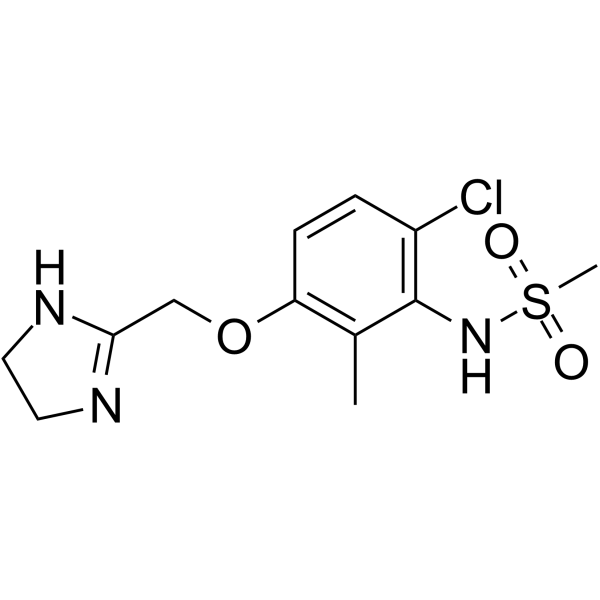
Dabuzalgron (Ro 115-1240) is an orally active and selective α-1A adrenergic receptor agonist for the treatment of urinary incontinence. Dabuzalgron protects against Doxorubicin-induced cardiotoxicity by preserving mitochondrial function .
loading...
    loading...
Cat. No.: HY-154636
CAS No.: 8012-95-1
Research Areas:  

Endocrinology

Liquid Paraffin is a petroleum-derived mixture of saturated hydrocarbons and an orally active fecal lubricant. Liquid Paraffin is widely used in studies of constipation and fecal incontinence in children through its lubricating effect and the osmotic effect generated by its conversion to hydroxy fatty acids. Liquid Paraffin has high safety, is non-carcinogenic, and does not affect fat-soluble vitamin levels with long-term use. Liquid Paraffin does not cause abdominal pain or electrolyte disorders, but may lead to lipoid pneumonia and granulomas caused by rectal administration. Liquid Paraffin can also be used as a phase change material for thermal energy storage, or combined with nanoparticles to form a protective boundary film to reduce mechanical wear .
loading...
    loading...
Cat. No.: HY-116567
CAS No.: 192514-54-8
Purity:  99.77%
Target:  

Vasopressin Receptor

Research Areas:  

Metabolic Disease

OPC-51803 is an orally active nonpeptide vasopressin V2 receptor agonist. OPC-51803 can be used for the research of micturition disorders that result in frequent micturition, such as that from polyuria, nocturnal polyuria, and some kinds of urinary incontinence .
loading...
    loading...
Cat. No.: HY-B1711A
CAS No.: 4779-94-6
Target:  

Adrenergic Receptor

Research Areas:  

Endocrinology

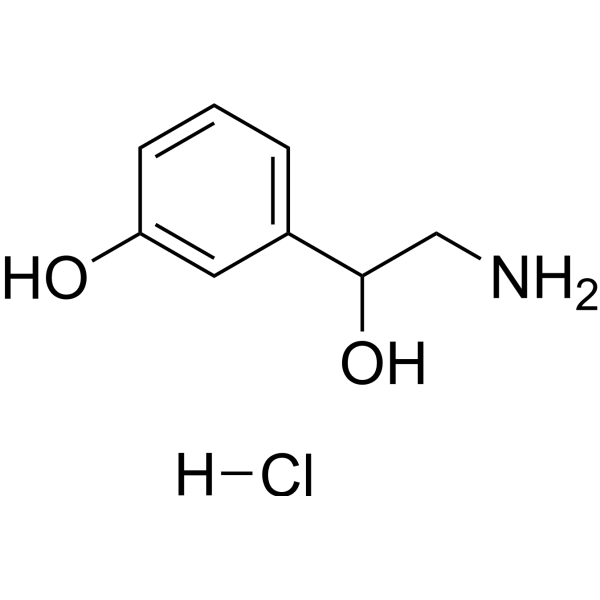
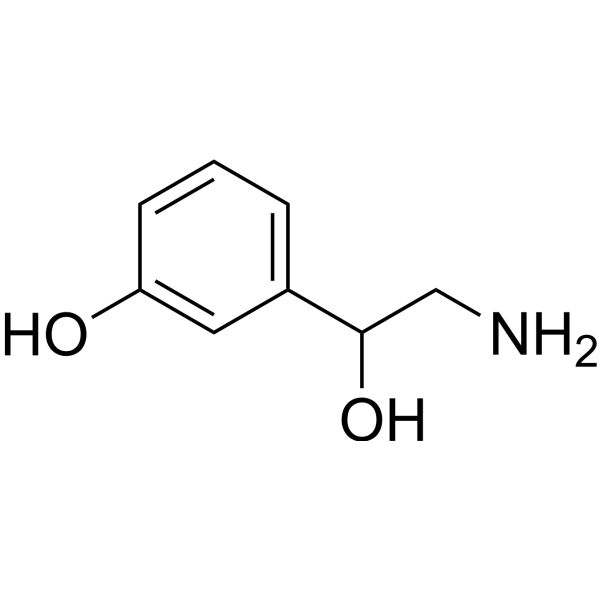
Norfenefrine hydrochloride is an orally active, endogenously found α-adrenergic agonist and can be used for the research of female stress incontinence .
loading...
    loading...
Cat. No.: HY-B0461R
CAS No.: 10405-02-4
Research Areas:  

Neurological Disease

Trospium (chloride) (Standard) is the analytical standard of Trospium (chloride). This product is intended for research and analytical applications. Trospium chloride is an orally active, specific and competitive antagonist of muscarinic cholinergic receptors (mAChRs), with antimuscarinic activity. Trospium chloride binds to muscarinic receptors M1, M2 and M3 with high affinity, but not nicotinic, cholinergic receptors .
loading...
    loading...
Cat. No.: HY-B1711
CAS No.: 536-21-0
Target:  

Adrenergic Receptor

Research Areas:  

Endocrinology

Norfenefrine is an orally active, endogenously found α-adrenergic agonist and can be used for the research of female stress incontinence .
loading...
    loading...
Cat. No.: HY-B0267C
CAS No.: 119618-21-2
Synonyms: Aroxybutynin
Target:  

mAChR

Research Areas:  

Neurological Disease

(R)-Oxybutynin (Aroxybutynin) is the racemic isomer of Oxybutynin and an orally active muscarinic receptor antagonist. (R)-Oxybutynin has antispasmodic, antimuscarinic, and anticholinergic activities and competitively antagonizes carbachol-induced contractions. (R)-Oxybutynin can be used to study urinary incontinence caused by neurogenic bladder dysfunction .
loading...
    loading...
Cat. No.: HY-171048
CAS No.: 928122-40-1
Target:  

Androgen Receptor

Research Areas:  

Endocrinology Cancer

GTx-027 is an orally active and non-steroidal selective androgen receptor modulator (SARM). GTx-027 shows androgen receptor (AR) transactivation effects with the EC50 of 1.8 nM. GTx-027 acts selectively increase muscle weight (anabolic) without affecting secondary sexual organs (androgenic). GTx-027 has the protential for the study of breast cancer and stress urinary incontinence (SUI) .
loading...
    loading...
Cat. No.: HY-W101935
CAS No.: 113712-06-4
Synonyms: N-Boc-D-arginine hydrochloride
Research Areas:  

Others

N-Boc-D-Arg hydrochloride (N-Boc-D-arginine hydrochloride) is an amino acid derivative with a Boc protecting group, which can be used to synthesize desmopressin with the effects of improving nocturia, urinary incontinence and enuresis .
loading...
    loading...
Cat. No.: HY-14790
CAS No.: 98819-76-2
Synonyms: (S,S)-(+)-Reboxetine
Target:  

Adrenergic Receptor

Research Areas:  

Neurological Disease

Esreboxetine ((S,S)-Reboxetine) is a selective norepinephrine reuptake inhibitor with activity in increasing urethral resistance. Esreboxetine has been reported to be effective in patients with stress urinary incontinence in a Phase IIa clinical study, achieving this effect by increasing urethral closure. The mechanism of action of esreboxetine involves inhibition of norepinephrine transporters in the central and peripheral nervous systems. The peripheral selectivity of esreboxetine helps it significantly increase urethral resistance without penetrating the brain .
loading...
    loading...

