



220 Results for "

killing

" in MedChemExpress (MCE) Product Catalog:
Products (220)

220 Results for "killing" in MCE Product Catalog:

19
19 Cited Publications
Cat. No.: HY-W010342
CAS No.: 329-89-5
Target:  

NADPH Oxidase

Research Areas:  

Cancer

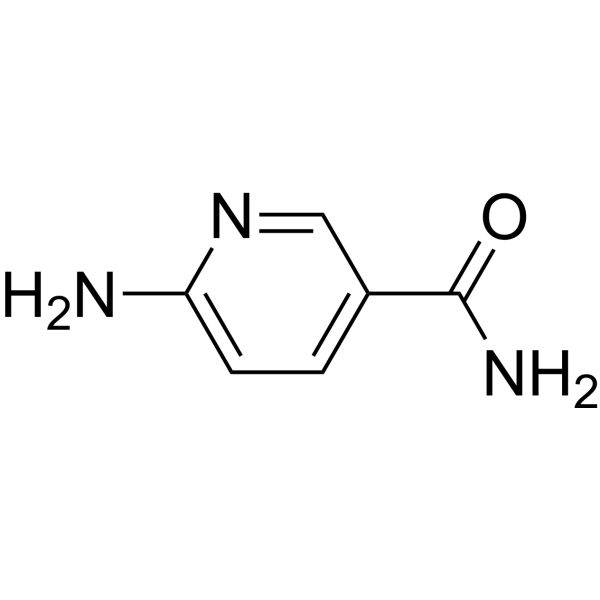
6-Aminonicotinamide, a potent antimetabolite of nicotinamide, is competitive NADP +-dependent enzyme glucose-6-phosphate dehydrogenase (G6PD) inhibitor (Ki=0.46 μM). 6-Aminonicotinamide resultis ATP depletion and synergizes with DNA-crosslinking chemotherapy agents, such as Cisplatin (HY-17394), in killing cancer cells .
15
15 Cited Publications
Cat. No.: HY-N6733
CAS No.: 38966-21-1
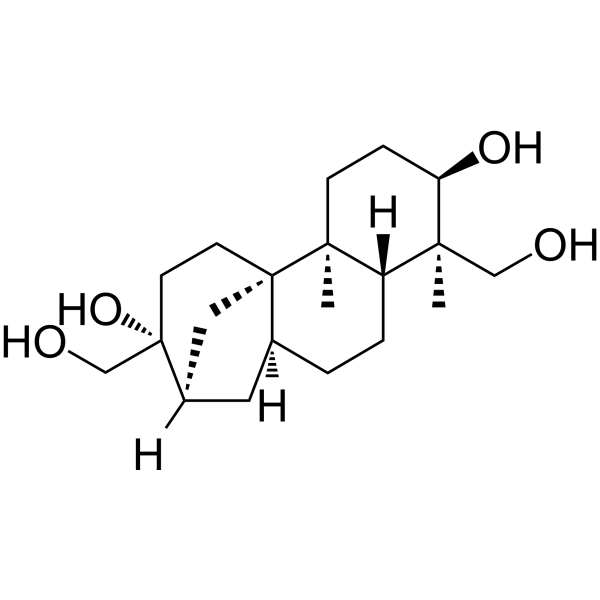
Aphidicolin is an inhibitor of DNA polymerase α and δ, prevents mitotic cell division by interfering DNA polymerase activity. Aphidicolin is an antibiotic produced by mold Cephalosporium aphidicola, inhibits cellular deoxyribonucleic acid synthesis and the growth of herpes simplex virus. Aphidicolin exhibits anti-orthopoxvirus activity and potentiates apoptosis induced by arabinosyl nucleosides in a human promyelocytic leukemia cell line .
11
11 Cited Publications
Cat. No.: HY-134582
CAS No.: 2484739-25-3
Purity:  99.37%
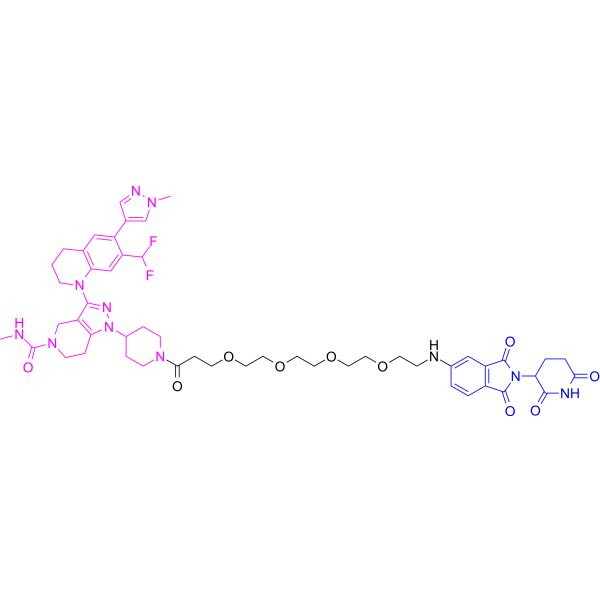
dCBP-1 is a potent and selective heterobifunctional degrader of p300/CBP based on Cereblon ligand. dCBP-1 is exceptionally potent at killing multiple myeloma cells and ablates oncogenic enhancer activity driving MYC expression .
5
5 Cited Publications
Cat. No.: HY-129046
CAS No.: 9001-99-4
Synonyms: Ribonuclease A; EC 4.6.1.18; RNase A
Research Areas:  

Others

RNase A (Bovine pancreatic RNase) is a widely used Endonuclease in DNA purification by specifically hydrolyzing cytosine or uracil residues of RNA. RNase A degrades the RNA in the RNA/DNA duplex. RNase A catalyses the breakdown of 3',5'-phosphodiester linkages of single stranded RNA. RNase A family members in organisms are tightly involved in various physiological and pathological processes including cell growth and development, proliferation, differentiation and migration. Dysregulation of RNase A activity or expression level is closely related to pancreatic, ovarian, bladder and thyroid cancer. RNase A has tumor cell-killing ability .
5
5 Cited Publications
Cat. No.: HY-W017443
CAS No.: 5794-13-8
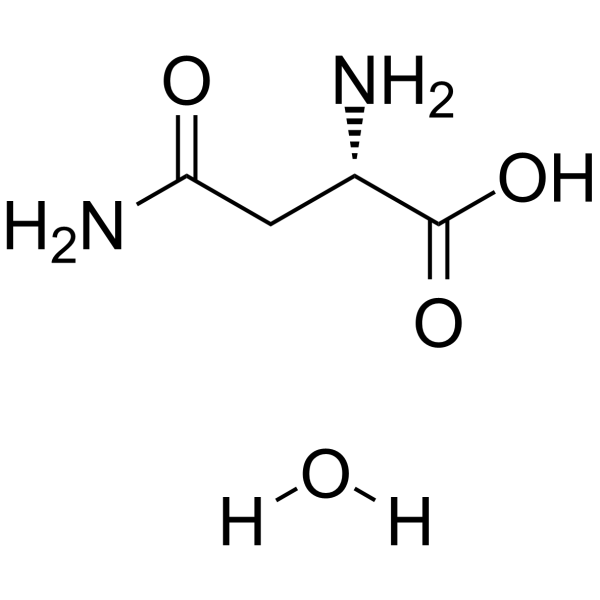
L-Asparagine monohydrate is an essential amino acid for leukemic cells and a substrate for L-Asparaginase. L-Asparaginase is a potent anti-leukemic enzyme that promotes asparagine (Asn) and glutamine (Gln) depletion and inhibits protein biosynthesis in lymphoblasts. Removal of L-asparagine from plasma by L-Asparaginase results in inhibition of RNA and DNA synthesis and subsequent apoptosis. L-Asparaginase has cell-killing ability in vitro and in vivo, and selectively inhibits the growth of cancer cells with low asparagine synthetase (AASNS) expression. L-Asparagine monohydrate can be used as a biomarker and sensor for the study of childhood acute lymphoblastic leukemia .
5
5 Cited Publications
Cat. No.: HY-N0667
CAS No.: 70-47-3
Synonyms: (-)-Asparagine; Asn; Asparamide
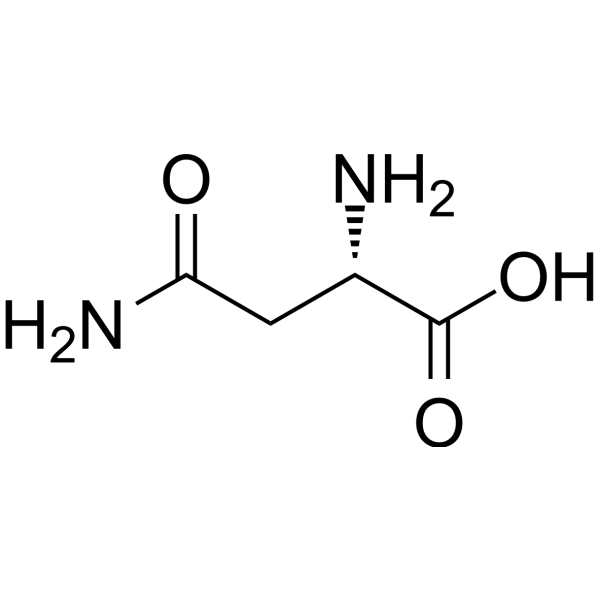
L-Asparagine is an essential amino acid for leukemic cells and a substrate for L-Asparaginase. L-Asparaginase is a potent anti-leukemic enzyme that promotes asparagine (Asn) and glutamine (Gln) depletion and inhibits protein biosynthesis in lymphoblasts. Removal of L-asparagine from plasma by L-Asparaginase results in inhibition of RNA and DNA synthesis and subsequent apoptosis. L-Asparaginase has cell-killing ability in vitro and in vivo, and selectively inhibits the growth of cancer cells with low asparagine synthetase (AASNS) expression. L-Asparagine can be used as a biomarker and sensor for the study of childhood acute lymphoblastic leukemia .
4
4 Cited Publications
Cat. No.: HY-P99058
CAS No.: 1496553-00-4
Synonyms: IMAB362; Claudiximab; GC-182

Target:  

Inhibitory Antibodies

Research Areas:  

Cancer

Zolbetuximab (IMAB362) is a monoclonal antibody targeting Claudin-18.2. Zolbetuximab mediates specific killing of Claudin-18.2-positive cells through immune effector mechanisms. Zolbetuximab can be used for the research of gastrointestinal adenocarcinomas and pancreatic tumors .
4
4 Cited Publications
Cat. No.: HY-14989
CAS No.: 502487-67-4
Purity:  98.24%
Synonyms: NSC 722041
Research Areas:  

Infection

SQ109 is a potent inhibitor of the trypomastigote form of the parasite, with IC50 for cell killing of 50±8 nM. SQ109, targets MmpL3, is an antitubercular agent.
4
4 Cited Publications
Cat. No.: HY-B0991
CAS No.: 14028-44-5
Synonyms: CL-67772
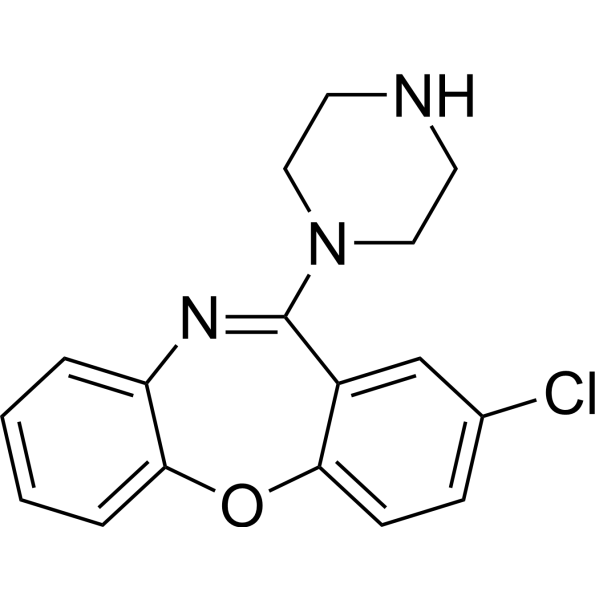
Amoxapine (CL-67772) is a norepinephrine reuptake blocker and a 5-HT2/5-HT3 antagonist. Amoxapine can be used for the research of depression. Amoxapine has antibacterial activity. Amoxapine can enhance the killing effect of macrophages on mycobacterium by inducing autophagy, while protecting the cells from death .
3
3 Cited Publications
Cat. No.: HY-138936
CAS No.: 2629250-69-5
Purity:  99.75%
Target:  

p38 MAPK Apoptosis

Research Areas:  

Inflammation/Immunology

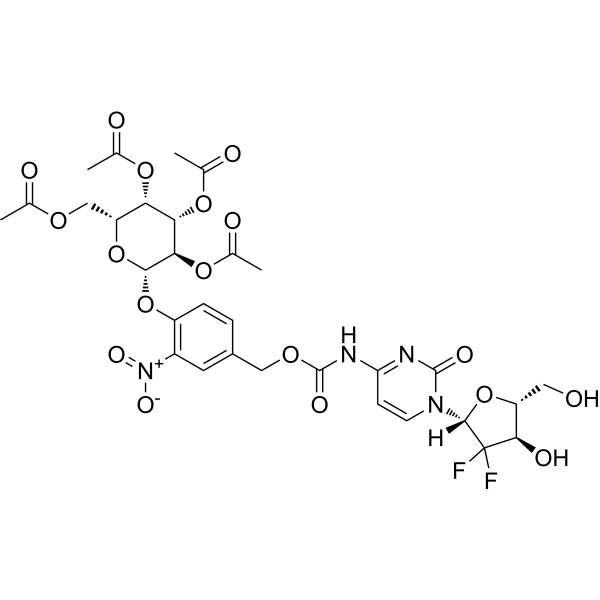
SSK1, a senescence-specific killing compound, is a β-galactosidase-targeted proagent attenuates inflammation. SSK1 is activated by lysosomal β-galactosidase and selectively killed senescent cells through the activation of p38 MAPK and induction of apoptosis .
2
2 Cited Publications
Cat. No.: HY-P99011
CAS No.: 1855925-27-7

Target:  

CD3

Research Areas:  

Cancer

Cibisatamab, a T cell bispecific antibody, binds Carcino-Embryonic Antigen (CEA) on cancer cells and CD3 on T cells. Cibisatamab triggers T cell killing of cancer cell lines expressing moderate to high levels of CEA at the cell surface. Cibisatamab can be used for colorectal cancer research .
2
2 Cited Publications
Cat. No.: HY-P99051
CAS No.: 2226224-30-0
Synonyms: BAY 1834942
Tinurilimab (Bay 1834942) is an anti-CEACAM6 (carcinoembryonic antigen-related cell adhesion molecule 6) humanized IgG2 monoclonal antibody. CEACAM6 is an immune checkpoint regulator suppressing the activity of effector T-cells against tumors. Tinurilimab shows an increased tumor cell killing effect in the tumor-cell/T-cell co-culture system .
2
2 Cited Publications
Cat. No.: HY-N0591
CAS No.: 477-43-0
Synonyms: (-)-Dehydrocostus lactone; Epiligulyl oxide
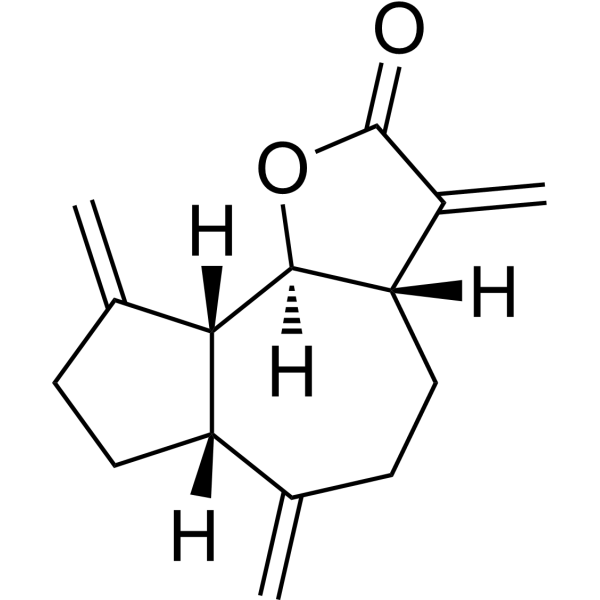
Dehydrocostus Lactone ((-)-Dehydrocostus lactone) is a natural sesquiterpene that can be isolated from Saussurea lappa. Dehydrocostus Lactone has multiple activities such as anti-inflammatory, antibacterial, anti-tumor, and immunomodulatory effects. Dehydrocostus Lactone has an MIC of 2 µg/mL against Mycobacterium tuberculosis. Dehydrocostus Lactone can also inhibit the killing activity of cytotoxic T lymphocytes and induce apoptosis in tumor cells .
2
2 Cited Publications
Cat. No.: HY-156773
CAS No.: 2499664-52-5
Purity:  98.71%
Target:  

Apoptosis METTL3

Research Areas:  

Cancer

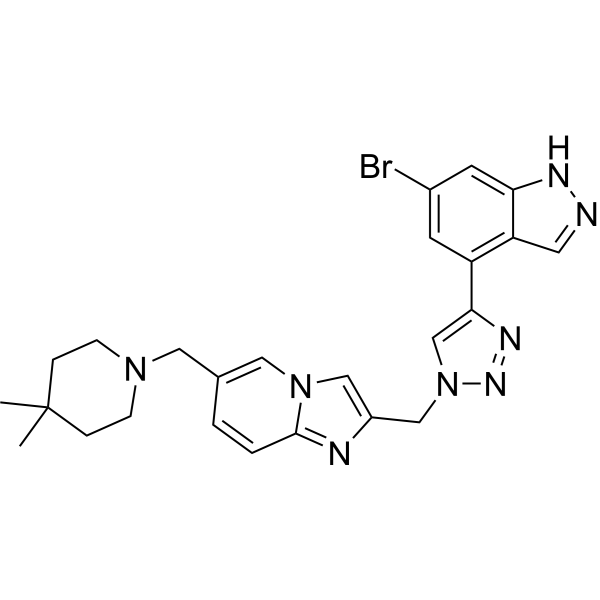
STM3006 is a highly potent, selective, and orally active inhibitor of METTL3 (IC50: 5 nM). STM3006 can reduce the m6A level, promote the formation of dsRNA, trigger a cell-intrinsic interferon response, and enhance the killing effect of T cells on tumors. STM3006 has anti-tumor activity, and its combination with anti-PD-1 immunotherapy yields better results .
2
2 Cited Publications
Cat. No.: HY-15045
CAS No.: 501364-82-5
Purity:  98.86%
Target:  

PARP

Research Areas:  

Cancer

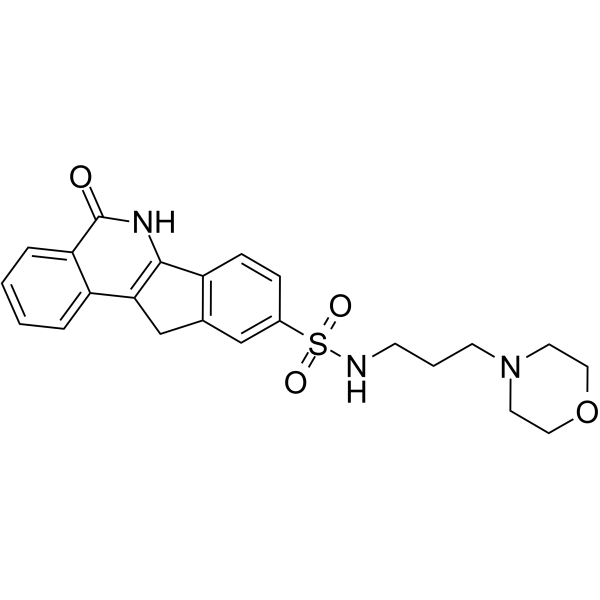
INO-1001 is a potent and selective poly (ADP-ribose) polymerase (PARP) inhibitor. INO-1001 is a potent enhancer of radiation sensitivity and enhances radiation-induced cell killing by interfering with DNA repair mechanisms, resulting in necrotic cell death . INO-1001 has anti-tumor effects .
2
2 Cited Publications
Cat. No.: HY-106033
CAS No.: 204318-14-9
Purity:  98.15%
Synonyms: DOTATOC; SDZ-SMT 487; SMT 487
Research Areas:  

Cancer

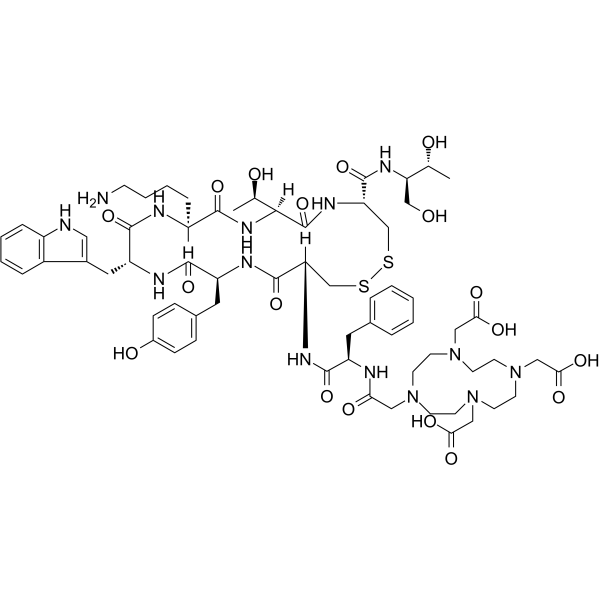
Edotreotide is a ligand that selectively targets SSTR2 and can competitively bind to the receptor. Edotreotide mediates the targeted delivery, while modificated with radionuclides (such as 90Y, 177Lu, and 68Ga) to SSTR-positive tumors and induces tumor cell apoptosis by releasing β rays. Edotreotide has strong tumor targeting and precise killing activity. Edotreotide is used in the synthesis of radionuclide-drug conjugates (RDCs) and is widely used in the field of neuroendocrine tumors (such as metastatic carcinoids, lung and thymus NETs) .
2
2 Cited Publications
Cat. No.: HY-132192
CAS No.: 2628506-54-5
Purity:  99.59%
Target:  

PD-1/PD-L1

Research Areas:  

Cancer

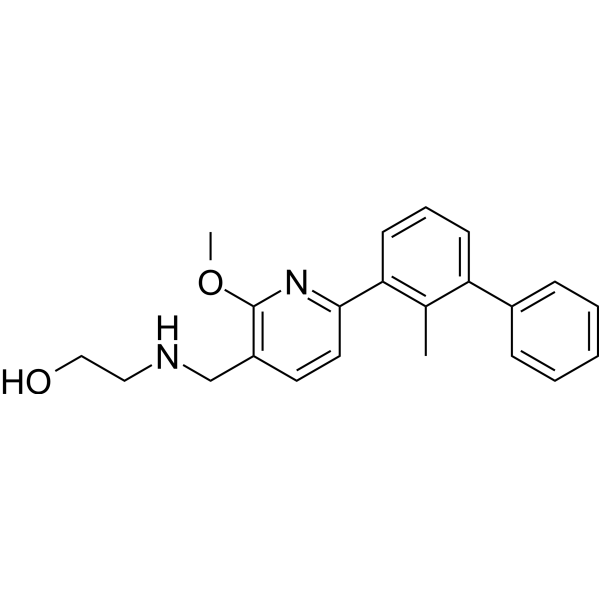
PD-1/PD-L1-IN-9 is a potent and orally active inhibitor of PD-1/PD-L1 interaction, with an IC50 of 3.8 nM. PD-1/PD-L1-IN-9 can enhance the killing activity of tumor cells by immune cells. PD-1/PD-L1-IN-9 also exhibits significant in vivo antitumor activity in a CT26 mouse model .
2
2 Cited Publications
Cat. No.: HY-132192A
Purity:  99.26%
Target:  

PD-1/PD-L1

Research Areas:  

Cancer

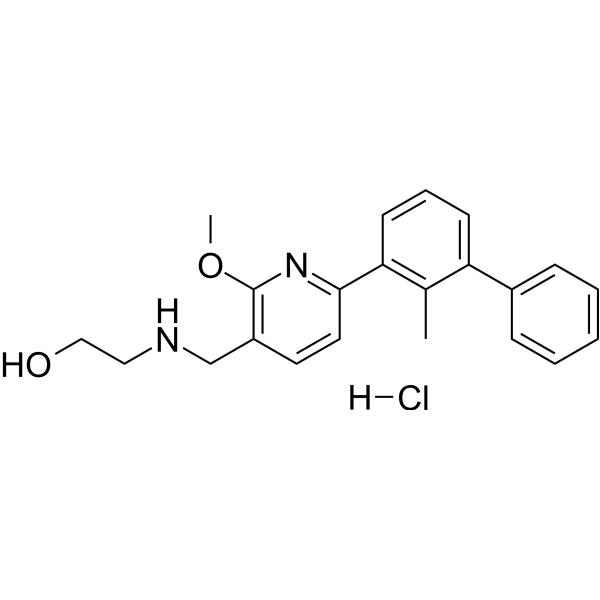
PD-1/PD-L1-IN-9 hydrochloride is a potent and orally active inhibitor of PD-1/PD-L1 interaction, with an IC50 of 3.8 nM. PD-1/PD-L1-IN-9 hydrochloride can enhance the killing activity of tumor cells by immune cells. PD-1/PD-L1-IN-9 hydrochloride also exhibits significant in vivo antitumor activity in a CT26 mouse model .
2
2 Cited Publications
Cat. No.: HY-141598
CAS No.: 2238831-60-0
Purity:  99.54%
Synonyms: DS-1062 (solution); Dato-DXd (solution)
Datopotamab deruxtecan (DS-1062) solution is a TROP2-targeted antibody-drug conjugate (ADC) with human TROP2 Kd of 0.74 nmol/L. Datopotamab deruxtecan solution consists of the antibody Datopotamab (HY-P99843) and the toxic molecule-linker conjugate Deruxtecan (HY-13631E). Datopotamab deruxtecan solution binds TROP2, triggers internalization and lysosomal trafficking and releases DXd topoisomerase I inhibitor payload. Datopotamab deruxtecan solution disrupts DNA function, induces DNA damage, apoptosis, and bystander killing of tumor microenvironment cells. Datopotamab deruxtecan solution can be used in research related to triple-negative breast cancer, gastric cancer, and non-small cell lung cancer .
1
1 Cited Publications
Cat. No.: HY-P99024
CAS No.: 2229047-91-8
Synonyms: RO7082859; RG-6026

Target:  

CD20 CD3

Research Areas:  

Inflammation/Immunology Cancer

Glofitamab (RO7082859) is a T-cell-engaging bispecific antibody possessing a novel 2:1 structure with bivalency for CD20 on B cells and monovalency for CD3 on T cells. Glofitamab leads to T-cell activation, proliferation, and tumor cell killing upon binding to CD20 on malignant cells. Glofitamab induces durable complete remissions in relapsed or refractory B-Cell non-Hodgkin lymphoma (B-NHL) .

