37 Results for "

mutant+p53

" in MedChemExpress (MCE) Product Catalog:
Products (37)

37 Results for "mutant+p53" in MCE Product Catalog:

4
4 Cited Publications
Cat. No.: HY-19896
CAS No.: 1039455-84-9
Target:  

MDM-2/p53 Apoptosis

Research Areas:  

Cancer

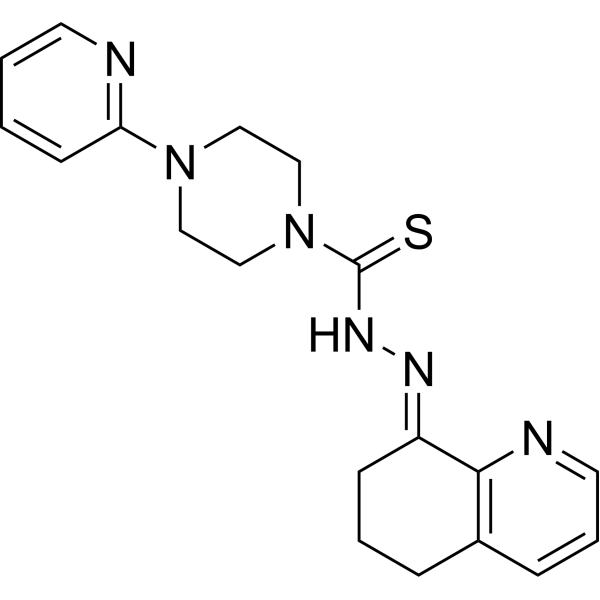
COTI-2, an anti-cancer agent with low toxicity, is an orally available third generation activator of p53 mutant forms. COTI-2 acts both by reactivating mutant p53 and inhibiting the PI3K/AKT/mTOR pathway. COTI-2 induces apoptosis in multiple human tumor cell lines. COTI-2 exhibits antitumor activity in HNSCC through p53-dependent and -independent mechanisms. COTI-2 converts mutant p53 to wild-type conformation .
4
4 Cited Publications
Cat. No.: HY-N2445
CAS No.: 37308-75-1
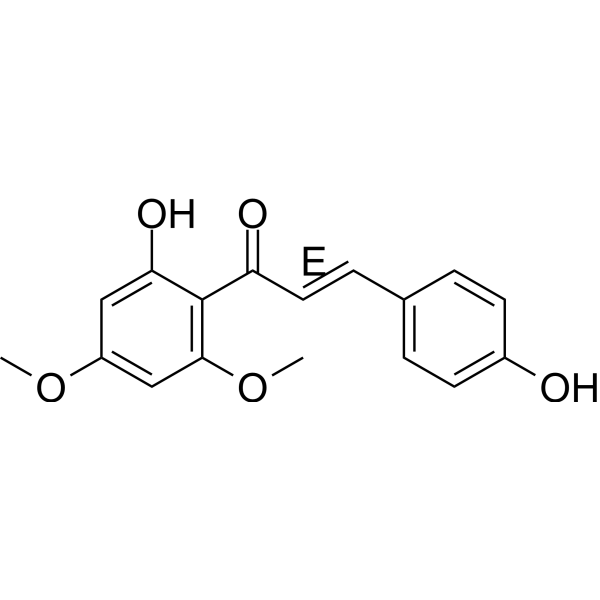
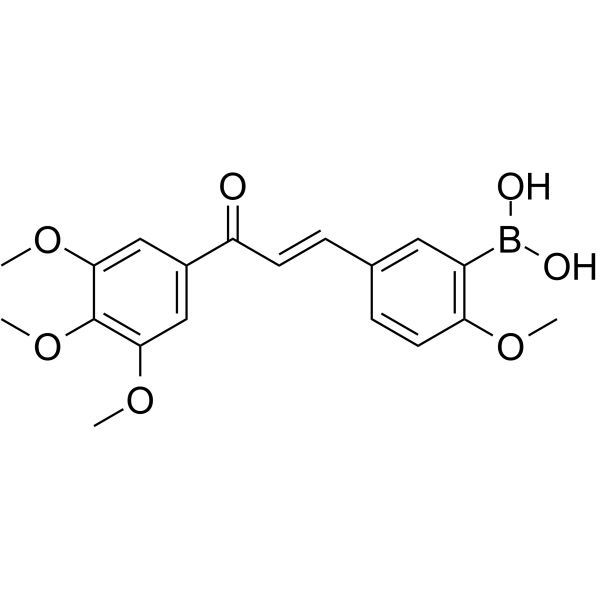
Flavokawain C is an orally active natural chalcone. Flavokawain C inhibits the proliferation of various cancer cells. Flavokawain C upregulates GADD153 in cancer cells, inhibits the phosphorylation of Akt and JNK, suppresses early ERK phosphorylation, activates late ERK phosphorylation, activates caspase related subtypes, induces PARP-1 cleavage, causes upregulation of p21 and p27, downregulation of mutant p53 and anti-apoptotic IAP proteins, elevates intracellular ROS levels, reduces SOD activity, and induces apoptosis. Flavokawain C downregulates FABP4, induces autophagy in cancer cells, and activates the AMPK/mTOR pathway . Flavokawain C decreases the expression of glycolysis-related proteins GLUT1 and HK2, and inhibits glycolysis in nasopharyngeal carcinoma cells. Flavokawain C inhibits the activation of the EGFR/PI3K/Akt/mTOR signaling pathway and reduces the expression of HSP90B1. Flavokawain C inhibits angiogenesis by decreasing the expression of angiogenic proteins Ang-1 and VEGF in human umbilical vein endothelial cells. Flavokawain C increases γ-H2AX levels in cells, inhibits the phosphorylation of FAK, PI3K and AKT in cells, and induces DNA damage in cells. Flavokawain C exerts anti-tumor activity in multiple tumor xenograft mouse models. Flavokawain C is applicable to research related to colorectal cancer, colon adenocarcinoma, nephroblastoma, nasopharyngeal carcinoma and liver cancer .
3
3 Cited Publications
Cat. No.: HY-110088
CAS No.: 922150-11-6
Purity:  99.73%
Target:  

MDM-2/p53

Research Areas:  

Cancer

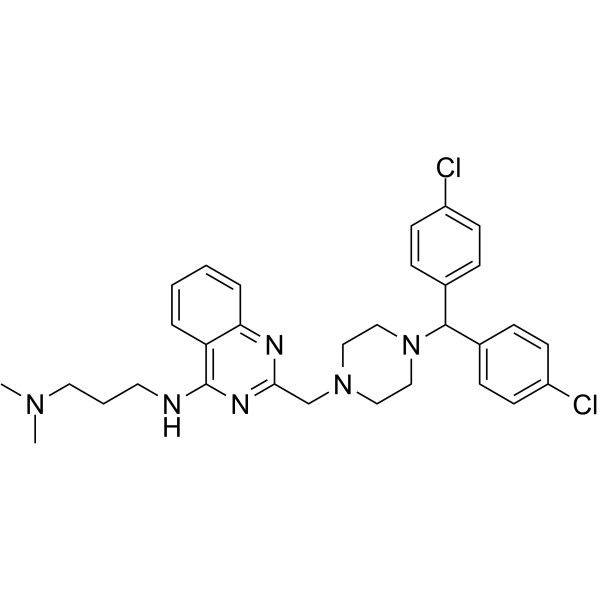
SCH529074 is a potent and orally active p53 activator. SCH529074 binds specifically and conformation-dependently to p53 DBD ( DNA binding domain) with a Ki of 1-2 μM in a saturable manner. SCH529074 restores mutant p53 function and interrupts HDM2-mediated ubiquitination of wild Type p53. SCH529074 can be used for the study of non-small-cell lung carcinoma (NSCLC) .
3
3 Cited Publications
Cat. No.: HY-18634
CAS No.: 71555-25-4
Synonyms: ZMC1
Target:  

MDM-2/p53

Research Areas:  

Cancer

NSC319726 (ZMC1) is a mutant p53R175 reactivator; inhibits growth of fibroblasts expressing the p53R175 mutation (IC50 = 8 nM); shows no inhibition for p53 wild-type cells.
2
2 Cited Publications
Cat. No.: HY-19726
CAS No.: 803647-40-7
Target:  

MDM-2/p53

Research Areas:  

Cancer

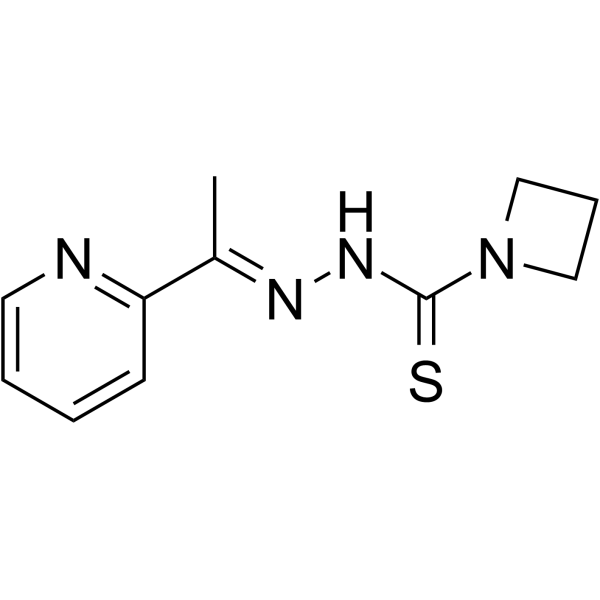
NSC59984 induces mutant p53 protein degradation via MDM2 and the ubiquitin-proteasome pathway . NSC59984 acts by targeting GOF-mutant p53 and stimulates p73 to restore the p53 pathway signaling .
2
2 Cited Publications
Cat. No.: HY-19980A
CAS No.: 5608-24-2
Synonyms: NSC-281668
Research Areas:  

Cancer

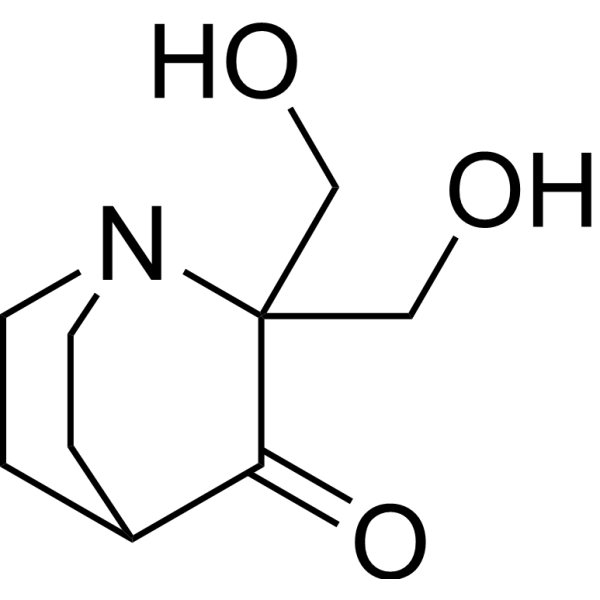
PRIMA-1 (NSC-281668) is a mutant p53 reactivator, restores the sensitivity of TP53 mutant-type thyroid cancer cells to the histone methylation inhibitor 3-Deazaneplanocin A.
2
2 Cited Publications
Cat. No.: HY-108639
CAS No.: 72835-26-8
Purity:  99.76%
Synonyms: NSC 19630
Target:  

MDM-2/p53 Apoptosis

Research Areas:  

Cancer

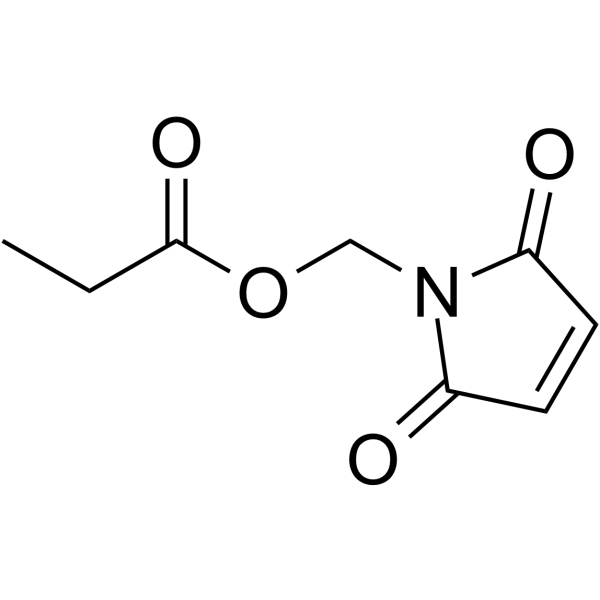
MIRA-1 is a maleimide analogue. MIRA-1 can induce apoptosis in mutant p53 cells via restoration of p53-dependent transcriptional transactivation. MIRA-1 has anticancer activity .
1
1 Cited Publications
Cat. No.: HY-145759
CAS No.: 2746371-35-5
Purity:  98.25%
Target:  

MDM-2/p53

Research Areas:  

Cancer

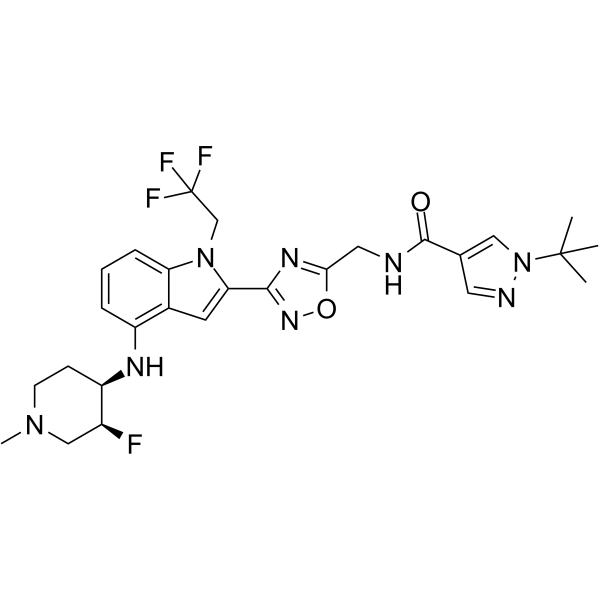
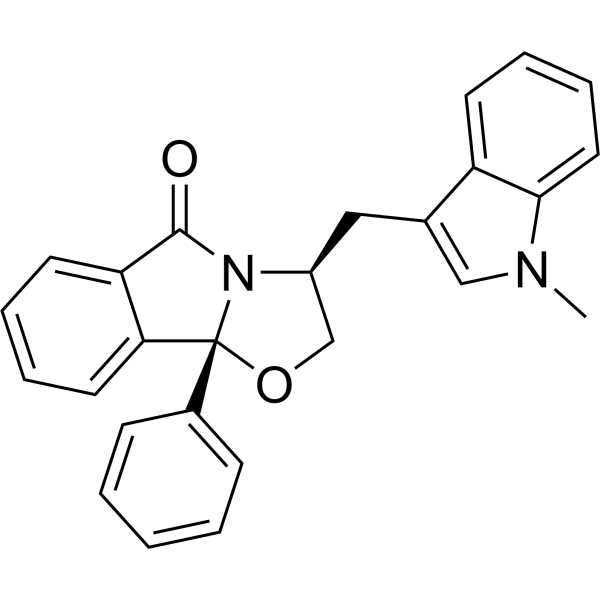
Mutant p53 modulator-1 is a mutant p53 modulator. Mutant p53 modulator-1 reduces the progression of cancers that contain a p53 mutation (extracted from patent WO2021231474A1, compound 231B) .
1
1 Cited Publications
Cat. No.: HY-19634
CAS No.: 1215281-19-8
Target:  

Sirtuin

Research Areas:  

Cancer

YK-3-237, a SIRT1 activator, targets mutant p53. YK-3-237 inhibits the proliferation of triple-negative breast cancer cells .
Cat. No.: HY-U00447
CAS No.: 38275-34-2
Research Areas:  

Cancer

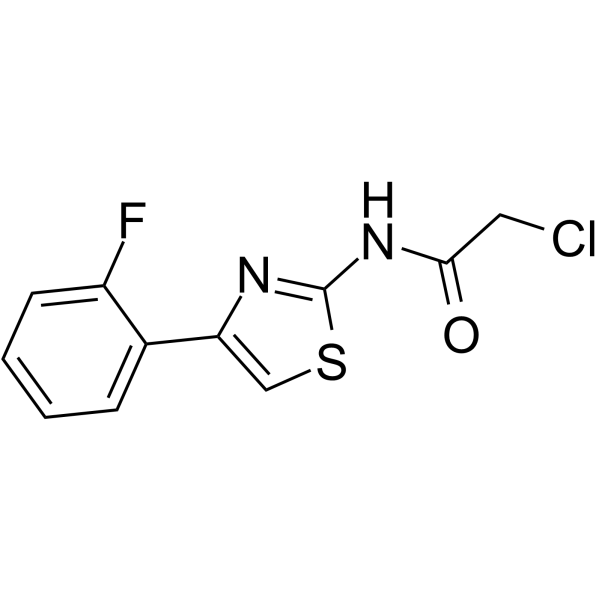
PK11000 is an alkylating agent, and stabilizes the DNA-binding domain of both WT and mutant p53 proteins by covalent cysteine modification without compromising DNA binding. PK11000 has anti-tumor activities .
Cat. No.: HY-128784
CAS No.: 874146-69-7
Purity:  98.73%
Research Areas:  

Cancer

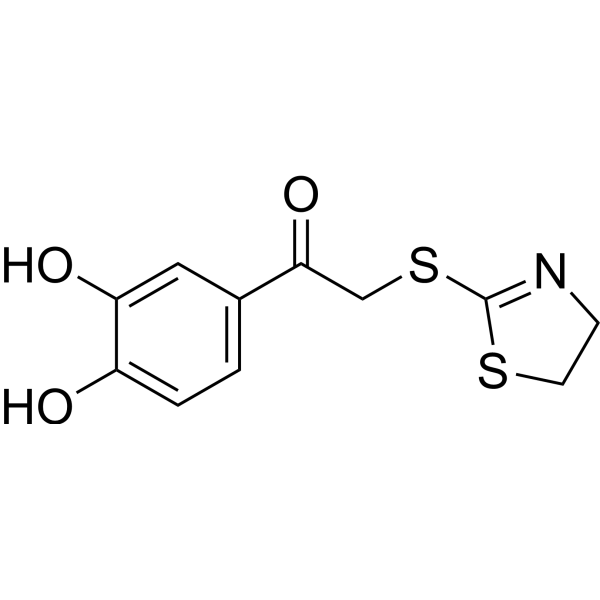
PK11007 is a mild thiol alkylator with anticancer activity. PK11007 stabilizes p53 via selective alkylation of two surface-exposed cysteines without compromising its DNA binding activity. PK11007 induces mutant p53 cancer cell death by increasing reactive oxygen species (ROS) levels .
Cat. No.: HY-148409
CAS No.: 352693-80-2
Purity:  99.58%
Research Areas:  

Cancer

MMRi62, a ferroptosis inducer targeting MDM2-MDM4 (negative regulators of tumor suppressor p53). MMRi62 shows a P53-independent pro-apoptotic activity against pancreatic ductal adenocarcinoma (PDAC) cells and induce autophagy. MMRi62 inducesferroptosis, resulting in a increase of reactive oxygen and lysosomal degradation of ferritin heavy chain (FTH1). MMRi62 also leads to proteasomal degradation of mutant p53, also inhibits orthotopic xenograft PDAC mouse model in vivo with high frequency mutation characteristics of KRAS and TP53.12 .
Cat. No.: HY-145785A
CAS No.: 2990065-87-5
Purity:  99.67%
Target:  

MDM-2/p53 Apoptosis

Research Areas:  

Cancer

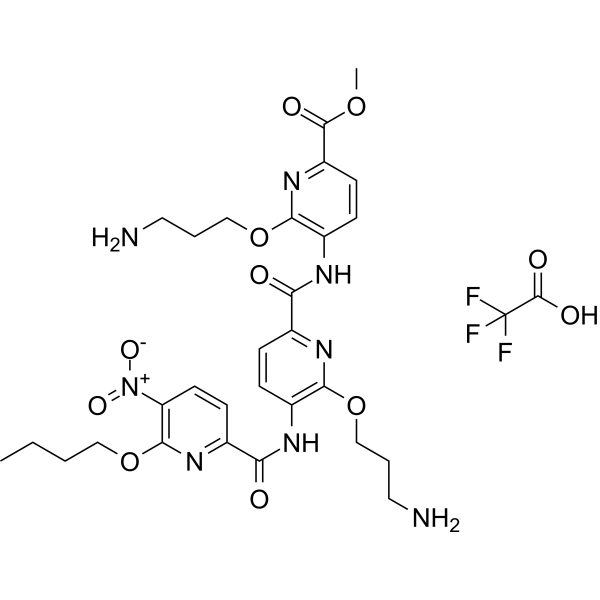
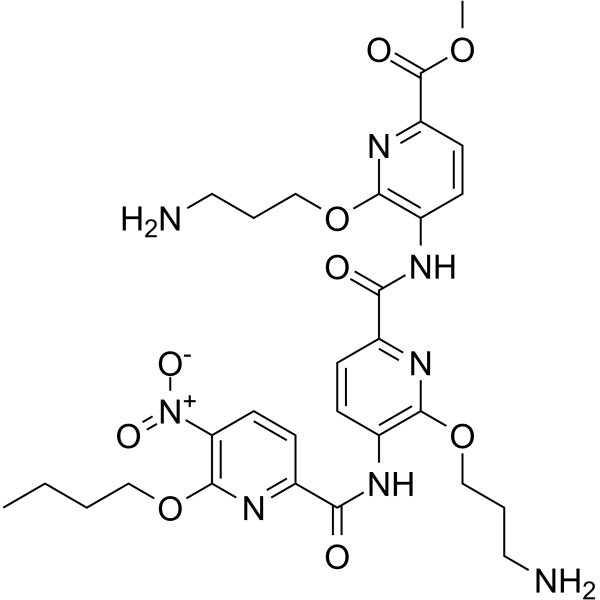
ADH-6 TFA is a tripyridylamide compound. ADH-6 abrogates self-assembly of the aggregation-nucleating subdomain of mutant p53 DBD. ADH-6 TFA targets and dissociates mutant p53 aggregates in human cancer cells, which restores p53's transcriptional activity, leading to cell cycle arrest and apoptosis. ADH-6 TFA has the potential for the research of cancer diseases .
Cat. No.: HY-108636
CAS No.: 1036069-26-7
Purity:  99.42%
RETRA is a RIPK1/RIPK3/MLKL and p73 activator. RETRA mediates plasma membrane disruption, induces ROS accumulation, triggers early mitochondrial hyperpolarization, and synergistically drives necroptosis. RETRA inhibits cancer cells carrying mutant p53 via a p73-dependent salvage pathway. RETRA can be used in research related to cervical cancer and cancers with mutant p53 .
Cat. No.: HY-120122
CAS No.: 1446352-67-5
Purity:  99.11%
Target:  

MDM-2/p53

Research Areas:  

Cancer

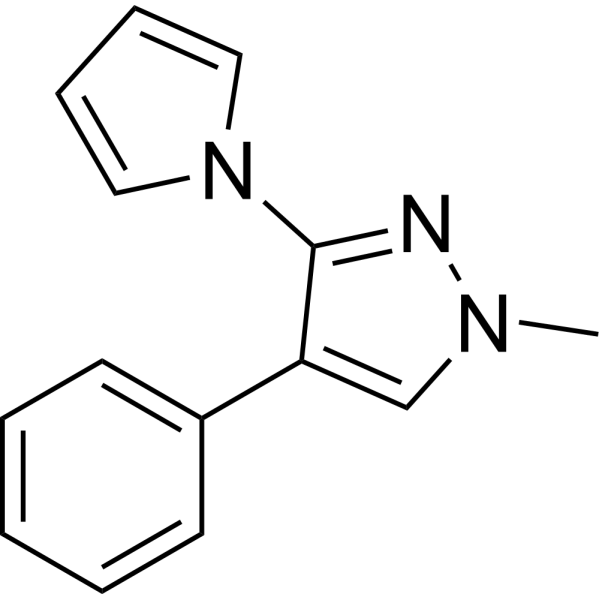
PK7088 is a pyrazole and a specific peptide. PK7088 supports the reactivation of mutant p53 by converting it to a form exhibiting wild-type properties. PK7088 exhibit anticancer activity in cancer research .
Cat. No.: HY-122753
CAS No.: 1643469-17-3
Purity:  99.83%
Target:  

MDM-2/p53

Research Areas:  

Cancer

SLMP53-1 is a wild-type and mutant p53 reactivator with promising antitumor activity. SLMP53-1 mediates the reprograming of glucose metabolism in cancer cells. SLMP53-1 depletes angiogenesis, decreasing endothelial cell tube formation and vascular endothelial growth factor (VEGF) expression levels .
Cat. No.: HY-153202
CAS No.: 1826116-38-4
Purity:  99.96%
Target:  

MDM-2/p53 Apoptosis

Research Areas:  

Cancer

SLMP53-2 is a mutant p53 reactivator. SLMP53-2 restores wild-type-like conformation and DNA-binding ability of mutp53-Y220C by enhancing its interaction with the Hsp70, leading to the reestablishment of p53 transcriptional activity. SLMP53-2 can induce cell cycle arrest, apoptosis and endoplasmic reticulum (ER) stress. SLMP53-2 exhibits antitumor activity .
Cat. No.: HY-148404
CAS No.: 2636840-37-2
Purity:  98.43%
Target:  

MDM-2/p53

Research Areas:  

Cancer

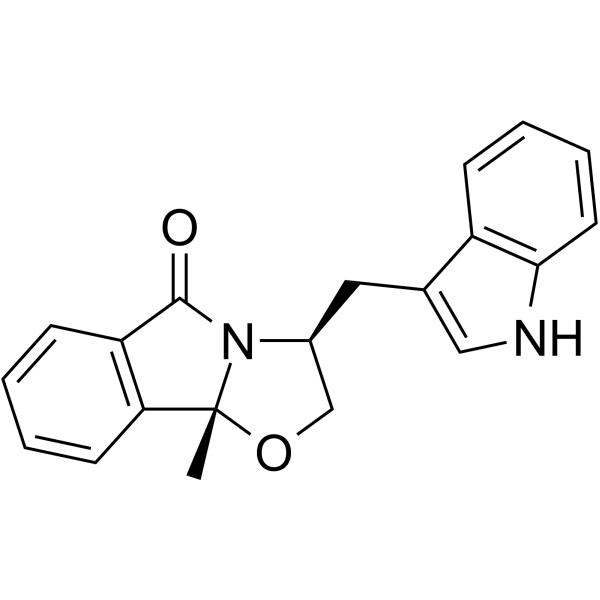
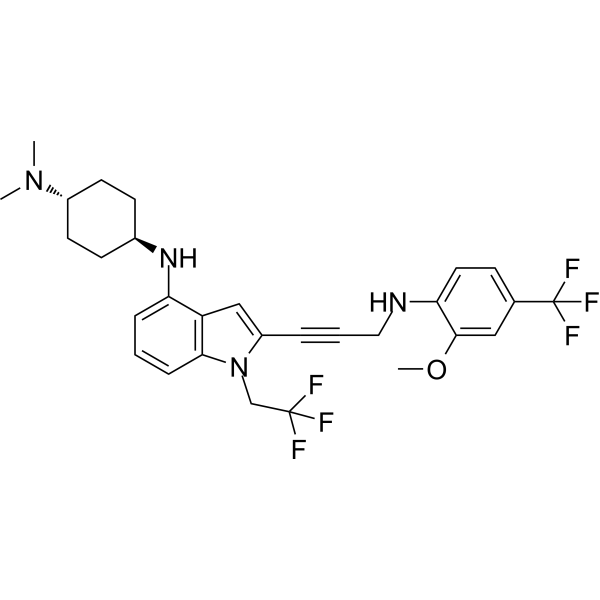
p53 Activator 5 (compound 134A) is a potent p53 activator with a SC150 value of <0.05 mM. p53 Activator 5 can bind to mutant p53 and restore the ability of the p53 mutant to bind DNA. p53 Activator 5 shows anti-tumor activity . p53 Activator 5 is a click chemistry reagent, it contains an Alkyne group and can undergo copper-catalyzed azide-alkyne cycloaddition (CuAAc) with molecules containing Azide groups.
Cat. No.: HY-156967
CAS No.: 2036352-13-1
Purity:  99.44%
Target:  

MDM-2/p53

Research Areas:  

Cancer

BAY 1892005 is a regulator of p53 protein and acts on p53 condensates without causing mutant p53 reactivation .
Cat. No.: HY-145785
CAS No.: 2227429-65-2
Target:  

MDM-2/p53 Apoptosis

Research Areas:  

Cancer

ADH-6 is a tripyridylamide compound. ADH-6 abrogates self-assembly of the aggregation-nucleating subdomain of mutant p53 DBD. ADH-6 targets and dissociates mutant p53 aggregates in human cancer cells, which restores p53's transcriptional activity, leading to cell cycle arrest and apoptosis. ADH-6 has the potential for the research of cancer diseases[1].

