1. Search Result
Search Result
Results for "

myelogenous

" in MedChemExpress (MCE) Product Catalog:

88

Inhibitors & Agonists

1

Fluorescent Dye

3

Biochemical Assay Reagents

1

Peptides

1

Inhibitory Antibodies

6

Natural
Products

3

Recombinant Proteins

2

Isotope-Labeled Compounds

3

Oligonucleotides

Cat. No. Product Name Target Research Areas Chemical Structure
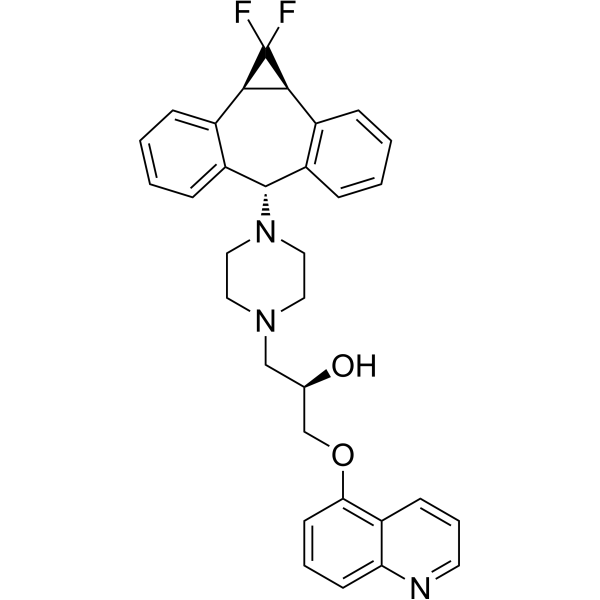
  • HY-15255
    Zosuquidar
    15+ Cited Publications

    RS 33295-198; LY-335979

    P-glycoprotein Cancer
    Zosuquidar (LY335979) is a P-glycoprotein (P-gp) inhibitor (Ki=59 nM). Zosuquidar shows anti-tumor activities, and can be used in acute myelogenous leukemia (AML) research .
    Zosuquidar
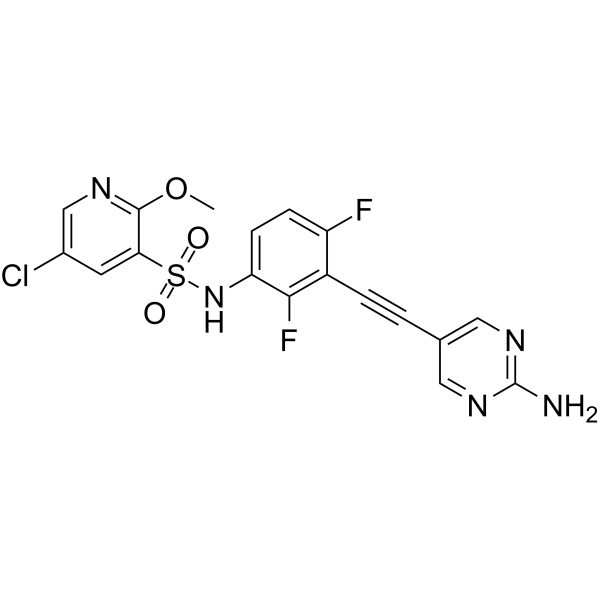
  • HY-112654
    GCN2iB
    Maximum Cited Publications
    60 Publications Verification

    Eukaryotic Initiation Factor (eIF) Glutathione Peroxidase Cardiovascular Disease Metabolic Disease Cancer
    GCN2iB is an ATP-competitive, selective GCN2 inhibitor with an IC50 of 2.4 nM. GCN2iB inhibits the activation of the GCN2 pathway and upregulates GPX4. GCN2iB enhances the anticancer effect of ASNase against acute lymphoblastic leukemia. GCN2iB increases left ventricular ejection fraction, while reducing fasting blood glucose and myocardial fibrosis. GCN2iB can be used in research related to acute lymphoblastic leukemia, acute myeloid leukemia and diabetic cardiomyopathy .
    GCN2iB
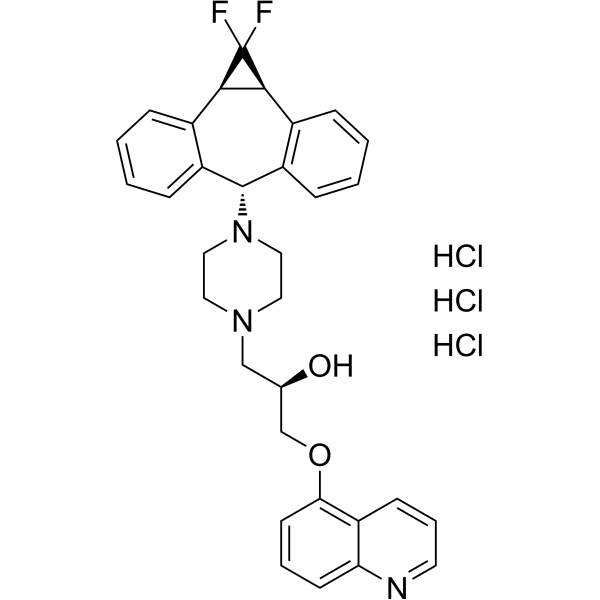
  • HY-50671
    Zosuquidar trihydrochloride
    15+ Cited Publications

    RS 33295-198 trihydrochloride; LY-335979 trihydrochloride

    P-glycoprotein Cancer
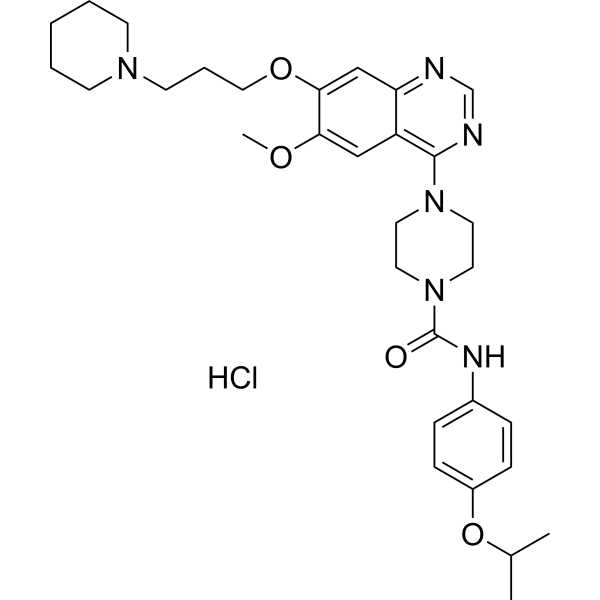
    Zosuquidar (LY335979) trihydrochloride is a P-glycoprotein (P-gp) inhibitor (Ki=59 nM). Zosuquidar trihydrochloride shows anti-tumor activities, and can be used in acute myelogenous leukemia (AML) research .
    Zosuquidar trihydrochloride
  • HY-Y1103
    Iron(II) sulfate heptahydrate, 99%
    1 Publications Verification

    Ferrous sulfate heptahydrate, 99%

    Environmental Pollutants Biochemical Assay Reagents Cardiovascular Disease Cancer
    Iron(II) sulfate heptahydrate, 99% (Ferrous sulfate heptahydrate, 99%) is an orally active iron salt. Iron(II) sulfate heptahydrate, 99% replaces iron found in hemoglobin and myoglobin, allowing for the transportation of oxygen via hemoglobin. Iron(II) sulfate heptahydrate, 99% is mainly used for the prevention of iron-deficiency anemia. Iron(II) sulfate heptahydrate, 99% also has anti-tumor effects on chronic myeloid leukemia and breast cancer .
    Iron(II) sulfate heptahydrate, 99%
  • HY-125771

    18:0 Lyso-PC; LPC(18:0)

    Endogenous Metabolite HDAC STAT Apoptosis Cancer
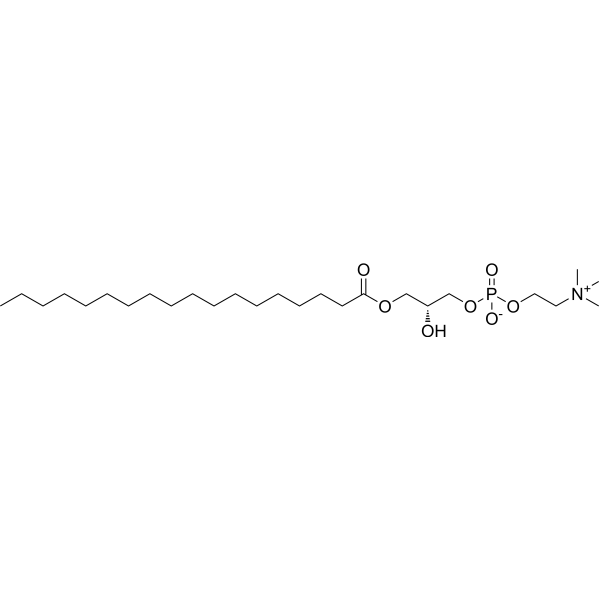
    1-Stearoyl-sn-glycero-3-phosphocholine is a lysophosphatidylcholine that inhibits HDAC3 activity and phosphorylation of STAT3 in K562 cells. 1-Stearoyl-sn-glycero-3-phosphocholine induces apoptosis and exhibits anticancer activity in chronic myelogenous leukemia (CML) K562 cells .
    1-Stearoyl-sn-glycero-3-phosphocholine
  • HY-112852
    TL02-59
    5+ Cited Publications

    Src Apoptosis Cancer
    TL02-59 is an orally active, selective Src-family kinase Fgr inhibitor with an IC50 of 0.03 nM. TL02-59 inhibits Lyn and Hck with IC50s of 0.1 nM and 160 nM, respectively. TL02-59 potently suppresses acute myelogenous leukemia (AML) cell growth .
    TL02-59
  • HY-B1751B
    Quinine sulfate
    5+ Cited Publications

    Parasite Potassium Channel Cytochrome P450 Infection Cardiovascular Disease Cancer
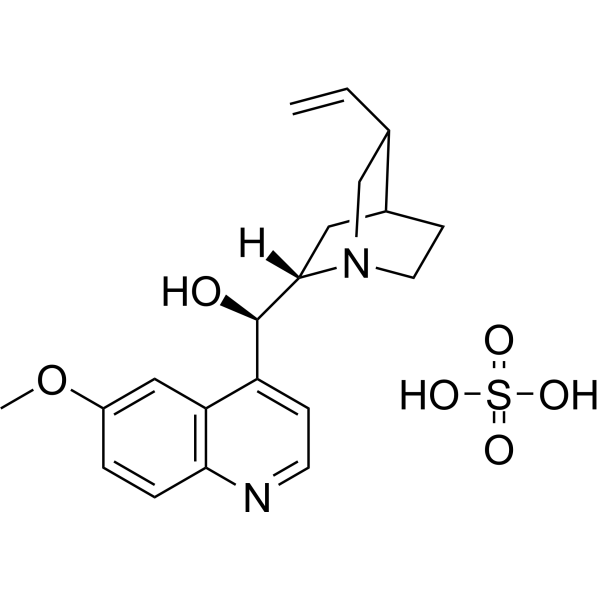
    Quinidine sulfate is an antiarrhythmic agent. Quinidine sulfate is a potent, orally active, selective cytochrome P450db inhibitor. Quinidine sulfate is also a K + channel blocker with an IC50 of 19.9 μM. Quinidine sulfate can be used for malaria research .
    Quinine sulfate
  • HY-150725

    IFNAR TNF Receptor Infection Inflammation/Immunology Cancer
    ODN 1585 is a potent inducer of IFN and TNFα production. ODN 1585 is a potent stimulator of NK (natural killer) function. ODN 1585 increases CD8+ T-cell function, including the CD8+ T cell-mediated production of IFN-γ. ODN 1585 induces regression of established melanomas in mice. ODN 1585 can confer complete protection against malaria in mice. ODN 1585 can be used for acute myelogenous leukemia (AML) and malaria research. ODN 1585 can be used as a vaccine adjuvant .
    ODN 1585
  • HY-Y1103A

    Ferrous sulfate heptahydrate, for cell culture, 99%

    Environmental Pollutants Biochemical Assay Reagents Cardiovascular Disease Cancer
    Iron(II) sulfate heptahydrate, for cell culture, 99% (Ferrous sulfate heptahydrate, for cell culture, 99%) is an orally active iron salt. Iron(II) sulfate heptahydrate, for cell culture, 99% replaces iron found in hemoglobin and myoglobin, allowing for the transportation of oxygen via hemoglobin. Iron(II) sulfate heptahydrate, for cell culture, 99% is mainly used for the prevention of iron-deficiency anemia. Iron(II) sulfate heptahydrate, for cell culture, 99% also has anti-tumor effects on chronic myeloid leukemia and breast cancer .
    Iron(II) sulfate heptahydrate, for cell culture, 99%
  • HY-10202
    Tandutinib
    5 Publications Verification

    MLN518; CT53518

    FLT3 c-Kit PDGFR Apoptosis Cancer
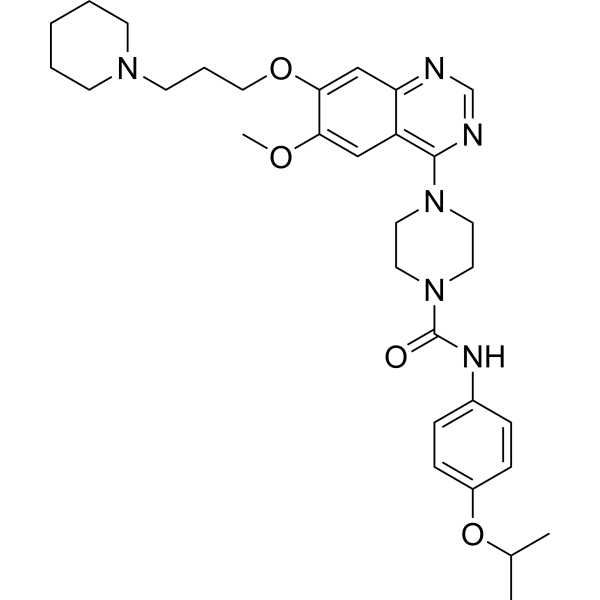
    Tandutinib (MLN518) is a potent and selective inhibitor of the FLT3 with an IC50 of 0.22 μM, and also inhibits c-Kit and PDGFR with IC50s of 0.17 μM and 0.20 μM, respectively. Tandutinib can be used for acute myelogenous leukemia (AML) . Tandutinib has the ability to cross the blood-brain barrier .
    Tandutinib
  • HY-10943
    GNF-7
    2 Publications Verification

    Bcr-Abl Ack1 Cancer
    GNF-7 is a multikinase inhibitor. GNF-7 is a Bcr-Abl inhibitor, with IC50s of 133 nM and 61 nM for Bcr-Abl WT and Bcr-Abl T315I, respectively. GNF-7 also possesses inhibitory activity against both ACK1 (activated CDC42 kinase 1) and GCK (germinal center kinase) with IC50s of 25 nM and 8 nM, respectively. GNF-7 can be used for the research of hematologic malignancies .
    GNF-7
  • HY-15738
    GNF-5
    4 Publications Verification

    Bcr-Abl Cancer
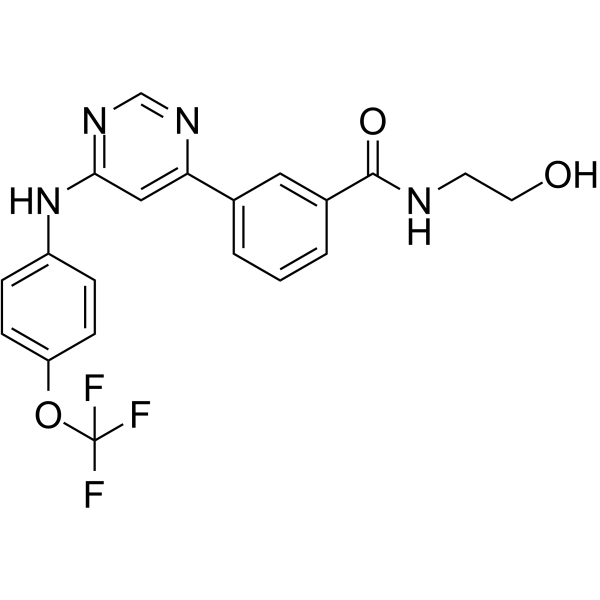
    GNF-5, the N-hydroxyethyl carboxamide analog of GNF-2, is an orally active Bcr-Abl inhibitor. GNF-5 has Bcr-Abl inhibition activity with an IC50 value of 0.22 µM. GNF-5 has good favorable pharmacokinetic properties. GNF-5 can be used for the research of kinds of cancer including chronic myelogenous leukemia (CML) and breast cancer .
    GNF-5
  • HY-160924

    PROTACs BMI1 E1/E2/E3 Enzyme Histone Methyltransferase Cancer
    MS147 is a VHL-based PROTAC degrader of BMI1 and RING1B (polycomb repressive complex 1 core components). MS147 directly binds EED and VHL E3 ligase, recruiting the ligase to the EED-BMI1/RING1B complex to induce time-dependent, ubiquitination-mediated degradation of BMI1 and RING1B. MS147 reduces histone H2A Lys119 mono-ubiquitination without altering histone H3 Lys27 tri-methylation and inhibits cancer cells proliferation. MS147 can be used for the research of cancer, such as chronic myelogenous leukemia and b-cell lymphoma . (Pink: BMI1/RING1B ligand (HY-183634); Blue: VHL ligand (HY-125845); Black: linker)
    MS147
  • HY-13905
    Flumatinib mesylate
    3 Publications Verification

    HHGV678 mesylate

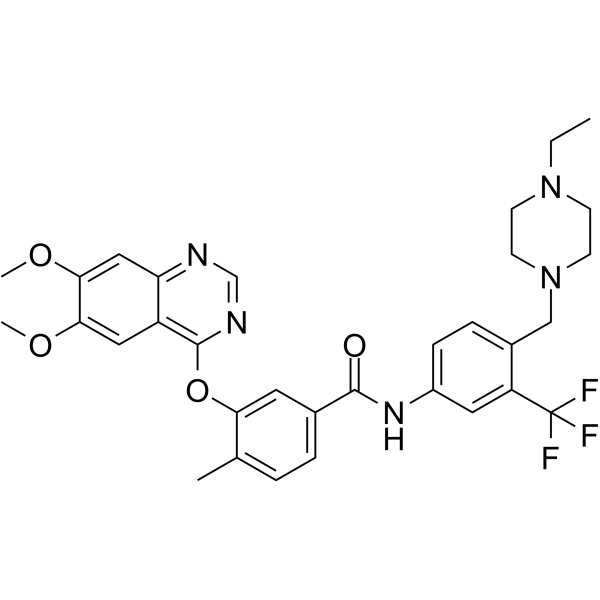
    Bcr-Abl c-Kit PDGFR Cancer
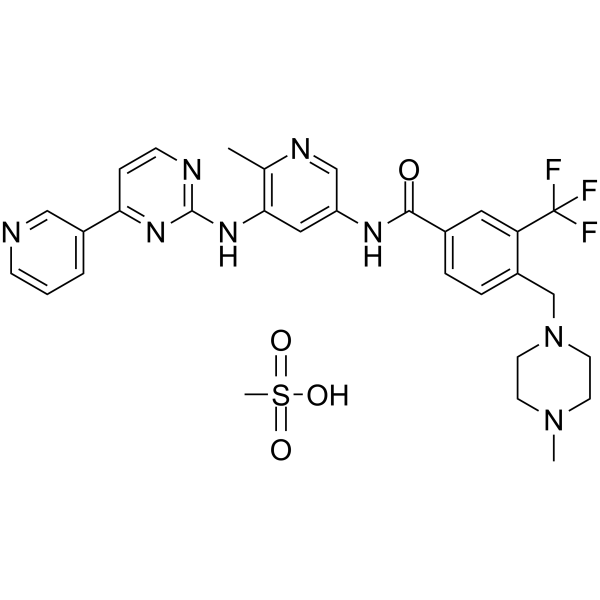
    Flumatinib (HHGV678) mesylate is an orally active and selective inhibitor of Bcr-Abl. Flumatinib mesylate inhibits c-Abl, PDGFRβ and c-Kit with IC50 values of 1.2, 307.6 and 665.5 nM, respectively. Flumatinib mesylate inhibits Bcr-Abl autophosphorylation and Stat5 and Erk1/2 phosphorylation. Flumatinib mesylate inhibits tumor growth in chronic myelogenous leukemia model .
    Flumatinib mesylate
  • HY-16126
    Carboxyamidotriazole
    4 Publications Verification

    L-651582; CAI

    Calcium Channel NF-κB p38 MAPK NO Synthase Cardiovascular Disease Inflammation/Immunology Cancer
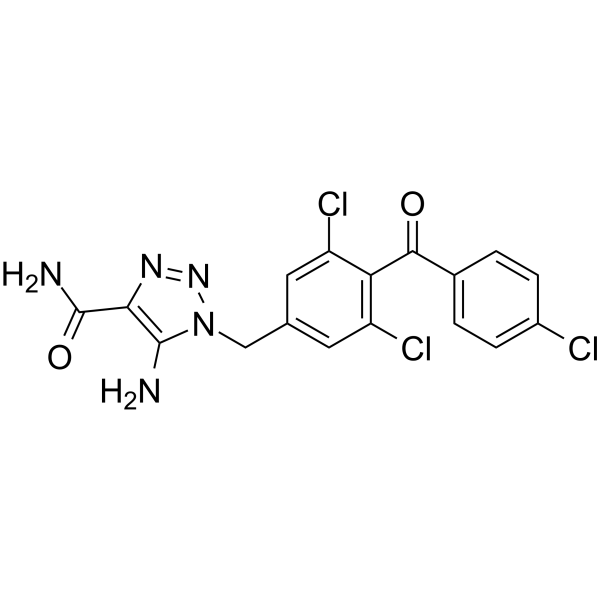
    Carboxyamidotriazole (L-651582) is an orally active cytostatic inhibitor of nonvoltage-operated calcium channels and calcium channel-mediated signaling pathways. Carboxyamidotriazole inhibits NF-κB, MAPK activation and NO production. Carboxyamidotriazole has anti-angiogenic and anti-inflammatory activities. Carboxyamidotriazole has anticancer activity against liver cancer, lung cancer and leukemia .
    Carboxyamidotriazole
  • HY-13660
    Mocravimod hydrochloride
    2 Publications Verification

    KRP-203

    LPL Receptor Reactive Oxygen Species (ROS) Akt GSK-3 JAK STAT Metabolic Disease Inflammation/Immunology Cancer
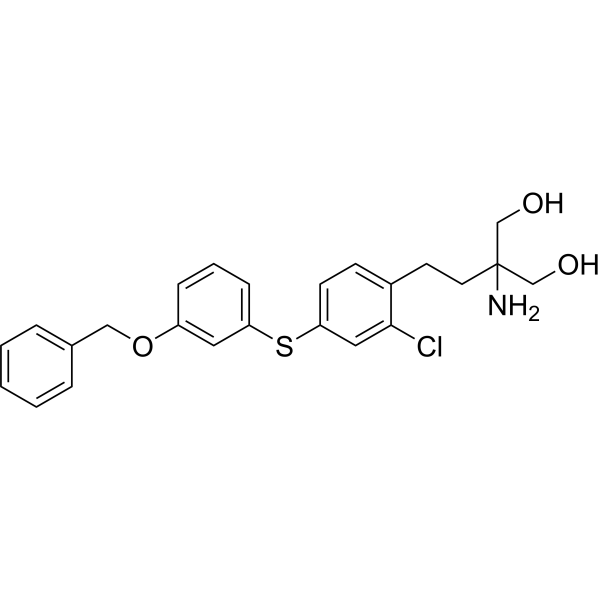
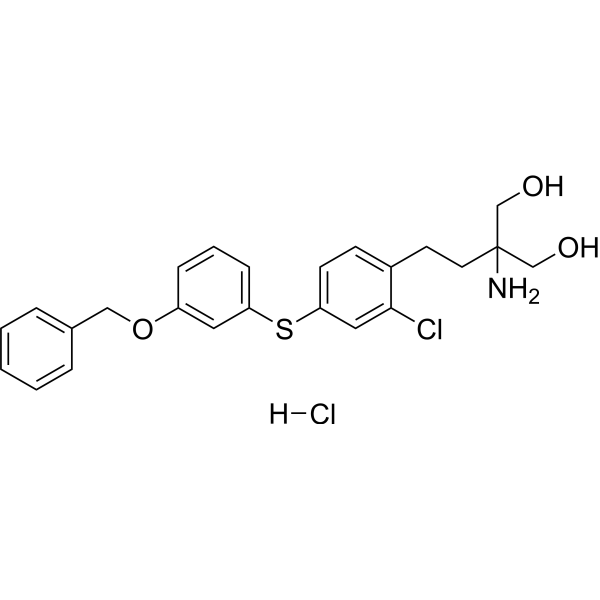
    Mocravimod (hydrochloride) is an orally active sphingosine-1-phosphate receptor (S1PR) modulator that blocks the signal required by T cells to egress from lymph nodes and other lymphoid organs. Mocravimod (hydrochloride) preferentially binds to S1PR1 over S1PR2 and S1PR3 in cardiomyocytes. Mocravimod (hydrochloride) significantly lowered the concentration of reactive oxygen species (ROS), prevented mitochondrial permeability transition pore opening, boosted mitochondrial membrane potential (MMP), and increased phosphorylation of AKT, EKR, GSK-3β, JAK2, and STAT3. Mocravimod (hydrochloride) retains T cell effector function. Mocravimod (hydrochloride) can be used for the study of acute myelogenous leukemia, diabetes and Myocardial Ischemia-Reperfusion Injury (MIRI) .
    Mocravimod hydrochloride
  • HY-109038
    Mocravimod
    2 Publications Verification

    KRP-203 free base

    LPL Receptor Reactive Oxygen Species (ROS) Mitochondrial Metabolism Akt GSK-3 JAK STAT Cardiovascular Disease Metabolic Disease Inflammation/Immunology Cancer
    Mocravimod (KRP-203 free base) is a sphingosine-1-phosphate receptor (S1PR) modulator that blocks the signal required by T cells to egress from lymph nodes and other lymphoid organs. Mocravimod preferentially binds to S1PR1 over S1PR2 and S1PR3 in cardiomyocytes. Mocravimod significantly lowered the concentration of reactive oxygen species (ROS), prevented mitochondrial permeability transition pore opening, boosted mitochondrial membrane potential (MMP), and increased phosphorylation of AKT, EKR, GSK-3β, JAK2, and STAT3. Mocravimod retains T cell effector function. Mocravimod can be used for the study of acute myelogenous leukemia, diabetes and Myocardial Ischemia-Reperfusion Injury (MIRI) .
    Mocravimod
  • HY-Y0030

    3-hydroxypyridine-2-carboxylic acid

    Biochemical Assay Reagents Drug Intermediate Infection Cancer
    3-Hydroxypicolinic acid is a heterocyclic carboxylic acid ligand and cytotoxin, with a MIC90 of >25 μg/mL against Mycobacterium tuberculosis H37Rv. 3-Hydroxypicolinic acid inhibits the growth of cancer cells and normal fibroblasts. 3-Hydroxypicolinic acid is applicable to research related to chronic myeloid leukemia, human lung adenocarcinoma, and tuberculosis .
    3-Hydroxypicolinic acid
  • HY-12475
    Mutant IDH1-IN-1
    2 Publications Verification

    Agios 135

    Isocitrate Dehydrogenase (IDH) Cancer
    Mutant IDH1-IN-1 (Agios 135) is a selective mutant IDH1 inhibitor with activity against both IDH1 R132H and IDH1 R132C. Mutant IDH1-IN-1 reduces the level of 2-hydroxyglutarate (2-HG), stabilizes mutant IDH1 protein, and restores blocked monocyte differentiation. Mutant IDH1-IN-1 can be used in tumor-related research .
    Mutant IDH1-IN-1
  • HY-145723
    MAX-40279
    1 Publications Verification

    FLT3 FGFR Inflammation/Immunology Cancer
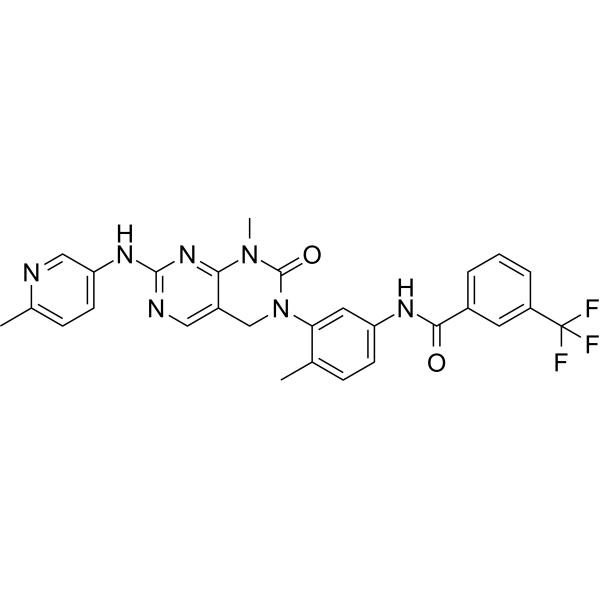
    MAX-40279 is a dual and orally active inhibitor of FLT3 kinase and FGFR kinase. MAX-40279 is also effective against the FLT3 mutants such as FLT3 D835Y, suggesting that it can overcome resistance to Quizartinib (HY-13001) and Sorafenib (HY-10201). MAX-40279 inhibits NDRG1 phosphorylation at Ser330 and suppresses endothelial-to-mesenchymal transition (EndMT). MAX-40279 can be used for the research of acute myelogenous leukemia (AML) .
    MAX-40279
  • HY-103274

    Bcr-Abl Src c-Kit Apoptosis Neurological Disease Cancer
    PD180970 is a highly potent and ATP-competitive p210 Bcr-Abl kinase inhibitor, with an IC50 of 5 nM for inhibiting the autophosphorylation of p210 Bcr-Abl. PD180970 also inhibits Src and KIT kinase with IC50s of 0.8 nM and 50 nM, respectively. PD180970 indcues apoptosis of K562 leukemic cells, and can be used for chronic myelogenous leukemia research .
    PD180970
  • HY-16445B

    Nucleoside Antimetabolite/Analog Drug Metabolite Apoptosis DNA/RNA Synthesis Cancer
    CNDAC hydrochloride is a metabolite of the orally active agent Sapacitabine (HY-16445), and a nucleoside analog. CNDAC hydrochloride induces DNA damage and apoptosis .
    CNDAC hydrochloride
  • HY-103275

    NSC 680410

    Bcr-Abl Apoptosis Cancer
    Adaphostin (NSC 680410), the adamantyl ester of AG957, is a potent p210 bcr/abl inhibitor (IC50=14 μM). Adaphostin induces apoptosis in T-lymphoblastic human leukemia cell lines (IC50 ranging from 17 to 216 nM). Adaphostin has significant and selective activity against chronic and acute myeloid leukemia cells. Adaphostin increased the level of reactive oxygen species (ROS) within CLL B cells .
    Adaphostin
  • HY-150725C

    TNF Receptor IFNAR Infection Inflammation/Immunology Cancer
    ODN 1585 sodium is a potent inducer of IFN and TNFα production. ODN 1585 sodium is a potent stimulator of NK (natural killer) function. ODN 1585 sodium increases CD8+ T-cell function, including the CD8+ T cell-mediated production of IFN-γ. ODN 1585 sodium induces regression of established melanomas in mice. ODN 1585 sodium can confer complete protection against malaria in mice. ODN 1585 sodium can be used for acute myelogenous leukemia (AML) and malaria research. ODN 1585 sodium can be used as a vaccine adjuvant .
    ODN 1585 sodium
  • HY-164393

    JAK Bcr-Abl Apoptosis Cancer
    ON044580, an α-benzoyl styryl benzyl sulfide, is a potent and non-ATP-competitive JAK2 kinase inhibitor with IC50s of 1.23 μM, 1.09 μM for WT and V617F mutant JAK2, respectively. ON044580 inhibits the JAK2 kinase activity either by binding to the STAT-5 binding domain of JAK2 or by binding to an allosteric site. ON044580 exerts its antiproliferative effect in JAK2 V617F-positive leukemic cells. ON044580 effectively induces apoptosis of Imatinib (HY-15463)-resistant chronic myelogenous leukemia (CML) cells. ON044580 also inhibits both WT and T315I mutant forms of the BCR-ABL kinase. ON044580 has the potential for myeloproliferative disorders typified by aberrant JAK/STAT signaling .
    ON044580
  • HY-16125
    Carboxyamidotriazole Orotate
    4 Publications Verification

    L-651582 Orotate; CAI Orotate

    Calcium Channel Cardiovascular Disease Inflammation/Immunology Cancer
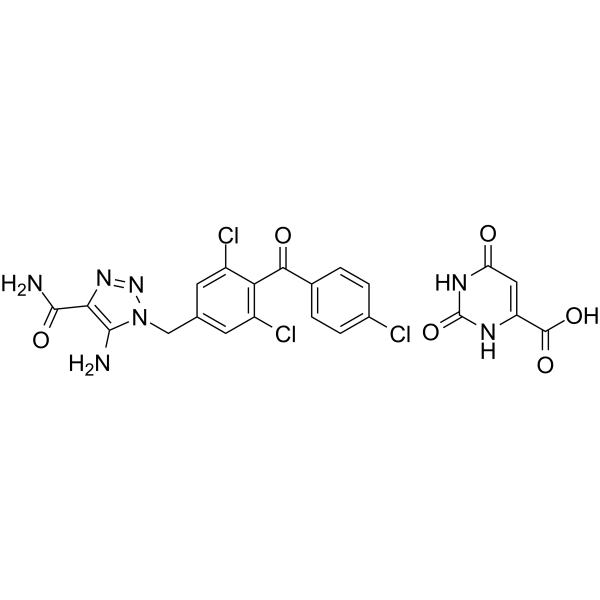
    Carboxyamidotriazole Orotate (L-651582 Orotate) is the orotate salt form of Carboxyamidotriazole (CAI), an orally bioavailable signal transduction inhibitor. Carboxyamidotriazole Orotate is a cytostatic inhibitor of nonvoltage-operated calcium channels and calcium channel-mediated signaling pathways. Carboxyamidotriazole Orotate shows anti-tumor, anti-inflammatory and antiangiogenic effects .
    Carboxyamidotriazole Orotate
  • HY-123450

    Bcr-Abl Apoptosis PDGFR Cancer
    S116836, a potent, orally active BCR-ABL tyrosine kinase inhibitor, blocks both wild-type as well as T315I Bcr-Abl. S116836 arrests the cells in the G0/G1 phase of cell cycle, induces apoptosis, increases ROS production, and decreases GSH production in BaF3/WT and BaF3/T315I cells. S116836 also inhibits SRC, LYN, HCK, LCK and BLK, and receptor tyrosine kinases such as FLT3, TIE2, KIT, PDGFR-β. Antitumor activies . S116836 is a click chemistry reagent, it contains an Alkyne group and can undergo copper-catalyzed azide-alkyne cycloaddition (CuAAc) with molecules containing Azide groups.
    S116836
  • HY-P4122

    HIV Others
    TAT (47-57), FAM-labeled is a 5(6)-Carboxyfluorescein (HY-15940)-labeled TAT (HY-P0281). TAT (YGRKKRRQRRR) is derived from the transactivator of transcription (TAT) of human immunodeficiency virus-1 (HIV-1) and is a cell-penetrating peptide .
    TAT (47-57), FAM-labeled
  • HY-P990786

    FLT3 ADC Antibody Cancer
    Anti-FLT3 Antibody (AGS62P) is an ADC antibody targeting FLT3, and can be used for acute myelogenous leukemia .
    Anti-FLT3 Antibody (AGS62P)
  • HY-10202A
    Tandutinib hydrochloride
    5 Publications Verification

    MLN518 hydrochloride; CT53518 hydrochloride

    FLT3 c-Kit PDGFR Apoptosis Cancer
    Tandutinib hydrochloride (MLN518 hydrochloride) is a potent and selective inhibitor of the FLT3 with an IC50 of 0.22 μM, and also inhibits c-Kit and PDGFR with IC50s of 0.17 μM and 0.20 μM, respectively. Tandutinib hydrochloride can be used for acute myelogenous leukemia (AML) . Tandutinib hydrochloride has the ability to cross the blood-brain barrier .
    Tandutinib hydrochloride
  • HY-147342

    Drug Metabolite IMPDH Cancer
    β-Benzamide adenine dinucleotide is a biologically active metabolite of benzamide riboside. β-Benzamide adenine dinucleotide is a competitive inhibitor of human NAD kinase with a Ki value of 90 μM, and inhibits human IMPDH with IC50 values of 0.787 μM and 0.884 μM for type I and type II, respectively. β-Benzamide adenine dinucleotide exhibits inhibitory activities against lactate dehydrogenase, glutamate dehydrogenase, and malate dehydrogenase. β-Benzamide adenine dinucleotide can be used for the study of chronic myelogenous leukemia .
    β-Benzamide adenine dinucleotide
  • HY-123523

    Nucleoside Antimetabolite/Analog DNA/RNA Synthesis CMV Infection Cancer
    Enocitabine is a nucleoside analog, and is a potent DNA replication inhibitor, and a DNA chain terminator. Enocitabine inhibits the replication of human cytomegalovirus. Enocitabine has antileukemic and antiviral activities .
    Enocitabine
  • HY-148602
    KH-4-43
    1 Publications Verification

    E1/E2/E3 Enzyme Cancer
    KH-4-43 is an inhibitor of E3 CRL4. KH-4-43 inhibits E3 CRL4's core ligase complex and exhibits anticancer activity. KH-4-43 has a binding Kd to E3 ROC1-CUL4A CTD or the highly related ROC1-CUL1 CTD at 83 nM or 9.4 μM, respectively .
    KH-4-43
  • HY-159884

    Tim3 TNF Receptor IFNAR Cancer
    MG-T-19 is an effective TIM-3 inhibitor that can suppress the interaction of TIM-3 with PtdSer, CEACAM1, and Gal-9. MG-T-19 can increase the production of tumor necrosis factor-α (TNF-α) and interferon-γ (IFN-γ) in peripheral blood mononuclear cells (PBMCs) from healthy donors, and enhance the ability of PBMCs to inhibit the proliferation of Kasumi-1 cells (an acute myelogenous leukemia cell line) .
    MG-T-19
  • HY-123141

    Pim Cancer
    K00135 is a potent and selective inhibitor of PIM kinases. K00135 inhibits survival and clonogenic growth of acute leukemia cells. K00135 inhibits the phosphorylation of PIM downstream targets .
    K00135
  • HY-117718

    Tyrphostin AG957; NSC 654705

    Bcr-Abl Cancer
    AG957 (Tyrphostin AG957;NSC 654705) is a tyrosine kinase inhibitor with anti-BCR/ABL tyrosine kinase activity . AG957 is a bcr/abl kinase inhibitor with an IC50 of 2.9 μM for p210 bcr/abl autokinase activity .
    AG957
  • HY-10159C

    AMN107 hydrochloride dihydrate

    Autophagy Bcr-Abl Cancer
    Nilotinib (AMN107) hydrochloride dihydrate is an orally active Bcr-Abl tyrosine kinase inhibitor with antineoplastic activity and can be used in studies of chronic myelogenous leukaemia .
    Nilotinib hydrochloride dihydrate
  • HY-N6736

    Beta-lactamase PKC Bacterial Apoptosis Infection Cancer
    K-252c, a staurosporine analog isolated from Nocardiopsis sp., is a cell-permeable PKC inhibitor, with an IC50 of 2.45 µM. K-252c induces apoptosis in human chronic myelogenous leukemia cancer cells. K-252c also inhibits β-lactamase, chymotrypsin, and malate dehydrogenase .
    K-252c
  • HY-120508

    AN-9; Pivalyloxymethyl butyrate

    HDAC Bcr-Abl Apoptosis Inflammation/Immunology Cancer
    Pivanex (AN-9), a derivative of Butyric acid, is an orally active HDAC inhibitor. Pivanex down-regulates bcr-abl protein and enhances apoptosis. Pivanex has antimetastic and antiangiogenic properties .
    Pivanex
  • HY-120997

    Berbamine p-nitrobenzoate

    Calmodulin Myosin Phosphodiesterase (PDE) Cardiovascular Disease Cancer
    E6 Berbamine (Berbamine p-nitrobenzoate) is a potent calmodulin (CaM) antagonist. E6 Berbamine inhibits the activities of calmodulin-dependent myosin light chain kinase (MLCK) and phosphodiesterase (PDE). E6 Berbamine exhibits anti-leukemic activity. E6 Berbamine can be used in research related to cardiovascular abnormalities and chronic myeloid leukemia .
    E6 Berbamine
  • HY-13739

    MCNU

    DNA Alkylator/Crosslinker Cancer
    Ranimustine (MCNU) is a nitrosourea alkylating agent, can be used for research of chronic myelogenous leukemia and polycythemia vera .
    Ranimustine
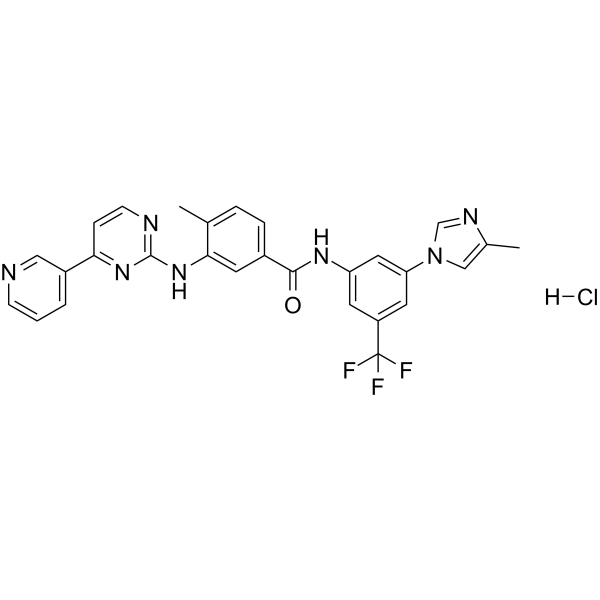
  • HY-10159B
    Nilotinib hydrochloride
    45+ Cited Publications

    AMN107 hydrochloride

    Bcr-Abl Autophagy Cancer
    Nilotinib (AMN107) hydrochloride is an orally active Bcr-Abl tyrosine kinase inhibitor with antineoplastic activity and can be used in studies of chronic myelogenous leukaemia .
    Nilotinib hydrochloride
  • HY-128571

    FLT3 Cancer
    FLT3-IN-4 is a potent and orally effective Fms-like tyrosine receptor kinase 3 (FLT3; IC50=7 nM) inhibitor for treating acute myelogenous leukemia .
    FLT3-IN-4
  • HY-178007

    CDK Cancer
    CDK2 degrader 8 (Compound1) is a CDK2 degrader. CDK2 degrader 8 shows potential anti-tumor activity by targeting CDK2. CDK2 degrader 8 can be used for the study of solid tumors (breast cancer, triple negative breast cancer, ovarian serous cystadenocarcinoma) and liquid tumors (diffuse large B-cell lymphoma, acute myelogenous leukemia) associated with abnormal CDK2 function .
    CDK2 degrader 8
  • HY-16445A

    Nucleoside Antimetabolite/Analog Drug Metabolite Apoptosis DNA/RNA Synthesis Cancer
    CNDAC is a metabolite of the orally active agent Sapacitabine (HY-16445), and a nucleoside analog. CNDAC induces DNA damage and apoptosis .
    CNDAC
  • HY-125771S

    18:0 Lyso-PC-d35; LPC(18:0)-d35

    Isotope-Labeled Compounds Endogenous Metabolite HDAC STAT Apoptosis Cancer
    1-Stearoyl-sn-glycero-3-phosphocholine-d35 is deuterium labeled 1-Stearoyl-sn-glycero-3-phosphocholine (HY-125771). 1-Stearoyl-sn-glycero-3-phosphocholine is a lysophosphatidylcholine that inhibits HDAC3 activity and phosphorylation of STAT3 in K562 cells. 1-Stearoyl-sn-glycero-3-phosphocholine induces apoptosis and exhibits anticancer activity in chronic myelogenous leukemia (CML) K562 cells .
    1-Stearoyl-sn-glycero-3-phosphocholine-d35
  • HY-112852A

    Src Apoptosis Cancer
    TL02-59 dihydrochloride is an orally active, selective Src-family kinase Fgr inhibitor with an IC50 of 0.03 nM. TL02-59 dihydrochloride inhibits Lyn and Hck with IC50s of 0.1 nM and 160 nM, respectively. TL02-59 dihydrochloride potently suppresses acute myelogenous leukemia (AML) cell growth .
    TL02-59 dihydrochloride
  • HY-10202B

    FLT3 c-Kit PDGFR Apoptosis Cancer
    Tandutinib (MLN518) sulfate is a potent and selective inhibitor of the FLT3 with an IC50 of 0.22 μM, and also inhibits c-Kit and PDGFR with IC50s of 0.17 μM and 0.20 μM, respectively. Tandutinib sulfate can be used for acute myelogenous leukemia (AML) . Tandutinib sulfate has the ability to cross the blood-brain barrier .
    Tandutinib sulfate
  • HY-145723C
    MAX-40279 hemiadipate
    1 Publications Verification

    FLT3 FGFR Inflammation/Immunology Cancer
    MAX-40279 hemiadipate is a dual and orally active inhibitor of FLT3 kinase and FGFR kinase. MAX-40279 hemiadipate is also effective against the FLT3 mutants such as FLT3 D835Y, suggesting that it can overcome resistance to Quizartinib (HY-13001) and Sorafenib (HY-10201). MAX-40279 hemiadipate inhibits NDRG1 phosphorylation at Ser330 and suppresses endothelial-to-mesenchymal transition (EndMT). MAX-40279 hemiadipate can be used for the research of acute myelogenous leukemia (AML) .
    MAX-40279 hemiadipate
  • HY-10202R

    MLN518 (Standard); CT53518 (Standard)

    Reference Standards FLT3 c-Kit PDGFR Apoptosis Cancer
    Tandutinib (Standard) is the analytical standard of Tandutinib. This product is intended for research and analytical applications. Tandutinib (MLN518) is a potent and selective inhibitor of the FLT3 with an IC50 of 0.22 μM, and also inhibits c-Kit and PDGFR with IC50s of 0.17 μM and 0.20 μM, respectively. Tandutinib can be used for acute myelogenous leukemia (AML) . Tandutinib has the ability to cross the blood-brain barrier .
    Tandutinib (Standard)

Inquiry Online

Your information is safe with us. * Required Fields.

Salutation


Country or Region *

Applicant Name *


Organization Name *

Department *


Email Address *


Product Name *

Cat. No.


Requested quantity *

Phone Number *


Remarks

Inquiry Online

Inquiry Information

Product Name:
Cat. No.:
Quantity:
MCE Japan Authorized Agent:

