Search Result
Results for "
nonopioid
" in MedChemExpress (MCE) Product Catalog:
12
Isotope-Labeled Compounds
| Cat. No. |
Product Name |
Target |
Research Areas |
Chemical Structure |
-
- HY-B0476
-
|
Acetophenetidin
|
COX
|
Inflammation/Immunology
|
|
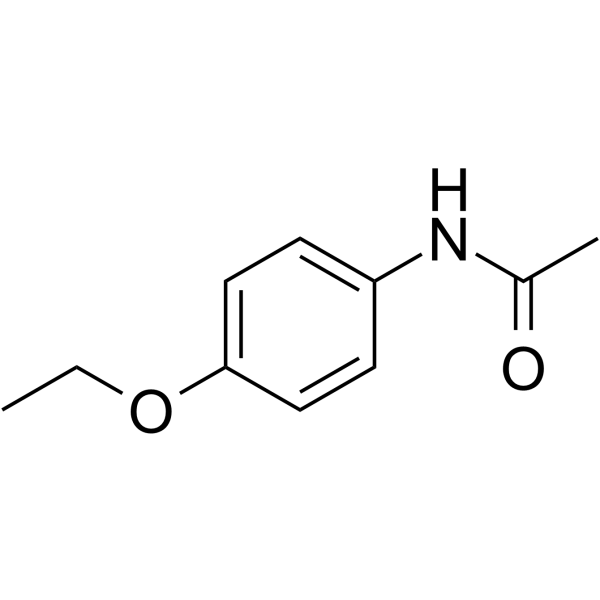
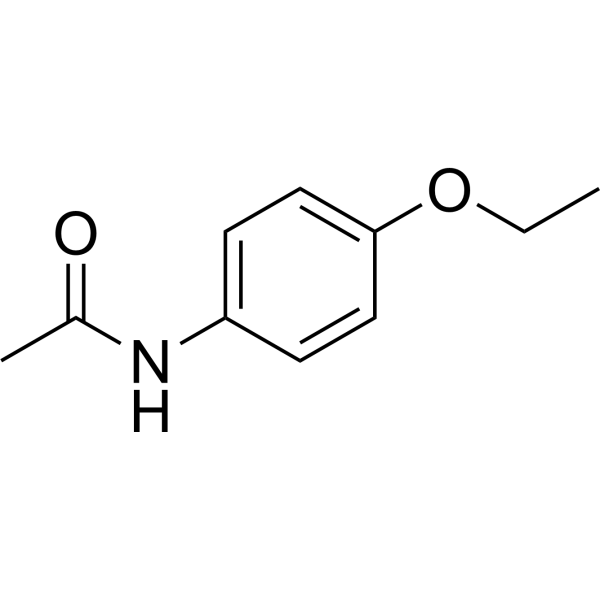
Phenacetin (Acetophenetidin) is a non-opioid analgesic/antipyretic agent. Phenacetin is a selective COX-3 inhibitor. Phenacetin is used as probe of cytochrome P450 enzymes CYP1A2 in human liver microsomes and in rats .
|
-
-
- HY-17001A
-
|
D 9998
|
Potassium Channel
iGluR
GABA Receptor
|
Neurological Disease
Inflammation/Immunology
|
|
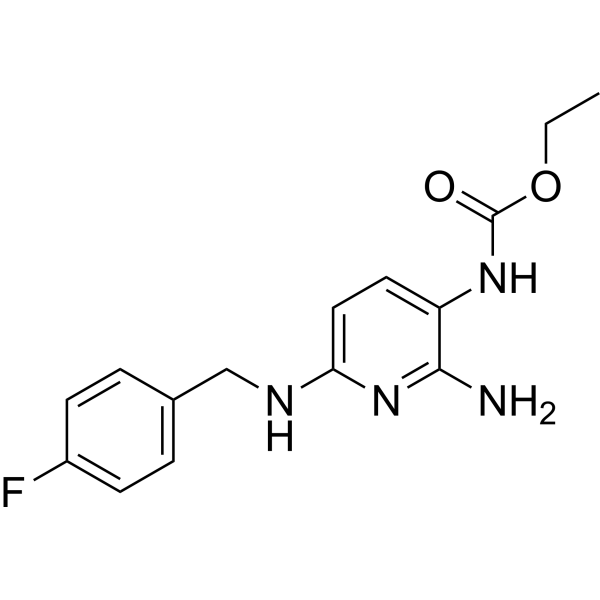
Flupirtine (D 9998) is an orally active, blood-brain barrier-crossing non-opioid analgesic and neuroprotective agent. Flupirtine is a neuronal potassium channel opener (Kv7 activator), a NMDA receptor antagonist and a GABA receptor activator. Flupirtine stabilizes blood-brain-barrier integrity, reduces oxidative stress and brain leukocyte infiltration, enhances angioneurogenesis, suppresses calcium influx, stabilizes neuronal resting membrane potential, and counteracts focal cerebral ischemia. Flupirtine exhibits analgesic, muscle relaxant properties, protects neurons from excitotoxic, ischemic, or cytokine-mediated death. Flupirtine functions as a non-opioid analgesic without antipyretic or antiphlogistic properties, shows no relevant affinity to opiate receptor. Flupirtine can be used for the research of focal cerebral ischemia, pain, Alzheimer’s disease, or multiple sclerosis .
|
-
-
- HY-17001
-
|
D 9998 Maleate
|
Potassium Channel
iGluR
GABA Receptor
|
Neurological Disease
Inflammation/Immunology
|
|
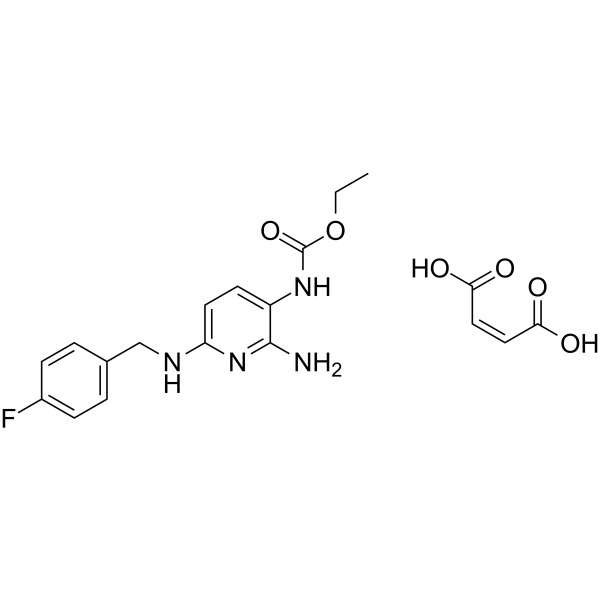
Flupirtine (D 9998) Maleate is an orally active, blood-brain barrier-crossing non-opioid analgesic and neuroprotective agent. Flupirtine Maleate is a neuronal potassium channel opener (Kv7 activator), a NMDA receptor antagonist and a GABA receptor activator. Flupirtine Maleate stabilizes blood-brain-barrier integrity, reduces oxidative stress and brain leukocyte infiltration, enhances angioneurogenesis, suppresses calcium influx, stabilizes neuronal resting membrane potential, and counteracts focal cerebral ischemia. Flupirtine Maleate exhibits analgesic, muscle relaxant properties, protects neurons from excitotoxic, ischemic, or cytokine-mediated death. Flupirtine Maleate functions as a non-opioid analgesic without antipyretic or antiphlogistic properties, shows no relevant affinity to opiate receptor. Flupirtine Maleate can be used for the research of focal cerebral ischemia, pain, Alzheimer’s disease, or multiple sclerosis .
|
-
-
- HY-10233
-
|
Lu 02-030 hydrochloride; THIP hydrochloride
|
GABA Receptor
|
Neurological Disease
|
|
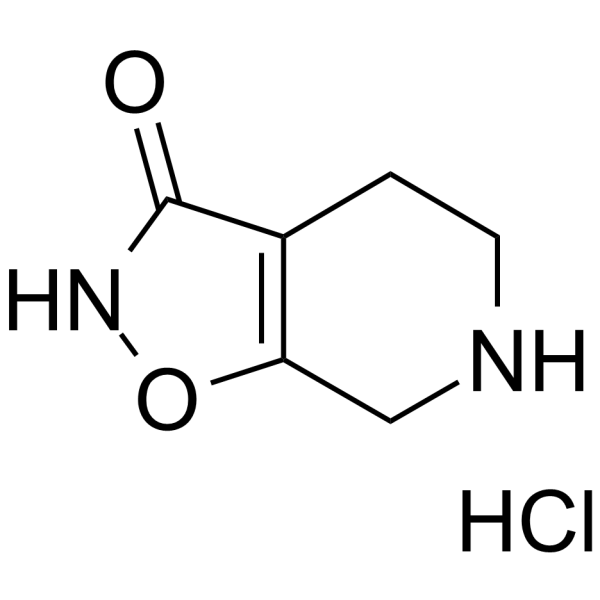
Gaboxadol hydrochloride (Lu 02-030 hydrochloride) is a potent agonist of the GABAA receptor and an antagonist of GABAC receptors (IC50=25 μM). Gaboxadol hydrochloride displays a partial agonist efficacy on subunit α1β2γ2 with an ED50 value of 143 μM, a full agonist efficacy at α5 subunit (ED50=28-129 μM) and a superagonist efficacy at α4β3δ (ED50=6 μM). Gaboxadol hydrochloride is a non-opioid agent .
|
-
-
- HY-135731
-
|
|
COX
Drug Metabolite
|
Inflammation/Immunology
|
|
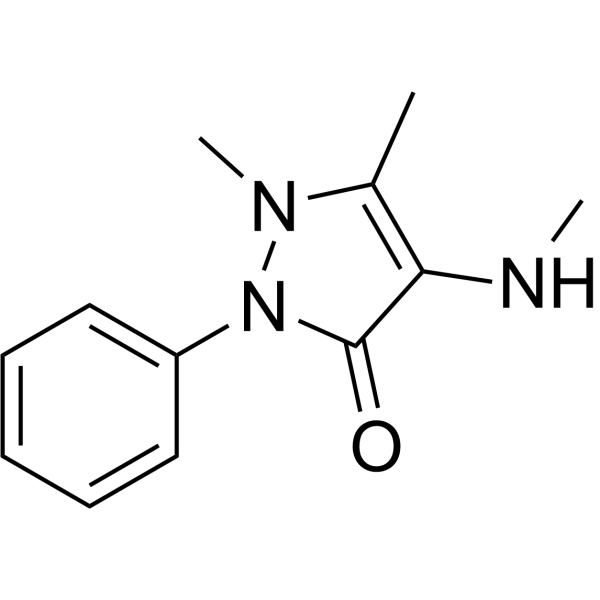
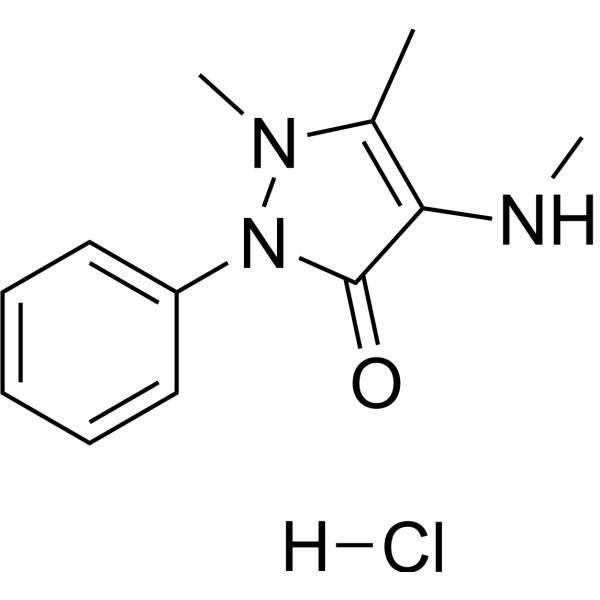
4-Methylamino antipyrine is an active metabolite of Metamizole. Metamizole is a pyrazolone non-steroidal anti-inflammatory drug (NSAID) and inhibits COX. Metamizole is an nonopioid analgesic agent and can be used for pain and fever . 4-Methylamino antipyrine has analgesic, antipyretic, and relatively weak antiinflammatory properties .
|
-
-
- HY-135653
-
EC5026
1 Publications Verification
BPN-19186
|
Epoxide Hydrolase
|
Neurological Disease
|
|
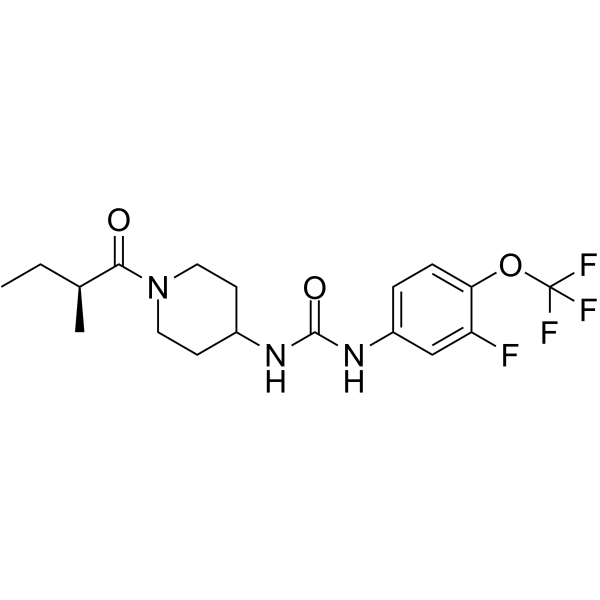
EC5026 (BPN-19186) is a first-in-class, non-opioid and orally active soluble Epoxide Hydrolase (sEH) inhibitor. EC5026 shows efficacy for inflammatory and neuropathic pain .
|
-
-
- HY-B1057
-
|
Fenazoxine hydrochloride
|
β-catenin
|
Neurological Disease
Cancer
|
|
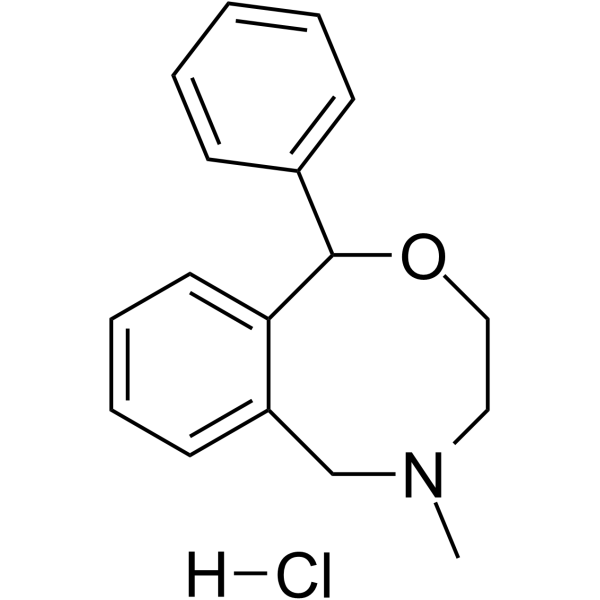
Nefopam hydrochloride (Fenazoxine hydrochloride) is a centrally-acting but non-opioid analgesic drug, for the relief of moderate to severe pain. Nefopam hydrochloride targets β-catenin protein level in mesenchymal cells in-vitro and in-vivo .
|
-
-
- HY-139347
-
|
LY3556050; CNTX-0290
|
Somatostatin Receptor
|
Neurological Disease
|
|
Mazisotine (CNTX-0290) is an orally active, non-opioid somatostatin receptor 4 (SSTR4) agonist with an EC50 of 4.7 nM. Mazisotine exerts significant analgesic effects in various nociceptive (inflammatory, osteoarthritic) and neuropathic pain models. Mazisotine can be used for pain research .
|
-
-
- HY-109067A
-
|
VVZ-149 hydrochloride
|
GlyT
5-HT Receptor
P2X Receptor
|
Neurological Disease
|
|
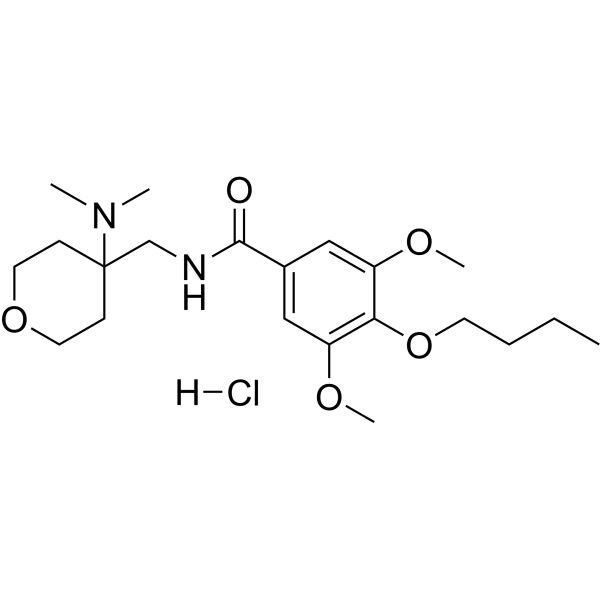
Opiranserin (VVZ-149) hydrochloride, a non-opioid and non-NSAID analgesic candidate, is a dual antagonist of glycine transporter type 2 (GlyT2) and serotonin receptor 2A (5HT2A), with IC50s of 0.86 and 1.3 μM, respectively. Opiranserin hydrochloride shows antagonistic activity on rP2X3 (IC50=0.87 μM). Opiranserin hydrochloride is development as an injectable agent for the treatment of postoperative pain .
|
-
-
- HY-N0885
-
|
Telobufotoxin; Telocinobufogenin
|
JAK
STAT
mTOR
PI3K
Akt
Polo-like Kinase (PLK)
Na+/K+ ATPase
Apoptosis
Bacterial
|
Infection
Cardiovascular Disease
Neurological Disease
Inflammation/Immunology
Cancer
|
|
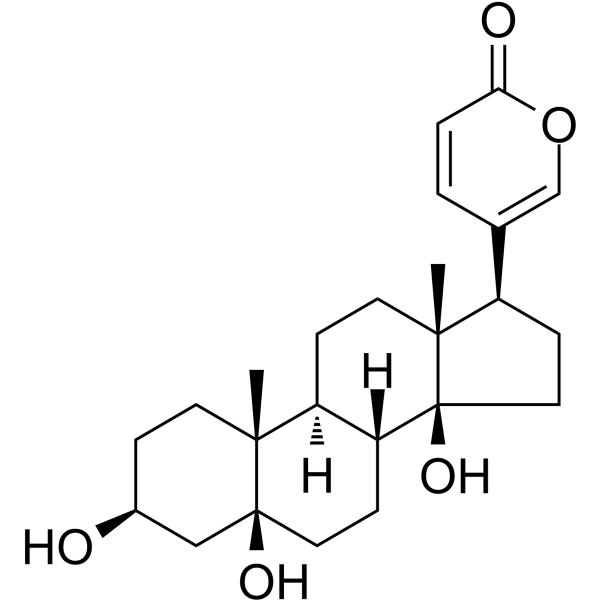
Telocinobufagin (Telobufotoxin; Telocinobufogenin) is an orally active bufadienolide with potential anti-tumor effects. Telocinobufagin exerts its anti-cancer effects on non-small cell carcinoma, osteosarcoma, thyroid cancer, breast cancer and head and neck squamous cell carcinoma by inhibiting the STAT3, JAK2/STAT3, LARP1-mTOR, PI3K/Akt/Snail and PLK1 pathways, and can also induce tumor cell apoptosis. Telocinobufagin enhances the Th1 immune response and protects against Salmonella typhimurium infection. Telocinobufagin has a strong cardiac-stimulating effect by inhibiting the activity of Na +/K +-ATPase, and it can promote renal fibrosis. Telocinobufagin demonstrates non-opioid analgesic effects in various acute pain models .
|
-
-
- HY-B0476S
-
|
Acetophenetidin-d5
|
COX
|
Inflammation/Immunology
|
|
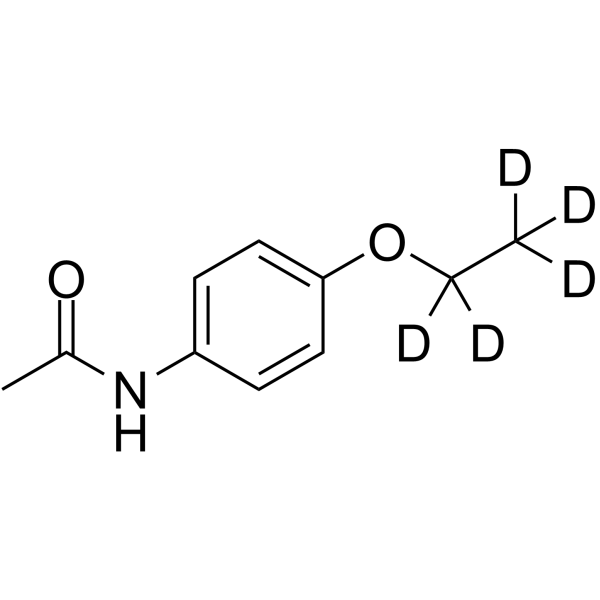
Phenacetin-d5 is the deuterium labeled Phenacetin. Phenacetin (Acetophenetidin) is a non-opioid analgesic/antipyretic agent. Phenacetin is a selective COX-3 inhibitor. Phenacetin is used as probe of cytochrome P450 enzymes CYP1A2 in human liver microsomes and in rats .
|
-
-
- HY-B0476R
-
|
Acetophenetidin (Standard)
|
Reference Standards
COX
|
Inflammation/Immunology
|
|
Phenacetin (Standard) is the analytical standard of Phenacetin. This product is intended for research and analytical applications. Phenacetin (Acetophenetidin) is a non-opioid analgesic/antipyretic agent. Phenacetin is a selective COX-3 inhibitor. Phenacetin is used as probe of cytochrome P450 enzymes CYP1A2 in human liver microsomes and in rats .
|
-
-
- HY-159837
-
-
-
- HY-109067
-
|
VVZ-149
|
GlyT
5-HT Receptor
P2X Receptor
|
Neurological Disease
|
|
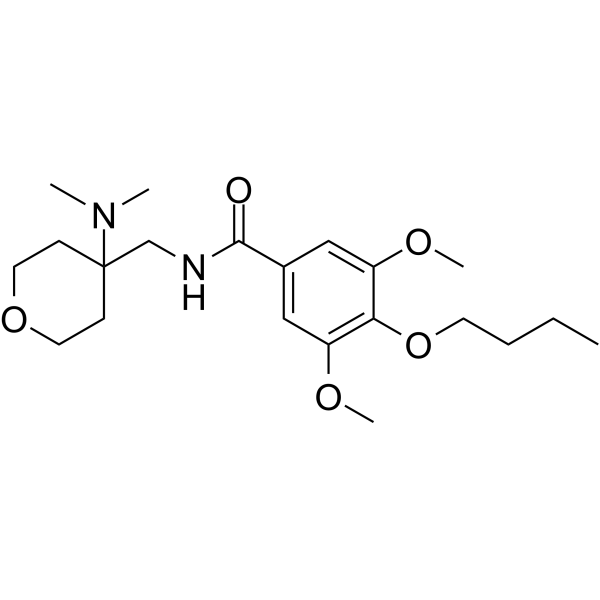
Opiranserin (VVZ-149), a non-opioid and non-NSAID analgesic candidate, is a dual antagonist of glycine transporter type 2 (GlyT2) and serotonin receptor 2A (5HT2A), with IC50s of 0.86 and 1.3 μM, respectively. Opiranserin shows antagonistic activity on rP2X3 (IC50=0.87 μM). Opiranserin is development as an injectable agent for the treatment of postoperative pain .
|
-
-
- HY-135731A
-
|
|
COX
Drug Metabolite
|
Inflammation/Immunology
|
|
4-Methylamino antipyrine hydrochloride is an active metabolite of Metamizole. Metamizole is a pyrazolone non-steroidal anti-inflammatory drug (NSAID) and inhibits COX. Metamizole is an nonopioid analgesic agent and can be used for pain and fever . 4-Methylamino antipyrine hydrochloride has analgesic, antipyretic, and relatively weak antiinflammatory properties .
|
-
-
- HY-159504
-
|
Pregabalin naproxencarbil
|
GABA Receptor
|
Neurological Disease
|
|
Pregabalinum naproxencarbilum (Pregabalin naproxencarbil) is a gabamimetic (GABA) with analgesic effects. Pregabalinum naproxencarbilum is a nonopioid analgesic targeting both inflammatory and neuropathic pain signaling pathways .
|
-
-
- HY-137459
-
|
CA-008
|
TRP Channel
|
Neurological Disease
|
|
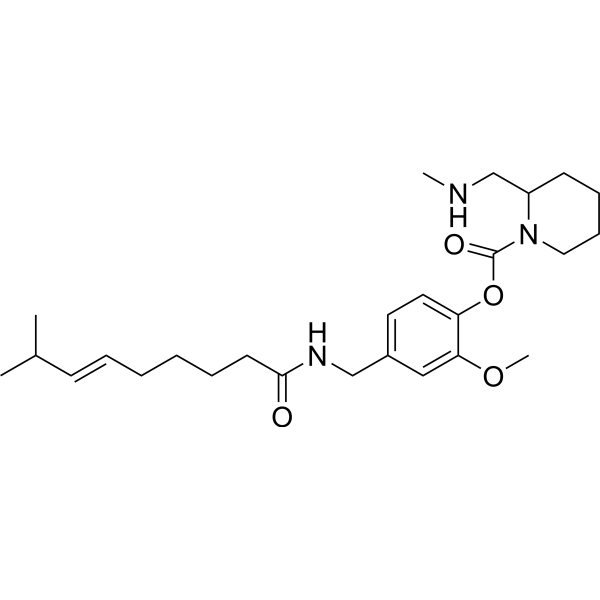
Vocacapsaicin (CA-008), a proagent of Capsaicin, is a first-in-class non-opioid TRPV1 agonist. Vocacapsaicin can provide meaningful and long-lasting pain relief .
|
-
-
- HY-B0476S1
-
|
|
COX
|
Inflammation/Immunology
|
|
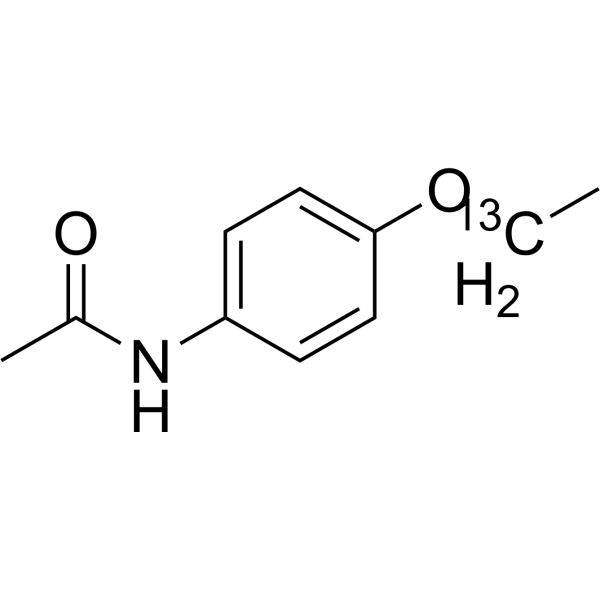
Phenacetin- 13C is the 13C labeled Phenacetin . Phenacetin (Acetophenetidin) is a non-opioid analgesic/antipyretic agent. Phenacetin is a selective COX-3 inhibitor. Phenacetin is used as probe of cytochrome P450 enzymes CYP1A2 in human liver microsomes and in rats .
|
-
-
- HY-110230
-
|
D 9998-d4 hydrochloride
|
Isotope-Labeled Compounds
Potassium Channel
iGluR
GABA Receptor
|
Neurological Disease
Inflammation/Immunology
|
|
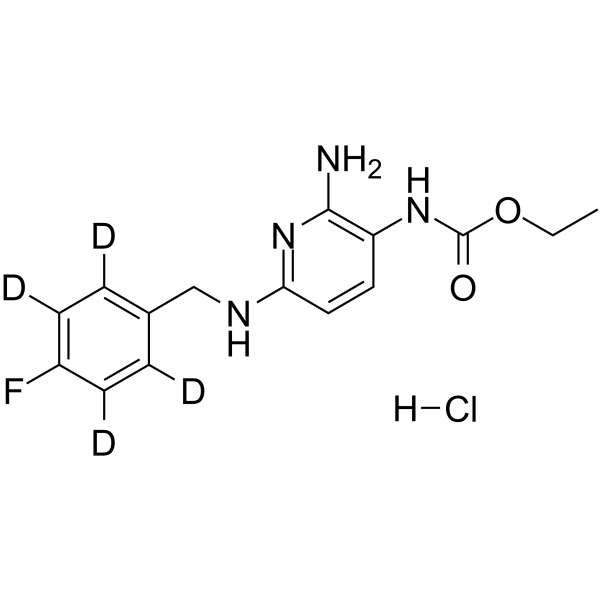
Flupirtine-d4 (D 9998-d4) hydrochloride is the deuterium labeled Flupirtine hydrochloride (HY-W709349). Flupirtine hydrochloride is an orally active, blood-brain barrier-crossing non-opioid analgesic and neuroprotective agent. Flupirtine hydrochloride is a neuronal potassium channel opener (Kv7 activator), a NMDA receptor antagonist and a GABA receptor activator. Flupirtine hydrochloride stabilizes blood-brain-barrier integrity, reduces oxidative stress and brain leukocyte infiltration, enhances angioneurogenesis, suppresses calcium influx, stabilizes neuronal resting membrane potential, and counteracts focal cerebral ischemia. Flupirtine hydrochloride exhibits analgesic, muscle relaxant properties, protects neurons from excitotoxic, ischemic, or cytokine-mediated death. Flupirtine hydrochloride functions as a non-opioid analgesic without antipyretic or antiphlogistic properties, shows no relevant affinity to opiate receptor. Flupirtine hydrochloride can be used for the research of focal cerebral ischemia, pain, Alzheimer’s disease, or multiple sclerosis .
|
-
-
- HY-B1279AS
-
-
-
- HY-B1057S1
-
|
Fenazoxine-d4 hydrochloride
|
Isotope-Labeled Compounds
β-catenin
|
Neurological Disease
|
|
Nefopam-d4 (hydrochloride) is deuterium labeled Nefopam (hydrochloride). Nefopam hydrochloride (Fenazoxine hydrochloride) is a centrally-acting but non-opioid analgesic drug, for the relief of moderate to severe pain. Nefopam hydrochloride targets β-catenin protein level in mesenchymal cells in-vitro and in-vivo .
|
-
-
- HY-B0718
-
|
DA-759
|
Potassium Channel
|
Neurological Disease
|
|
Methoxyflurane disrupts neuronal transmission by interfering with the release and re-uptake of neurotransmitters at post-synaptic terminals, or altering ionic conductance following receptor activation . Methoxyflurane is an analgesic agent that provides rapid short-term analgesia. Methoxyflurane may shows a effective non-opioid treatment option for trauma pain .
|
-
-
- HY-133195
-
|
Fenazoxine
|
Sodium Channel
|
Neurological Disease
|
|
Nefopam (Fenazoxine) is an orally active, non-opioid and non-steroidal centrally acting analgesic agent. Nefopam blocks voltage-sensitive sodium channels (IC50=27 μM) and modulates glutamatergic transmission in rodents. Nefopam can be used in studies of neuropathic pain, anticonvulsant, as well as the prevention of postoperative shivering and hiccups .
|
-
-
- HY-135731AS
-
|
|
Isotope-Labeled Compounds
COX
Drug Metabolite
|
Inflammation/Immunology
|
|
4-Methylamino antipyrine-d3 (hydrochloride) is deuterium labeled 4-Methylamino antipyrine (hydrochloride). 4-Methylamino antipyrine hydrochloride is an active metabolite of Metamizole. Metamizole is a pyrazolone non-steroidal anti-inflammatory drug (NSAID) and inhibits COX. Metamizole is an nonopioid analgesic agent and can be used for pain and fever . 4-Methylamino antipyrine hydrochloride has analgesic, antipyretic, and relatively weak antiinflammatory properties .
|
-
-
- HY-135731AR
-
|
|
Reference Standards
COX
Drug Metabolite
|
Inflammation/Immunology
|
|
4-Methylamino antipyrine (hydrochloride) (Standard) is the analytical standard of 4-Methylamino antipyrine (hydrochloride). This product is intended for research and analytical applications. 4-Methylamino antipyrine hydrochloride is an active metabolite of Metamizole. Metamizole is a pyrazolone non-steroidal anti-inflammatory drug (NSAID) and inhibits COX. Metamizole is an nonopioid analgesic agent and can be used for pain and fever . 4-Methylamino antipyrine hydrochloride has analgesic, antipyretic, and relatively weak antiinflammatory properties .
|
-
-
- HY-135731R
-
|
|
Reference Standards
COX
Drug Metabolite
|
Inflammation/Immunology
|
|
4-Methylamino antipyrine (Standard) is the analytical standard of 4-Methylamino antipyrine. This product is intended for research and analytical applications. 4-Methylamino antipyrine is an active metabolite of Metamizole. Metamizole is a pyrazolone non-steroidal anti-inflammatory drug (NSAID) and inhibits COX. Metamizole is an nonopioid analgesic agent and can be used for pain and fever . 4-Methylamino antipyrine has analgesic, antipyretic, and relatively weak antiinflammatory properties .
|
-
-
- HY-106873A
-
|
|
Drug Derivative
|
Others
|
|
Nepinalone hydrochloride, an alchilaminate derivative of β-tetralone and an orally active cough suppressant, possesses a non-opioid antitussive activity .
|
-
-
- HY-106873
-
|
|
Drug Derivative
|
Others
|
|
Nepinalone, an alchilaminate derivative of β-tetralone and an orally active cough suppressant, possesses a non-opioid antitussive activity .
|
-
-
- HY-137459A
-
|
CA-008 hydrochloride
|
TRP Channel
|
Neurological Disease
|
|
Vocacapsaicin (CA-008) hydrochloride, a proagent of Capsaicin, is a first-in-class non-opioid TRPV1 agonist. Vocacapsaicin hydrochloride can provide meaningful and long-lasting pain relief .
|
-
-
- HY-160991
-
-
-
- HY-B1057S2
-
|
Fenazoxine-d3
|
β-catenin
|
Neurological Disease
|
|
Nefopam-d3 is a deuterium labeled Nefopam (Fenazoxine). Nefopam is a centrally-acting but non-opioid analgesic drug, and Nefopam targets β-catenin protein level in mesenchymal cells .
|
-
-
- HY-133115AS
-
|
|
Isotope-Labeled Compounds
β-catenin
|
Neurological Disease
|
|
N-Desmethylnefopam-d5 (hydrochloride) is a deuterium labeled N-Desmethylnefopam hydrochloride. N-Desmethylnefopam hydrochloride is the main metabolite of Nefopam. N-Desmethylnefopam hydrochloride is a centrally-acting but non-opioid analgesic agent, for the relief of moderate to severe pain .
|
-
-
- HY-160991A
-
|
SP-204 dihydrochloride
|
Phosphodiesterase (PDE)
|
Others
Neurological Disease
|
|
Menabitan dihydrochloride (SP-204 dihydrochloride) is the dihydrochloride form of Menabitan (HY-160991). Menabitan dihydrochloride is an inhibitor for phosphodiesterase 9 (PDE 9), which acts as a non-opioid analgesic agent. Menabitan dihydrochloride lowers the intraocular pressure in rabbit model .
|
-
-
- HY-117091
-
|
|
Opioid Receptor
|
Neurological Disease
Inflammation/Immunology
|
|
DDD-028 is a potent non-opioid, non-cannabinoid analgesic which attenuates neuropathic and inflammatory pain without the possible side effects or abuse potential associated with opioid or cannabinoid activities. DDD-028 can be utilized in analgesic research .
|
-
-
- HY-162347
-
|
|
Sodium Channel
|
Neurological Disease
|
|
Nav1.7-IN-13 (compound 3g) is a sodium channel inhibitor that significantly inhibits Veratridine (HY-N6691)-induced neuronal activity. Nav1.7-IN-13 inhibits total Na+ current in DRG neurons in a concentration-dependent manner; slows down the activation of Navs. Nav1.7-IN-13 significantly alleviated mechanical pain behavior in a rat model of nerve injury (SNI) and had analgesic activity .
|
-
-
- HY-133115
-
|
|
β-catenin
|
Neurological Disease
|
|
N-Desmethylnefopam is the main metabolite of Nefopam. N-Desmethylnefopam is a centrally-acting but non-opioid analgesic agent, for the relief of moderate to severe pain. Nefopam targets β-catenin protein level in mesenchymal cells in-vitro and in-vivo .
|
-
-
- HY-B1057S
-
|
Fenazoxine-d3 hydrochloride
|
β-catenin
|
Neurological Disease
|
|
Nefopam-d3 (hydrochloride) is the deuterium labeled Nefopam hydrochloride. Nefopam hydrochloride (Fenazoxine hydrochloride) is a centrally-acting but non-opioid analgesic drug, for the relief of moderate to severe pain. Nefopam hydrochloride targets β-catenin protein level in mesenchymal cells in-vitro and in-vivo .
|
-
-
- HY-W015618R
-
|
|
Reference Standards
Endogenous Metabolite
|
Metabolic Disease
|
|
Nefopam (hydrochloride) (Standard) is the analytical standard of Nefopam (hydrochloride). This product is intended for research and analytical applications. Nefopam hydrochloride (Fenazoxine hydrochloride) is a centrally-acting but non-opioid analgesic drug, for the relief of moderate to severe pain. Nefopam hydrochloride targets β-catenin protein level in mesenchymal cells in-vitro and in-vivo .
|
-
-
- HY-B1057R
-
|
Fenazoxine hydrochloride (Standard)
|
Reference Standards
β-catenin
|
Neurological Disease
Cancer
|
|
Nefopam (hydrochloride) (Standard) is the analytical standard of Nefopam (hydrochloride). This product is intended for research and analytical applications. Nefopam hydrochloride (Fenazoxine hydrochloride) is a centrally-acting but non-opioid analgesic drug, for the relief of moderate to severe pain. Nefopam hydrochloride targets β-catenin protein level in mesenchymal cells in-vitro and in-vivo .
|
-
-
- HY-139347A
-
|
LY3556050 tartrate; CNTX-0290 tartrate
|
Somatostatin Receptor
|
Neurological Disease
|
|
Mazisotine (CNTX-0290) tartrate is an orally active, non-opioid somatostatin receptor 4 (SSTR4) agonist with an EC50 of 4.7 nM. Mazisotine tartrate exerts significant analgesic effects in various nociceptive (inflammatory, osteoarthritic) and neuropathic pain models. Mazisotine tartrate can be used for pain research .
|
-
-
- HY-W709349
-
|
D 9998 hydrochloride
|
Potassium Channel
iGluR
GABA Receptor
|
Neurological Disease
Inflammation/Immunology
|
|
Flupirtine (D 9998) hydrochloride is an orally active, blood-brain barrier-crossing non-opioid analgesic and neuroprotective agent. Flupirtine hydrochloride is a neuronal potassium channel opener (Kv7 activator), a NMDA receptor antagonist and a GABA receptor activator. Flupirtine hydrochloride stabilizes blood-brain-barrier integrity, reduces oxidative stress and brain leukocyte infiltration, enhances angioneurogenesis, suppresses calcium influx, stabilizes neuronal resting membrane potential, and counteracts focal cerebral ischemia. Flupirtine hydrochloride exhibits analgesic, muscle relaxant properties, protects neurons from excitotoxic, ischemic, or cytokine-mediated death. Flupirtine hydrochloride functions as a non-opioid analgesic without antipyretic or antiphlogistic properties, shows no relevant affinity to opiate receptor. Flupirtine hydrochloride can be used for the research of focal cerebral ischemia, pain, Alzheimer’s disease, or multiple sclerosis .
|
-
-
- HY-133115S
-
|
|
Isotope-Labeled Compounds
β-catenin
|
Neurological Disease
|
|
N-Desmethylnefopam-d5 is the deuterium labeled N-Desmethylnefopam (HY-133115). N-Desmethylnefopam is the main metabolite of Nefopam. N-Desmethylnefopam is a centrally-acting but non-opioid analgesic agent, for the relief of moderate to severe pain. Nefopam targets β-catenin protein level in mesenchymal cells in-vitro and in-vivo .
|
-
-
- HY-17001R
-
|
D 9998 Maleate (Standard)
|
Reference Standards
Potassium Channel
iGluR
GABA Receptor
|
Neurological Disease
Inflammation/Immunology
|
|
Flupirtine Maleate (Standard) is the analytical standard of Flupirtine Maleate (HY-17001). This product is intended for research and analytical applications. Flupirtine Maleate is an orally active, blood-brain barrier-crossing non-opioid analgesic and neuroprotective agent. Flupirtine Maleate is a neuronal potassium channel opener (Kv7 activator), a NMDA receptor antagonist and a GABA receptor activator. Flupirtine Maleate stabilizes blood-brain-barrier integrity, reduces oxidative stress and brain leukocyte infiltration, enhances angioneurogenesis, suppresses calcium influx, stabilizes neuronal resting membrane potential, and counteracts focal cerebral ischemia. Flupirtine Maleate exhibits analgesic, muscle relaxant properties, protects neurons from excitotoxic, ischemic, or cytokine-mediated death. Flupirtine Maleate functions as a non-opioid analgesic without antipyretic or antiphlogistic properties, shows no relevant affinity to opiate receptor. Flupirtine Maleate can be used for the research of focal cerebral ischemia, pain, Alzheimer’s disease, or multiple sclerosis .
|
-
-
- HY-17001AR
-
|
D 9998 (Standard)
|
Reference Standards
Potassium Channel
iGluR
GABA Receptor
|
Neurological Disease
Inflammation/Immunology
|
|
Flupirtine (Standard) (D 9998 (Standard)) is the analytical standard of Flupirtine (HY-17001A). This product is intended for research and analytical applications. Flupirtine is an orally active, blood-brain barrier-crossing non-opioid analgesic and neuroprotective agent. Flupirtine is a neuronal potassium channel opener (Kv7 activator), a NMDA receptor antagonist and a GABA receptor activator. Flupirtine stabilizes blood-brain-barrier integrity, reduces oxidative stress and brain leukocyte infiltration, enhances angioneurogenesis, suppresses calcium influx, stabilizes neuronal resting membrane potential, and counteracts focal cerebral ischemia. Flupirtine exhibits analgesic, muscle relaxant properties, protects neurons from excitotoxic, ischemic, or cytokine-mediated death. Flupirtine functions as a non-opioid analgesic without antipyretic or antiphlogistic properties, shows no relevant affinity to opiate receptor. Flupirtine can be used for the research of focal cerebral ischemia, pain, Alzheimer’s disease, or multiple sclerosis .
|
-
-
- HY-W707708
-
|
|
Isotope-Labeled Compounds
COX
|
Inflammation/Immunology
|
|
N-(4-Ethoxyphenyl)acetamide-2,2,2-d3 is the deuterium labeled Phenacetin (HY-B0476). Phenacetin (Acetophenetidin) is a non-opioid analgesic/antipyretic agent. Phenacetin is a selective COX-3 inhibitor. Phenacetin is used as probe of cytochrome P450 enzymes CYP1A2 in human liver microsomes and in rats .
|
-
-
- HY-10233R
-
|
Lu 02-030 hydrochloride (Standard); THIP hydrochloride (Standard)
|
Reference Standards
GABA Receptor
|
Neurological Disease
|
|
Gaboxadol (hydrochloride) (Standard) is the analytical standard of Gaboxadol (hydrochloride). This product is intended for research and analytical applications. Gaboxadol hydrochloride (Lu 02-030 hydrochloride) is a potent agonist of the GABAA receptor and an antagonist of GABAC receptors (IC50=25 μM). Gaboxadol hydrochloride displays a partial agonist efficacy on subunit α1β2γ2 with an ED50 value of 143 μM, a full agonist efficacy at α5 subunit (ED50=28-129 μM) and a superagonist efficacy at α4β3δ (ED50=6 μM). Gaboxadol hydrochloride is a non-opioid agent .
|
-
-
- HY-180559
-
|
|
nAChR
Interleukin Related
|
Inflammation/Immunology
|
|
nAChR antagonist 2 is a selective nAChR antagonist. nAChR antagonist 2 inhibits nAChR subtype including hα9α10, hα9, and hα7 with IC50 values of 16.0 nM, 26.2 nM, and 336.3 nM, respectively, in Xenopus oocytes. nAChR antagonist 2 suppresses ATP-induced IL-1β release at nanomolar concentrations. nAChR antagonist 2 can be used for nonopioid analgesics and immunomodulators research .
|
-
-
- HY-106873AR
-
|
|
Drug Derivative
Reference Standards
|
Others
|
|
Nepinalone hydrochloride (Standard) is the analytical standard of Nepinalone (hydrochloride) (HY-106873A). This product is intended for research and analytical applications. Nepinalone hydrochloride, an alchilaminate derivative of β-tetralone and an orally active cough suppressant, possesses a non-opioid antitussive activity .
|
-
-
- HY-114235
-
|
|
Drug Intermediate
|
Neurological Disease
|
|
SCP-1 (Compound C-1) is the key intermediate for synthesizing the non-opioid analgesic drug SRP-3D (DA). SCP-1 can be used for the research of neurological disease, such as pain-related diseases .
|
-
-
- HY-W709349S
-
|
D 9998-d6 hydrochloride
|
Isotope-Labeled Compounds
Potassium Channel
iGluR
GABA Receptor
|
Neurological Disease
|
|
Flupirtine-d6 (D 9998-d6) hydrochloride is the deuterium labeled Flupirtine hydrochloride (HY-W709349). Flupirtine hydrochloride is an orally active, blood-brain barrier-crossing non-opioid analgesic and neuroprotective agent. Flupirtine hydrochloride is a neuronal potassium channel opener (Kv7 activator), a NMDA receptor antagonist and a GABA receptor activator. Flupirtine hydrochloride stabilizes blood-brain-barrier integrity, reduces oxidative stress and brain leukocyte infiltration, enhances angioneurogenesis, suppresses calcium influx, stabilizes neuronal resting membrane potential, and counteracts focal cerebral ischemia. Flupirtine hydrochloride exhibits analgesic, muscle relaxant properties, protects neurons from excitotoxic, ischemic, or cytokine-mediated death. Flupirtine hydrochloride functions as a non-opioid analgesic without antipyretic or antiphlogistic properties, shows no relevant affinity to opiate receptor. Flupirtine hydrochloride can be used for the research of focal cerebral ischemia, pain, Alzheimer’s disease, or multiple sclerosis .
|
-
- HY-W701503
-
|
|
Isotope-Labeled Compounds
COX
Drug Metabolite
|
Inflammation/Immunology
|
|
4-Methylamino antipyrine-d3-1 is the deuterium labeled 4-Methylamino antipyrine-1. 4-Methylamino antipyrine is an active metabolite of Metamizole. Metamizole is a pyrazolone non-steroidal anti-inflammatory drug (NSAID) and inhibits COX. Metamizole is an nonopioid analgesic agent and can be used for pain and fever . 4-Methylamino antipyrine has analgesic, antipyretic, and relatively weak antiinflammatory properties .
|
-
- HY-109067AR
-
|
VVZ-149 hydrochloride (Standard)
|
Reference Standards
GlyT
5-HT Receptor
P2X Receptor
|
Neurological Disease
|
|
Opiranserin hydrochloride (Standard) is the analytical standard of Opiranserin (hydrochloride) (HY-109067A). This product is intended for research and analytical applications. Opiranserin (VVZ-149) hydrochloride, a non-opioid and non-NSAID analgesic candidate, is a dual antagonist of glycine transporter type 2 (GlyT2) and serotonin receptor 2A (5HT2A), with IC50s of 0.86 and 1.3 μM, respectively. Opiranserin hydrochloride shows antagonistic activity on rP2X3 (IC50=0.87 μM). Opiranserin hydrochloride is development as an injectable agent for the treatment of postoperative pain .
|
-
| Cat. No. |
Product Name |
Category |
Target |
Chemical Structure |
| Cat. No. |
Product Name |
Chemical Structure |
-
- HY-B0476S
-
|
|
|
Phenacetin-d5 is the deuterium labeled Phenacetin. Phenacetin (Acetophenetidin) is a non-opioid analgesic/antipyretic agent. Phenacetin is a selective COX-3 inhibitor. Phenacetin is used as probe of cytochrome P450 enzymes CYP1A2 in human liver microsomes and in rats .
|
-
-
- HY-B0476S1
-
|
|
|
Phenacetin- 13C is the 13C labeled Phenacetin . Phenacetin (Acetophenetidin) is a non-opioid analgesic/antipyretic agent. Phenacetin is a selective COX-3 inhibitor. Phenacetin is used as probe of cytochrome P450 enzymes CYP1A2 in human liver microsomes and in rats .
|
-
-
- HY-B1279AS
-
|
|
|
Metamizole-d3 sodium is the deuterium labeled Metamizole sodium. Metamizole sodium is a non-opioid compound with excellent analgesic and antipyretic effects. Metamizole sodium is a cyclooxygenase-3 (COX-3) inhibitor .
|
-
-
- HY-B1057S1
-
|
|
|
Nefopam-d4 (hydrochloride) is deuterium labeled Nefopam (hydrochloride). Nefopam hydrochloride (Fenazoxine hydrochloride) is a centrally-acting but non-opioid analgesic drug, for the relief of moderate to severe pain. Nefopam hydrochloride targets β-catenin protein level in mesenchymal cells in-vitro and in-vivo .
|
-
-
- HY-135731AS
-
|
|
|
4-Methylamino antipyrine-d3 (hydrochloride) is deuterium labeled 4-Methylamino antipyrine (hydrochloride). 4-Methylamino antipyrine hydrochloride is an active metabolite of Metamizole. Metamizole is a pyrazolone non-steroidal anti-inflammatory drug (NSAID) and inhibits COX. Metamizole is an nonopioid analgesic agent and can be used for pain and fever . 4-Methylamino antipyrine hydrochloride has analgesic, antipyretic, and relatively weak antiinflammatory properties .
|
-
-
- HY-B1057S2
-
|
|
|
Nefopam-d3 is a deuterium labeled Nefopam (Fenazoxine). Nefopam is a centrally-acting but non-opioid analgesic drug, and Nefopam targets β-catenin protein level in mesenchymal cells .
|
-
-
- HY-133115AS
-
|
|
|
N-Desmethylnefopam-d5 (hydrochloride) is a deuterium labeled N-Desmethylnefopam hydrochloride. N-Desmethylnefopam hydrochloride is the main metabolite of Nefopam. N-Desmethylnefopam hydrochloride is a centrally-acting but non-opioid analgesic agent, for the relief of moderate to severe pain .
|
-
-
- HY-B1057S
-
|
|
|
Nefopam-d3 (hydrochloride) is the deuterium labeled Nefopam hydrochloride. Nefopam hydrochloride (Fenazoxine hydrochloride) is a centrally-acting but non-opioid analgesic drug, for the relief of moderate to severe pain. Nefopam hydrochloride targets β-catenin protein level in mesenchymal cells in-vitro and in-vivo .
|
-
-
- HY-133115S
-
|
|
|
N-Desmethylnefopam-d5 is the deuterium labeled N-Desmethylnefopam (HY-133115). N-Desmethylnefopam is the main metabolite of Nefopam. N-Desmethylnefopam is a centrally-acting but non-opioid analgesic agent, for the relief of moderate to severe pain. Nefopam targets β-catenin protein level in mesenchymal cells in-vitro and in-vivo .
|
-
-
- HY-W707708
-
|
|
|
N-(4-Ethoxyphenyl)acetamide-2,2,2-d3 is the deuterium labeled Phenacetin (HY-B0476). Phenacetin (Acetophenetidin) is a non-opioid analgesic/antipyretic agent. Phenacetin is a selective COX-3 inhibitor. Phenacetin is used as probe of cytochrome P450 enzymes CYP1A2 in human liver microsomes and in rats .
|
-
-
- HY-W709349S
-
|
|
|
Flupirtine-d6 (D 9998-d6) hydrochloride is the deuterium labeled Flupirtine hydrochloride (HY-W709349). Flupirtine hydrochloride is an orally active, blood-brain barrier-crossing non-opioid analgesic and neuroprotective agent. Flupirtine hydrochloride is a neuronal potassium channel opener (Kv7 activator), a NMDA receptor antagonist and a GABA receptor activator. Flupirtine hydrochloride stabilizes blood-brain-barrier integrity, reduces oxidative stress and brain leukocyte infiltration, enhances angioneurogenesis, suppresses calcium influx, stabilizes neuronal resting membrane potential, and counteracts focal cerebral ischemia. Flupirtine hydrochloride exhibits analgesic, muscle relaxant properties, protects neurons from excitotoxic, ischemic, or cytokine-mediated death. Flupirtine hydrochloride functions as a non-opioid analgesic without antipyretic or antiphlogistic properties, shows no relevant affinity to opiate receptor. Flupirtine hydrochloride can be used for the research of focal cerebral ischemia, pain, Alzheimer’s disease, or multiple sclerosis .
|
-
-
- HY-W701503
-
|
|
|
4-Methylamino antipyrine-d3-1 is the deuterium labeled 4-Methylamino antipyrine-1. 4-Methylamino antipyrine is an active metabolite of Metamizole. Metamizole is a pyrazolone non-steroidal anti-inflammatory drug (NSAID) and inhibits COX. Metamizole is an nonopioid analgesic agent and can be used for pain and fever . 4-Methylamino antipyrine has analgesic, antipyretic, and relatively weak antiinflammatory properties .
|
-
Your information is safe with us. * Required Fields.
Inquiry Information
- Product Name:
- Cat. No.:
- Quantity:
- MCE Japan Authorized Agent:

