

1. Search Result
Search Result
Pathways Recommended: Immunology/Inflammation
Results for "

ocular inflammation

" in MedChemExpress (MCE) Product Catalog:

32

Inhibitors & Agonists

1

Biochemical Assay Reagents

3

Peptides

2

Isotope-Labeled Compounds

Cat. No. Product Name Target Research Areas Chemical Structure
  • HY-B1888B

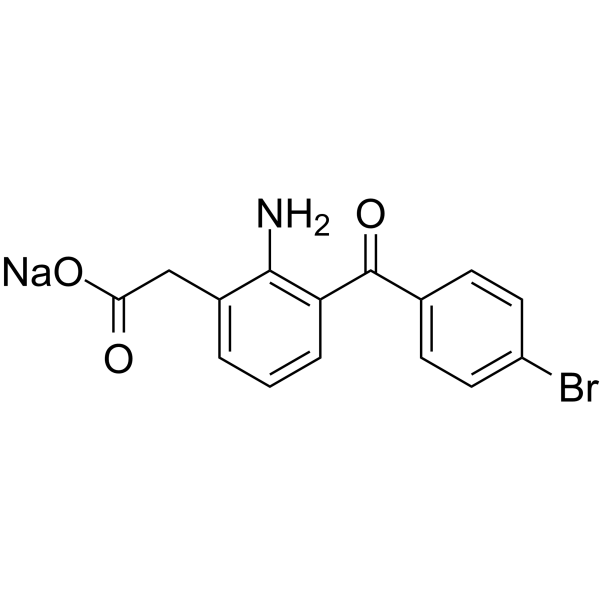
    Bromfenac monosodium salt sesquihydrate

    COX Infection Inflammation/Immunology
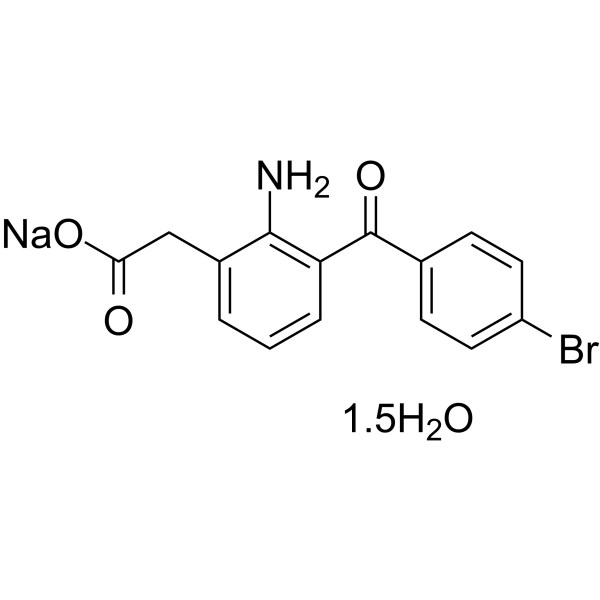
    Bromfenac sodium hydrate (Bromfenac monosodium salt sesquihydrate) is a potent and orally active inhibitor of COX, with IC50s of 5.56 and 7.45 nM for COX-1 and COX-2, respectively. Bromfenac sodium hydrate can be used in ocular inflammation research .
    Bromfenac sodium hydrate
  • HY-B0580
    Ketorolac
    3 Publications Verification

    RS37619

    COX Apoptosis Inflammation/Immunology Cancer
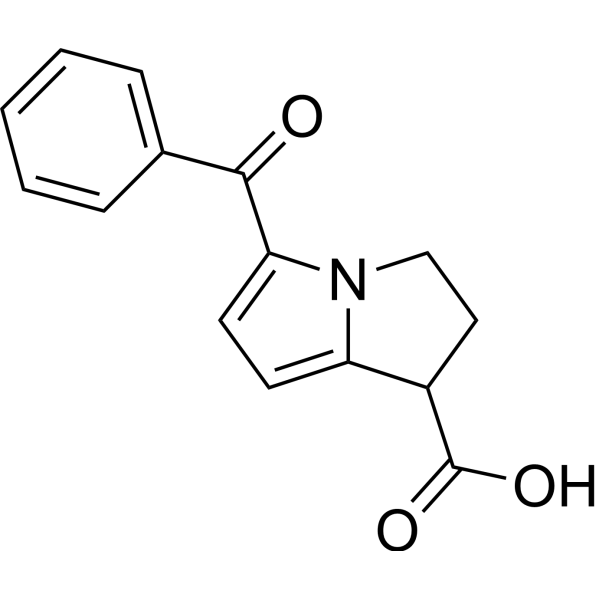
    Ketorolac (RS37619) is a non-steroidal anti-inflammatory drug (NSAID), acting as a nonselective COX inhibitor, with IC50s of 20 nM for COX-1 and 120 nM for COX-2. Ketorolac tromethamine is used as 0.5% ophthalmic solution for the research of allergic conjunctivitis, cystoid macular edema, intraoperative miosis, and postoperative ocular inflammation and pain. Ketorolac tromethamine is also a DDX3 inhibitor that can be used for cancer research .
    Ketorolac
  • HY-B1888A

    COX Infection Inflammation/Immunology
    Bromfenac sodium is a potent and orally active inhibitor of COX, with IC50s of 5.56 and 7.45 nM for COX-1 and COX-2, respectively. Bromfenac sodium can be used in ocular inflammation research .
    Bromfenac sodium
  • HY-17569

    Phospholipase Inflammation/Immunology
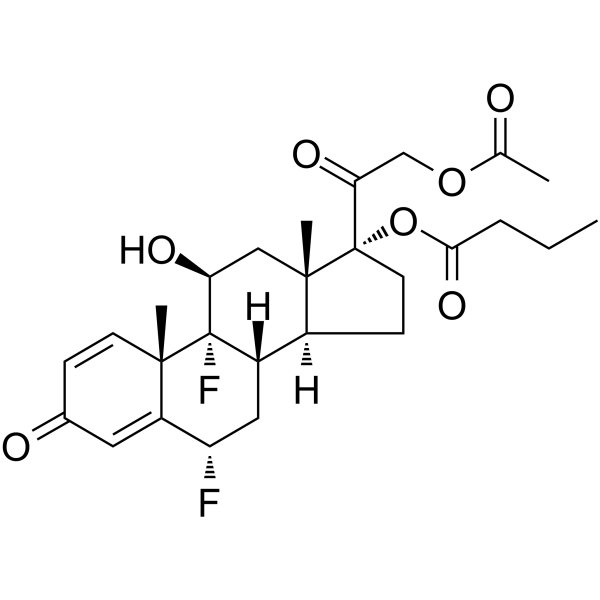
    Difluprednate is a glucocorticoid receptor (GC receptor) agonist with a Ki of 0.78 nM. Difluprednate's active metabolite 21-deacetylated difluprednate (DFB) is a competitive agonist of GC receptors with a Ki of 0.061 nM. Difluprednate binds to GC receptors through metabolism to DFB, regulating the transcription of inflammatory mediator genes, thereby exerting anti-inflammatory activity. Difluprednate can be used for research related to ocular inflammation, such as postoperative inflammation, anterior uveitis, etc .
    Difluprednate
  • HY-106449

    DA-6034 free acid

    NF-κB COX Apoptosis ERK Calcium Channel Inflammation/Immunology Cancer
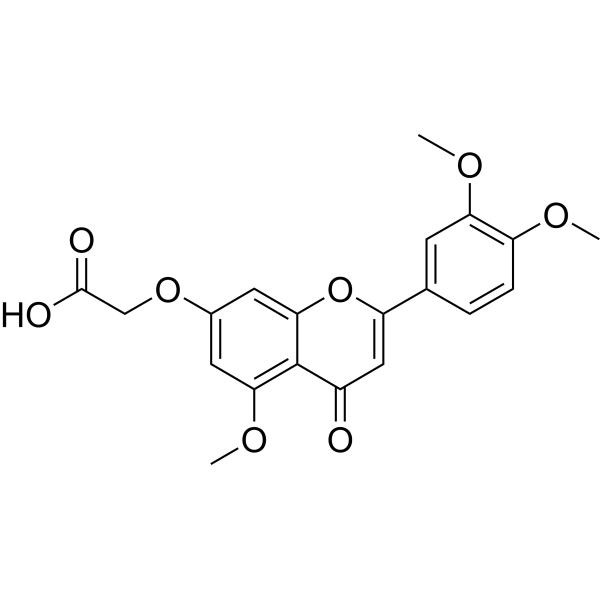
    Recoflavone (DA-6034 (free acid)), a synthetic derivative of the flavonoid Eupatilin (HY-N0783), is orally active. Recoflavone can inhibit the NF-κB pathway and induce [Ca( 2+)]i increase in epithelial cells. Recoflavone exhibits activities such as anti-inflammation, anti-tumor effects, protection of gastric and intestinal mucosa, and promotion of secretion in the ocular surface and salivary glands. Recoflavone can be used for the research of diseases such as dry eye, gastric injury, and intestinal injury .
    Recoflavone
  • HY-17357

    AHR 9434; AL 6515

    COX Prostaglandin Receptor Neurological Disease Inflammation/Immunology Endocrinology Cancer
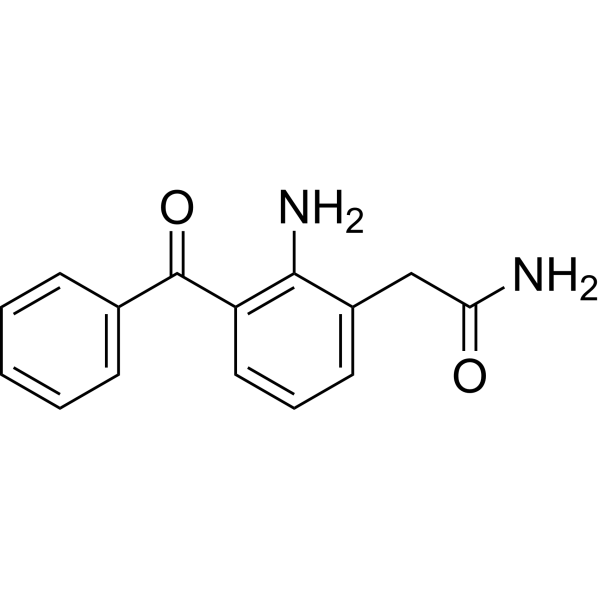
    Nepafenac (AHR 9434; AL 6515), a nonsteroidal anti-inflammatory agent, is a topically administered COX-2 inhibitor with an IC50 of 0.12 μM. Nepafenac exhibits only weak COX-1 inhibitory activity (IC50 = 64.3 μM). Nepafenac possesses unique prodrug properties, which enable it to rapidly convert into the active metabolite Amfenac (HY-17479) in the ocular tissues, thereby achieving high concentrations in the retina and choroid. Nepafenac reduces inflammation and pain by inhibiting the activity of cyclooxygenase (COX) enzymes and thereby decreasing the production of prostaglandin PGE. Nepafenac can delay the metastasis of uveal melanoma (UM) in rabbit eyes. Nepafenac is mainly used for pain management and inflammation control after ophthalmic surgeries .
    Nepafenac
  • HY-159069

    Toll-like Receptor (TLR) TNF Receptor Connexin Infection Cancer
    Zymosan (ZM), 95% is a yeast cell wall-derived carbohydrate-rich preparation and immunomodulator. Zymosan (ZM), 95% binds to and activates TLR-2, TLR-4, and Dectin-1 receptor to trigger downstream signaling pathways. Zymosan (ZM), 95% upregulates TLR-2, TLR-4, and TNF-α mRNA expression, increases serum TNF-α levels, and stimulates splenocyte number and viability in mice. Zymosan (ZM), 95% attenuates melanoma growth progression, modulates macrophage marker gene expression, and mediates phagocytosis, ROS generation, and cytokine production. Zymosan (ZM), 95% reduces Connexin 43 protein and mRNA levels, inhibits gap junctional intercellular communication, and induces proinflammatory factor production in human corneal cells. Zymosan (ZM), 95% induces peritoneal inflammation in mice, functions as a drug carrier, and supports fibroblast cell attachment in hydrogel formulations. Zymosan (ZM), 95% can be used for the research of melanoma, tumors, fungal keratitis, ocular surface inflammatory disorders, and peritoneal inflammation .
    Zymosan (ZM), 95%
  • HY-P3369

    AXT-107

    VEGFR Tie Akt Cardiovascular Disease Metabolic Disease Inflammation/Immunology
    Gersizangitide (AXT107) is an anti-angiogenic peptide consisting of 20 amino acids, derived from collagen IV. Gersizangitide is an inhibitor of VEGF-A and VEGF-C and an activator of Tie2. Gersizangitide can block VEGF receptor signaling, inhibit vascular leakage, neovascularization and inflammation. Gersizangitide can be used in the research of diseases related to ocular neovascularization and angiogenesis .
    Gersizangitide
  • HY-P10019

    NLY01

    GCGR Neurological Disease Inflammation/Immunology
    Pegsebrenatide (NLY01) is a blood-brain barrier-penetrant GLP-1R agonist. Pegsebrenatide alleviates retinal inflammation and neuronal death secondary to ocular hypertension . Pegsebrenatide significantly delays onset and reduces disease severity in experimental autoimmune encephalomyelitis . Pegsebrenatide inhibits the formation of A1 reactive astrocytes in nerve cells and reduces the loss of retinal ganglion cells and dopaminergic neurons. Pegsebrenatide exerts neuroprotective effects in a mouse model of Parkinson's disease by directly preventing microglia-mediated conversion of astrocytes to the A1 neurotoxic phenotype. Pegsebrenatide can be used for research on glaucoma, Parkinson's disease, and multiple sclerosis .
    Pegsebrenatide
  • HY-17357S

    AHR-9434-d5; AL-6515-d5

    Isotope-Labeled Compounds COX Prostaglandin Receptor Neurological Disease Inflammation/Immunology Endocrinology Cancer
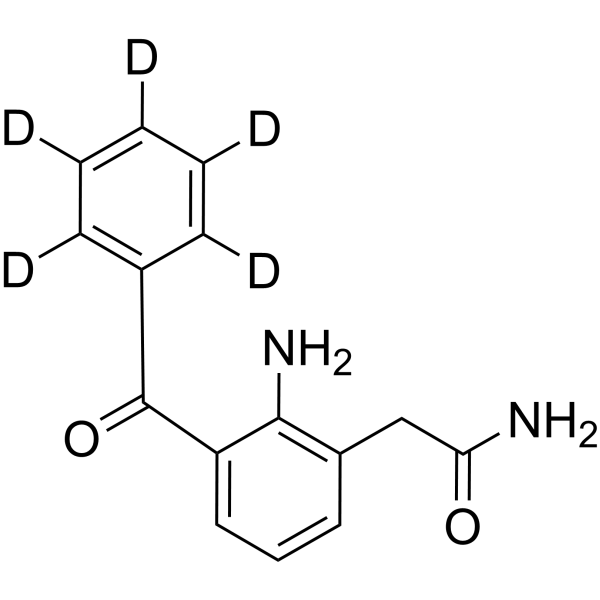
    Nepafenac-d5 (AHR-9434-d5; AL-6515-d5) is the deuterium labeled Nepafenac (HY-17357). Nepafenac, a nonsteroidal anti-inflammatory agent, is a topically administered COX-2 inhibitor with an IC50 of 0.12 μM. Nepafenac exhibits only weak COX-1 inhibitory activity (IC50 = 64.3 μM). Nepafenac possesses unique prodrug properties, which enable it to rapidly convert into the active metabolite Amfenac (HY-17479) in the ocular tissues, thereby achieving high concentrations in the retina and choroid. Nepafenac reduces inflammation and pain by inhibiting the activity of cyclooxygenase (COX) enzymes and thereby decreasing the production of prostaglandin PGE. Nepafenac can delay the metastasis of uveal melanoma (UM) in rabbit eyes. Nepafenac is mainly used for pain management and inflammation control after ophthalmic surgeries.
    Nepafenac-d5
  • HY-B1888

    COX Infection Inflammation/Immunology
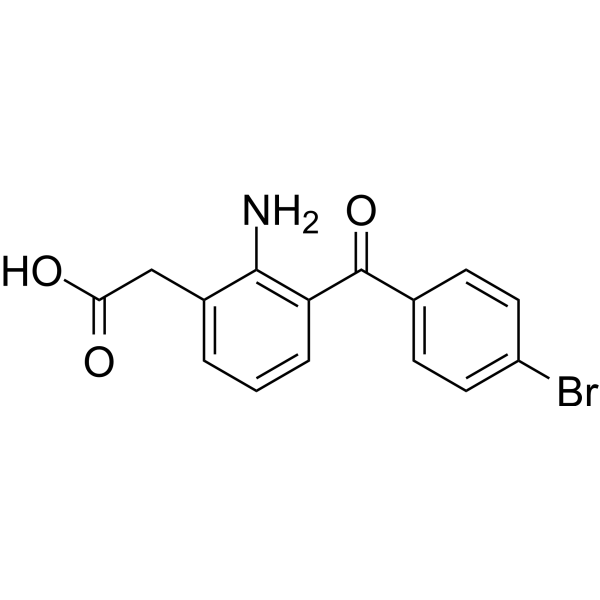
    Bromfenac is a potent and orally active inhibitor of COX, with IC50s of 5.56 and 7.45 nM for COX-1 and COX-2, respectively. Bromfenac can be used in ocular inflammation research .
    Bromfenac
  • HY-B0580R

    RS37619 (Standard)

    Reference Standards COX Apoptosis Inflammation/Immunology Cancer
    Ketorolac (Standard) is the analytical standard of Ketorolac. This product is intended for research and analytical applications. Ketorolac (RS37619) is a non-steroidal anti-inflammatory drug (NSAID), acting as a nonselective COX inhibitor, with IC50s of 20 nM for COX-1 and 120 nM for COX-2. Ketorolac tromethamine is used as 0.5% ophthalmic solution for the research of allergic conjunctivitis, cystoid macular edema, intraoperative miosis, and postoperative ocular inflammation and pain. Ketorolac tromethamine is also a DDX3 inhibitor that can be used for cancer research .
    Ketorolac (Standard)
  • HY-124404

    Aryl Hydrocarbon Receptor Na+/K+ ATPase Prostaglandin Receptor Inflammation/Immunology
    12(R)-HETE is a CYP-dependent arachidonic acid metabolite that acts as a proinflammatory lipid mediator. 12 (R)-HETE widely exists in various tissues including the eye, skin and liver. In the cornea, 12(R)-HETE is metabolized via pathways such as β-oxidation into the precursor of 12(R)-HETrE. Without direct receptor binding, 12(R)-HETE indirectly activates AHR-mediated target gene transcription, while inhibiting the enzymatic activity of Na+,K+-ATPase and the intracellular calcium elevation induced by TP agonists. 12(R)-HETE also possesses multiple physiological effects such as chemotaxis, proangiogenesis, vasodilation, natriuresis, diuresis and intraocular pressure reduction, and can be widely used in studies related to psoriasis, inflammatory skin diseases and ocular inflammation .
    12(R)-HETE
  • HY-B1754

    Org 6216; Rimexel

    Glucocorticoid Receptor Inflammation/Immunology
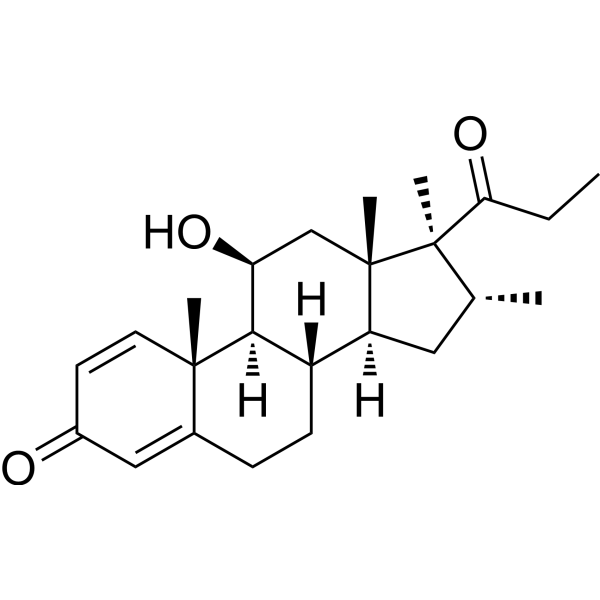
    Rimexolone (Org 6216) is a glucocorticoid steroid with anti-inflammatory activity. Rimexolone can be used as a 1% ophthalmic suspension for the management of ocular inflammation .
    Rimexolone
  • HY-B1471
    Fluorometholone acetate
    1 Publications Verification

    Carbonic Anhydrase Inflammation/Immunology
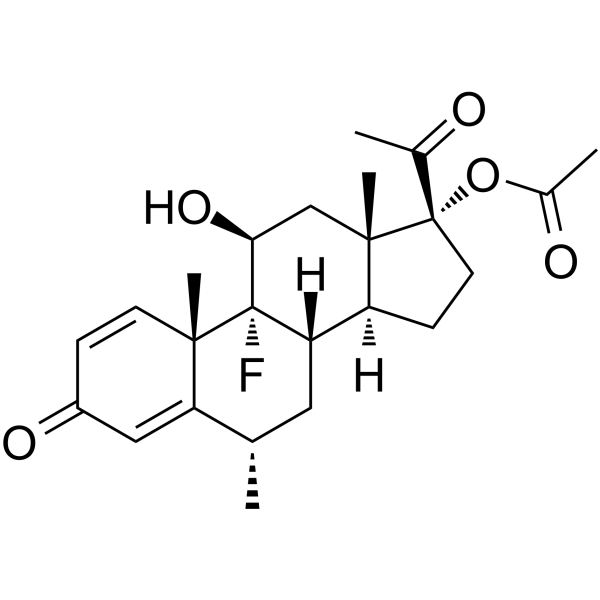
    Fluorometholone acetate is a synthetic glucocorticoid corticosteroid and a corticosteroid ester. Fluorometholone acetate potently inhibits carbonic anhydrase (CA) with IC50s of 2.18 μM and 17.5 μM for hCA-I and hCA-II, respectively. Fluorometholone acetate has anti-inflammatory effect and has the potential for external ocular inflammation research .
    Fluorometholone acetate
  • HY-151611

    Ser/Thr Protease Inflammation/Immunology
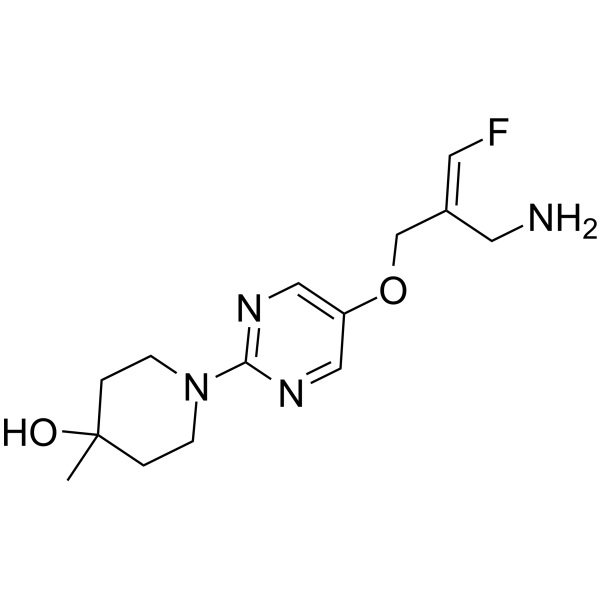
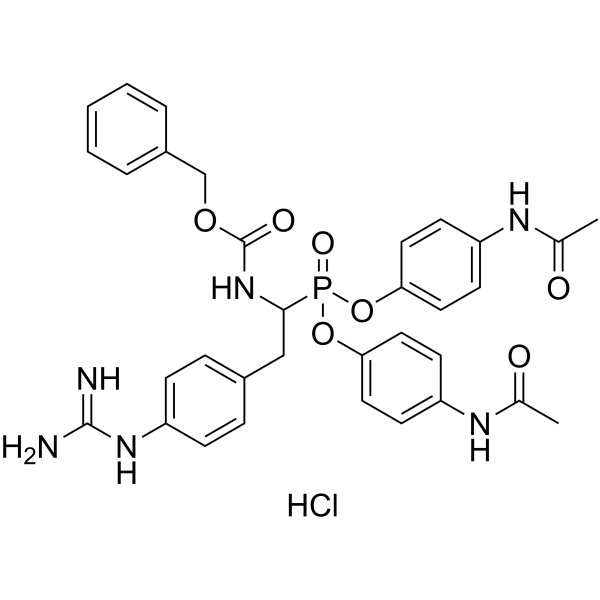
    UAMC-00050 is a potent trypsin-like serine protease inhibitor. UAMC-00050 can be used in research of dry eye syndrome and ocular inflammation .
    UAMC-00050
  • HY-B1888AR

    COX Reference Standards Infection Inflammation/Immunology
    Bromfenac (sodium) (Standard) is the analytical standard of Bromfenac (sodium). This product is intended for research and analytical applications. Bromfenac sodium is a potent and orally active inhibitor of COX, with IC50s of 5.56 and 7.45 nM for COX-1 and COX-2, respectively. Bromfenac sodium can be used in ocular inflammation research .
    Bromfenac sodium (Standard)
  • HY-115500

    Endogenous Metabolite Opioid Receptor Leukotriene Receptor Neurological Disease Inflammation/Immunology
    PL265 is an orally active dual enkephalinase inhibitor. PL265 is a prodrug of PL254, which can simultaneously and efficiently inhibit neutral endopeptidase (Neprilysin) and Aminopeptidase N. PL265 can effectively protect and significantly increase the local concentration of enkephalins (such as Met-Enkephalin and Leu-Enkephalin) released by cells at the pain or inflammation sites, thereby activating μ and δ opioid receptors to produce a potent analgesic effect. PL254 can also inhibit leukotriene A4 hydrolase (LTA4H), which may contribute to its additional anti-inflammatory effect by reducing the production of pro-inflammatory mediator leukotriene B4 (LTB4). PL265 can be used in non-addictive chronic pain research .
    PL265
  • HY-135301

    Others Inflammation/Immunology
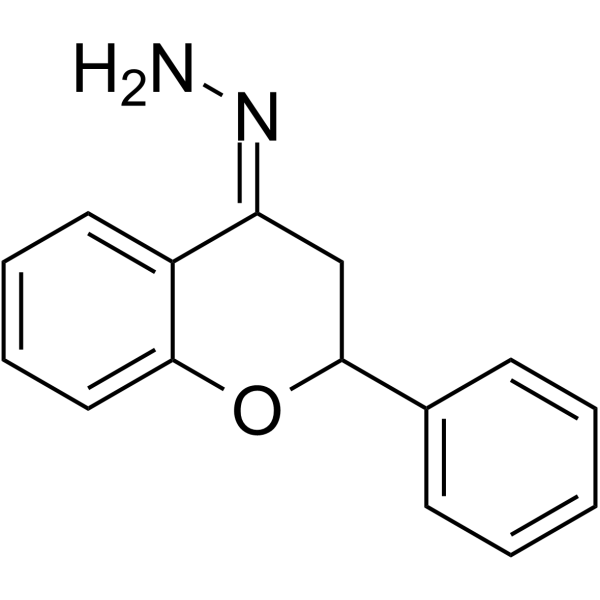
    Flavanone hydrazine is a potent non-steroidal anti-inflammatory agent. Flavanone hydrazine effectively inhibits lens protein-induced ocular inflammation .
    Flavanone hydrazone
  • HY-129755

    Interleukin Related Inflammation/Immunology
    CK-17 is an orally active and potent anti-inflammatory agent. CK-17 shows potent inhibition of ocular inflammation induced by lens protein, endotoxin, and IL-1. The effects on IL-1-induced inflammation are about 2 fold more potent than Prednisolone (HY-17463) .
    CK-17
  • HY-17569R

    Reference Standards Phospholipase Inflammation/Immunology
    Difluprednate (Standard) is the analytical standard of Difluprednate. This product is intended for research and analytical applications. Difluprednate is a topical corticosteroid, which is thought to act by the induction of phospholipase A2 inhibitory proteins (lipocortins). Difluprednate is used for the symptomatic treatment of inflammation and pain associated with ocular surgery.
    Difluprednate (Standard)
  • HY-P10797

    NF-κB HIF/HIF Prolyl-Hydroxylase VEGFR TNF Receptor Interleukin Related Cardiovascular Disease Inflammation/Immunology
    TAT-N24 is a cell-permeable TAT peptide as a p55PIK signaling inhibitor. TAT-N24 is effective for corneal neovascularization (CNV) and ocular inflammation by inhibiting the HIF-1α/NF-κB signaling pathway in corneal suture (CS). TAT-N24 also inhibits corneal neovascularization .
    TAT-N24
  • HY-B1471R

    Reference Standards Carbonic Anhydrase Inflammation/Immunology
    Fluorometholone acetate (Standard) is the analytical standard of Fluorometholone acetate. This product is intended for research and analytical applications. Fluorometholone acetate is a synthetic glucocorticoid corticosteroid and a corticosteroid ester. Fluorometholone acetate potently inhibits carbonic anhydrase (CA) with IC50s of 2.18 μM and 17.5 μM for hCA-I and hCA-II, respectively. Fluorometholone acetate has anti-inflammatory effect and has the potential for external ocular inflammation research .
    Fluorometholone acetate (Standard)
  • HY-B0580D

    RS37619 hydrochloride

    COX Apoptosis Inflammation/Immunology Cancer
    Ketorolac (RS37619) hydrochloride is a non-steroidal anti-inflammatory drug (NSAID), acting as a nonselective COX inhibitor, with IC50s of 20 nM for COX-1 and 120 nM for COX-2. Ketorolac hydrochloride tromethamine is used as 0.5% ophthalmic solution for the research of allergic conjunctivitis, cystoid macular edema, intraoperative miosis, and postoperative ocular inflammation and pain. Ketorolac hydrochloride tromethamine is also a DDX3 inhibitor that can be used for cancer research .
    Ketorolac hydrochloride
  • HY-B0580C
    Ketorolac hemicalcium
    1 Publications Verification

    RS37619 hemicalcium

    COX Apoptosis Inflammation/Immunology Cancer
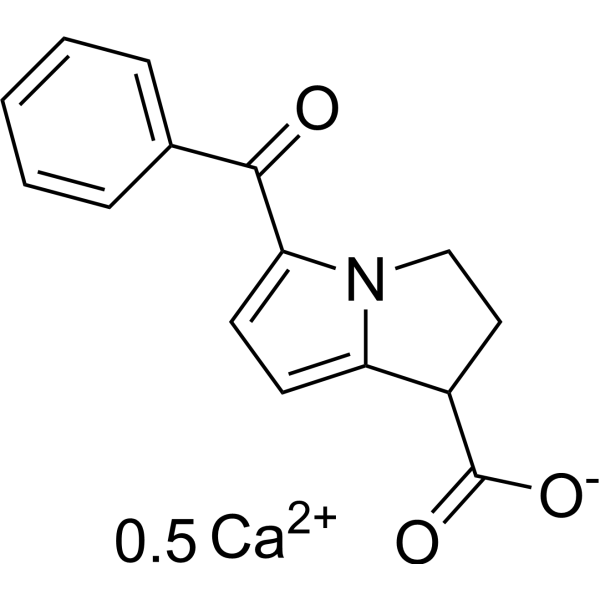
    Ketorolac (RS37619) hemicalcium is a non-steroidal anti-inflammatory drug (NSAID), acting as a nonselective COX inhibitor, with IC50s of 20 nM for COX-1 and 120 nM for COX-2. Ketorolac tromethamine is used as 0.5% ophthalmic solution for the research of allergic conjunctivitis, cystoid macular edema, intraoperative miosis, and postoperative ocular inflammation and pain. Ketorola chemicalcium is also a DDX3 inhibitor that can be used for cancer research .
    Ketorolac hemicalcium
  • HY-B0580S2

    RS37619-13C6

    Isotope-Labeled Compounds Apoptosis COX Inflammation/Immunology Cancer
    Ketorolac- 13C6 (RS37619- 13C6) is 13C labeled Ketorolac. Ketorolac (RS37619) is a non-steroidal anti-inflammatory drug (NSAID), acting as a nonselective COX inhibitor, with IC50s of 20 nM for COX-1 and 120 nM for COX-2. Ketorolac tromethamine is used as 0.5% ophthalmic solution for the research of allergic conjunctivitis, cystoid macular edema, intraoperative miosis, and postoperative ocular inflammation and pain. Ketorolac tromethamine is also a DDX3 inhibitor that can be used for cancer research .
    Ketorolac-13C6
  • HY-17357R

    AHR 9434 (Standard); AL 6515 (Standard)

    Reference Standards COX Prostaglandin Receptor Neurological Disease Inflammation/Immunology Endocrinology Cancer
    Nepafenac (AHR 9434; AL 6515) (Standard) is the analytical standard of Nepafenac (HY-17357). This product is intended for research and analytical applications. Nepafenac, a nonsteroidal anti-inflammatory agent, is a topically administered COX-2 inhibitor with an IC50 of 0.12 μM. Nepafenac exhibits only weak COX-1 inhibitory activity (IC50 = 64.3 μM). Nepafenac possesses unique prodrug properties, which enable it to rapidly convert into the active metabolite Amfenac (HY-17479) in the ocular tissues, thereby achieving high concentrations in the retina and choroid. Nepafenac reduces inflammation and pain by inhibiting the activity of cyclooxygenase (COX) enzymes and thereby decreasing the production of prostaglandin PGE. Nepafenac can delay the metastasis of uveal melanoma (UM) in rabbit eyes. Nepafenac is mainly used for pain management and inflammation control after ophthalmic surgeries.
    Nepafenac (Standard)
  • HY-151611A

    Ser/Thr Protease Neurological Disease Inflammation/Immunology
    UAMC-00050 free base is a potent trypsin-like serine protease inhibitor. UAMC-00050 free base can be used in research of dry eye syndrome and ocular inflammation .
    UAMC-00050 free base
  • HY-B1888BR

    Bromfenac monosodium salt sesquihydrate (Standard)

    COX Reference Standards Infection Inflammation/Immunology
    Bromfenac (sodium hydrate) (Standard) is the analytical standard of Bromfenac (sodium hydrate). This product is intended for research and analytical applications. Bromfenac sodium hydrate (Bromfenac monosodium salt sesquihydrate) is a potent and orally active inhibitor of COX, with IC50s of 5.56 and 7.45 nM for COX-1 and COX-2, respectively. Bromfenac sodium hydrate can be used in ocular inflammation research .
    Bromfenac sodium hydrate (Standard)
  • HY-121303

    Interleukin Related DNA/RNA Synthesis Neurological Disease Inflammation/Immunology
    CK-102 is an interleukin-1 (IL-1) inhibitor. CK-102 reduces mRNA synthesis. CK-102 does not inhibit DNA synthesis. CK-102 only slightly inhibits protein synthesis, or has no effect on it. CK-102 delays wound healing after ophthalmic surgery and prolongs the failure time of trabeculectomy fistulas. CK-102 inhibits lens protein-induced ocular inflammation at both early and late stages. CK-102 inhibits endotoxin-induced uveitis. CK-102 does not inhibit interleukin-1-induced uveitis. CK-102 can be used in research related to glaucoma filtration failure and uveitis .
    CK-102
  • HY-183037

    Prostaglandin Receptor Interleukin Related Neurological Disease Inflammation/Immunology
    AGN 225660 is a multi-prostanoid receptor antagonist with human IC50 values of 70, 70, 5, 220 and 180 nM for EP1, EP4, TP, DP1, FP. AGN 225660 inhibits secretion of RANTES, IL-8, MCP-1, IL-12p70, and IL-23. AGN 225660 exhibits good ocular bioavailability and reduces ocular inflammation linked to phacoemulsification surgery and uveitis .
    AGN 225660
  • HY-106449R

    DA-6034 free acid (Standard)

    Reference Standards NF-κB COX Apoptosis ERK Calcium Channel Inflammation/Immunology Cancer
    Recoflavone (Standard) is the analytical standard of Recoflavone (HY-106449). This product is intended for research and analytical applications. Recoflavone (DA-6034 (free acid)), a synthetic derivative of the flavonoid Eupatilin (HY-N0783), is orally active. Recoflavone can inhibit the NF-κB pathway and induce [Ca(2+)]i increase in epithelial cells. Recoflavone exhibits activities such as anti-inflammation, anti-tumor effects, protection of gastric and intestinal mucosa, and promotion of secretion in the ocular surface and salivary glands. Recoflavone can be used for the research of diseases such as dry eye, gastric injury, and intestinal injury .
    Recoflavone (Standard)

Inquiry Online

Your information is safe with us. * Required Fields.

Salutation


Country or Region *

Applicant Name *


Organization Name *

Department *


Email Address *


Product Name *

Cat. No.


Requested quantity *

Phone Number *


Remarks

Inquiry Online

Inquiry Information

Product Name:
Cat. No.:
Quantity:
MCE Japan Authorized Agent:

