

Search Result
Results for "
oxidizing agent
" in MedChemExpress (MCE) Product Catalog:
4
Biochemical Assay Reagents
7
Isotope-Labeled Compounds
| Cat. No. |
Product Name |
Target |
Research Areas |
Chemical Structure |
-
- HY-113485
-
Melanin
1 Publications Verification
|
Endogenous Metabolite
|
Others
|
|
Melanin is a unique pigment with myriad functions. It is multifunctional, providing defense against environmental stresses such as ultraviolet (UV) light, oxidizing agents and ionizing radiation.
|
-
-
- HY-17461
-
-
-
- HY-17461A
-
-
-
- HY-W007801
-
|
TPAP
|
Biochemical Assay Reagents
|
Others
|
|
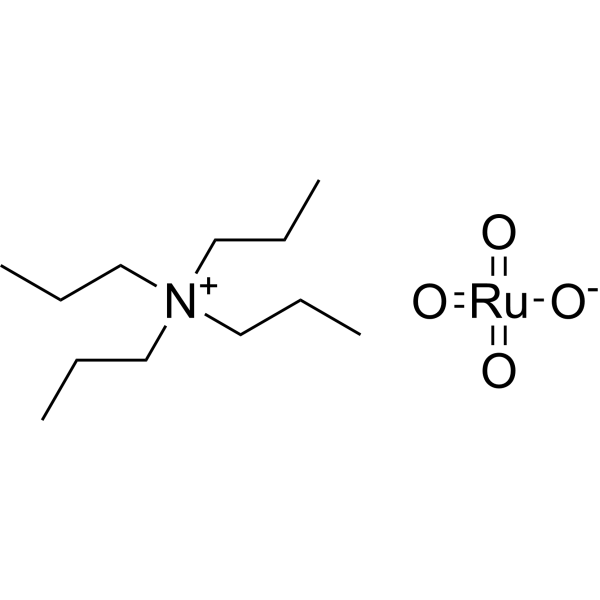
Tetrapropylammonium perruthenate (TPAP) is an organic compound commonly used as a catalyst and oxidizing agent. It can play an oxidation role in some organic synthesis reactions, and can catalyze the oxidation reactions of olefins and aromatic compounds. In addition, the compound is widely used in some industrial production areas, such as in the application of plastics, rubber and textile manufacturing processes.
|
-
-
- HY-W051271
-
|
Titanium dioxide
|
Environmental Pollutants
Reactive Oxygen Species (ROS)
Photosensitizer
|
Others
|
|
Titanium(IV) oxide is a photosensitizer and photocatalyst. Titanium(IV) oxide can be used as a pharmaceutical excipient such as a flow aid, coating agent, sunscreen, colorant, etc. Pharmaceutical excipients or pharmaceutical excipients refer to other chemical substances used in the pharmaceutical process other than the drug ingredients. Pharmaceutical excipients generally refer to inactive ingredients in pharmaceutical preparations that can improve the stability, solubility and processability of pharmaceutical preparations. Pharmaceutical excipients also affect the absorption, distribution, metabolism and elimination (ADME) process of co-administered drugs. Titanium(IV) oxide can use light energy to generate electron-hole pairs to degrade pollutants. Photons excite electrons in TiO2 to generate active oxygen species (such as ·OH and ·O2 -), thereby oxidizing and mineralizing pollutants such as organic compounds and heavy metals. TiO2 can be used in the research of environmental remediation fields such as water treatment, air purification and self-cleaning materials .
|
-
-
- HY-B0959
-
-
-
- HY-W027446
-
|
|
Endogenous Metabolite
|
Neurological Disease
Metabolic Disease
|
|
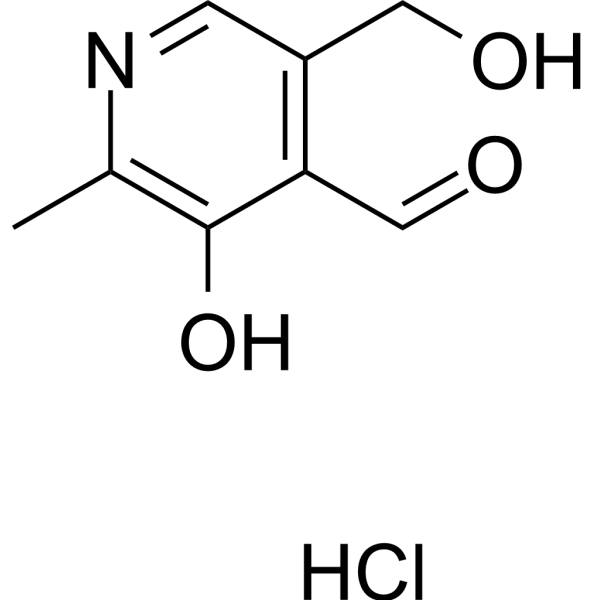
Pyridoxal hydrochloride, the hydrochloride form of Pyridoxal (HY-107469), is a newly developed neuroprotective agent. Pyridoxal hydrochloride is one of the major forms of vitamin B6. Pyridoxal hydrochloride is solvolyzed in methanol to form pyridoxal monomethylacetal. Pyridoxal is phosphorylated by pyridoxal kinase to Pyridoxal phosphate (HY-B1744). Pyridoxal is oxidized by the liver to 4-Pyridoxic acid (HY-113493) which is excreted in the urine. Pyridoxal hydrochloride is proming for research of carpal tunnel syndrome (CTS) .
|
-
-
- HY-148983
-
|
|
Monoamine Oxidase
Bacterial
GLUT
|
Infection
Metabolic Disease
Inflammation/Immunology
|
|
Hydroxylamine (50% w/w in water) is an inorganic highly reactive compound and antibacterial agent. Hydroxylamine (50% w/w in water) acutely activates the transport activity of GLUT1, inhibits Monoamine oxidase activity. Hydroxylamine (50% w/w in water) inhibits nitrite oxidizing bacteria. Hydroxylamine (50% w/w in water) activates glucose uptake. Hydroxylamine (50% w/w in water) can be used in the research of inflammatory diseases and allergies[1][2][3][4] .
|
-
-
- HY-W011690
-
-
-
- HY-B1217
-
|
BNPD; BNPK
|
Environmental Pollutants
Bacterial
|
Infection
|
|
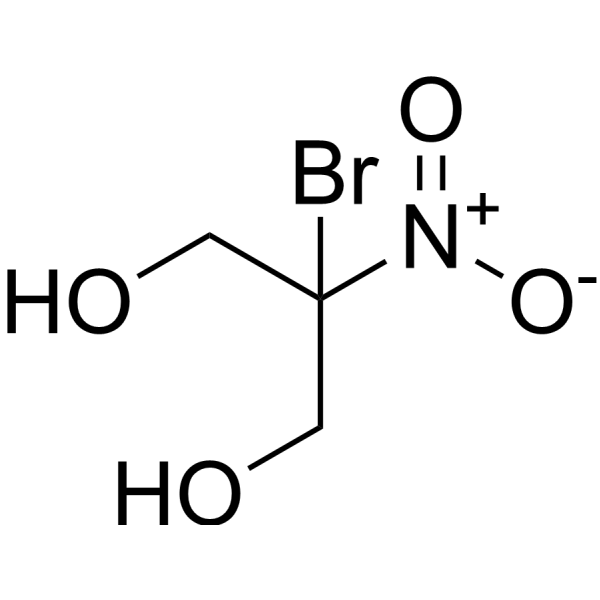
Bronopol is an antibacterial agent with low toxicity (to mammals) and high activity (especially against Gram-negative bacteria). Bronopol oxidizes protein thiols, inhibits enzymatic activity, and exhibits antibacterial activity. Bronopol is also a formaldehyde releaser .
|
-
-
- HY-W030778
-
|
Triglycollamic acid
|
Biochemical Assay Reagents
|
Others
|
|
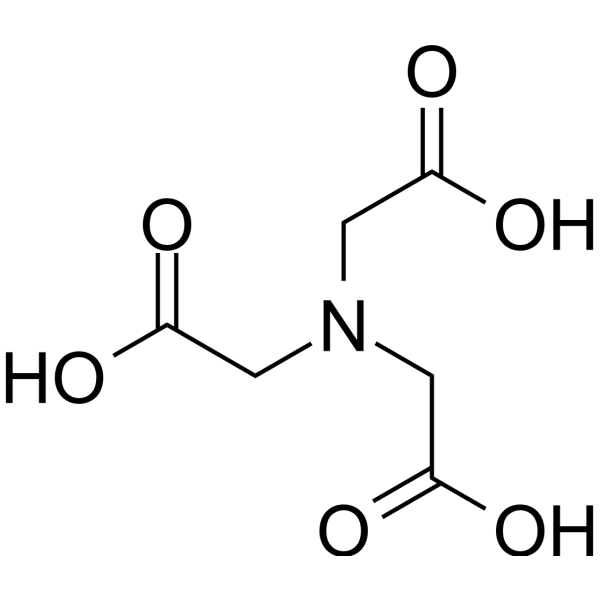
Nitrilotriacetic acid is an orally active chelating agent for metal ions. Nitrilotriacetic acid is an aminotricarboxylic acid that can sequester metal ions as water soluble complexes. Nitrilotriacetic acid reacts with strong oxidizing agents such as hypochlorite, chlorine, ozone, or oxygen in the presence of palladium/carbon catalyst. Nitrilotriacetic acid interacts with solid phases such as cell membranes and bone matrices in the mammalian system. Nitrilotriacetic acid is classified as an epigenetic rodent carcinogen .
|
-
-
- HY-17461S1
-
-
-
- HY-W203728
-
-
-
- HY-17461R
-
|
17-Hydroxy-11-dehydrocorticosterone(Standard); Kendall's compound E (Standard)
|
Reference Standards
Glucocorticoid Receptor
Endogenous Metabolite
|
Inflammation/Immunology
Endocrinology
|
|
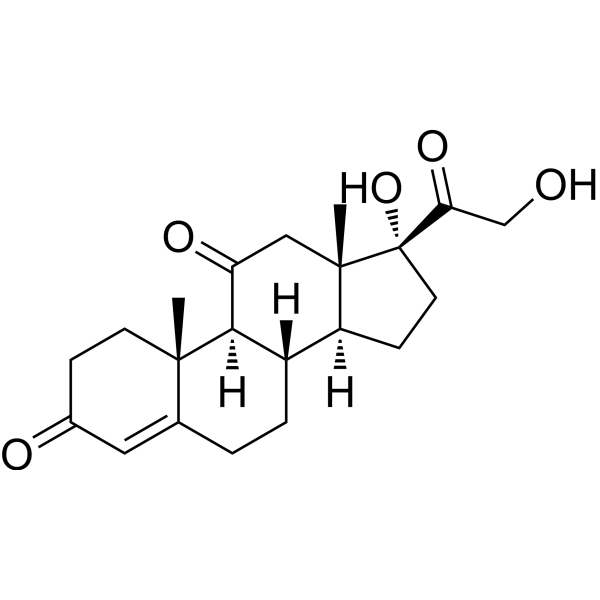
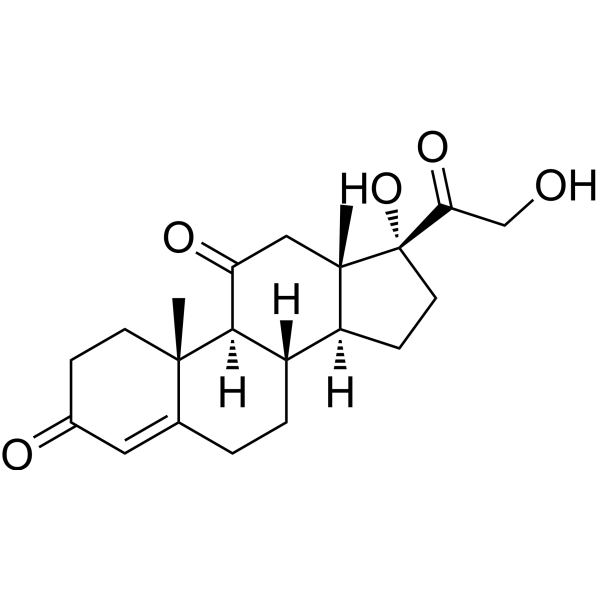
Cortisone (Standard) is the analytical standard of Cortisone. This product is intended for research and analytical applications. Cortisone (17-Hydroxy-11-dehydrocorticosterone), an oxidized metabolite of Cortisol (a Glucocorticoid). Cortisone acts as an immunosuppressant and anti-inflammatory agent. Cortisone can partially intervene in binding of Glucocorticoid to Glucocorticoid-receptor at high concentrations .
|
-
-
- HY-34439
-
|
NSC 49139
|
Environmental Pollutants
Endogenous Metabolite
|
Metabolic Disease
|
|
2,5-Dimethylpyrazine (NSC 49139) is an endogenous metabolite. 2,5-Dimethylpyrazine in produced in food systems of two whey protein hydrolysates, obtained using either trypsin or proteinase from Aspergillus melleus. 2,5-Dimethylpyrazine can be qualitatively monitored using a stable isotope dilution assay. 2,5-Dimethylpyrazine can also be generated via microbial mechanisms using Bacillus subtilis. 2,5-Dimethylpyrazine can be oxidized to form 5-methylpyrazine-2-carboxylic acid, which is the intermediate in the synthesis of antilipoltic agent. 2,5-Dimethylpyrazine is a volatile compound that can give a roasted peanut flavor .
|
-
-
- HY-Y1102A
-
-
-
- HY-W145090
-
|
p-Dimethylaminopyridine N-oxide
|
Biochemical Assay Reagents
|
Others
|
|
4-Dimethylaminopyridine N-oxide (p-Dimethylaminopyridine N-oxide) is an Efficient Oxidizing Agent for Alkyl Halides .
|
-
-
- HY-W008814
-
|
Benzylphenyl
|
Environmental Pollutants
Drug Intermediate
|
Others
|
|
Diphenylmethane (Benzylphenyl) is an aromatic compound used as a drug intermediate. Diphenylmethane in the fragrance industry is used as an oxidizing agent and in soaps; in pesticides, as a synergist; and in dyes, as a plasticizer .
|
-
-
- HY-W014316
-
|
|
Bacterial
Fungal
|
Infection
|
|
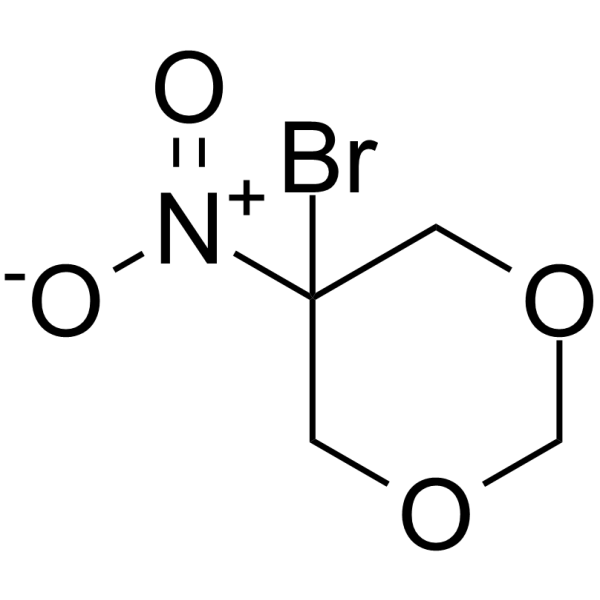
5-Bromo-5-nitro-1,3-dioxane is a broad-spectrum antimicrobial agent active against Gram-positive bacteria, Gram-negative bacteria and fungi. 5-Bromo-5-nitro-1,3-dioxane oxidizes free thiol groups to their corresponding disulfides. 5-Bromo-5-nitro-1,3-dioxane induces intracellular substance leakage in Escherichia coli and Staphylococcus aureus. 5-Bromo-5-nitro-1,3-dioxane modulates the oxygen consumption of Escherichia coli and Staphylococcus aureus .
|
-
-
- HY-W011690S
-
|
|
Endogenous Metabolite
|
Metabolic Disease
|
|
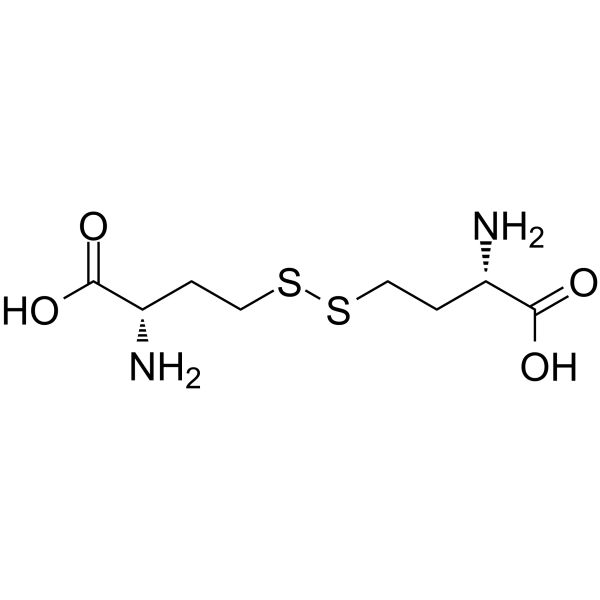
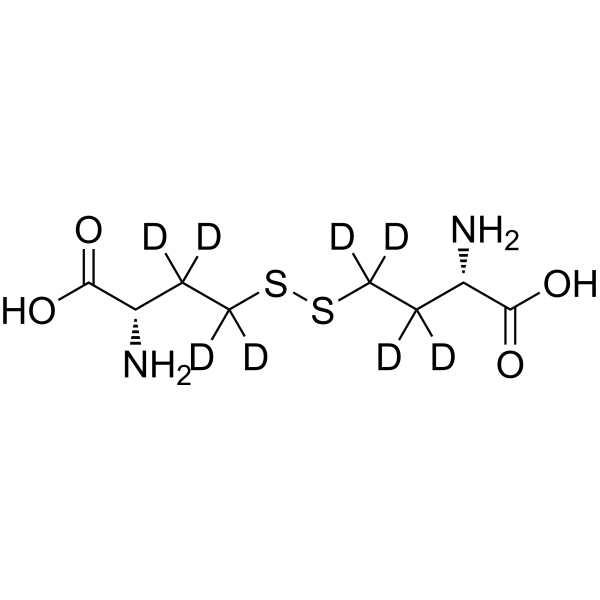
L-Homocystine-d8 is the deuterium labeled L-Homocystine. L-Homocystine is the oxidized member of the L-homocysteine. Homocysteine is a pro-thrombotic factor, vasodilation impairing agent, pro-inflammatory factor and endoplasmatic reticulum-stress inducer used to study cardiovascular disease mechanisms.
|
-
-
- HY-B0893
-
|
Nicotinyl alcohol; Pyridine-3-carbinol
|
CETP
|
Metabolic Disease
|
|
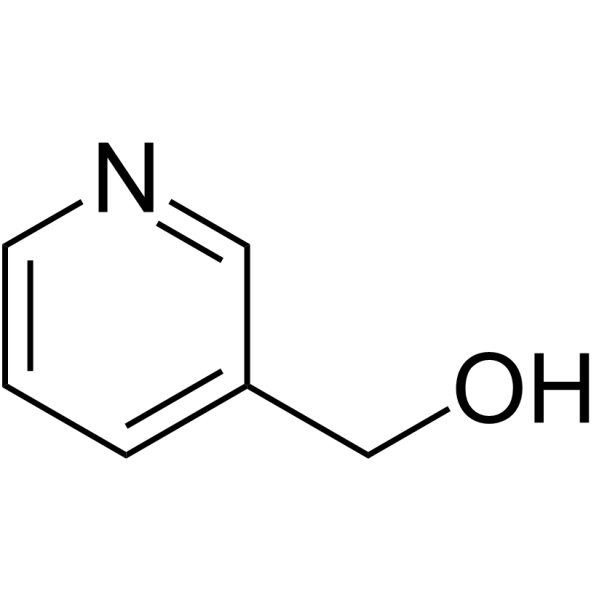
3-Pyridinemethanol (Nicotinyl alcohol), a pyridine derivative, is a cholesterol-lowering agent. 3-Pyridinemethanol can be selectively oxidized to vitamin B3 .
|
-
-
- HY-17461S
-
-
-
- HY-W110791
-
|
|
Biochemical Assay Reagents
|
Others
|
|
Sodium diphenylamine-4-sulfonate is a chemical indicator commonly used in redox titrations. Its reduced state is colorless and its oxidized state is reddish-purple. Sodium diphenylamine-4-sulfonate is also a quencher and reducing agent. Sodium diphenylamine-4-sulfonate inhibits the electrochemiluminescence of the ruthenium tris(bipyridine) system through energy transfer. Sodium diphenylamine-4-sulfonate participates in the synthesis of nanocrystals .
|
-
-
- HY-154635
-
|
|
Biochemical Assay Reagents
|
Others
|
|
Oxidized paraffin (calcium) can be used as an excipient, such as ointment base, hardening agent. Pharmaceutical excipients, or pharmaceutical auxiliaries, refer to other chemical substances used in the pharmaceutical process other than pharmaceutical ingredients. Pharmaceutical excipients generally refer to inactive ingredients in pharmaceutical preparations, which can improve the stability, solubility and processability of pharmaceutical preparations. Pharmaceutical excipients also affect the absorption, distribution, metabolism, and elimination (ADME) processes of co-administered drugs .
|
-
-
- HY-12590
-
-
-
- HY-17461AR
-
|
Cortisone 21-acetate (Standard)
|
Reference Standards
Glucocorticoid Receptor
Endogenous Metabolite
|
Inflammation/Immunology
Endocrinology
|
|
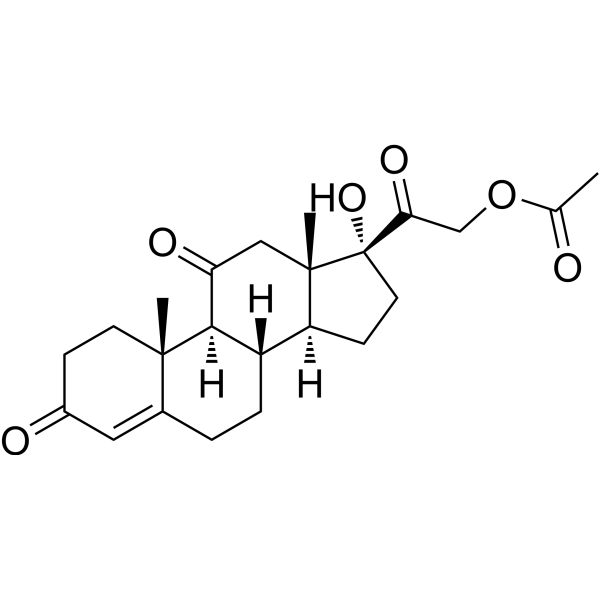
Cortisone acetate (Standard) is the analytical standard of Cortisone acetate. This product is intended for research and analytical applications. Cortisone acetate (Cortisone 21-acetate), an oxidized metabolite of Cortisol (a Glucocorticoid). Cortisone acetate acts as an immunosuppressant and anti-inflammatory agent. Cortisone acetate can partially intervene in binding of Glucocorticoid to Glucocorticoid-receptor at high concentrations .
|
-
-
- HY-143243
-
|
|
Apoptosis
NF-κB
Keap1-Nrf2
Reactive Oxygen Species (ROS)
|
Cardiovascular Disease
|
|
Antioxidant agent-5 (compound D-6) is a potent antioxidant agent. Antioxidant agent-5 can inhibit oxLDL (oxidized low-density lipoprotein)-induced apoptosis and the expression of ICAM-1 and VCAM-1 in VECs. Antioxidant agent-5 suppresses oxLDL-induced increase of ROS level and nuclear translocation of NF-κB. Antioxidant agent-5 protects against oxLDL-induced endothelial injury by activating Nrf2/HO-1 anti-oxidation pathway .
|
-
-
- HY-W008814S
-
|
Benzylphenyl-d2
|
Isotope-Labeled Compounds
Drug Intermediate
|
Others
|
|
Diphenylmethane-d2 (Benzylphenyl-d2) is the deuterium labeled Diphenylmethane (HY-W008814). Diphenylmethane (Benzylphenyl) is an aromatic compound used as a drug intermediate. Diphenylmethane in the fragrance industry is used as an oxidizing agent and in soaps; in pesticides, as a synergist; and in dyes, as a plasticizer.
|
-
-
- HY-B0893R
-
|
Nicotinyl alcohol (Standard); Pyridine-3-carbinol (Standard)
|
CETP
Reference Standards
|
Metabolic Disease
|
|
3-Pyridinemethanol (Standard) is the analytical standard of 3-Pyridinemethanol. This product is intended for research and analytical applications. 3-Pyridinemethanol (Nicotinyl alcohol), a pyridine derivative, is a cholesterol-lowering agent. 3-Pyridinemethanol can be selectively oxidized to vitamin B3 .
|
-
-
- HY-B1217S
-
|
BNPD-d4; BNPK-d4
|
Isotope-Labeled Compounds
Bacterial
|
Infection
|
|
Bronopol-d4 is deuterium labeled Bronopol. Bronopol is an antibacterial agent with low toxicity (to mammals) and high activity (especially against Gram-negative bacteria). Bronopol oxidizes protein thiols, inhibits enzymatic activity, and exhibits antibacterial activity. Bronopol is also a formaldehyde releaser .
|
-
-
- HY-17461S3
-
|
17-Hydroxy-11-dehydrocorticosterone-d2; Kendall's compound E-d2
|
Isotope-Labeled Compounds
Glucocorticoid Receptor
Endogenous Metabolite
|
Endocrinology
|
|
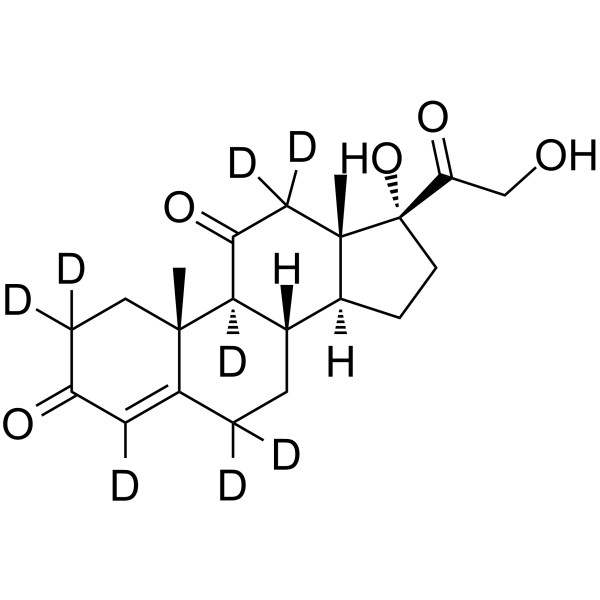
Cortisone-d2 is the deuterium labeled Cortisone. Cortisone (17-Hydroxy-11-dehydrocorticosterone), an oxidized metabolite of Cortisol (a Glucocorticoid). Cortisone acts as an immunosuppressant and anti-inflammatory agent. Cortisone can partially intervene in binding of Glucocorticoid to Glucocorticoid-receptor at high concentrations .
|
-
-
- HY-B1217R
-
|
BNPD (Standard); BNPK (Standard)
|
Reference Standards
Bacterial
|
Infection
|
|
Bronopol (Standard) is the analytical standard of Bronopol. This product is intended for research and analytical applications. Bronopol is an antibacterial agent with low toxicity (to mammals) and high activity (especially against Gram-negative bacteria). Bronopol oxidizes protein thiols, inhibits enzymatic activity, and exhibits antibacterial activity. Bronopol is also a formaldehyde releaser .
|
-
-
- HY-W030778R
-
|
Triglycollamic acid (Standard)
|
Biochemical Assay Reagents
Reference Standards
|
Others
|
|
Nitrilotriacetic acid (Standard) is the analytical standard of Nitrilotriacetic acid. This product is intended for research and analytical applications. Nitrilotriacetic acid is an orally active chelating agent for metal ions. Nitrilotriacetic acid is an aminotricarboxylic acid that can sequester metal ions as water soluble complexes. Nitrilotriacetic acid reacts with strong oxidizing agents such as hypochlorite, chlorine, ozone, or oxygen in the presence of palladium/carbon catalyst. Nitrilotriacetic acid interacts with solid phases such as cell membranes and bone matrices in the mammalian system. Nitrilotriacetic acid is classified as an epigenetic rodent carcinogen .
|
-
-
- HY-W014316R
-
|
|
Reference Standards
Bacterial
Fungal
|
Infection
|
|
5-Bromo-5-nitro-1,3-dioxane (Standard) is the analytical standard of 5-Bromo-5-nitro-1,3-dioxane (HY-W014316). This product is intended for research and analytical applications. 5-Bromo-5-nitro-1,3-dioxane is a broad-spectrum antimicrobial agent active against Gram-positive bacteria, Gram-negative bacteria and fungi. 5-Bromo-5-nitro-1,3-dioxane oxidizes free thiol groups to their corresponding disulfides. 5-Bromo-5-nitro-1,3-dioxane induces intracellular substance leakage in Escherichia coli and Staphylococcus aureus. 5-Bromo-5-nitro-1,3-dioxane modulates the oxygen consumption of Escherichia coli and Staphylococcus aureus .
|
-
-
- HY-W011690R
-
-
-
- HY-181075
-
|
|
Bacterial
Reactive Oxygen Species (ROS)
|
Infection
|
|
Antibacterial agent 318 is an antibacterial agent that binds to bacterial DNA, blocks its replication, and forms supramolecular complexes. Antibacterial agent 318 acts as an oxidative stress inducer, elevating intracellular reactive oxygen species (ROS) levels, oxidizing glutathione (GSH) to glutathione disulfide (GSSG), depleting cellular GSH reserves, and inducing bacterial cell death through oxidative damage. Antibacterial agent 318 disrupts the bacterial cell membrane and reduces bacterial metabolic activity. Antibacterial agent 318 exhibits rapid bactericidal activity, inhibits bacterial biofilm formation, and displays minimal cytotoxicity toward non-cancerous mammalian cells. Antibacterial agent 318 is applicable in research on drug-resistant bacterial infections .
|
-
-
- HY-17461S4
-
-
-
- HY-Y0590
-
|
|
Environmental Pollutants
Reactive Oxygen Species (ROS)
Glutathione Reductase (GR)
|
Inflammation/Immunology
|
|
Copper (I) oxide is an oxidative stress inducer and cytotoxic agent. Copper (I) oxide causes dose-dependent decrease in the viability of airway epithelial cells by impairing the activities of catalase and glutathione reductase, generating reactive oxygen species, and increasing the levels of 8-isoprostane and the ratio of oxidized glutathione. However, when combined with Resveratrol (HY-16561), the cytotoxic effect induced by Copper (I) oxide is significantly attenuated, and oxidative damage is effectively alleviated .
|
-
-
- HY-W027446R
-
|
|
Reference Standards
Endogenous Metabolite
|
Neurological Disease
Metabolic Disease
|
|
Pyridoxal hydrochloride (Standard) is the analytical standard of Pyridoxal hydrochloride. This product is intended for research and analytical applications. Pyridoxal hydrochloride, the hydrochloride form of Pyridoxal (HY-107469), is a newly developed neuroprotective agent. Pyridoxal hydrochloride is one of the major forms of vitamin B6. Pyridoxal hydrochloride is solvolyzed in methanol to form pyridoxal monomethylacetal. Pyridoxal is phosphorylated by pyridoxal kinase to Pyridoxal phosphate (HY-B1744). Pyridoxal is oxidized by the liver to 4-Pyridoxic acid (HY-113493) which is excreted in the urine. Pyridoxal hydrochloride is proming for research of carpal tunnel syndrome (CTS) .
|
-
-
- HY-180881
-
|
|
HSV
Tau Protein
Akt
GSK-3
|
Neurological Disease
|
|
PAV-174 is a potent antiviral agent that targets a host protein. PAV-174 prevents Herpes simplex virus (HSV-1) infection in cells (IC50 of 0.02 μM in Vero cells) and human brain organoids. PAV-174 inhibits oxidized macrophage migration inhibitory factor (oxMIF)-induced tau phosphorylation in vitro and in vivo independent of infection. PAV-174 reduces HSV-1-induced tau phosphorylation via the Akt/GSK3β signaling pathway. PAV-174 can be used for Alzheimer’s disease research .
|
-
| Cat. No. |
Product Name |
Type |
-
- HY-W007801
-
|
TPAP
|
Biochemical Assay Reagents
|
|
Tetrapropylammonium perruthenate (TPAP) is an organic compound commonly used as a catalyst and oxidizing agent. It can play an oxidation role in some organic synthesis reactions, and can catalyze the oxidation reactions of olefins and aromatic compounds. In addition, the compound is widely used in some industrial production areas, such as in the application of plastics, rubber and textile manufacturing processes.
|
-
- HY-W203728
-
|
|
Biochemical Assay Reagents
|
|
L-β-Imidazolelactic acid is a histidine derivative and an oxidizing agent that can trigger antioxidant effects in the brain cortex of rats .
|
-
- HY-Y1102A
-
|
|
Biochemical Assay Reagents
|
|
Copper(II) acetate, 99.99% trace metals basis is a dinuclear metal complex that can be used a source of copper and oxidizing agent in inorganic synthesis, and as a catalyst in organic synthesis .
|
-
- HY-W008814
-
|
Benzylphenyl
|
Biochemical Assay Reagents
|
|
Diphenylmethane (Benzylphenyl) is an aromatic compound used as a drug intermediate. Diphenylmethane in the fragrance industry is used as an oxidizing agent and in soaps; in pesticides, as a synergist; and in dyes, as a plasticizer .
|
| Cat. No. |
Product Name |
Target |
Research Area |
| Cat. No. |
Product Name |
Category |
Target |
Chemical Structure |
| Cat. No. |
Product Name |
Chemical Structure |
-
- HY-17461S1
-
|
|
|
Cortisone-d8 is the deuterium labeled Cortisone. Cortisone (17-Hydroxy-11-dehydrocorticosterone), an oxidized metabolite of Cortisol (a Glucocorticoid). Cortisone acts as an immunosuppressant and anti-inflammatory agent. Cortisone can partially intervene in binding of Glucocorticoid to Glucocorticoid-receptor at high concentrations .
|
-
-
- HY-W011690S
-
|
|
|
L-Homocystine-d8 is the deuterium labeled L-Homocystine. L-Homocystine is the oxidized member of the L-homocysteine. Homocysteine is a pro-thrombotic factor, vasodilation impairing agent, pro-inflammatory factor and endoplasmatic reticulum-stress inducer used to study cardiovascular disease mechanisms.
|
-
-
- HY-17461S
-
|
|
|
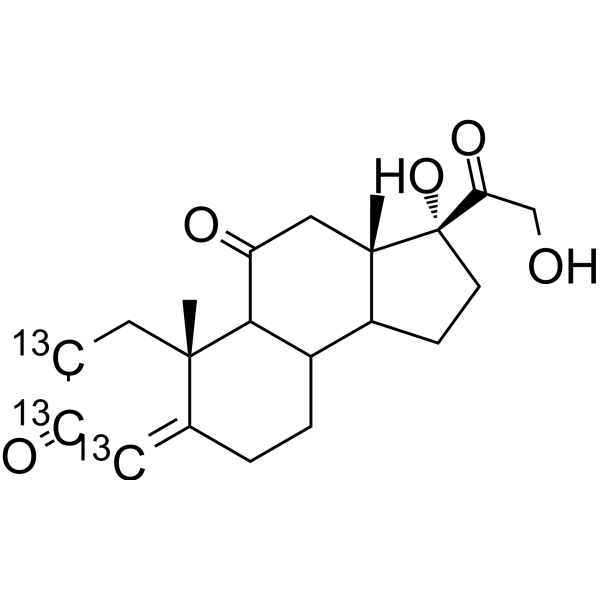
Cortisone- 13C3 is the 13C-labeled Cortisone. Cortisone (17-Hydroxy-11-dehydrocorticosterone), an oxidized metabolite of Cortisol (a Glucocorticoid). Cortisone acts as an immunosuppressant and anti-inflammatory agent. Cortisone can partially intervene in binding of Glucocorticoid to Glucocorticoid-receptor at high concentrations .
|
-
-
- HY-W008814S
-
|
|
|
Diphenylmethane-d2 (Benzylphenyl-d2) is the deuterium labeled Diphenylmethane (HY-W008814). Diphenylmethane (Benzylphenyl) is an aromatic compound used as a drug intermediate. Diphenylmethane in the fragrance industry is used as an oxidizing agent and in soaps; in pesticides, as a synergist; and in dyes, as a plasticizer.
|
-
-
- HY-B1217S
-
|
|
|
Bronopol-d4 is deuterium labeled Bronopol. Bronopol is an antibacterial agent with low toxicity (to mammals) and high activity (especially against Gram-negative bacteria). Bronopol oxidizes protein thiols, inhibits enzymatic activity, and exhibits antibacterial activity. Bronopol is also a formaldehyde releaser .
|
-
-
- HY-17461S3
-
|
|
|
Cortisone-d2 is the deuterium labeled Cortisone. Cortisone (17-Hydroxy-11-dehydrocorticosterone), an oxidized metabolite of Cortisol (a Glucocorticoid). Cortisone acts as an immunosuppressant and anti-inflammatory agent. Cortisone can partially intervene in binding of Glucocorticoid to Glucocorticoid-receptor at high concentrations .
|
-
-
- HY-17461S4
-
|
|
|
Cortisone-d9 (17-Hydroxy-11-dehydrocorticosterone-d9) is the deuterium labeled Cortisone (HY-17461). Cortisone (17-Hydroxy-11-dehydrocorticosterone), an oxidized metabolite of Cortisol (a Glucocorticoid). Cortisone acts as an immunosuppressant and anti-inflammatory agent. Cortisone can partially intervene in binding of Glucocorticoid to Glucocorticoid-receptor at high concentrations .
|
-
| Cat. No. |
Product Name |
|
Classification |
-
- HY-154635
-
|
|
|
Bases
|
|
Oxidized paraffin (calcium) can be used as an excipient, such as ointment base, hardening agent. Pharmaceutical excipients, or pharmaceutical auxiliaries, refer to other chemical substances used in the pharmaceutical process other than pharmaceutical ingredients. Pharmaceutical excipients generally refer to inactive ingredients in pharmaceutical preparations, which can improve the stability, solubility and processability of pharmaceutical preparations. Pharmaceutical excipients also affect the absorption, distribution, metabolism, and elimination (ADME) processes of co-administered drugs .
|
Your information is safe with us. * Required Fields.
Inquiry Information
- Product Name:
- Cat. No.:
- Quantity:
- MCE Japan Authorized Agent:

