
22 Results for "

pathogen defense

" in MedChemExpress (MCE) Product Catalog:
Products (22)

22 Results for "pathogen defense" in MCE Product Catalog:

3
3 Cited Publications
Cat. No.: HY-32350
CAS No.: 60133-18-8
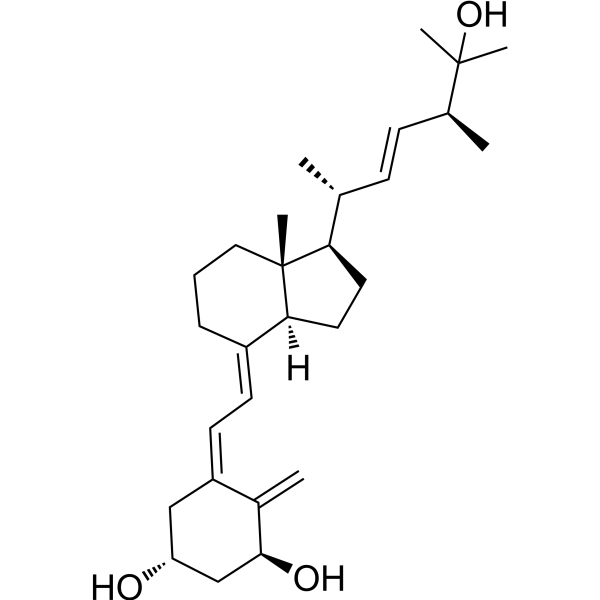
Synonyms: 1α,25-Dihydroxy Vitamin D2
Ercalcitriol (1α,25-Dihydroxy Vitamin D2) is a vitamin D receptor (VDR) agonist with high binding affinity. After binding to VDR, Ercalcitriol forms a complex with retinoid X receptor (RXR) to regulate target gene transcription. For example, Ercalcitriol induces human gingival/oral epithelial cells to produce human cat antimicrobial peptide (hCAP-18/LL-37), which has antimicrobial activity against periodontal pathogens such as Porphyromonas gingivalis. Ercalcitriol enhances the innate immune defense of the oral mucosa by promoting the expression of antimicrobial peptides, and is mainly used in the study of periodontal diseases and immune-related oral diseases .
loading...
    loading...
2
2 Cited Publications
Cat. No.: HY-B1897A
CAS No.: 130-37-0
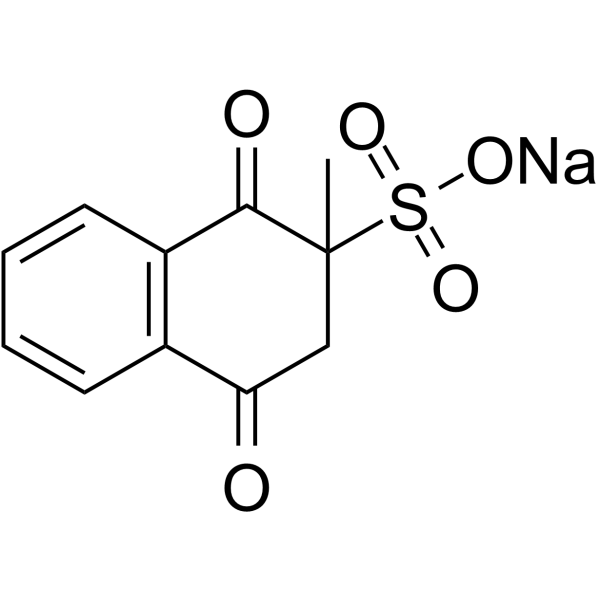
Synonyms: Menadione sodium bisulfite; Vitamin K3 sodium bisulfite
Target:  

Endogenous Metabolite

Research Areas:  

Others

Menadione bisulfite (sodium) is used as an agent to induce acute oxidative stress, and to function as a plant-defense activator against several pathogens.
loading...
    loading...
1
1 Cited Publications
Cat. No.: HY-N7681
CAS No.: 14292-40-1
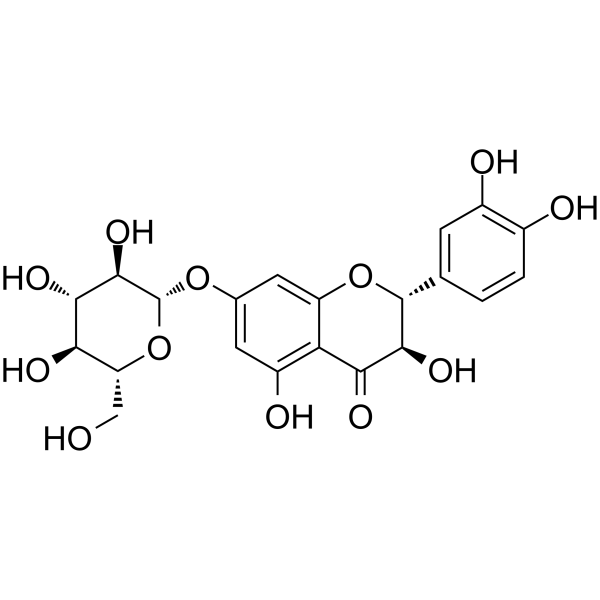
Synonyms: Taxifolin 7-O-glucoside
Taxifolin 7-O-β-D-glucoside (Taxifolin 7-O-glucoside) is a flavonol and active antioxidant that can be isolated from Scutellaria baicalensis. Taxifolin 7-O-β-D-glucoside participates in pathogen defense and ultraviolet damage protection in the seed coat during seed germination of Scutellaria baicalensis .
loading...
    loading...
Cat. No.: HY-N11420
CAS No.: 62251-96-1
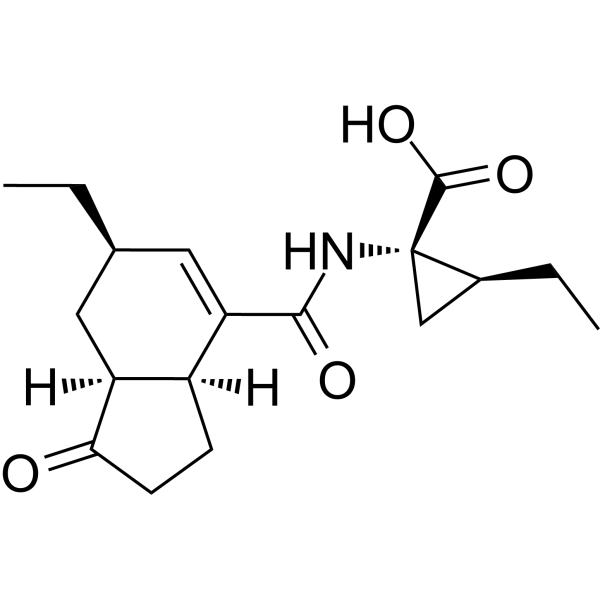
Coronatine is a plant growth regulator that mimicks the jasmonic acid-isoleucine conjugate (JA-Ile), targets the jasmonic acid receptor COI1, activates the jasmonic acid signaling pathway, thereby inhibiting salicylic acid (SA)-dependent defense responses. Coronatine antagonizes the stomatal closure, induces plant cell necrosis and chlorosis, interfers with plant hormone balance, thereby promoting pathogen infection .
loading...
    loading...
Cat. No.: HY-122464
CAS No.: 77026-92-7
Target:  

Herbicide

Research Areas:  

Others

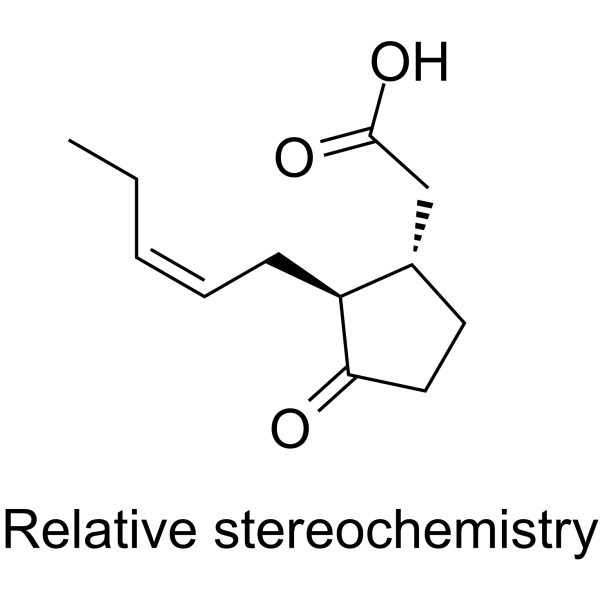
(±)-Jasmonic acid is an endogenous growth regulator closely related to plant resistance to abiotic stresses, used to activate defense responses to wounding, herbivory, and pathogen attacks. (±)-Jasmonic acid does not play an independent regulatory role, but works in a complex signaling network with other plant hormone signaling pathways. In addition, (±)-Jasmonic acid can also reduce chlorophyll levels in green and etiolated barley leaf segments and inhibit the elongation of rice seedlings .
loading...
    loading...
Cat. No.: HY-138354A
CAS No.: 72978-16-6
Purity:  98.87%
Target:  

Drug Intermediate

Research Areas:  

Infection

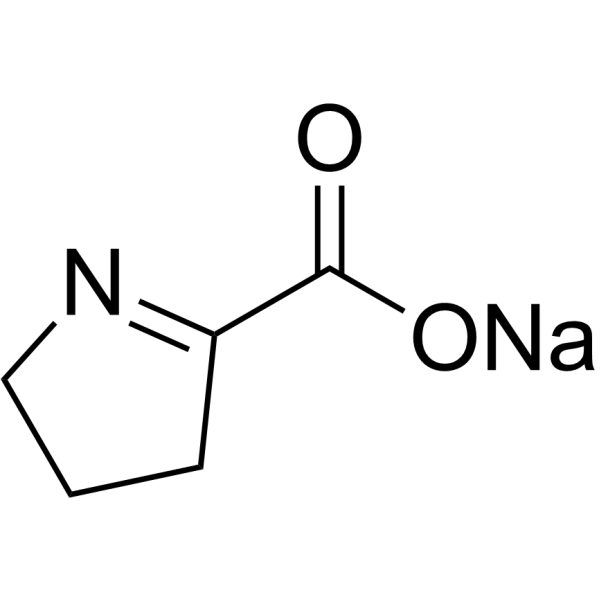
Pyrroline-5-carboxylate sodium is a key intermediate in proline anabolism and catabolism. Pyrroline-5-carboxylate sodium plays important roles in plant defense against pathogen invasion, as well as in redox regulation, nucleotide synthesis and other processes in animal cells .
loading...
    loading...
Cat. No.: HY-P2076
CAS No.: 931395-42-5
Synonyms: SGX942
Target:  

p62 Bacterial

Research Areas:  

Infection Cancer

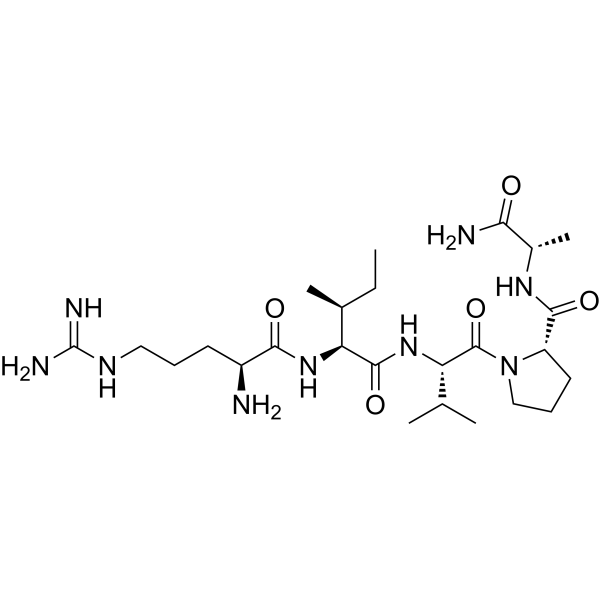
Dusquetide (SGX942) is a first-in-class innate defense regulator (IDR). Dusquetide modulates the innate immune response to both PAMPs and DAMPs by binding to p62. Dusquetide shows activity in both reducing inflammation and increasing clearance of bacterial infection . DAMPs: damage-associated molecular patterns; PAMPs: pathogen-associated molecular patterns
loading...
    loading...
Cat. No.: HY-N1033
CAS No.: 140631-27-2
Research Areas:  

Infection

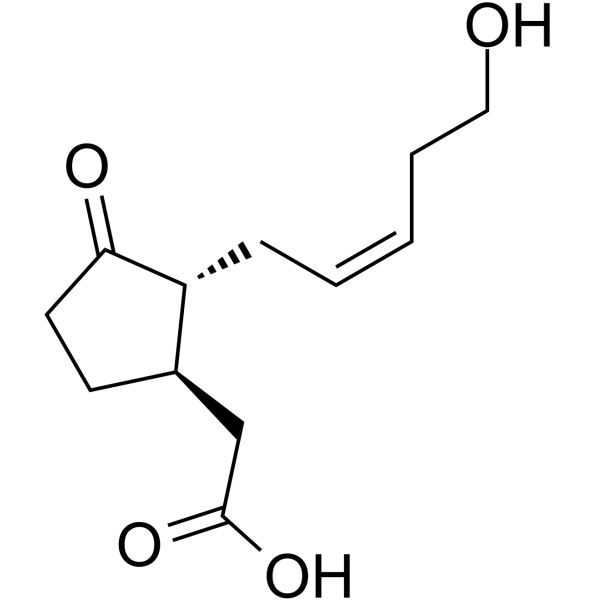
12-Hydroxyjasmonic acid is a metabolite of Jasmonic acid (HY-122464A) and an inducer of defense responses. 12-Hydroxyjasmonic acid can be isolated from potato leaflets. During the response of sugar beet plants to Cercospora beticola infection, 12-Hydroxyjasmonic acid is released through deglycosylation of its glucoside form and participates in the Jasmonic acid-mediated defense signaling pathway. 12-Hydroxyjasmonic acid mediates changes in source-sink relationships during pathogen infection, prioritizing the activation of defense processes over growth processes. 12-Hydroxyjasmonic acid serves as a substrate for salicylic acid Glycosyltransferases in tobacco and rice. 12-Hydroxyjasmonic acid can induce leaflet closure in Samanea saman. 12-Hydroxyjasmonic acid acts as a potato tuber-inducing substance. 12-Hydroxyjasmonic acid does not induce protoplast shrinkage in extensor motor cells of Samanea saman. 12-Hydroxyjasmonic acid can be used in studies related to brown spot disease .
loading...
    loading...
Cat. No.: HY-137884
CAS No.: 608-08-2
Purity:  99.26%
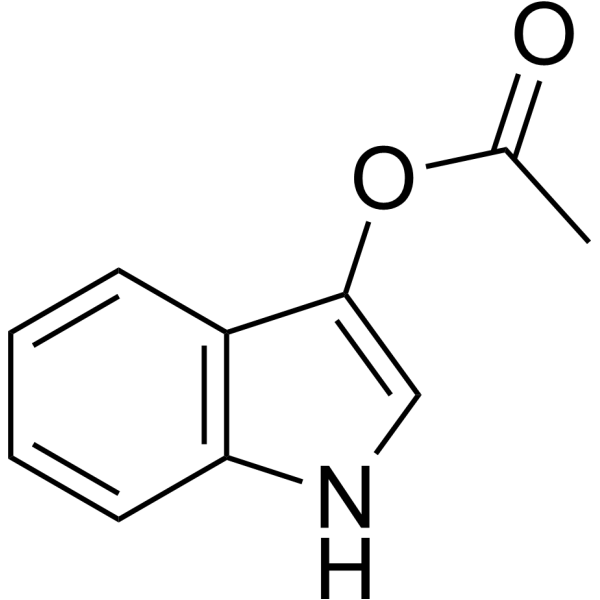
Synonyms: 3-Acetoxyindole
3-Indolyl acetate is an ester derivative of indole that is ubiquitous in various plant tissues, especially in certain cruciferous vegetables such as broccoli and cabbage. 3-Indolyl acetate has unique chemical properties that make it an important signaling molecule in plants, regulating various physiological processes such as growth and defense against pathogens. It also has potential applications in the pharmaceutical industry, as it has been shown to have antitumor and anti-inflammatory effects in some studies.
loading...
    loading...
Cat. No.: HY-138354
CAS No.: 2139-03-9
Target:  

Drug Intermediate

Research Areas:  

Infection

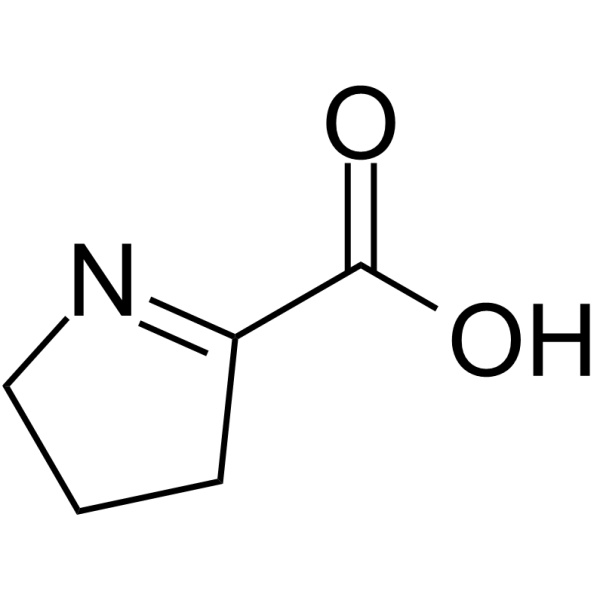
Pyrroline-5-carboxylate is a key intermediate in proline anabolism and catabolism. Pyrroline-5-carboxylate plays important roles in plant defense against pathogen invasion, as well as in redox regulation, nucleotide synthesis and other processes in animal cells .
loading...
    loading...
Cat. No.: HY-P2076A
Synonyms: SGX942 TFA
Target:  

p62 Bacterial

Research Areas:  

Infection Cancer

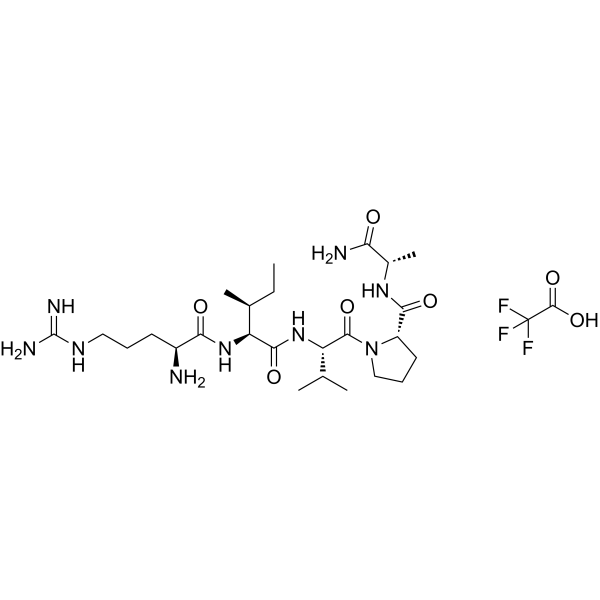
Dusquetide (SGX942) TFA is a first-in-class innate defense regulator (IDR). Dusquetide TFA modulates the innate immune response to both PAMPs and DAMPs by binding to p62. Dusquetide TFA shows activity in both reducing inflammation and increasing clearance of bacterial infection . DAMPs: damage-associated molecular patterns; PAMPs: pathogen-associated molecular patterns
loading...
    loading...
Cat. No.: HY-131266R
CAS No.: 1657014-33-9
Research Areas:  

Others

Menadione bisulfite (sodium) (Standard) is the analytical standard of Menadione bisulfite (sodium). This product is intended for research and analytical applications. Menadione bisulfite (sodium) is used as an agent to induce acute oxidative stress, and to function as a plant-defense activator against several pathogens.
loading...
    loading...
Cat. No.: HY-B1897AR
CAS No.: 130-37-0
Synonyms: Menadione sodium bisulfite (Standard); Vitamin K3 sodium bisulfite (Standard)
Research Areas:  

Others

Menadione bisulfite (sodium) (Standard) is the analytical standard of Menadione bisulfite (sodium). This product is intended for research and analytical applications. Menadione bisulfite (sodium) is used as an agent to induce acute oxidative stress, and to function as a plant-defense activator against several pathogens.
loading...
    loading...
Cat. No.: HY-P2291
Target:  

Bacterial

Research Areas:  

Inflammation/Immunology

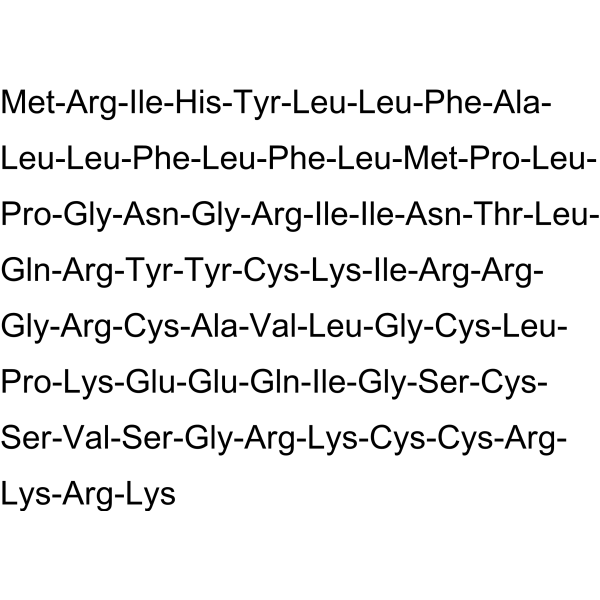
Beta-defensin 103 isoform X1, pig is an antimicrobial peptide found in different living organisms, involved in the first line of defense in their innate immune response against pathogens .
loading...
    loading...
Cat. No.: HY-P2291A
Target:  

Bacterial

Research Areas:  

Inflammation/Immunology

Beta-defensin 103 isoform X1, pig TFA is an antimicrobial peptide found in different living organisms, involved in the first line of defense in their innate immune response against pathogens .
loading...
    loading...
Cat. No.: HY-32350S1
CAS No.: 1261254-46-9
Synonyms: 1α,25-Dihydroxy Vitamin D2-d3
Ercalcitriol-d3 (1α,25-Dihydroxy Vitamin D2-d3) is the deuterium labeled Ercalcitriol (HY-32350). Ercalcitriol (1α,25-Dihydroxy Vitamin D2) is a vitamin D receptor (VDR) agonist with high binding affinity. After binding to VDR, Ercalcitriol forms a complex with retinoid X receptor (RXR) to regulate target gene transcription. For example, Ercalcitriol induces human gingival/oral epithelial cells to produce human cat antimicrobial peptide (hCAP-18/LL-37), which has antimicrobial activity against periodontal pathogens such as Porphyromonas gingivalis. Ercalcitriol enhances the innate immune defense of the oral mucosa by promoting the expression of antimicrobial peptides, and is mainly used in the study of periodontal diseases and immune-related oral diseases .
loading...
    loading...
Cat. No.: HY-P11458
Synonyms: Nlp24
Research Areas:  

Inflammation/Immunology

Hanlp24 (Nlp24) is an immunogenic short peptide derived from plant pathogenic microorganisms. Hanlp24 can be recognized by the immune system of the model plant Arabidopsis thaliana and effectively induces the production of reactive oxygen species (ROS) in Arabidopsis thaliana. Hanlp24 is not the key factor that triggers plant defense and leads to the loss of pathogen virulence in the interaction system between cucumber and anthracnose pathogen. Hanlp24 can be used for the study of the plant immune system .
loading...
    loading...
Cat. No.: HY-L175
176 compounds

Inflammasomes are classic pattern recognition receptors for natural immune responses. Inflammasomes are polymeric protein complexes that regulate inflammatory responses and pyrolytic cell death, thereby exerting the host's defense against microorganisms. Inflammasomes sensors are associated with adapter proteins, activating inflammatory caspase-1, releasing inflammatory cytokines and inducing cell death, endowing the host with defense against pathogens. NLRP1, NLRP3, NLRC4, AIM2, and pyrin are considered typical inflammasomes because they convert cysteine asparaginase-1 into catalytically active capsaicin-1. In addition to infectious diseases, the importance of inflammasomes is also related to various clinical diseases, such as autoimmune diseases, neurodegeneration and metabolic disorders, and the development of cancer. Therefore, it is necessary to strictly regulate the activation and function of inflammasomes to avoid accidental host tissue damage while inducing pathogens to kill the inflammatory response.

MCE designs a unique collection of 176 inflammasomes related compounds. It is a good tool to be used for research on Inflammation, cancer and other diseases.

Cat. No.: HY-174525
Target:  

mRNA

Research Areas:  

Inflammation/Immunology

Human TLR3 mRNA encodes the human toll like receptor 3 (TLR3) protein, a member of the Toll-like receptor (TLR) family which plays a fundamental role in pathogen recognition and activation of innate immunity. TLR3 recognizes dsRNA associated with viral infection, and induces the activation of NF-kappaB and the production of type I interferons. It may thus play a role in host defense against viruses.
loading...
    loading...
Cat. No.: HY-L007
8,534 compounds

The immune system is a host defense system comprising many biological structures and processes within an organism that protects against disease. To function properly, an immune system must detect a wide variety of agents, known as pathogens, from viruses to parasitic worms, and distinguish them from the organism's own healthy tissue. Inflammation is also the body's attempt at self-protection to remove harmful stimuli and begin the healing process. It’s part of the body's immune response. The immune system recognizes damaged cells, irritants, and pathogens, and inflammation begins the healing process. Inflammatory abnormalities are a large group of disorders that underlie a vast variety of human diseases. The immune system is often involved with inflammatory disorders, demonstrated in both allergic reactions and some myopathies, with many immune system disorders resulting in abnormal inflammation.

MCE designs a unique collection of 8,534 compounds that are useful tool for Immunology/Inflammation research or autoimmune inflammatory diseases drug discovery.

