1. Search Result
Search Result
Results for "

penicillin binding proteins

" in MedChemExpress (MCE) Product Catalog:

93

Inhibitors & Agonists

1

Screening Libraries

2

Fluorescent Dyes

1

Peptides

1

Natural
Products

7

Isotope-Labeled Compounds

Cat. No. Product Name Target Research Areas Chemical Structure
  • HY-B0974
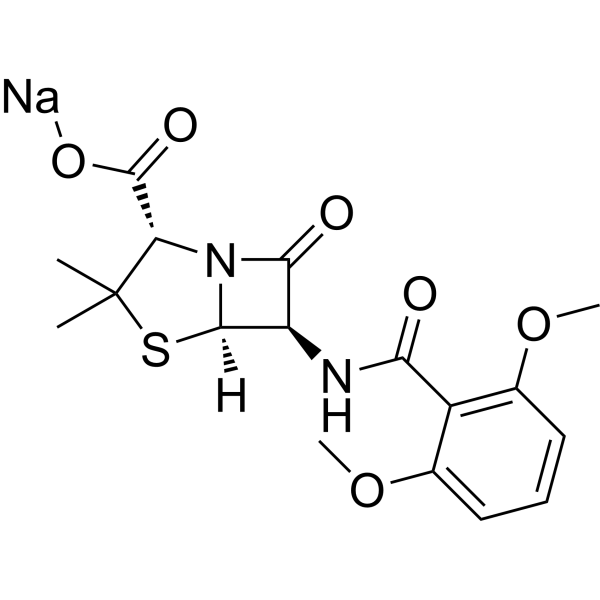
    Methicillin sodium salt
    5+ Cited Publications

    Meticillin sodium

    Penicillin-binding protein (PBP) Bacterial Antibiotic Infection
    Methicillin sodium salt (Meticillin sodium) is a β-lactam, semi-synthetic antibiotic related to penicillin antibiotic. Methicillin sodium salt inhibits penicillin-binding proteins involved in the synthesis of peptidoglycan. Methicillin sodium salt inhibits S. aureus with a MIC value of 2.1 μg/mL. Methicillin sodium salt can be used for the research of inflammation .
    Methicillin sodium salt
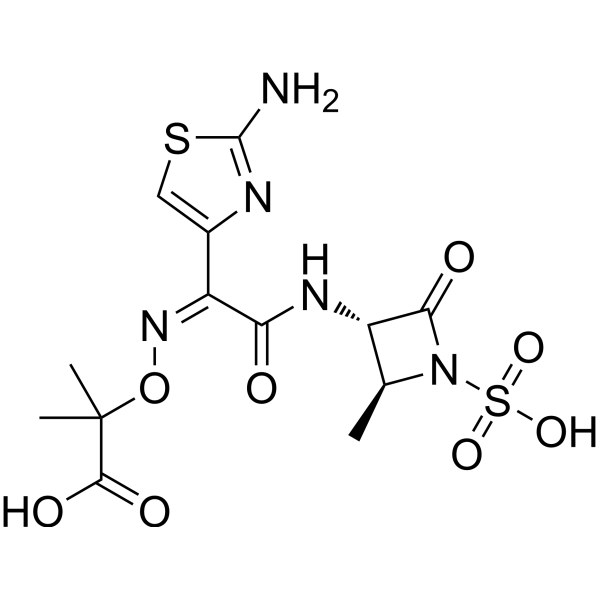
  • HY-B0129
    Aztreonam
    Maximum Cited Publications
    19 Publications Verification

    SQ-26,776

    Penicillin-binding protein (PBP) Bacterial Antibiotic Infection Cancer
    Aztreonam (SQ-26,776) is a synthetic monocyclic beta-lactam antibiotic, which has a very high affinity for penicillin-binding protein 3 (PBP-3).
    Aztreonam
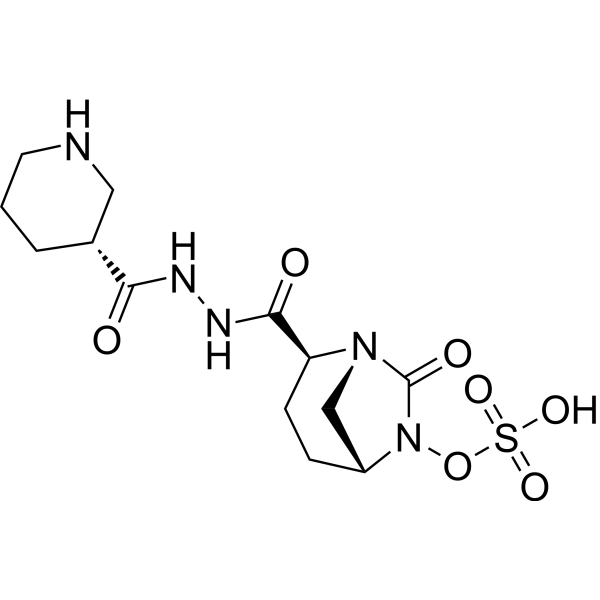
  • HY-120859
    Zidebactam
    5+ Cited Publications

    WCK-5107

    Beta-lactamase Penicillin-binding protein (PBP) Bacterial Infection
    Zidebactam (WCK-5107) is a potent β-lactamase inhibitor . Zidebactam also is a penicillin-binding protein2 (PBP2) inhibitor with an IC50 of 0.26 μg/mL .
    Zidebactam
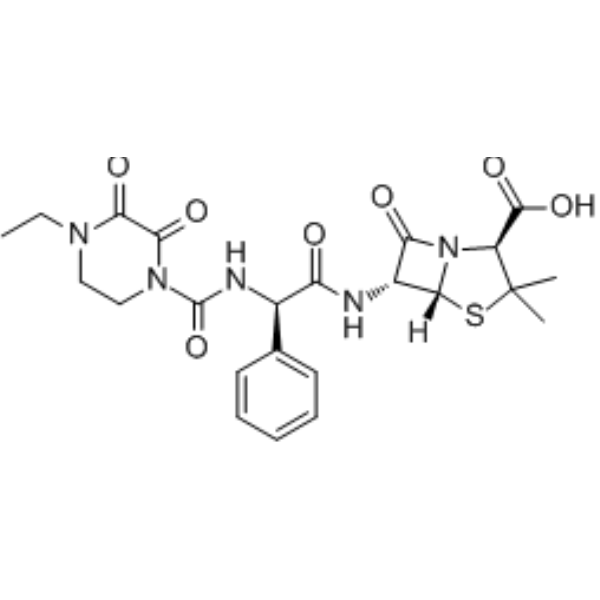
  • HY-B1923
    Piperacillin
    10+ Cited Publications

    Pipracil

    Antibiotic Bacterial Beta-lactamase Penicillin-binding protein (PBP) Infection Cancer
    Piperacillin is a semisynthetic broad-spectrum β-lactam antibiotic which exhibits potent bactericidal activity against Gram-negative bacteria as well as select Gram-positive strains through penicillin-binding proteins. Piperacillin is most commonly used in combination with the β-lactamase inhibitor Tazobactam .
    Piperacillin
  • HY-B0200
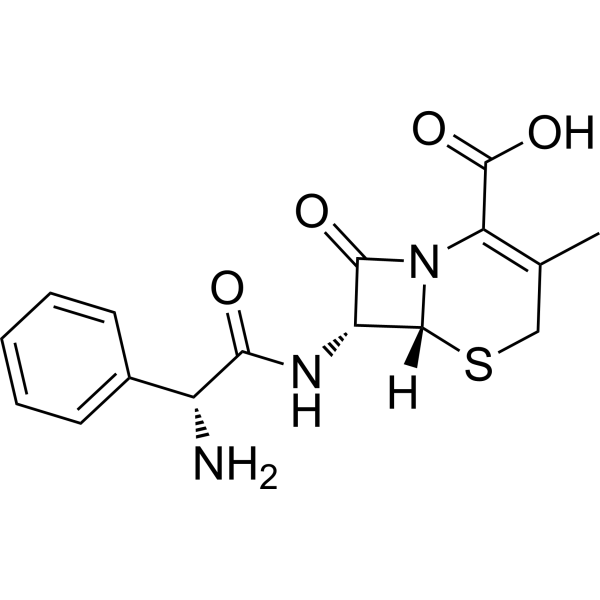
    Cephalexin
    5+ Cited Publications

    Cefalexin; Cephacillin

    Penicillin-binding protein (PBP) Antibiotic Bacterial Infection Cancer
    Cephalexin (Cefalexin) is a potent, orally active semisynthetic cephalosporin antibiotic with a broad antibacterial spectrum. Cephalexin has antibacterial activity against a wide variety of gram-positive and gram-negative bacteria. Cephalexin targets penicillin-binding proteins (PBPs) to inhibit bacterial cell wall assembly. Cephalexin is used for the research of pneumonia, strep throat, and bacterial endocarditis, et al .
    Cephalexin
  • HY-B0396

    L084

    Penicillin-binding protein (PBP) Bacterial Antibiotic Infection
    Tebipenem pivoxil (L084) is an orally active antibiotic against a variety of pathogenic bacteria. Tebipenem pivoxil binds penicillin-binding protein (PBP), thereby inhibiting cell wall synthesis .
    Tebipenem pivoxil
  • HY-B0200B
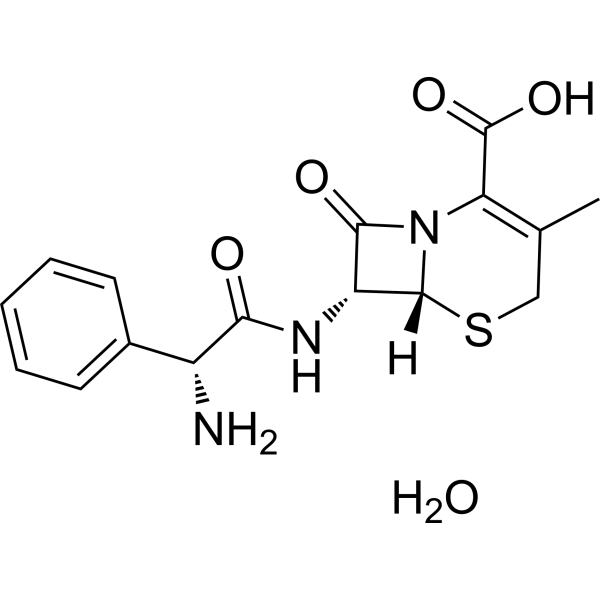
    Cephalexin monohydrate
    5+ Cited Publications

    Cefalexin hydrate; Cephacillin hydrate

    Penicillin-binding protein (PBP) Antibiotic Bacterial Infection Cancer
    Cephalexin (Cefalexin) monohydrate is a potent, orally active new semisynthetic cephalosporin antibiotic with a broad antibacterial spectrum. Cephalexin (Cefalexin) monohydrate has antibacterial activity against a wide variety of gram-positive and gram-negative bacteria. Cephalexin (Cefalexin) monohydrate targets penicillin-binding proteins (PBPs) to inhibit bacterial cell wall assembly. Cephalexin (Cefalexin) monohydrate is used for the research of pneumonia, strep throat, and bacterial endocarditis, et al .
    Cephalexin monohydrate
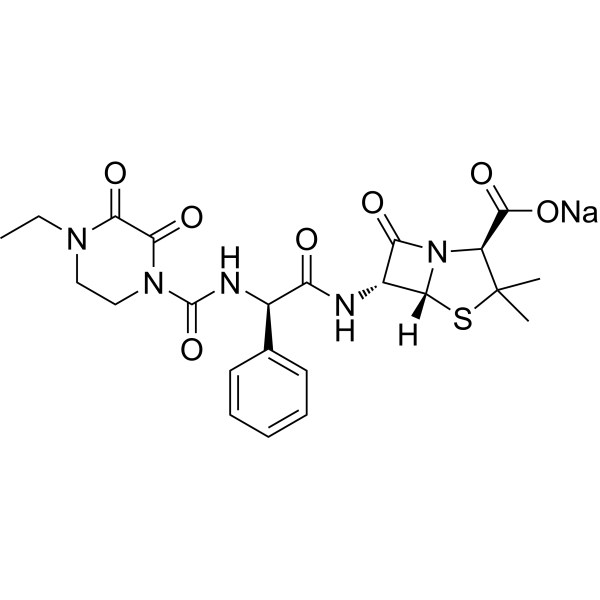
  • HY-B1286
    Piperacillin sodium
    10+ Cited Publications

    Sodium piperacillin

    Bacterial Antibiotic Penicillin-binding protein (PBP) Infection Cancer
    Piperacillin sodium is a semisynthetic broad-spectrum β-lactam antibiotic which exhibits potent bactericidal activity against Gram-negative bacteria as well as select Gram-positive strains through penicillin-binding proteins. Piperacillin is most commonly used in combination with the β-lactamase inhibitor Tazobactam .
    Piperacillin sodium
  • HY-B0198
    Cefaclor
    2 Publications Verification

    Antibiotic Penicillin-binding protein (PBP) Bacterial 5-HT Receptor Infection Neurological Disease Inflammation/Immunology
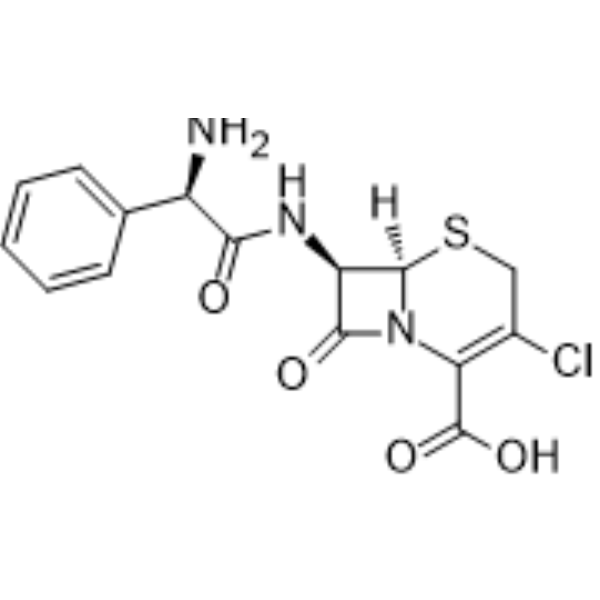
    Cefaclor is a well-absorbed orally active cephalosporin antibiotic. Cefaclor can specifically bind to specific for penicillin-binding protein 3 (PBP3). Cefaclor can be used for the research of depression and kinds of infections caused by bacteria, such as respiratory tract infections, bacterial bronchitis, pharyngitis and skin infections .
    Cefaclor
  • HY-109008
    Nacubactam
    2 Publications Verification

    OP0595 free acid

    Beta-lactamase Bacterial Infection
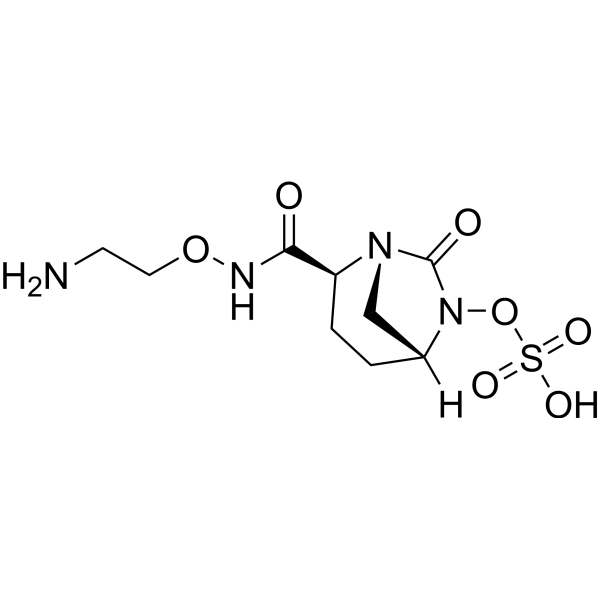
    Nacubactam (OP0595 free acid) is a potent non-β-lactam-β-lactamase inhibitor with activity against class A and C β-lactamases. Nacubactam acts as a penicillin binding protein (PBP) 2-active antibacterial, and gives β-lactamase-independent potentiation of β-lactams targeting other PBPs. Nacubactam potentiates the antimicrobial activities of Piperacillin (HY-B1923), Cefepime (HY-B0692), and Meropenem (HY-13678) against CTX-M-15-positive Escherichia coli and KPC-positive Klebsiella pneumoniae .
    Nacubactam
  • HY-126387

    Bacterial Antibiotic Penicillin-binding protein (PBP) Infection
    Moenomycin complex is a class of antibacterial agents and PBP inhibitors, with Kd values ranging from 94 nM to 1690 nM against various bacterial PBPs. Moenomycin complex inhibits bacterial growth by blocking the transglycosylase activity of class A penicillin-binding proteins (PBPs). Moenomycin complex is used in the research of bacterial infections .
    Moenomycin complex
  • HY-N6670

    Antibiotic Raf ERK Ras MEK Bacterial Infection
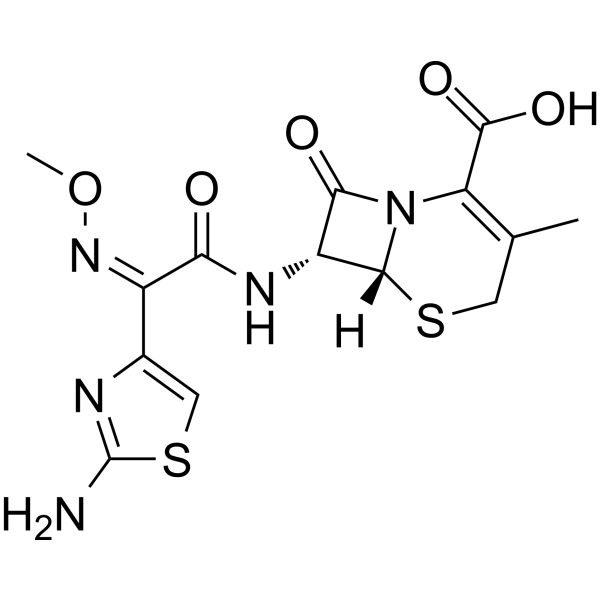
    Cefotetan is a binding agent that targets human Raf1 kinase inhibitor protein (hRKIP). Cefotetan binds to hRKIP, reduces the binding space between hRKIP and Raf1 kinase, relieves hRKIP's inhibition of the Ras/Raf1/MEK/ERK signaling pathway, and enhances ERK phosphorylation. Cefotetan can be used to study diseases associated with dysregulated Ras/Raf1/MEK/ERK signaling pathways. Cefotetan is also a broad-spectrum antibacterial agent that disrupts cell wall synthesis by binding to bacterial penicillin-binding proteins (PBPs). It is used to study bacterial infections such as bone, skin, urinary tract, and lower respiratory tract .
    Cefotetan
  • HY-B1325

    Bacterial Antibiotic Infection Inflammation/Immunology
    Cefuroxime axetil is an orally effective broad-spectrum β-lactam antibiotic that targets bacterial penicillin-binding proteins (PBPs, such as PBP3 and PBP1). Cefuroxime axetil inhibits cell wall synthesis, leading to bacterial lysis and death, with a minimum inhibitory concentration (MIC) of 0.12-4 mg/L for non-typeable Haemophilus influenzae (NTHi). Cefuroxime axetil is hydrolyzed by esterase to the active ingredient Cefuroxime (HY-B1256A) after oral absorption. Topical administration of Cefuroxime via bioadhesive nanoparticles (BNPs) can prolong the drug's retention time in the middle ear (≥7 days). Cefuroxime axetil can be used in the study of otitis media (especially NTHi infection). Cefuroxime axetil can achieve precise antibacterial effects through oral or topical nano-delivery systems, reducing systemic exposure and the risk of antibiotic resistance .
    Cefuroxime axetil
  • HY-121329

    AMA-1080; Ro 17-2301

    Penicillin-binding protein (PBP) Antibiotic Bacterial Infection
    Carumonam (AMA-1080; Ro 17-2301) is a sulfonated monocyclic β-Lactam Antibiotic, targeting to penicillin-binding protein (PBP). Carumonam exerts highly activity against Enterobacteriaceae, Pseudomonas aeruginosa, and Haemophilus influenzae, while it weakly and even inactively inhibits Streptococcus pneumoniae and Staphylococcus aureus. Carumonam is resistant to beta-lactamase-mediated hydrolysis .
    Carumonam
  • HY-13588

    SCE-129 sodium

    Bacterial Antibiotic Infection
    Cefsulodin (SCE-129) sodium is a third generation β lactam antibiotic and member of the cephems subgroup of antibiotics. Cefsulodin sodium inhibits cell wall synthesis by competitively inhibiting penicillin binding protein (PBP) cross-linking and transpeptidation of peptidogly. Cefsulodin sodium is a potent tyrosine phosphatase inhibitor against mPTPB, a virulent phosphatase from Mycobacterium tuberculosis, with an IC50 value of 16 μM .
    Cefsulodin sodium
  • HY-B0200A
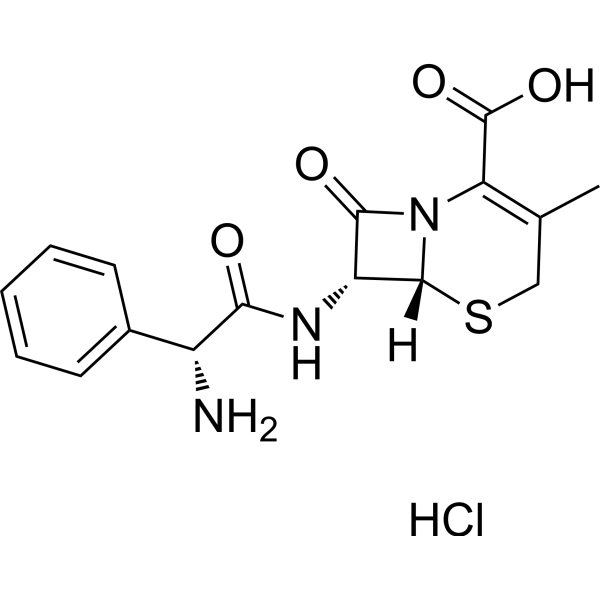
    Cephalexin hydrochloride
    5+ Cited Publications

    Cefalexin hydrochloride; Cephacillin hydrochloride

    Penicillin-binding protein (PBP) Bacterial Antibiotic Infection Cancer
    Cephalexin (Cefalexin) hydrochloride is a potent, orally active new semisynthetic cephalosporin antibiotic with a broad antibacterial spectrum. Cephalexin (Cefalexin) hydrochloride has antibacterial activity against a wide variety of gram-positive and gram-negative bacteria. Cephalexin (Cefalexin) hydrochloride targets penicillin-binding proteins (PBPs) to inhibit bacterial cell wall assembly. Cephalexin (Cefalexin) hydrochloride is used for the research of pneumonia, strep throat, and bacterial endocarditis, et al .
    Cephalexin hydrochloride
  • HY-A0111
    Cefetamet
    1 Publications Verification

    Ro 15-8074; Deacetoxycefotaxime

    Antibiotic Bacterial Penicillin-binding protein (PBP) Drug Metabolite Infection
    Cefetamet (Ro 15-8074) is a cephalosporin antibiotic and the active metabolite of Cefetamet pivoxil (HY-B1894A). Cefetamet binds to bacterial penicillin-binding protein (PBP) (IC50 for PBP3 in Escherichia coli W3110 is 2.5 μg/mL). Cefetamet has significant activity against Gram-negative bacteria such as Enterobacteriaceae, Neisseria species, and Haemophilus influenzae, as well as Gram-positive bacteria such as Streptococcus. Cefetamet kills and lyses Treponema pallidum. Cefetamet can be used in the research of respiratory tract, urinary tract, ear, nose and throat infections, and syphilis .
    Cefetamet
  • HY-B1824
    Cefpirome sulfate
    1 Publications Verification

    HR-810 sulfate

    Bacterial Antibiotic Infection
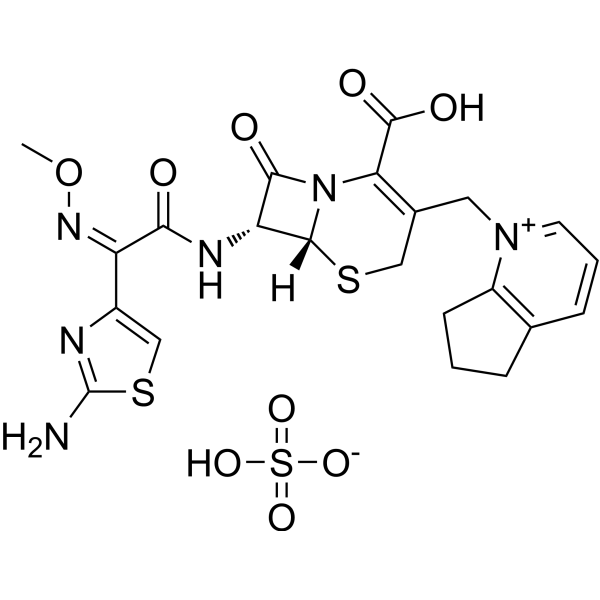
    Cefpirome (HR-810) sulfate is a cephalosporin antibiotic that can cross cell membranes and the blood-brain barrier. Cefpirome sulfate binds to penicillin-binding proteins with high affinity, thereby inhibiting bacterial cell wall synthesis. Cefpirome sulfate exhibits bactericidal and growth-inhibitory activities against Gram-negative bacteria, Gram-positive bacteria, and susceptible anaerobic bacteria (including some β-lactamase-producing strains) .
    Cefpirome sulfate
  • HY-153695

    Bacterial Infection
    TXA707 is an FtsZ-targeting antibacterial agent. TXA707 disrupts bacterial septum formation, induces cell enlargement, causes penicillin-binding protein mislocalization, and triggers cell lysis in Staphylococcus aureus cells. TXA707 can be used for the research of Staphylococcus aureus infections .
    TXA707
  • HY-B1257

    Sodium cefmetazole

    Bacterial Antibiotic Infection Cancer
    Cefmetazole sodium (Sodium cefmetazole) is a semisynthetic cephamycin antibiotic with broad-spectrum antibacterial activity, covering gram-positive, gram-negative, and anaerobic bacteria. Cefmetazole sodium binds to penicillin binding proteins (PBPs), resulting in interfering bacterial cell wall biosynthesis. Cefmetazole sodium is used for the research of gynecologic, intraabdominal, urinary tract, respiratory tract and skin and soft tissue infections .
    Cefmetazole sodium
  • HY-N7102
    Ceftiofur
    4 Publications Verification

    Antibiotic Bacterial NF-κB p38 MAPK TNF Receptor Interleukin Related Infection
    Ceftiofur is a cell wall synthesis inhibitor that targets bacterial penicillin-binding proteins (PBPs) and has anti-inflammatory effects in endotoxemia. Ceftiofur exerts bactericidal effects by inhibiting the synthesis of bacterial cell wall peptidoglycan, leading to bacterial cell lysis. Ceftiofur also inhibits the activation of NF-κB and MAPKs, thereby reducing the secretion of pro-inflammatory cytokines such as TNF-α, IL-1β, and IL-6 .
    Ceftiofur
  • HY-B0898
    Ceftiofur sodium
    4 Publications Verification

    sodium ceftiofur

    Antibiotic Bacterial NF-κB p38 MAPK TNF Receptor Interleukin Related Infection
    Ceftiofur sodium is a cell wall synthesis inhibitor that targets bacterial penicillin-binding proteins (PBPs) and has anti-inflammatory effects in endotoxemia. Ceftiofur sodium exerts bactericidal effects by inhibiting the synthesis of bacterial cell wall peptidoglycan, leading to bacterial cell lysis. Ceftiofur sodium also inhibits the activation of NF-κB and MAPKs, thereby reducing the secretion of pro-inflammatory cytokines such as TNF-α, IL-1β, and IL-6 .
    Ceftiofur sodium
  • HY-B1275
    Cephalothin sodium
    3 Publications Verification

    Cefalotin sodium

    Beta-lactamase Bacterial Antibiotic Infection
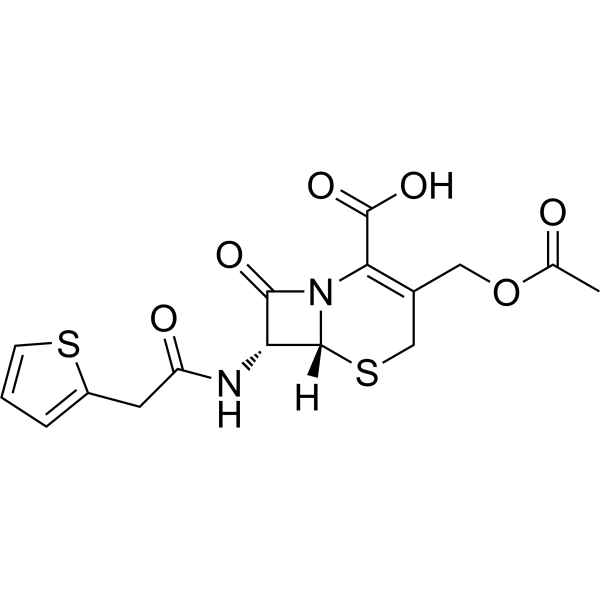
    Cephalothin (Cephalotin) sodium is a semi-synthetic cephalosporin antibiotic and beta-lactam antibiotic. Cephalothin inhibits class C β-lactamase AmpC, with an Ki of 0.32 µM. Cephalothin sodium binds to penicillin-binding proteins, interfering with the cross-linking of peptidoglycan in the cell wall and thus hindering the normal synthesis of the bacterial cell wall. Cephalothin sodium shows antibacterial activity against a variety of bacteria. Cephalothin sodium can be used in hematological and nephrotoxicity studies .
    Cephalothin sodium
  • HY-B1275A
    Cephalothin
    3 Publications Verification

    Cephalotin

    Beta-lactamase Bacterial Antibiotic Infection Cardiovascular Disease
    Cephalothin (Cephalotin) is a semi-synthetic cephalosporin antibiotic and beta-lactam antibiotic. Cephalothin inhibits class C β-lactamase AmpC, with an Ki of 0.32 µM. Cephalothin binds to penicillin-binding proteins, interfering with the cross-linking of peptidoglycan in the cell wall and thus hindering the normal synthesis of the bacterial cell wall. Cephalothin shows antibacterial activity against a variety of bacteria. Cephalothin can be used in hematological and nephrotoxicity studies .
    Cephalothin
  • HY-159688
    Cefditoren
    1 Publications Verification

    Antibiotic Bacterial Penicillin-binding protein (PBP) Interleukin Related Infection
    Cefditoren is a broad-spectrum oral active cephalosporin that acts as a penicillin-binding protein (PBP) inhibitor. Cefditoren binds to specific PBPs in Gram-positive and Gram-negative bacteria, thereby inhibiting cell wall synthesis. Cefditoren also reduces serum levels of the inflammatory biomarkers IL-6 and KL-6. Cefditoren can be used in research related to acute exacerbation of chronic bronchitis, pharyngitis-tonsillitis, uncomplicated skin and skin structure infections, respiratory tract infections, acute pyelonephritis, and enterococcal endocarditis .
    Cefditoren
  • HY-N7101

    U-76,252; CS-807

    Bacterial Antibiotic Penicillin-binding protein (PBP) Infection
    Cefpodoxime Proxetil is an orally active broad spectrum third-generation cephalosporin with potent antibacterial activity against both Gram-positive and Gram-negative bacteria including staphylococci, streptococci, Haemophilus influenzae, Neisseria gonorrhoeae, Escherichia coli, Klebsiella pnuemoniae, Citrobacter spp, and Proteus spp. Cefpodoxime Proxetil binds to penicillin binding proteins (PBPs), which inhibits peptidoglycan synthesis, finally results in interfering bacterial cell wall biosynthesis. Cefpodoxime Proxetil can be used against skin structure infections, acute otitis media, pharyngitis, tonsillitis, upper respiratory tract infection, urinary tract infections and sexually transmitted diseases .
    Cefpodoxime Proxetil
  • HY-B1923R

    Pipracil (Standard)

    Bacterial Reference Standards Antibiotic Beta-lactamase Penicillin-binding protein (PBP) Infection Cancer
    Piperacillin (Standard) is the analytical standard of Piperacillin. This product is intended for research and analytical applications. Piperacillin is a semisynthetic broad-spectrum β-lactam antibiotic which exhibits potent bactericidal activity against Gram-negative bacteria as well as select Gram-positive strains through penicillin-binding proteins. Piperacillin is most commonly used in combination with the β-lactamase inhibitor Tazobactam .
    Piperacillin (Standard)
  • HY-121544

    Penicillin-binding protein (PBP) Bacterial Antibiotic Histamine Receptor Infection
    Methicillin is a narrow-spectrum β-lactam antibiotic, acts by inhibiting penicillin-binding proteins (PBPs). Methicillin is active against Staphylococcus aureus and Staphylococcus epidermidis that are resistant to other penicillins.Methicillin can be used for the research of skin infections, osteomyelitis, and endocarditis .
    Methicillin
  • HY-B1596A
    Ceftizoxime sodium
    1 Publications Verification

    SKF-88373

    Penicillin-binding protein (PBP) Bacterial Antibiotic Infection
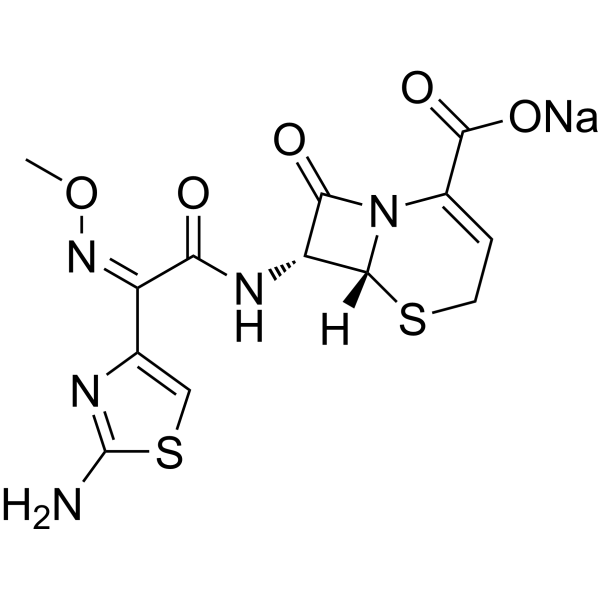
    Ceftizoxime sodium (SKF-88373) is third generation cephalosporin effective against Gram-negative and Gram-positive bacteria. It binds penicillin-binding proteins (PBPs) and inhibits the bacterial cell wall synthesis.
    Ceftizoxime sodium
  • HY-B0129S

    SQ-26,776-d6

    Isotope-Labeled Compounds Bacterial Antibiotic Infection
    Aztreonam-d6 is deuterium labeled Aztreonam. Aztreonam (SQ-26,776) is a synthetic monocyclic beta-lactam antibiotic, which has a very high affinity for penicillin-binding protein 3 (PBP-3).
    Aztreonam-d6
  • HY-D0184R

    Deoxycytidine (Standard); Cytosine deoxyriboside (Standard); Deoxyribose cytidine (Standard)

    Reference Standards Endogenous Metabolite Cancer
    Cefaclor (monohydrate) (Standard) is the analytical standard of Cefaclor (monohydrate). This product is intended for research and analytical applications. Cefaclor is a well-absorbed orally active cephalosporin antibiotic. Cefaclor can specifically bind to specific for penicillin-binding protein 3 (PBP3). Cefaclor can be used for the research of depression and kinds of infections caused by bacteria, such as respiratory tract infections, bacterial bronchitis, pharyngitis and skin infections .
    2'-Deoxycytidine (Standard)
  • HY-B0129R

    SQ-26,776 (Standard)

    Penicillin-binding protein (PBP) Reference Standards Bacterial Antibiotic Infection
    Aztreonam (Standard) is the analytical standard of Aztreonam. This product is intended for research and analytical applications. Aztreonam (SQ-26,776) is a synthetic monocyclic beta-lactam antibiotic, which has a very high affinity for penicillin-binding protein 3 (PBP-3).
    Aztreonam (Standard)
  • HY-B1595

    CS 1170

    Antibiotic Bacterial Infection Cancer
    Cefmetazole (CS 1170) is a semisynthetic cephamycin antibiotic with broad-spectrum antibacterial activity, covering gram-positive, gram-negative and anaerobic bacteria. Cefmetazole binds to penicillin binding proteins (PBPs), resulting in interfering bacterial cell wall biosynthesis. Cefmetazole is used for the research of gynecologic, intraabdominal, urinary tract, respiratory tract and skin and soft tissue infections .
    Cefmetazole
  • HY-B1286R

    Sodium piperacillin (Standard)

    Reference Standards Bacterial Antibiotic Penicillin-binding protein (PBP) Infection
    Piperacillin (sodium) (Standard) is the analytical standard of Piperacillin (sodium). This product is intended for research and analytical applications. Piperacillin sodium is a semisynthetic broad-spectrum β-lactam antibiotic which exhibits potent bactericidal activity against Gram-negative bacteria as well as select Gram-positive strains through penicillin-binding proteins. Piperacillin is most commonly used in combination with the β-lactamase inhibitor Tazobactam .
    Piperacillin sodium (Standard)
  • HY-B0200R

    Cefalexin (Standard); Cephacillin (Standard)

    Penicillin-binding protein (PBP) Reference Standards Antibiotic Bacterial Infection Cancer
    Cephalexin (Standard) is the analytical standard of Cephalexin. This product is intended for research and analytical applications. Cephalexin (Cefalexin) is a potent, orally active semisynthetic cephalosporin antibiotic with a broad antibacterial spectrum. Cephalexin has antibacterial activity against a wide variety of gram-positive and gram-negative bacteria. Cephalexin targets penicillin-binding proteins (PBPs) to inhibit bacterial cell wall assembly. Cephalexin is used for the research of pneumonia, strep throat, and bacterial endocarditis, et al .
    Cephalexin (Standard)
  • HY-B0198A
    Cefaclor monohydrate
    2 Publications Verification

    Antibiotic Bacterial Penicillin-binding protein (PBP) 5-HT Receptor Infection Neurological Disease Inflammation/Immunology
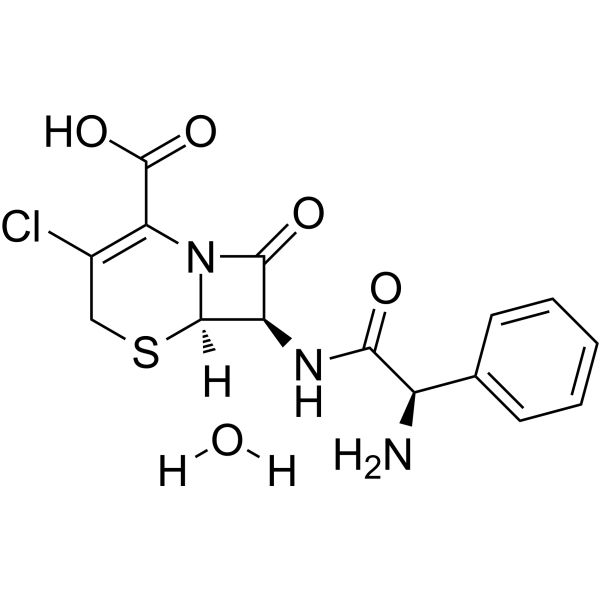
    Cefaclor is a well-absorbed orally active cephalosporin antibiotic. Cefaclor can specifically bind to specific for penicillin-binding protein 3 (PBP3). Cefaclor can be used for the research of depression and kinds of infections caused by bacteria, such as respiratory tract infections, bacterial bronchitis, pharyngitis and skin infections .
    Cefaclor monohydrate
  • HY-139744

    Beta-lactamase Penicillin-binding protein (PBP) Bacterial Infection
    FPI-1465 acts a dual inhibitor of serine-β-Lactamases and Penicillin-binding proteins (PBPs).FPI-1465 inhibits PBP2 (IC50=1.0 µg/mL). FPI-1465 exhibits activity against β-lactamase CTX-M-15 and OXA-48 with Kds of 0.011 and 5.3 µM, respectively .
    FPI-1465
  • HY-B0026
    Ceftiofur hydrochloride
    4 Publications Verification

    Antibiotic Bacterial NF-κB p38 MAPK TNF Receptor Interleukin Related Infection
    Ceftiofur hydrochloride is a cell wall synthesis inhibitor that targets bacterial penicillin-binding proteins (PBPs) and has anti-inflammatory effects in endotoxemia. Ceftiofur hydrochloride exerts bactericidal effects by inhibiting the synthesis of bacterial cell wall peptidoglycan, leading to bacterial cell lysis. Ceftiofur hydrochloride also inhibits the activation of NF-κB and MAPKs, thereby reducing the secretion of pro-inflammatory cytokines such as TNF-α, IL-1β, and IL-6 .
    Ceftiofur hydrochloride
  • HY-W653936

    Isotope-Labeled Compounds Bacterial Antibiotic Penicillin-binding protein (PBP) Cancer
    Cephalexin-d5 (hydrate) is deuterium labeled Cephalexin (monohydrate). Cephalexin (Cefalexin) monohydrate is a potent, orally active new semisynthetic cephalosporin antibiotic with a broad antibacterial spectrum. Cephalexin (Cefalexin) monohydrate has antibacterial activity against a wide variety of gram-positive and gram-negative bacteria. Cephalexin (Cefalexin) monohydrate targets penicillin-binding proteins (PBPs) to inhibit bacterial cell wall assembly. Cephalexin (Cefalexin) monohydrate is used for the research of pneumonia, strep throat, and bacterial endocarditis, et al .
    Cephalexin-d5 hydrate
  • HY-B0898R

    sodium ceftiofur (Standard)

    Reference Standards Antibiotic Bacterial NF-κB p38 MAPK TNF Receptor Interleukin Related Infection
    Ceftiofur sodium (Standard) is the analytical standard of Ceftiofur sodium (HY-B0898). This product is intended for research and analytical applications. Ceftiofur sodium is a cell wall synthesis inhibitor that targets bacterial penicillin-binding proteins (PBPs) and has anti-inflammatory effects in endotoxemia. Ceftiofur sodium exerts bactericidal effects by inhibiting the synthesis of bacterial cell wall peptidoglycan, leading to bacterial cell lysis. Ceftiofur sodium also inhibits the activation of NF-κB and MAPKs, thereby reducing the secretion of pro-inflammatory cytokines such as TNF-α, IL-1β, and IL-6 .
    Ceftiofur sodium (Standard)
  • HY-120859A

    WCK-5107 sodium salt

    Beta-lactamase Penicillin-binding protein (PBP) Bacterial Infection
    Zidebactam sodium salt (WCK-5107 sodium salt) is a potent β-lactamase inhibitor . Zidebactam also is a penicillin-binding protein2 (PBP2) inhibitor with an IC50 of 0.26 μg/mL .
    Zidebactam sodium salt
  • HY-150063

    Penicillin-binding protein (PBP) Bacterial Infection
    Antibacterial agent 116 is a benzophenone-containing salicylanilide compound. Antibacterial agent 116 has potent antibacterial activity by inhibiting the peptidoglycan formation. Antibacterial agent 116 is used as a photoaffinity probe to label Acinetobacter baumannii penicillin-binding protein (PBP1b), block the propagation pathway to disrupt the growth of peptidoglycan chain .
    Antibacterial agent 116
  • HY-B0200C

    Cefalexin hydrochloride monohydrate; Cephacillin hydrochloride monohydrate

    Penicillin-binding protein (PBP) Antibiotic Bacterial Infection Cancer
    Cephalexin (Cefalexin) hydrochloride monohydrate is a potent, orally active new semisynthetic cephalosporin antibiotic with a broad antibacterial spectrum. Cephalexin (Cefalexin) hydrochloride monohydrate has antibacterial activity against a wide variety of gram-positive and gram-negative bacteria. Cephalexin (Cefalexin) hydrochloride monohydrate targets penicillin-binding proteins (PBPs) to inhibit bacterial cell wall assembly. Cephalexin (Cefalexin) hydrochloride monohydrate is used for the research of pneumonia, strep throat, and bacterial endocarditis, et al .
    Cephalexin hydrochloride monohydrate
  • HY-B0200D

    Cefalexin (lysine); Cephacillin (lysine)

    Penicillin-binding protein (PBP) Bacterial Antibiotic Infection Cancer
    Cephalexin (Cefalexin) lysine is a potent, orally active new semisynthetic cephalosporin antibiotic with a broad antibacterial spectrum. Cephalexin lysine has antibacterial activity against a wide variety of gram-positive and gram-negative bacteria. Cephalexin lysine targets penicillin-binding proteins (PBPs) to inhibit bacterial cell wall assembly. Cephalexin lysine is used for the research of pneumonia, strep throat, and bacterial endocarditis, et al .
    Cephalexin (lysine)
  • HY-B1824R

    HR-810 sulfate (Standard)

    Reference Standards Antibiotic Bacterial Infection
    Cefpirome (HR-810) sulfate (Standard) is the analytical standard of Cefpirome sulfate. This product is intended for research and analytical applications. Cefpirome sulfate is a cephalosporin antibiotic that can cross cell membranes and the blood-brain barrier. Cefpirome sulfate binds to penicillin-binding proteins with high affinity, thereby inhibiting bacterial cell wall synthesis. Cefpirome sulfate exhibits bactericidal and growth-inhibitory activities against Gram-negative bacteria, Gram-positive bacteria, and susceptible anaerobic bacteria (including some β-lactamase-producing strains).
    Cefpirome sulfate (Standard)
  • HY-U00380

    Antibiotic Beta-lactamase Bacterial Infection
    Tigemonam is an orally active monobactam antibiotic with a Ki of 0.86 μM against Enterobacter cloacae P99 β-lactamase and 50.8 μM against Escherichia coli TEM-1 β-lactamase. Tigemonam binds to penicillin-binding proteins 1a, 3, and 4, inhibits bacterial cell wall synthesis, and exhibits bactericidal activity against aerobic gram-negative bacteria including Enterobacteriaceae, Haemophilus influenzae, and Neisseria gonorrhoeae. Tigemonam resists hydrolysis by multiple β-lactamase enzymes, reduces bacterial load in systemic, pyelonephritic, lung, and thigh muscle infections in rodents, and shows minimal difference between minimum inhibitory and bactericidal concentrations. Tigemonam can be used for the research of gram-negative bacterial infections, acute pyelonephritis, lung infection, and thigh muscle infection .
    Tigemonam
  • HY-121544A

    Penicillin-binding protein (PBP) Bacterial Antibiotic Histamine Receptor Infection
    Methicillin sodium hydrate is a narrow-spectrum β-lactam antibiotic, acts by inhibiting penicillin-binding proteins (PBPs). Methicillin sodium hydrate is active against Staphylococcus aureus and Staphylococcus epidermidis that are resistant to other penicillins. Methicillin sodium hydrate can be used for the research of skin infections, osteomyelitis, and endocarditis .
    Methicillin sodium hydrate
  • HY-B0396A

    L084 hydrochloride

    Penicillin-binding protein (PBP) Bacterial Antibiotic Infection
    Tebipenem pivoxil (L084) hydrochloride is an orally active antibiotic against a variety of pathogenic bacteria. Tebipenem pivoxil hydrochloride binds penicillin-binding protein (PBP), thereby inhibiting cell wall synthesis .
    Tebipenem pivoxil hydrochloride
  • HY-114780

    Penicillin-binding protein (PBP) Bacterial Infection
    Lactivicin is a non-beta-lactam antibiotic showing beta-lactam action through binding to penicillin-binding protein (PBP). Lactivicin is moderately active against a wide range of Gram-negative bacteria and highly active against Gram-positive bacteria .
    Lactivicin
  • HY-129949

    Antibiotic Bacterial Infection Cancer
    Aztreonam (lysine) is a monocyclic beta-lactam antibiotic, and has a very high affinity for penicillin-binding protein 3 (PBP-3). Aztreonam (lysine) is active against Gram-negative aerobic bacteria .
    Aztreonam (lysine)

Inquiry Online

Your information is safe with us. * Required Fields.

Salutation


Country or Region *

Applicant Name *


Organization Name *

Department *


Email Address *


Product Name *

Cat. No.


Requested quantity *

Phone Number *


Remarks

Inquiry Online

Inquiry Information

Product Name:
Cat. No.:
Quantity:
MCE Japan Authorized Agent:

