

1. Search Result
Search Result
Results for "

pharmacodynamic

" in MedChemExpress (MCE) Product Catalog:

79

Inhibitors & Agonists

1

Screening Libraries

2

Peptides

2

Inhibitory Antibodies

3

Natural
Products

8

Isotope-Labeled Compounds

Cat. No. Product Name Target Research Areas Chemical Structure
  • HY-B0377
    Famotidine
    Maximum Cited Publications
    7 Publications Verification

    MK-208

    Histamine Receptor Cardiovascular Disease Metabolic Disease Endocrinology Cancer
    Famotidine (MK-208) is a competitive histamine H2-receptor antagonist. Its main pharmacodynamic effect is the inhibition of gastric secretion.
    Famotidine
  • HY-101560
    Linrodostat
    5+ Cited Publications

    BMS-986205; ONO-7701

    Indoleamine 2,3-Dioxygenase (IDO) Cancer
    Linrodostat (BMS-986205) is a selective and irreversible indoleamine 2,3-dioxygenase 1 (IDO1) inhibitor with an IC50 value of 1.1 nM in IDO1-HEK293 cells. Linrodostat is well tolerated with potent pharmacodynamic activity in advanced cancers .
    Linrodostat
  • HY-109052
    Atabecestat
    1 Publications Verification

    JNJ-54861911

    Beta-secretase Neurological Disease
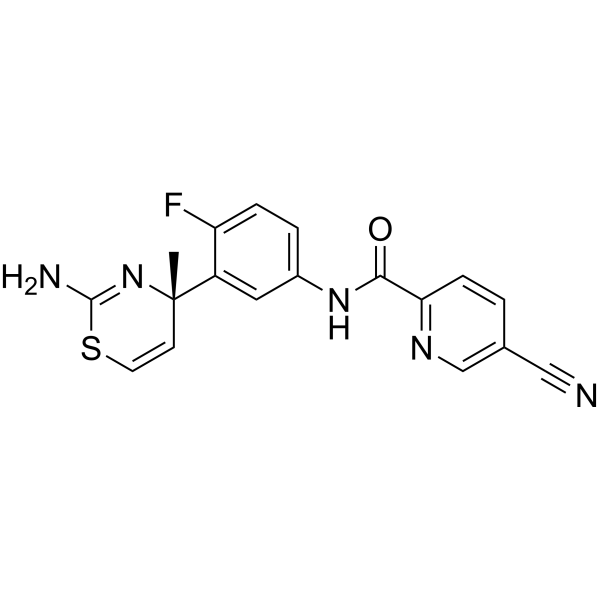
    Atabecestat (JNJ-54861911) is a potent brain-penetrant and orally active β-site amyloid precursor protein cleaving enzyme 1 (BACE1) inhibitor, achieves robust and high CSF Aβ reduction. Atabecestat s tolerated and displays a sustained pharmacokinetic (PK) and pharmacodynamic (PD) characteristics. Atabecestat has the potential for Alzheimer's Disease treatment .
    Atabecestat
  • HY-132296
    GSK215
    2 Publications Verification

    FAK PROTACs Cancer
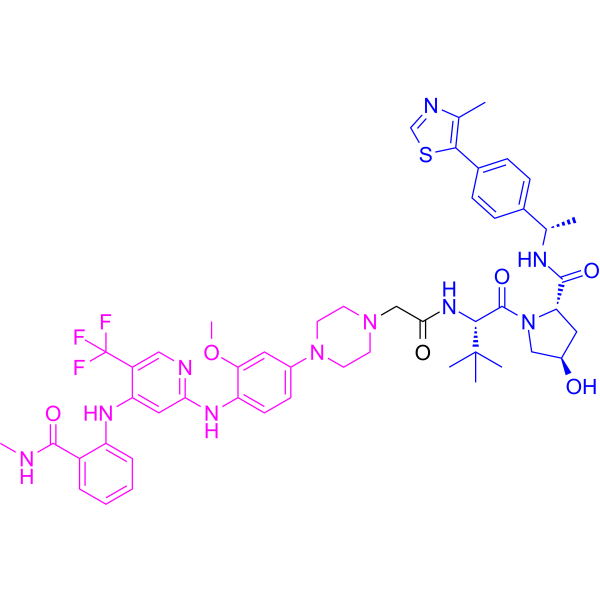
    GSK215 is a potent and selective PROTAC focal adhesion kinase (FAK) degrader with a pDC50 of 8.4. GSK215 is designed by a binder for the VHL E3 ligase and the FAK inhibitor VS-4718. GSK215 induces rapid and prolonged FAK degradation, giving a long-lasting effect on FAK levels and a marked pharmacokinetic/pharmacodynamics (PK/PD) disconnect .
    GSK215
  • HY-B0437
    Sotalol hydrochloride
    2 Publications Verification

    MJ 1999

    Adrenergic Receptor Potassium Channel Cardiovascular Disease Neurological Disease
    Sotalol hydrochloride (MJ 1999) is an orally active, non-selective β-adrenergic receptor blocker. Sotalol hydrochloride is a potent antiarrhythmic agent that can be used for the research of pediatric arrhythmias. Sotalol hydrochloride blocks β-receptors, and potassium KCNH2 channels. Antiepileptic Agent .
    Sotalol hydrochloride
  • HY-15790
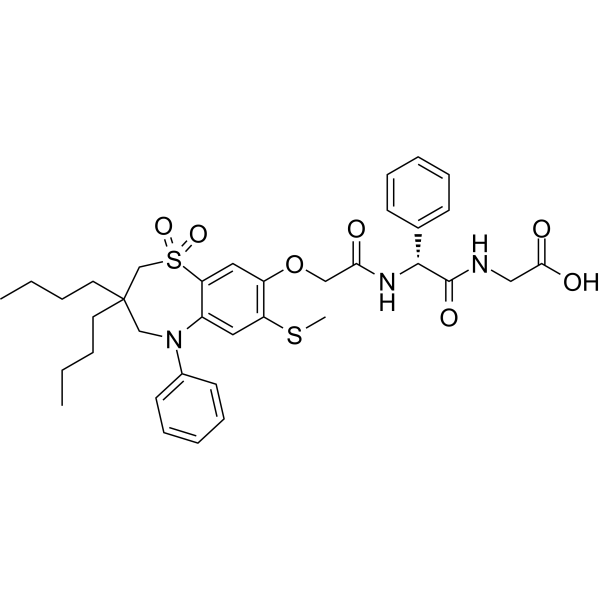
    Elobixibat
    1 Publications Verification

    A 3309; AZD 7806

    Apical Sodium-Dependent Bile Acid Transporter Metabolic Disease Inflammation/Immunology Cancer
    Elobixibat (A 3309; AZD 7806) is an orally active, bile acid transporter (IBAT) inhibitor with IC50 values ??of 0.53 nM (human IBAT), 0.13 nM (mouse IBAT), and 5.8 nM (canine IBAT). Elobixibat can lower LDL cholesterol, increase serum GLP-1, promote colonic motility, and has the potential to study metabolic syndrome. Elobixibat can be used in the study of chronic functional constipation (CIC), dyslipidemia, non-alcoholic hepatitis, and liver tumors in the elderly .
    Elobixibat
  • HY-70002A
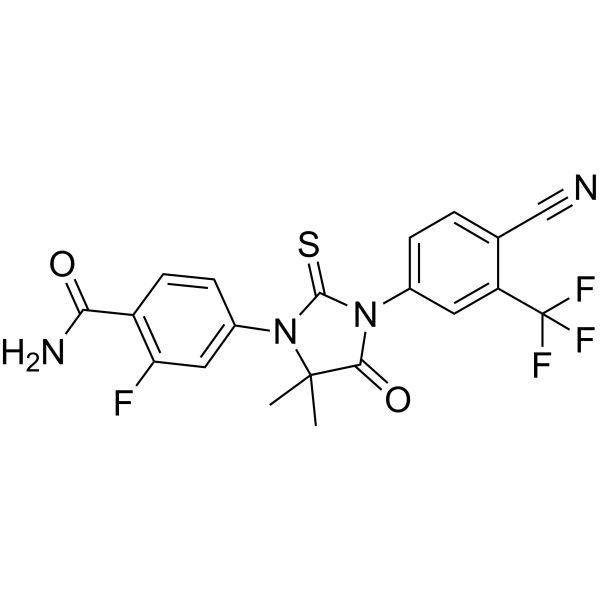
    N-Desmethyl enzalutamide
    1 Publications Verification

    N-Desmethyl MDV 3100

    Androgen Receptor Cancer
    N-desmethyl Enzalutamide is the active metabolite of Enzalutamide.N-desmethyl Enzalutamide is the active metabolite of Enzalutamide. N-desmethyl Enzalutamide demonstrates primary and secondary pharmacodynamics of similar potency to Enzalutamide and circulates at approximately the same plasma concentrations as enzalutamide .
    N-Desmethyl enzalutamide
  • HY-10787
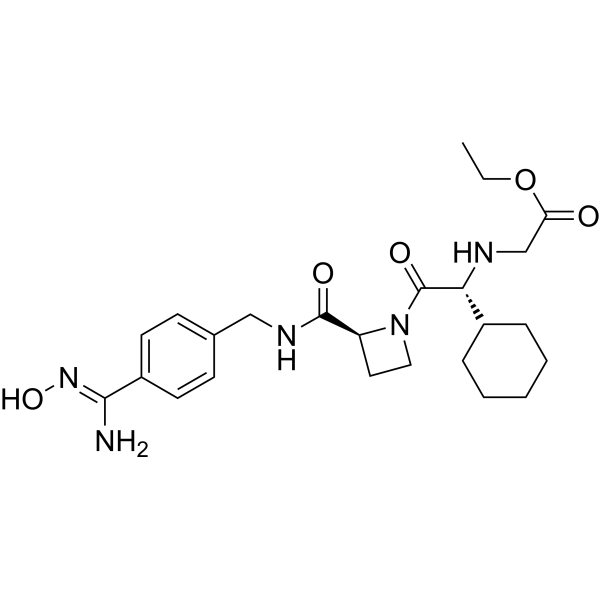
    Ximelagatran
    1 Publications Verification

    H 376/95

    Thrombin Cardiovascular Disease
    Ximelagatran (H 376/95) is an orally active thrombin inhibitor that selectively and competitively inhibits both free and clot-bound thrombin. Ximelagatran is an anticoagulant agent with a rapid onset of anticoagulant effect, predictable, dose-dependent pharmcokinetics and pharmacodynamics .
    Ximelagatran
  • HY-109555

    HMR 1964

    Insulin Receptor Metabolic Disease Inflammation/Immunology
    Insulin glulisine (HMR 1964) is a rapid-acting insulin analog whose pharmacokinetic and pharmacodynamic properties mimic physiological insulin secretion in humans, with a rapid onset of action. Insulin glulisine controls hyperglycemia. Insulin glulisine is applicable to research related to type 1 diabetes and type 2 diabetes .
    Insulin glulisine
  • HY-18353
    mTOR inhibitor-3
    3 Publications Verification

    mTOR Cancer
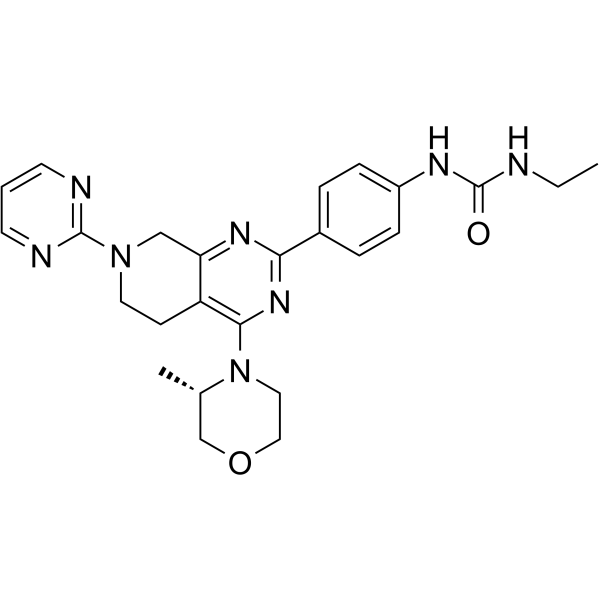
    mTOR inhibitor-3 is a remarkably selective mTOR inhibitor with a Ki of 1.5 nM. mTOR inhibitor-3 suppresses mTORC1 and mTORC2 in cellular and in vivo pharmacokinetic (PK)/pharmacodynamic (PD) experiments.
    mTOR inhibitor-3
  • HY-143889

    CDK Cancer
    Senexin C is a selective and orally active CDK8/19 inhibitor. Senexin C shows a strong tumor-enrichment pharmacokinetic (PK) profile and tumor-pharmacodynamic (PD) marker responses. Senexin C inhibits the growth of MV4-11 leukemia cells with good tolerability .
    Senexin C
  • HY-100074

    Drug Intermediate Others
    2,6-Diisopropyl-p-benzoquinone is a drug intermediate that can be used for the synthesis of Geldanamycin (HY-15230) .
    2,6-Diisopropyl-p-benzoquinone
  • HY-10900
    TCS 1102
    1 Publications Verification

    Orexin Receptor (OX Receptor) Neurological Disease Endocrinology
    TCS 1102 is a potent, dual orexin receptor antagonist, with Ki values of 0.2 nM and 3 nM for OX2 and OX1 receptors, respectively. TCS 1102 demonstrates excellent blood-brain barrier penetrability and moderate bioavailability in rats .
    TCS 1102
  • HY-162255

    CDK Cancer
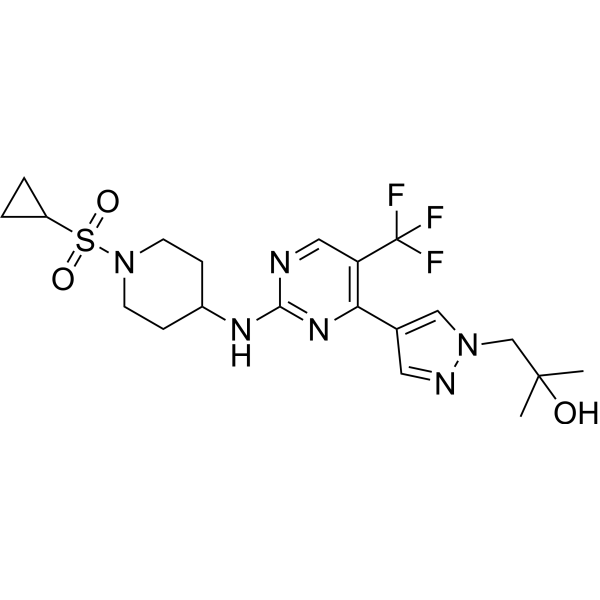
    CDK2-IN-23 (Compound 17) is a kinase selective and highly potent CDK2 inhibitor (IC50 = 0.29 nM). CDK2-IN-23 shows the pharmacodynamic inhibition of CDK2 in CCNE1-amplified mouse models. CDK2-IN-23 can be used for the research of cancer .
    CDK2-IN-23
  • HY-P99812
    Ragifilimab
    1 Publications Verification

    INCAGN-1876

    TNF Receptor Inflammation/Immunology Cancer
    Ragifilimab (INCAGN-1876) is an agonist monoclonal antibody targeting the glucocorticoid-induced TNFR-related protein (GITR). Ragifilimab binds to and activates GITR on T cells, which stimulates the immune system to enhance its anti-tumor activity. Ragifilimab can be used for advanced or metastatic solid tumors research .
    Ragifilimab
  • HY-111745

    JAK Inflammation/Immunology
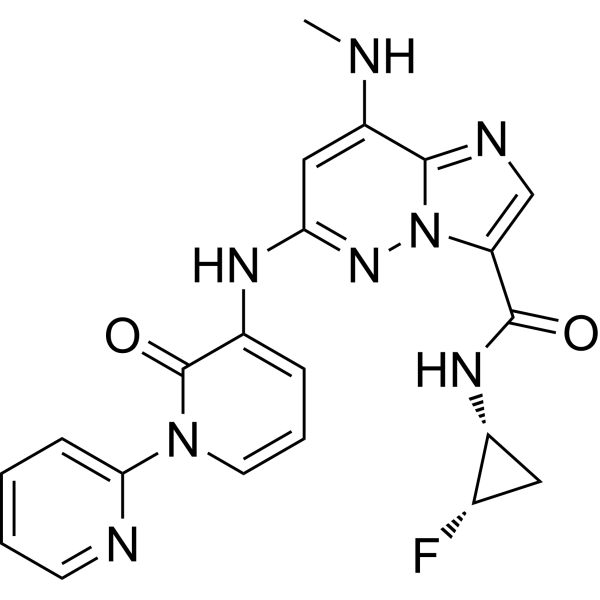
    Tyk2-IN-5 (compound 6) is a potent, selective and orally active tyrosine kinase 2 (Tyk2) inhibitor that acts on the JH2 structural domain. Tyk2-IN-5 shows a Ki value of 0.086 nM for Tyk2 JH2 and an IC50 value of 25 nM for IFNα. Tyk2-IN-5 efficiently inhibits the production of IFNγ in a pharmacodynamic rat model and is fully efficacious in a rat model of arthritis .
    Tyk2-IN-5
  • HY-139920
    Oritinib
    1 Publications Verification

    SH-1028

    EGFR Cancer
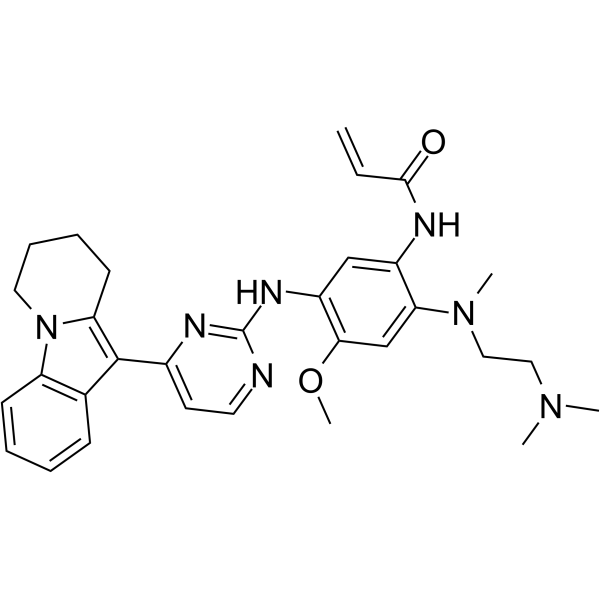
    Oritinib (SH-1028), an irreversible third-generation EGFR TKI, overcomes T790M-mediated resistance in non-small cell lung cancer. Oritinib (SH-1028), a mutant-selective inhibitor of EGFR kinase activity, inhibits EGFR WT, EGFR L858R, EGFR L861Q, EGFR L858R/T790M, EGFR d746-750 and EGFR d746-750/T790M kinases, with IC50s of 18, 0.7, 4, 0.1, 1.4 and 0.89 nM, respectively .
    Oritinib
  • HY-178121

    iGluR Neurological Disease Inflammation/Immunology
    JNJ-78911118 is a potent, brain-penetrant, selective GluN2A antagonist (IC50 = 44 nM). JNJ-78911118 shows >200-fold selectivity against GluN1/2B, 2C and 2D receptors. JNJ-78911118 functions as a negative allosteric modulator (NAM) by insurmountably suppressing glutamate efficacy and reducing glycine potency at GluN1/2A receptors. JNJ-78911118 produces profound pharmacodynamic effects in vivo. JNJ-78911118 can be used for depression research .
    JNJ-78911118
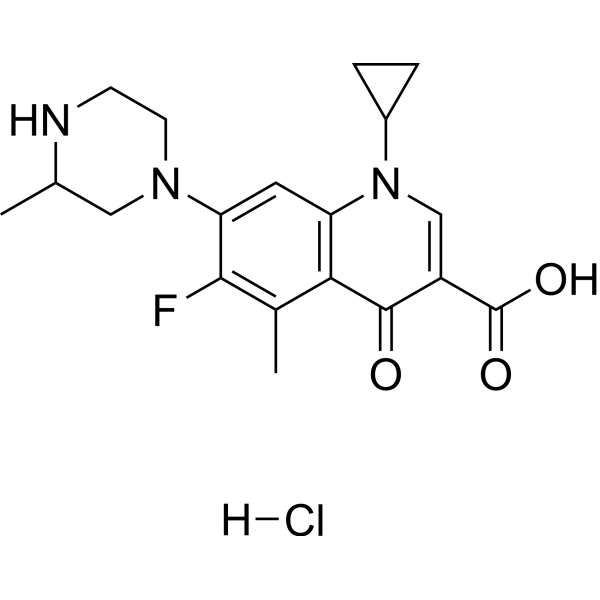
  • HY-A0147A

    OPC-17116 hydrochloride; dl-Grepafloxacin hydrochloride

    Antibiotic Bacterial Infection
    Grepafloxacin (OPC-17116) hydrochloride is an oral actively fluoroquinolone antibiotic with potent activity against community-acquired respiratory pathogens including Streptococcus pneumonia. Grepafloxacin hydrochloride has high tissue penetration and a promising pharmacodynamic profile .
    Grepafloxacin hydrochloride
  • HY-178037

    Toll-like Receptor (TLR) Interleukin Related TNF Receptor Inflammation/Immunology
    TLR9 antagonist 1 is a selective hTLR9 antagonist with an IC50 of 0.1 nM against hTLR9. TLR9 antagonist 1 exhibits favorable pharmacokinetic and pharmacodynamic properties. TLR9 antagonist 1 can be used in the research of systemic lupus erythematosus .
    TLR9 antagonist 1
  • HY-167846

    JAK Cancer
    YLIU-4-105-1 is a Type II JAK2 inhibitor. YLIU-4-105-1 binds to the ATP-binding pocket of JH1. YLIU-4-105-1 has in vivo pharmacodynamic activity as evidenced by inhibiting pSTAT5, reducing spleen to body weight, and lowering blood reticulocyte counts in a dose-dependent manner .
    YLIU-4-105-1
  • HY-70002AS

    N-Desmethyl MDV 3100-d6

    Androgen Receptor Cancer
    N-desmethyl Enzalutamide-d6 is a deuterium labeled N-desmethyl Enzalutamide. N-desmethyl Enzalutamide is an active metabolite of Enzalutamide. N-desmethyl Enzalutamide is the active metabolite of Enzalutamide. N-desmethyl Enzalutamide demonstrates primary and secondary pharmacodynamics of similar potency to Enzalutamide and circulates at approximately the same plasma concentrations as enzalutamide .
    N-Desmethyl enzalutamide-d6
  • HY-12883A

    Sodium Channel Neurological Disease
    PF-05198007 is a potent, orally active and selective arylsulfonamide Nav1.7 inhibitor. PF-05198007 is a compound with a similar pharmacodynamic profile to PF-05089771 .
    PF-05198007
  • HY-113468AR

    3-Methoxy-L-tyrosine (Standard); 3-O-Methyl-L-DOPA (Standard)

    Drug Derivative Interleukin Related Reference Standards Neurological Disease Inflammation/Immunology
    3-O-Methyldopa (Standard) is the analytical standard of 3-O-Methyldopa. This product is intended for research and analytical applications. 3-O-Methyldopa (3-Methoxy-L-tyrosine) is a metabolite of L-DOPA which is formed by catechol-O-methyltransferase (COMT). 3-O-Methyldopa competitively inhibits the pharmacodynamics of l-DOPA and dopamine .
    3-O-Methyldopa (Standard)
  • HY-18030A

    Anaplastic lymphoma kinase (ALK) Cancer
    CEP-28122 mesylate salt, a diaminopyrimidine derivative, is a potent, selective, and orally active ALK inhibitor with an IC50 value of 1.9 nM. CEP-28122 mesylate salt has antitumor activity in experimental models of ALK-positive human cancers. CEP-28122 mesylate salt has good pharmacodynamic and pharmacokinetic activity. CEP-28122 mesylate salt can be used for the study of ALK-positive anaplastic large-cell lymphoma (ALCL), non-small cell lung cancer (NSCLC), and neuroblastoma cells .
    CEP-28122 mesylate salt
  • HY-18030

    Anaplastic lymphoma kinase (ALK) Cancer
    CEP-28122, a diaminopyrimidine derivative, is a potent, selective, and orally active ALK inhibitor with an IC50 value of 1.9 nM. CEP-28122 has antitumor activity in experimental models of ALK-positive human cancers. CEP-28122 has good pharmacodynamic and pharmacokinetic activity. CEP-28122 can be used for the study of ALK-positive anaplastic large-cell lymphoma (ALCL), non-small cell lung cancer (NSCLC), and neuroblastoma cells .
    CEP-28122
  • HY-157014

    Tryptophan Hydroxylase Cancer
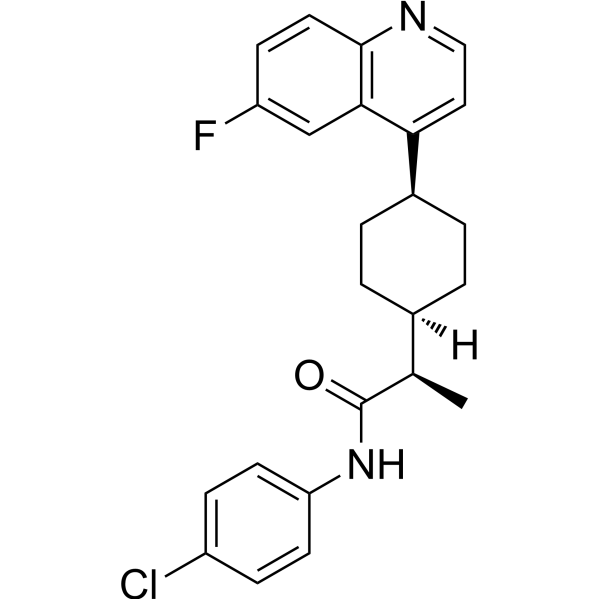
    TPT-004 is a selective and oraly active tryptophan hydroxylases (TPH) inhibitor with IC50s of 77 nM and 16 nM for TPH1 and TPH2, repsectively. TPT-004 exhibits exceptional selectivity for TPH1 compared with other members of the AAAH family. TPT-004 shows efficacy peripheral serotonin attenuation and colorectal tumor growth in mice[1][2].
    TPT-004
  • HY-W128705

    3-Phenyl-1H-indole

    Bacterial Infection
    3-Phenylindole (3-phenyl-1H-indole) is an indole compound. 3-Phenylindole exhibits weak anti-tuberculosis activity with an MIC of 129.4 μM. 3-Phenylindole can be utilized in anti-tuberculosis research .
    3-Phenylindole
  • HY-178037A

    Interleukin Related TNF Receptor Toll-like Receptor (TLR) Inflammation/Immunology
    TLR9 antagonist 1 diformate is a selective hTLR9 antagonist with an IC50 of 0.1 nM against hTLR9. TLR9 antagonist 1 diformate exhibits favorable pharmacokinetic and pharmacodynamic properties. TLR9 antagonist 1 diformate can be used in the research of systemic lupus erythematosus .
    TLR9 antagonist 1 diformate
  • HY-177123

    Complement System Inflammation/Immunology
    Refinicopan is a complement factor D inhibitor with an IC50 of 10 nM. Refinicopan inhibits rabbit erythrocyte hemolysis with an IC50 of 41 nM. Refinicopan exhibits excellent pharmacokinetic and pharmacodynamic activity .
    Refinicopan
  • HY-A0147

    OPC-17116; dl-Grepafloxacin

    Antibiotic Bacterial Infection
    Grepafloxacin (OPC-17116) is an oral actively fluoroquinolone antibiotic with potent activity against community-acquired respiratory pathogens including Streptococcus pneumonia. Grepafloxacin has high tissue penetration and a promising pharmacodynamic profile .
    Grepafloxacin
  • HY-B0377S

    MK-208-13C,d3

    Isotope-Labeled Compounds Histamine Receptor Metabolic Disease Endocrinology
    Famotidine- 13C,d3 is the 13C- and deuterium labeled Famotidine. Famotidine (MK-208) is a competitive histamine H2-receptor antagonist. Its main pharmacodynamic effect is the inhibition of gastric secretion.
    Famotidine-13C,d3
  • HY-W707517

    MK-208-d4

    Isotope-Labeled Compounds Histamine Receptor Cardiovascular Disease Metabolic Disease Endocrinology Cancer
    Famotidine-d4 (MK-208-d4) is deuterium labeled Famotidine. Famotidine (MK-208) is a competitive histamine H2-receptor antagonist. Its main pharmacodynamic effect is the inhibition of gastric secretion .
    Famotidine-d4
  • HY-W1128213

    Molecular Glues IKZF Family Inflammation/Immunology Cancer
    IKZF2-degrader 2 is a selective and orally active IKZF2 molecular glue degrader with DC50 values of 0.5 nM and 1.8 nM in HiBit and FACS. The IKZF2-degrader 2 mediates the ubiquitination and degradation of target proteins by recruiting the CRL4-CRBN E3 ubiquitin ligase. IKZF2-degrader 2 displays moderate degradation against SALL4 with a DC50 of 9 nM but does not induce any significant degradation towards IKZF1, IKZF3, CK1α and GSPT1. IKZF2-degrader 2 can be used for the study of cancer immunology .
    IKZF2-degrader 2
  • HY-N8265

    HSV DNA/RNA Synthesis ATP Synthase Infection
    Abyssinone V is a prenylated flavonoid with predicted anti-viral activity. Abyssinone V can be isolated from the stem bark of Erythrina melanacantha. Abyssinone V possesses good pharmacodynamics properties. Abyssinone V is predicted to be antivirals including anti-herpes (HSV) agent, with mechanisms comprising inhibition of polymerase, ATPase and membrane integrity .
    Abyssinone V
  • HY-W401531S

    Dopamine Receptor Endogenous Metabolite Neurological Disease
    (R)-3-O-Methyldopa-d3 is a deuterium labeled (R)-3-O-Methyldopa, and (R)-3-O-Methyldopa is an R-enantiomer of 3-O-Methyldopa. 3-O-Methyldopa is a metabolite of L-DOPA which is formed by catechol-O-methyltransferase (COMT). 3-O-Methyldopa competitively inhibits the pharmacodynamics of L-DOPA and dopamine .
    (R)-3-O-Methyldopa-d3
  • HY-W401531S1

    Dopamine Receptor Endogenous Metabolite Neurological Disease
    (R)-3-O-Methyldopa-d3 (hydrochloride) is a deuterium labeled (R)-3-O-Methyldopa, and (R)-3-O-Methyldopa is an R-enantiomer of 3-O-Methyldopa. 3-O-Methyldopa is a metabolite of L-DOPA which is formed by catechol-O-methyltransferase (COMT). 3-O-Methyldopa competitively inhibits the pharmacodynamics of L-DOPA and dopamine .
    (R)-3-O-Methyldopa-d3 hydrochloride
  • HY-103196

    Adrenergic Receptor Potassium Channel Cardiovascular Disease Neurological Disease
    Sotalol is an orally active, non-selective β-adrenergic receptor blocker. Sotalol is a potent antiarrhythmic agent that can be used for the research of pediatric arrhythmias. Sotalol blocks β-receptors, and potassium KCNH2 channels. Antiepileptic Agent .
    Sotalol
  • HY-W043170

    Phosphatase Cancer
    PRL3-CNNM4 PPI IN 1 (Compound C28d52) is an inhibitor of the PRL3-CNNM4 interaction and also inhibits PRL-mediated suppression of CNNM. PRL3-CNNM4 PPI IN 1 is capable of penetrating epithelial cell layers, exhibits metabolic stability, possesses favorable pharmacokinetic and pharmacodynamic properties, and holds potential for drug development based on this compound .
    PRL3-CNNM4 PPI-IN-1
  • HY-135495

    Sodium Channel Histamine Receptor Inflammation/Immunology
    AM-0466 is a sodium channel inhibitor with nanomolar levels of NaV1.7 inhibitory activity. AM-0466 exhibits potent pharmacodynamic activity in a NaV1.7-dependent histamine-induced itch model. AM-0466 also showed significant analgesic effects in capsaicin-induced pain models. After optimizing its pharmacokinetic properties, AM-0466 was advanced into in vivo targeting and efficacy models for testing .
    AM-0466
  • HY-15790H

    (S)-A 3309; (S)-AZD 7806

    Apical Sodium-Dependent Bile Acid Transporter TNF Receptor Interleukin Related Metabolic Disease Inflammation/Immunology
    (S)-Elobixibat is the S enantiomer of Elobixibat (HY-15790). (S)-Elobixibat is an orally effective Apical Sodium-Dependent Bile (IBAT) inhibitor. (S)-Elobixibat decreases LDL cholesterol, increases serum GLP-1, promotes colon motility, and has the potential to study metabolic syndrome. (S)-Elobixibat can be used to study constipation, dyslipidemia, non-alcoholic hepatitis, and liver tumors .
    (S)-Elobixibat
  • HY-177878

    Sirtuin Inflammation/Immunology
    IMU-856 is an orally active and systemic action SIRT6 small molecule regulator. IMU-856 effectively and selectively inhibits the deacetylase activity of SIRT6, while increasing the protein level of SIRT6. IMU-856 can restore intestinal barrier function and can be used for research on celiac disease .
    IMU-856
  • HY-19500

    COX Others
    SC-75416 is a selective cyclooxygenase-2 inhibitor. Its pharmacokinetic/pharmacodynamic (PK/PD) model was used for development and clinical trial simulation to design a study protocol to verify its analgesic effect in a post-oral surgery pain model. The simulation results showed that 360 mg of SC-75416 may provide better pain relief than 400 mg of ibuprofen. The actual clinical trial results confirmed this hypothesis, and 360 mg of SC-75416 was indeed superior to 400 mg of ibuprofen in pain relief. The PK/PD model of SC-75416 showed good predictive performance and successfully predicted its clinical effect. These research results show that SC-75416, as a new selective COX-2 inhibitor, has potential clinical application value in the management of post-oral surgery pain.
    SC-75416
  • HY-16525

    Monoamine Transporter Adrenergic Receptor Neurological Disease
    XEN-2174 is a noradrenaline transporter (NET) inhibitor. XEN-2174 inhibits the reuptake of noradrenaline through non-competitive inhibition, increasing the concentration of noradrenaline in the synaptic cleft, thereby activating α2-adrenergic receptor at the spinal level and exerting analgesic effects. XEN-2174 exhibits long-lasting analgesic effects in models of neuropathic pain and postoperative pain in rats. XEN-2174 can be used in pain research .
    XEN-2174
  • HY-P991547

    CD20 Apoptosis Inflammation/Immunology Cancer
    Anti-CD20 Antibody (mAb 1.5.3) is a fully human IgG1 anti-CD20 antibody. Anti-CD20 Antibody (mAb 1.5.3) evokes enhanced pro-apoptotic activity in vitro. Anti-CD20 Antibody (mAb 1.5.3) mediated both complement-dependent cytotoxicity and antibody-dependent cellular cytotoxicity. Anti-CD20 Antibody (mAb 1.5.3) demonstrates enhanced anti-tumor activity in various tumor xenograft models. Anti-CD20 Antibody (mAb 1.5.3) produces a superior B-cell depletion profile in lymph node organs and bone marrow in a primate pharmacodynamic model. Anti-CD20 Antibody (mAb 1.5.3) can be studied in research for B-cell maglignancies .
    Anti-CD20 Antibody (mAb 1.5.3)
  • HY-15616

    Melanocortin Receptor Cancer
    BMS-470539 is a synthetic MC-1R agonist with potent anti-inflammatory properties. BMS-470539 selectively activates human and murine MC-1R with EC50 values ??of 16.8 nM and 11.6 nM, respectively. In vitro studies have shown that BMS-470539 is able to dose-dependently inhibit TNF-alpha-induced NF-kB activation in human melanoma cells expressing MC-1R. In vivo, subcutaneous injection of BMS-470539 into BALB/c mice effectively inhibited LPS-induced TNF-alpha production with an ED50 of approximately 10 μmol/kg and a pharmacodynamic half-life of approximately 8 hours. It also significantly reduced leukocyte infiltration in a lung inflammation model and attenuated paw swelling in a delayed-type hypersensitivity model, highlighting its efficacy as an anti-inflammatory agent through MC-1R modulation .
    BMS-470539
  • HY-117087

    Phosphatase PANoptosis Cancer
    K103 is an inhibitor discovered from the screen that is an analog of the serotonin antagonist benzazocine. K103 exhibited inhibition of SHIP homologues, labelling it a pan-SHIP1/2 inhibitor, but the molecule had no effect on another 5' inositol phosphatase, OCRL. In line with the "two PIPs hypothesis", the molecule exhibited significant anti-tumour effects against a variety of cell lines, particularly breast cancer cells. Additional studies with K103 revealed that inhibition of SHIP1/2 in multiple myeloma cells resulted in G2/M cell cycle arrest followed by extensive apoptosis via activation of the caspase cascade. K103 fits the commonly used small molecule agent property profile, but while this work was being conducted, it was discovered that K103 caused psychoactive effects in mice, which limited the utility of the molecule in vivo. Therefore, certain synthetic studies were conducted on this tryptamine to identify the features that needed to be present in the molecule to maintain pan-SHIP1/2 inhibition in order to design an inhibitor with favourable pharmacodynamic properties and an improved side effect profile.
    K103
  • HY-143747

    Influenza Virus Infection
    Cap-dependent endonuclease-IN-5 is a potent inhibitor of cap-dependent endonuclease (CEN). Cap-dependent endonuclease-IN-5 inhibits influenza virus well, and/or has lower cytotoxicity, better in vivo pharmacokinetic properties and in vivo pharmacodynamic properties (extracted from patent WO2020078401A1, compound 13-1) .
    Cap-dependent endonuclease-IN-5
  • HY-120235

    Beta-lactamase Bacterial Infection
    CB-618 is a β-lactamase inhibitor. CB-618 reversibly covalently inhibits Ambler class A, C, and some class D serine β-lactamases. CB-618 has weak antibacterial activity as a single agent, but it significantly enhances the antibacterial activity of Meropenem (HY-13678) against enzyme-producing Enterobacteriaceae. CB-618 can be used in research on drug-resistant bacteria .
    CB-618
  • HY-160251

    (3'R,5k'S)-trans-3'-Hydroxycotinine glucuronide

    Drug Metabolite Others
    3-HC-Gluc ((3’R,5k’s)-trans-3’ -Hydroxycotinine glucuronide) The trans-structure of 3-HC, the main metabolite of nicotine .
    3-HC-Gluc

Inquiry Online

Your information is safe with us. * Required Fields.

Salutation


Country or Region *

Applicant Name *


Organization Name *

Department *


Email Address *


Product Name *

Cat. No.


Requested quantity *

Phone Number *


Remarks

Inquiry Online

Inquiry Information

Product Name:
Cat. No.:
Quantity:
MCE Japan Authorized Agent:

