

1. Search Result
Search Result
Results for "

phospholipid molecule

" in MedChemExpress (MCE) Product Catalog:

53

Inhibitors & Agonists

2

Screening Libraries

2

Fluorescent Dyes

23

Biochemical Assay Reagents

5

Natural
Products

5

Isotope-Labeled Compounds

9

Click Chemistry

23

Oligonucleotides

1

GMP Molecules

Cat. No. Product Name Target Research Areas Chemical Structure
  • HY-W441011

    Liposome Neurological Disease Inflammation/Immunology Cancer
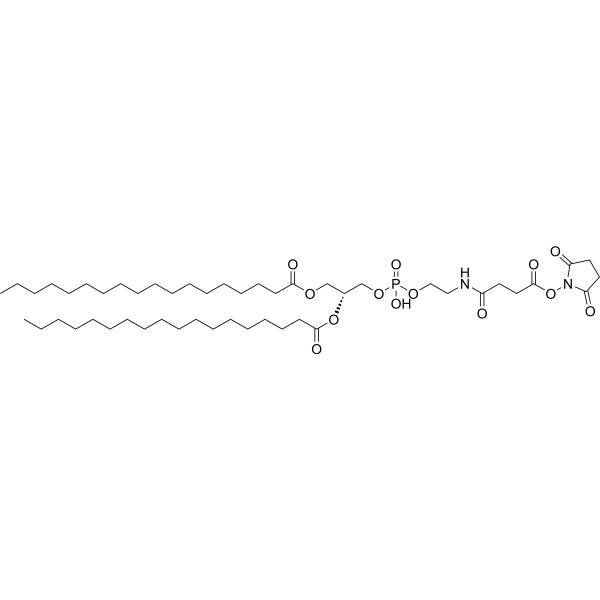
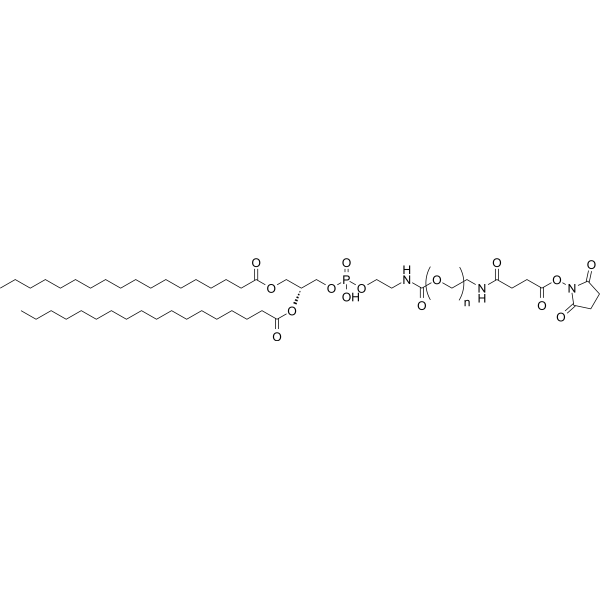
    DSPE-NHS is a bioconjugation phospholipid molecule with two hydrophobic lipid tails. DSPE-NHS is a self-assembling reagent which forms lipid bilayer in aqueous solution. The NHS-ester is reactive with N-terminal of protein/peptide or other amine molecule to form a stable amide linkage. DSPE-NHS labels antibodies. DSPE-NHS can be used to prepare liposomes as agent nanocarrier .
    DSPE-NHS
  • HY-W441014
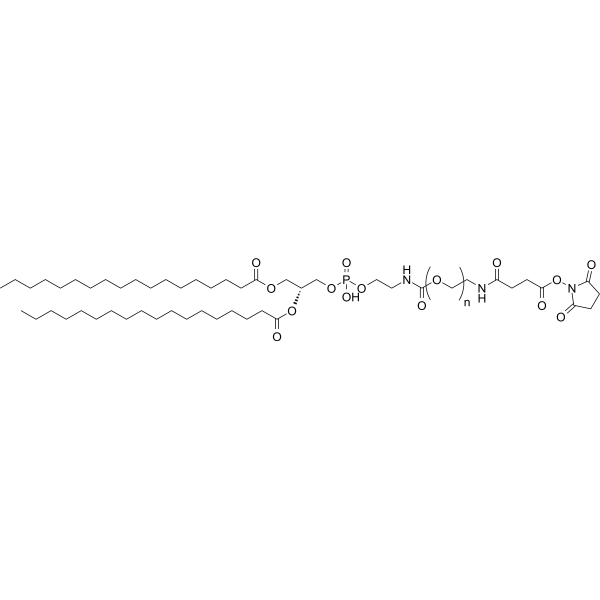
    DSPE-PEG2000-NHS
    3 Publications Verification

    Liposome Others
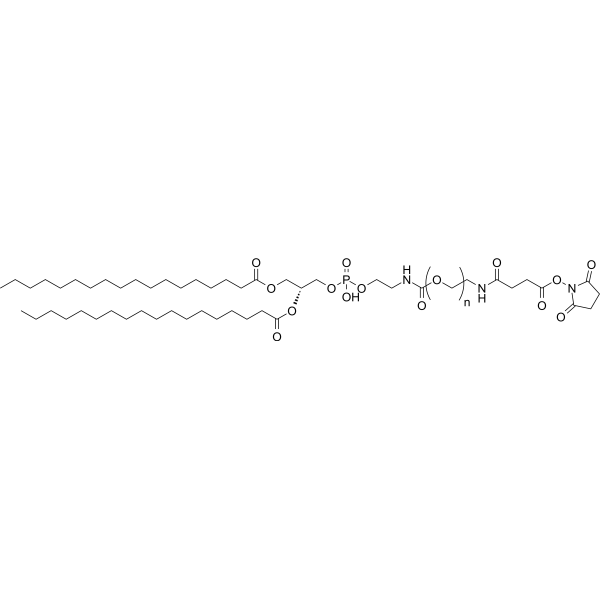
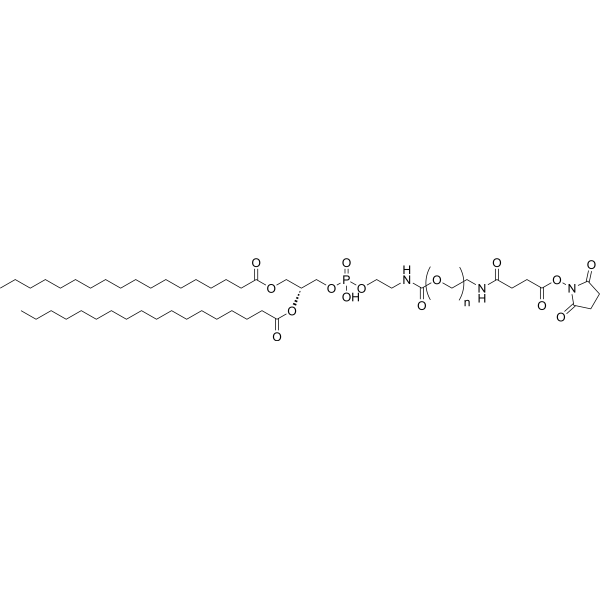
    DSPE-PEG2000-NHS is a PEG-modified phospholipid derivative that can be used to prepare liposomes. DSPE-PEG2000-NHS is commonly employed as a linker molecule for the surface modification of liposomes to confer targeting capabilities. DSPE-PEG2000-NHS can be used in the study of drug delivery .
    DSPE-PEG2000-NHS
  • HY-130463

    PG(16:0/18:1); 1-Palmitoyl-2-oleoyl-sn-glycero-3-phospho-(1'-rac-glycerol)

    Liposome Biochemical Assay Reagents Neurotensin Receptor Neurological Disease
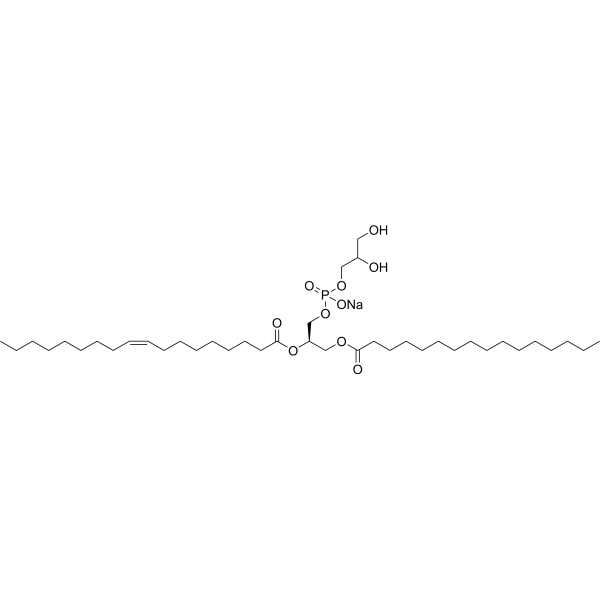
    POPG sodium salt is a negatively charged phospholipid. POPG sodium salt affects the interactions of membrane proteins with other molecules by changing the charge characteristics of the lipid environment. POPG sodium salt increases the apparent affinity of Gαq and 1γ1 for activated NTS1. POPG sodium salt can interact with the positive charge of peptides. POPG sodium salt can be used in Parkinson's disease research .
    POPG sodium salt
  • HY-W440835

    DSPE-PEG2000(2000)-DBCO

    Liposome Others
    DSPE-PEG2000-DBCO is a phospholipid-PEG polymer that can be used to form micelles as lipid nanoparticles for drug delivery . DSPE-PEG2000-DBCO is a click chemistry reagent, it contains a DBCO group that can undergo strain-promoted alkyne-azide cycloaddition (SPAAC) with molecules containing Azide groups.
    DSPE-PEG2000-DBCO
  • HY-125940

    1,2-Dipalmitoyl-sn-glycero-3-phosphoglycerol sodium

    Liposome Others
    DPPG (1,2-Dipalmitoyl-sn-glycero-3-phosphoglycerol sodium) is a phospholipid that contains long-chain (16:0) palmitic acid inserted at the sn-1 and sn-2 positions, and it serves as an active component to prevent BaP molecules from entering the water subphase. DPPG is used to prepare micelles, liposomes, and other types of artificial membranes that can resist damage from UV radiation .
    DPPG
  • HY-129084
    Propargylcholine bromide
    1 Publications Verification

    Biochemical Assay Reagents Others
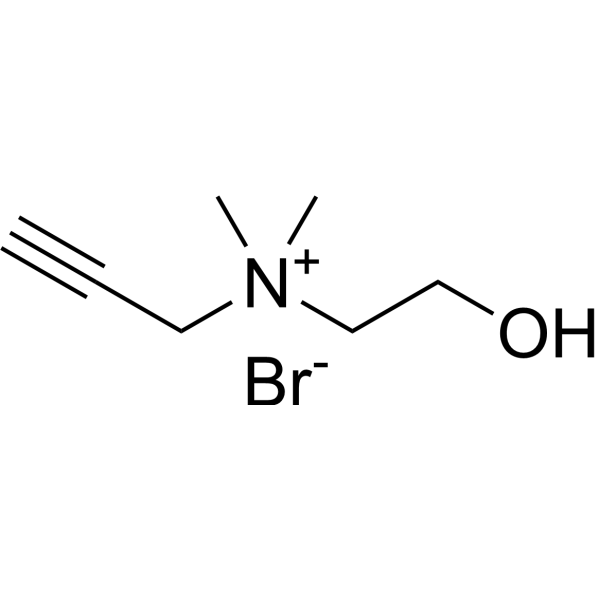
    Propargylcholine bromide is a choline analogue containing terminal propargyl that can be incorporated into all classes of Choline-containing phospholipids such as phosphatidylcholine and sphingomyelin, labeling Choline-containing phospholipids. Propargylcholine bromide-labeled phospholipid molecules can be visualized in cells with high sensitivity and spatial resolution. Propargylcholine bromide can be used as a molecular tool to study the biochemical and metabolic processes of Choline-containing phospholipids in cells . Propargylcholine (bromide) is a click chemistry reagent, it contains an Alkyne group and can undergo copper-catalyzed azide-alkyne cycloaddition (CuAAc) with molecules containing Azide groups.
    Propargylcholine bromide
  • HY-W355700

    Drug Metabolite Infection
    1-oleoyl-sn-glycero-3-phosphoethanolamine (LysoPE 18:1) is a lysophosphatidylethanolamine molecule involved in phospholipid metabolism, targeting cell membrane receptors (such as G protein-coupled receptors) to regulate cell signaling pathways. 1-oleoyl-sn-glycero-3-phosphoethanolamine may activate mitogen-activated protein kinase (MAPK) signaling, promote cell migration, regulate inflammatory responses and lipid metabolism, and has both pro-inflammatory and anti-inflammatory activities. 1-oleoyl-sn-glycero-3-phosphoethanolamine is mainly used in the screening of biomarkers for metabolic diseases (such as non-alcoholic fatty liver disease and obesity), as well as the study of the mechanism of lysophospholipids in cell membrane homeostasis and signal transduction .
    1-Oleoyl-2-hydroxy-sn-glycero-3-phosphoethanolamine
  • HY-W441007

    Liposome Inflammation/Immunology Cancer
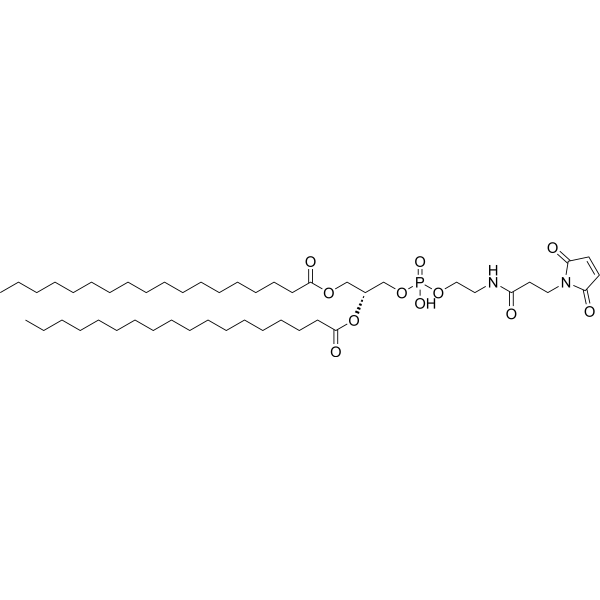
    DSPE-MAL is a phospholipid compound with a maleimide reactive group. DSPE-MAL contains two saturated fatty acids and can self-assemble in water to form a lipid bilayer. DSPE-MAL can be used to prepare liposomes as nanocarriers for active molecules .
    DSPE-Mal
  • HY-112747

    LPI; PE (soy)

    Phospholipase Infection
    Soy PE (LPI) is the most abundant phospholipid in prokaryotes and the second most abundant found in the membrane of mammalian, plant, and yeast cells, comprising approximately 25% of total mammalian phospholipids. In the brain, phosphatidylethanolamine comprises almost half of the total phospholipids. It is synthesized mainly through the cytidine diphosphate-ethanolamine and phosphatidylserine decarboxylation pathways, which occur in the endoplasmic reticulum (ER) and mitochondrial membranes, respectively. It is a precursor in the synthesis of phosphatidylcholine and arachidonoyl ethanolamide and is a source of ethanolamine used in various cellular functions. In E.coli, phosphatidylethanolamine deficiency prevents proper assembly of lactose permease, suggesting a role as a lipid chaperone. It is a cofactor in the propagation of prions in vitro and can convert recombinant mammalian proteins into infectious molecules even in the absence of RNA. This product contains phosphatidylethanolamine molecular species with variable fatty acyl chain lengths at the sn-1 and sn-2 positions .
    Soy PE
  • HY-W440835E

    Biochemical Assay Reagents Others
    DSPE-PEG5000-DBCO is a phospholipid-PEG polymer that can be used to form micelles as lipid nanoparticles for drug delivery . DSPE-PEG5000-DBCO is a click chemistry reagent, it contains a DBCO group that can undergo strain-promoted alkyne-azide cycloaddition (SPAAC) with molecules containing Azide groups.
    DSPE-PEG5000-DBCO
  • HY-W441013

    Liposome Others
    DSPE-PEG1000-NHS is a PEG-modified phospholipid derivative that can be used to prepare liposomes. DSPE-PEG1000-NHS is commonly employed as a linker molecule for the surface modification of liposomes to confer targeting capabilities. DSPE-PEG1000-NHS can be used in the study of drug delivery .
    DSPE-PEG1000-NHS
  • HY-126359

    SLPC; 18:0-18:2 PC

    Endogenous Metabolite Cardiovascular Disease Metabolic Disease
    1-Stearoyl-2-linoleoyl-sn-glycero-3-phosphocholine (SLPC; 18:0-18:2 PC) is an endogenous phospholipid marker molecule in the glycerophospholipid metabolic pathway. 1-Stearoyl-2-linoleoyl-sn-glycero-3-phosphocholine is a core component of the phospholipid bilayer of biological membranes and a key responsive lipid for radiation injury and cardiometabolic diseases. 1-Stearoyl-2-linoleoyl-sn-glycero-3-phosphocholine constitutes the phospholipid bilayers of cell membranes and high-density lipoprotein (HDL), and regulates the core activity of lipoprotein functional homeostasis. The content of 1-Stearoyl-2-linoleoyl-sn-glycero-3-phosphocholine in mouse serum shows a significant dose-dependent decrease with increasing ionizing radiation dose, and its level in human HDL also decreases significantly in metabolic syndrome. 1-Stearoyl-2-linoleoyl-sn-glycero-3-phosphocholine can serve as a biological dosimeter marker for ionizing radiation injury, and is used for rapid and accurate assessment of radiation absorbed dose in exposed individuals. 1-Stearoyl-2-linoleoyl-sn-glycero-3-phosphocholine can also act as a lipidomics research target for cardiometabolic diseases such as lipid metabolic syndrome and early-onset coronary heart disease .
    1-Stearoyl-2-linoleoyl-sn-glycero-3-phosphocholine
  • HY-N16025

    Liposome Biochemical Assay Reagents Others
    DOPE-PEG(2000) Amine ammonium is a polydisperse PEG covalently attached to a phospholipid. The polymer is an amphiphilic molecule with hydrophobic fatty acid chains and hydrophilic PEG head which enables lipid bilayer or micelle formation in water. The phospholipid PEG can be used to prepare liposome or nanoparticles for targeted agent delivery and is reactive with alkyne to form a triazole ring .
    DOPE-PEG(2000) Amine ammonium
  • HY-167545

    POPE

    Liposome Biochemical Assay Reagents Others
    1-Palmitoyl-2-oleoylphosphatidylethanolamine (POPE) is a PE-based synthetic phospholipid that can intercalate with other amphiphilic molecules to form stable bilayers at physiological pH. 1-Palmitoyl-2-oleoylphosphatidylethanolamine can be used in drug delivery research .
    1-Palmitoyl-2-oleoylphosphatidylethanolamine
  • HY-W440833

    Liposome Others
    DSPE-PEG3400-azide is a polydisperse PEG covalently attached to a phospholipid. The polymer is an amphiphilic molecule with hydrophobic fatty acid chains and hydrophilic PEG head which enables lipid bilayer or micelles formation in water. The phospholipid PEG can be used to prepare liposome or nanoparticles for targeted drug delivery and is reactive with alkyne to form triazole bond.
    DSPE-PEG3400-azide
  • HY-W441016

    Liposome Others
    DSPE-PEG5000-NHS is a PEG-modified phospholipid derivative that can be used to prepare liposomes. DSPE-PEG5000-NHS is commonly employed as a linker molecule for the surface modification of liposomes to confer targeting capabilities. DSPE-PEG5000-NHS can be used in the study of drug delivery .
    DSPE-PEG5000-NHS
  • HY-113400

    Cytidine diphosphate

    Endogenous Metabolite Others
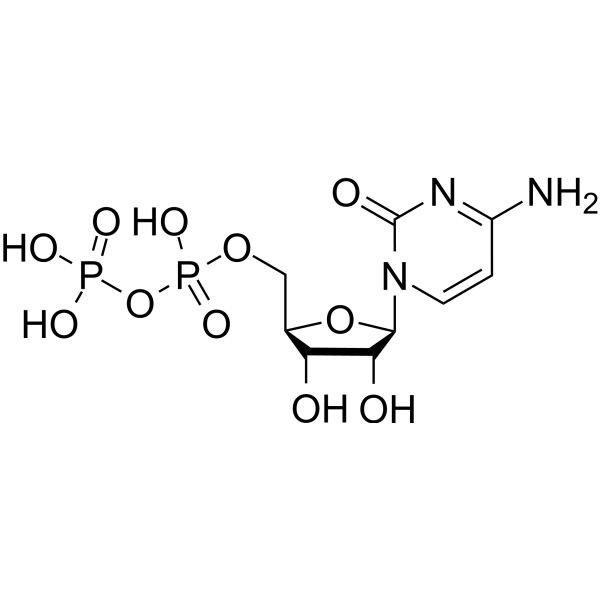
    Cytidine 5'-diphosphate (Cytidine diphosphate) is a nucleoside diphosphate that acts as a carrier for phosphorylcholine, diacylglycerol, and other molecules during phospholipid synthesis .
    Cytidine 5'-diphosphate
  • HY-112005GL

    Dioleoylphosphatidylethanolamine (GMP Like); 1,2-Dioleoyl-sn-glycero-3-phosphoethanolamine (GMP Like)

    Liposome Endogenous Metabolite Inflammation/Immunology
    DOPE (GMP Like) is the GMP Like class DOPE (HY-112005), and can be used as pharmaceutical excipients. GMP small molecules works appropriately as an auxiliary reagent for cell therapy manufacture. DOPE is a neutral helper lipid for cationic liposome and combines with cationic phospholipids to improve transfection efficiency of naked siRNA .
    DOPE (GMP Like)
  • HY-W441012

    Liposome Others
    DSPE-PEG600-NHS is a PEG-modified phospholipid derivative that can be used to prepare liposomes. DSPE-PEG600-NHS is commonly employed as a linker molecule for the surface modification of liposomes to confer targeting capabilities. DSPE-PEG600-NHS can be used in the study of drug delivery .
    DSPE-PEG600-NHS
  • HY-W145699

    Biochemical Assay Reagents Endogenous Metabolite Others
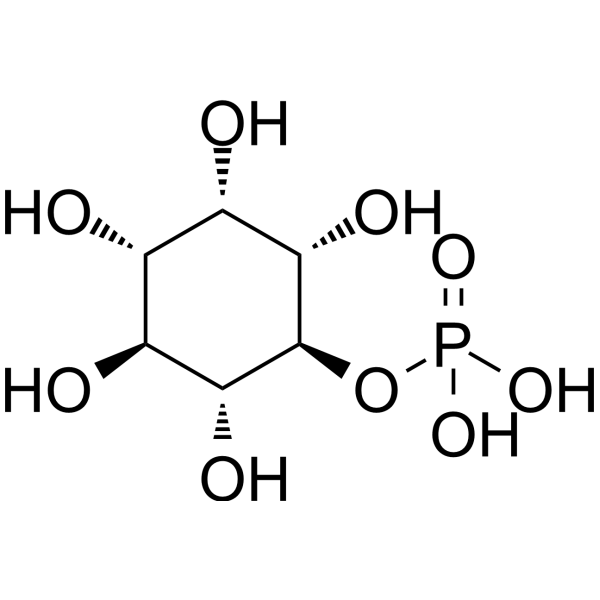
    D-myo-Inositol 4-mono-phosphate, also known as IMP, is a phosphorylated form of inositol that is commonly found in various metabolic pathways, especially in the biosynthesis of phospholipids and cell signaling molecules. D-myo-Inositol 4-mono-phosphate has unique chemical properties that make it an important intermediate in the production of second messengers, such as inositol triphosphate (IP3) and diacylglycerol (DAG), which signal in cells plays a key role in. D-myo-Inositol 4-mono-phosphate is also used in dietary supplements and pharmaceuticals because of its potential health benefits, including improved insulin sensitivity and cognitive function.
    D-myo-Inositol 4-monophosphate
  • HY-N15995

    Biochemical Assay Reagents Others
    DOPE-PEG(2000) Carboxylic acid sodium is a stabilizer. DOPE-PEG(2000) Carboxylic acid sodium produce a coating around the ferrofluid droplet chains which are dispersed in 5CB. DOPE-PEG(2000) Carboxylic acid sodium tends to fold, effectively shielding the surrounding LC molecules from the homeotropic anchoring at the droplet interface and leading to smaller deformations and thus also creating a more stable interface .
    DOPE-PEG(2000) Carboxylic acid sodium
  • HY-W441017

    Liposome Others
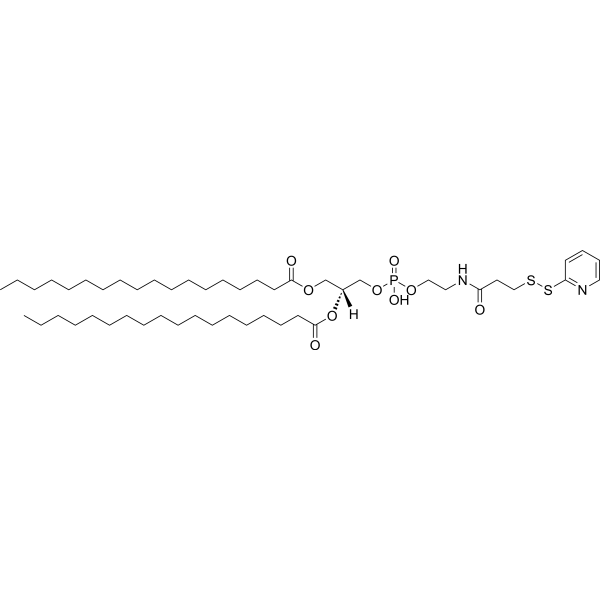
    DSPE-SPDP is a phospholipid molecule. DSPE-SPDP can orient itself to form lipid bilayer in water. DSPE-SPDP can be used for the research of various biochemical .
    DSPE-SPDP
  • HY-W008940

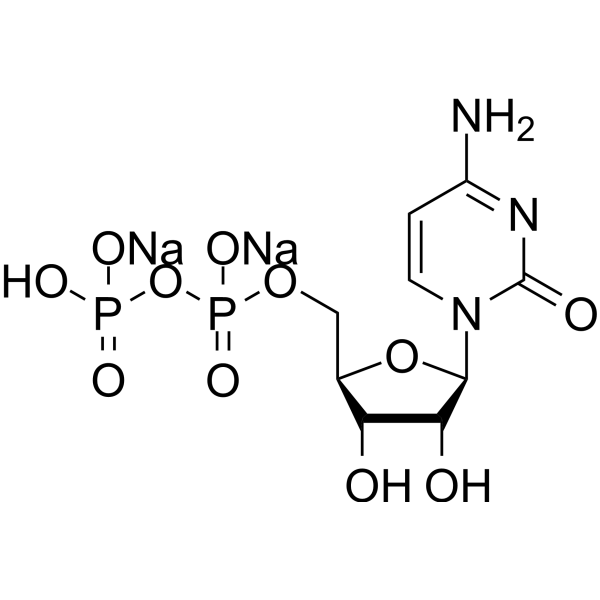
    Cytidine diphosphate disodium

    Endogenous Metabolite Metabolic Disease
    Cytidine 5'-diphosphate (Cytidine) disodium salt is a nucleoside diphosphate that acts as a carrier for phosphorylcholine, diacylglycerol, and other molecules during phospholipid synthesis .
    Cytidine 5'-diphosphate disodium salt
  • HY-W440835D

    Biochemical Assay Reagents Others
    DSPE-PEG3400-DBCO is a phospholipid-PEG polymer that can be used to form micelles as lipid nanoparticles for drug delivery . DSPE-PEG3400-DBCO is a click chemistry reagent, it contains a DBCO group that can undergo strain-promoted alkyne-azide cycloaddition (SPAAC) with molecules containing Azide groups.
    DSPE-PEG3400-DBCO
  • HY-121855

    Glycerol 1-monoelaidate; α-Monoelaidin

    Biochemical Assay Reagents Others
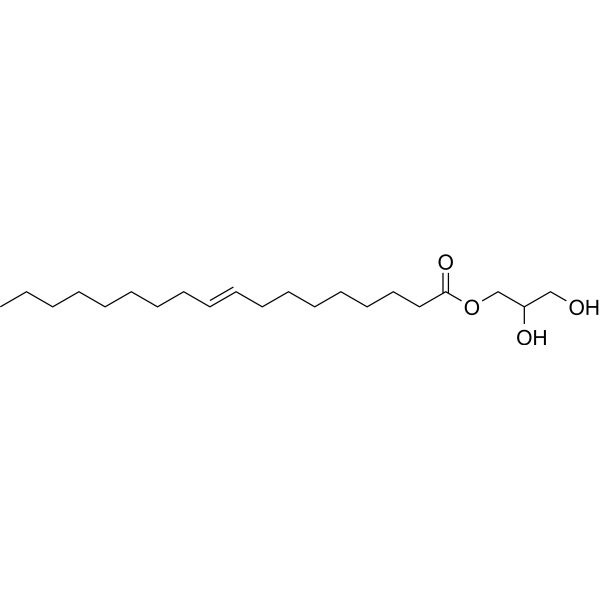
    Monoeladin is an ester derivative of glycerin and oleic acid, which are commonly found in various vegetable and animal fats. Monoeladin has unique chemical properties that make it an important intermediate in the biosynthesis of other lipid molecules, especially in the formation of triglycerides and phospholipids. It also plays a role in food science as a partial replacement for saturated fat, which has been linked to an increased risk of heart disease.
    1-Monoelaidin
  • HY-W440926

    Liposome Others
    Stearic acid-PEG1000-NHS is a cyclooctyne containing phospholipid PEG polymer. The polymer can self-assemble spontaneously in water to form micelles/lipid bilayer. It can be used to prepare nanoparticles or liposomes as drug carrier in targeted drug delivery system. The DBCO can react with azide molecule via copper free click chemistry to form a stable triazole bond.
    Stearic acid-PEG1000-NHS
  • HY-W783254

    PA(18:0e/0:0)

    G Protein-coupled Receptor Kinase (GRK) Calcium Channel Cardiovascular Disease Cancer
    C18 LPA (PA(18:0e/0:0)) is a water-soluble phospholipid that functions as a signaling molecule, influencing various cellular responses through G protein-coupled receptors (GPCRs). It is known to promote smooth muscle contraction, cytoskeletal rearrangement, and chemotaxis, while also playing a role in neurotransmitter release, cell proliferation, platelet aggregation, and Ca2+ mobilization. Elevated levels of C18 LPA in human plasma are associated with ovarian cancer and atherosclerosis, suggesting its potential as a biomarker for ovarian cancer.
    C18 LPA
  • HY-D2980

    Biochemical Assay Reagents Others
    DSPE-PEG45-BG is a SNAP-tag reactive phospholipid-anchored molecule that enables targeted localization and spatiotemporal controlled immobilization of proteins on phospholipid membranes. DSPE-PEG45-BG can be applied to any SNAP-tag fusion protein .
    DSPE-PEG45-BG
  • HY-W440991

    DOPE-PEG2000-NH2

    Liposome Cancer
    DOPE-PEG-Amine (MW 2000) is a polydisperse PEG covalently attached to a phospholipid. The polymer is an amphiphilic molecule with hydrophobic fatty acid chains and hydrophilic PEG head which enables lipid bilayer or micelle formation in water. The phospholipid PEG can be used to prepare liposome or nanoparticles for targeted drug delivery and is reactive with alkyne to form a triazole ring.
    DOPE-PEG2000-Amine
  • HY-W441005

    Liposome Cancer
    Amino-Gly-Gly-DSPE (hydrochloride) is a specially modified phospholipid that has been used to synthesize liposomes. The terminal amine is reactive with an NHS ester compound or carboxylic acid molecule in the presence of activator, such as HATU or EDC.
    Amino-Gly-Gly-DSPE hydrochloride
  • HY-W441021

    Liposome Others
    DSPE-Pyrene is a phospholipid molecule with polycyclic aromatic hydrocarbon, and can be used for drug encapsulation, such as drug loaded liposomes or nanoparticles. Pyrene is a fluorescent probe whose spectrum is sensitive to the polarity of its environment.
    DSPE-Pyrene
  • HY-W440998

    Liposome Others
    DSPE-alkyne is a phospholipid . DSPE-alkyne is a click chemistry reagent, it contains an Alkyne group and can undergo copper-catalyzed azide-alkyne cycloaddition (CuAAc) with molecules containing Azide groups.
    DSPE-alkyne
  • HY-113400S3

    Isotope-Labeled Compounds Endogenous Metabolite Others
    Cytidine diphosphate-d13 dilithium is deuterium labeled Cytidine diphosphate (HY-113400). Cytidine diphosphate is a nucleoside diphosphate that acts as a carrier for phosphorylcholine, diacylglycerol, and other molecules during phospholipid synthesis.
    Cytidine diphosphate-d13 dilithium
  • HY-101132A

    Toll-like Receptor (TLR) Inflammation/Immunology
    (Rac)-VB-201 is the racemate of VB-201, an oxidized phospholipid small molecule that inhibits CD14- and toll-like receptor 2-dependent innate cell activation and suppresses atherosclerosis .
    (Rac)-VB-201
  • HY-113400S

    Isotope-Labeled Compounds Endogenous Metabolite Others
    Cytidine diphosphate- 15N3 dilithium is 15N labeled Cytidine diphosphate (HY-113400). Cytidine diphosphate is a nucleoside diphosphate that acts as a carrier for phosphorylcholine, diacylglycerol, and other molecules during phospholipid synthesis.
    Cytidine diphosphate-15N3 dilithium
  • HY-113400S1

    Isotope-Labeled Compounds Endogenous Metabolite Others
    Cytidine diphosphate- 13C9 dilithium is 13C-labeled Cytidine diphosphate (HY-113400). Cytidine diphosphate is a nucleoside diphosphate that acts as a carrier for phosphorylcholine, diacylglycerol, and other molecules during phospholipid synthesis.
    Cytidine diphosphate-13C9 dilithium
  • HY-113400S2

    Isotope-Labeled Compounds Endogenous Metabolite Others
    Cytidine diphosphate- 13C9, 15N3 dilithium is 13C and 15N-labeled Cytidine diphosphate (HY-113400). Cytidine diphosphate is a nucleoside diphosphate that acts as a carrier for phosphorylcholine, diacylglycerol, and other molecules during phospholipid synthesis.
    Cytidine diphosphate-13C9,15N3 dilithium
  • HY-165473

    Calcium Channel Cancer
    Hexadecylphosphoserine is a phospholipid molecule that contains a long-chain alkyl (hexadecyl) and a phosphoserine group, giving it a high affinity for the cell membrane. Hexadecylphosphoserine can exert antitumor activity by modulating [Ca ++]i and its related signaling pathways, making it useful for research in the field of breast cancer .
    Hexadecylphosphoserine
  • HY-159004

    Reactive Oxygen Species (ROS) Metabolic Disease Inflammation/Immunology
    Se-DOPE is a phospholipid molecule with selenium. Se-DOPE can be used to synthesize the bifunctional Janus liposozyme. Se-DOPE promotes the production of ROS with induction of lights, scavenges the ROS with the presence of glutathione. Se-DOPE regulates redox and immune homeostasis in infected diabetic wounds .
    Se-DOPE
  • HY-165473A

    Calcium Channel Cancer
    Hexadecylphosphoserine TFA is a phospholipid molecule that contains a long-chain alkyl (hexadecyl) and a phosphoserine group, giving it a high affinity for the cell membrane. Hexadecylphosphoserine TFA can exert antitumor activity by modulating [Ca ++]i and its related signaling pathways, making it useful for research in the field of breast cancer .
    Hexadecylphosphoserine TFA
  • HY-W008940R

    Cytidine diphosphate disodium (Standard)

    Endogenous Metabolite Reference Standards Metabolic Disease
    Cytidine 5'-diphosphate (disodium salt) (Standard) is the analytical standard of Cytidine 5'-diphosphate (disodium salt). This product is intended for research and analytical applications. Cytidine 5'-diphosphate (Cytidine) disodium salt is a nucleoside diphosphate that acts as a carrier for phosphorylcholine, diacylglycerol, and other molecules during phospholipid synthesis .
    Cytidine 5'-diphosphate disodium salt (Standard)
  • HY-101132

    Endogenous Metabolite Inflammation/Immunology
    VB-201 is an oxidized phospholipid small molecule with anti-inflammatory activity. VB-201 inhibits CD14- and Toll-like receptor 2-dependent innate cell activation. VB-201 limits the progression of atherosclerosis and can be used to study atherosclerosis .
    VB-201
  • HY-W440835B

    Biochemical Assay Reagents Others
    DSPE-PEG600-DBCO is a phospholipid-PEG polymer that can be used to form micelles as lipid nanoparticles for drug delivery . DSPE-PEG600-DBCO is a click chemistry reagent, it contains a DBCO group that can undergo strain-promoted alkyne-azide cycloaddition (SPAAC) with molecules containing Azide groups.
    DSPE-PEG600-DBCO
  • HY-W440835C

    Biochemical Assay Reagents Others
    DSPE-PEG1000-DBCO is a phospholipid-PEG polymer that can be used to form micelles as lipid nanoparticles for drug delivery . DSPE-PEG1000-DBCO is a click chemistry reagent, it contains a DBCO group that can undergo strain-promoted alkyne-azide cycloaddition (SPAAC) with molecules containing Azide groups.
    DSPE-PEG1000-DBCO
  • HY-W440835A

    Biochemical Assay Reagents Others
    DSPE-PEG400-DBCO is a phospholipid-PEG polymer that can be used to form micelles as lipid nanoparticles for drug delivery . DSPE-PEG400-DBCO is a click chemistry reagent, it contains a DBCO group that can undergo strain-promoted alkyne-azide cycloaddition (SPAAC) with molecules containing Azide groups.
    DSPE-PEG400-DBCO
  • HY-W440835H

    Biochemical Assay Reagents Others
    DSPE-PEG10000-DBCO is a phospholipid-PEG polymer that can be used to form micelles as lipid nanoparticles for drug delivery . DSPE-PEG10000-DBCO is a click chemistry reagent, it contains a DBCO group that can undergo strain-promoted alkyne-azide cycloaddition (SPAAC) with molecules containing Azide groups.
    DSPE-PEG10000-DBCO
  • HY-W440903

    Biochemical Assay Reagents Others
    DSPE-PEG5000-IA is a cyclooctyne containing phospholipid PEG polymer. The polymer can self-assemble spontaneously in water to form micelles/lipid bilayer. It can be used to prepare nanoparticles or liposomes as drug carrier in targeted drug delivery system. The DBCO can react with azide molecule via copper free click chemistry to form a stable triazole bond.
    DSPE-PEG5000-IA
  • HY-W587499

    Liposome Cancer
    2-Arachidonoyl-sn-glycero-3-phosphocholine is a phospholipid molecule that is a major component of the plasma membrane. It is a phospholipid molecule that is involved in the regulation of membrane fluidity, signal transduction, cell-cell communication, and mediator of inflammation.
    2-Arachidonoyl-sn-glycero-3-phosphocholine
  • HY-148972

    Liposome Others
    PI(3,5)P2 diC16 is a synthetic inositol phospholipid. PI(3,5)P2 diC16 is a lipid molecule .
    PI(3,5)P2 diC16
  • HY-182387

    Radionuclide-Drug Conjugates (RDCs) Cancer
    NM404 is a targeted radionuclide processing agent with slow clearance. Radioiodine-labeled NM404 is a small-molecule phospholipid ether analog that exhibits significant tumor uptake capacity and persistent tumor retention properties in more than 45 spontaneous and xenograft tumor models .
    NM404

Inquiry Online

Your information is safe with us. * Required Fields.

Salutation


Country or Region *

Applicant Name *


Organization Name *

Department *


Email Address *


Product Name *

Cat. No.


Requested quantity *

Phone Number *


Remarks

Inquiry Online

Inquiry Information

Product Name:
Cat. No.:
Quantity:
MCE Japan Authorized Agent:

