





From 11:00 pm to 12:00 pm EST ( 8:00 pm to 9:00 pm PST ) on January 6th, the website will be under maintenance. We are sorry for the inconvenience. Please arrange your schedule properly.
Retatrutide (LY3437943) is a triple agonist peptide of the glucagon receptor (GCGR), glucosedependent insulinotropic polypeptidereceptor (GIPR), and glucagon-like peptide-1 receptor (GLP-1R). Retatrutide binds human GCGR, GIPR, and GLP-1R with EC50 values of 5.79, 0.0643 and 0.775 nM, respectively. Retatrutide can be used for the research of obesity .
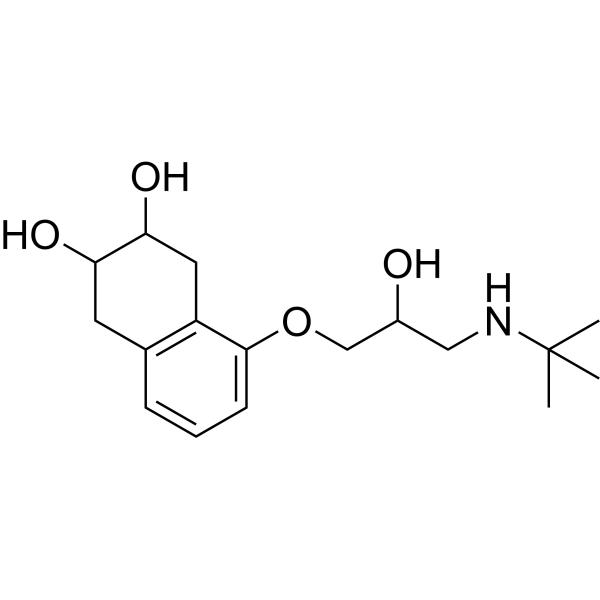
Nadolol (SQ-11725) is a non-selective and orally active β-adrenergic receptors blocker and is a substrate of organic anion transporting polypeptide 1A2 (OATP1A2). Nadolol has the the potential for high blood pressure, angina pectoris and vascular headaches research .
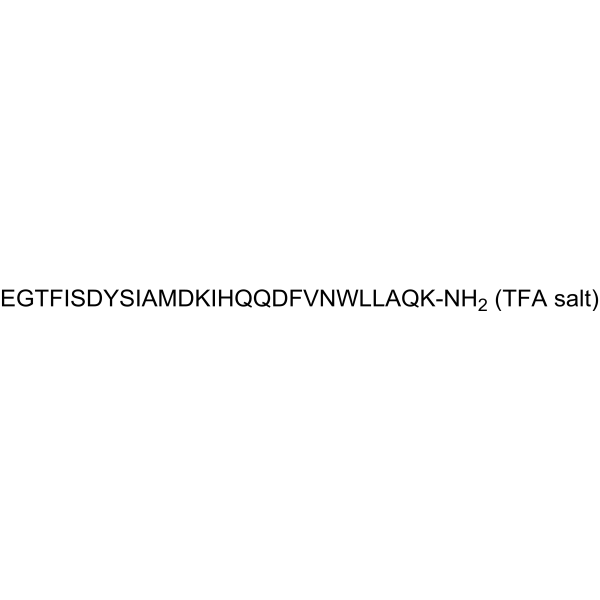
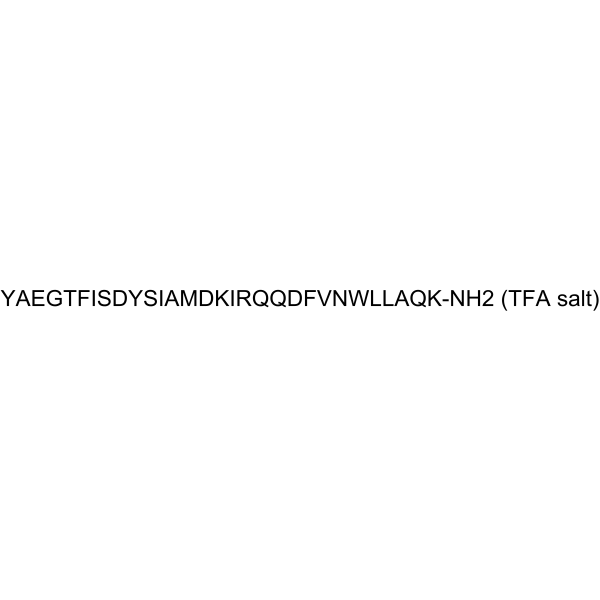
Human GIP(3-30), amide is a high affinity antagonist of the human GIP receptor in vitro. Human GIP(3-30), amide has potential anti-obesity and anti-diabetic effects .
Maridebart cafraglutide (AMG 133) is a long-acting peptide-antibody conjugate that combines GLP-1 receptor agonist with glucose-dependent insulinotropic polypeptide (GIP) receptor antagonism. Maridebart cafraglutide shows antagonist activity against human, cynomolgus monkey and rat GIPR with IC50 values of 46.4 nM, 26.5 nM, 822.3 nM, respectively. Maridebart cafraglutide shows agonist activity against human, cynomolgus monkey, rat and mouse GLP-1R with EC50 values of 24.4 pM, 5.7 pM, 2.4 pM and 123 pM, respectively. Maridebart cafraglutide can be used for the study of obesity and type 2 diabetes .
Retatrutide (LY3437943) TFA is a triple agonist peptide of the glucagon receptor (GCGR), glucosedependent insulinotropic polypeptidereceptor (GIPR), and glucagon-like peptide-1 receptor (GLP-1R). Retatrutide TFA binds human GCGR, GIPR, and GLP-1R with EC50 values of 5.79, 0.0643 and 0.775 nM, respectively. Retatrutide TFA can be used for the research of obesity .
GIP (3-42), human acts as a glucose-dependent insulinotropic polypeptide (GIP) receptor antagonist, moderating the insulin secreting and metabolic actions of GIP in vivo .
Macupatide is a glucose-dependent insulinotropic polypeptide (GIP) receptor agonist. Macupatide improves insulin secretion responses and insulin sensitivity.Macupatide can be used for the research of type 2 diabetes .
Maridebart (AMG133 antibody) is a human immunoglobulin G1-kappa, anti-GIPR (gastric inhibitory polypeptidereceptor) monoclonal antibody. Maridebart is the antibody portion of Maridebart cafraglutide (HY-164535) and can be used for the synthesis of antibody-drug conjugates (ADC). Maridebart can be used for the reserrch of obesity and type 2 diabetes .
GIP (Gastric inhibitory polypeptide) (mouse) is a gastrointestinal hormone that is secreted by the intestinal K cells, and also expressed in and secreted from pancreatic islets. GIP (mouse) promotes insulin secretion from pancreatic β cells via the G-protein-coupled GIP receptor (GIPR). GIP (mouse) promotes pancreatic β cell proliferation and inhibits apoptosis. GIP (mouse) also exerts direct lipogenic effects on adipose tissue .
PA-915 (PAC1R antagonist 1) is a potent and orally active antagonist of PAC1receptor. PA-915 inhibits pituitary adenylate cyclase-activating polypeptide (PACAP)-induced CREB phosphorylation. PA-915 can inhibit PACAP- and nerve injury-induced allodynia. PA-915 can be used for the research of neuropathic pain .
Somatostatin-28 (sheep, human rat mouse) is a biologically active polypeptide, synthesised in the proximal intestinal epithelial cells. Somatostatin-28 (sheep, human rat mouse) suppresses glucose-stimulated insulin secretion without affecting circulating basal insulin concentration. Somatostatin-28 (sheep, human rat mouse) also targets to somatostatin receptor subtype 5 (SSTR5) to regulate GLP-1 secretion .
Ribupatide is a dual gastric inhibitory polypeptide (GIP) and glucagon-like peptide 1 (GLP-1)receptor agonist. Enicepatide can be studied in antidiabetic research .
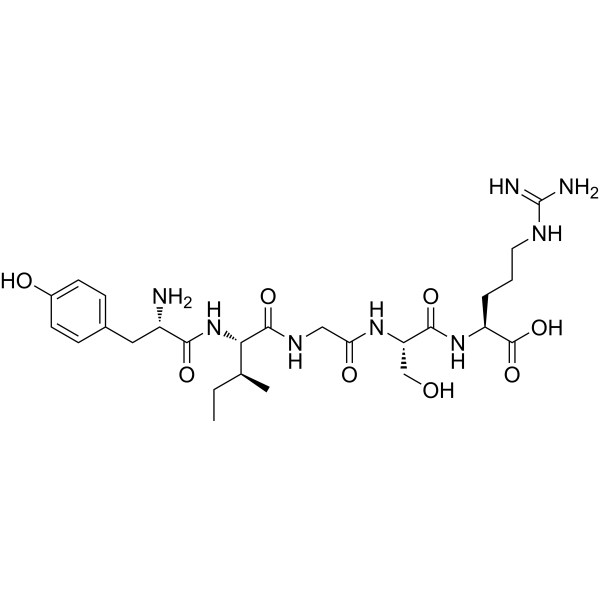
YIGSR (Laminin Fragment 929-933) is a polypeptide that inhibits tumor growth and metastasis of leukemia cells. YIGSR specifically binds to the 67kDa laminin receptor and regulates the expression of eNOS in endothelial cells. YIGSR can be used in leukemia-related research .
Human GIP(3-30), amide TFA is the TFA salt form of human GIP(3-30), amide (HY-P10138). Human GIP(3-30), amide TFA is a high affinity antagonist of the human GIP receptor in vitro. Human GIP(3-30), amide TFA has potential anti-obesity and anti-diabetic effects .
VIPhyb is a vasoactive intestinal polypeptide (VIP) receptor antagonist. VIPhyb can inhibit VIP signaling, increase T-cell immunity and downregulate PD1. VIPhyb can inhibit cancer cell proliferation. VIPhyb can reduce inflammatory cytokine expression. VIPhyb can enhance viral clearance. VIPhyb can be used for the researches of cancer, infection and inflammation and immunology, such as non-small cell lung cancer (NSCLC), cytomegalovirus infection and colitis .
N-Oleoyldopamine (OLDA) is an orally active TRPV1 activator and 5-LOX inhibitor with blood-brain barrier permeability. N-Oleoyldopamine excites histaminergic neurons in the tuberomammillary nucleus via a dopamine receptor mechanism, a process independent of TRPV1 and cannabinoid receptors. On one hand, N-Oleoyldopamine promotes the release of insulin and glucose-dependent insulinotropic polypeptide through a GPR119-dependent pathway to improve glucose tolerance; on the other hand, N-Oleoyldopamine improves left ventricular function and reduces myocardial infarction size by triggering the release of substance P and calcitonin gene-related peptide. N-Oleoyldopamine is used in studies related to glycemic abnormalities and myocardial ischemia-reperfusion injury .
RG7697 is a dual agonist for glucagon-like peptidereceptor (GLP Receptor) and glucosedependent insulinotropic polypeptidereceptor (GIPR), with EC50 of 5 and 3 pM, respectively. RG7697 exhibits antihyperglycemic property .
DSPE-PEG2000-WLSEAGPVVTVRALRGTGSW is a polypeptide targeting tenascin-X (Tenascin-X) that can be conjugated with liposomes and exosomes. DSPE-PEG2000-WLSEAGPVVTVRALRGTGSW specifically binds to Tenascin-X on the surface of cardiomyocytes, mediates receptor-dependent uptake of nanocarriers, enhances targeted drug delivery of cargo to cardiomyocytes, and increases drug accumulation in cardiac tissue. DSPE-PEG2000-WLSEAGPVVTVRALRGTGSW protects cardiomyocytes treated with LPS, alleviates oxidative stress, repairs mitochondrial function, inhibits ferroptosis and apoptosis, and downregulates the secretion of pro-inflammatory cytokines at the same time. DSPE-PEG2000-WLSEAGPVVTVRALRGTGSW improves cardiac injury and pathological morphology in mice with sepsis-induced cardiomyopathy, restores GPX4 expression, and promotes the internalization of cardiomyocyte-derived exosomes, making it suitable for related research on sepsis-induced cardiomyopathy, myocardial ischemia-reperfusion injury, and other conditions .
Human growth hormone-releasing factor TFA (Growth Hormone Releasing Factor human TFA) is a hypothalamic polypeptide and stimulates GH production and release by binding to the GHRH Receptor (GHRHR) on cells in the anterior pituitary .
PHM-27 (human) is a human prepro-vasoactive intestinal polypeptide (27 amino acid). PHM-27 (human) is a potent the human calcitonin receptor agonist with an EC50 of 11 nM. PHM-27 (human) efficiently enhances glucose-induced insulin secretion from beta cells by an autocrine mechanism .
ANT308 is a vasoactive intestinal polypeptide (VIP receptor) antagonist. ANT308 significantly enhances the activation and proliferation of T cells. ANT308 inhibits the migration and metastasis, induces apoptosis of melanoma tumor cells by inhibiting VIP-VPAC2 signaling and reducing the expression of MCAM and N-cadherin. ANT308 can be used for the studies of acute myeloid leukemia (AML) and uveal melanoma (UVM) .
ANT308 TFA is a vasoactive intestinal polypeptide (VIP receptor) antagonist. ANT308 TFA significantly enhances the activation and proliferation of T cells. ANT308 TFA inhibits the migration and metastasis, induces apoptosis of melanoma tumor cells by inhibiting VIP-VPAC2 signaling and reducing the expression of MCAM and N-cadherin. ANT308 TFA can be used for the study of acute myeloid leukemia (AML) and uveal melanoma (UVM) .
Macupatide acetate is a glucose-dependent insulinotropic polypeptide (GIP) receptor agonist. Macupatide acetate improves insulin secretion responses and insulin sensitivity.Macupatide acetate can be used for the research of type 2 diabetes .
GIP (1-30) amide, porcine TFA is a full glucose-dependent insulinotropic polypeptide (GIP) receptor agonist with high affinity equal to native GIP(1-42) . GIP (1-30) amide, porcine is a weak inhibitor of gastric acid secretion and potent stimulator of insulin.
Poly-D-lysine hydrobromide (MW 1000-5000) (PDLHB (MW 1000-5000)) is a synthetic cationic polypeptide polymer commonly used as a cell adhesion promoter and surface coating molecule. Poly-D-lysine hydrobromide is also known as a calcium-sensing receptor (CaSR) agonist peptide .
PA-9 is a pituitary adenylate cyclase-activating polypeptide (PACAP) type I (PAC1) receptor antagonist. PA-9 dose dependently inhibits PACAP-induced cAMP elevation with an IC50 of 5.6 nM. PA-9 can be used for the research of neuropathic and/or inflammatory pain .
[K15,R16,L27]VIP(1-7)/GRF(8-27) (acetate) is the acetate of [K15,R16,L27]VIP(1-7)/GRF(8-27) (HY-P4195). [K15,R16,L27]VIP(1-7)/GRF(8-27) (acetate), a VIP1 selective agonist, exhibits IC50 values of binding of 2 nM, 1 nM, 30,000 nM for the human VIP1, rat VIP1, rat VIP2receptors, respectively . VIP: VASOACTIVE Intestinal Polypeptide
Retatrutide (LY3437943) acetate is a triple agonist peptide of the glucagon receptor (GCGR), glucosedependent insulinotropic polypeptidereceptor (GIPR), and glucagon-like peptide-1 receptor (GLP-1R). Retatrutide acetate inhibits human GCGR, GIPR, and GLP-1R with EC50 values of 5.79, 0.0643 and 0.775 nM, respectively. Retatrutide acetate can be used for the research of obesity .
Olatorepatide (Olatorepatidum) is a dual gastric inhibitory polypeptide (GIP) receptor and glucagon like peptide 1 (GLP-1) receptor agonist, with antidiabetic effect .
Ribupatide TFA is a dual gastric inhibitory polypeptide (GIP) and glucagon-like peptide 1 (GLP-1)receptor agonist. Ribupatide TFA can be studied in antidiabetic research .
Enicepatide is a dual gastric inhibitory polypeptide (GIP) and glucagon-like peptide 1 (GLP-1)receptor agonist. Enicepatide can be studied in antidiabetic research .
Relsipatide (BG128) is a dual gastric inhibitory polypeptide (GIP) and glucagon-like peptide 1 (GLP-1)receptor agonist. Enicepatide can be studied in antidiabetic research .
Human growth hormone-releasing factor (Growth Hormone Releasing Factor human) is a hypothalamic polypeptide and stimulates GH production and release by binding to the GHRH Receptor (GHRHR) on cells in the anterior pituitary .
[cPP1-7,NPY19-23,Ala31,Aib32,Gln34]-hPancreatic Polypeptide is a potent and selective neuropeptide Y Y5receptor agonist with an IC50 of 0.24 nM for binding to the hY5receptor. [cPP1-7,NPY19-23,Ala31,Aib32,Gln34]-hPancreatic Polypeptide induces a high amount of food intake .
Apelin-12 is one of the most potent C-terminal fragments of the polypeptide that possesses a high affinity to orphan receptorAPJreceptor. Apelin-12 is involved in the regulation of body fluid homeostasis and in the central control of feeding. Apelin-12 blocks HIV-1 entry through APJ receptor. Apelin-12 exerts neuroprotective effect .
Pancreatic Polypeptide, bovine, a 36-amino acid, straight chain polypeptide derived primarily from the pancreas, inhibits secretin- and cholecystokinin-stimulated pancreatic secretion; Pancreatic Polypeptide, bovine acts as an agonist of NPY receptor, with high affinity at NPYR4.
Boc-Glu(OBzl)-OH (Compound 9) is a glutamic acid derivative commonly used in Boc SPPS. Glutamic acid residues increase the hydrophilicity of the polypeptide and play an important structural and receptor binding role .
GIP (1-30) amide, porcine is a full glucose-dependent insulinotropic polypeptide (GIP) receptor agonist with high affinity equal to native GIP(1-42) . GIP (1-30) amide, porcine is a weak inhibitor of gastric acid secretion and potent stimulator of insulin.
Nadolol (Standard) is the analytical standard of Nadolol. This product is intended for research and analytical applications. Nadolol (SQ-11725) is a non-selective and orally active β-adrenergic receptors blocker and is a substrate of organic anion transporting polypeptide 1A2 (OATP1A2). Nadolol has the the potential for high blood pressure, angina pectoris and vascular headaches research .
Rabies Virus Matrix Protein Fragment (RV-MAT) is a polypeptide. Rabies Virus Matrix Protein Fragment targets the acetylcholine receptor (AChR) that exists on the cell surface .
[cPP1-7,NPY19-23,Ala31,Aib32,Gln34]-hPancreatic Polypeptide is a potent and selective neuropeptide Y Y5receptor agonist with an IC50 of 0.24 nM for binding to the hY5receptor. [cPP1-7,NPY19-23,Ala31,Aib32,Gln34]-hPancreatic Polypeptide induces a high amount of food intake .
Ampullosporin A is a peptaibol-type polypeptide that can be isolated from the fungus Sepedonium ampullosporum HKI-0053, exhibiting neuroleptic-like activity. Ampullosporin A can inhibit hyperactivity induced by NMDA receptor antagonist MK-801 (HY-15084B) and ameliorate social behavior abnormalities caused by subchronic drug treatment. Ampullosporin A alters the activity of glutamate receptors without affecting dopamine D1 and D2 receptors .
Human CCR4 mRNA encodes the human C-C motif chemokine receptor 4 (CCR4) protein, a member of G protein-coupled receptors family. CCR4 is a receptor for the CC chemokine - MIP-1, RANTES, TARC and MCP-1. Chemokines are a group of small polypeptide, structurally related molecules that regulate cell trafficking of various types of leukocytes. The chemokines also play fundamental roles in the development, homeostasis, and function of the immune system, and they have effects on cells of the central nervous system as well as on endothelial cells involved in angiogenesis or angiostasis.
[K15,R16,L27]VIP(1-7)/GRF(8-27), a VIP1 selective agonist, exhibits IC50 values of binding of 2 nM, 1 nM, 30,000 nM for the human VIP1, rat VIP1, rat VIP2receptors, respectively . VIP: VASOACTIVE Intestinal Polypeptide
PACAP (1-38) free acid TFA is an endogenous neuropeptide. PACAP (1-38) free acid TFA potently stimulates antral motility and somatostatin secretion, inhibits the secretion of gastrin and stimulates the release of vasoactive intestinal polypeptide, gastrin releasing peptide and substance P. PACAP (1-38) free acid TFA also enhances N-methyl-D-aspartate receptor function and expression of brain-derived neurotrophic factor through RACK1 .
Taspoglutide (R1583) acetate is an agonist of the glucagon-like peptide 1 receptor (GLP-1R) with an Ki value of 1.1 nM. Taspoglutide acetate induces cAMP accumulation in CHO-K1 cells expressing human GLP-1R (EC50 = 0.06 nM). Taspoglutide acetate decreases blood levels of glucose and increases blood levels of insulin in a glucose tolerance test in Zucker diabetic obese rats. Taspoglutide acetate reduces blood levels of gastric inhibitory polypeptide (GIP), plasma levels of triglycerides, and body weight in the same model .
GIPR antagonist 1 is a GIPR antagonist with an IC50 of 4.8 nM. GIPR antagonist 1 inhibits glucose-dependent insulinotropic polypeptidereceptor signaling. GIPR antagonist 1 can be used for the research of type 2 diabetes and obesity .
Zantrutide is a glucagon, gastric inhibitory polypeptide (GIP) and glucagon-like peptide 1 (GLP-1) receptor agonist. Zantrutide can be used for the study of metabolic diseases .
Brenipatide (LY-3537031) is a dual glucagon-like peptide-1 (GLP-1) and gastric inhibitory polypeptide (GIP) receptor agonist. Brenipatide can be used for the study of metabolic disorders, obesity and diabetes .
Peptide HRH acetate is a polypeptide that specifically binds to VEGFreceptors. Peptide HRH acetate inhibits VEGF-stimulated endothelial cell proliferation. Peptide HRH acetate inhibits angiogenesis and suppresses corneal neovascularization. Peptide HRH acetate can be used in anti-angiogenesis related studies .
Peptide HRH is a polypeptide that specifically binds to VEGFreceptors. Peptide HRH inhibits VEGF-stimulated endothelial cell proliferation. Peptide HRH inhibits angiogenesis and suppresses corneal neovascularization. Peptide HRH can be used in anti-angiogenesis related studies .
GLP-1R/GIPR agonist-2 is a GIPR agonist. GLP-1R/GIPR agonist-2 potentiates GIP(1-42)-induced intracellular cAMP production in cells expressing human GIPR. GLP-1R/GIPR agonist-2 can be used for the research of type II diabetes mellitus .
Maridebart cafraglutide (AMG 133) is a long-acting peptide-antibody conjugate that combines GLP-1 receptor agonist with glucose-dependent insulinotropic polypeptide (GIP) receptor antagonism. Maridebart cafraglutide shows antagonist activity against human, cynomolgus monkey and rat GIPR with IC50 values of 46.4 nM, 26.5 nM, 822.3 nM, respectively. Maridebart cafraglutide shows agonist activity against human, cynomolgus monkey, rat and mouse GLP-1R with EC50 values of 24.4 pM, 5.7 pM, 2.4 pM and 123 pM, respectively. Maridebart cafraglutide can be used for the study of obesity and type 2 diabetes .
DSPE-PEG2000-WLSEAGPVVTVRALRGTGSW is a polypeptide targeting tenascin-X (Tenascin-X) that can be conjugated with liposomes and exosomes. DSPE-PEG2000-WLSEAGPVVTVRALRGTGSW specifically binds to Tenascin-X on the surface of cardiomyocytes, mediates receptor-dependent uptake of nanocarriers, enhances targeted drug delivery of cargo to cardiomyocytes, and increases drug accumulation in cardiac tissue. DSPE-PEG2000-WLSEAGPVVTVRALRGTGSW protects cardiomyocytes treated with LPS, alleviates oxidative stress, repairs mitochondrial function, inhibits ferroptosis and apoptosis, and downregulates the secretion of pro-inflammatory cytokines at the same time. DSPE-PEG2000-WLSEAGPVVTVRALRGTGSW improves cardiac injury and pathological morphology in mice with sepsis-induced cardiomyopathy, restores GPX4 expression, and promotes the internalization of cardiomyocyte-derived exosomes, making it suitable for related research on sepsis-induced cardiomyopathy, myocardial ischemia-reperfusion injury, and other conditions .
Poly-D-lysine hydrobromide (MW 1000-5000) (PDLHB (MW 1000-5000)) is a synthetic cationic polypeptide polymer commonly used as a cell adhesion promoter and surface coating molecule. Poly-D-lysine hydrobromide is also known as a calcium-sensing receptor (CaSR) agonist peptide .
Retatrutide (LY3437943) is a triple agonist peptide of the glucagon receptor (GCGR), glucosedependent insulinotropic polypeptidereceptor (GIPR), and glucagon-like peptide-1 receptor (GLP-1R). Retatrutide binds human GCGR, GIPR, and GLP-1R with EC50 values of 5.79, 0.0643 and 0.775 nM, respectively. Retatrutide can be used for the research of obesity .
Human GIP(3-30), amide is a high affinity antagonist of the human GIP receptor in vitro. Human GIP(3-30), amide has potential anti-obesity and anti-diabetic effects .
Retatrutide (LY3437943) TFA is a triple agonist peptide of the glucagon receptor (GCGR), glucosedependent insulinotropic polypeptidereceptor (GIPR), and glucagon-like peptide-1 receptor (GLP-1R). Retatrutide TFA binds human GCGR, GIPR, and GLP-1R with EC50 values of 5.79, 0.0643 and 0.775 nM, respectively. Retatrutide TFA can be used for the research of obesity .
GIP (3-42), human acts as a glucose-dependent insulinotropic polypeptide (GIP) receptor antagonist, moderating the insulin secreting and metabolic actions of GIP in vivo .
Macupatide is a glucose-dependent insulinotropic polypeptide (GIP) receptor agonist. Macupatide improves insulin secretion responses and insulin sensitivity.Macupatide can be used for the research of type 2 diabetes .
GIP (Gastric inhibitory polypeptide) (mouse) is a gastrointestinal hormone that is secreted by the intestinal K cells, and also expressed in and secreted from pancreatic islets. GIP (mouse) promotes insulin secretion from pancreatic β cells via the G-protein-coupled GIP receptor (GIPR). GIP (mouse) promotes pancreatic β cell proliferation and inhibits apoptosis. GIP (mouse) also exerts direct lipogenic effects on adipose tissue .
Somatostatin-28 (sheep, human rat mouse) is a biologically active polypeptide, synthesised in the proximal intestinal epithelial cells. Somatostatin-28 (sheep, human rat mouse) suppresses glucose-stimulated insulin secretion without affecting circulating basal insulin concentration. Somatostatin-28 (sheep, human rat mouse) also targets to somatostatin receptor subtype 5 (SSTR5) to regulate GLP-1 secretion .
Ribupatide is a dual gastric inhibitory polypeptide (GIP) and glucagon-like peptide 1 (GLP-1)receptor agonist. Enicepatide can be studied in antidiabetic research .
YIGSR (Laminin Fragment 929-933) is a polypeptide that inhibits tumor growth and metastasis of leukemia cells. YIGSR specifically binds to the 67kDa laminin receptor and regulates the expression of eNOS in endothelial cells. YIGSR can be used in leukemia-related research .
Human GIP(3-30), amide TFA is the TFA salt form of human GIP(3-30), amide (HY-P10138). Human GIP(3-30), amide TFA is a high affinity antagonist of the human GIP receptor in vitro. Human GIP(3-30), amide TFA has potential anti-obesity and anti-diabetic effects .
VIPhyb is a vasoactive intestinal polypeptide (VIP) receptor antagonist. VIPhyb can inhibit VIP signaling, increase T-cell immunity and downregulate PD1. VIPhyb can inhibit cancer cell proliferation. VIPhyb can reduce inflammatory cytokine expression. VIPhyb can enhance viral clearance. VIPhyb can be used for the researches of cancer, infection and inflammation and immunology, such as non-small cell lung cancer (NSCLC), cytomegalovirus infection and colitis .
RG7697 is a dual agonist for glucagon-like peptidereceptor (GLP Receptor) and glucosedependent insulinotropic polypeptidereceptor (GIPR), with EC50 of 5 and 3 pM, respectively. RG7697 exhibits antihyperglycemic property .
Human growth hormone-releasing factor TFA (Growth Hormone Releasing Factor human TFA) is a hypothalamic polypeptide and stimulates GH production and release by binding to the GHRH Receptor (GHRHR) on cells in the anterior pituitary .
PHM-27 (human) is a human prepro-vasoactive intestinal polypeptide (27 amino acid). PHM-27 (human) is a potent the human calcitonin receptor agonist with an EC50 of 11 nM. PHM-27 (human) efficiently enhances glucose-induced insulin secretion from beta cells by an autocrine mechanism .
ANT308 is a vasoactive intestinal polypeptide (VIP receptor) antagonist. ANT308 significantly enhances the activation and proliferation of T cells. ANT308 inhibits the migration and metastasis, induces apoptosis of melanoma tumor cells by inhibiting VIP-VPAC2 signaling and reducing the expression of MCAM and N-cadherin. ANT308 can be used for the studies of acute myeloid leukemia (AML) and uveal melanoma (UVM) .
ANT308 TFA is a vasoactive intestinal polypeptide (VIP receptor) antagonist. ANT308 TFA significantly enhances the activation and proliferation of T cells. ANT308 TFA inhibits the migration and metastasis, induces apoptosis of melanoma tumor cells by inhibiting VIP-VPAC2 signaling and reducing the expression of MCAM and N-cadherin. ANT308 TFA can be used for the study of acute myeloid leukemia (AML) and uveal melanoma (UVM) .
Macupatide acetate is a glucose-dependent insulinotropic polypeptide (GIP) receptor agonist. Macupatide acetate improves insulin secretion responses and insulin sensitivity.Macupatide acetate can be used for the research of type 2 diabetes .
GIP (1-30) amide, porcine TFA is a full glucose-dependent insulinotropic polypeptide (GIP) receptor agonist with high affinity equal to native GIP(1-42) . GIP (1-30) amide, porcine is a weak inhibitor of gastric acid secretion and potent stimulator of insulin.
[K15,R16,L27]VIP(1-7)/GRF(8-27) (acetate) is the acetate of [K15,R16,L27]VIP(1-7)/GRF(8-27) (HY-P4195). [K15,R16,L27]VIP(1-7)/GRF(8-27) (acetate), a VIP1 selective agonist, exhibits IC50 values of binding of 2 nM, 1 nM, 30,000 nM for the human VIP1, rat VIP1, rat VIP2receptors, respectively . VIP: VASOACTIVE Intestinal Polypeptide
Retatrutide (LY3437943) acetate is a triple agonist peptide of the glucagon receptor (GCGR), glucosedependent insulinotropic polypeptidereceptor (GIPR), and glucagon-like peptide-1 receptor (GLP-1R). Retatrutide acetate inhibits human GCGR, GIPR, and GLP-1R with EC50 values of 5.79, 0.0643 and 0.775 nM, respectively. Retatrutide acetate can be used for the research of obesity .
Olatorepatide (Olatorepatidum) is a dual gastric inhibitory polypeptide (GIP) receptor and glucagon like peptide 1 (GLP-1) receptor agonist, with antidiabetic effect .
Ribupatide TFA is a dual gastric inhibitory polypeptide (GIP) and glucagon-like peptide 1 (GLP-1)receptor agonist. Ribupatide TFA can be studied in antidiabetic research .
Enicepatide is a dual gastric inhibitory polypeptide (GIP) and glucagon-like peptide 1 (GLP-1)receptor agonist. Enicepatide can be studied in antidiabetic research .
Relsipatide (BG128) is a dual gastric inhibitory polypeptide (GIP) and glucagon-like peptide 1 (GLP-1)receptor agonist. Enicepatide can be studied in antidiabetic research .
Human growth hormone-releasing factor (Growth Hormone Releasing Factor human) is a hypothalamic polypeptide and stimulates GH production and release by binding to the GHRH Receptor (GHRHR) on cells in the anterior pituitary .
[cPP1-7,NPY19-23,Ala31,Aib32,Gln34]-hPancreatic Polypeptide is a potent and selective neuropeptide Y Y5receptor agonist with an IC50 of 0.24 nM for binding to the hY5receptor. [cPP1-7,NPY19-23,Ala31,Aib32,Gln34]-hPancreatic Polypeptide induces a high amount of food intake .
Apelin-12 is one of the most potent C-terminal fragments of the polypeptide that possesses a high affinity to orphan receptorAPJreceptor. Apelin-12 is involved in the regulation of body fluid homeostasis and in the central control of feeding. Apelin-12 blocks HIV-1 entry through APJ receptor. Apelin-12 exerts neuroprotective effect .
Pancreatic Polypeptide, bovine, a 36-amino acid, straight chain polypeptide derived primarily from the pancreas, inhibits secretin- and cholecystokinin-stimulated pancreatic secretion; Pancreatic Polypeptide, bovine acts as an agonist of NPY receptor, with high affinity at NPYR4.
Boc-Glu(OBzl)-OH (Compound 9) is a glutamic acid derivative commonly used in Boc SPPS. Glutamic acid residues increase the hydrophilicity of the polypeptide and play an important structural and receptor binding role .
GIP (1-30) amide, porcine is a full glucose-dependent insulinotropic polypeptide (GIP) receptor agonist with high affinity equal to native GIP(1-42) . GIP (1-30) amide, porcine is a weak inhibitor of gastric acid secretion and potent stimulator of insulin.
Rabies Virus Matrix Protein Fragment (RV-MAT) is a polypeptide. Rabies Virus Matrix Protein Fragment targets the acetylcholine receptor (AChR) that exists on the cell surface .
Exendin-3/4 (64-86) is a polypeptide from patent CN 106029087 A. The incretin receptor ligands are derived from multiple skin toxicity Shan exosomes -3 skin of SDGTFTSDLSKQM Di EAVRLFIEWLKNGGPSSGAPPPS.
[cPP1-7,NPY19-23,Ala31,Aib32,Gln34]-hPancreatic Polypeptide is a potent and selective neuropeptide Y Y5receptor agonist with an IC50 of 0.24 nM for binding to the hY5receptor. [cPP1-7,NPY19-23,Ala31,Aib32,Gln34]-hPancreatic Polypeptide induces a high amount of food intake .
[K15,R16,L27]VIP(1-7)/GRF(8-27), a VIP1 selective agonist, exhibits IC50 values of binding of 2 nM, 1 nM, 30,000 nM for the human VIP1, rat VIP1, rat VIP2receptors, respectively . VIP: VASOACTIVE Intestinal Polypeptide
PACAP (1-38) free acid TFA is an endogenous neuropeptide. PACAP (1-38) free acid TFA potently stimulates antral motility and somatostatin secretion, inhibits the secretion of gastrin and stimulates the release of vasoactive intestinal polypeptide, gastrin releasing peptide and substance P. PACAP (1-38) free acid TFA also enhances N-methyl-D-aspartate receptor function and expression of brain-derived neurotrophic factor through RACK1 .
Taspoglutide (R1583) acetate is an agonist of the glucagon-like peptide 1 receptor (GLP-1R) with an Ki value of 1.1 nM. Taspoglutide acetate induces cAMP accumulation in CHO-K1 cells expressing human GLP-1R (EC50 = 0.06 nM). Taspoglutide acetate decreases blood levels of glucose and increases blood levels of insulin in a glucose tolerance test in Zucker diabetic obese rats. Taspoglutide acetate reduces blood levels of gastric inhibitory polypeptide (GIP), plasma levels of triglycerides, and body weight in the same model .
Zantrutide is a glucagon, gastric inhibitory polypeptide (GIP) and glucagon-like peptide 1 (GLP-1) receptor agonist. Zantrutide can be used for the study of metabolic diseases .
Brenipatide (LY-3537031) is a dual glucagon-like peptide-1 (GLP-1) and gastric inhibitory polypeptide (GIP) receptor agonist. Brenipatide can be used for the study of metabolic disorders, obesity and diabetes .
Peptide HRH acetate is a polypeptide that specifically binds to VEGFreceptors. Peptide HRH acetate inhibits VEGF-stimulated endothelial cell proliferation. Peptide HRH acetate inhibits angiogenesis and suppresses corneal neovascularization. Peptide HRH acetate can be used in anti-angiogenesis related studies .
Peptide HRH is a polypeptide that specifically binds to VEGFreceptors. Peptide HRH inhibits VEGF-stimulated endothelial cell proliferation. Peptide HRH inhibits angiogenesis and suppresses corneal neovascularization. Peptide HRH can be used in anti-angiogenesis related studies .
Maridebart (AMG133 antibody) is a human immunoglobulin G1-kappa, anti-GIPR (gastric inhibitory polypeptidereceptor) monoclonal antibody. Maridebart is the antibody portion of Maridebart cafraglutide (HY-164535) and can be used for the synthesis of antibody-drug conjugates (ADC). Maridebart can be used for the reserrch of obesity and type 2 diabetes .
Ampullosporin A is a peptaibol-type polypeptide that can be isolated from the fungus Sepedonium ampullosporum HKI-0053, exhibiting neuroleptic-like activity. Ampullosporin A can inhibit hyperactivity induced by NMDA receptor antagonist MK-801 (HY-15084B) and ameliorate social behavior abnormalities caused by subchronic drug treatment. Ampullosporin A alters the activity of glutamate receptors without affecting dopamine D1 and D2 receptors .
GIPR protein, a receptor for glucose-dependent insulinotropic polypeptide (GIP), operates through G proteins that activate adenylyl cyclase. Its capacity for homodimer and heterodimer formation with GLP1R implies potential interactions between receptors linked to incretin hormones. GIPR Protein, Human (Cell-Free, His) is the recombinant human-derived GIPR protein, expressed by E. coli Cell-free , with N-10*His labeled tag.
GIPR protein, a receptor for glucose-dependent insulinotropic polypeptide (GIP), operates through G proteins that activate adenylyl cyclase. Its capacity for homodimer and heterodimer formation with GLP1R implies potential interactions between receptors linked to incretin hormones. GIPR Protein, Human (HEK293, His) is the recombinant human-derived GIPR, expressed by HEK293, with C-10*His labeled tag. The total length of GIPR Protein, Human (HEK293, His) is 117 a.a..
AK2 protein plays a key role in cellular energy homeostasis and adenine nucleotide metabolism by catalyzing the reversible transfer of terminal phosphate groups between ATP and AMP. Its adenylate kinase activity plays a key role in regulating phosphate utilization and de novo AMP biosynthetic pathways, contributing to the complex balance of cellular energy resources. GIPR Protein, Mouse (HEK293, His) is the recombinant mouse-derived GIPR, expressed by HEK293, with C-10*His labeled tag. The total length of GIPR Protein, Mouse (HEK293, His) is 116 a.a..
The CHRNA1 Protein undergoes a substantial conformational shift upon acetylcholine binding, influencing all subunits and leading to the activation of an ion-conducting channel. Yet, the acetylcholine receptor alpha subunit of CHRNA1 can be non-functional in certain cases, underscoring the need to comprehend the factors governing its functionality and integration into fully operational acetylcholine-gated cation-selective channels. CHRNA1 Protein, Human (His) is the recombinant human-derived CHRNA1 protein, expressed by E. coli , with N-6*His labeled tag.
The CHRNA1 Protein undergoes a substantial conformational shift upon acetylcholine binding, influencing all subunits and leading to the activation of an ion-conducting channel. Yet, the acetylcholine receptor alpha subunit of CHRNA1 can be non-functional in certain cases, underscoring the need to comprehend the factors governing its functionality and integration into fully operational acetylcholine-gated cation-selective channels. CHRNA1 Protein, Human (His-Trx) is the recombinant human-derived CHRNA1 protein, expressed by E. coli , with N-Trx, N-6*His labeled tag.
CHRNA3 Protein, a critical contributor to collagen fibrillogenesis, regulates the rate of fibril formation and influences the assembly and organization of collagen fibrils. Binding to both type I and type II collagen, CHRNA3 plays a pivotal role in shaping the structural integrity of the extracellular matrix. CHRNA3 Protein, Human (His-SUMO) is the recombinant human-derived CHRNA3 protein, expressed by E. coli , with N-10*His, N-SUMO labeled tag.
VIPR2 protein, serving as a receptor for Vasoactive Intestinal Peptide (VIP) and Pituitary Adenylate Cyclase-Activating Peptide (PACAP-38 and -27), activates adenylyl cyclase and can also couple with phospholipase C. Its versatile signaling pathways emphasize its pivotal role in transducing signals from VIP and PACAP, participating in cellular processes regulated by cyclic AMP and phosphoinositide signaling cascades. VIPR2 Protein, Human (HEK293, Fc) is the recombinant human-derived VIPR2 protein, expressed by HEK293 , with C-mFc labeled tag.
Fc epsilon RI alpha; Fc epsilon RI alpha chain ; high affinity I; receptor for; alpha subunit; Fc fragment of IgE; high affinity I; receptor for; alpha polypeptide; Fc IgE receptor; alpha chain; Fc IgE receptor; alpha polypeptide; Fc-epsilon RI-alpha; FCE 1A; FCE1A; FCER1A; Fcer1a; FCERA_HUMAN; FceRI alpha; FcERI; high affinity IgE receptor;
The Fc epsilon RIA/FCER1A protein is a high-affinity receptor for IgE and critically mediates IgE effector function in myeloid cells. After binding to IgE and cross-linking with antigen, it activates signaling pathways that induce myeloid cell activation and differentiation. Fc epsilon RIA/FCER1A Protein, Human (His-SUMO) is the recombinant human-derived Fc epsilon RIA/FCER1A protein, expressed by E. coli , with N-6*His, N-SUMO labeled tag.
Fc epsilon RI alpha; Fc epsilon RI alpha chain ; high affinity I; receptor for; alpha subunit; Fc fragment of IgE; high affinity I; receptor for; alpha polypeptide; Fc IgE receptor; alpha chain; Fc IgE receptor; alpha polypeptide; Fc-epsilon RI-alpha; FCE 1A; FCE1A; FCER1A; Fcer1a; FCERA_HUMAN; FceRI alpha; FcERI; high affinity IgE receptor;
The Fc epsilon RIA/FCER1A protein is a high-affinity receptor for IgE and critically mediates IgE effector function in myeloid cells. After binding to IgE and cross-linking with antigen, it activates signaling pathways that induce myeloid cell activation and differentiation. Fc epsilon RIA/FCER1A Protein, Human (HEK293,His) is the recombinant human-derived Fc epsilon RIA/FCER1A protein, expressed by HEK293, with C-His labeled tag.
Fc epsilon RI alpha; Fc epsilon RI alpha chain ; high affinity I; receptor for; alpha subunit; Fc fragment of IgE; high affinity I; receptor for; alpha polypeptide; Fc IgE receptor; alpha chain; Fc IgE receptor; alpha polypeptide; Fc-epsilon RI-alpha; FCE 1A; FCE1A; FCER1A; Fcer1a; FCERA_HUMAN; FceRI alpha; FcERI; high affinity IgE receptor;
The Fc epsilon RIA/FCER1A protein is a high-affinity receptor for IgE and critically mediates IgE effector function in myeloid cells. After binding to IgE and cross-linking with antigen, it activates signaling pathways that induce myeloid cell activation and differentiation. Fc epsilon RIA/FCER1A Protein, Human (HEK293) is the recombinant human-derived Fc epsilon RIA/FCER1A protein, expressed by HEK293, with tag free.
Fc epsilon RI alpha; Fc epsilon RI alpha chain ; high affinity I; receptor for; alpha subunit; Fc fragment of IgE; high affinity I; receptor for; alpha polypeptide; Fc IgE receptor; alpha chain; Fc IgE receptor; alpha polypeptide; Fc-epsilon RI-alpha; FCE 1A; FCE1A; FCER1A; Fcer1a; FCERA_HUMAN; FceRI alpha; FcERI; high affinity IgE receptor;
The Fc epsilon RIA/FCER1A protein is a high-affinity receptor for IgE and critically mediates IgE effector function in myeloid cells. After binding to IgE and cross-linking with antigen, it activates signaling pathways that induce myeloid cell activation and differentiation. Fc epsilon RIA/FCER1A Protein, Human (HEK293, Fc) is the recombinant human-derived Fc epsilon RIA/FCER1A protein, expressed by HEK293, with C-hFc labeled tag.
Fc epsilon RI alpha; Fc epsilon RI alpha chain ; high affinity I; receptor for; alpha subunit; Fc fragment of IgE; high affinity I; receptor for; alpha polypeptide; Fc IgE receptor; alpha chain; Fc IgE receptor; alpha polypeptide; Fc-epsilon RI-alpha; FCE 1A; FCE1A; FCER1A; Fcer1a; FCERA_HUMAN; FceRI alpha; FcERI; high affinity IgE receptor
The ADCYAP1R1 protein is a receptor for pituitary adenylate cyclase-activating polypeptide (PACAP) and recognizes PACAP-27 and PACAP-38. Through the G protein, this receptor activates adenylyl cyclase, initiating multiple downstream signaling pathways. ADCYAP1R1 Protein, Human (HEK293, hFc) is the recombinant human-derived ADCYAP1R1 protein, expressed by HEK293, with C-hFc labeled tag.
The ADCYAP1R1 protein is a receptor for pituitary adenylate cyclase-activating polypeptide (PACAP) and recognizes PACAP-27 and PACAP-38. Through the G protein, this receptor activates adenylyl cyclase, initiating multiple downstream signaling pathways. ADCYAP1R1 Protein, Human (HEK293, Fc, solution) is the recombinant human-derived ADCYAP1R1 protein, expressed by HEK293 , with C-hFc labeled tag.
PDGF Rβ protein is integral in embryonic development and regulates cell proliferation, survival, differentiation, chemotaxis, migration, and vascular development. It crucially recruits pericytes and smooth muscle cells to the endothelium, promoting vascular smooth muscle cell migration and neointimal formation at the site of injury. PDGF R beta Protein, Human (Biotinylated, sf9, His, Avi) is the recombinant human-derived PDGF R beta, expressed by Sf9 insect cells, with Avi, His labeled tag.
The CD3E/CD3 epsilon 1-27 peptide is critical in the TCR-CD3 complex, transmitting signals during T cell activation. When APC activates the TCR, CD3E undergoes LCK/FYN-mediated phosphorylation together with ITAM, initiating downstream signaling. CD3 epsilon Protein, Cynomolgus (HEK293, Fc) is the recombinant cynomolgus-derived CD3 epsilon protein, expressed by HEK293 , with C-Fc, C-hFc labeled tag.
The CACNA2D1 protein, particularly its α-2/δ subunit, plays a key role in regulating calcium current density and activation/deactivation kinetics of voltage-dependent calcium channels. It contributes to excitation-contraction coupling, coordinating cellular processes. CACNA2D1 Protein, Human (His-SUMO) is the recombinant human-derived CACNA2D1 protein, expressed by E. coli , with N-6*His, N-SUMO labeled tag.
B220; CD 45; CD-45; cd45 antigen; ec3.1.3.48; CD45R; GP180; GP180; GP 180; L CA; LCA; L-CA; Leukocyte common antigen; LY5; Ly-5 glycoprotein; Protein tyrosine phosphatase receptor type C; Protein tyrosine phosphatase receptor type c polypeptide; protein tyrosine phosphatase, receptor type, C; receptor-type tyrosine-protein phosphatase C; PTPRC; PTPRC_HUMAN; SCID due to PTPRC deficiency; T200; T200 glycoprotein; T200 leukocyte common antigen; Human homolog of severe combined immunodeficiency due to PTPRC deficiency.
WB, IHC-P, IHC-F, IF-Tissue
Human
CD45 Antibody (YA6369) is a Rabbit-derived and non-conjugated IgG monoclonal antibody, targeting to CD45.
B220; CD 45; CD-45; cd45 antigen; ec3.1.3.48; CD45R; GP180; GP180; GP 180; L CA; LCA; L-CA; Leukocyte common antigen; LY5; Ly-5 glycoprotein; Protein tyrosine phosphatase receptor type C; Protein tyrosine phosphatase receptor type c polypeptide; protein tyrosine phosphatase, receptor type, C; receptor-type tyrosine-protein phosphatase C; PTPRC; PTPRC_HUMAN; SCID due to PTPRC deficiency; T200; T200 glycoprotein; T200 leukocyte common antigen; Human homolog of severe combined immunodeficiency due to PTPRC deficiency.
FC
Human
CD45 Antibody (YA6408) (PBS only) is a Mouse-derived and non-conjugated IgG1 monoclonal antibody, targeting to CD45.
DSPE-PEG2000-WLSEAGPVVTVRALRGTGSW is a polypeptide targeting tenascin-X (Tenascin-X) that can be conjugated with liposomes and exosomes. DSPE-PEG2000-WLSEAGPVVTVRALRGTGSW specifically binds to Tenascin-X on the surface of cardiomyocytes, mediates receptor-dependent uptake of nanocarriers, enhances targeted drug delivery of cargo to cardiomyocytes, and increases drug accumulation in cardiac tissue. DSPE-PEG2000-WLSEAGPVVTVRALRGTGSW protects cardiomyocytes treated with LPS, alleviates oxidative stress, repairs mitochondrial function, inhibits ferroptosis and apoptosis, and downregulates the secretion of pro-inflammatory cytokines at the same time. DSPE-PEG2000-WLSEAGPVVTVRALRGTGSW improves cardiac injury and pathological morphology in mice with sepsis-induced cardiomyopathy, restores GPX4 expression, and promotes the internalization of cardiomyocyte-derived exosomes, making it suitable for related research on sepsis-induced cardiomyopathy, myocardial ischemia-reperfusion injury, and other conditions .
Human CCR4 mRNA encodes the human C-C motif chemokine receptor 4 (CCR4) protein, a member of G protein-coupled receptors family. CCR4 is a receptor for the CC chemokine - MIP-1, RANTES, TARC and MCP-1. Chemokines are a group of small polypeptide, structurally related molecules that regulate cell trafficking of various types of leukocytes. The chemokines also play fundamental roles in the development, homeostasis, and function of the immune system, and they have effects on cells of the central nervous system as well as on endothelial cells involved in angiogenesis or angiostasis.
Inquiry Online
Your information is safe with us. * Required Fields.
Western blot analysis of extracts from THP-1(lane 2(20μg), Jurkat (lane 3(20μg) and NIH3T3(lane 4(20μg) using FOXO1A (HY-P80132) Rabbit mAb. Proteins were transferred
to a PVDF membrane and blocked with 5% non-fat milk in TBST for 2 hour at room temperature. The primary antibody (1/1000) and Loading control antibody (Beta Actin, HY-P80438, 1/10000) was
used in 5% non-fat milk in TBST at 4°C overnight. Goat Anti-Mouse/Rabbit IgG-HRP Secondary Antibody (1/10000) was used for 1 hour at room temperature.
Western blot analysis of extracts from THP-1(lane 2(20μg), Jurkat (lane 3(20μg) and NIH3T3(lane 4(20μg) using FOXO1A (HY-P80132) Rabbit mAb. Proteins were transferred
to a PVDF membrane and blocked with 5% non-fat milk in TBST for 2 hour at room temperature. The primary antibody (1/1000) and Loading control antibody (Beta Actin, HY-P80438, 1/10000) was
used in 5% non-fat milk in TBST at 4°C overnight. Goat Anti-Mouse/Rabbit IgG-HRP Secondary Antibody (1/10000) was used for 1 hour at room temperature.
Western blot analysis of extracts from THP-1(lane 2(20μg), Jurkat (lane 3(20μg) and NIH3T3(lane 4(20μg) using FOXO1A (HY-P80132) Rabbit mAb. Proteins were transferred
to a PVDF membrane and blocked with 5% non-fat milk in TBST for 2 hour at room temperature. The primary antibody (1/1000) and Loading control antibody (Beta Actin, HY-P80438, 1/10000) was
used in 5% non-fat milk in TBST at 4°C overnight. Goat Anti-Mouse/Rabbit IgG-HRP Secondary Antibody (1/10000) was used for 1 hour at room temperature.
Western blot analysis of extracts from THP-1(lane 2(20μg), Jurkat (lane 3(20μg) and NIH3T3(lane 4(20μg) using FOXO1A (HY-P80132) Rabbit mAb. Proteins were transferred
to a PVDF membrane and blocked with 5% non-fat milk in TBST for 2 hour at room temperature. The primary antibody (1/1000) and Loading control antibody (Beta Actin, HY-P80438, 1/10000) was
MedchemExpress Validation 03
Western blot analysis of extracts from THP-1(lane 2(20μg), Jurkat (lane 3(20μg) and NIH3T3(lane 4(20μg) using FOXO1A (HY-P80132) Rabbit mAb. Proteins were transferred
MedchemExpress Validation 04
Western blot analysis of extracts from THP-1(lane 2(20μg), Jurkat (lane 3(20μg) and NIH3T3(lane 4(20μg) using FOXO1A (HY-P80132) Rabbit mAb. Proteins were transferred
to a PVDF membrane and blocked with 5% non-fat milk in TBST for 2 hour at room temperature. The primary antibody (1/1000) and Loading control antibody (Beta Actin, HY-P80438, 1/10000) was
used in 5% non-fat milk in TBST at 4°C overnight. Goat Anti-Mouse/Rabbit IgG-HRP Secondary Antibody (1/10000) was used for 1 hour at room temperature.
MedchemExpress Validation
Western blot analysis of extracts from THP-1(lane 2(20μg), Jurkat (lane 3(20μg) and NIH3T3(lane 4(20μg) using FOXO1A (HY-P80132) Rabbit mAb. Proteins were transferred
to a PVDF membrane and blocked with 5% non-fat milk in TBST for 2 hour at room temperature. The primary antibody (1/1000) and Loading control antibody (Beta Actin, HY-P80438, 1/10000) was
used in 5% non-fat milk in TBST at 4°C overnight. Goat Anti-Mouse/Rabbit IgG-HRP Secondary Antibody (1/10000) was used for 1 hour at room temperature.
Western blot analysis of extracts from THP-1(lane 2(20μg), Jurkat (lane 3(20μg) and NIH3T3(lane 4(20μg) using FOXO1A (HY-P80132) Rabbit mAb. Proteins were transferred
to a PVDF membrane and blocked with 5% non-fat milk in TBST for 2 hour at room temperature. The primary antibody (1/1000) and Loading control antibody (Beta Actin, HY-P80438, 1/10000) was
used in 5% non-fat milk in TBST at 4°C overnight. Goat Anti-Mouse/Rabbit IgG-HRP Secondary Antibody (1/10000) was used for 1 hour at room temperature.
MedchemExpress Validation
Western blot analysis of extracts from THP-1(lane 2(20μg), Jurkat (lane 3(20μg) and NIH3T3(lane 4(20μg) using FOXO1A (HY-P80132) Rabbit mAb. Proteins were transferred
to a PVDF membrane and blocked with 5% non-fat milk in TBST for 2 hour at room temperature. The primary antibody (1/1000) and Loading control antibody (Beta Actin, HY-P80438, 1/10000) was
used in 5% non-fat milk in TBST at 4°C overnight. Goat Anti-Mouse/Rabbit IgG-HRP Secondary Antibody (1/10000) was used for 1 hour at room temperature.
MedchemExpress Validation
Western blot analysis of extracts from THP-1(lane 2(20μg), Jurkat (lane 3(20μg) and NIH3T3(lane 4(20μg) using FOXO1A (HY-P80132) Rabbit mAb. Proteins were transferred
to a PVDF membrane and blocked with 5% non-fat milk in TBST for 2 hour at room temperature. The primary antibody (1/1000) and Loading control antibody (Beta Actin, HY-P80438, 1/10000) was
used in 5% non-fat milk in TBST at 4°C overnight. Goat Anti-Mouse/Rabbit IgG-HRP Secondary Antibody (1/10000) was used for 1 hour at room temperature.
MedchemExpress Validation
Western blot analysis of extracts from THP-1(lane 2(20μg), Jurkat (lane 3(20μg) and NIH3T3(lane 4(20μg) using FOXO1A (HY-P80132) Rabbit mAb. Proteins were transferred
to a PVDF membrane and blocked with 5% non-fat milk in TBST for 2 hour at room temperature. The primary antibody (1/1000) and Loading control antibody (Beta Actin, HY-P80438, 1/10000) was
used in 5% non-fat milk in TBST at 4°C overnight. Goat Anti-Mouse/Rabbit IgG-HRP Secondary Antibody (1/10000) was used for 1 hour at room temperature.
MedchemExpress Validation
Western blot analysis of extracts from THP-1(lane 2(20μg), Jurkat (lane 3(20μg) and NIH3T3(lane 4(20μg) using FOXO1A (HY-P80132) Rabbit mAb. Proteins were transferred
to a PVDF membrane and blocked with 5% non-fat milk in TBST for 2 hour at room temperature. The primary antibody (1/1000) and Loading control antibody (Beta Actin, HY-P80438, 1/10000) was
used in 5% non-fat milk in TBST at 4°C overnight. Goat Anti-Mouse/Rabbit IgG-HRP Secondary Antibody (1/10000) was used for 1 hour at room temperature.
MedchemExpress Validation
Western blot analysis of extracts from THP-1(lane 2(20μg), Jurkat (lane 3(20μg) and NIH3T3(lane 4(20μg) using FOXO1A (HY-P80132) Rabbit mAb. Proteins were transferred
to a PVDF membrane and blocked with 5% non-fat milk in TBST for 2 hour at room temperature. The primary antibody (1/1000) and Loading control antibody (Beta Actin, HY-P80438, 1/10000) was
used in 5% non-fat milk in TBST at 4°C overnight. Goat Anti-Mouse/Rabbit IgG-HRP Secondary Antibody (1/10000) was used for 1 hour at room temperature.
MedchemExpress Validation
Western blot analysis of extracts from THP-1(lane 2(20μg), Jurkat (lane 3(20μg) and NIH3T3(lane 4(20μg) using FOXO1A (HY-P80132) Rabbit mAb. Proteins were transferred
to a PVDF membrane and blocked with 5% non-fat milk in TBST for 2 hour at room temperature. The primary antibody (1/1000) and Loading control antibody (Beta Actin, HY-P80438, 1/10000) was
used in 5% non-fat milk in TBST at 4°C overnight. Goat Anti-Mouse/Rabbit IgG-HRP Secondary Antibody (1/10000) was used for 1 hour at room temperature.
MedChemExpress values your privacy and your trust is important to us. We use cookies to enhance your website experience. Some cookies are necessary to run the website.
Privacy and Cookie Policy

