1. Search Result
Search Result
Results for "

prevention

" in MedChemExpress (MCE) Product Catalog:

197

Inhibitors & Agonists

9

Screening Libraries

1

Fluorescent Dyes

5

Biochemical Assay Reagents

12

Peptides

1

MCE Kits

8

Inhibitory Antibodies

41

Natural
Products

34

Isotope-Labeled Compounds

2

Oligonucleotides

1

GMP Molecules

Cat. No. Product Name Target Research Areas Chemical Structure
  • HY-W011873
    Palmitoleic acid
    5+ Cited Publications

    Endogenous Metabolite Neurological Disease
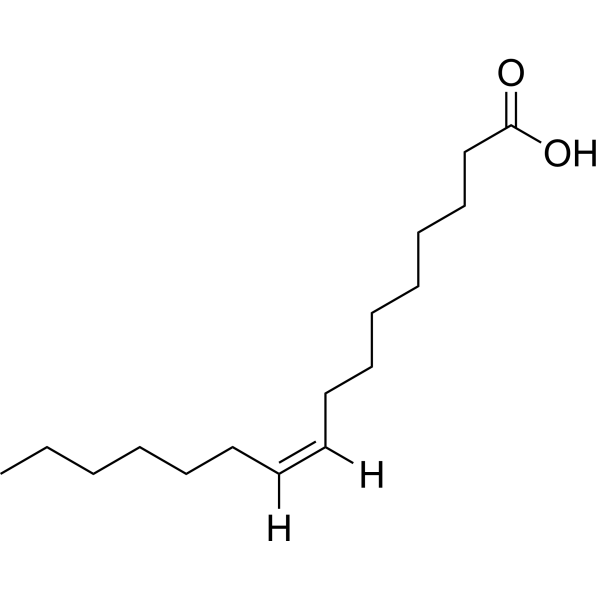
    Palmitoleic acid, a composition of fatty acid, is implicated in the prevention of death from cerebrovascular disorders in SHRSP rats.
    Palmitoleic acid
  • HY-N0140
    Ursolic acid
    15+ Cited Publications

    Prunol; Urson; Malol

    Autophagy Endogenous Metabolite Cancer
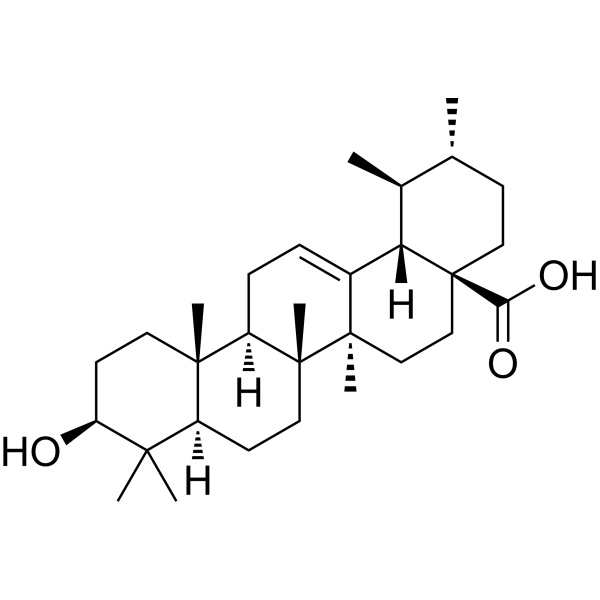
    Ursolic acid (Prunol) is a natural pentacyclic triterpenoid carboxylic acid, exerts anti-tumor effects and is an effective compound for cancer prevention and therapy.
    Ursolic acid
  • HY-50667
    Apixaban
    10+ Cited Publications

    BMS-562247-01

    Factor Xa Cardiovascular Disease Cancer
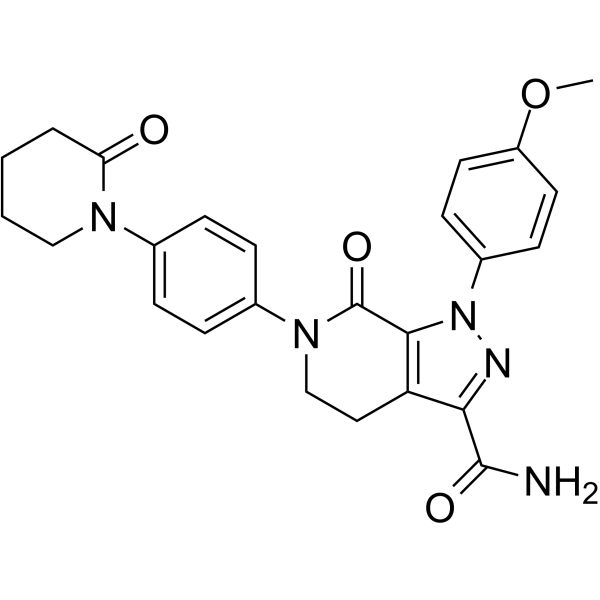
    Apixaban (BMS-562247-01) is a highly selective, reversible and orally active inhibitor of Factor Xa with Ki of 0.08 nM and 0.17 nM in human and rabbit, respectively . Apixaban is in development for the prevention and treatment of various thromboembolic diseases .
    Apixaban
  • HY-B0777
    Moxidectin
    1 Publications Verification

    CL301423

    Antibiotic BCRP P-glycoprotein Parasite Infection Neurological Disease
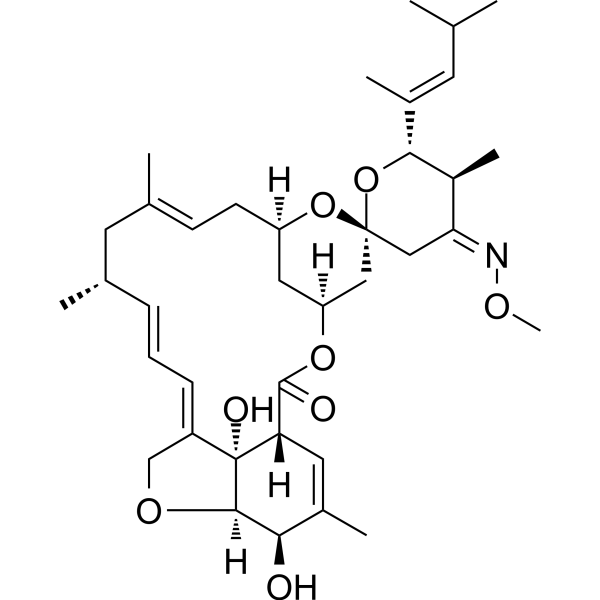
    Moxidectin (CL301423) is an orally active and brain-penetrant macrolide (ML) anthelmintic for the prevention and control of heartworms and roundworms. Moxidectin is also a substrate of BCRP and P-glycoprotein (P-gp) in vivo, and is secreted into breast milk and effluxed from the host and parasite mediated by Bcrp1 and P-gp. This may be related to the presence of chemical residues in milk .
    Moxidectin
  • HY-B0415
    Fluocinolone (Acetonide)
    1 Publications Verification

    Glucocorticoid Receptor Wnt Inflammation/Immunology Endocrinology
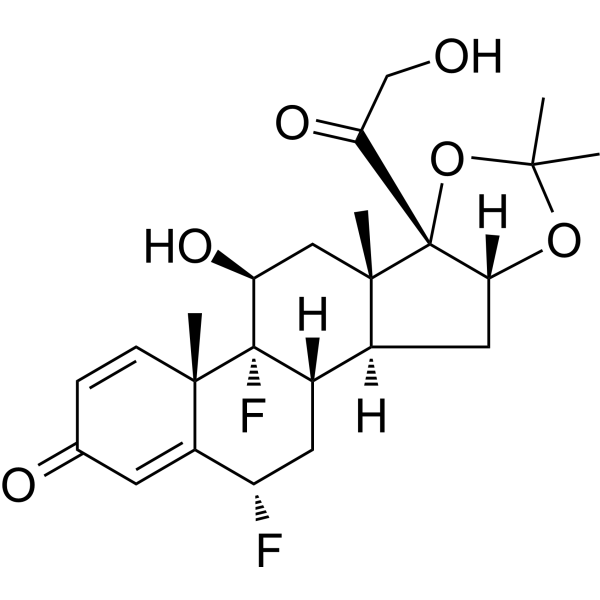
    Fluocinolone is a glucocorticoid glucocorticoid receptor agonist. Fluocinolone is effective in preventing both lipid accumulation and inflammation. Fluocinolone can promote the proliferation of DPCs and has the potential role in repairing injured pulp tissues. Fluocinolone can be used to study the prevention of chemotherapy-induced peripheral neuropathy caused by Paclitaxel (HY-B0015) .
    Fluocinolone (Acetonide)
  • HY-50919
    Paricalcitol
    10+ Cited Publications

    VD/VDR Metabolic Disease Cancer
    Paricalcitol, a vitamin D analogue, is a vitamin D receptor agonist, used for the prevention and treatment of secondary hyperparathyroidism (excessive secretion of parathyroid hormone) associated with chronic renal failure.
    Paricalcitol
  • HY-B0005A
    Toremifene
    5+ Cited Publications

    Z-Toremifene; NK 622 free base; FC-1157a free base

    Estrogen Receptor/ERR Infection Cancer
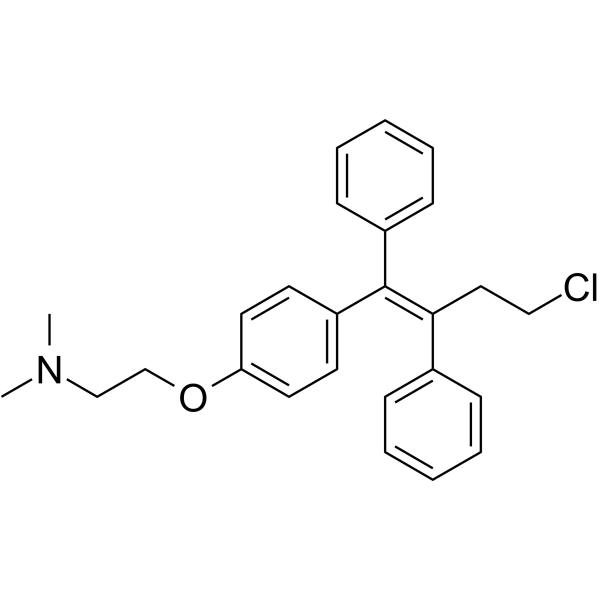
    Toremifene (Z-Toremifene) is a second-generation selective estrogen-receptor modulator (SERM) in development for the prevention of osteoporosis. Toremifene also potent inhibits infectious EBOV Zaire and Marburg (MARV) with IC50 of 0.07 µM and 2.6 µM, respectively .
    Toremifene
  • HY-59291

    N-Acetyl-L-leucine

    Amino Acid Derivatives Neurological Disease Metabolic Disease Inflammation/Immunology
    Levacetylleucine (N-acetyl-L-leucine), an orally bioavailable and brain-penetrant compound, is an acetylated derivative of amino acid Leucine. Levacetylleucine is the active form of N-acetyl-leucine (NAL). Levacetylleucine attenuates neuronal death and neuroinflammation in the cortical tissue of mice. Levacetylleucine also potentially improves ameliorates lysosomal and metabolic dysfunction. Levacetylleucine improves compensation of postural symptoms after unilateral chemical labyrinthectomy (UL) in rats. Levacetylleucine is promising for research of neurological manifestations of Niemann-Pick disease type C, traumatic brain injury and neurodegeneration prevention .
    Levacetylleucine
  • HY-14407A
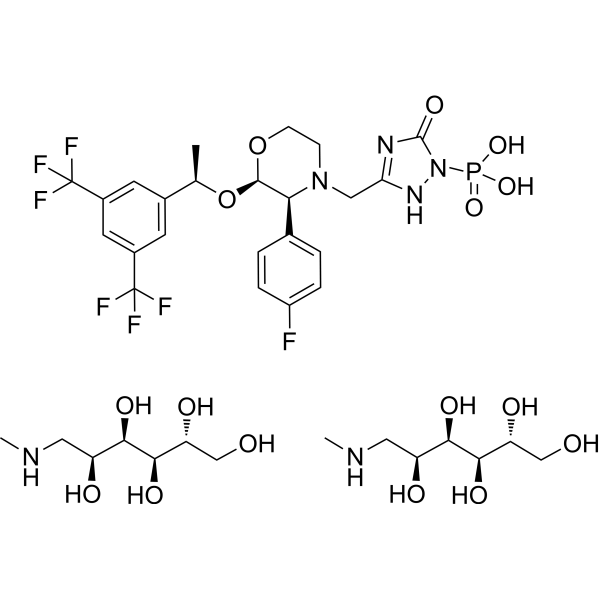
    Fosaprepitant dimeglumine
    3 Publications Verification

    MK-0517; L785298

    Neurokinin Receptor Neurological Disease Endocrinology Cancer
    Fosaprepitant dimeglumine (MK-0517) is a proagent of Aprepitant (HY-10052). Fosaprepitant dimeglumine is a neurokinin-1 receptor antagonist, which is development for the prevention of chemotherapy-induced nausea and vomiting (CINV) .
    Fosaprepitant dimeglumine
  • HY-177108

    Adhesion G Protein-coupled Receptors (AGPCRs) Others
    AP-503 is a selective GPR133/ADGRD1 agonist with an EC50 of 1.21 nM. AP-503 is used in research on the prevention of muscle-related diseases and vestibular dysfunction .
    AP-503
  • HY-21268
    Methyl linolenate
    1 Publications Verification

    Linolenic acid methyl ester

    Environmental Pollutants Melatonin Receptor Metabolic Disease
    Methyl linolenate is a polyunsaturated fattly acid (PUFA). Methyl linolenate has an anti-melanogenesis activity with an IC50 of 60 μM. Methyl linolenate can also be used for studies of the mechanisms and prevention of oxidation/peroxidation of unsaturated fatty acids .
    Methyl linolenate
  • HY-B0005
    Toremifene citrate
    5+ Cited Publications

    Z-Toremifene citrate; NK 622; FC-1157a

    Estrogen Receptor/ERR Apoptosis Infection Cancer
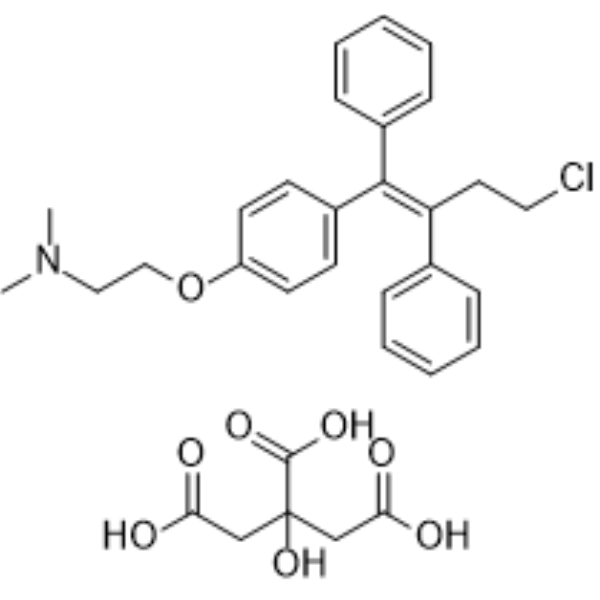
    Toremifene citrate (Z-Toremifene citrate) is a second-generation selective estrogen-receptor modulator (SERM) in development for the prevention of osteoporosis. Toremifene citrate also potent inhibits infectious EBOV Zaire and Marburg (MARV) with IC50 of 0.07 μM and 2.6 μM, respectively .
    Toremifene citrate
  • HY-B0644

    Sucrose octasulfate-aluminum complex

    Bacterial Infection Inflammation/Immunology Cancer
    Sucralfate (Sucrose octasulfate-aluminum complex) is a potent and orally active gastroprotectant with no systemic effects. Sucralfate inhibits peptic activity and binds to negatively charged subepithelial proteins exposed during mucosal injury, forming a viscous layer that protects the vascular bed and proliferative zone. Sucralfate is used for prevention and research of several gastrointestinal diseases in vivo .
    Sucralfate
  • HY-131180
    BMS-986235
    1 Publications Verification

    LAR-1219

    Formyl Peptide Receptor (FPR) Cardiovascular Disease
    BMS-986235 (LAR-1219) is a selective, orally active formyl peptide receptor 2 (FPR2) agonist, with EC50s of 0.41 nM and 3.4 nM for hFPR2 and mFPR2, respectively. BMS-986235 has potential for the prevention of heart failure .
    BMS-986235
  • HY-12424
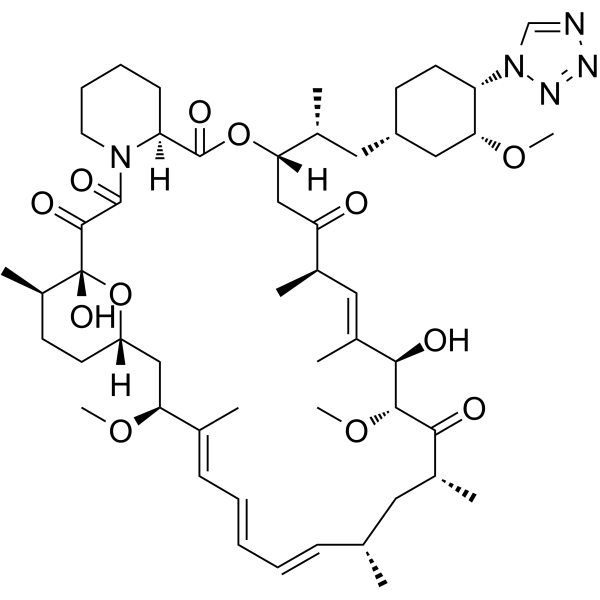
    Zotarolimus
    4 Publications Verification

    ABT-578; A 179578

    Drug Derivative Cardiovascular Disease Inflammation/Immunology Cancer
    Zotarolimus (ABT-578) is a derivative of Rapamycin (HY-10219), with anti-proliferative activity. Zotarolimus is an immunosuppressant. Zotarolimus is developed specifically for local delivery from stents for the prevention of coronary artery restenosis .
    Zotarolimus
  • HY-B2033
    Pyrimethanil
    1 Publications Verification

    Environmental Pollutants Fungal Infection
    Pyrimethanil is an anilinopyrimidine and broad-spectrum contact fungicide for the control of Botrytis spp. on a wide variety of crops . Pyrimethanil inhibits the biosynthesis of methionine and other amino acids in Botrytis cinerea. Pyrimethanil can be used for the research of fungal diseases prevention on fruit, vegetable and ornamental plants with mold infection .
    Pyrimethanil
  • HY-B1804

    Trioctanoin; Glyceryl trioctanoate

    Endogenous Metabolite Neurological Disease Inflammation/Immunology
    Tricaprilin (Trioctanoin) is an orally active and well tolerated ketogenic agent that safely induces ketosis. Tricaprilin restores brain electrical activity and metabolism to help counteract neuroinflammation in migraine. Tricaprilin is promising for research of migraine prevention and Alzheimer’s disease (AD). Tricaprilin is a pure C8 medium chain triglyceride (MCT) .
    Tricaprilin
  • HY-N0140R

    Prunol (Standard); Urson (Standard); Malol (Standard)

    Reference Standards Autophagy Endogenous Metabolite Cancer
    Ursolic acid (Standard) is the analytical standard of Ursolic acid. This product is intended for research and analytical applications. Ursolic acid (Prunol) is a natural pentacyclic triterpenoid carboxylic acid, exerts anti-tumor effects and is an effective compound for cancer prevention and therapy.
    Ursolic acid (Standard)
  • HY-B1881
    Pirimiphos-methyl
    1 Publications Verification

    Environmental Pollutants Insecticide Parasite Cholinesterase (ChE) Infection
    Pirimiphos-methyl is an organophosphorus insecticide and acaricide that can inhibit AChE in target organisms. Pirimiphos-methyl is often used for prevention and control of beetles, snout beetles, moths and Ephestia cautella during storage of agricultural grains .
    Pirimiphos-methyl
  • HY-W145497

    Insulin Receptor Metabolic Disease
    D-(+)-Sorbose, an active enantiomer of D-Sorbose, which inhibits disaccharidase activity and demonstrates suppressive action on postprandial blood levels of glucose and insulin in the rat. D-sorbose acts as a sweetener may contribute to the prevention of lifestyle-related diseases, such as type 2 diabetes mellitus .
    D-(+)-Sorbose
  • HY-B1094

    2-Chloro-4-nitrobenzamide

    Environmental Pollutants Parasite Infection
    Aklomide (2-Chloro-4-nitrobenzamide) is a coccidiostat agent. Aklomide can be used for the prevention and control of coccidiosis in chickens .
    Aklomide
  • HY-W011873S1

    Endogenous Metabolite Neurological Disease
    Palmitoleic acid-d13 is the deuterium labeled Palmitoleic acid. Palmitoleic acid, a composition of fatty acid, is implicated in the prevention of death from cerebrovascular disorders in SHRSP rats.
    Palmitoleic acid-d13
  • HY-76585

    VD/VDR Metabolic Disease
    Paricalcitol-d6 is the deuterium labeled Paricalcitol. Paricalcitol is a agent used for the prevention and treatment of secondary hyperparathyroidism (excessive secretion of parathyroid hormone) associated with chronic renal failure .
    Paricalcitol-d6
  • HY-W923642

    Endogenous Metabolite Cardiovascular Disease Metabolic Disease
    Sphingomyelin (d18:1/12:0) is a metabolomic biomarker. Sphingomyelin (d18:1/12:0) exhibits favorable diagnostic properties and may facilitate the early detection and targeted prevention of dyslipidemia-related adverse cardiovascular events .
    Sphingomyelin (d18:1/12:0)
  • HY-114883

    L-Homocarnosine

    GABA Receptor Endogenous Metabolite Neurological Disease Inflammation/Immunology
    Homocarnosine is a dipeptide of γ-aminobutyric acid (GABA) and histidine unique to brain. Homocarnosine is an inhibitory neuromodulator synthesized in the neuron from GABA and exhibiting anticonvulsant effects .Homocarnosine has antioxidant and anti-inflammatory actions, prevention of DNA damage, and inhibition of advanced glycation end-product formation .
    Homocarnosine
  • HY-P99727

    CTB012

    RABV Infection
    Mazorelvimab (CTB012) is an anti-rabies humanized IgG1κ monoclonal antibody that binds to the non-overlapping epitopes on the rabies virus (RABV) glycoprotein. Mazorelvimab binds to highly discontinuous conserved residues that are not in or near antigenic site III. Mezagitamab has potential application in the prevention of rabies .
    Mazorelvimab
  • HY-114502

    NSC 11779

    Insecticide Others
    Chrysanthemic acid (NSC 11779) is an organic compound that is associated with a variety of natural and synthetic insecticides for the prevention of insect-borne diseases, among others .
    Chrysanthemic acid
  • HY-W011873S2

    Endogenous Metabolite Neurological Disease
    Palmitoleic acid- 13C16 is the 13C labeled Palmitoleic acid. Palmitoleic acid, a composition of fatty acid, is implicated in the prevention of death from cerebrovascular disorders in SHRSP rats.
    Palmitoleic acid-13C16
  • HY-148964

    HY366

    Insecticide Others
    Thiotraniliprole (HY366) is an ortho formamidobenzamide insecticide that can be used for the synthesis of insecticidal combinations. Thiotraniliprole has potential applications in the prevention of lepidoptera pests, coleoptera pests, ants, and termites .
    Thiotraniliprole
  • HY-P2292

    Bacterial Fungal Infection
    Omiganan, FITC labeled is a peptide-FITC complex composed of Omiganan and a FITC. Omiganan is a bactericidal and fungicidal cationic peptide being developed as a topical gel for prevention of catheter-associated infections. FITC is a derivative of fluorescein for the labeling of amines .
    Omiganan, FITC labeled
  • HY-125772

    Acetylpodocarpic dimer; APD

    LXR Cardiovascular Disease
    Acetyl podocarpic acid anhydride is a potent, semisynthetic liver X receptor(LXR) agonist derived from extracts of the mayapple. Acetyl podocarpic acid anhydride has the potential to be useful for the prevention and research of atherosclerosis, especially in the context of low HDL levels .
    Acetyl podocarpic acid anhydride
  • HY-114883A

    L-Homocarnosine TFA

    GABA Receptor Endogenous Metabolite Neurological Disease
    Homocarnosine TFA is a dipeptide of γ-aminobutyric acid (GABA) and histidine unique to brain. Homocarnosine TFA is an inhibitory neuromodulator synthesized in the neuron from GABA and exhibiting anticonvulsant effects . Homocarnosine TFA has antioxidant and anti-inflammatory actions, prevention of DNA damage, and inhibition of advanced glycation end-product formation .
    Homocarnosine TFA
  • HY-50667R

    BMS-562247-01 (Standard)

    Reference Standards Factor Xa Cardiovascular Disease Cancer
    Apixaban (Standard) is the analytical standard of Apixaban. This product is intended for research and analytical applications. Apixaban (BMS-562247-01) is a highly selective, reversible and orally active inhibitor of Factor Xa with Ki of 0.08 nM and 0.17 nM in human and rabbit, respectively . Apixaban is in development for the prevention and treatment of various thromboembolic diseases .
    Apixaban (Standard)
  • HY-W011873S

    Isotope-Labeled Compounds Endogenous Metabolite Neurological Disease
    Palmitoleic acid-d14 is the deuterium labeled Palmitoleic acid. Palmitoleic acid, a composition of fatty acid, is implicated in the prevention of death from cerebrovascular disorders in SHRSP rats.
    Palmitoleic acid-d14
  • HY-123305

    Parasite Others
    5-Hydroxymebendazole is the one metabolite of Benzimidazoles. Benzimidazoles are safe, broad-spectrum anthelmintic agents and are widely used for prevention and treatment of parasitic infections in food-producing animals .
    5-Hydroxymebendazole
  • HY-14407

    L-758298

    Neurokinin Receptor Neurological Disease Endocrinology Cancer
    Fosaprepitant (L-785298) is a proagent of Aprepitant (HY-10052). Fosaprepitant is a neurokinin-1 receptor antagonist, which is development for the prevention of chemotherapy-induced nausea and vomiting (CINV) .
    Fosaprepitant
  • HY-134685

    Factor Xa Thrombin Cardiovascular Disease
    Edoxaban impurity 6 is an impurity of Edoxaban. Edoxaban (DU-176) is a selective, potent and orally active factor Xa (FXa) inhibitor with Kis of 0.561 nM and 2.98 nM for free FXa and prothrombinase, respectively. Edoxaban is an anticoagulant agent and can be used for stroke prevention .
    Edoxaban impurity 6
  • HY-134686

    Factor Xa Thrombin Cardiovascular Disease
    Edoxaban impurity 4 is an impurity of Edoxaban. Edoxaban (DU-176) is a selective, potent and orally active factor Xa (FXa) inhibitor with Kis of 0.561 nM and 2.98 nM for free FXa and prothrombinase, respectively. Edoxaban is an anticoagulant agent and can be used for stroke prevention .
    Edoxaban impurity 4
  • HY-133027

    Tetradecyl nicotinate

    Biochemical Assay Reagents Cancer
    Myristyl nicotinate (Tetradecyl nicotinate) is an ester proagent and a lipophilic derivative of Nicotinic acid. Myristyl nicotinate is being developed for delivery of Nicotinic acid into the skin for prevention of actinic keratosis and its progression to skin cancer. Myristyl nicotinate shows to stimulate epidermal differentiation in photodamaged skin, increasing skin NAD content and strengthening the skin barrier .
    Myristyl nicotinate
  • HY-B0101B

    UK 49858 mesylate

    Fungal Antibiotic Bacterial Infection Cancer
    Fluconazole (mesylate) is a triazole antifungal drug used in the treatment and prevention of superficial and systemic fungal infections.
    Fluconazole mesylate
  • HY-B0101A

    UK 49858 hydrate

    Fungal Antibiotic Bacterial Infection Cancer
    Fluconazole (hydrate) is a triazole antifungal drug used in the treatment and prevention of superficial and systemic fungal infections.
    Fluconazole hydrate
  • HY-W094475D

    Epsom salts, meets analytical specification of Ph. Eur. BP USP FCC

    Drug Derivative Neurological Disease Metabolic Disease
    Magnesium sulfate heptahydrate, meets analytical specification of Ph. Eur. BP USP FCC (Epsom salts, meets analytical specification of Ph. Eur. BP USP FCC) is currently the anticonvulsant of choice for the prevention and control of eclamptic fits and is also widely used as a tocolytic agent .
    Magnesium sulfate heptahydrate, meets analytical specification of Ph. Eur. BP USP FCC
  • HY-32340

    KH1060

    VD/VDR Inflammation/Immunology Cancer
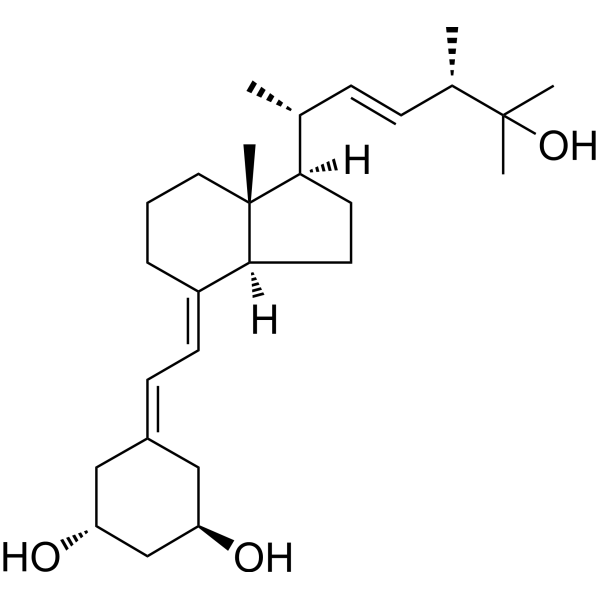
    Lexacalcitol (KH1060), a vitamin D analog, is a potent regulator of cell growth and immune responses. Lexacalcitol can be used for the research of graft rejection, psoriasis, cancer and auto-immune diseases .
    Lexacalcitol
  • HY-14247B
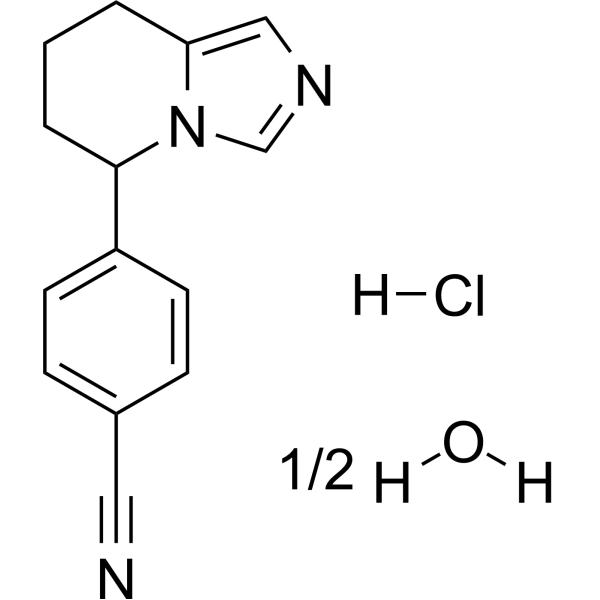
    Fadrozole hydrochloride hemihydrate
    2 Publications Verification

    CGS 16949A hemihydrate; (Rac)-FAD286 hydrochloride hemihydrate

    Cytochrome P450 Endocrinology Cancer
    Fadrozole hydrochloride hemihydrate is an orally active, potent, selective and nonsteroidal aromatase inhibitor, with an IC50 of 6.4 nM. Fadrozole hydrochloride hemihydrate inhibits the production of estrogen and progesterone, with IC50 values of 0.03 and 120 μM. Fadrozole hydrochloride hemihydrate shows prevention of spontaneous tumours. Fadrozole hydrochloride hemihydrate can be used for the research of estrogen-dependent disease and cancer .
    Fadrozole hydrochloride hemihydrate
  • HY-116726

    Glutathione S-transferase Cancer
    Crambene is an orally active cyanide compound isolated from cruciferous vegetables. Crambene has a cancer-preventive effect and induces significant upregulation of quinone reductase and glutathione S-transferase in vitro and in vivo .
    Crambene
  • HY-19864

    AGN 210937

    Prostaglandin Receptor Inflammation/Immunology
    Aganepag is a potent Prostanoid EP2 receptor agonist, with an EC50 of 0.19 nM, and shows no activity at EP4 receptor. Aganepag can be used in the research of wound healing, scar reduction, scar prevention and wrinkle treatment and prevention.
    Aganepag
  • HY-P3425

    Parasite Infection
    AGPV, a tetrapeptide, has the potential for prevention of schistosome parasite infection research .
    AGPV
  • HY-W011873A
    Palmitoleic acid sodium
    5+ Cited Publications

    C16:1(9Z); C16:1 n-7; (9Z)-Hexadecenoic acid

    Endogenous Metabolite Neurological Disease
    Palmitoleic acid sodium, a composition of fatty acid, is implicated in the prevention of death from cerebrovascular disorders in SHRSP rats.
    Palmitoleic acid sodium
  • HY-101582

    Opioid Receptor Neurological Disease
    ZT 52656A is a selective kappa opioid agonist, used for the prevention or alleviation of pain in the eye.
    ZT 52656A hydrochloride
  • HY-131554

    Bacterial Antibiotic Infection
    Tibezonium iodide, an oropharyngeal disinfectant, has antibacterial activity for the prevention of mouth infections .
    Tibezonium iodide

Inquiry Online

Your information is safe with us. * Required Fields.

Salutation


Country or Region *

Applicant Name *


Organization Name *

Department *


Email Address *


Product Name *

Cat. No.


Requested quantity *

Phone Number *


Remarks

Inquiry Online

Inquiry Information

Product Name:
Cat. No.:
Quantity:
MCE Japan Authorized Agent:

