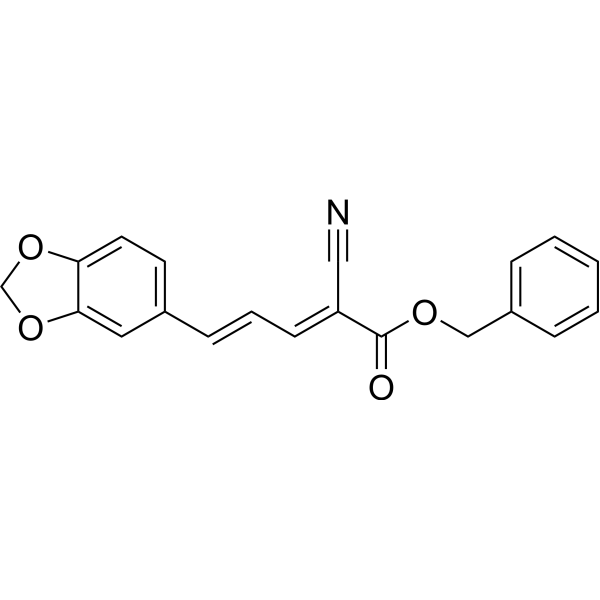
1. Search Result
Search Result
Results for "

safety properties

" in MedChemExpress (MCE) Product Catalog:

31

Inhibitors & Agonists

17

Screening Libraries

4

Biochemical Assay Reagents

1

Peptides

1

Natural
Products

1

Isotope-Labeled Compounds

Cat. No. 상품명 Target 연구분야 Chemical Structure
  • HY-Y1644
    (E)-Crotonic acid
    1 Publications Verification

    (E)-2-Butenoic acid; trans-2-Butenoic acid; trans-Crotonic acid

    Endogenous Metabolite Metabolic Disease
    NSC 8751 (trans-2-Butenoic acid; trans-Crotonic acid) is an unsaturated carboxylic acid compound containing α,β-unsaturated carboxylic acid groups. NSC 8751 is one of the important analogs for evaluating the safety of fragrance ingredients and is used to evaluate the toxicological properties of compounds with similar structures. When NSC 8751 is applied to local lymph nodes, a 50% concentration does not cause skin sensitization. Structural analogs of NSC 8751 have been shown to be non-genotoxic. trans-Crotonic acid can be used in the preparation of cosmetics and food additives .
    (E)-Crotonic acid
  • HY-151813

    Fluorescent Dye Cancer
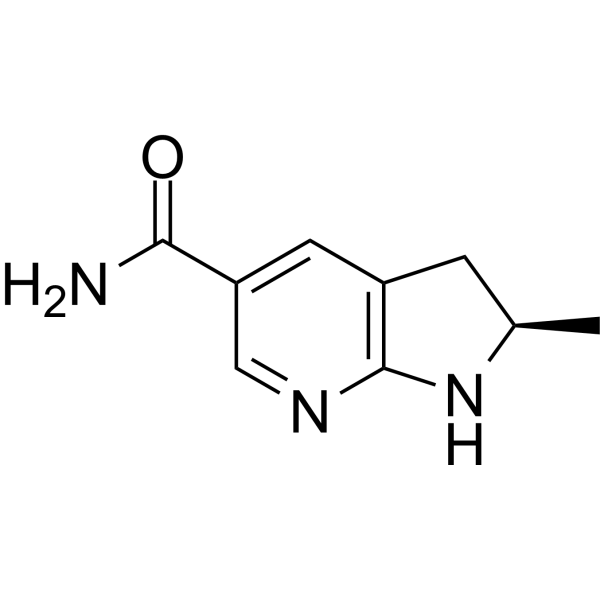
    NNMT-IN-4 (compound 38) is a selective, uncompetitive and membrane permeability nicotinamide N-methyltransferase (NNMT) inhibitor with IC50 values of 42 and 38 nM in vitro biochemical and cell-based assays, respectively. NNMT-IN-4 shows favorable PK/PD and safety profiles as well as excellent oral bioavailability and pharmaceutical properties. NNMT-IN-4 can be used as a vivo chemical probe of NNMT .
    NNMT-IN-4
  • HY-130000

    STP0404

    HIV Integrase HIV Infection
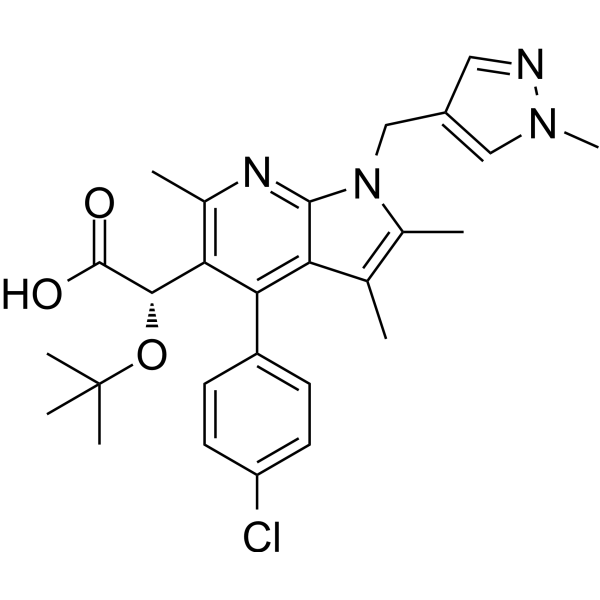
    Pirmitegravir is a potent and first-in-class inhibitor of allosteric integrase (ALLINI) that targets LEDGF/p75 binding site. Pirmitegravir displays picomolar IC50 in human PBMCs with a >24,000 therapeutic index against HIV-1. Pirmitegravir harbors outstanding anti-virus and safety properties .
    Pirmitegravir
  • HY-147294

    ACT-539313

    Orexin Receptor (OX Receptor) Cytochrome P450 Neurological Disease
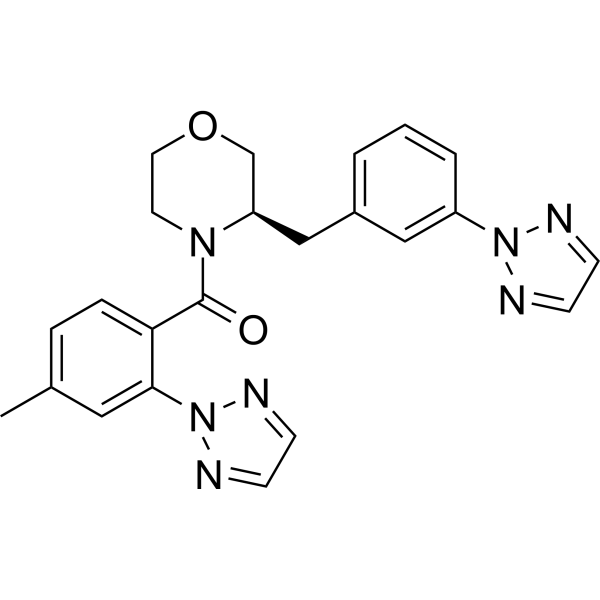
    Nivasorexant (ACT-539313) is an orally active, blood-brain barrier penetrant, selective orexin OX1R inhibitor. Nivasorexant specifically blocks central OX1Rs without affecting OX2Rs, and exhibits competitive inhibitory activity against CYP2C8, CYP2C9, CYP2C19 and CYP3A4 (IC50 values are 25 μM, 8.6 μM, 1.6 μM, 19 μM/44 μM, respectively). Nivasorexant significantly reduces binge-like eating behavior of highly palatable food in rat models and has long-acting properties. Nivasorexant shows no relevant off-target activity against over 130 selected proteins, exhibits favorable safety profiles, and can be used for studies related to binge eating disorder .
    Nivasorexant
  • HY-174905

    QY201

    JAK Cytochrome P450 Inflammation/Immunology
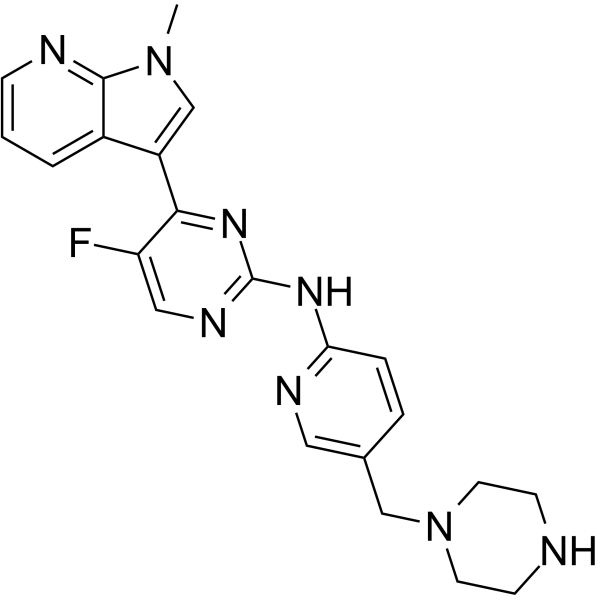
    Quecitinib (QY201) is an orally active JAK1/TYK2 dual inhibitor. Quecitinib is also a substrate of cytochrome P450 3A and is mainly metabolized to mono-oxide and glucuronidation products. Quecitinib has favorable pharmacokinetic properties as well as safety. Quecitinib can be used in the research of atopic dermatitis and other autoimmune diseases .
    Quecitinib
  • HY-W276164

    Sodium stearyl sulfate

    Biochemical Assay Reagents Others
    Sodium octadecyl sulfate (Sodium stearyl sulfate) is a long-chain alkyl sodium sulfate that functions as an emulsifier, crosslinking agent, and regulator. Sodium octadecyl sulfate has high safety, with a LD50 greater than 3.00 Gm./Kg for both intraperitoneal injection in mice and oral administration in rats. Sodium octadecyl sulfate enhances continuous contraction of the gastrocnemius muscle in frogs and boosts intestinal smooth muscle activity in albino rats. However, Sodium octadecyl sulfate exerts no significant effect on isolated tortoise myocardium and does not alter the conduction function of frog sciatic nerves. Sodium octadecyl sulfate can also be used to coat the surface of starch aggregates, promote crosslinking and increase aggregate size through hydrophobic and electrostatic interactions, and further form a coexistent B-V type crystalline structure with acid-hydrolyzed gelatinized starch, thereby effectively modifying the structure and surface properties of high-starch systems .
    Sodium octadecyl sulfate
  • HY-W250172

    Biochemical Assay Reagents Others
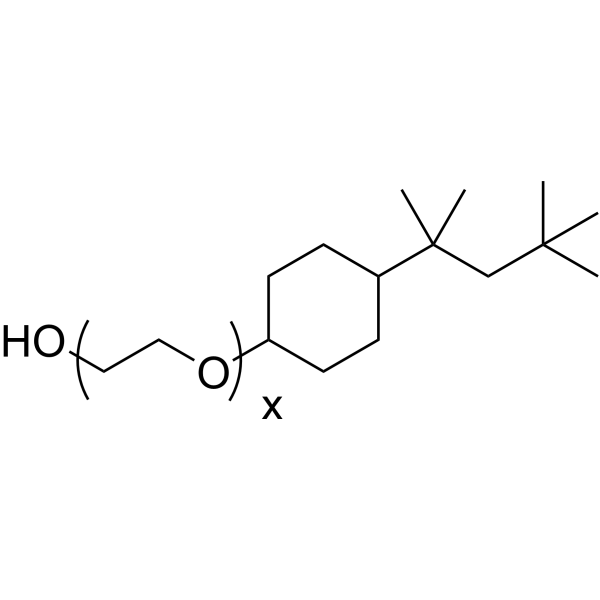
    Polyethylene glycol tert-octylphenyl ether X-405 (70% in H2O) is a nonionic surfactant commonly used in a variety of industrial and research applications. Polyethylene glycol tert-octylphenyl ether X-405 (70% in H2O) belongs to the family of polyethylene glycol (PEG) ethers with a hydrophilic head and lipophilic tail and is suitable for use in emulsions, detergents and solubilizers. Polyethylene glycol tert-octylphenyl ether X-405 (70% in H2O) is particularly useful in the study of membrane proteins, where it is used to solubilize and stabilize proteins for structural analysis techniques. It is also used in a variety of other applications, including drug delivery systems, nanotechnology, and diagnostic analysis. Additionally, Polyethylene glycol tert-octylphenyl ether X-405 (70% in H2O) is used in the production of microemulsions, salves and lotions due to its emulsifying and solubilizing properties. However, it can be toxic if ingested or inhaled, so proper handling and safety precautions are required.
    Polyethylene glycol tert-octylphenyl ether X-405 (70% in H2O)
  • HY-170524

    SARS-CoV DNA Methyltransferase Cytochrome P450 Infection
    TDI-015051 is a highly selective, orally active antiviral agent that targets the coronavirus NSP14 guanine-N7 methyltransferase. TDI-015051 binds to substrates in a non-competitive manner and forms a stable ternary complex, precisely blocking the capping and methylation processes of viral mRNA. TDI-015051 potently inhibits a variety of coronaviruses (including SARS-CoV-2 and MERS). By impairing viral replication and translation and inducing a moderate type I interferon-mediated immune response, it significantly reduces pulmonary viral load and exhibits a synergistic effect with Nirmatrelvir (HY-138687). In addition, TDI-015051 does not inhibit non-coronavirus methyltransferases, and the drug-resistant mutations it induces impair viral fitness, demonstrating excellent antiviral properties and safety. TDI-015051 can be used for research on COVID-19 and the replication mechanism of coronaviruses .The IC50 values of TDI-015051 against SARS-CoV-2, α-hCoV-NL63, α-hCoV-229E, β-hCoV-MERS are 0.15 nM, 1.7 nM, 2.6 nM and 3.6 nM, respectively, and the Ka value against SARS-CoV-2 is 0.061 nM .
    TDI-015051
  • HY-123922

    Bacterial Infection
    NOSO-502 is an inhibitor of bacterial translation. NOSO-502 exhibits inhibitory activity against Enterobacteriaceae. NOSO-502 has good safety and antibacterial properties .
    NOSO-502
  • HY-16505

    Endogenous Metabolite Neurological Disease
    Triclofos sodium is a drug used to suppress insomnia and for sedation and has sedative activity. Triclofos sodium is used in children for sedation during painless medical procedures, particularly in children with neurocognitive disorders. Triclofos sodium has similar physiological and pharmacological properties to chloral and therefore can be used as a substitute when necessary. The safety and efficacy of Triclofos sodium have been demonstrated in pediatric populations with high rates of neurocognitive disorders .
    Triclofos sodium
  • HY-174417

    Reverse Transcriptase HIV Potassium Channel Cytochrome P450 Infection
    NNRT-IN-10 is a potent, selective and orally active non-nucleoside HIV-1 reverse transcriptase (NNRTI) inhibitor with with an EC50 values ranging from 1.16 to 18.3 nM for HIV and its mutant strains. NNRT-IN-10 exhibits good pharmacokinetic properties and favorable safety profiles. NNRT-IN-10 can be used for the study of AIDS, caused by HIV-1 .
    NNRT-IN-10
  • HY-115993

    CDK Apoptosis Cancer
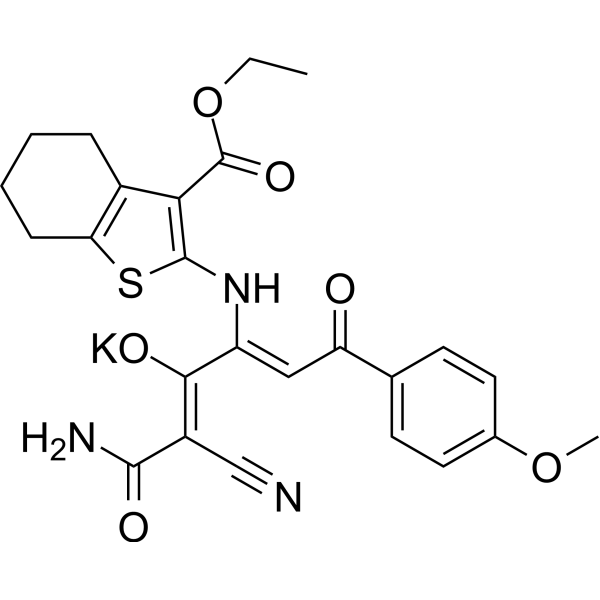
    CDK4/6-IN-10 is a potent, selective and orally active CDK4 and CDK6 inhibitor with IC50s of 22 nM and 10 nM, respectively. CDK4/6-IN-10 shows antitumor activity. CDK4/6-IN-10 has the potential for the research of Multiple myeloma (MM) .
    CDK4/6-IN-10
  • HY-174825

    TRP Channel Cannabinoid Receptor Interleukin Related TNF Receptor Inflammation/Immunology
    TRPM8 antagonist 4 is a CB2R partial agonist (EC50=54.2 nM, Ki=3.2 μM) and TRPM8 antagonists (IC50=42.3 nM) with high functional selectivity and good physicochemical properties. TRPM8 antagonist 4 has significant anti-inflammatory and analgesic effects and good safety, reduces the mRNA expression of TNF-α, IL-6, and IL-1β .
    TRPM8 antagonist 4
  • HY-172806

    PARP Interleukin Related Inflammation/Immunology
    PARP14 inhibitor 1 is an orally active, selective PARP14 inhibitor with an IC50 of 5.52 nM. PARP14 inhibitor 1 exhibits favorable pharmacokinetic properties and in vivo safety. PARP14 inhibitor 1 enhances and stabilizes intracellular endogenous PARP14 protein levels, while effectively reducing the expression levels of IL-4, IL-13 and IL-17A. PARP14 inhibitor 1 can be used in research related to atopic dermatitis .
    PARP14 inhibitor 1
  • HY-W250129

    Biochemical Assay Reagents Others
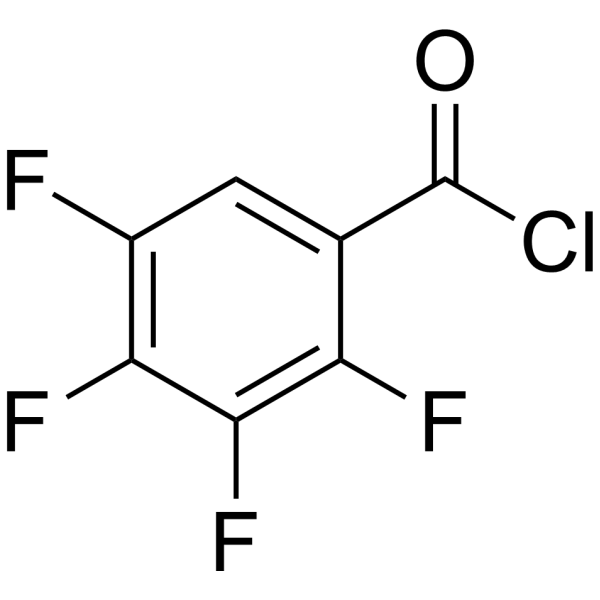
    2,3,4,5-Tetrafluorobenzoyl chloride is a fluorinated organic compound that belongs to the class of benzoyl chlorides. It is a colorless liquid with a pungent smell and is mainly used as an intermediate in the synthesis of various pharmaceutical and pesticide compounds. 2,3,4,5-Tetrafluorobenzoyl chloride is an acylating agent that can react with a variety of nucleophiles, including amines, alcohols, and thiols, to form amides, esters, or thioesters, respectively. Its unique fluorine-containing structure can impart desired properties to target molecules, such as increased lipophilicity or increased stability against metabolic degradation. However, due to its high reactivity and potential health hazards, proper safety measures and handling procedures must be followed when using this compound.
    2,3,4,5-Tetrafluorobenzoyl chloride
  • HY-149949

    Apoptosis Cancer
    Anticancer agent 105 is a compound based on thienopyrimidine scaffold, with with good safety and anticancer properties. Anticancer agent 105 shows selective toxicity towards melanoma cancer, and induces apoptosis. And Anticancer agent 105 significantly inhibits the metastatic nodules, even in pulmonary metastatic melanoma mouse model .
    Anticancer agent 105
  • HY-143499

    Monoamine Oxidase Neurological Disease
    hMAO-B-IN-3 (Compound 15) is a potent inhibitor of hMAO-B with an IC50 of 47.4 nM. hMAO-B-IN-3 is playing favourable agent-like properties and a broad safety window. hMAO-B-IN-3 is thus a suitable candidate for lead optimization and the development of multitarget-directed ligands .
    hMAO-B-IN-3
  • HY-174348

    Epigenetic Reader Domain Inflammation/Immunology
    BRD4-IN-10 (Compound 31) is a selective BRD4 inhibitor with an IC50 of 13.5 nM. BRD4-IN-10 can exert anti-inflammatory and anti-fibrotic effects. BRD4-IN-10 also has good metabolic stability, pharmacokinetic properties and safety. BRD4-IN-10 can be used in the research of renal fibrosis diseases .
    BRD4-IN-10
  • HY-178928

    Potassium Channel Inflammation/Immunology
    KV1.3-IN-3 (Compound 13a) is a KV1.3 channel inhibitor. KV1.3-IN-3 decreases the Kv1.3 peak current amplitude by more than 80%. KV1.3-IN-3 exhibits excellent pharmacological properties and safety. KV1.3-IN-3 can be used for the study of autoimmunity disease .
    KV1.3-IN-3
  • HY-123479

    Antibiotic Infection
    CK0492B is a novel biaminourea antibiotic that has antiplaque properties in vitro and has shown efficacy in an experimental mouse dental disease model. A 12-week study in beagles compared its efficacy in reducing plaque and gingivitis, staining potential, and safety. Dogs were selected as the study subjects because the onset and progression of canine periodontal disease are similar to humans. Chlorhexidine acetate was selected as a positive control for plaque and gingivitis reduction and staining because it is effective in both humans and dogs.
    CK0492B
  • HY-146372

    CXCR Cancer
    CXCR4 antagonist 5 (compound 23) is a highly potent CXCR4 antagonist with an IC50 value of 8.8 nM. CXCR4 antagonist 5 can inhibit CXCL12-induced cytosolic calcium increase (IC50 = 0.02 nM) and inhibits CXCR4/CXLC12-mediated chemotaxis. CXCR4 antagonist 5 has good physicochemical properties and in vitro safety profiles, inhibiting CYP isozymes and hERG marginally or moderately .
    CXCR4 antagonist 5
  • HY-155780

    COX Inflammation/Immunology
    Anti-inflammatory agent 52 (compound 7j) is an orally active selective COX-2 inhibitor. Anti-inflammatory agent 52 has anti-HT29 transfer activity, which leads to periodic arrest in G2/M phase. Anti-inflammatory agent 52 has safety, moderate ability to suppress inflammation. Anti-inflammatory agent 52 has a rare property of suppressing the development of tumor in mouse model, showing anti-cancer activity .
    Anti-inflammatory agent 52
  • HY-16469

    Akt Cancer
    SR13668 is a potent indole analog derived from indole-3-carbinol (I3C), known for its natural anticancer properties but limited by poor metabolic characteristics. Developed to enhance I3C's anticancer efficacy, SR13668 effectively inhibits growth factor-stimulated Akt activation. It demonstrates strong oral anticancer activity across different cancer types in preclinical studies, showing promise in clinical development due to its favorable safety profile and potent therapeutic effects .
    SR 13668
  • HY-155781

    COX Inflammation/Immunology
    Anti-inflammatory agent 53 (compound 7c) is an orally active selective COX-2 inhibitor. Anti-inflammatory agent 52 has anti-HT29 transfer activity, which leads to periodic arrest in S phase and G2/M phase. Anti-inflammatory agent 52 has safety, moderate ability to suppress inflammation. Anti-inflammatory agent 52 has a rare property of suppressing the development of tumor in mouse model, showing anti-cancer activity .
    Anti-inflammatory agent 53
  • HY-155005

    EGFR Cancer
    EGFR mutant-IN-2 (Compound D51) is an EGFR mutant inhibitor. EGFR mutant-IN-2 inhibits the EGFR L858R/T790M/C797S mutant with an IC50 value of 14 nM. EGFR mutant-IN-2 inhibits the EGFR del19/T790M/C797S mutant with an IC50 value of 62 nM. EGFR mutant-IN-2 has favorable PK parameters, safety properties, in vivo stability, and antitumor activity .
    EGFR mutant-IN-2
  • HY-137055

    Others Others
    PF-3774076 is a highly central nervous system (CNS) penetrant, potent, and selective human α1A-adrenoceptor partial agonist. It exhibits good potency and selectivity in multiple binding and functional assays. PF-3774076 increases peak urethral pressure in anesthetized female dogs in a dose-dependent manner via a central mechanism. PF-3774076 affects both the proximal and distal portions of the urethra in vivo. These properties suggest that PF-3774076 may have significant benefit in the treatment of stress urinary incontinence (SUI) as a CNS-penetrant α1A receptor partial agonist. However, despite its partial agonism and selectivity for α1A receptors, PF-3774076 failed to provide adequate safety differences in in vivo models of cardiovascular function. This may be due to the simultaneous activation of both peripheral and central α1A receptors. These data suggest that while central α1A partial agonists may have significant benefit in the treatment of SUI, this class of agents may have difficulty achieving the desired urethral selectivity without affecting cardiovascular function.
    PF-3774076
  • HY-181866

    Bacterial Infection
    Antibacterial agent 328 is a enoyl-ACP reductase (InhA) inhibitor and antimycobacterial agent. Antibacterial agent 328 blocks mycolic acid biosynthesis in Mycobacterium tuberculosis. Antibacterial agent 328 acts on both drug-resistant and drug-susceptible Mycobacterium tuberculosis strains. Antibacterial agent 328 exhibits favorable pharmacokinetic properties, drug-likeness, and a safety-related selectivity index. Antibacterial agent 328 can be used for research on tuberculosis .
    Antibacterial agent 328
  • HY-181010

    HDAC Parasite Infection
    HDAC1-IN-12 is a Plasmodium falciparum HDAC1 (PfHDAC1) inhibitor with an IC50 of 4.1 nM against Pf3D7. HDAC1-IN-12 inhibits PfHDAC1, upregulates histone H3 acetylation in P. falciparum parasites, downregulates malaria invasion-related gene expression, and exhibits favorable safety profiles, improved physicochemical properties, and potent in vivo antimalarial activity. HDAC1-IN-12 can be used for the research of malaria .
    HDAC1-IN-12
  • HY-P11617

    NF-κB ERK JNK p38 MAPK Interleukin Related Inflammation/Immunology
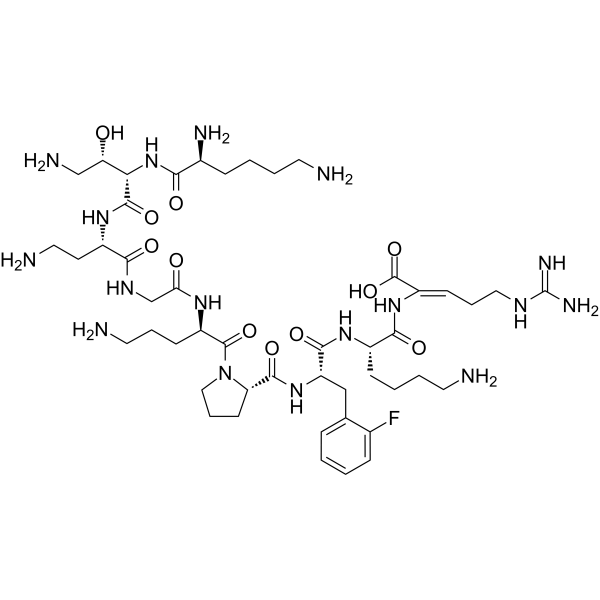
    CLP-d2 is a multi-target anti-inflammatory agent, osteoclastogenesis inhibitor and immunomodulator with superior pharmacokinetic properties to Daptomycin (HY-B0108) and good safety profiles. CLP-d2 inhibits the NF-κB and MAPK signaling pathways by reducing the expression levels of c-Fos and NFATc1, and decreasing the phosphorylation levels of IκBα, p65, ERK and JNK, thereby reducing the secretion of pro-inflammatory cytokines such as IL-6, TNF-α and IL-1β to exert anti-inflammatory activity. CLP-d2 inhibits intra-articular osteoclastogenesis in mice, alleviates bone erosion and joint swelling, reduces synovial hyperplasia and inflammatory cell infiltration, and decreases serum rheumatoid factor (RF) levels. CLP-d2 is applicable to related research on rheumatoid arthritis .
    CLP-d2
  • HY-175991S

    Sodium stearyl sulfate sulfate-d37

    Isotope-Labeled Compounds Biochemical Assay Reagents Others
    Sodium octadecyl sulfate-d37 (Sodium stearyl sulfate-d37) is the deuterium labeled Sodium octadecyl sulfate (HY-W276164). Sodium octadecyl sulfate (Sodium stearyl sulfate) is a long-chain alkyl sodium sulfate that functions as an emulsifier, crosslinking agent, and regulator. Sodium octadecyl sulfate has high safety, with a LD50 greater than 3.00 Gm./Kg for both intraperitoneal injection in mice and oral administration in rats. Sodium octadecyl sulfate enhances continuous contraction of the gastrocnemius muscle in frogs and boosts intestinal smooth muscle activity in albino rats. However, Sodium octadecyl sulfate exerts no significant effect on isolated tortoise myocardium and does not alter the conduction function of frog sciatic nerves. Sodium octadecyl sulfate can also be used to coat the surface of starch aggregates, promote crosslinking and increase aggregate size through hydrophobic and electrostatic interactions, and further form a coexistent B-V type crystalline structure with acid-hydrolyzed gelatinized starch, thereby effectively modifying the structure and surface properties of high-starch systems .
    Sodium octadecyl sulfate-d37
  • HY-182354

    VEGFR FGFR FLT3 PDGFR RET Akt ERK c-Kit Cancer
    VEGFR2-IN-84 is an orally active, multi-targeted tyrosine kinase inhibitor based on a naphthalene ring scaffold. VEGFR2-IN-84 inhibits VEGFR2 with sub-nanomolar affinity and broadly targets kinases including Kit, FGFR, PDGFR, and Ret. By competitively binding to the ATP-binding pocket, VEGFR2-IN-84 blocks the phosphorylation of VEGFR2 and its downstream AKT/ERK signaling pathway, thereby significantly inhibiting endothelial cell proliferation, migration, and tumor angiogenesis. VEGFR2-IN-84 exhibits broad-spectrum antiproliferative activity against various solid tumors such as liver cancer, lung cancer, and renal cancer, shows weak toxicity to normal cells, and has superior potency to Lenvatinib (HY-10981). VEGFR2-IN-84 possesses favorable pharmacokinetic properties and high safety (LD50>2000 mg/kg), and can be used in related studies of various malignant tumors .
    VEGFR2-IN-84

온라인 문의

Your information is safe with us. * Required Fields.

호칭


Country or Region *

고객명 *


회사명 *

Department *


메일주소 *


상품명 *

Cat. No.


Requested quantity *

전화번호 *


비고

온라인 문의

Inquiry Information

상품명:
Cat. No.:
수량:
MCE Japan Authorized Agent:

