



Search Result
Results for "
salt
" in MedChemExpress (MCE) Product Catalog:
21
Biochemical Assay Reagents
5
Isotope-Labeled Compounds
| Cat. No. |
Product Name |
Target |
Research Areas |
Chemical Structure |
-
- HY-Y0406E
-
|
Calcium dichloride anhydrous, for cell culture
|
Environmental Pollutants
Biochemical Assay Reagents
|
Infection
Cancer
|
|
Calcium chloride anhydrous, for cell culture is an inorganic salt for the preparation of various buffers . Calcium chloride anhydrous, for cell culture can be used for animal modeling, to construct abdominal aortic aneurysm models .
|
-
-
- HY-Y0406H
-
-
-
- HY-132609
-
|
|
Small Interfering RNA (siRNA)
Transthyretin (TTR)
|
Neurological Disease
|
|
Patisiran sodium is a double-stranded small interfering RNA that targets a sequence within the transthyretin (TTR) messenger RNA. Patisiran sodium specifically inhibits hepatic synthesis of mutant and wild-type TTR. Patisiran sodium can be used for the research of hereditary TTR amyloidosis .
|
-
-
- HY-108764
-
|
ISIS 301012
|
Apolipoprotein
HCV
|
Metabolic Disease
|
|
Mipomersen sodium (ISIS 301012) is an antisense oligonucleotide inhibitor of apolipoprotein B (apoB). Mipomersen has anti-HCV effect and reduces the infectivity of the HCV. Mipomersen sodium can be used for the research of homozygous familial hypercholesterolemia (HoFH) .
|
-
-
- HY-Y1267
-
-
-
- HY-147080
-
|
ARC1905
|
Complement System
|
Others
|
|
Avacincaptad pegol (ARC1905) sodium is a 40KDa PEG-conjugated aptamer. Avacincaptad pegol sodium targets complement factor 5 (C5), inhibits the cleavage of C5 into C5a and C5b, limits inflammatory stimulation and complement membrane attack complex (MAC), and is used to study age-related macular degeneration (AMD). Avacincaptad pegol sodium limits irregular cell apoptosis by targeting downstream factors in the complement cascade while preserving the early steps of the complement system .
|
-
-
- HY-109528
-
|
ISIS-2922 sodium
|
CMV
|
Infection
|
|
Fomivirsen (ISIS-2922) sodium is an antisense 21 mer phosphorothioate oligonucleotide. Fomivirsen sodium is an antiviral agent that is used cytomegalovirus retinitis (CMV) research, incluiding in AIDs. Fomivirsen sodium binds to and degrades the mRNAs encoding CMV immediate-early 2 protein, thus inhibiting virus proliferation .
|
-
-
- HY-P1925A
-
|
|
PI3K
Reactive Oxygen Species (ROS)
Apoptosis
|
Cancer
|
|
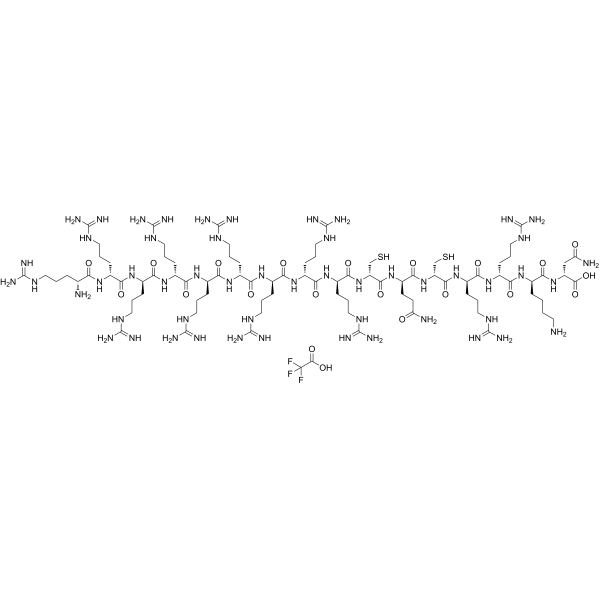
GO-203 TFA is a potent MUC1-C oncoprotein inhibitor. GO-203 TFA is an all D-amino acid peptide that consists of a poly-R transduction domain linked to a CQCRRKN motif that binds to the MUC1-C cytoplasmic tail and blocks MUC1-C homodimerization. GO-203 TFA downregulates TIGAR (TP53-induced glycolysis and apoptosis regulator) protein synthesis by inhibiting the PI3K-AKT-S6K1 pathway. GO-203 TFA induces the production of ROS and loss of mitochondrial transmembrane potential. GO-203 TFA inhibits the growth of colon cancer cells in vitro and as xenografts in nude mice .
|
-
-
- HY-W010860
-
|
|
Environmental Pollutants
Biochemical Assay Reagents
|
Others
|
|
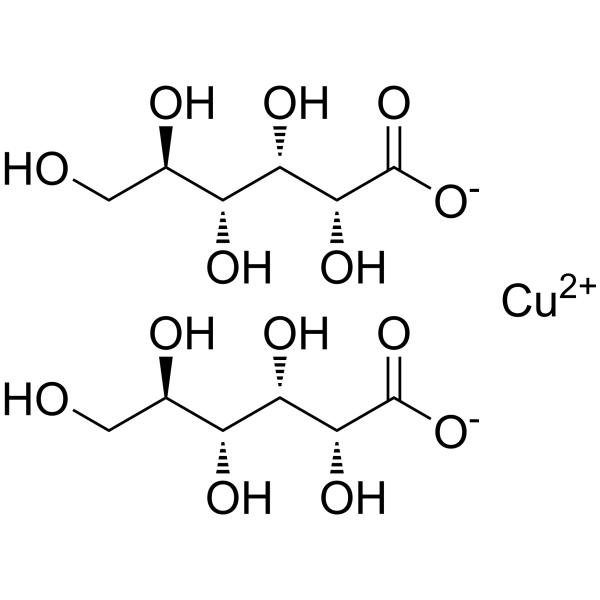
Copper(II) Gluconate is a non-toxic copper supplement aid. Copper(II) Gluconate is the copper salt of D-gluconic acid. Copper(II) Gluconate as a precursor catalyst that can be used in the photo-induced polymerisation of acrylates .
|
-
-
- HY-Y1325H
-
|
|
Environmental Pollutants
Fungal
Endogenous Metabolite
Caspase
PPAR
AMPK
Reactive Oxygen Species (ROS)
|
Neurological Disease
Metabolic Disease
Inflammation/Immunology
Cancer
|
|
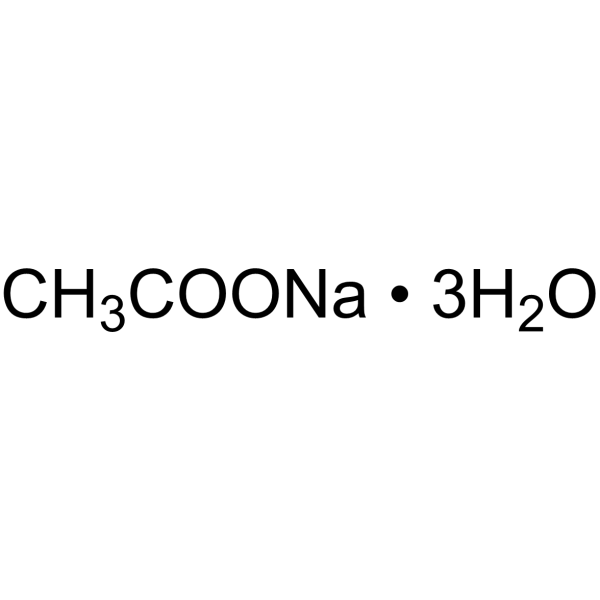
Sodium acetate trihydrate is a carboxylic acid and short-chain fatty acid (SCFAs). Sodium acetate trihydrate activates AMPK, increases ROS, cleaved caspase 9, PPARα, downregulates SREBP-1c, ChREBP expression. Sodium acetate trihydrate exhibits antifungal activity against Saccharomyces cerevisiae W303-1A. Sodium acetate trihydrate regulates energy metabolism. Sodium acetate trihydrate has anticancer activity against gastric cancer. Sodium acetate trihydrate induces writhing reaction and ulcerative colitis. Sodium acetate trihydrate can be used in the researches for gastric cancer, ulcerative colitis, hepatic steatosis, and pain .
|
-
-
- HY-132608
-
|
ISIS-420915 sodium
|
Transthyretin (TTR)
|
Neurological Disease
|
|
Inotersen (ISIS-420915) sodium is a 2′-O-methoxyethyl-modified antisense oligonucleotide. Inotersen sodium inhibits the production of transthyretin (TTR) protein by targeting the TTR RNA transcript and reduces the levels of the TTR transcript. Inotersen sodium can be used for the research of hereditary TTR amyloidosis polyneuropathy .
|
-
-
- HY-Y0319B
-
|
Potassium acetate
|
Environmental Pollutants
Biochemical Assay Reagents
|
Infection
Cancer
|
|
Acetic acid potassium 99% (Potassium acetate) is a potassium salt employed to replenish electrolytes, for restoration of water-electrolyte balance. Acetic acid potassium 99% can employ in DNA and protein purification. Acetic acid potassium 99% has been used to prepare neutralizing solution for alkaline lysis of bacteria and activated carbon .
|
-
-
- HY-B0895
-
-
-
- HY-145722
-
|
OGX-427 sodium
|
HSP
|
Cancer
|
|
Apatorsen (OGX-427) sodium is a 2'-methoxyethyl-modified antisense oligonucleotide and also a Hsp27 inhibitor. Apatorsen sodium reduces Hsp27 mRNA and protein levels, impairs stress-induced cytoprotective functions, induces cell apoptosis, inhibits tumor growth and prevents metastasis. Apatorsen sodium is applicable to research related to non-small cell lung cancer, castration-resistant prostate cancer, breast cancer, ovarian cancer and bladder cancer .
|
-
-
- HY-Y0308H
-
|
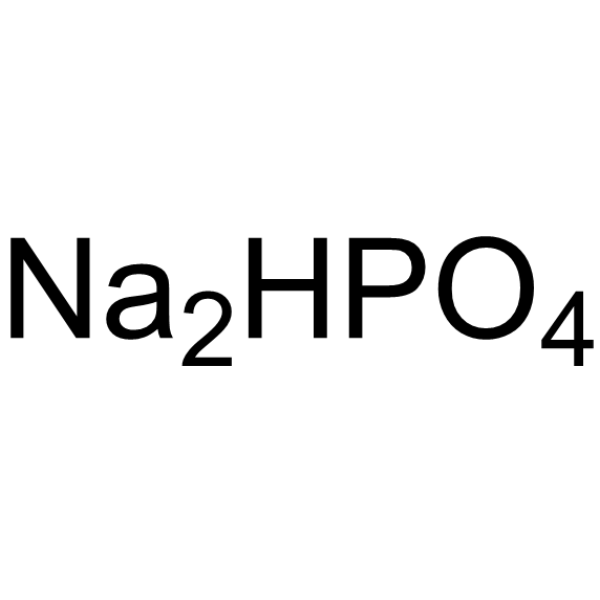
Disodium hydrogen phosphate, for molecular biology
|
Biochemical Assay Reagents
|
Others
|
|
Sodium phosphate dibasic (Disodium hydrogen phosphate), for molecular biology, is a type of phosphate salt that can be used in molecular biology research to prepare stable buffers free of RNase/DNase/protease .
|
-
-
- HY-Y0481A
-
|
Stannous chloride dihydrate; Tin dichloride dihydrate
|
Biochemical Assay Reagents
|
Others
|
|
Tin (II) chloride dihydrate (Tinchloridedihydrate) is a hydrated salt of tin (II) .
|
-
-
- HY-132613
-
|
|
Small Interfering RNA (siRNA)
Glycolate Oxidase
|
Metabolic Disease
|
|
Lumasiran sodium, an investigational RNA interference (RNAi) therapeutic agent, reduces hepatic oxalate production by targeting glycolate oxidase. Lumasiran sodium reduces urinary oxalate excretion, the cause of progressive kidney failure in primary hyperoxaluria type 1 (PH1) .
|
-
-
- HY-W019927
-
|
Ammonium ferric sulfate dodecahydrate, 99%
|
Biochemical Assay Reagents
|
Others
|
|
Ammonium iron(III) sulfate dodecahydrate, 99% is an analytical reagent-grade iron(III) salt and source material for iron(III) reagent or standard solutions in volumetric analysis .
|
-
-
- HY-B1549
-
-
-
- HY-Y1110H
-
|
Magnogene, suitable for insect cell culture
|
Environmental Pollutants
Biochemical Assay Reagents
|
Others
|
|
Magnesium chloride anhydrous, suitable for insect cell culture is an inorganic salt and cell culture medium component that can be used to prepare Tris buffer. Magnesium chloride anhydrous, suitable for insect cell culture is a component of Hunter's Thrips medium, which supports the in vitro culture of western flower thrip embryonic cells, and promotes the adhesion of tissue fragments/cells as well as the growth of fibroblast-like and epithelial-like cells .
|
-
-
- HY-15790A
-
|
A 3309 hydrate; AZD 7806 hydrate
|
Apical Sodium-Dependent Bile Acid Transporter
|
Metabolic Disease
Cancer
|
|
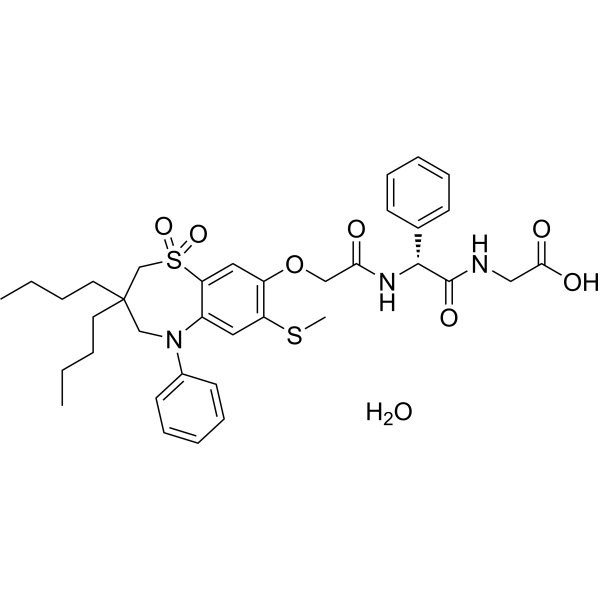
Elobixibat (A 3309; AZD 7806) hydrate is an orally active, bile acid transporter (IBAT) inhibitor with IC50 values ??of 0.53 nM (human IBAT), 0.13 nM (mouse IBAT), and 5.8 nM (canine IBAT). Elobixibat hydrate can lower LDL cholesterol, increase serum GLP-1, promote colonic motility, and has the potential to study metabolic syndrome. Elobixibat hydrate can be used in the study of chronic functional constipation (CIC), dyslipidemia, non-alcoholic hepatitis, and liver tumors in the elderly .
|
-
-
- HY-Y1267D
-
-
-
- HY-135659
-
|
|
Bacterial
|
Infection
|
|
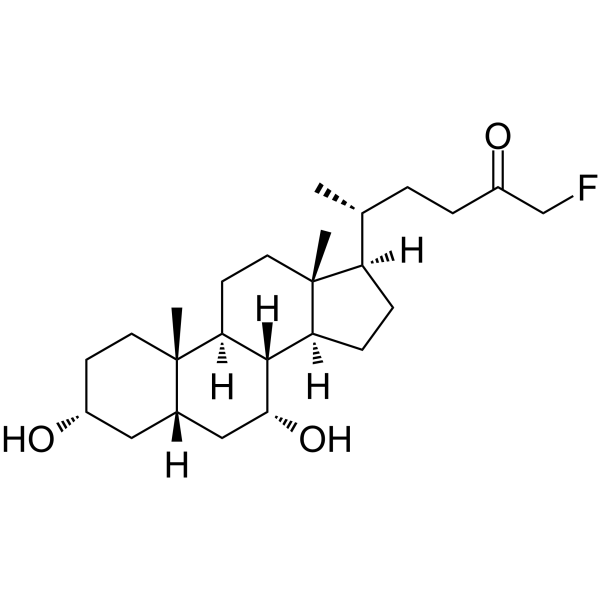
BSH-IN-1 is a potent and covalent inhibitor of gut bacterial recombinant bile salt hydrolases (BSHs) with IC50s of 108 nM and 427 nM for B. longum BSH (Gram positive) and B. theta BSH (Gram negative), respectively .
|
-
-
- HY-W034344
-
|
|
Biochemical Assay Reagents
|
Others
|
|
Sodium methanesulfonate is a hygroscopic atmospheric aerosol, which typically forms from the reaction of methanesulfonic acid with sodium chloride or sea salt particles. Sodium methanesulfonate can serve as a substrate for oxidation reactions, undergoing heterogeneous oxidation by hydroxyl radicals at the air-aerosol interface, thereby initiating subsequent aerosol-phase chain reactions. Sodium methanesulfonate exhibits significant temperature-dependent deliquescence and efflorescence properties; particularly at lower temperatures relevant to the troposphere, its deliquescence and efflorescence relative humidity increase accordingly .
|
-
-
- HY-111974
-
|
ABA-GE; (S)-cis,trans-Abscisic acid glucosyl ester
|
Proton Pump
|
Endocrinology
|
|
β-D-Glucopyranosyl abscisate (ABA-GE) is a hydrolyzable abscisic acid (ABA) conjugate that accumulates in the vacuole and presumably also in the endoplasmic reticulum. The deconjugation of β-D-Glucopyranosyl abscisate allows the rapid formation of free ABA in response to abiotic stress conditions such as dehydration and salt stress. β-D-Glucopyranosyl abscisate contributes to the maintenance of ABA homeostasis .
|
-
-
- HY-59137
-
|
|
Drug Intermediate
|
Cancer
|
|
1-Methylimidazole acts as a membrane performance regulator that promotes the formation of reverse osmosis membranes with a dense ultra-thin polyamide layer. Such membranes exhibit higher flux and salt rejection rate, while also conferring excellent pH stability to the membrane. 1-Methylimidazole can serve as a ligand for ruthenium (II) complexes to construct metal-based anticancer agents .
|
-
-
- HY-109561
-
|
EYE001; NX1838
|
VEGFR
|
Metabolic Disease
Inflammation/Immunology
|
|
Pegaptanib sodium is an RNA aptamer with polyethylene glycol modifications, which is directed against vascular endothelial growth factor (VEGF)-165. Pegaptanib could be used for the study of neovascular age-related macular degeneration (AMD) .
|
-
-
- HY-W793693
-
-
-
- HY-W019877
-
-
-
- HY-D2864
-
|
|
Fluorescent Dye
|
Others
|
|
Aza-CyBz is a selective NaCl-responsive fluorescent probe. Aza-CyBz visualizes plant salt stress by forming ordered aggregates with NaCl, leading to near-infrared fluorescence quenching. Aza-CyBz acts via electrostatic interaction between the cationic cyanine dye and NaCl to form J-aggregates, causing fluorescence quenching with a detection limit of 170 μM .
|
-
-
- HY-Y0537K
-
|
|
Biochemical Assay Reagents
|
Cardiovascular Disease
|
|
Potassium chloride, ACS, 99.0% is a metal halide salt composed of potassium and chlorine. Potassium chloride, ACS, 99.0% replenishes electrolytes, corrects water-electrolyte imbalance, and is used in hypokalemia research. Potassium chloride, ACS, 99.0% is also used to prepare buffer solutions and produce fertilizers, with applications in the fields of medicine, scientific research and food processing. Potassium chloride, ACS, 99.0% plays a key role in protein extraction and dissolution .
|
-
-
- HY-N6911
-
|
(18β,20α)-Glycyrrhizic acid
|
Others
|
Metabolic Disease
|
|
Liquorice-saponin H2 ((18β,20α)-Glycyrrhizic acid) is a type of triterpenoid oligosaccharide glycoside found in the Glycyrrhiza genus. Liquorice-saponin H2 accumulates more in the roots of licorice plants under salt stress conditions, suggesting that it may play a role in plant stress resistance .
|
-
-
- HY-I0169
-
|
|
Drug Metabolite
|
Neurological Disease
|
|
(R)-Amino-N-benzyl-3-methoxypropionamide is a key intermediate for the synthesis of the antiepileptic agent (R)-Lacosamide. To improve its chiral purity and chemical stability, (R)-Amino-N-benzyl-3-methoxypropionamide can react with phosphoric acid to form a phosphate salt. Detected by high performance liquid chromatography (HPLC), this phosphate salt exhibits extremely high chiral purity, with the content of the R-enantiomer reaching up to 99.37% .
|
-
-
- HY-D0876
-
|
|
Biochemical Assay Reagents
|
Others
|
|
POPSO is a zwitterionic buffer, increases osmolality and shows marked inhibition of anion uniport. POPSO inhibits chloride uniport with an IC50 value of 24 mM. POPSO enhances copper uptake and toxicity in alga, impairs mitochondrial inner membrane. The working pH range of POPSO sesquisodium salt is 7.2-8.5 .
|
-
-
- HY-P10447
-
|
Fengycin IX; SNA-60-367-3
|
Phospholipase
Fungal
|
Infection
|
|
Plipastatin A1 (Fengycin IX; SNA-60-367-3) is a lipopeptide with phospholipase A2 inhibitory activity. Plipastatin A1 inhibits conidial germination of Botrytis cinerea in vitro and reduces the incidence of gray mold on tomato leaves. Plipastatin A1 is applicable to research related to gray mold [1][2].
|
-
-
- HY-W353469
-
|
Glucosylglycerol
|
Biochemical Assay Reagents
|
Others
|
|
2-O-(α-D-Glucopyranosyl) glycerol (55% in water) (Glucosylglycerol) is a glycerol glycoside and compatible solute. 2-O-(α-D-Glucopyranosyl) glycerol is isolable from the marine cyanobacterium Oscillatoria sp. 2-O-(α-D-Glucopyranosyl) glycerol (55% in water) acts as a salt stress protectant in Synechocystis sp. PCC 6803 ΔggpS cells. It enhances salt tolerance of Synechocystis sp. PCC 6803 ΔggpS cells and maintains cell division under salt stress .
|
-
-
- HY-145632A
-
|
ALT-801 TFA
|
GLP Receptor
GCGR
|
Metabolic Disease
|
|
Pemvidutide (ALT-801) TFA is a GLP-1R/GCGR dual agonist, shows striking reductions in body weight, liver fat and serum lipids. Pemvidutide TFA can be used in non-alcoholic steatohepatitis (NASH) and obesity research .
|
-
-
- HY-W094708C
-
|
Disodium hydrogen phosphate dihydrate, for molecular biology
|
Biochemical Assay Reagents
|
Others
|
|
Sodium phosphate dibasic dihydrate, for molecular biology is an inorganic salt compound. Sodium phosphate dibasic dihydrate, for molecular biology is commonly used in molecular biology experiments and can be used as a buffer, nutritional supplement, and detergent.
|
-
-
- HY-W802239
-
|
|
Drug Derivative
|
Cardiovascular Disease
Metabolic Disease
|
|
Asparaginate calcium is a calcium 2+ salt of asparaginate and anion/zwitterion form of aspartic acid. Asparaginate calcium is a calcium supplement and an antiarrhythmic active substance. Asparaginate calcium can be used for the research of arrhythmia .
|
-
-
- HY-148198
-
|
|
LPL Receptor
|
Neurological Disease
Inflammation/Immunology
|
|
S1P5 receptor agonist-1 (Example 6) is an effective and selective S1P5 receptor (S1P5 receptor) agonist. The EC50 values for S1P5 and S1P1 receptors are 20 nM and > 3 μM, respectively. S1P5 receptor agonist-1 can be used in studies on neuroprotection and immune regulation .
|
-
-
- HY-46846
-
|
|
Environmental Pollutants
Biochemical Assay Reagents
|
Others
|
|
Styrene-divinylbenzene sulfonated copolymer is a cation exchange resin prepared from sulfonic acid group-containing microporous styrene/divinylbenzene (DVB) copolymer. Styrene-divinylbenzene sulfonated copolymer serves as the core matrix material for most bilirubin adsorbents. It also acts as a hydrophilic cell immobilization carrier, whose porous structure provides an ideal environment for microbial growth and biochemical reactions .
|
-
-
- HY-Y0344H
-
|
Halite (Pharmaceutical primary standard, USP)
|
Biochemical Assay Reagents
Na+/K+ ATPase
Interleukin Related
|
Inflammation/Immunology
Cancer
|
|
Sodium chloride, United States Pharmacopeia (USP) Reference Standard is an orally active salt. Sodium chloride, United States Pharmacopeia (USP) Reference Standard induces the expression of ATP1A1. Sodium chloride, for cell culture induces the pro-inflammatory cytokines IL-2, TNFα, IL-9 and several chemokines. Sodium chloride, United States Pharmacopeia (USP) Reference Standard enhances the anti-tumor activities of Digoxin (HY-B1049) against small cell lung cancer. Sodium chloride, United States Pharmacopeia (USP) Reference Standard drives autoimmune disease by the induction of pathogenic Th17 cells .
|
-
-
- HY-W111522
-
|
di-Sodium hydrogen phosphite, 98%
|
Biochemical Assay Reagents
|
Others
|
|
Sodium phosphite dibasic pentahydrate, 98% (di-Sodium hydrogen phosphite, 98%) is an inorganic phosphorus source and an alkali metal salt of phosphorous acid. Sodium phosphite dibasic pentahydrate, 98% acts as a catalyst for the butanetetracarboxylic acid-based crosslinking reaction of cotton cellulose .
|
-
-
- HY-N15829
-
|
|
Fluorescent Dye
|
Metabolic Disease
|
|
Cholyl-Lys-fluorescein sodium is a fluorescein-labeled bile acid analog. Cholyl-Lys-fluorescein sodium mimics the physiological hepatobiliary properties of glycocholic acid. Cholyl-Lys-fluorescein sodium is efficiently taken up by the liver and rapidly excreted into bile in intact form in rats. Cholyl-Lys-fluorescein sodium can serve as a liver function assessment agent, bile salt transport probe, and liver-targeted carrier .
|
-
-
- HY-P6013A
-
|
|
Calcium Channel
|
Others
|
|
wt hMLN (TFA) is a microprotein that inhibits of SR Ca 2+ pump (SERCA). wt hMLN plays an important role in skeletal muscle calcium homeostasis .
|
-
-
- HY-105168
-
|
|
Endothelin Receptor
|
Cardiovascular Disease
|
|
TAK 044 is an antagonist of Endothelin Receptor. TAK 044 strongly inhibits ET-induced deterioration in various animal models. TAK 044 can be used in study ET-related diseases such as acute myocardial infarction,acute renal failure, acute hepatic malfunction, and subarachnoid hemorrhage .
|
-
-
- HY-W094708D
-
|
Disodium hydrogen phosphate dihydrate, meets analytical specification of Ph. Eur. BP
|
Biochemical Assay Reagents
|
Others
|
|
Sodium phosphate dibasic dihydrate, meets analytical specification of Ph. Eur. BP is an inorganic salt that can be used for life science related research .
|
-
-
- HY-Y1325E
-
|
Sodium acetate trihydrate (Pharmaceutical primary standard, USP)
|
Biochemical Assay Reagents
|
Others
|
|
Sodium acetate trihydrate, United States Pharmacopeia (USP) Reference Standard is an inorganic salt that can be used for life science related research .
|
-
-
- HY-W094475E
-
|
Epsom salts (Pharmaceutical primary standard, USP)
|
Drug Derivative
|
Neurological Disease
Metabolic Disease
|
|
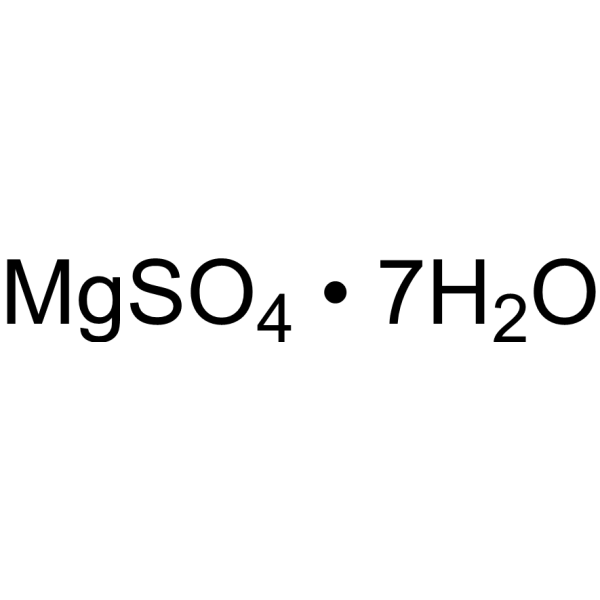
Magnesium sulfate heptahydrate, United States Pharmacopeia (USP) Reference Standard (Epsom salts (Pharmaceutical primary standard, USP)) is currently the anticonvulsant of choice for the prevention and control of eclamptic fits and is also widely used as a tocolytic agent .
|
-
-
- HY-105047
-
|
NRL972
|
Biochemical Assay Reagents
|
Metabolic Disease
|
|
Fluorescein lisicol is a fluorescent-labelled bile salt and a marker of hepatic biliary transporter function. Fluorescein lisicol can be used for metabolic research .
|
-
- HY-P10002A
-
-
- HY-P10003A
-
-
- HY-P5201S1
-
|
|
Isotope-Labeled Compounds
|
Others
|
|
VTSEGAGLQLQK-13C6,15N2 (TFA) is the 13C- and 15N-labeled VTSEGAGLQLQK. VTSEGAGLQLQK is an amino acid sequence in the C-terminal region of recombinant human alpha-acid glucosidase (rhGAA), which can be used to bind anti-drug antibodies in plasma and quantitatively analyze the therapeutic effect .
|
-
- HY-156344S1
-
-
- HY-156345S1
-
-
- HY-156343S1
-
-
- HY-156341S1
-
-
- HY-P1426A
-
|
|
Potassium Channel
|
Neurological Disease
|
|
AmmTX3 TFA is a peptide toxin identified from the venom of the scorpion Androctonus mauretanicus. AmmTX3 TFA is a highly specific blocker of Kv4 channels, which selectively and almost completely blocks transient A-type K + currents with a Ki of 131 nM. AmmTX3 TFA induces epileptiform behaviors and causes death in mice receiving intracerebroventricular injection. AmmTX3 TFA increases the excitability of dentate gyrus granule cells, reduces GABAergic inhibition, enhances and stabilizes the EPSP-spike component of long-term potentiation, and impairs reference memory. AmmTX3 TFA can be used in research related to pain, epilepsy, and autism spectrum disorder .
|
-
- HY-Y0319B2
-
-
- HY-N2713
-
|
|
Others
|
Others
|
|
10-Carboxylinalool is a metabolite compound isolated from the genus Pseudomonasin in a mineral salt medium .
|
-
- HY-N6911B
-
|
(18β,20α)-Glycyrrhizic acid ammonium
|
Others
|
Metabolic Disease
|
|
Liquorice-saponin H2 ((18β,20α)-Glycyrrhizic acid) ammonium is a type of triterpenoid oligosaccharide glycoside found in the Glycyrrhiza genus. Liquorice-saponin H2 ammonium accumulates more in the roots of licorice plants under salt stress conditions, suggesting that it may play a role in plant stress resistance .
|
-
- HY-147692
-
|
|
COX
|
Inflammation/Immunology
|
|
COX-2-IN-14 (compound 2a) is a potent and selective COX-2 (cyclooxygenase-2) inhibitor. COX-2-IN-14 shows effective binding at the active site of COX-2 co-crystal. COX-2-IN-14 exhibits a high level of in vivo anti-inflammatory activity, reducing ear edema and myeloperoxidase (MPO) activity in mice .
|
-
- HY-W438378
-
|
HMPG piperazine
|
Biochemical Assay Reagents
|
Others
|
|
4-Hydroxy-3-methoxyphenylglycol piperazine (HMPG piperazine) is a salt of HMPG combined with piperazine. HMPG is a metabolite of adrenaline and norepinephrine and is an important marker of catecholamine hormone metabolism in the body. 4-Hydroxy-3-methoxyphenylglycol piperazine is used as a standard in clinical laboratories to accurately measure the HMPG content in urine .
|
-
- HY-W718121
-
-
- HY-N18490
-
|
|
Drug Derivative
|
Metabolic Disease
|
|
5α-Cyprinol sulfate is an orally active bile salt and heterospecific pheromone. 5α-Cyprinol sulfate promotes lipid digestion in fish. 5α-Cyprinol sulfate inhibits taurocholic acid uptake mediated by apical bile salt transporters in rat ileum. 5α-Cyprinol sulfate can be used in studies of fish toxic acute renal failure .
|
-
- HY-W075796
-
|
|
Environmental Pollutants
Drug Intermediate
|
Others
|
|
Copper (I) thiocyanate is a monovalent copper pseudohalide that exists in two crystalline forms, α and β, both containing bridging thiocyanate groups. Copper (I) thiocyanate can form coordination complexes with ligands such as triphenylphosphine and pyridine .
|
-
- HY-P4599B
-
|
|
Biochemical Assay Reagents
|
Others
|
|
H-His-His-OH acetate is an oligopeptide. H-His-His-OH acetate can chelate with Ruthenium (II). H-His-His-OH inhibits the hydrolysis of metal ions at pH 7.4 .
|
-
- HY-W583729
-
|
|
Biochemical Assay Reagents
|
Others
|
|
DL-Poly (lactic acid) is a biodegradable poly (α-hydroxy acid) matrix and a coating material for controlled drug release. DL-Poly (lactic acid) is classified as a drug release retardant, which degrades into natural lactic acid monomers, an intermediate product of carbohydrate metabolism, enabling complete drug delivery that lasts for several weeks. Its drug release rate is affected by the pH of the surrounding environment .
|
-
- HY-N18991
-
|
|
Endogenous Metabolite
Bacterial
|
Infection
|
|
D-Mannitol 1-phosphate is a non-nucleotide phosphate ester. D-Mannitol 1-phosphate is isolable from Lactobacillus arabinosus. D-Mannitol 1-phosphate is associated with active polyol metabolism in Lactobacillus arabinosus .
|
-
- HY-179634
-
|
|
SARS-CoV
HIV
Enterovirus
Angiotensin-converting Enzyme (ACE)
RSV
Filovirus
|
Infection
|
|
ASF-006 sodium, a tetrapodal tryptophan derivative, is a potent viral invasion inhibitor. ASF-006 sodium shows potent antiviral activity against different SARS-CoV-2 Omicron variants but not against the ancestral SARS-CoV.2 strain (Wuhan-Hu-1). ASF-006 sodium competitively inhibits receptor-binding domain (RBD)-ACE2 binding via an allosteric mechanism. ASF-006 sodium inhibits Omicron BA.1, Omicron XBB.1.5, respiratory syncytial virus (RSV) and Ebola virus infection with IC50s of 0.02 μM, 0.3 μM, 1.52 μM and 0.2 μM, respectively. ASF-006 sodium inhibits cell entry of both HIV and enterovirus A71[1].
|
-
- HY-W415107
-
|
|
Insecticide
|
Others
|
|
Copper citrate is a is the copper salt of Citric acid (HY-N1428). Copper citrate can be used as a source of copper in industrial, agricultural and some supplement applications. Copper citrate can also be used as a preservative, insecticide, and astringent .
|
-
- HY-181714
-
|
|
EGFR
|
Cancer
|
|
EGFR-IN-203 is a EGFR kinase domain inhibitor targeting EGFR T790M/C797S/V948R. EGFR-IN-203 stably binds to the allosteric pocket of EGFR in an inactive conformation. EGFR-IN-203 can be used in research related to cancers such as non-small cell lung cancer .
|
-
- HY-W736861
-
|
|
iGluR
|
Neurological Disease
|
|
N-Phthaloylglutamic acid is a partial agonist NMDA receptor with a Ki of 13 μM targeting Glu binding-site .
|
-
| Cat. No. |
Product Name |
Type |
-
- HY-D2864
-
|
|
Fluorescent Dyes
|
|
Aza-CyBz is a selective NaCl-responsive fluorescent probe. Aza-CyBz visualizes plant salt stress by forming ordered aggregates with NaCl, leading to near-infrared fluorescence quenching. Aza-CyBz acts via electrostatic interaction between the cationic cyanine dye and NaCl to form J-aggregates, causing fluorescence quenching with a detection limit of 170 μM .
|
-
- HY-105047
-
|
NRL972
|
Fluorescent Dyes
|
|
Fluorescein lisicol is a fluorescent-labelled bile salt and a marker of hepatic biliary transporter function. Fluorescein lisicol can be used for metabolic research .
|
| Cat. No. |
Product Name |
Type |
-
- HY-Y0406E
-
|
Calcium dichloride anhydrous, for cell culture
|
Biochemical Assay Reagents
|
|
Calcium chloride anhydrous, for cell culture is an inorganic salt for the preparation of various buffers . Calcium chloride anhydrous, for cell culture can be used for animal modeling, to construct abdominal aortic aneurysm models .
|
-
- HY-Y0406H
-
|
Calcium dichloride anhydrous, powder, 97%
|
Biochemical Assay Reagents
|
|
Calcium chloride anhydrous, powder, 97% is an inorganic salt for the preparation of various buffers .
|
-
- HY-Y1267
-
|
|
Biochemical Assay Reagents
|
|
Magnesium sulfate is a calcium antagonist and a potent L-type calcium channel inhibitor, as well as a tocolytic. Magnesium sulfate has anti-inflammatory, anticonvulsant, vasodilatory, and neuroprotective effects. Magnesium sulfate can be used in the research of diseases such as preeclampsia/eclampsia .
|
-
- HY-Y1325H
-
|
|
Biochemical Assay Reagents
|
|
Sodium acetate trihydrate is a carboxylic acid and short-chain fatty acid (SCFAs). Sodium acetate trihydrate activates AMPK, increases ROS, cleaved caspase 9, PPARα, downregulates SREBP-1c, ChREBP expression. Sodium acetate trihydrate exhibits antifungal activity against Saccharomyces cerevisiae W303-1A. Sodium acetate trihydrate regulates energy metabolism. Sodium acetate trihydrate has anticancer activity against gastric cancer. Sodium acetate trihydrate induces writhing reaction and ulcerative colitis. Sodium acetate trihydrate can be used in the researches for gastric cancer, ulcerative colitis, hepatic steatosis, and pain .
|
-
- HY-Y0319B
-
|
Potassium acetate
|
Biochemical Assay Reagents
|
|
Acetic acid potassium 99% (Potassium acetate) is a potassium salt employed to replenish electrolytes, for restoration of water-electrolyte balance. Acetic acid potassium 99% can employ in DNA and protein purification. Acetic acid potassium 99% has been used to prepare neutralizing solution for alkaline lysis of bacteria and activated carbon .
|
-
- HY-Y0308H
-
|
Disodium hydrogen phosphate, for molecular biology
|
Biochemical Assay Reagents
|
|
Sodium phosphate dibasic (Disodium hydrogen phosphate), for molecular biology, is a type of phosphate salt that can be used in molecular biology research to prepare stable buffers free of RNase/DNase/protease .
|
-
- HY-Y0481A
-
|
Stannous chloride dihydrate; Tin dichloride dihydrate
|
Biochemical Assay Reagents
|
|
Tin (II) chloride dihydrate (Tinchloridedihydrate) is a hydrated salt of tin (II) .
|
-
- HY-W019927
-
|
Ammonium ferric sulfate dodecahydrate, 99%
|
Biochemical Assay Reagents
|
|
Ammonium iron(III) sulfate dodecahydrate, 99% is an analytical reagent-grade iron(III) salt and source material for iron(III) reagent or standard solutions in volumetric analysis .
|
-
- HY-Y1110H
-
|
Magnogene, suitable for insect cell culture
|
Biochemical Assay Reagents
|
|
Magnesium chloride anhydrous, suitable for insect cell culture is an inorganic salt and cell culture medium component that can be used to prepare Tris buffer. Magnesium chloride anhydrous, suitable for insect cell culture is a component of Hunter's Thrips medium, which supports the in vitro culture of western flower thrip embryonic cells, and promotes the adhesion of tissue fragments/cells as well as the growth of fibroblast-like and epithelial-like cells .
|
-
- HY-Y1267D
-
|
|
Biochemical Assay Reagents
|
|
Magnesium sulfate, for cell culture is a bioreagent. Magnesium sulfate is a calcium antagonist and a potent L-type calcium channel inhibitor, as well as a tocolytic. Magnesium sulfate has anti-inflammatory, anticonvulsant, vasodilatory, and neuroprotective effects. Magnesium sulfate can be used in the research of diseases such as preeclampsia/eclampsia .
|
-
- HY-W034344
-
|
|
Biochemical Assay Reagents
|
|
Sodium methanesulfonate is a hygroscopic atmospheric aerosol, which typically forms from the reaction of methanesulfonic acid with sodium chloride or sea salt particles. Sodium methanesulfonate can serve as a substrate for oxidation reactions, undergoing heterogeneous oxidation by hydroxyl radicals at the air-aerosol interface, thereby initiating subsequent aerosol-phase chain reactions. Sodium methanesulfonate exhibits significant temperature-dependent deliquescence and efflorescence properties; particularly at lower temperatures relevant to the troposphere, its deliquescence and efflorescence relative humidity increase accordingly .
|
-
- HY-W793693
-
|
|
Biochemical Assay Reagents
|
|
Sucrose 6′-monophosphate dipotassium is a dipotassium salt of a phosphorylated derivative of Sucrose (HY-B1779).
|
-
- HY-Y0537K
-
|
|
Biochemical Assay Reagents
|
|
Potassium chloride, ACS, 99.0% is a metal halide salt composed of potassium and chlorine. Potassium chloride, ACS, 99.0% replenishes electrolytes, corrects water-electrolyte imbalance, and is used in hypokalemia research. Potassium chloride, ACS, 99.0% is also used to prepare buffer solutions and produce fertilizers, with applications in the fields of medicine, scientific research and food processing. Potassium chloride, ACS, 99.0% plays a key role in protein extraction and dissolution .
|
-
- HY-D0876
-
|
|
Biochemical Assay Reagents
|
|
POPSO is a zwitterionic buffer, increases osmolality and shows marked inhibition of anion uniport. POPSO inhibits chloride uniport with an IC50 value of 24 mM. POPSO enhances copper uptake and toxicity in alga, impairs mitochondrial inner membrane. The working pH range of POPSO sesquisodium salt is 7.2-8.5 .
|
-
- HY-W094708C
-
|
Disodium hydrogen phosphate dihydrate, for molecular biology
|
Biochemical Assay Reagents
|
|
Sodium phosphate dibasic dihydrate, for molecular biology is an inorganic salt compound. Sodium phosphate dibasic dihydrate, for molecular biology is commonly used in molecular biology experiments and can be used as a buffer, nutritional supplement, and detergent.
|
-
- HY-Y0344H
-
|
Halite (Pharmaceutical primary standard, USP)
|
Biochemical Assay Reagents
|
|
Sodium chloride, United States Pharmacopeia (USP) Reference Standard is an orally active salt. Sodium chloride, United States Pharmacopeia (USP) Reference Standard induces the expression of ATP1A1. Sodium chloride, for cell culture induces the pro-inflammatory cytokines IL-2, TNFα, IL-9 and several chemokines. Sodium chloride, United States Pharmacopeia (USP) Reference Standard enhances the anti-tumor activities of Digoxin (HY-B1049) against small cell lung cancer. Sodium chloride, United States Pharmacopeia (USP) Reference Standard drives autoimmune disease by the induction of pathogenic Th17 cells .
|
-
- HY-W111522
-
|
di-Sodium hydrogen phosphite, 98%
|
Biochemical Assay Reagents
|
|
Sodium phosphite dibasic pentahydrate, 98% (di-Sodium hydrogen phosphite, 98%) is an inorganic phosphorus source and an alkali metal salt of phosphorous acid. Sodium phosphite dibasic pentahydrate, 98% acts as a catalyst for the butanetetracarboxylic acid-based crosslinking reaction of cotton cellulose .
|
-
- HY-W094708D
-
|
Disodium hydrogen phosphate dihydrate, meets analytical specification of Ph. Eur. BP
|
Biochemical Assay Reagents
|
|
Sodium phosphate dibasic dihydrate, meets analytical specification of Ph. Eur. BP is an inorganic salt that can be used for life science related research .
|
-
- HY-Y1325E
-
|
Sodium acetate trihydrate (Pharmaceutical primary standard, USP)
|
Biochemical Assay Reagents
|
|
Sodium acetate trihydrate, United States Pharmacopeia (USP) Reference Standard is an inorganic salt that can be used for life science related research .
|
-
- HY-W094475E
-
|
Epsom salts (Pharmaceutical primary standard, USP)
|
Biochemical Assay Reagents
|
|
Magnesium sulfate heptahydrate, United States Pharmacopeia (USP) Reference Standard (Epsom salts (Pharmaceutical primary standard, USP)) is currently the anticonvulsant of choice for the prevention and control of eclamptic fits and is also widely used as a tocolytic agent .
|
-
- HY-Y0319B2
-
|
|
Biochemical Assay Reagents
|
|
Potassium acetate, meets USP testing specifications is an inorganic salt that can be used for life science related research .
|
| Cat. No. |
Product Name |
Target |
Research Area |
-
- HY-P1925A
-
|
|
PI3K
Reactive Oxygen Species (ROS)
Apoptosis
|
Cancer
|
|
GO-203 TFA is a potent MUC1-C oncoprotein inhibitor. GO-203 TFA is an all D-amino acid peptide that consists of a poly-R transduction domain linked to a CQCRRKN motif that binds to the MUC1-C cytoplasmic tail and blocks MUC1-C homodimerization. GO-203 TFA downregulates TIGAR (TP53-induced glycolysis and apoptosis regulator) protein synthesis by inhibiting the PI3K-AKT-S6K1 pathway. GO-203 TFA induces the production of ROS and loss of mitochondrial transmembrane potential. GO-203 TFA inhibits the growth of colon cancer cells in vitro and as xenografts in nude mice .
|
-
- HY-P10447
-
|
Fengycin IX; SNA-60-367-3
|
Phospholipase
Fungal
|
Infection
|
|
Plipastatin A1 (Fengycin IX; SNA-60-367-3) is a lipopeptide with phospholipase A2 inhibitory activity. Plipastatin A1 inhibits conidial germination of Botrytis cinerea in vitro and reduces the incidence of gray mold on tomato leaves. Plipastatin A1 is applicable to research related to gray mold [1][2].
|
-
- HY-145632A
-
|
ALT-801 TFA
|
GLP Receptor
GCGR
|
Metabolic Disease
|
|
Pemvidutide (ALT-801) TFA is a GLP-1R/GCGR dual agonist, shows striking reductions in body weight, liver fat and serum lipids. Pemvidutide TFA can be used in non-alcoholic steatohepatitis (NASH) and obesity research .
|
-
- HY-P2512A
-
|
|
Peptides
|
Others
|
|
Phytochelatin 2 (PC2) TFA is a phytochelatin, an important heavy metal-binding peptide. Phytochelatin 2 (PC2) TFA can chelate metals, prevent metal toxicity, and maintain metal stability in the internal environment .
|
-
- HY-P6013A
-
|
|
Calcium Channel
|
Others
|
|
wt hMLN (TFA) is a microprotein that inhibits of SR Ca 2+ pump (SERCA). wt hMLN plays an important role in skeletal muscle calcium homeostasis .
|
-
- HY-105168
-
|
|
Endothelin Receptor
|
Cardiovascular Disease
|
|
TAK 044 is an antagonist of Endothelin Receptor. TAK 044 strongly inhibits ET-induced deterioration in various animal models. TAK 044 can be used in study ET-related diseases such as acute myocardial infarction,acute renal failure, acute hepatic malfunction, and subarachnoid hemorrhage .
|
-
- HY-P10002A
-
-
- HY-P10003A
-
-
- HY-P5201S1
-
|
|
Isotope-Labeled Compounds
|
Others
|
|
VTSEGAGLQLQK-13C6,15N2 (TFA) is the 13C- and 15N-labeled VTSEGAGLQLQK. VTSEGAGLQLQK is an amino acid sequence in the C-terminal region of recombinant human alpha-acid glucosidase (rhGAA), which can be used to bind anti-drug antibodies in plasma and quantitatively analyze the therapeutic effect .
|
-
- HY-156344S1
-
-
- HY-156345S1
-
-
- HY-156343S1
-
-
- HY-156341S1
-
-
- HY-P1426A
-
|
|
Potassium Channel
|
Neurological Disease
|
|
AmmTX3 TFA is a peptide toxin identified from the venom of the scorpion Androctonus mauretanicus. AmmTX3 TFA is a highly specific blocker of Kv4 channels, which selectively and almost completely blocks transient A-type K + currents with a Ki of 131 nM. AmmTX3 TFA induces epileptiform behaviors and causes death in mice receiving intracerebroventricular injection. AmmTX3 TFA increases the excitability of dentate gyrus granule cells, reduces GABAergic inhibition, enhances and stabilizes the EPSP-spike component of long-term potentiation, and impairs reference memory. AmmTX3 TFA can be used in research related to pain, epilepsy, and autism spectrum disorder .
|
-
- HY-P4599B
-
|
|
Biochemical Assay Reagents
|
Others
|
|
H-His-His-OH acetate is an oligopeptide. H-His-His-OH acetate can chelate with Ruthenium (II). H-His-His-OH inhibits the hydrolysis of metal ions at pH 7.4 .
|
| Cat. No. |
Product Name |
Category |
Target |
Chemical Structure |
| Cat. No. |
Product Name |
Chemical Structure |
-
- HY-P5201S1
-
|
|
|
VTSEGAGLQLQK-13C6,15N2 (TFA) is the 13C- and 15N-labeled VTSEGAGLQLQK. VTSEGAGLQLQK is an amino acid sequence in the C-terminal region of recombinant human alpha-acid glucosidase (rhGAA), which can be used to bind anti-drug antibodies in plasma and quantitatively analyze the therapeutic effect .
|
-
-
- HY-156344S1
-
|
|
|
GLEWVAEIR-(Arg- 13C6, 15N4) (TFA) is the peptide containing 13C- and 15N-labeled Arg.
|
-
-
- HY-156345S1
-
|
|
|
LPFTFGQGTK-(Lys- 13C6, 15N2) TFA is the peptide containing 13C- and 15N-labeled Lys.
|
-
-
- HY-156343S1
-
|
|
|
SNNYATHYAESVK-(Lys- 13C6, 15N2) (TFA) is the peptide containing 13C- and 15N-labeled Lys.
|
-
-
- HY-156341S1
-
|
|
|
LLIYYTSSLHSGVPSR-(Arg- 13C6, 15N4) (TFA) is the peptide containing 13C- and 15N-labeled Arg.
|
-
| Cat. No. |
Product Name |
|
Classification |
-
- HY-132609
-
|
|
|
siRNAs
siRNA drugs
|
|
Patisiran sodium is a double-stranded small interfering RNA that targets a sequence within the transthyretin (TTR) messenger RNA. Patisiran sodium specifically inhibits hepatic synthesis of mutant and wild-type TTR. Patisiran sodium can be used for the research of hereditary TTR amyloidosis .
|
-
- HY-108764
-
|
ISIS 301012
|
|
Antisense Oligonucleotides
|
|
Mipomersen sodium (ISIS 301012) is an antisense oligonucleotide inhibitor of apolipoprotein B (apoB). Mipomersen has anti-HCV effect and reduces the infectivity of the HCV. Mipomersen sodium can be used for the research of homozygous familial hypercholesterolemia (HoFH) .
|
-
- HY-147080
-
|
ARC1905
|
|
Aptamers
|
|
Avacincaptad pegol (ARC1905) sodium is a 40KDa PEG-conjugated aptamer. Avacincaptad pegol sodium targets complement factor 5 (C5), inhibits the cleavage of C5 into C5a and C5b, limits inflammatory stimulation and complement membrane attack complex (MAC), and is used to study age-related macular degeneration (AMD). Avacincaptad pegol sodium limits irregular cell apoptosis by targeting downstream factors in the complement cascade while preserving the early steps of the complement system .
|
-
- HY-109528
-
|
ISIS-2922 sodium
|
|
Antisense Oligonucleotides
|
|
Fomivirsen (ISIS-2922) sodium is an antisense 21 mer phosphorothioate oligonucleotide. Fomivirsen sodium is an antiviral agent that is used cytomegalovirus retinitis (CMV) research, incluiding in AIDs. Fomivirsen sodium binds to and degrades the mRNAs encoding CMV immediate-early 2 protein, thus inhibiting virus proliferation .
|
-
- HY-132608
-
|
ISIS-420915 sodium
|
|
Antisense Oligonucleotides
|
|
Inotersen (ISIS-420915) sodium is a 2′-O-methoxyethyl-modified antisense oligonucleotide. Inotersen sodium inhibits the production of transthyretin (TTR) protein by targeting the TTR RNA transcript and reduces the levels of the TTR transcript. Inotersen sodium can be used for the research of hereditary TTR amyloidosis polyneuropathy .
|
-
- HY-145722
-
|
OGX-427 sodium
|
|
Antisense Oligonucleotides
|
|
Apatorsen (OGX-427) sodium is a 2'-methoxyethyl-modified antisense oligonucleotide and also a Hsp27 inhibitor. Apatorsen sodium reduces Hsp27 mRNA and protein levels, impairs stress-induced cytoprotective functions, induces cell apoptosis, inhibits tumor growth and prevents metastasis. Apatorsen sodium is applicable to research related to non-small cell lung cancer, castration-resistant prostate cancer, breast cancer, ovarian cancer and bladder cancer .
|
-
- HY-132613
-
|
|
|
siRNAs
siRNA drugs
|
|
Lumasiran sodium, an investigational RNA interference (RNAi) therapeutic agent, reduces hepatic oxalate production by targeting glycolate oxidase. Lumasiran sodium reduces urinary oxalate excretion, the cause of progressive kidney failure in primary hyperoxaluria type 1 (PH1) .
|
-
- HY-145725
-
|
IONIS 598769 sodium; ISIS 598769 sodium
|
|
Antisense Oligonucleotides
|
|
Baliforsen (sodium) is an antisense oligonucleotide (16 nucleotides) designed to target myotonic dystrophy protein kinase (DMPK) mRNA and research myotonic dystrophy.
|
-
- HY-109561
-
|
EYE001; NX1838
|
|
Aptamers
|
|
Pegaptanib sodium is an RNA aptamer with polyethylene glycol modifications, which is directed against vascular endothelial growth factor (VEGF)-165. Pegaptanib could be used for the study of neovascular age-related macular degeneration (AMD) .
|
Your information is safe with us. * Required Fields.
Inquiry Information
- Product Name:
- Cat. No.:
- Quantity:
- MCE Japan Authorized Agent:

