


Search Result
Results for "
signal sequence
" in MedChemExpress (MCE) Product Catalog:
2
Biochemical Assay Reagents
| Cat. No. |
Product Name |
Target |
Research Areas |
Chemical Structure |
-
- HY-NP008
-
|
|
Lipocalin Family
|
Inflammation/Immunology
|
|
β-Lactoglobulin, a major whey protein, is a small globular protein from the lipocalin family. β-Lactoglobulin is an important source of the essential and branched-chain amino acids (leucine, isoleucine, and valine). β-Lactoglobulin shows antioxidant properties, because it contains two disulfide bonds and one free thiol group. β-Lactoglobulin is a ligand transport agent. β-Lactoglobulin is one of the major allergens in milk and can be utilized in the research for developing safe hypoallergenic dairy products .
|
-
-
- HY-W008806
-
|
OHHL; N-(3-Oxohexanoyl)homoserine lactone
|
Bacterial
|
Infection
Inflammation/Immunology
|
|
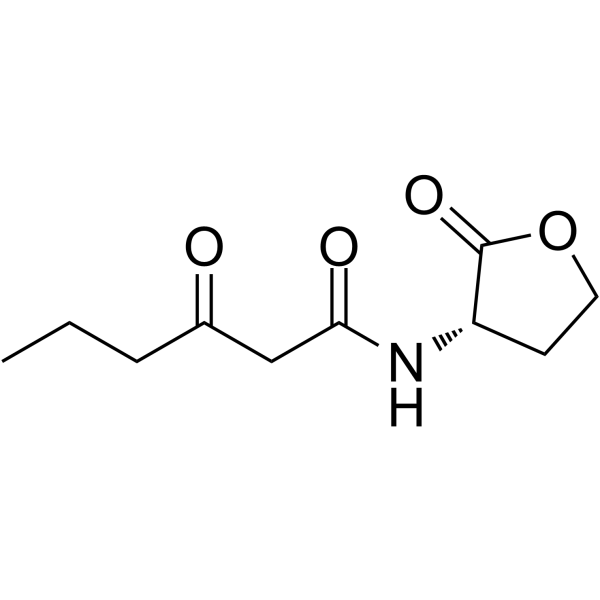
N-(3-Oxohexanoyl)-L-homoserine lactone (OHHL; N-(3-Oxohexanoyl)homoserine lactone) is a specific agonist of LuxR-type transcription factor CarR with a Kd of 1.8 μM. N-(3-Oxohexanoyl)-L-homoserine lactone activates CarR by inducing protein multimerization, promoting its binding to target DNA sequences in the carR-carA intergenic region, thereby upregulating the transcription of carbapenem biosynthesis genes. N-(3-Oxohexanoyl)-L-homoserine lactone acts as a quorum sensing signal molecule, enabling bacteria to coordinate the production of carbapenem antibiotics in a cell density-dependent manner. N-(3-Oxohexanoyl)-L-homoserine lactone is used to study bacterial quorum sensing mechanisms, especially the secondary metabolism and virulence factor regulatory pathways of Erwinia carotovora and Yersinia enterocolitica .
|
-
-
- HY-P4076
-
|
|
HIV
DNA Alkylator/Crosslinker
|
Infection
|
|
MPG peptides, Pβ is an amphipathic cell-penetrating peptide. MPG peptides, Pβ consists of three components: the hydrophobic fusion sequence (GALFLGFLGAAGSTMGA) of HIV glycoprotein 41, a spacer domain (WSQP), and the nuclear localization signal (KKKRKV) of the large T antigen of Simian virus 40. MPG peptides, Pβ can form stable non-covalent complexes with nucleic acids (including DNA) through electrostatic interactions and improve their intracellular delivery. MPG peptides, Pβ can be used in studies of HIV-1-related immune responses .
|
-
-
- HY-P11328
-
|
|
Integrin
|
Others
|
|
GFOGER peptide is an artificially synthesized collagen-mimetic sequence. GFOGER peptide acts as a ligand for α2β1, α11β1 and α1β1 integrins, thereby supporting integrin-mediated cell adhesion to collagen. GFOGER peptide triggers signaling pathways mediated by the α2β1 integrin receptor and upregulates osteoblast differentiation. GFOGER peptide accelerates and enhances bone formation at sites of refractory femoral defects. GFOGER peptide can be passively adsorbed onto polymer scaffolds for cell-free/growth factor-free bone formation. GFOGER peptide is used in biomaterials such as hydrogels and 3D bioinks for tissue engineering research including bone formation .
|
-
-
- HY-P10719
-
|
|
MyD88
|
Infection
Inflammation/Immunology
|
|
Pepinh-MYD is a MyD88 inhibitor that contains a domain sequence from MyD88 TIR and a protein transduction sequence, enabling it to penetrate the cell membrane. Pepinh-MYD interferes with MyD88-mediated TLR signaling pathways, thereby inhibiting related immune responses. It holds potential for studying the role of MyD88 in viral infections .
|
-
-
- HY-P11212
-
|
|
Fluorescent Dye
|
Metabolic Disease
Cancer
|
|
Ac-RHKK(Ac)-AMC (Compound S1) is a fluorescent substrate for SITR6, that is based on p53 sequence. Ac-RHKK(Ac)-AMC mimics H3K56 deacetylation site and significantly increases the deacetylation signal with low signal-to-background ratio. Ac-RHKK(Ac)-AMC can be used for ageing and cancers research .
|
-
-
- HY-P99145A
-
|
|
PD-1/PD-L1
|
Cancer
|
|
Anti-Mouse PD-L1/B7-H1 Antibody (10F.9G2-Mouse IgG1) is a recombinant chimeric version of the original 10F.9G2 antibody (HY-P99145). The variable domain sequences are identical to the original 10F.9G2 but the constant region sequences have been switched from rat IgG2b to mouse IgG1. Anti-Mouse PD-L1/B7-H1 Antibody (10F.9G2-Mouse IgG1) contains no Fc mutations just as the original rat IgG2b antibody does not. Anti-Mouse PD-L1/B7-H1 Antibody (10F.9G2-Mouse IgG1) blocks PD-1 signaling. Anti-Mouse PD-L1/B7-H1 Antibody (10F.9G2-Mouse IgG1) can be used for the research of cancer.
|
-
-
- HY-P990172
-
|
|
PD-1/PD-L1
|
Cancer
|
|
Anti-Mouse PD-L1/B7-H1 (D265A) Antibody (10F.9G2) is a recombinant chimeric version of the original 10F.9G2 antibody (HY-P99145). The variable domain sequences are identical to the original 10F.9G2 but the constant region sequences have been switched from rat IgG2b to mouse IgG1. Anti-Mouse PD-L1/B7-H1 (D265A) Antibody (10F.9G2) contains a D265A mutation in the Fc fragment rendering it unable to bind to endogenous Fcγ receptors. Anti-Mouse PD-L1/B7-H1 (D265A) Antibody (10F.9G2) blocks PD-1 signaling. Anti-Mouse PD-L1/B7-H1 (D265A) Antibody (10F.9G2) can be used for the research of cancer.
|
-
-
- HY-P990171
-
|
|
PD-1/PD-L1
|
Cancer
|
|
Anti-Mouse PD-L1/B7-H1 (LALA-PG) Antibody (10F.9G2) is a recombinant chimeric version of the original 10F.9G2 antibody (HY-P99145). The variable domain sequences are identical to the original 10F.9G2 but the constant region sequences have been switched from rat IgG2b to mouse IgG2a. Anti-Mouse PD-L1/B7-H1 (LALA-PG) Antibody (10F.9G2) contains a LALA-PG mutation in the Fc fragment rendering it unable to bind to endogenous Fcγ receptors. Anti-Mouse PD-L1/B7-H1 (LALA-PG) Antibody (10F.9G2) blocks PD-1 signaling. Anti-Mouse PD-L1/B7-H1 (LALA-PG) Antibody (10F.9G2) can be used for the research of cancer.
|
-
-
- HY-W001952
-
|
|
Fluorescent Dye
Drug Intermediate
|
Others
|
|
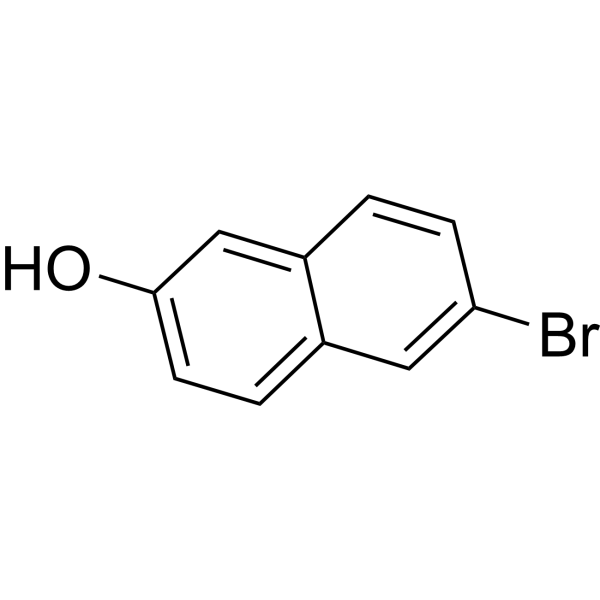
6-Bromo-2-naphthol is an RTP (real-time polymerase chain reaction) probe that forms a 1:1 or 2:1 complex with β-cyclodextrin (β-CD). 6-Bromo-2-naphthol is capable of real-time monitoring of PCR reactions and quantification of specific nucleic acid sequences. RTP probes are a class of small DNA or RNA sequences labeled with fluorescent dyes and quencher molecules, which can be widely used in gene expression analysis, SNP genotyping, and pathogen detection. 6-Bromo-2-naphthol embeds into the cyclodextrin cavity through hydrophobic interactions, inhibits the oxygen quenching effect, and emits a phosphorescent signal at room temperature. 6-Bromo-2-naphthol can also be used as an intermediate for the synthesis of antibacterial azo dyes, and its derivatives show antibacterial activity against Staphylococcus aureus, Escherichia coli and other bacteria .
|
-
-
- HY-146127
-
|
|
MEK
|
Cancer
|
|
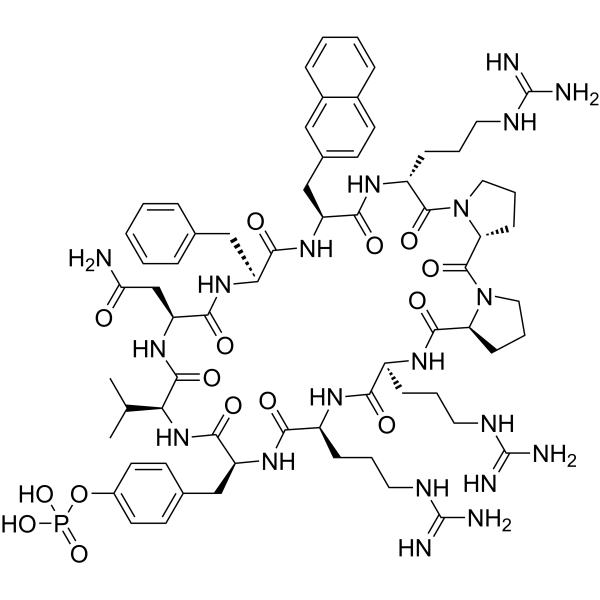
Grb2 SH2 domain inhibitor 1 is an inhibitor of the Grb2 SH2 domain with an IC50 of 0.40 μM. Grb2 SH2 domain inhibitor 1 is also a cell-permeable cyclic peptide that can enter the cytosol of mammalian cells. Grb2 SH2 domain inhibitor 1 downregulates the expression level of p-MEK. Grb2 SH2 domain inhibitor 1 can be used in the research of breast cancer .
|
-
-
- HY-P10719A
-
|
|
MyD88
|
Infection
Inflammation/Immunology
|
|
Pepinh-MYD TFA is a MyD88 inhibitor that contains a domain sequence from MyD88 TIR and a protein transduction sequence, enabling it to penetrate the cell membrane. Pepinh-MYD TFA interferes with MyD88-mediated TLR signaling pathways, thereby inhibiting related immune responses. Pepinh-MYD TFA holds potential for studying the role of MyD88 in viral infections .
|
-
-
- HY-P10436
-
|
|
Raf
|
Cancer
|
|
Braftide is an allosteric inhibitor for BRAF kinase by targeting the dimer interface of BRAF kinase and inhibiting the formation of BRAF dimers. Braftide inhibits wild-type BRAF and oncogenic BRAF G469A with IC50 of 364 nM and 172 nM, respectively. Braftide inhibits MAPK signaling pathway, inhibits proliferation of KRAS mutant tumor cells (EC50 is 7.1 and 6.6 μM, for HCT116 and HCT-15), in combination of TAT sequence. Braftide can be used for cancer research .
|
-
-
- HY-P11208C
-
|
|
GABA Receptor
|
Inflammation/Immunology
|
|
mNLS-CPP-WSTF TFA is the trifluoroacetate salt of mNLS-CPP-WSTF (HY-P11208). mNLS-CPP-WSTF is a nuclear localization signal (NLS)-cell-penetrating peptide based on the mouse WSTF sequence. mNLS-CPP-WSTF significantly inhibits the GABARAP-WSTF interaction, WSTF degradation and inflammatory gene expression. mNLS-CPP-WSTF effectively attenuates chronic inflammation, liver fibrosis and cartilage damage in metabolic-dysfunction-associated steatohepatitis (MASH) and osteoarthritis (OA) mice model. mNLS-CPP-WSTF is promising for research of chronic inflammatory diseases such as MASH and OA .
|
-
-
- HY-P990269
-
|
|
TNF Receptor
|
Inflammation/Immunology
Cancer
|
|
Anti-Mouse CD40L/CD154 (LALA-PG) Antibody (MR-1) is a mouse-derived IgG2a κ type antibody inhibitor, targeting to mouse CD40L/CD154. Anti-Mouse CD40L/CD154 (LALA-PG) Antibody (MR-1) is a chimeric version of the original MR-1 antibody (HY-P990134). The variable domain sequences are identical to the original MR-1 but the constant region sequences have been switched from Armenian hamster IgG to mouse IgG2a. Anti-Mouse CD40L/CD154 (LALA-PG) Antibody (MR-1) contains a LALA-PG mutation in the Fc fragment rendering it unable to bind to endogenous Fcγ receptors. Anti-Mouse CD40L/CD154 (LALA-PG) Antibody (MR-1) blocks CD40/CD40L signaling. Anti-Mouse CD40L/CD154 (LALA-PG) Antibody (MR-1) can be used for researches of cancer, inflammation and immunology.
|
-
-
- HY-P11213
-
|
|
Fluorescent Dye
|
Metabolic Disease
Cancer
|
|
Ac-RYQK(Ac)-AMC (Compound S5) is a fluorescent substrate for SITR6, that is based on the H3 sequence. Ac-RYQK(Ac)-AMC mimics H3K56 deacetylation site and significantly increases the deacetylation signal with superior signal-to-background ratio. Ac-RYQK(Ac)-AMC can be used for ageing and cancers research .
|
-
-
- HY-P11286
-
|
|
Complement System
|
Cancer
|
|
A7RC is a multifunctional peptide used in tumor-targeted therapy, with Cysteine added to the C-terminal of the A7R peptide (sequence: ATWLPPR). A7R (HY-P1663) is a ligand of the NRP-1 receptor, regulating intracellular signal transduction related to tumor vascularization and tumor growth .
|
-
-
- HY-113918
-
|
|
PTHR
|
Metabolic Disease
|
|
SW-106 is a parathyroid hormone receptor 1 (PTHR1) antagonist. SW106 antagonizes PTHR1-mediated cAMP signaling induced by the peptide analog, M-PTH (1-11), as well as by the native PTH (1-9) sequence, as tethered to the extracellular end of transmembrane domain (TMD) helix-1 of the receptor. SW-106 can be used for the research of metabolic disease .
|
-
-
- HY-P11208
-
|
|
GABA Receptor
|
Inflammation/Immunology
|
|
mNLS-CPP-WSTF is a nuclear localization signal (NLS)-cell-penetrating peptide based on the mouse WSTF sequence. mNLS-CPP-WSTF significantly inhibits the GABARAP-WSTF interaction, WSTF degradation and inflammatory gene expression. mNLS-CPP-WSTF effectively attenuates chronic inflammation, liver fibrosis and cartilage damage in metabolic-dysfunction-associated steatohepatitis (MASH) and osteoarthritis (OA) mice model. mNLS-CPP-WSTF is promising for research of chronic inflammatory diseases such as MASH and OA .
|
-
-
- HY-150729A
-
|
|
Toll-like Receptor (TLR)
|
Inflammation/Immunology
|
|
ODN 1982 sodium is a unmethylated oligodeoxyribonucleotide (ODN) with no CpG motif, and can be used to prepare DNA vaccines. ODN 1982 sodium inhibits R-848 signaling. ODN 1982 sequence: 5’-tccaggacttctctcaggtt-3’ .
|
-
-
- HY-P991602
-
|
TZLS-501
|
Interleukin Related
|
Cancer
|
|
NI-1201 is a monoclonal antibody that targets, in the human IL-6R sequence, the epitope recognized by 25F10 for mice. NI-1201 inhibits both IL-6 cis- and trans-signaling. NI-1201 targets site IIb of hIL-6R. NI-1201 inhibits gp130 binding to IL-6R .
|
-
-
- HY-174499
-
|
|
mRNA
|
Others
|
|
Cas9 Nickase D10A mRNA expresses a version of the Streptococcus pyogenes SF370 Cas9 protein (CRISPR Associated Protein 9) that contains a D10A amino acid substitution. This mRNA also contains a C-terminal nuclear localization signal followed by a HA tag.Cas9 functions as part of the CRISPR (clustered regularly interspaced short palindromic repeats) genome editing system. In the CRISPR system, an RNA guide sequence targets the site of interest and the Cas9 protein is employed to perform the DNA cleavage. While wild-type Cas9 creates a double-stranded break at the target site, Cas9 nickase creates a single-stranded break. This favors homology-directed repair and decreases the occurrence of non-homologous end joining.
|
-
-
- HY-150729
-
|
|
Toll-like Receptor (TLR)
|
Inflammation/Immunology
|
|
ODN 1982 is a unmethylated oligodeoxyribonucleotide (ODN) with no CpG motif, can be used to prepare DNA vaccines. ODN 1982 inhibits R-848 signaling. ODN 1982 sequence: 5’-tccaggacttctctcaggtt-3’ .
|
-
-
- HY-P2380
-
|
TFRGAP
|
Protease Activated Receptor (PAR)
|
Inflammation/Immunology
|
|
PAR3 (1-6) is a synthetic peptide agonist of proteinase-activated receptor 1 (PAR1) that corresponds to residues 1-6 of the amino terminal tethered ligand sequence of human PAR3 and residues 39-44 of the full-length human sequence. PAR3 (1-6) activates p42/44 MAPK signaling in fibroblasts expressing PAR1, but not PAR3, an effect that can be blocked by the PAR1 antagonist RWJ 56110.
|
-
-
- HY-P2019
-
|
|
Neuropeptide Y Receptor
|
Neurological Disease
|
|
Levitide is a neurohormone-like peptide, can be isolated from skin secretions of the South African frog Xenopus laevis. Levitide comes from preprolevitide, is 88 residues long and contains contains the levitide peptide at the C terminus (Glu-Gly-Met-Ile-Gly-Thr-Leu-Thr-Ser-Lys-Arg-Ile-Lys-Gln-NH2) and the putative signal sequence at the N terminus .
|
-
-
- HY-P990270
-
|
|
TNF Receptor
|
Inflammation/Immunology
Cancer
|
|
Anti-Mouse CD40L/CD154 (D265A) Antibody (MR-1) is a mouse-derived IgG1 κ type antibody inhibitor, targeting to mouse CD40L/CD154. Anti-Mouse CD40L/CD154 (D265A) Antibody (MR-1) is a chimeric version of the original MR-1 antibody (HY-P990134). The variable domain sequences are identical to the original MR-1 but the constant region sequences have been switched from Armenian hamster IgG to mouse IgG1. Anti-Mouse CD40L/CD154 (D265A) Antibody (MR-1) contains a D265A mutation in the Fc fragment rendering it unable to bind to endogenous Fcγ receptors. Anti-Mouse CD40L/CD154 (D265A) Antibody (MR-1) blocks CD40/CD40L signaling. Anti-Mouse CD40L/CD154 (D265A) Antibody (MR-1) can be used for researches of cancer, inflammation and immunology.
|
-
-
- HY-P3987A
-
|
|
Sec61
|
Cancer
|
|
Cotransin TFA is a cyclic ester peptide and a Sec61 translocator binder with signal sequence-selective activity to inhibit co-translational protein translocation. Cotransin TFA inhibits the biogenesis of a subset of secretory and membrane proteins in a signal peptide-dependent manner. Cotransin TFA is applicable for cancer-related research .
|
-
-
- HY-D3170
-
|
|
Fluorescent Dye
γ-Glutamyl Transferase (GGT)
|
Inflammation/Immunology
|
|
C-HBrO-GGT is a sequence-activated two-photon fluorescent probe. C-HBrO-GGT exhibits sequential fluorescence activation properties: it generates fluorescence in response to hypobromous acid only after being hydrolytically activated by γ-glutamyl transpeptidase. C-HBrO-GGT enables verification of the voltage-gated chloride channel (CLC-1)-HBrO-catalase (CAT)-GGT signaling pathway at the cellular level. C-HBrO-GGT can serve as a tool to indicate the precise location of mature atherosclerotic plaques and provide early warning of plaque formation. C-HBrO-GGT is applicable to relevant research on atherosclerosis .
|
-
-
- HY-P11698
-
|
|
DNA Alkylator/Crosslinker
Transthyretin (TTR)
|
Cancer
|
Guanidino-G-Clamp-PNA is a highly efficient sequence-specific RNA binder and gene silencer. Guanidino-G-Clamp-PNA precisely targets such targets as miR-155 or transthyretin (TTR) mRNA through base pairing: the former regulates tumor-related signaling pathways by reducing microRNA activity, while the latter inhibits the translation of harmful proteins via steric hindrance. Guanidino-G-Clamp-PNA effectively stabilizes DNA/RNA duplexes, induces cancer cell apoptosis, and suppresses tumor growth. In addition, Guanidino-G-Clamp-PNA can be conjugated with targeting ligands to improve tissue-specific delivery and reduce in vivo adverse reactions, and it can also enhance the splicing regulation efficacy of other oligonucleotide platforms (such as PMO) when integrated into them. Guanidino-G-Clamp-PNA is applicable to the research of various diseases including diffuse large B-cell lymphoma and hereditary transthyretin-related amyloidosis .
|
-
| Cat. No. |
Product Name |
Type |
-
- HY-D3170
-
|
|
Fluorescent Dye
|
|
C-HBrO-GGT is a sequence-activated two-photon fluorescent probe. C-HBrO-GGT exhibits sequential fluorescence activation properties: it generates fluorescence in response to hypobromous acid only after being hydrolytically activated by γ-glutamyl transpeptidase. C-HBrO-GGT enables verification of the voltage-gated chloride channel (CLC-1)-HBrO-catalase (CAT)-GGT signaling pathway at the cellular level. C-HBrO-GGT can serve as a tool to indicate the precise location of mature atherosclerotic plaques and provide early warning of plaque formation. C-HBrO-GGT is applicable to relevant research on atherosclerosis .
|
| Cat. No. |
Product Name |
Type |
-
- HY-NP008
-
|
|
Biochemical Assay Reagents
|
|
β-Lactoglobulin, a major whey protein, is a small globular protein from the lipocalin family. β-Lactoglobulin is an important source of the essential and branched-chain amino acids (leucine, isoleucine, and valine). β-Lactoglobulin shows antioxidant properties, because it contains two disulfide bonds and one free thiol group. β-Lactoglobulin is a ligand transport agent. β-Lactoglobulin is one of the major allergens in milk and can be utilized in the research for developing safe hypoallergenic dairy products .
|
-
- HY-W001952
-
|
|
Biochemical Assay Reagents
|
|
6-Bromo-2-naphthol is an RTP (real-time polymerase chain reaction) probe that forms a 1:1 or 2:1 complex with β-cyclodextrin (β-CD). 6-Bromo-2-naphthol is capable of real-time monitoring of PCR reactions and quantification of specific nucleic acid sequences. RTP probes are a class of small DNA or RNA sequences labeled with fluorescent dyes and quencher molecules, which can be widely used in gene expression analysis, SNP genotyping, and pathogen detection. 6-Bromo-2-naphthol embeds into the cyclodextrin cavity through hydrophobic interactions, inhibits the oxygen quenching effect, and emits a phosphorescent signal at room temperature. 6-Bromo-2-naphthol can also be used as an intermediate for the synthesis of antibacterial azo dyes, and its derivatives show antibacterial activity against Staphylococcus aureus, Escherichia coli and other bacteria .
|
| Cat. No. |
Product Name |
Target |
Research Area |
-
- HY-P4076
-
|
|
HIV
DNA Alkylator/Crosslinker
|
Infection
|
|
MPG peptides, Pβ is an amphipathic cell-penetrating peptide. MPG peptides, Pβ consists of three components: the hydrophobic fusion sequence (GALFLGFLGAAGSTMGA) of HIV glycoprotein 41, a spacer domain (WSQP), and the nuclear localization signal (KKKRKV) of the large T antigen of Simian virus 40. MPG peptides, Pβ can form stable non-covalent complexes with nucleic acids (including DNA) through electrostatic interactions and improve their intracellular delivery. MPG peptides, Pβ can be used in studies of HIV-1-related immune responses .
|
-
- HY-P11328
-
|
|
Integrin
|
Others
|
|
GFOGER peptide is an artificially synthesized collagen-mimetic sequence. GFOGER peptide acts as a ligand for α2β1, α11β1 and α1β1 integrins, thereby supporting integrin-mediated cell adhesion to collagen. GFOGER peptide triggers signaling pathways mediated by the α2β1 integrin receptor and upregulates osteoblast differentiation. GFOGER peptide accelerates and enhances bone formation at sites of refractory femoral defects. GFOGER peptide can be passively adsorbed onto polymer scaffolds for cell-free/growth factor-free bone formation. GFOGER peptide is used in biomaterials such as hydrogels and 3D bioinks for tissue engineering research including bone formation .
|
-
- HY-P10719
-
|
|
MyD88
|
Infection
Inflammation/Immunology
|
|
Pepinh-MYD is a MyD88 inhibitor that contains a domain sequence from MyD88 TIR and a protein transduction sequence, enabling it to penetrate the cell membrane. Pepinh-MYD interferes with MyD88-mediated TLR signaling pathways, thereby inhibiting related immune responses. It holds potential for studying the role of MyD88 in viral infections .
|
-
- HY-P11212
-
|
|
Fluorescent Dye
|
Metabolic Disease
Cancer
|
|
Ac-RHKK(Ac)-AMC (Compound S1) is a fluorescent substrate for SITR6, that is based on p53 sequence. Ac-RHKK(Ac)-AMC mimics H3K56 deacetylation site and significantly increases the deacetylation signal with low signal-to-background ratio. Ac-RHKK(Ac)-AMC can be used for ageing and cancers research .
|
-
- HY-146127
-
|
|
MEK
|
Cancer
|
|
Grb2 SH2 domain inhibitor 1 is an inhibitor of the Grb2 SH2 domain with an IC50 of 0.40 μM. Grb2 SH2 domain inhibitor 1 is also a cell-permeable cyclic peptide that can enter the cytosol of mammalian cells. Grb2 SH2 domain inhibitor 1 downregulates the expression level of p-MEK. Grb2 SH2 domain inhibitor 1 can be used in the research of breast cancer .
|
-
- HY-P10719A
-
|
|
MyD88
|
Infection
Inflammation/Immunology
|
|
Pepinh-MYD TFA is a MyD88 inhibitor that contains a domain sequence from MyD88 TIR and a protein transduction sequence, enabling it to penetrate the cell membrane. Pepinh-MYD TFA interferes with MyD88-mediated TLR signaling pathways, thereby inhibiting related immune responses. Pepinh-MYD TFA holds potential for studying the role of MyD88 in viral infections .
|
-
- HY-P10436
-
|
|
Raf
|
Cancer
|
|
Braftide is an allosteric inhibitor for BRAF kinase by targeting the dimer interface of BRAF kinase and inhibiting the formation of BRAF dimers. Braftide inhibits wild-type BRAF and oncogenic BRAF G469A with IC50 of 364 nM and 172 nM, respectively. Braftide inhibits MAPK signaling pathway, inhibits proliferation of KRAS mutant tumor cells (EC50 is 7.1 and 6.6 μM, for HCT116 and HCT-15), in combination of TAT sequence. Braftide can be used for cancer research .
|
-
- HY-P11208C
-
|
|
GABA Receptor
|
Inflammation/Immunology
|
|
mNLS-CPP-WSTF TFA is the trifluoroacetate salt of mNLS-CPP-WSTF (HY-P11208). mNLS-CPP-WSTF is a nuclear localization signal (NLS)-cell-penetrating peptide based on the mouse WSTF sequence. mNLS-CPP-WSTF significantly inhibits the GABARAP-WSTF interaction, WSTF degradation and inflammatory gene expression. mNLS-CPP-WSTF effectively attenuates chronic inflammation, liver fibrosis and cartilage damage in metabolic-dysfunction-associated steatohepatitis (MASH) and osteoarthritis (OA) mice model. mNLS-CPP-WSTF is promising for research of chronic inflammatory diseases such as MASH and OA .
|
-
- HY-P11213
-
|
|
Fluorescent Dye
|
Metabolic Disease
Cancer
|
|
Ac-RYQK(Ac)-AMC (Compound S5) is a fluorescent substrate for SITR6, that is based on the H3 sequence. Ac-RYQK(Ac)-AMC mimics H3K56 deacetylation site and significantly increases the deacetylation signal with superior signal-to-background ratio. Ac-RYQK(Ac)-AMC can be used for ageing and cancers research .
|
-
- HY-P11286
-
|
|
Complement System
|
Cancer
|
|
A7RC is a multifunctional peptide used in tumor-targeted therapy, with Cysteine added to the C-terminal of the A7R peptide (sequence: ATWLPPR). A7R (HY-P1663) is a ligand of the NRP-1 receptor, regulating intracellular signal transduction related to tumor vascularization and tumor growth .
|
-
- HY-P11208
-
|
|
GABA Receptor
|
Inflammation/Immunology
|
|
mNLS-CPP-WSTF is a nuclear localization signal (NLS)-cell-penetrating peptide based on the mouse WSTF sequence. mNLS-CPP-WSTF significantly inhibits the GABARAP-WSTF interaction, WSTF degradation and inflammatory gene expression. mNLS-CPP-WSTF effectively attenuates chronic inflammation, liver fibrosis and cartilage damage in metabolic-dysfunction-associated steatohepatitis (MASH) and osteoarthritis (OA) mice model. mNLS-CPP-WSTF is promising for research of chronic inflammatory diseases such as MASH and OA .
|
-
- HY-P4872
-
|
|
Peptides
|
Neurological Disease
|
|
Alarin (human) is a hypothalamic neuropeptide belonging to the galanin family of peptides. Alarin (human) has the signal sequence of the GALP precursor peptide and the first 5 aa of the mature GALP .
|
-
- HY-P2380
-
|
TFRGAP
|
Protease Activated Receptor (PAR)
|
Inflammation/Immunology
|
|
PAR3 (1-6) is a synthetic peptide agonist of proteinase-activated receptor 1 (PAR1) that corresponds to residues 1-6 of the amino terminal tethered ligand sequence of human PAR3 and residues 39-44 of the full-length human sequence. PAR3 (1-6) activates p42/44 MAPK signaling in fibroblasts expressing PAR1, but not PAR3, an effect that can be blocked by the PAR1 antagonist RWJ 56110.
|
-
- HY-P2655
-
|
|
Peptides
|
Others
|
|
Antho-RFamide is a neuropeptide isolated from the sea anemone (Anthopleura elegantissima). Antho-RFamide contains a specific carboxyl-terminal sequence, Arg-Phe-NH2, that plays an important role in neural signaling. Antho-RFamide can be used to study the function of neuropeptides in the nervous system of the simplest animals .
|
-
- HY-P10477
-
|
|
Peptides
|
Cancer
|
|
CT-08 (CT8, Compound 3) is a macrocyclic Sec61 modulator, blocks protein secretion in a signal sequence-dependent manner. CT-08 blocks Sec61-mediated translocation of VCAMss-GLuc into the ER, resulting in a loss of luciferase activity. CT-08 inhibits VCAM expression in transfected cells .
|
-
- HY-P2019
-
|
|
Neuropeptide Y Receptor
|
Neurological Disease
|
|
Levitide is a neurohormone-like peptide, can be isolated from skin secretions of the South African frog Xenopus laevis. Levitide comes from preprolevitide, is 88 residues long and contains contains the levitide peptide at the C terminus (Glu-Gly-Met-Ile-Gly-Thr-Leu-Thr-Ser-Lys-Arg-Ile-Lys-Gln-NH2) and the putative signal sequence at the N terminus .
|
-
- HY-P11231
-
|
FUS(364-369)-TAT
|
Peptides
|
Cancer
|
|
β4-TAT is a kind of β-sheet peptide foldamer. β4-TAT is composed of two parts: the β4 sequence (derived from the β-sheet fragment of the RRM domain of fused in sarcoma (FUS)) and the TAT sequence (a nuclear localization signal peptide that helps the entire peptide penetrate the nuclear membrane). β4-TAT influences FUS aggregation by targeting its RNA recognition motifs (RRM). β4-TAT effectively induces FUS aggregation within cells, leading to the death of cancer cells. β4-TAT can be used for the study of FUS .
|
-
- HY-P3987A
-
|
|
Sec61
|
Cancer
|
|
Cotransin TFA is a cyclic ester peptide and a Sec61 translocator binder with signal sequence-selective activity to inhibit co-translational protein translocation. Cotransin TFA inhibits the biogenesis of a subset of secretory and membrane proteins in a signal peptide-dependent manner. Cotransin TFA is applicable for cancer-related research .
|
-
- HY-P11662
-
|
|
Peptides
|
Cancer
|
|
NLS peptide is a nuclear localization signal peptide, a short amino acid sequence that can be recognized by nuclear transport machinery (such as the Importin protein complex). NLS peptide can directionally transport the molecules or nanoparticles linked to it into the nucleus, and the N-terminal Cys terminus can be used for subsequent coupling. NLS peptide can be used to construct nucleus-specific imaging probes and nucleus-targeted nanoparticles
|
-
- HY-P11698
-
|
|
DNA Alkylator/Crosslinker
Transthyretin (TTR)
|
Cancer
|
Guanidino-G-Clamp-PNA is a highly efficient sequence-specific RNA binder and gene silencer. Guanidino-G-Clamp-PNA precisely targets such targets as miR-155 or transthyretin (TTR) mRNA through base pairing: the former regulates tumor-related signaling pathways by reducing microRNA activity, while the latter inhibits the translation of harmful proteins via steric hindrance. Guanidino-G-Clamp-PNA effectively stabilizes DNA/RNA duplexes, induces cancer cell apoptosis, and suppresses tumor growth. In addition, Guanidino-G-Clamp-PNA can be conjugated with targeting ligands to improve tissue-specific delivery and reduce in vivo adverse reactions, and it can also enhance the splicing regulation efficacy of other oligonucleotide platforms (such as PMO) when integrated into them. Guanidino-G-Clamp-PNA is applicable to the research of various diseases including diffuse large B-cell lymphoma and hereditary transthyretin-related amyloidosis .
|
| Cat. No. |
Product Name |
Target |
Research Area |
Image |
-
- HY-P99145A
-
|
|
PD-1/PD-L1
|
Cancer
|
|
Anti-Mouse PD-L1/B7-H1 Antibody (10F.9G2-Mouse IgG1) is a recombinant chimeric version of the original 10F.9G2 antibody (HY-P99145). The variable domain sequences are identical to the original 10F.9G2 but the constant region sequences have been switched from rat IgG2b to mouse IgG1. Anti-Mouse PD-L1/B7-H1 Antibody (10F.9G2-Mouse IgG1) contains no Fc mutations just as the original rat IgG2b antibody does not. Anti-Mouse PD-L1/B7-H1 Antibody (10F.9G2-Mouse IgG1) blocks PD-1 signaling. Anti-Mouse PD-L1/B7-H1 Antibody (10F.9G2-Mouse IgG1) can be used for the research of cancer.
|
-
(5)
-
- HY-P990172
-
|
|
PD-1/PD-L1
|
Cancer
|
|
Anti-Mouse PD-L1/B7-H1 (D265A) Antibody (10F.9G2) is a recombinant chimeric version of the original 10F.9G2 antibody (HY-P99145). The variable domain sequences are identical to the original 10F.9G2 but the constant region sequences have been switched from rat IgG2b to mouse IgG1. Anti-Mouse PD-L1/B7-H1 (D265A) Antibody (10F.9G2) contains a D265A mutation in the Fc fragment rendering it unable to bind to endogenous Fcγ receptors. Anti-Mouse PD-L1/B7-H1 (D265A) Antibody (10F.9G2) blocks PD-1 signaling. Anti-Mouse PD-L1/B7-H1 (D265A) Antibody (10F.9G2) can be used for the research of cancer.
|
-
(5)
-
- HY-P990171
-
|
|
PD-1/PD-L1
|
Cancer
|
|
Anti-Mouse PD-L1/B7-H1 (LALA-PG) Antibody (10F.9G2) is a recombinant chimeric version of the original 10F.9G2 antibody (HY-P99145). The variable domain sequences are identical to the original 10F.9G2 but the constant region sequences have been switched from rat IgG2b to mouse IgG2a. Anti-Mouse PD-L1/B7-H1 (LALA-PG) Antibody (10F.9G2) contains a LALA-PG mutation in the Fc fragment rendering it unable to bind to endogenous Fcγ receptors. Anti-Mouse PD-L1/B7-H1 (LALA-PG) Antibody (10F.9G2) blocks PD-1 signaling. Anti-Mouse PD-L1/B7-H1 (LALA-PG) Antibody (10F.9G2) can be used for the research of cancer.
|
-
(5)
-
- HY-P990269
-
|
|
TNF Receptor
|
Inflammation/Immunology
Cancer
|
|
Anti-Mouse CD40L/CD154 (LALA-PG) Antibody (MR-1) is a mouse-derived IgG2a κ type antibody inhibitor, targeting to mouse CD40L/CD154. Anti-Mouse CD40L/CD154 (LALA-PG) Antibody (MR-1) is a chimeric version of the original MR-1 antibody (HY-P990134). The variable domain sequences are identical to the original MR-1 but the constant region sequences have been switched from Armenian hamster IgG to mouse IgG2a. Anti-Mouse CD40L/CD154 (LALA-PG) Antibody (MR-1) contains a LALA-PG mutation in the Fc fragment rendering it unable to bind to endogenous Fcγ receptors. Anti-Mouse CD40L/CD154 (LALA-PG) Antibody (MR-1) blocks CD40/CD40L signaling. Anti-Mouse CD40L/CD154 (LALA-PG) Antibody (MR-1) can be used for researches of cancer, inflammation and immunology.
|
-
(5)
-
- HY-P991602
-
|
TZLS-501
|
Interleukin Related
|
Cancer
|
|
NI-1201 is a monoclonal antibody that targets, in the human IL-6R sequence, the epitope recognized by 25F10 for mice. NI-1201 inhibits both IL-6 cis- and trans-signaling. NI-1201 targets site IIb of hIL-6R. NI-1201 inhibits gp130 binding to IL-6R .
|
-
(5)
-
- HY-P990270
-
|
|
TNF Receptor
|
Inflammation/Immunology
Cancer
|
|
Anti-Mouse CD40L/CD154 (D265A) Antibody (MR-1) is a mouse-derived IgG1 κ type antibody inhibitor, targeting to mouse CD40L/CD154. Anti-Mouse CD40L/CD154 (D265A) Antibody (MR-1) is a chimeric version of the original MR-1 antibody (HY-P990134). The variable domain sequences are identical to the original MR-1 but the constant region sequences have been switched from Armenian hamster IgG to mouse IgG1. Anti-Mouse CD40L/CD154 (D265A) Antibody (MR-1) contains a D265A mutation in the Fc fragment rendering it unable to bind to endogenous Fcγ receptors. Anti-Mouse CD40L/CD154 (D265A) Antibody (MR-1) blocks CD40/CD40L signaling. Anti-Mouse CD40L/CD154 (D265A) Antibody (MR-1) can be used for researches of cancer, inflammation and immunology.
|
-
(5)
| Cat. No. |
Product Name |
|
Classification |
-
- HY-150729A
-
|
|
|
CpG ODNs
|
|
ODN 1982 sodium is a unmethylated oligodeoxyribonucleotide (ODN) with no CpG motif, and can be used to prepare DNA vaccines. ODN 1982 sodium inhibits R-848 signaling. ODN 1982 sequence: 5’-tccaggacttctctcaggtt-3’ .
|
-
- HY-174499
-
|
|
|
mRNA
Gene Editing
|
|
Cas9 Nickase D10A mRNA expresses a version of the Streptococcus pyogenes SF370 Cas9 protein (CRISPR Associated Protein 9) that contains a D10A amino acid substitution. This mRNA also contains a C-terminal nuclear localization signal followed by a HA tag.Cas9 functions as part of the CRISPR (clustered regularly interspaced short palindromic repeats) genome editing system. In the CRISPR system, an RNA guide sequence targets the site of interest and the Cas9 protein is employed to perform the DNA cleavage. While wild-type Cas9 creates a double-stranded break at the target site, Cas9 nickase creates a single-stranded break. This favors homology-directed repair and decreases the occurrence of non-homologous end joining.
|
-
- HY-150729
-
|
|
|
CpG ODNs
|
|
ODN 1982 is a unmethylated oligodeoxyribonucleotide (ODN) with no CpG motif, can be used to prepare DNA vaccines. ODN 1982 inhibits R-848 signaling. ODN 1982 sequence: 5’-tccaggacttctctcaggtt-3’ .
|
Your information is safe with us. * Required Fields.
Inquiry Information
- Product Name:
- Cat. No.:
- Quantity:
- MCE Japan Authorized Agent:

