1. Search Result
Search Result
Results for "

streptococci

" in MedChemExpress (MCE) Product Catalog:

53

Inhibitors & Agonists

1

Biochemical Assay Reagents

1

Peptides

8

Natural
Products

7

Isotope-Labeled Compounds

Cat. No. Product Name Target Research Areas Chemical Structure
  • HY-W016562
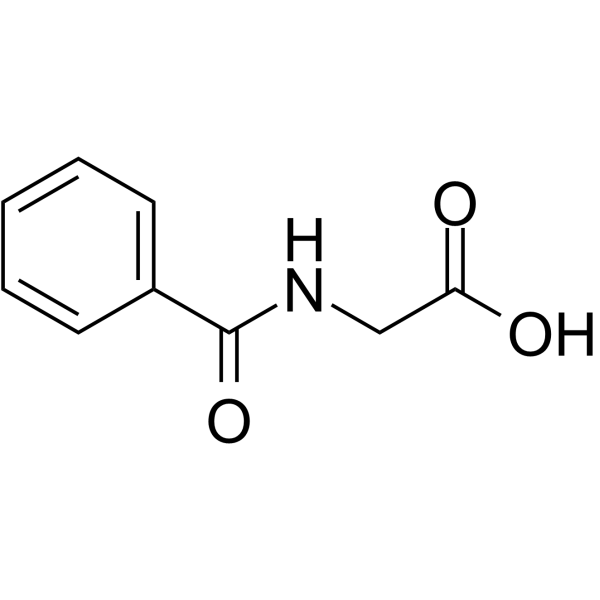
    Hippuric acid
    1 Publications Verification

    Benzoylglycine

    Endogenous Metabolite Keap1-Nrf2 MMP Reactive Oxygen Species (ROS) TGF-beta/Smad Cardiovascular Disease Metabolic Disease Inflammation/Immunology
    Hippuric Acid is an orally active metabolite. Hippuric Acid can be produced by intestinal microorganisms from the metabolism of polyphenols, benzoic acid. Hippuric Acid decreases NRF2, MMP9 and leads to ROS accumulation. Hippuric Acid activates TGFβ/SMAD signaling. Hippuric Acid improves hyperuricemia and colitis. Hippuric Acid can also be used in cardiovascular disease research . .
    Hippuric acid
  • HY-B0975

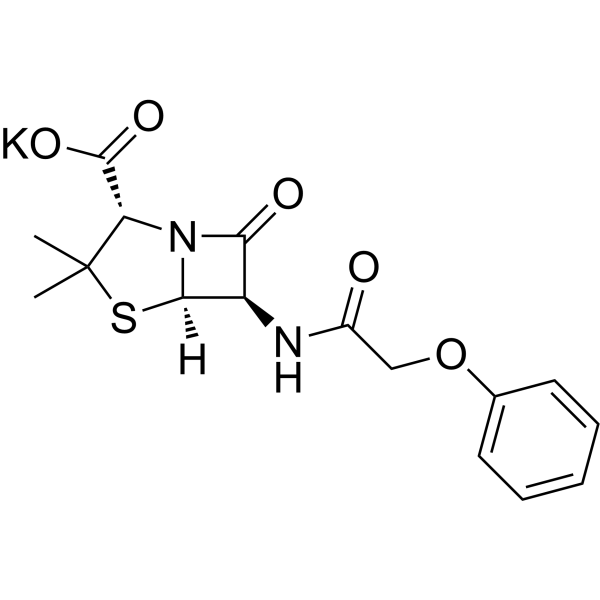
    Phenoxymethylpenicillin potassium salt

    Bacterial Antibiotic Infection
    Penicillin V Potassium (Phenoxymethylpenicillin potassium salt) is an orally active antibiotic. Penicillin V Potassium inhibits the growth of Streptococci, C. difficile and S. aureus. Penicillin V Potassium can be used for the research of otitis, sinusitis, pharyngitis and tonsillitis .
    Penicillin V Potassium
  • HY-112579
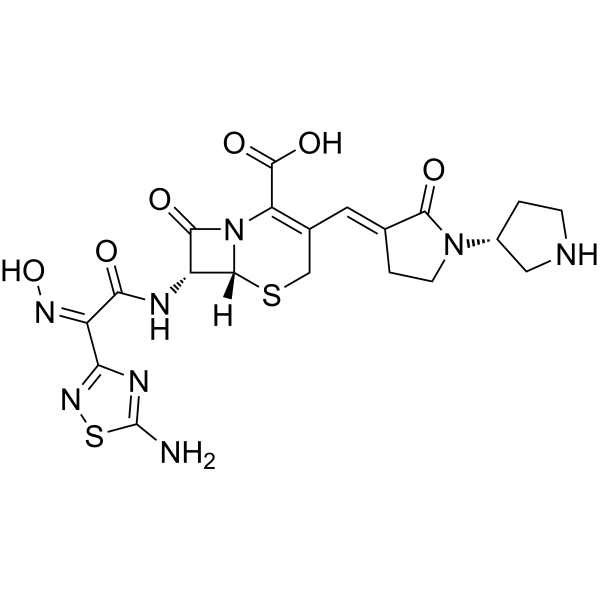
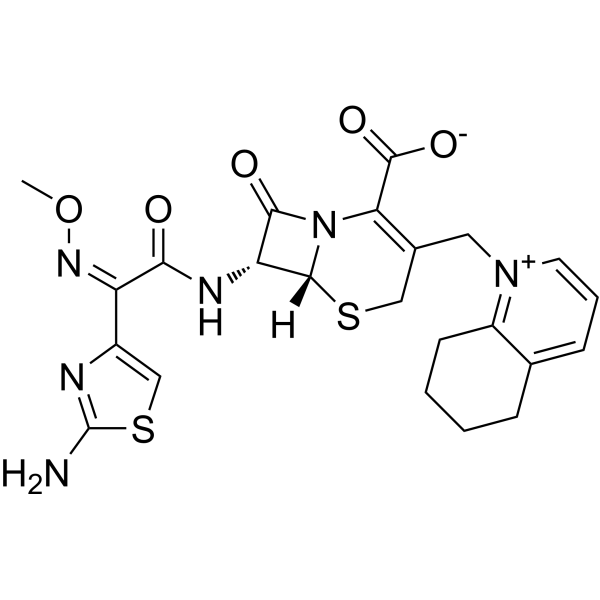
    Ceftobiprole
    3 Publications Verification

    Ro 63-9141; BAL 9141

    Bacterial Antibiotic Infection Inflammation/Immunology
    Ceftobiprole (Ro 63-9141) is a broad-spectrum cephalosporin with high levels of in vitro activity against methicillin- (MRSA) and vancomycin-resistant staphylococci (VRSA) and penicillin-resistant streptococci with a MIC90 value of 2 μg/mL for MRSA. Ceftobiprole also inhibits gram-positive and gram-negative pathogens. Ceftobiprole can be used for the study of hospital-acquired pneumonia (excluding ventilator-associated pneumonia) and community-acquired pneumonia .
    Ceftobiprole
  • HY-B0975A

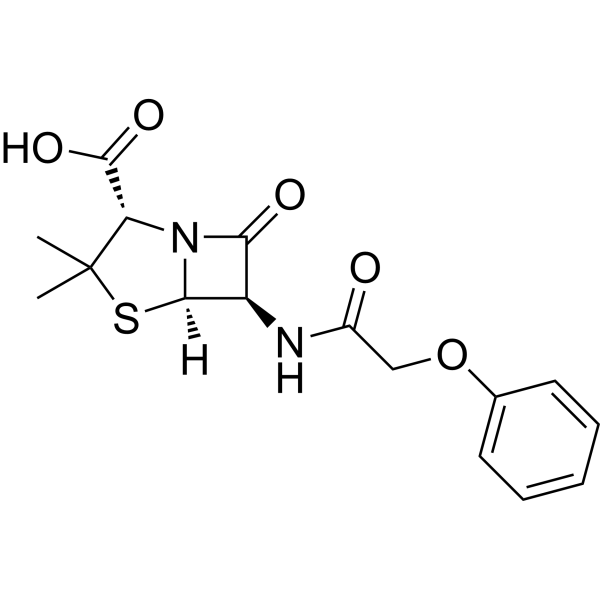
    Phenoxymethylpenicillin

    Antibiotic Bacterial Infection
    Penicillin V (Phenoxymethylpenicillin) is a potent and orally active antibiotic. Penicillin V shows antibacterial activity for Streptococci, Clostridium difficile and staphylococcus aureus. Penicillin V has the potential for the research of otitis, sinusitis, pharyngitis and tonsillitis .
    Penicillin V
  • HY-B1050

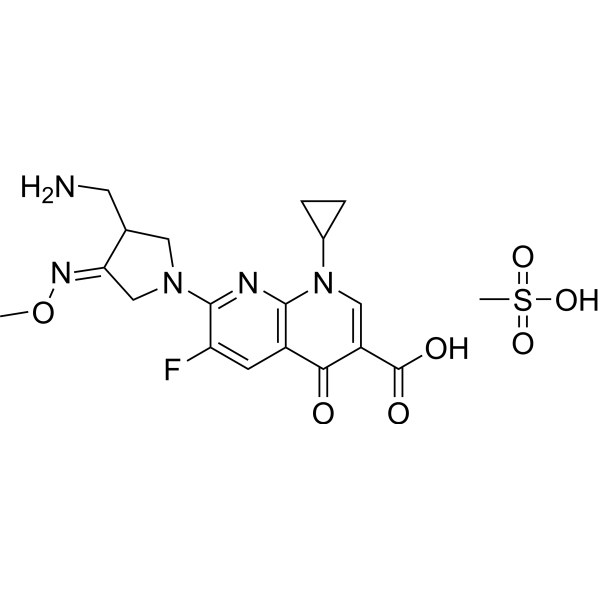
    SB-265805S; LB-20304a

    Bacterial Antibiotic DNA/RNA Synthesis Topoisomerase Infection
    Gemifloxacin mesylate (SB-265805S; LB-20304a) is an orally active broad-spectrum quinolone antibacterial antibiotic. Gemifloxacin mesylate inhibits DNA synthesis by inhibiting DNA gyrase and Topoisomerase IV activities. Gemifloxacin mesylate has potent antibacterial activities against gram-positive bacteria in vitro efficacy study, particularly Streptococci and Staphylococci. Gemifloxacin mesylate has been used in the research of respiratory tract infections .
    Gemifloxacin mesylate
  • HY-106574A

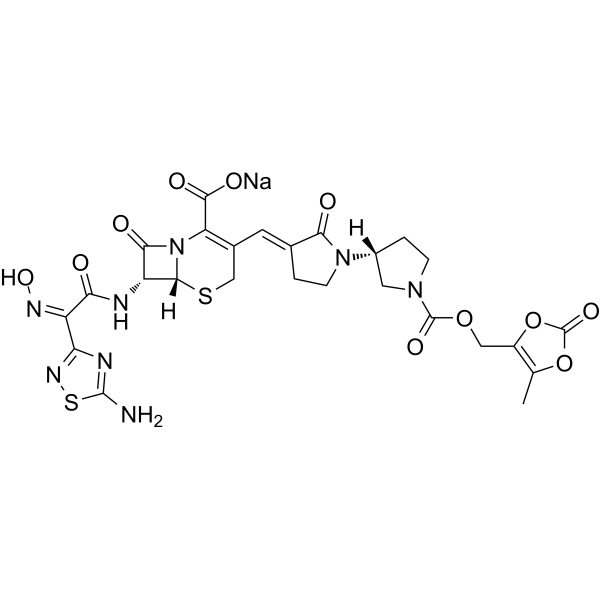
    BAL5788 sodium

    Bacterial Infection Inflammation/Immunology
    Ceftobiprole medocaril (BAL5788) sodium is the parenteral proagent of Ceftobiprole (HY-112579). Ceftobiprole is a parenteral pyrrolidinone cephalosporin. Ceftobiprole is a broad-spectrum cephalosporin with high levels of in vitro activity against methicillin- (MRSA) and vancomycin-resistant staphylococci (VRSA) and penicillin-resistant streptococci. Ceftobiprole also inhibits gram-positive and gram-negative pathogens .
    Ceftobiprole medocaril sodium
  • HY-B1407
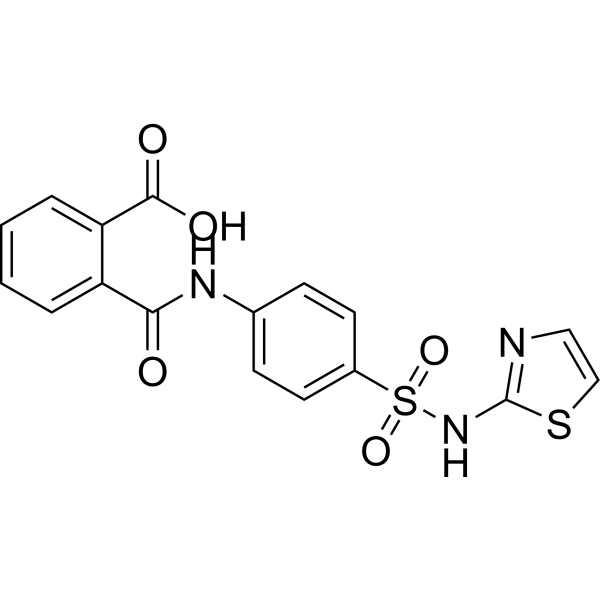
    Phthalylsulfathiazole
    2 Publications Verification

    N4-Phthalylsulfathiazole

    Antibiotic Bacterial Infection
    Phthalylsulfathiazole (N4-Phthalylsulfathiazole) is an orally active sulfonamide intestinal antibacterial agent. Phthalylsulfathiazole has low toxicity and excellent bacteriostatic efficacy. Phthalylsulfathiazole inhibits E. coli, streptococci, staphylococci, and total fecal bacteria. Phthalylsulfathiazole can be used in research related to intestinal infections such as colon infection, bacillary dysentery, and ulcerative colitis .
    Phthalylsulfathiazole
  • HY-B1297

    Antibiotic Bacterial Infection
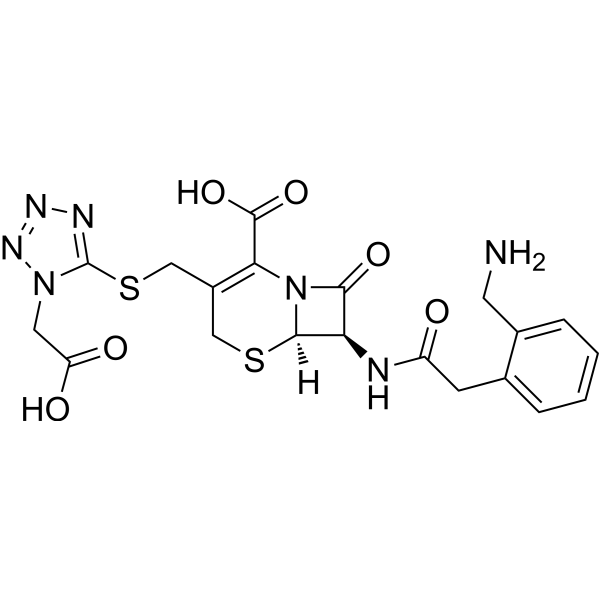
    Ceforanide is a semisynthetic parental cephalosporin antibiotic, derived from 7-aminocephalosporanic acid. Ceforanide has antibacterial activity and is a potent inhibitor of most species of streptococci, excluding enterococci .
    Ceforanide
  • HY-N6665

    Antibiotic Bacterial Infection
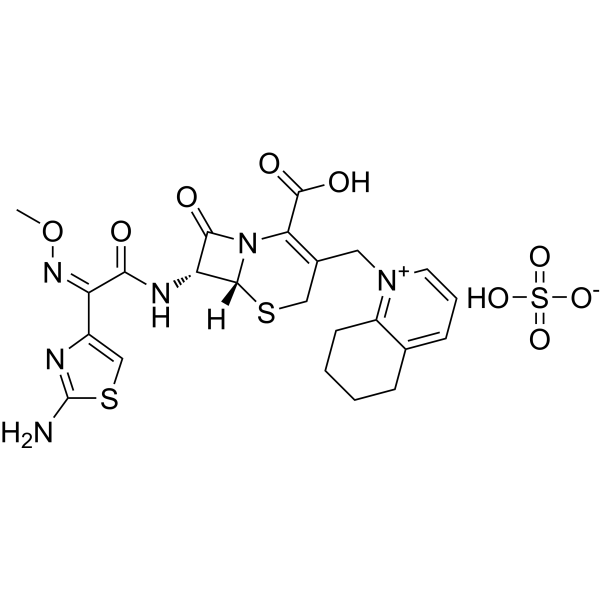
    Cefquinome sulfate is a broad-spectrum cephem antibiotic that has inhibitory effects on a variety of Gram-positive and Gram-negative bacteria, including Staphylococci, Streptococci, Pseudomonas, and Enterobacteriaceae .
    Cefquinome sulfate
  • HY-N7101

    U-76,252; CS-807

    Bacterial Antibiotic Penicillin-binding protein (PBP) Infection
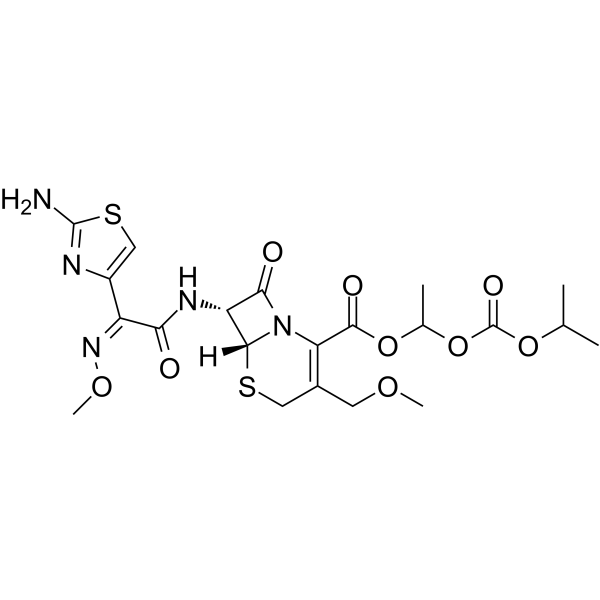
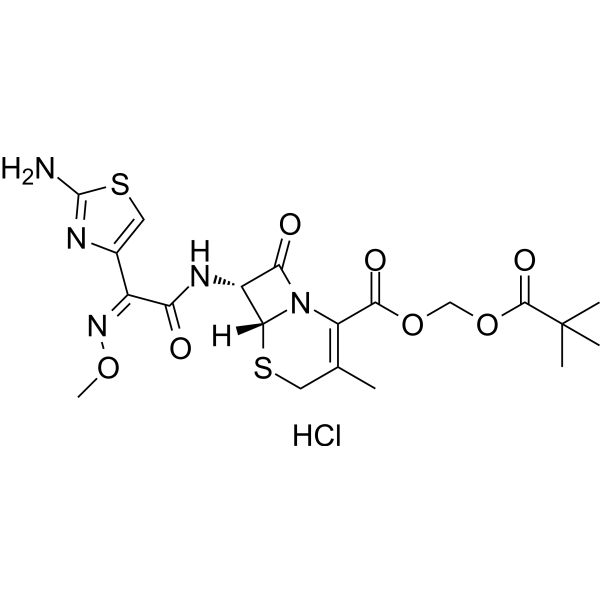
    Cefpodoxime Proxetil is an orally active broad spectrum third-generation cephalosporin with potent antibacterial activity against both Gram-positive and Gram-negative bacteria including staphylococci, streptococci, Haemophilus influenzae, Neisseria gonorrhoeae, Escherichia coli, Klebsiella pnuemoniae, Citrobacter spp, and Proteus spp. Cefpodoxime Proxetil binds to penicillin binding proteins (PBPs), which inhibits peptidoglycan synthesis, finally results in interfering bacterial cell wall biosynthesis. Cefpodoxime Proxetil can be used against skin structure infections, acute otitis media, pharyngitis, tonsillitis, upper respiratory tract infection, urinary tract infections and sexually transmitted diseases .
    Cefpodoxime Proxetil
  • HY-Y0191

    2-Pyridone

    Endogenous Metabolite Bacterial Infection
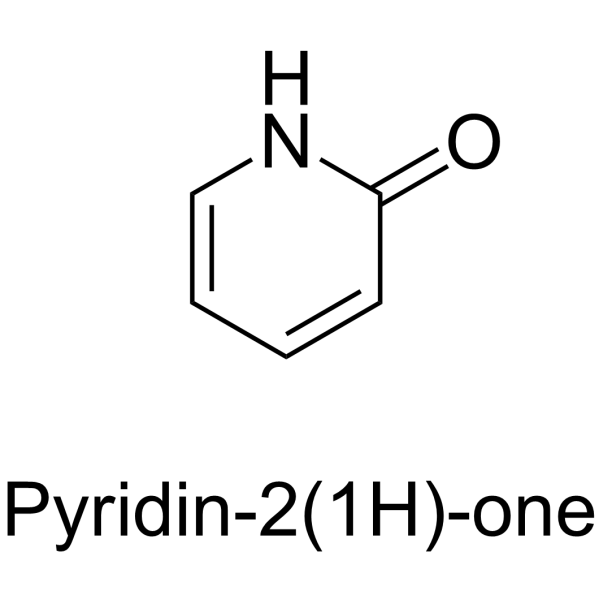
    α-Pyridone (2-Pyridone) is an antibacterial agent that plays an important role in the field of biochemical research. α-Pyridone can serve as a scaffold compound to synthesize a variety of active compounds .
    α-Pyridone
  • HY-14956
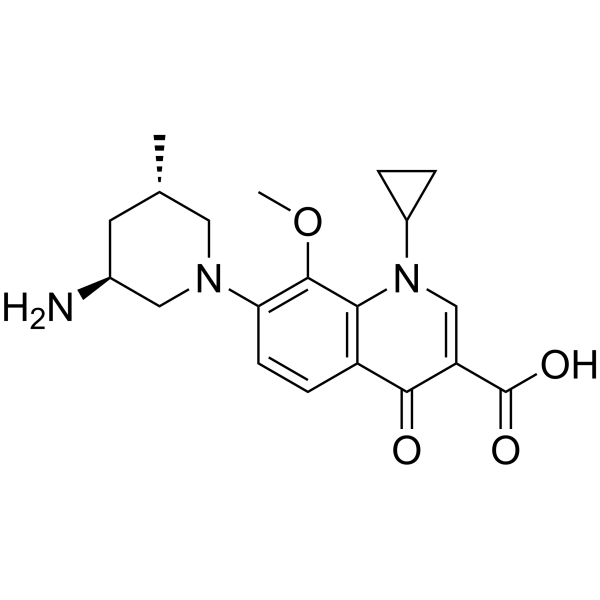
    Nemonoxacin
    1 Publications Verification

    TG-873870

    Antibiotic Bacterial Infection Inflammation/Immunology
    Nemonoxacin (TG-873870) is an orally active and potent broad-spectrum antibiotic. Nemonoxacin shows good inhibitory activity against different species of staphylococci, streptococci, and enterococci, Neisseria gonorrhoeae, and Haemophilus influenza. Nemonoxacin can be used in the study of bacterial infections and community-acquired pneumonia .
    Nemonoxacin
  • HY-W014841
    Sodium hippurate, 98%
    1 Publications Verification

    N-Benzoylglycine sodium, 98%

    Keap1-Nrf2 Reactive Oxygen Species (ROS) MMP TGF-beta/Smad Endogenous Metabolite Cardiovascular Disease Metabolic Disease Inflammation/Immunology
    Sodium hippurate, 98% is an orally active metabolite. Sodium hippurate, 98% can be produced by intestinal microorganisms from the metabolism of polyphenols, benzoic acid. Sodium hippurate, 98% decreases NRF2, MMP9 and leads to ROS accumulation. Sodium hippurate, 98% activates TGFβ/SMAD signaling. Sodium hippurate, 98% improves hyperuricemia and colitis. Sodium hippurate, 98% can also be used in cardiovascular disease research . .
    Sodium hippurate, 98%
  • HY-N6665A

    Antibiotic Bacterial Infection
    Cefquinome is a broad-spectrum cephem antibiotic that has inhibitory effects on a variety of Gram-positive and Gram-negative bacteria, including Staphylococci, Streptococci, Pseudomonas, and Enterobacteriaceae .
    Cefquinome
  • HY-W002299

    Boc-D-Leu-OH hydrate

    Amino Acid Derivatives Neurological Disease
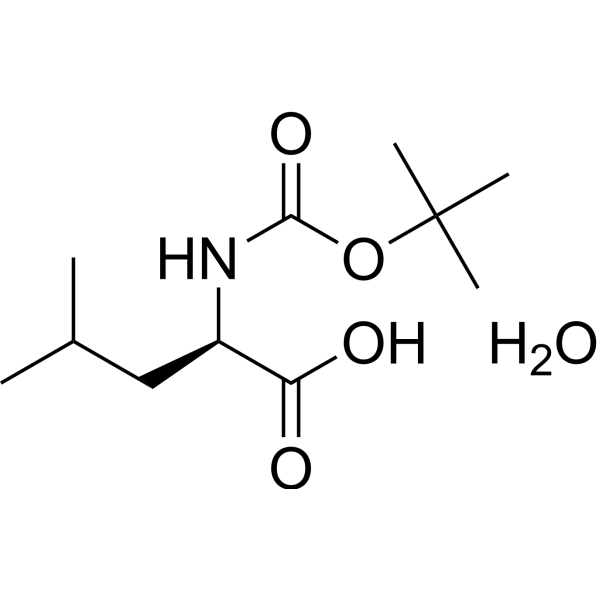
    Boc-D-Leucine monohydrate (Boc-D-Leu-OH hydrate) is an N-Boc-protected form of D-Leucine. D-Leucine is an unnatural isomer of L-Leucine that acts as an auto-inhibitor of lactic streptococci. D-Leucine shows potent anti-seizure effect .
    Boc-D-Leucine monohydrate
  • HY-B0975S1

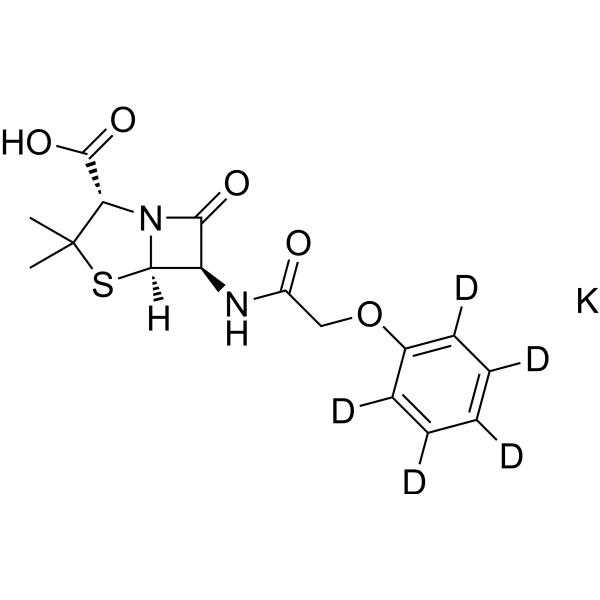
    Phenoxymethylpenicillin-d5 potassium salt

    Bacterial Antibiotic Infection
    Penicillin V-d5 (potassium) is the deuterium labeled Penicillin V Potassium . Penicillin V Potassium (Phenoxymethylpenicillin potassium salt) is an orally active antibiotic. Penicillin V Potassium inhibits the growth of Streptococci, C. difficile and S. aureus. Penicillin V Potassium can be used for the research of otitis, sinusitis, pharyngitis and tonsillitis .
    Penicillin V-d5 potassium
  • HY-135184

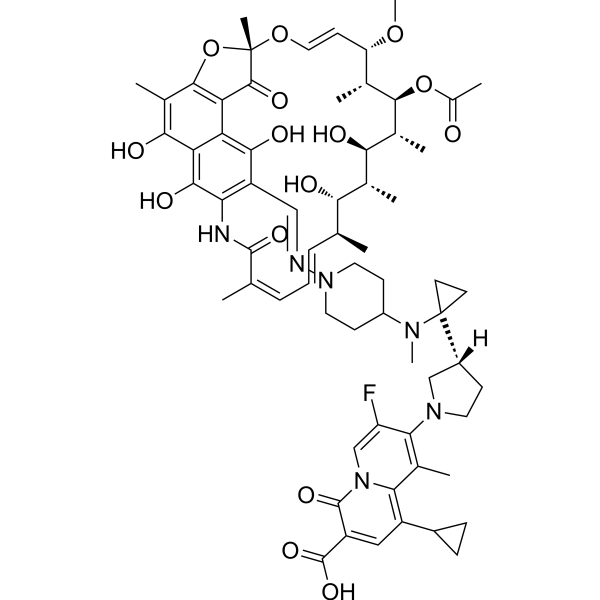
    CBR-2092; TNP-2092

    Antibiotic Bacterial DNA/RNA Synthesis Infection
    Rifaquizinone (CBR-2092) is a Rifamycin-Quinolone Hybrid Antibiotic. Rifaquizinone inhibits wild-type S. aureus RNA polymerase with an IC50 of 34 nM. Rifaquizinone is effective against S. aureus infections, with MICs ranged from 0.008 to 0.5 μg/mL for 300 clinical isolates of staphylococci and streptococci .
    Rifaquizinone
  • HY-14956S

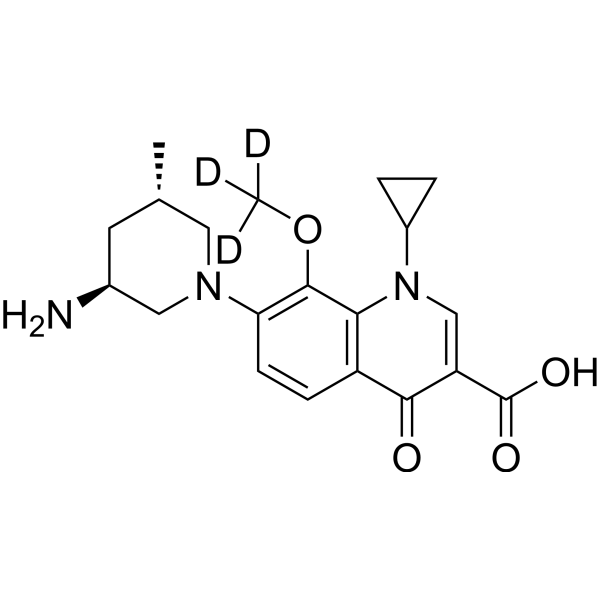
    TG-873870-d3

    Bacterial Inflammation/Immunology
    Nemonoxacin-d3 is the deuterium labeled Nemonoxacin. Nemonoxacin (TG-873870) is an orally active and potent broad-spectrum antibiotic. Nemonoxacin shows good inhibitory activity against different species of staphylococci, streptococci, and enterococci, Neisseria gonorrhoeae, and Haemophilus influenza. Nemonoxacin can be used in the study of bacterial infections and community-acquired pneumonia .
    Nemonoxacin-d3
  • HY-139805

    Antibiotic Bacterial Infection
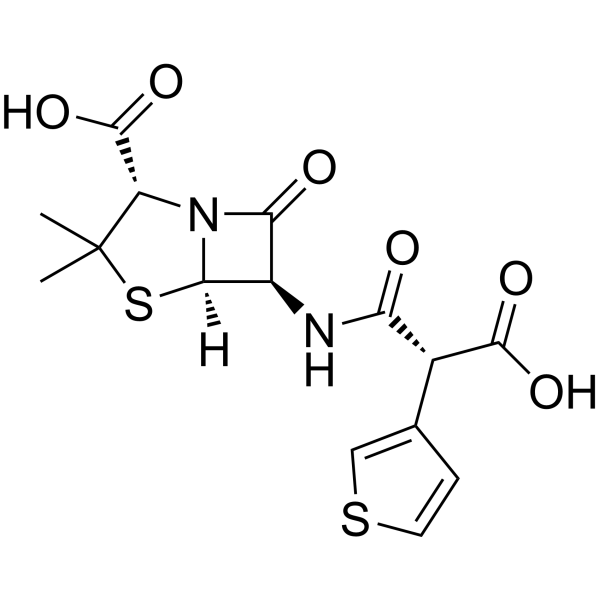
    Ticarcillin is a semisynthetic, extended-spectrum, carboxypenicillin antibacterial agent, and is active against gram-positive cocci, including streptococci and staphylococci. Ticarcillin is also effective against most gram-negative organisms, including Pseudomonas aeruginosa. Ticarcillin can be used in lower respiratory tract infections, skin and skin structure infections, urinary tract infections, and intraabdominal infections research .
    Ticarcillin
  • HY-B0343

    A-56620

    Bacterial Infection Inflammation/Immunology
    Sarafloxacin (A-56620) is a fluoroquinolone Antibacterial agent. Sarafloxacin inhibits the growth of Staphylococcus aureus, Enterobacteriaceae, and both aminoglycoside-sensitive and aminoglycoside-resistant strains of Pseudomonas aeruginosa .
    Sarafloxacin
  • HY-116039

    Ro11-8958

    Dihydrofolate reductase (DHFR) Bacterial Infection
    Epiroprim (Ro11-8958) is a selective dihydrofolate reductase (DHFR) inhibitor. Epiroprim displays excellent activity against staphylococci, enterococci, pneumococci, and streptococci .
    Epiroprim
  • HY-B0975AR

    Phenoxymethylpenicillin (Standard)

    Reference Standards Antibiotic Bacterial Infection
    Penicillin V (Standard) is the analytical standard of Penicillin V. This product is intended for research and analytical applications. Penicillin V (Phenoxymethylpenicillin) is a potent and orally active antibiotic. Penicillin V shows antibacterial activity for Streptococci, Clostridium difficile and staphylococcus aureus. Penicillin V has the potential for the research of otitis, sinusitis, pharyngitis and tonsillitis [4].
    Penicillin V (Standard)
  • HY-100997R

    A82846B (Standard); LY 264826 (Standard); PA 45052A (Standard)

    Reference Standards Antibiotic Bacterial Infection
    Chloroorienticin A (Standard) is the analytical standard of Chloroorienticin A (HY-100997). This product is intended for research and analytical applications. Chloroorienticin A (A82846B) is a glycopeptide antibiotic. Chloroorienticin A exhibits excellent activity against staphylococci and streptococci .
    Chloroorienticin A (Standard)
  • HY-N6665R

    Reference Standards Antibiotic Bacterial Infection
    Cefquinome (sulfate) (Standard) is the analytical standard of Cefquinome (sulfate). This product is intended for research and analytical applications. Cefquinome sulfate is a broad-spectrum cephem antibiotic that has inhibitory effects on a variety of Gram-positive and Gram-negative bacteria, including Staphylococci, Streptococci, Pseudomonas, and Enterobacteriaceae .
    Cefquinome sulfate (Standard)
  • HY-106574

    BAL5788

    Bacterial Infection Inflammation/Immunology
    Ceftobiprole medocaril (BAL5788) is the parenteral proagent of Ceftobiprole (HY-112579). Ceftobiprole is a parenteral pyrrolidinone cephalosporin. Ceftobiprole is a broad-spectrum cephalosporin with high levels of in vitro activity against methicillin- (MRSA) and vancomycin-resistant staphylococci (VRSA) and penicillin-resistant streptococci. Ceftobiprole also inhibits gram-positive and gram-negative pathogens .
    Ceftobiprole medocaril
  • HY-117845

    LL-E19085α

    Antibiotic Bacterial Infection
    Citreamicin alpha (LL-E 19085-alpha) is an antibiotic whose in vitro antimicrobial activity against 429 clinical isolates of Gram-positive cocci has been tested by the agar dilution method. These microorganisms included 313 strains of Staphylococci and 116 strains of Streptococci. The in vitro activity of Citreamicin alpha was compared with that of ampicillin, amoxicillin, ceftriaxone, erythromycin, and vancomycin. For Staphylococci, the MIC values of Citreamicin alpha ranged from 0.12-4.0 μg/ml, and for Streptococcus pyogenes of the genus Streptococcus, it was 0.03-0.12 μg/ml. However, enterococci were relatively resistant, requiring 2.0 μg/ml of the agent to inhibit 64% of the 62 tested strains. The in vitro activity of this antibiotic was much better than that of ampicillin, amoxicillin, ceftriaxone, and erythromycin, but comparable or slightly inferior to that of vancomycin.
    Citreamicin alpha
  • HY-100997

    A82846B; LY 264826; PA 45052A

    Antibiotic Bacterial Infection
    Chloroorienticin A (A82846B) is a glycopeptide antibiotic. Chloroorienticin A exhibits excellent activity against staphylococci and streptococci .
    Chloroorienticin A
  • HY-111019

    Antibiotic Bacterial Infection
    SCH 34343 is a penem antibiotic. SCH 34343 is highly active against Streptococcus pneumoniae (MIC50 ≤ 0.015 mg/L), viridans streptococci (MIC50 = 0.06 mg/L), streptococci of groups A (MIC50 = 0.03 mg/L), B (MIC50 = 0.06 mg/L), C and G (MIC50 = 0.03 mg/L), and Str. bovis. SCH 34343 can be used for antibacterial research .
    SCH 34343
  • HY-129435

    Antibiotic Bacterial Infection Cancer
    Altromycin E is an antibiotic, that exhibits antibacterial against Streptococci and Staphylococci with MIC of 0.2-3.12 μg/mL. Altromycin E can be used in anti-tumor research .
    Altromycin E
  • HY-B0975R

    Phenoxymethylpenicillin potassium salt (Standard)

    Reference Standards Bacterial Antibiotic Infection
    Penicillin V (Potassium) (Standard) is the analytical standard of Penicillin V (Potassium). This product is intended for research and analytical applications. Penicillin V Potassium (Phenoxymethylpenicillin potassium salt) is an orally active antibiotic. Penicillin V Potassium inhibits the growth of Streptococci, C. difficile and S. aureus. Penicillin V Potassium can be used for the research of otitis, sinusitis, pharyngitis and tonsillitis .
    Penicillin V Potassium (Standard)
  • HY-B1050R

    SB-265805S (Standard); LB-20304a (Standard)

    Reference Standards Bacterial Antibiotic DNA/RNA Synthesis Topoisomerase Infection
    Gemifloxacin (mesylate) (Standard) is the analytical standard of Gemifloxacin (mesylate). This product is intended for research and analytical applications. Gemifloxacin mesylate (SB-265805S; LB-20304a) is an orally active broad-spectrum quinolone antibacterial antibiotic. Gemifloxacin mesylate inhibits DNA synthesis by inhibiting DNA gyrase and Topoisomerase IV activities. Gemifloxacin mesylate has potent antibacterial activities against gram-positive bacteria in vitro efficacy study, particularly Streptococci and Staphylococci. Gemifloxacin mesylate has been used in the research of respiratory tract infections .
    Gemifloxacin mesylate (Standard)
  • HY-124112

    Parasite Infection
    PAM 1392 is active orally against Plasmodium berghei in mice, P. cynofologi and P. knowlesi in monkeys and Trypanosoma cruzi in tissue cultures of mice, and hemolytic streptococci in vitro. PAM 1392 has antimalarial and antitrypanosomal activities, which is proming for rasearch of drug-resistant malaria .
    PAM 1392
  • HY-111019A

    Antibiotic Bacterial Infection
    SCH 34343 sodium is a potent β-lactam Antibiotic with bactericidal activity against Streptococcus pneumoniae, viridans streptococci, streptococci of groups A, B, C and G, and Str. bovis .
    SCH 34343 sodium
  • HY-171647

    DNA/RNA Synthesis Bacterial Infection
    RNAP-σ interaction inhibitor1 (compound 5d) is an inhibitor of RNA polymerase-sigma factors interaction. RNAP-σ interaction inhibitor-1 exhibits the activity against Streptococci with MIC values of 1-2 µg/mL .
    RNAP-σ interaction inhibitor-1
  • HY-B1297R

    Reference Standards Antibiotic Bacterial Infection
    Ceforanide (Standard) is the analytical standard of Ceforanide. This product is intended for research and analytical applications. Ceforanide is a semisynthetic parental cephalosporin antibiotic, derived from 7-aminocephalosporanic acid. Ceforanide has antibacterial activity and is a potent inhibitor of most species of streptococci, excluding enterococci .
    Ceforanide (Standard)
  • HY-B0975S

    Phenoxymethylpenicillin-13C6 potassium salt

    Isotope-Labeled Compounds Bacterial Antibiotic Infection
    Penicillin V- 13C6 (potassium) is the 13C6 labeled Penicillin V (potassium). Penicillin V Potassium (Phenoxymethylpenicillin potassium salt) is an orally active antibiotic. Penicillin V Potassium inhibits the growth of Streptococci, C. difficile and S. aureus. Penicillin V Potassium can be used for the research of otitis, sinusitis, pharyngitis and tonsillitis.
    Penicillin V-13C6 potassium
  • HY-B0975AS

    Isotope-Labeled Compounds Bacterial Antibiotic Infection
    Penicillin V-d5 (Phenoxymethylpenicillin-d5) is the deuterium labeled Penicillin V. Penicillin V (Phenoxymethylpenicillin) is an orally active antibiotic. Penicillin V inhibits the growth of Streptococci, C. difficile and S. aureus. Penicillin V can be used for the research of otitis, sinusitis, pharyngitis and tonsillitis .
    Penicillin V-d5
  • HY-106668

    Sch 21420

    Antibiotic Bacterial Infection
    Isepamicin (Sch 21420) is an aminoglycoside antibacterial. Isepamicin has better activity against strains producing type I 6'-acetyltransferase. Isepamicin’s antibacterial spectrum includes Enterobacteriaceae and staphylococci. Anaerobes, Neisseriaceae and streptococci are resistant. Isepamicin exhibits a strong concentration-dependent bactericidal effect, a long post-antibiotic effect (several hours) and induces adaptive resistance .
    Isepamicin
  • HY-14956S1

    TG-873870-d3-1

    Bacterial Inflammation/Immunology
    Nemonoxacin-d3-1 is the deuterium labeled Nemonoxacin. Nemonoxacin (TG-873870) is an orally active and potent broad-spectrum antibiotic. Nemonoxacin shows good inhibitory activity against different species of staphylococci, streptococci, and enterococci, Neisseria gonorrhoeae, and Haemophilus influenza. Nemonoxacin can be used in the study of bacterial infections and community-acquired pneumonia .
    Nemonoxacin-d3-1
  • HY-N14699

    Ancillin free acid; 2-Biphenylyl penicillin free acid; SKF-12141 free acid

    Penicillin-binding protein (PBP) Bacterial Infection
    Diphenicillin (Ancillin (free acid); 2-Biphenylyl penicillin (free acid); SKF-12141 (free acid)) is a Penicillinase (HY-E70012)- resistant penicillin with antibacterial activity. Diphenicillin shows good antibacterial effects against Gram-positive cocci. Diphenicillin is promising for research of infectious diseases caused by Gram-positive cocci such as staphylococci, pneumococci, and group A streptococci .
    Diphenicillin
  • HY-14956S2

    TG-873870-d4

    Bacterial Inflammation/Immunology
    Nemonoxacin-d4 is the deuterium labeled Nemonoxacin. Nemonoxacin (TG-873870) is an orally active and potent broad-spectrum antibiotic. Nemonoxacin shows good inhibitory activity against different species of staphylococci, streptococci, and enterococci, Neisseria gonorrhoeae, and Haemophilus influenza. Nemonoxacin can be used in the study of bacterial infections and community-acquired pneumonia .
    Nemonoxacin-d4
  • HY-139805A

    Bacterial Antibiotic Cancer
    Ticarcillin monosodium is a semisynthetic, extended-spectrum, carboxypenicillin antibacterial agent, and is active against gram-positive cocci, including streptococci and staphylococci. Ticarcillin monosodium is also effective against most gram-negative organisms, including Pseudomonas aeruginosa. Ticarcillin monosodium can be used in lower respiratory tract infections, skin and skin structure infections, urinary tract infections, and intraabdominal infections research .
    Ticarcillin monosodium
  • HY-B1407R

    N4-Phthalylsulfathiazole (Standard)

    Reference Standards Antibiotic Bacterial Infection
    Phthalylsulfathiazole (N4-Phthalylsulfathiazole) Standard is the analytical standard of Phthalylsulfathiazole (HY-B1407). This product is intended for research and analytical applications. Phthalylsulfathiazole (N4-Phthalylsulfathiazole) is an orally active sulfonamide intestinal antibacterial agent. Phthalylsulfathiazole has low toxicity and excellent bacteriostatic efficacy. Phthalylsulfathiazole inhibits E. coli, streptococci, staphylococci, and total fecal bacteria. Phthalylsulfathiazole can be used in research related to intestinal infections such as colon infection, bacillary dysentery, and ulcerative colitis.
    Phthalylsulfathiazole (Standard)
  • HY-125579

    Bacterial Infection
    Ro 25-0534 is an antimicrobial compound against Pseudomonas. Ro 25-0534 is active against Enterobacteriaceae (MIC90: 0.06-2 μg/mL), Oxacillin (HY-B0465)-susceptible staphylococci, β-hemolytic streptococci, and penicillin-susceptible pneumococci (MIC90: 1-2 μg/mL), Haemophilus influenzae (MIC90: 0.25-0.5 μg/mL), Moraxella catarrhalis (MIC90: 0.5 μg/mL), and most nonenteric Gram-negative bacilli (MIC90: 2-4 μg/mL) .
    Ro 25-0534
  • HY-B1894

    Ro 15-8075 free base

    Antibiotic Bacterial Infection
    Cefetamet pivoxyl (Ro 15-8075 free base) is an orally active cephalosporin Antibiotic and a prodrug of Cefetamet (HY-A0111). After ingestion, Cefetamet pivoxyl is hydrolyzed by gastrointestinal esterases to form Cefetamet. Cefetamet pivoxyl is primarily active against aerobic Gram-negative bacteria (such as Enterobacteriaceae, *Neisseria*, *Haemophilus*) and some Gram-positive bacteria (such as non-enterococcal streptococci). Cefetamet pivoxyl exhibits potent in vivo antibacterial activity against strains of Gram-positive bacteria (S. pyogenes) and Gram-negative bacteria (E. coli, K. pneumoniae, S. marcescens, P. vulgaris, P. mirabilis, H. influenzae) .
    Cefetamet pivoxyl
  • HY-N7101R

    U-76,252 (Standard); CS-807 (Standard)

    Reference Standards Bacterial Antibiotic Penicillin-binding protein (PBP) Infection
    Cefpodoxime Proxetil (Standard) is the analytical standard of Cefpodoxime Proxetil. This product is intended for research and analytical applications. Cefpodoxime Proxetil is an orally active broad spectrum third-generation cephalosporin with potent antibacterial activity against both Gram-positive and Gram-negative bacteria including staphylococci, streptococci, Haemophilus influenzae, Neisseria gonorrhoeae, Escherichia coli, Klebsiella pnuemoniae, Citrobacter spp, and Proteus spp. Cefpodoxime Proxetil binds to penicillin binding proteins (PBPs), which inhibits peptidoglycan synthesis, finally results in interfering bacterial cell wall biosynthesis. Cefpodoxime Proxetil can be used against skin structure infections, acute otitis media, pharyngitis, tonsillitis, upper respiratory tract infection, urinary tract infections and sexually transmitted diseases .
    Cefpodoxime Proxetil (Standard)
  • HY-N7101S

    U-76-d7,252-d7; CS-807-d7

    Isotope-Labeled Compounds Bacterial Antibiotic Penicillin-binding protein (PBP) Infection
    Cefpodoxime proxetil-d7 (U-76-d7,252-d7; CS-807-d7) is the deuterium labeled Cefpodoxime Proxetil (HY-N7101). Cefpodoxime Proxetil is an orally active broad spectrum third-generation cephalosporin with potent antibacterial activity against both Gram-positive and Gram-negative bacteria including staphylococci, streptococci, Haemophilus influenzae, Neisseria gonorrhoeae, Escherichia coli, Klebsiella pnuemoniae, Citrobacter spp, and Proteus spp. Cefpodoxime Proxetil binds to penicillin binding proteins (PBPs), which inhibits peptidoglycan synthesis, finally results in interfering bacterial cell wall biosynthesis. Cefpodoxime Proxetil can be used against skin structure infections, acute otitis media, pharyngitis, tonsillitis, upper respiratory tract infection, urinary tract infections and sexually transmitted diseases .
    Cefpodoxime proxetil-d7
  • HY-10391

    Bacterial Infection
    E3709 is an antibacterial agent. E3709 exhibits significant inhibitory activity against Gram-positive bacteria, including Staphylococcus aureus (MRSA), Enterococcus faecalis, streptococci, Clostridia, and diphtheroids. E3709 can be used for research related to Gram-positive bacterial infections .
    E-3709
  • HY-E70983

    Endogenous Metabolite Metabolic Disease
    Antistreptolysin O, Human is a hemolysin produced by group A streptococci. As a protein antigen, Antistreptolysin O, Human triggers an antibody response in the body.
    Antistreptolysin O, Human
  • HY-P2824A

    Endogenous Metabolite Metabolic Disease
    Streptokinase, Streptococcus hemolyticus (EC 3.4.99.0) is an enzyme secreted by several species of streptococci that can bind and activate human plasminogen. Streptokinase belongs to a group of medications known as fibrinolytics, and complexes of streptokinase with human plasminogen can hydrolytically activate other unbound plasminogen by activating through bond cleavage to produce plasmin.
    Streptokinase, Streptococcus hemolyticus

Inquiry Online

Your information is safe with us. * Required Fields.

Salutation


Country or Region *

Applicant Name *


Organization Name *

Department *


Email Address *


Product Name *

Cat. No.


Requested quantity *

Phone Number *


Remarks

Inquiry Online

Inquiry Information

Product Name:
Cat. No.:
Quantity:
MCE Japan Authorized Agent:

