1. Search Result
Search Result
Results for "

sugar chain

" in MedChemExpress (MCE) Product Catalog:

41

Inhibitors & Agonists

2

Fluorescent Dyes

24

Biochemical Assay Reagents

7

Natural
Products

1

Isotope-Labeled Compounds

1

Click Chemistry

Cat. No. 상품명 Target 연구분야 Chemical Structure
  • HY-79647

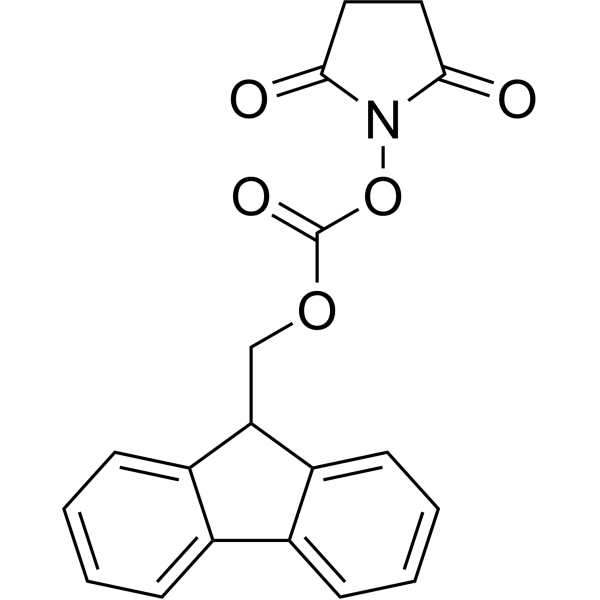
    N-(Fmoc-oxy)succinimide

    Biochemical Assay Reagents Others
    Fmoc-OSu (N-(Fmoc-oxy)succinimide) is an acylating agent that targets amino groups (-NH2). It can selectively protect the amino groups of amino acids by covalently binding with primary or secondary amines through nucleophilic substitution reactions. Fmoc-OSu forms a stable amide bond with the amino group to avoid side reactions of the amino group in peptide synthesis. It can also be used as a fluorescent labeling reagent to react with glycosylamines for efficient labeling of N-sugar chains. Fmoc-OSu can be used as an Fmoc protection strategy in peptide synthesis, and as a fluorescent labeling and analysis method for N-sugar chains .
    Fmoc-OSu
  • HY-N2840
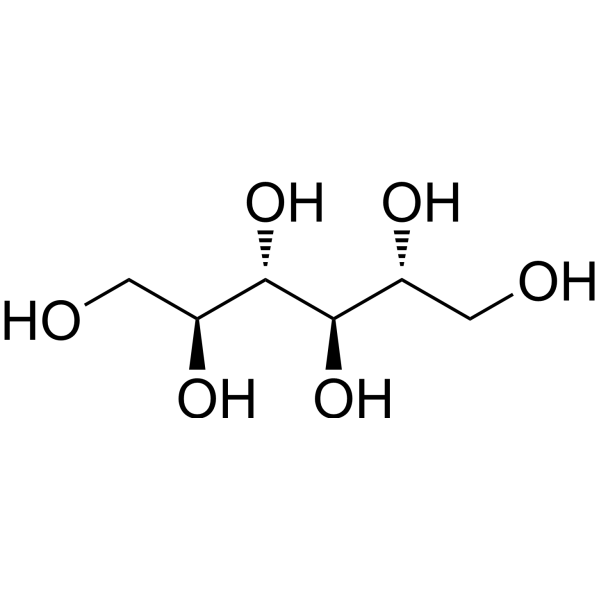
    Allitol
    1 Publications Verification

    Allodulcitol

    Others Metabolic Disease
    Allitol (Allodulcitol) is an orally active rare sugar alcohol found in Itea virginica L, Tylopilus plumbeoviolaceus. Allitol has anti-obesity and hypoglycaemic activities. Allitol reduces carcass and total body fat mass, increases cecal weight, surface area, and short-chain fatty acid production, and upregulates cecal microbial enzymes linked to butyrate metabolism. Allitol can be used for the researches of obesity and diabetes .
    Allitol
  • HY-N8425

    Montanic acid

    Endogenous Metabolite Metabolic Disease
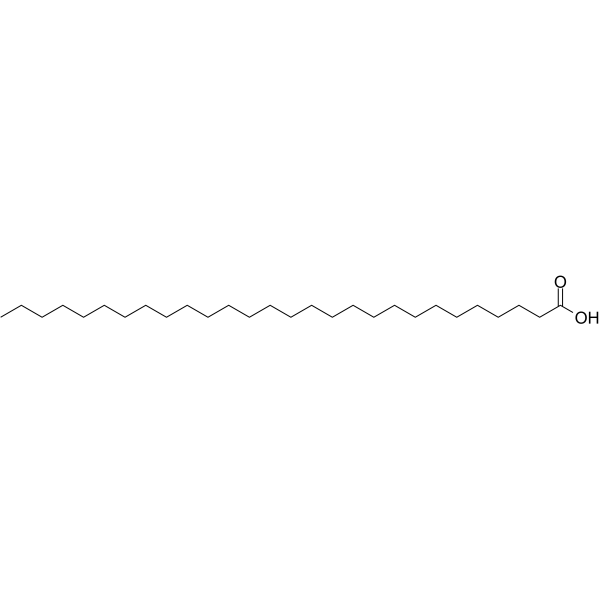
    Octacosanoic acid is a very long-chain saturated fatty acid. It is the major component of D-003, a mixture of very long-chain aliphatic acids purified from sugar cane wax that has antiplatelet and cholesterol-lowering activities in animal models .
    Octacosanoic acid
  • HY-119435

    Herbicide Environmental Pollutants Others
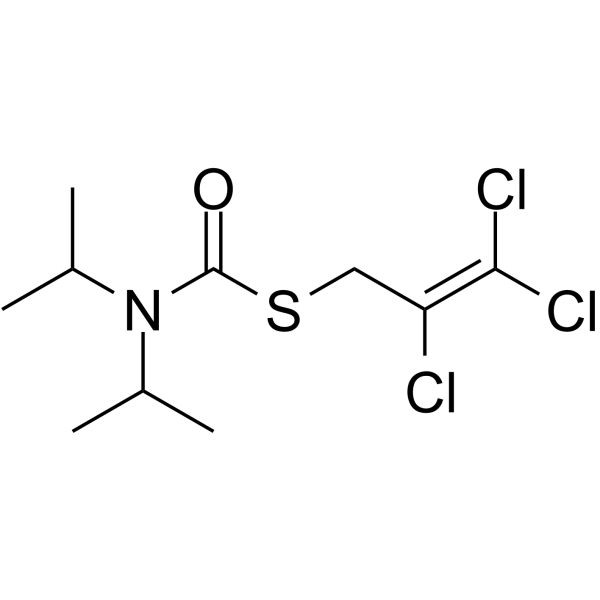
    Triallate is a selective thiocarbamate herbicide. Triallate regulates the biosynthesis of very-long-chain fatty acids and inhibits the elongation and division of plant cells. Triallate is used to control wild oats in barley, spring wheat, durum wheat, winter wheat and sugar beets .
    Triallate
  • HY-N12931F

    Fluorescent Dye Others Cancer
    Maackia amurensis Lectin (MAA/MAL II)-Biotinylated is a plant lectin modified by biotin. Maackia amurensis Lectin (MAA/MAL II)-Biotinylated has the activity to recognize specific sugar structures, specifically the alpha-2, 3-linked sialic acid (HY-I0400). Maackia amurensis Lectin (MAA/MAL II)-Biotinylated has a very high affinity with avidin or streptavidin and this interaction can be used to fix it to solid surfaces or bind it to other molecules. Maackia amurensis Lectin (MAA/MAL II)-Biotinylated can be used to isolate and purify proteins or other molecules with specific sugar chain structures in affinity chromatography as well as for disease marker discovery and cancer research .
    Maackia amurensis Lectin (MAA/MAL II)-Biotinylated
  • HY-W039921

    N-Azidoacetylgalactosamine; GalNAz

    Biochemical Assay Reagents Others
    2-[(Azidoacety)amino]-2-deoxy-D-galactose targets O-GlcNAc-modified proteins. By detecting and targeting O-GlcNAc-modified proteins, 2-[(Azidoacety)amino]-2-deoxy-D-galactose can serve as a chemical tag for intracellular sugar chain metabolism .
    2-[(Azidoacety)amino]-2-deoxy-D-galactose
  • HY-N10414

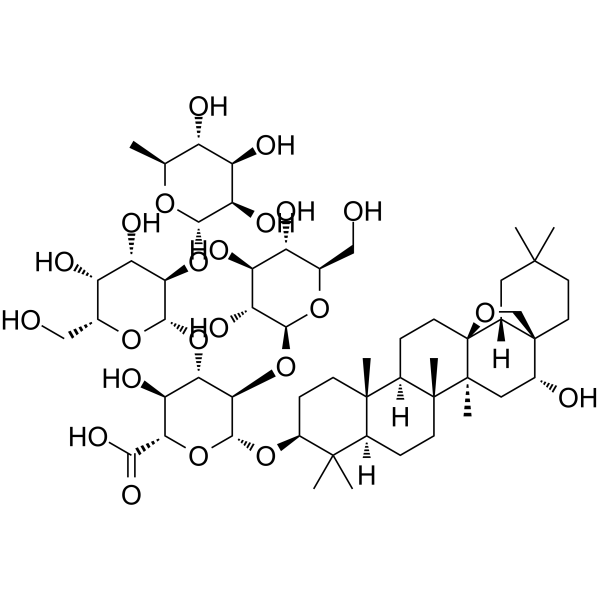
    Primulasaponin 1; Primula acid I

    Bacterial Others
    Primulic acid I (Primulasaponin 1) is a plant-derived triterpenoid saponin with one sugar chain (monodesmoid) .
    Primulic acid I
  • HY-D0066

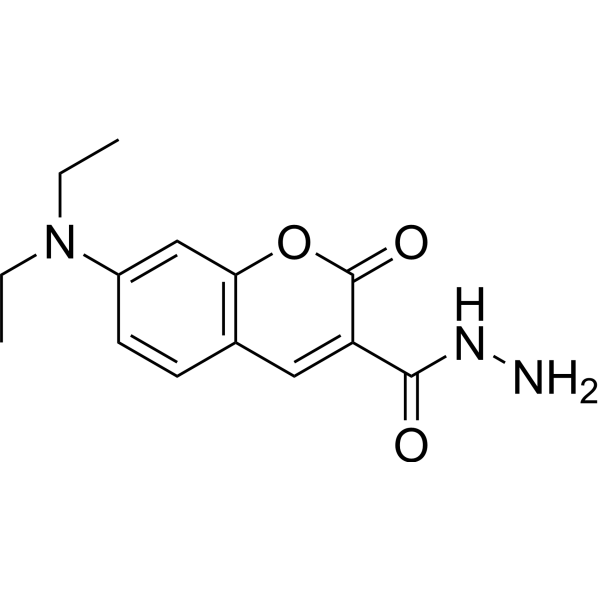
    DCCH

    Fluorescent Dye Others
    7-Diethylaminocoumarin-3-carbohydrazide is a coumarin. 7-Diethylaminocoumarin-3-carbohydrazide can be used to detect sugar chains and quantify biological carbonyl compounds .
    7-Diethylaminocoumarin-3-carbohydrazide
  • HY-N11455

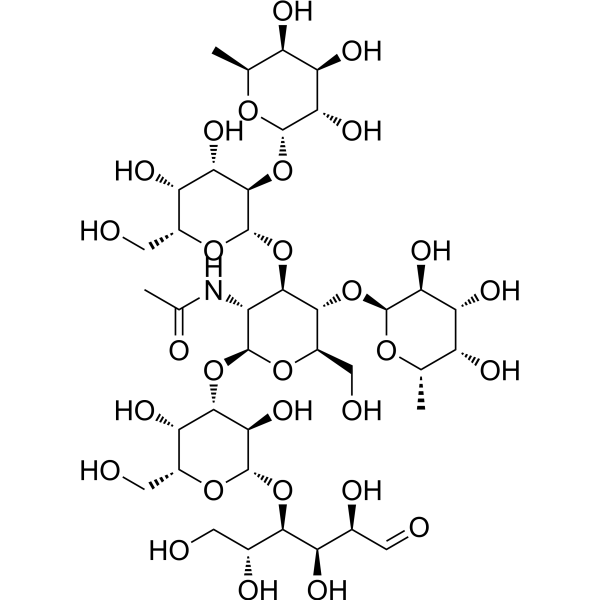
    LDFH I

    Others Metabolic Disease
    Lacto-N-difucohexaose I (LNDFH I), a linker, could be used to combine oligosaccharides containing Lewis b sugar chain to water insoluble polysaccharide .
    Lacto-N-difucohexaose I
  • HY-112944A

    CMP-NeuNAz sodium

    Sialyltransferase Infection
    CMP-SiaNAz (CMP-NeuNAz) sodium is a sialic acid nucleotide sugar derivative. CMP-SiaNAz sodium is integrated into the glycosidic chain through the action of STs in the Golgi apparatus, forming SiaNAz substances. CMP-SiaNAz sodium can serve as a substrate for bacterial-derived sialic acid transferases and is used for chemical enzymatic labeling and imaging of cell surface glycosides .
    CMP-SiaNAz sodium
  • HY-E70217

    Heat-sensitive UDG

    DNA/RNA Synthesis Cancer
    Uracil DNA Glycosylase (UDG/UNG), heat-sensitive (Heat-sensitive UDG) can catalyze the hydrolysis of the N-glycosidic bond between the uracil base and the sugar phosphate backbone in the DNA chain containing uracil, releasing free uracil. Uracil DNA Glycosylase (UDG/UNG), heat-sensitive eliminates the carryover contamination dUTP-incorporated amplification products .
    Uracil DNA Glycosylase (UDG/UNG), heat-sensitive
  • HY-131561

    Ara-uridine triphosphate

    DNA/RNA Synthesis Others
    Ara-UTP is a sugar-modified nucleotide triphosphate that deceives RNA polymerases and blocks chain extension.
    Ara-UTP
  • HY-N10414R

    Primulasaponin 1 (Standard); Primula acid I (Standard)

    Insecticide Reference Standards Others
    Primulic acid I (Standard) is the analytical standard of Primulic acid I. This product is intended for research and analytical applications. Primulic acid I (Primulasaponin 1) is a plant-derived triterpenoid saponin with one sugar chain (monodesmoid) .
    Primulic acid I (Standard)
  • HY-N8425R

    Montanic acid (Standard)

    Reference Standards Endogenous Metabolite Metabolic Disease
    Octacosanoic acid (Standard) is the analytical standard of Octacosanoic acid. This product is intended for research and analytical applications. Octacosanoic acid is a very long-chain saturated fatty acid. It is the major component of D-003, a mixture of very long-chain aliphatic acids purified from sugar cane wax that has antiplatelet and cholesterol-lowering activities in animal models .
    Octacosanoic acid (Standard)
  • HY-119435R

    Herbicide Reference Standards Environmental Pollutants Others
    Triallate (Standard) is the analytical standard of Triallate (HY-119435). This product is intended for research and analytical applications. Triallate is a selective thiocarbamate herbicide. Triallate regulates the biosynthesis of very-long-chain fatty acids and inhibits the elongation and division of plant cells. Triallate is used to control wild oats in barley, spring wheat, durum wheat, winter wheat and sugar beets
    Triallate (Standard)
  • HY-N2840S

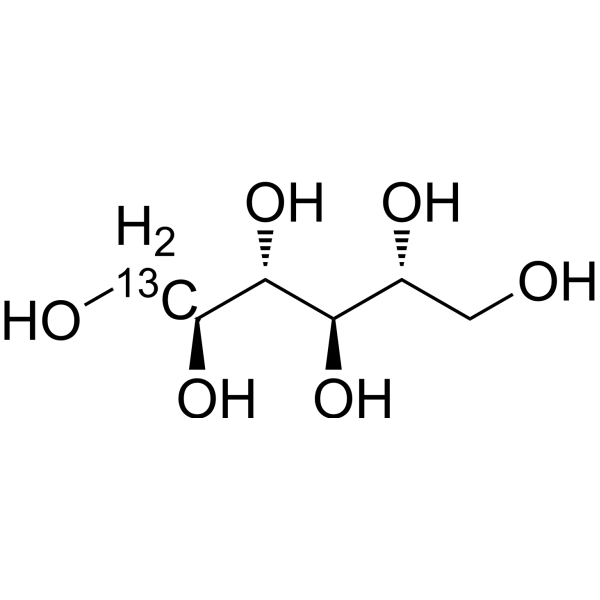
    Allodulcitol-13C

    Isotope-Labeled Compounds Metabolic Disease
    Allitol (Allodulcitol)- 13C is the 13C labeled Allitol (HY-N2840). Allitol is an orally active rare sugar alcohol found in Itea virginica L, Tylopilus plumbeoviolaceus. Allitol has anti-obesity and hypoglycaemic activities. Allitol reduces carcass and total body fat mass, increases cecal weight, surface area, and short-chain fatty acid production, and upregulates cecal microbial enzymes linked to butyrate metabolism. Allitol can be used for the researches of obesity and diabetes .
    Allitol-13C
  • HY-N2840R

    Allodulcitol (Standard)

    Reference Standards Metabolic Disease
    Allitol (Allodulcitol) (Standard) is the analytical standard of Allitol (HY-N2840). This product is intended for research and analytical applications. Allitol is an orally active rare sugar alcohol found in Itea virginica L, Tylopilus plumbeoviolaceus. Allitol has anti-obesity and hypoglycaemic activities. Allitol reduces carcass and total body fat mass, increases cecal weight, surface area, and short-chain fatty acid production, and upregulates cecal microbial enzymes linked to butyrate metabolism. Allitol can be used for the researches of obesity and diabetes .
    Allitol (Standard)
  • HY-183169B

    Biochemical Assay Reagents Others
    C18-PEG5000-NHS is a conjugate composed of octadecyl (C18 aliphatic chain), PEG chains, and an active ester (NHS). C18-PEG5000-NHS combines the membrane compatibility of lipids with glucose as an active site for sugar recognition or subsequent coupling reactions, making it suitable for research in biomaterial construction and drug delivery.
    C18-PEG5000-NHS
  • HY-183169

    Biochemical Assay Reagents Others
    C18-PEG2000-NHS is a conjugate composed of octadecyl (C18 aliphatic chain), PEG chains, and an active ester (NHS). C18-PEG2000-NHS combines the membrane compatibility of lipids with glucose as an active site for sugar recognition or subsequent coupling reactions, making it suitable for research in biomaterial construction and drug delivery.
    C18-PEG2000-NHS
  • HY-183169A

    Biochemical Assay Reagents Others
    C18-PEG3400-NHS is a conjugate composed of octadecyl (C18 aliphatic chain), PEG chains, and an active ester (NHS). C18-PEG3400-NHS combines the membrane compatibility of lipids with glucose as an active site for sugar recognition or subsequent coupling reactions, making it suitable for research in biomaterial construction and drug delivery.
    C18-PEG3400-NHS
  • HY-N18040

    Drug Derivative Others
    Esculentoside F is a triterpene saponin found in the root of Phytolacca acinosa Roxb .
    Esculentoside F
  • HY-N18046

    Drug Derivative Cancer
    Otophylloside Q is a pregnane glycoside (C-21 steroidal glycoside) isolated from the roots of Cynanchum otophyllum. With caudatin (HY-N1983), an anticancer agent, as its aglycone, Otophylloside Q contains a sugar chain composed of cymarose, oleandrose and glucose units .
    Otophylloside Q
  • HY-183159B

    Biochemical Assay Reagents Others
    DSG-PEG3400-Glucose is a conjugate composed of DSG, a PEG chain, and terminal glucose. DSG-PEG3400-Glucose combines the membrane compatibility of phospholipids with glucose as an active site for sugar recognition or subsequent coupling reactions, making it suitable for research in biomaterial construction and drug delivery.
    DSG-PEG3400-Glucose
  • HY-183159C

    Biochemical Assay Reagents Others
    DSG-PEG5000-Glucose is a conjugate composed of DSG, a PEG chain, and terminal glucose. DSG-PEG5000-Glucose combines the membrane compatibility of phospholipids with glucose as an active site for sugar recognition or subsequent coupling reactions, making it suitable for research in biomaterial construction and drug delivery.
    DSG-PEG5000-Glucose
  • HY-183159

    Biochemical Assay Reagents Others
    DSG-PEG1000-Glucose is a conjugate composed of DSG, a PEG chain, and terminal glucose. DSG-PEG1000-Glucose combines the membrane compatibility of phospholipids with glucose as an active site for sugar recognition or subsequent coupling reactions, making it suitable for research in biomaterial construction and drug delivery.
    DSG-PEG1000-Glucose
  • HY-W1052981A

    Biochemical Assay Reagents Others
    DSPE-PEG5000-Glucose is a conjugate composed of DSPE, a PEG chain, and terminal glucose. DSPE-PEG5000-Glucose combines the membrane compatibility of phospholipids with glucose as an active site for sugar recognition or subsequent coupling reactions, making it suitable for research in biomaterial construction and drug delivery.
    DSPE-PEG5000-Glucose
  • HY-W1052981D

    Biochemical Assay Reagents Others
    DSPE-PEG3400-Glucose is a conjugate composed of DSPE, a PEG chain, and terminal glucose. DSPE-PEG3400-Glucose combines the membrane compatibility of phospholipids with glucose as an active site for sugar recognition or subsequent coupling reactions, making it suitable for research in biomaterial construction and drug delivery.
    DSPE-PEG3400-Glucose
  • HY-W1052981B

    Biochemical Assay Reagents Others
    DSPE-PEG10000-Glucose is a conjugate composed of DSPE, a PEG chain, and terminal glucose. DSPE-PEG10000-Glucose combines the membrane compatibility of phospholipids with glucose as an active site for sugar recognition or subsequent coupling reactions, making it suitable for research in biomaterial construction and drug delivery.
    DSPE-PEG10000-Glucose
  • HY-183159D

    Biochemical Assay Reagents Others
    DSG-PEG10000-Glucose is a conjugate composed of DSG, a PEG chain, and terminal glucose. DSG-PEG10000-Glucose combines the membrane compatibility of phospholipids with glucose as an active site for sugar recognition or subsequent coupling reactions, making it suitable for research in biomaterial construction and drug delivery.
    DSG-PEG10000-Glucose
  • HY-W1052981

    Biochemical Assay Reagents Others
    DSPE-PEG2000-Glucose is a conjugate composed of DSPE, a PEG chain, and terminal glucose. DSPE-PEG2000-Glucose combines the membrane compatibility of phospholipids with glucose as an active site for sugar recognition or subsequent coupling reactions, making it suitable for research in biomaterial construction and drug delivery.
    DSPE-PEG2000-Glucose
  • HY-W1052981E

    Biochemical Assay Reagents Others
    DSPE-PEG1000-Glucose is a conjugate composed of DSPE, a PEG chain, and terminal glucose. DSPE-PEG1000-Glucose combines the membrane compatibility of phospholipids with glucose as an active site for sugar recognition or subsequent coupling reactions, making it suitable for research in biomaterial construction and drug delivery.
    DSPE-PEG1000-Glucose
  • HY-183159A

    Biochemical Assay Reagents Others
    DSG-PEG2000-Glucose is a conjugate composed of DSG, a PEG chain, and terminal glucose. DSG-PEG2000-Glucose combines the membrane compatibility of phospholipids with glucose as an active site for sugar recognition or subsequent coupling reactions, making it suitable for research in biomaterial construction and drug delivery.
    DSG-PEG2000-Glucose
  • HY-183156D

    Biochemical Assay Reagents Others
    DMG-PEG10000-Glucose is a conjugate composed of dimyristic glycerol (DMG), a PEG chain, and terminal glucose. DMG-PEG10000-Glucose combines the membrane compatibility of phospholipids with glucose as an active site for sugar recognition or subsequent coupling reactions, making it suitable for research in biomaterial construction and drug delivery.
    DMG-PEG10000-Glucose
  • HY-183156B

    Biochemical Assay Reagents Others
    DMG-PEG3400-Glucose is a conjugate composed of dimyristic glycerol (DMG), a PEG chain, and terminal glucose. DMG-PEG3400-Glucose combines the membrane compatibility of phospholipids with glucose as an active site for sugar recognition or subsequent coupling reactions, making it suitable for research in biomaterial construction and drug delivery.
    DMG-PEG3400-Glucose
  • HY-183156A

    Biochemical Assay Reagents Others
    DMG-PEG2000-Glucose is a conjugate composed of dimyristic glycerol (DMG), a PEG chain, and terminal glucose. DMG-PEG2000-Glucose combines the membrane compatibility of phospholipids with glucose as an active site for sugar recognition or subsequent coupling reactions, making it suitable for research in biomaterial construction and drug delivery.
    DMG-PEG2000-Glucose
  • HY-183156

    Biochemical Assay Reagents Others
    DMG-PEG1000-Glucose is a conjugate composed of dimyristic glycerol (DMG), a PEG chain, and terminal glucose. DMG-PEG1000-Glucose combines the membrane compatibility of phospholipids with glucose as an active site for sugar recognition or subsequent coupling reactions, making it suitable for research in biomaterial construction and drug delivery.
    DMG-PEG1000-Glucose
  • HY-183156C

    Biochemical Assay Reagents Others
    DMG-PEG5000-Glucose is a conjugate composed of dimyristic glycerol (DMG), a PEG chain, and terminal glucose. DMG-PEG5000-Glucose combines the membrane compatibility of phospholipids with glucose as an active site for sugar recognition or subsequent coupling reactions, making it suitable for research in biomaterial construction and drug delivery.
    DMG-PEG5000-Glucose
  • HY-E71216

    Biochemical Assay Reagents Others
    α-2,3/8-Sialyltransferase, Campylobacter jejuni (EC 2.4.99.-) is an enzyme that transfers sialic acid to nascent oligosaccharides. α-2,3/8-Sialyltransferase, Campylobacter jejuni (EC 2.4.99.-) adds sialic acid to the terminal of sialylated glycolipids (gangliosides) or to the N- or O-linked sugar chain of glycoproteins.
    α-2,3/8-Sialyltransferase, Campylobacter jejuni
  • HY-183134A

    Biochemical Assay Reagents Others
    C16-PEG3400-NHS is a conjugate composed of hexadecyl (C16, i.e., palmitoyl), a PEG chain, and an active ester (NHS). C16-PEG3400-NHS combines the membrane compatibility of lipids with glucose as an active site for sugar recognition or subsequent conjugation reactions, making it suitable for research in biomaterial construction and drug delivery.
    C16-PEG3400-NHS
  • HY-183134B

    Biochemical Assay Reagents Others
    C16-PEG5000-NHS is a conjugate composed of hexadecyl (C16, i.e., palmitoyl), a PEG chain, and an active ester (NHS). C16-PEG5000-NHS combines the membrane compatibility of lipids with glucose as an active site for sugar recognition or subsequent conjugation reactions, making it suitable for research in biomaterial construction and drug delivery.
    C16-PEG5000-NHS
  • HY-183134

    Biochemical Assay Reagents Others
    C16-PEG2000-NHS is a conjugate composed of hexadecyl (C16, i.e., palmitoyl), a PEG chain, and an active ester (NHS). C16-PEG2000-NHS combines the membrane compatibility of lipids with glucose as an active site for sugar recognition or subsequent conjugation reactions, making it suitable for research in biomaterial construction and drug delivery.
    C16-PEG2000-NHS

온라인 문의

Your information is safe with us. * Required Fields.

호칭


Country or Region *

고객명 *


회사명 *

Department *


메일주소 *


상품명 *

Cat. No.


Requested quantity *

전화번호 *


비고

온라인 문의

Inquiry Information

상품명:
Cat. No.:
수량:
MCE Japan Authorized Agent: