

1. Search Result
Search Result
Results for "

tension

" in MedChemExpress (MCE) Product Catalog:

52

Inhibitors & Agonists

1

Screening Libraries

6

Fluorescent Dye

14

Biochemical Assay Reagents

4

Peptides

6

Natural
Products

3

Isotope-Labeled Compounds

1

Oligonucleotides

Cat. No. Product Name Target Research Areas Chemical Structure
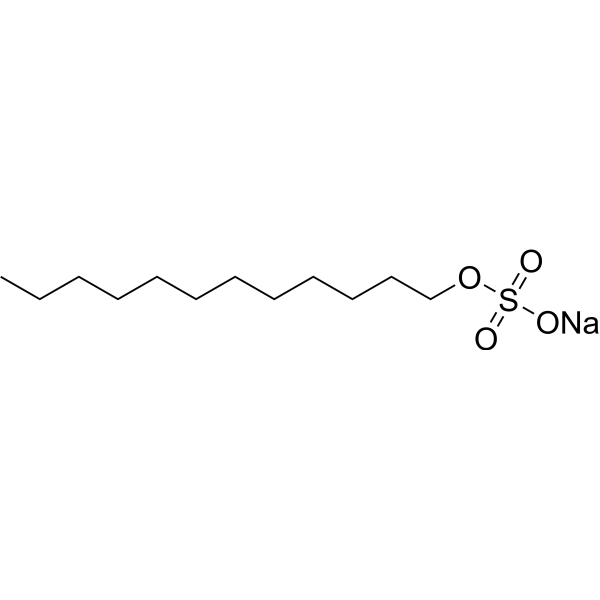
  • HY-Y0316
    Sodium dodecyl sulfate
    5 Publications Verification

    Sodium lauryl sulfate; Laurylsulfuric acid sodium salt

    Environmental Pollutants Biochemical Assay Reagents Others
    Sodium dodecyl sulfate is an anionic surfactant commonly used as a detergent, emulsifier, and protein denaturant in various industrial processes, especially in the production of personal care products, cleaners, and laboratory reagents. Sodium dodecyl sulfate has unique chemical properties that make it an effective ingredient in many applications, helping to reduce surface tension and enhance cleaning power.
    Sodium dodecyl sulfate
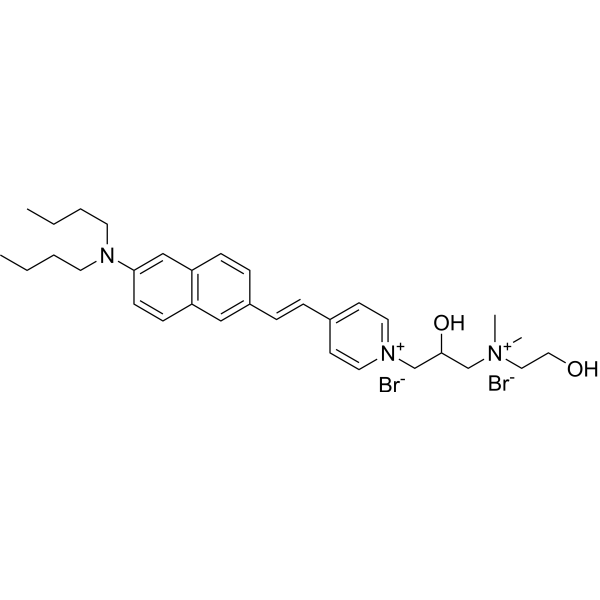
  • HY-D1428
    Di-4-ANEPPDHQ
    1 Publications Verification

    Fluorescent Dye Inflammation/Immunology
    Di-4-ANEPPDHQ is a polarity-sensitive membrane probe with a doubly positive charge that can be used to visualize membrane microdomains in living Arabidopsis cells. Di-4-ANEPPDHQ produces a fluorescence spectrum shift by changing the polarity of the lipid environment after embedding into the cell membrane, thereby quantifying the degree of lipid accumulation. The excitation wavelength of Di-4-ANEPPDHQ is 488 nm, and the emission wavelengths are 560 nm and 650 nm in the liquid ordered and disordered phases, respectively. Di-4-ANEPPDHQ is often used for fluorescence imaging studies of membrane microstructure, lipid order, and membrane tension response in living cells[1][2][3].
    Di-4-ANEPPDHQ
  • HY-W099535

    Biochemical Assay Reagents Others
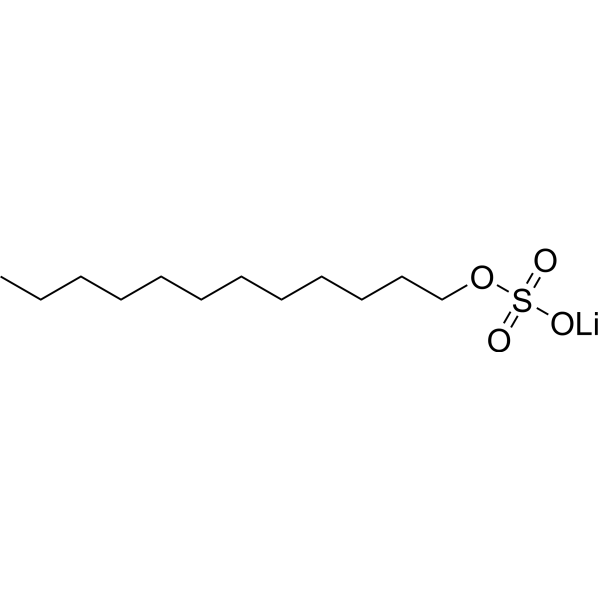
    Lithium dodecyl sulfate is an anionic hydrocarbon surfactant with both surface tension reduction and interfacial adsorption capabilities. Lithium dodecyl sulfate induces low surface viscosity; it forms micelles in aqueous solutions through entropy-driven (low temperature) and enthalpy-driven (high temperature) mechanisms. When acting synergistically with tetrabutylammonium bromide, Lithium dodecyl sulfate exhibits cloud point behavior due to micelle aggregation and phase separation. Lithium dodecyl sulfate can form an adsorption layer at the air-water interface with quantifiable surface excess and minimum area per molecule, and it has higher equilibrium surface tension and foamability compared to other dodecyl sulfate counterion variants. The foam stability of Lithium dodecyl sulfate above its critical micelle concentration is low, and its dynamic surface tension pattern changes dynamically with bubble frequency .
    Lithium dodecyl sulfate
  • HY-125920

    Sarkosyl NL sodium

    Environmental Pollutants Biochemical Assay Reagents Others
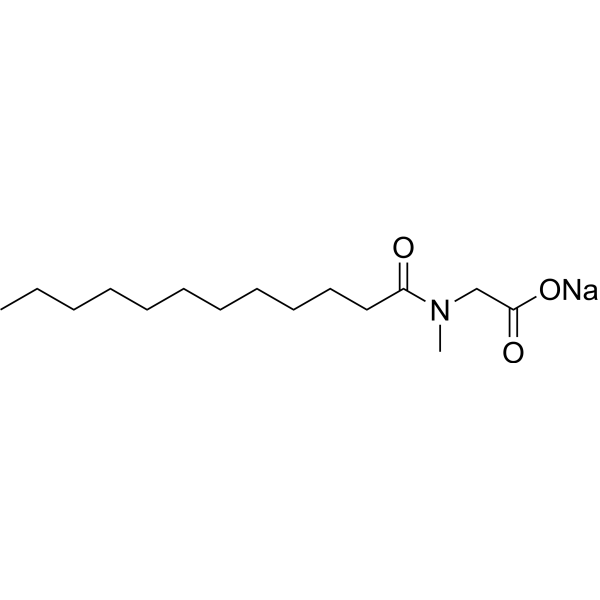
    Lauroylsarcosine sodium is a surfactant commonly used in personal care and cosmetics such as shampoos, facial cleansers and toothpaste. It works by lowering the surface tension of water, allowing it to better penetrate and clean surfaces. Lauroylsarcosine sodium is considered safe for cosmetic use and is approved for use in several countries. However, it can cause skin irritation in high concentrations or with prolonged exposure.
    Lauroylsarcosine sodium
  • HY-109519

    Environmental Pollutants Biochemical Assay Reagents Others Cancer
    Simethicone is an orally active defoamer. Simethicone reduces the surface tension of air bubbles in the gastrointestinal tract, causing them to be expelled by vomiting, exhalation or absorption into the bloodstream. Simethicone has potential applications in flatulence and colic .
    Simethicone
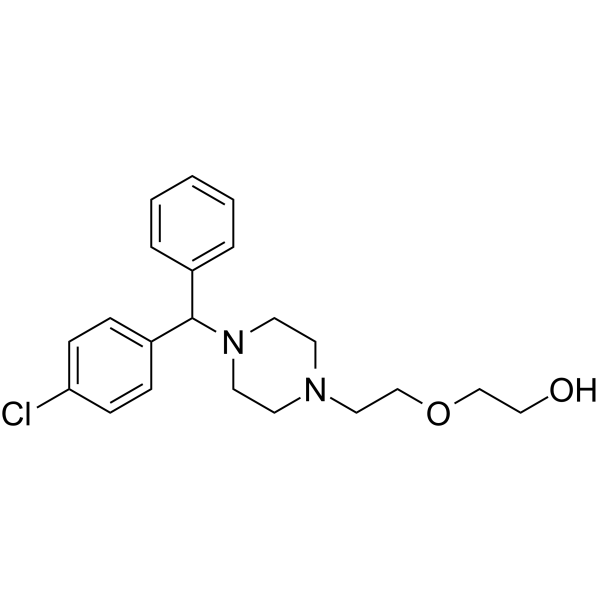
  • HY-B0548
    Hydroxyzine
    1 Publications Verification

    Histamine Receptor Inflammation/Immunology Endocrinology
    Hydroxyzine, a benzodiazepine antihistamine agent, acts as an orally active histamine H1-receptor and serotonin antagonist. Hydroxyzine has anxiolytic effect and can be used for the research of generalised anxiety disorder .
    Hydroxyzine
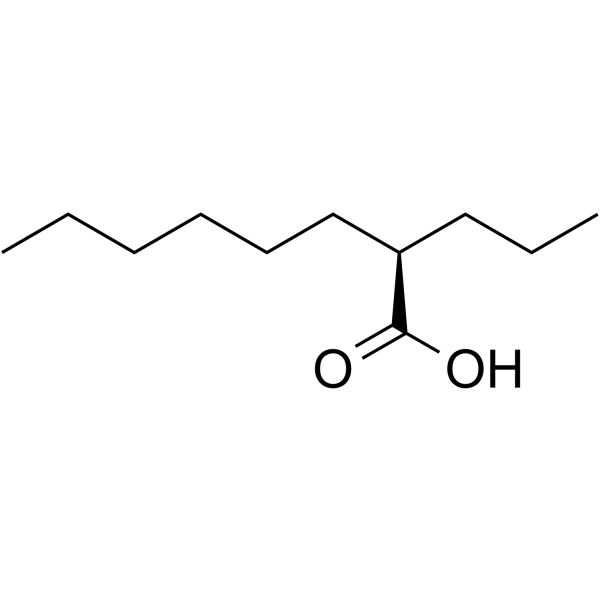
  • HY-107661
    Arundic Acid
    2 Publications Verification

    ONO-2506; (R)-2-Propyloctanoic acid

    ERK Akt NF-κB EAAT Cardiovascular Disease Neurological Disease
    Arundic Acid is an orally effective astrocyte function modulator and neuroprotective agent. Arundic Acid increases the expression and function of the astrocytic glutamate transporter EAAT1 by activating the ERK, Akt and NF-κB pathways. Arundic Acid attenuates retinal ganglion cell death in a normal-tension glaucoma model. Arundic Acid exerts neuroprotective effects in a mouse model of Parkinson's disease. Arundic Acid is a S100β protein synthesis inhibitor that prevents neurological deficits and brain tissue damage after intracerebral hemorrhage in rats. Arundic Acid downregulates neuroinflammation and astrocytic dysfunction after status epilepticus in immature rats. Arundic Acid is applicable to research related to Parkinson's disease, cerebral ischemia, glaucoma, intracerebral hemorrhage and epilepsy .
    Arundic Acid
  • HY-B0548A
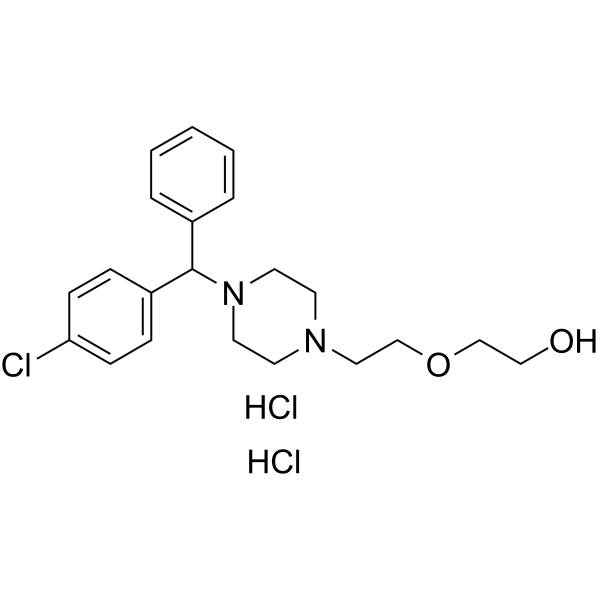
    Hydroxyzine dihydrochloride
    1 Publications Verification

    Histamine Receptor Inflammation/Immunology Endocrinology
    Hydroxyzine dihydrochloride, a benzodiazepine antihistamine agent, acts as a orally active histamine H1-receptor and serotonin antagonist. Hydroxyzine dihydrochloride has anxiolytic effect and can be used forthe research of generalised anxiety disorder .
    Hydroxyzine dihydrochloride
  • HY-13649
    Indibulin
    1 Publications Verification

    ZIO 301; D 24851

    Apoptosis Microtubule/Tubulin Checkpoint Kinase (Chk) Neurological Disease Cancer
    Indibulin (ZIO 301), an orally applicable inhibitor of tubulin assembly, shows potent anticancer activity with a minimal neurotoxicity. Indibulin reduces inter-kinetochoric tension, produces aberrant spindles, activates mitotic checkpoint proteins Mad2 and BubR1, and induces mitotic arrest and apoptosis .
    Indibulin
  • HY-W099594

    Benzyldimethyldodecylammonium bromide

    Environmental Pollutants Biochemical Assay Reagents Others
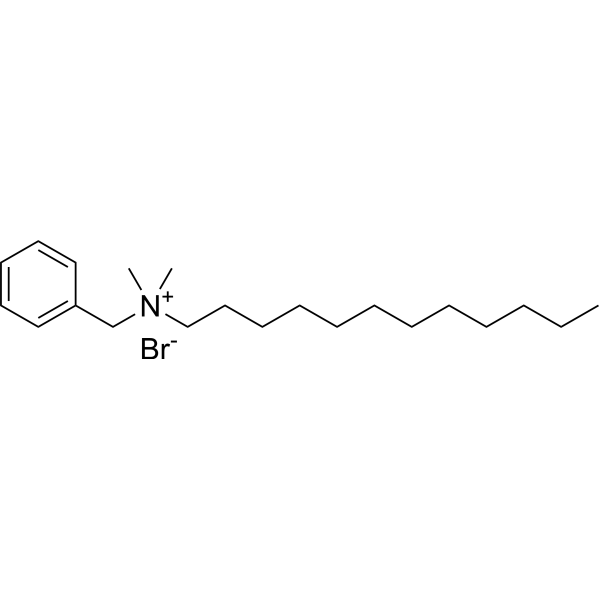
    N-Benzyl-N, N-dimethyldodecan-1-aminium bromide, also known as Benzalkonium Chloride (BAC), is a quaternary ammonium compound widely used as an antimicrobial and surfactant in various industries. BAC is commonly used as a disinfectant and antiseptic in a variety of products including hand sanitizers, disinfectant wipes and eye drops. Its ability to kill bacteria, viruses and fungi makes it an effective tool in preventing the spread of infection. BAC is also used as a preservative and disinfectant in the food industry. It is added to food packaging and processing equipment to prevent the growth of microorganisms and increase the shelf life of foods. Additionally, BACs are found in many household products such as cleaning solutions, fabric softeners and personal care products. Its surfactant properties allow it to be used to reduce surface tension and increase the effectiveness of cleaning agents. Although BAC has many uses, ingestion or exposure to high concentrations of BAC can cause skin irritation and other adverse effects.
    Benzalkonium bromide
  • HY-W250186

    Teterdecyl dimethyl amine oxide; Myristyldimethylamine N-oxide

    Environmental Pollutants Biochemical Assay Reagents Others
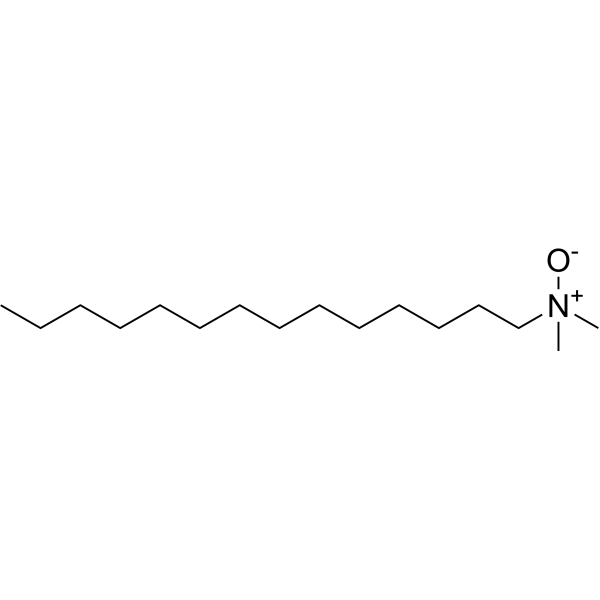
    Myristyl dimethylamine oxide is a cationic surfactant belonging to the family of amine oxides. It is commonly used as a foam booster, thickener and conditioning agent in a variety of personal care and household cleaning products. Myristyl dimethylamine oxide has several properties suitable for these applications, including the ability to reduce surface tension, increase viscosity and provide antistatic properties. In addition, it can be used as a raw material for the production of other surfactants and specialty chemicals.
    Myristyl dimethylamine oxide
  • HY-141633

    Bacterial Infection
    Sucrose monolaurate is a glycolipid surfactant . Sucrose monolaurate interacts with bacterial DNA, disrupts cell membrane permeability, and exerts excellent inhibitory and bactericidal effects against a variety of foodborne pathogens (especially Gram-positive bacteria). Sucrose monolaurate significantly reduces liquid surface tension, and acts as a synergist for chlorine-based disinfectants in food cleaning and disinfection to improve the removal efficiency of pathogens on the surface of agricultural products .
    Sucrose monolaurate
  • HY-W133920

    PPG 2000

    Environmental Pollutants Biochemical Assay Reagents Others
    Polypropylene glycol 2000 (PPG 2000) is a polyether produced by ring-opening polymerization of propylene oxide. Polypropylene glycol 2000 has low toxicity, and acts as a dispersant for leather finishing materials, as well as a surfactant and wetting agent for pharmaceutical preparations .
    Polypropylene glycol 2000
  • HY-W127785

    N,N-Dimethyldodecan-1-amine oxide; Dodecyldimethylamine oxide

    Environmental Pollutants Biochemical Assay Reagents Others
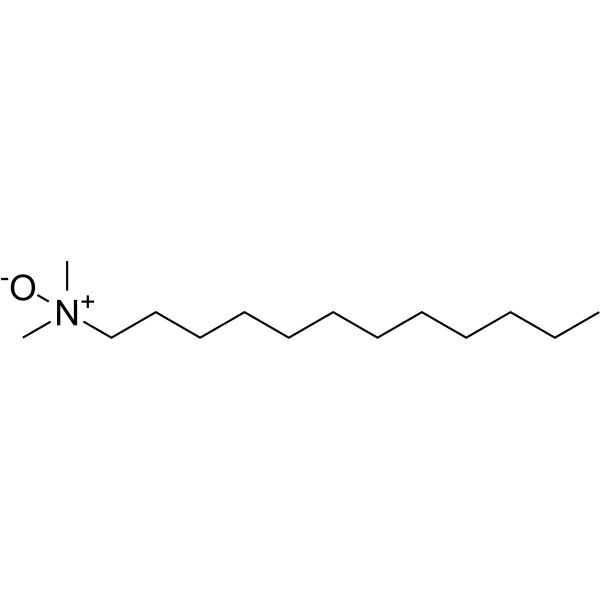
    N,N-Dimethyldodecylamine N-oxide is an amine oxide surfactant commonly used as a detergent, emulsifier and wetting agent in various industrial processes, especially in personal care products and household cleaning in the production of agents. N,N-Dimethyldodecylamine N-oxide has unique chemical properties that make it an effective ingredient in many product formulations to help reduce surface tension and enhance cleaning power.
    N,N-Dimethyldodecylamine N-oxide
  • HY-W130648

    Environmental Pollutants Biochemical Assay Reagents Others
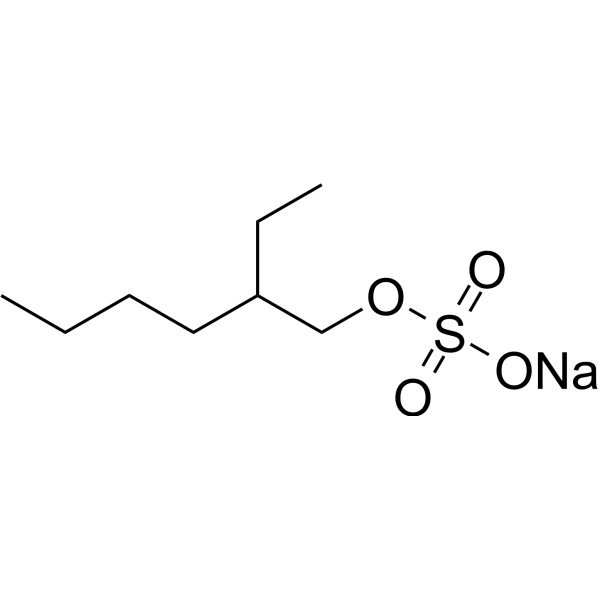
    Sodium 2-ethylhexyl sulfate (40% in water) is an anionic surfactant commonly used as a detergent, wetting agent, and emulsifier in various industrial processes, especially in the production of personal care products, cleaning agents, and textile auxiliaries. Sodium 2-ethylhexyl sulfate (40% in water) has unique chemical properties that make it an effective ingredient in many applications, helping to reduce surface tension and enhance cleaning power.
    Sodium 2-ethylhexyl sulfate (40% in water)
  • HY-78509

    Biochemical Assay Reagents Drug Intermediate Neurological Disease
    Dibenzosuberone belongs to the family of tricyclic antidepressant drugs, commonly referred to as Tricyclic antidepressants (TCAs), and is widely used in research on migraine, tension headaches, anxiety disorders, and schizophrenia. Dibenzosuberone is also a key intermediate in the synthesis of various active pharmaceutical ingredients (APIs), such as Amitriptyline (HY-B0527), Nortriptyline (HY-118620), Noxiptiline or Cyproheptadine (HY-B1622) .
    Dibenzosuberone
  • HY-W014861

    Tetramethyl-ammoniuiodide

    Biochemical Assay Reagents Others
    Tetramethylammonium iodide (Tetramethyl-ammoniuiodide) is a capillary active agent and weakly capillary active quasi-simple salt. Tetramethylammonium iodide decreases aqueous solution surface tension with increasing concentration and exhibits surface accumulation of constituent ions at liquid-vapor interfaces .
    Tetramethylammonium iodide
  • HY-D2320

    Fluorescent Dye Others
    ER Flipper-TR 28 is a flipper probe with a small molecule fluorophore that can image membrane tension in the endoplasmic reticulum (ER). ER Flipper-TR 28 bears a pentafluorophenyl group and also reacts with protein thiolate on the ER surface facing the cytoplasm .
    ER Flipper-TR 28
  • HY-171944

    Drug Derivative Lactate Dehydrogenase Others
    6-O-Oleoyltrehalose is a derivative of trehalose. 6-O-Oleoyltrehalose has biodegradable and low surface tension reduction ability. 6-O-Oleoyltrehalose preserves Lactate dehydrogenase (LDH) activity during freeze/thaw cycles. 6-O-Oleoyltrehalose can be used for stabilizer research .
    6-O-Oleoyltrehalose
  • HY-Y1361

    D-(-)-Tartaric acid diethyl ester

    Biochemical Assay Reagents Drug Intermediate Others
    Diethyl D-(-)-tartrate (D-(-)-Tartaric acid diethyl ester) is a biochemical reagent that can be used as a biological material or organic compound for life science related research. Diethyl D(-)-tartrate can also react with fatty carbonyl compounds to form bis(sodium carboxylate) types of surfactants, which have good water solubility, strong ability to lower surface tension, and can be easily decomposed under acidic conditions .
    Diethyl D-(-)-tartrate
  • HY-109191A

    PHP-201 hydrochloride; AMA0076 hydrochloride

    ROCK Neurological Disease
    Sovesudil (PHP-201) hydrochloride is a potent, ATP-competitive, locally acting Rho kinase (ROCK) inhibitor with IC50s of 3.7 and 2.3 nM for ROCK-I and ROCK-II, respectively. Sovesudil hydrochloride lowers intraocular pressure (IOP) without inducing hyperemia .
    Sovesudil hydrochloride
  • HY-111025

    Others Neurological Disease
    Ectylurea, a N-acylurea, can be used in studies of tension and anxiety symptoms, has no effect on the autonomic nervous system, and has no convulsive, analgesic or antispasmodic activity in animals .
    Ectylurea
  • HY-N0789

    Others Neurological Disease Metabolic Disease
    Delsoline, a major alkaloid of Delphinium anthriscifolium Hance, has both a curare-like effect and a ganglion-blocking effect and is used to relieve muscle tension or hyperkinesia. D. anthriscifolium Hance has effects of dispelling wind and dampness, activating collaterals, and relieving pains and is used to treat rheumatism, hemiplegia, indigestion, and cough .
    Delsoline
  • HY-W127842

    Decyldimethylamine oxide

    Biochemical Assay Reagents Others
    N,N-Dimethyldecylamine N-oxide is an organic compound belonging to the family of amine oxides. It is commonly used as a surfactant and cleaning agent in a variety of industrial and household applications, including detergents, personal care products and paints. N,N-Dimethyldecylamine N-oxide has various properties suitable for these applications, including the ability to lower surface tension, increase solubility, and act as a blowing agent. In addition, it can be used as a corrosion inhibitor in metalworking fluids and a flotation agent in mineral processing.
    N,N-Dimethyldecylamine N-oxide
  • HY-D2317

    Fluorescent Dye Others
    HaloFlipper 30 is a fluorescent probe that covalently reacts with HaloTag fusion proteins to form an ester bond, which allows the probe to be stably attached to membrane structures. HaloFlipper 30 has high specificity, precision and good cell permeability .
    HaloFlipper 30
  • HY-111481

    MS 4101; Ro 7-6102

    GABA Receptor Neurological Disease
    Flutazolam (MS 4101; Ro 7-6102) is a medicine acts on benzodiazepine receptors of the brain and relieves anxiety or tension.
    Flutazolam
  • HY-19020

    Leukotriene Receptor Cardiovascular Disease
    FK-664 is a leukotriene inhibitor. FK-664 enhances ventricular contractility and shortens the time to peak tension in cardiac cells. FK-664 reduces mean circulating pressure (MCP) in a canine model of heart failure. FK-664 can be used in research on cardiovascular diseases such as heart failure .
    FK-664
  • HY-125920R

    Sarkosyl NL sodium (Standard)

    Biochemical Assay Reagents Reference Standards Others
    Lauroylsarcosine (sodium) (Standard) is the analytical standard of Lauroylsarcosine (sodium). This product is intended for research and analytical applications. Lauroylsarcosine sodium is a surfactant commonly used in personal care and cosmetics such as shampoos, facial cleansers and toothpaste. It works by lowering the surface tension of water, allowing it to better penetrate and clean surfaces. Lauroylsarcosine sodium is considered safe for cosmetic use and is approved for use in several countries. However, it can cause skin irritation in high concentrations or with prolonged exposure.
    Lauroylsarcosine sodium (Standard)
  • HY-113443

    AP-1 Metabolic Disease
    12(S)-HPETE is a 12-hydroxyeicosatetraenoic acid. 12(S)-HPETE has the function of regulating vascular tone. 12(S)-HPETE induces the expression of c-Fos and c-Jun protein and increases activating protein 1 (AP-1) activity in vascular smooth muscle cells.12(S)-HPETE may play a physiological role in vasomotor regulation through endothelium itself and crosstalk between blood cells and endothelium. 12(S)-HPETE can be used in the study of cerebrovascular tension .
    12(S)-HPETE
  • HY-123028

    Arginylphenylalaninamide

    Others Others
    RFamide (Arginylphenylalaninamide) is a neuropeptide that has contraction-inducing activity in gastropod muscles. Its contractile effect is additive with acetylcholine and is regulated by 5-hydroxytryptamine. It can also mobilize intracellular calcium to maintain tension.
    RFamide
  • HY-D2325

    Fluorescent Dye Others
    Arg-Flipper 34 is one of the flipper probes which have been introduced as small molecule fluorophores to image membrane tension in living systems. Arg-Flipper 34 can be used to assess the mechanics of early endocytosis .
    Arg-Flipper 34
  • HY-B0548R

    Reference Standards Histamine Receptor Inflammation/Immunology Endocrinology
    Hydroxyzine (Standard) is the analytical standard of Hydroxyzine. This product is intended for research and analytical applications. Hydroxyzine, a benzodiazepine antihistamine agent, acts as an orally active histamine H1-receptor and serotonin antagonist. Hydroxyzine has anxiolytic effect and can be used for the research of generalised anxiety disorder .
    Hydroxyzine (Standard)
  • HY-108381

    LCB29

    Others Others
    Idrocilamide (LCB29) exhibits a muscle relaxing effect, that inhibits muscle twitch, tetanic tension, K +-induced as well as voltage clamp-induced contraction of rat soleus muscle fibers. Idrocilamide is also a caffeine antagonist, inhibiting the breakdown and biotransformation of caffeine .
    Idrocilamide
  • HY-W127651

    Dioctyldimethylammonium bromide

    Biochemical Assay Reagents Others
    Dimethyldioctylammonium bromide is an organic compound containing ammonium and bromide ions. It is commonly used in the production of detergents, emulsifiers and surfactants for various industrial applications. Dimethyldioctylammonium bromide is highly surface active and reduces the surface tension of aqueous solutions, so it can be used to clean and wet surfaces. In addition, it can also be used as an intermediate in the synthesis of other quaternary ammonium compounds.
    Dimethyldioctylammonium bromide
  • HY-D2322

    Fluorescent Dye Others
    SupraFlipper 31 is a fluorescent probe. SupraFlipper 31 can be released in the membrane of interest (MOI) via chemical stimulation.
    SupraFlipper 31
  • HY-13649R

    ZIO 301 (Standard); D 24851 (Standard)

    Microtubule/Tubulin Apoptosis Reference Standards Neurological Disease Cancer
    Indibulin (Standard) is the analytical standard of Indibulin. This product is intended for research and analytical applications. Indibulin (ZIO 301), an orally applicable inhibitor of tubulin assembly, shows potent anticancer activity with a minimal neurotoxicity. Indibulin reduces inter-kinetochoric tension, produces aberrant spindles, activates mitotic checkpoint proteins Mad2 and BubR1, and induces mitotic arrest and apoptosis .
    Indibulin (Standard)
  • HY-129412

    Renin Cardiovascular Disease
    A-74273 is an orally active peptide renin inhibitor (IC50=3.1 nM). A-74273 competitively binds to the active site of renin, preventing angiotensinogen from being converted to ANG-I, thereby reducing the level of angiotensin II. A-74273 can be used in the study of diseases such as hypertension .
    A-74273
  • HY-16035A

    DNA/RNA Synthesis Antibiotic Infection
    Alatrofloxacin mesylate is an antibiotic with antibacterial activity. Alatrofloxacin mesylate exhibits significant hydrophilicity in the aqueous phase, forming a very stable suspension. The degradation products of Alatrofloxacin mesylate become hydrophobic upon exposure, causing aggregation of its particles. The long-term stability of Alatrofloxacin mesylate is closely related to its polar interaction. The changes in surface tension characteristics of Alatrofloxacin mesylate particles under different lighting conditions affect their physical and chemical properties .
    Alatrofloxacin mesylate
  • HY-P2098

    Antibiotic Bacterial Fungal Infection
    Alamethicin F 50 is an antibiotic. Alamethicin F 50 is composed of membrane-active peptide, containing 75% Alamethicin F 50/5 and 10% Alamethicin F 50/7. Alamethicin F 50 is exhibits antifungal and antibacterial activity by disrupting the integrity of microbial cell membranes, resulting in leakage of cell contents and death of the microorganisms. Alamethicin F 50 is able to reduce the surface tension of water, which can be used as a surfactant or detergent .
    Alamethicin F 50
  • HY-136625

    N-myristoyltransferase Cardiovascular Disease
    LY134046 is an inhibitor of norepinephrine N-methyltransferase (NMT) with cardiovascular activity. LY134046 causes sustained reductions in mean arterial blood pressure and heart rate, but no significant reductions in norepinephrine concentrations in the rat brain. LY134046 does not interact with adrenergic or cholinergic receptors, and its hypotensive and bradycardic effects do not require neurogenic tension. LY134046 (40 mg/kg/day) causes sustained and significant inhibition of hypothalamic and brainstem NMT activity, resulting in central norepinephrine depletion.
    LY134046
  • HY-W127785R

    N,N-Dimethyldodecan-1-amine oxide (Standard); Dodecyldimethylamine oxide (Standard)

    Biochemical Assay Reagents Reference Standards Others
    N,N-Dimethyldodecylamine N-oxide (Standard) is the analytical standard of N-ethyl-N-oxido-dodecan-1-amine. This product is intended for research and analytical applications. N,N-Dimethyldodecylamine N-oxide is an amine oxide surfactant commonly used as a detergent, emulsifier and wetting agent in various industrial processes, especially in personal care products and household cleaning in the production of agents. N,N-Dimethyldodecylamine N-oxide has unique chemical properties that make it an effective ingredient in many product formulations to help reduce surface tension and enhance cleaning power.
    N,N-Dimethyldodecylamine N-oxide (Standard)
  • HY-W710279

    Isotope-Labeled Compounds Biochemical Assay Reagents Others
    N-ethyl-N-oxido-dodecan-1-amine-d6 is the deuterium labeled N-ethyl-N-oxido-dodecan-1-amine (HY-W127785). N-ethyl-N-oxido-dodecan-1-amine is an amine oxide surfactant commonly used as a detergent, emulsifier and wetting agent in various industrial processes, especially in personal care products and household cleaning in the production of agents. N,N-Dimethyldodecylamine N-oxide has unique chemical properties that make it an effective ingredient in many product formulations to help reduce surface tension and enhance cleaning power.
    N-ethyl-N-oxido-dodecan-1-amine-d6
  • HY-183138

    Drug Metabolite Cardiovascular Disease
    N-Demethyldiltiazem is a metabolite of Diltiazem (HY-B0632). N-Demethyldiltiazem increases coronary blood flow, modulates cardiac function, decreases systemic blood pressure and heart rate, and alters papillary muscle developed tension .
    N-Demethyldiltiazem
  • HY-N18680

    Others Neurological Disease
    Melissa officinalis extract is rich in various bioactive compounds, such as citronellol, geraniol, glycosides, caffeic acid derivatives, flavonoids, and triterpenoids. Melissa officinalis extract can be used in research on conditions such as nervous tension, anxiety, insomnia, and menstrual disorders.
    Melissa officinalis extract
  • HY-W748419

    Others Cardiovascular Disease
    Acetylstrophanthidin is a cardiac glycoside compound and a positive inotropic agent. Acetylstrophanthidin increases myocardial oxygen consumption in cat papillary muscles under constant load or tension, as well as under afterload (isotonic) and isometric contraction conditions .
    Acetylstrophanthidin
  • HY-W982613

    Phosphodiesterase (PDE) Inflammation/Immunology
    SCA-40 is a vasodilator for bronchial smooth muscle. SCA-40 produces biphasic relaxation on bronchi with spontaneous tension, and the relaxation effect is not inhibited by various potassium channel blockers. SCA-40 can be used for research on bronchial conditions .
    SCA-40
  • HY-N17984

    Biochemical Assay Reagents Others
    Hemsloside Ma3 is an anionic surfactant and solubilizer. Hemsloside Ma3 is an oleanolic acid bisdesmosidic saponin that can be isolated from the rhizomes of Hemsleya macrosperma and Hemsleya chinensis. Hemsloside Ma3 improves the water solubility of saikosaponin a, a poorly water-soluble monodesmosidic saponin, and its solubilizing effect appears near the critical micelle concentration. At a constant ionic strength, Hemsloside Ma3 exhibits the property of reduced surface tension with the increase in hydrogen ion concentration .
    Hemsloside Ma3
  • HY-W714323

    Teterdecyl dimethyl amine oxide-d6; Myristyldimethylamine N-oxide-d6

    Isotope-Labeled Compounds Biochemical Assay Reagents Others
    Myristyl dimethylamine oxide-d6 (Teterdecyl dimethyl amine oxide-d6) is the deuterium labeled Myristyl dimethylamine oxide (HY-W250186). Myristyl dimethylamine oxide is a cationic surfactant belonging to the family of amine oxides. It is commonly used as a foam booster, thickener and conditioning agent in a variety of personal care and household cleaning products. Myristyl dimethylamine oxide has several properties suitable for these applications, including the ability to reduce surface tension, increase viscosity and provide antistatic properties. In addition, it can be used as a raw material for the production of other surfactants and specialty chemicals.
    Myristyl dimethylamine oxide-d6
  • HY-W127785S

    N,N-Dimethyldodecylamine N-oxide-d31; Dodecyldimethylamine oxide-d31

    Isotope-Labeled Compounds Others
    N-Ethyl-N-oxido-dodecan-1-amine-d31 (N,N-Dimethyldodecylamine N-oxide-d31) is the deuterium labeled N-Ethyl-N-oxido-dodecan-1-amine. N-ethyl-N-oxido-dodecan-1-amine is an amine oxide surfactant commonly used as a detergent, emulsifier and wetting agent in various industrial processes, especially in personal care products and household cleaning in the production of agents. N,N-Dimethyldodecylamine N-oxide has unique chemical properties that make it an effective ingredient in many product formulations to help reduce surface tension and enhance cleaning power.
    N-Ethyl-N-oxido-dodecan-1-amine-d31
  • HY-DY1089

    Fluorescent Dye Others
    Di-4-ANEPPDHQ (solution) is a polarity-sensitive membrane probe with a doubly positive charge that can be used to visualize membrane microdomains in living Arabidopsis cells. Di-4-ANEPPDHQ produces a fluorescence spectrum shift by changing the polarity of the lipid environment after embedding into the cell membrane, thereby quantifying the degree of lipid accumulation. The excitation wavelength of Di-4-ANEPPDHQ is 488 nm, and the emission wavelengths are 560 nm and 650 nm in the liquid ordered and disordered phases, respectively. Di-4-ANEPPDHQ is often used for fluorescence imaging studies of membrane microstructure, lipid order, and membrane tension response in living cells[1][2][3].
    Solvent and concentration: DMSO: 5 mM
    Di-4-ANEPPDHQ (solution)

Inquiry Online

Your information is safe with us. * Required Fields.

Salutation


Country or Region *

Applicant Name *


Organization Name *

Department *


Email Address *


Product Name *

Cat. No.


Requested quantity *

Phone Number *


Remarks

Inquiry Online

Inquiry Information

Product Name:
Cat. No.:
Quantity:
MCE Japan Authorized Agent:

