
329 Results for "

tool compound

" in MedChemExpress (MCE) Product Catalog:
Products (329)

329 Results for "tool compound" in MCE Product Catalog:

14
14 Publications Verification
Cat. No.: HY-13991
CAS No.: 285986-88-1
Purity:  99.88%
Target:  

Ras Apoptosis

Research Areas:  

Cancer

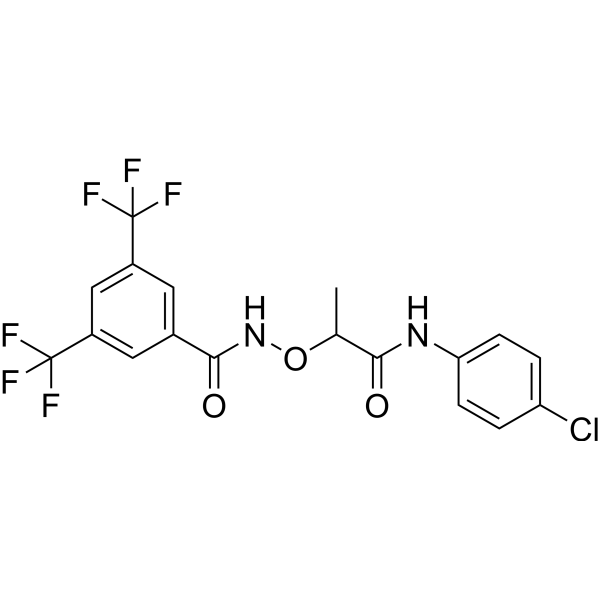
CCG-1423 is an inhibitor of Rho/MRTF/SRF pathway. CCG-1423 shows activities in several cancer cells. CCG-1423 is a promising lead compound for the development of novel pharmacologic tools, and it can be used for the research of cancer and diabetes .
10
10 Cited Publications
Cat. No.: HY-12970A
CAS No.: 2070015-25-5
Purity:  98.15%
Research Areas:  

Cancer

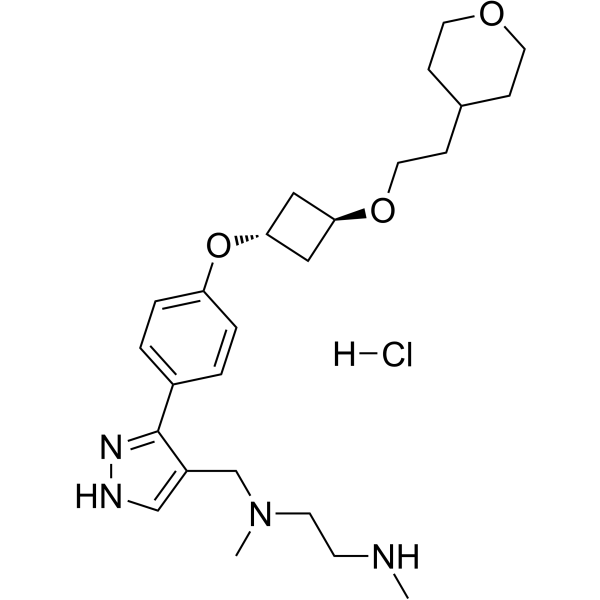
EPZ020411 hydrochloride is a selective inhibitor of PRMT6 with an IC50 of 10 nM, it has >10 folds selectivity for PRMT6 over PRMT1 and PRMT8. EPZ020411 hydrochloride can be used for the research of cancer .
10
10 Cited Publications
Cat. No.: HY-12970
CAS No.: 1700663-41-7
Purity:  98.07%
Research Areas:  

Cancer

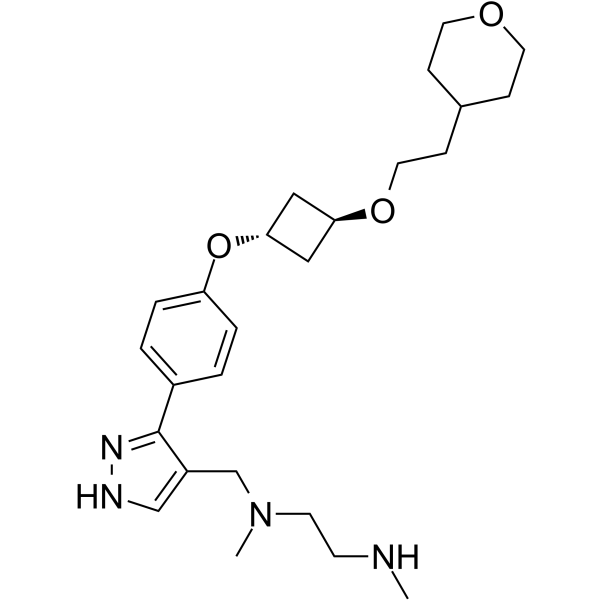
EPZ020411 is a selective inhibitor of PRMT6 with an IC50 of 10 nM, has >10 folds selectivity for PRMT6 over PRMT1 and PRMT8. EPZ020411 can be used for the research of cancer .
7
7 Cited Publications
Cat. No.: HY-18102
CAS No.: 1215085-92-9
Target:  

Androgen Receptor

Research Areas:  

Neurological Disease

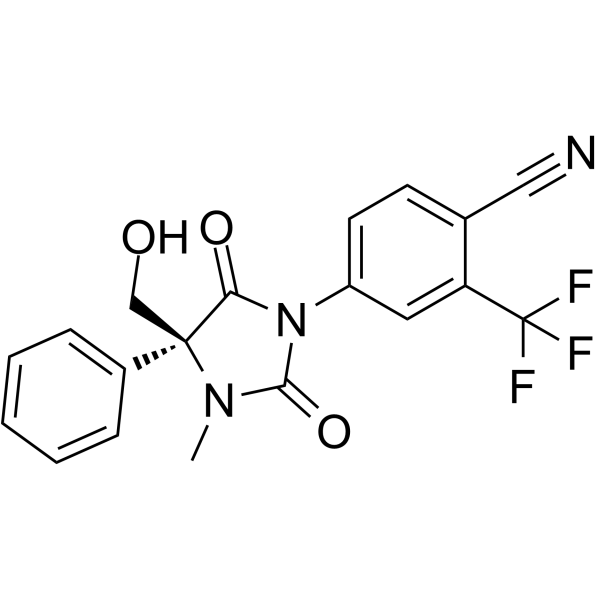
GLPG0492 is an orally active, non-steroidal selective androgen receptor modulator. GLPG0492 exerts functional transactivation by binding to the ligand-binding domain of the receptor, exhibiting preferential partial agonist activity in muscle and bone tissues with low activity in reproductive tissues. GLPG0492 effectively counteracts muscle atrophy-related pathways, significantly enhances muscle strength, maintains motor ability, reduces fibrosis and improves electrophysiological parameters. GLPG0492 prevents immobilization-induced muscle atrophy and regulates muscle mass homeostasis, serving as a valuable tool compound for studies on Duchenne muscular dystrophy, muscle loss and various types of disuse musculoskeletal atrophy .
5
5 Cited Publications
Cat. No.: HY-141539
CAS No.: 2755823-12-0
Purity:  99.93%
Research Areas:  

Cancer

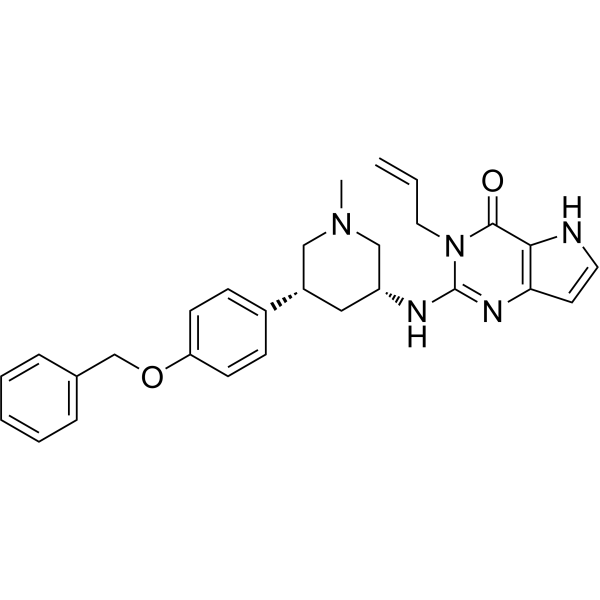
SETDB1-TTD-IN-1 is a SETDB1 methyltransferase activator and SETDB1-TTD competitive inhibitor (Kd of 88 nM), and selectivity for SETDB1-TTD over other tudor and bromodomain proteins. SETDB1-TTD-IN-1 stimulates methyltransferase activity via increased catalytic activity, promotes Akt1 Lys64 methylation, Akt1 Thr308 phosphorylation and activation. SETDB1-TTD-IN-1 prevents SETDB1-TTD-histone H3 peptide association, induces global gene expression changes, exhibits cellular target engagement, and acts as a tool compound for SETDB1-TTD function exploration. SETDB1-TTD-IN-1 can be used for the research of breast cancer .
3
3 Cited Publications
Cat. No.: HY-16100
CAS No.: 1291779-76-4
Research Areas:  

Metabolic Disease Cancer

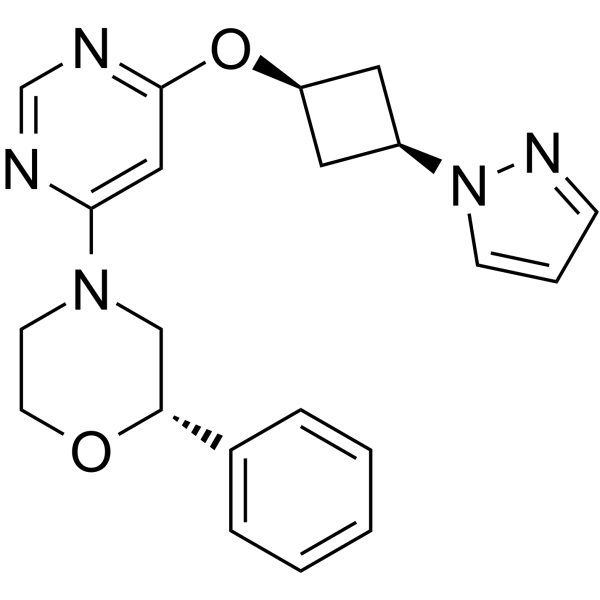
BI 99179, a chemical probe, is a potent and selective type I fatty acid synthase (FAS) inhibitor with an IC50 of 79 nM. BI 99179 is a tool compound suitable for the in vivo validation of FAS as a target for lipid metabolism related diseases. BI 99179 exhibits significant exposure (both peripheral and central) upon oral administration in rats .
2
2 Cited Publications
Cat. No.: HY-145272
CAS No.: 2761063-99-2
Purity:  99.81%
Target:  

ELOVL

Research Areas:  

Neurological Disease

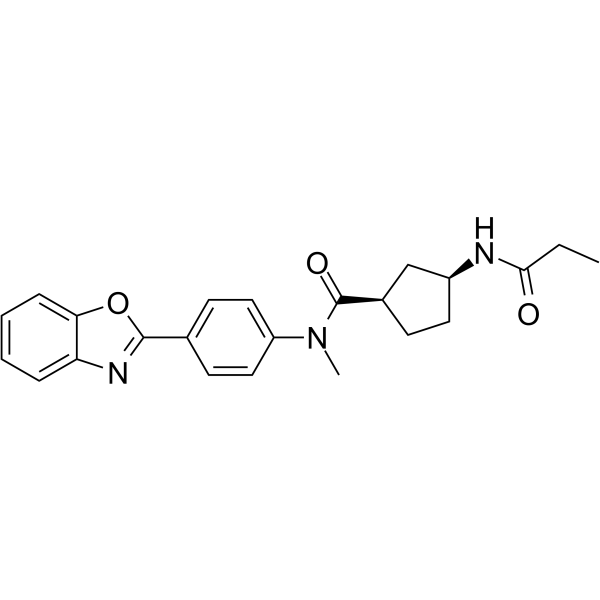
ELOVL1-IN-3 (Compound 22) is a potent and orally active inhibitor of elongation of very long chain fatty acid 1 (ELOVL1) enzyme. ELOVL1-IN-3 serves as a useful tool for researching adrenoleukodystrophy (ALD) [1].
2
2 Cited Publications
Cat. No.: HY-14454
CAS No.: 21306-65-0
Purity:  99.81%
Synonyms: Triphenyl compound A
Research Areas:  

Cancer

TPh A (Triphenyl Compound A) is a potent inhibitor of the nuclear protein pirin and binds specifically to pirin with a Ki of 0.6 uM. TPh A disrupts the formation of the bcl3–pirin complex. TPh A can be used as a novel small molecule tool to regulate pirin in cells .
2
2 Cited Publications
Cat. No.: HY-W034953
CAS No.: 52698-84-7
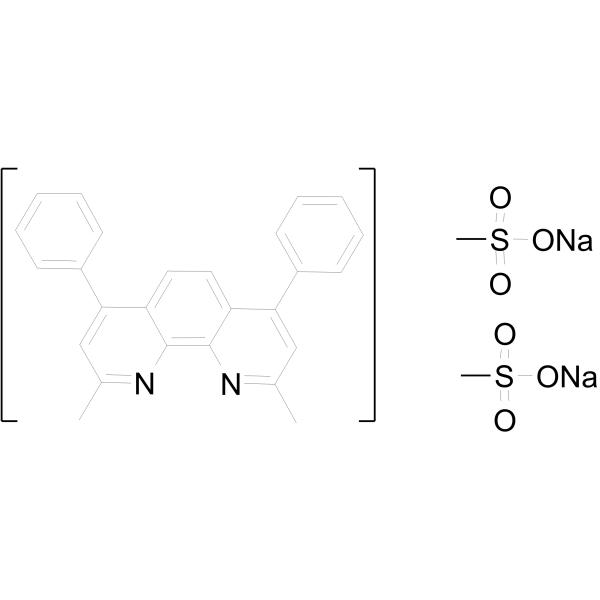
Bathocuproine disulfonate disodium (BCS) is an organic compound used as a highly sensitive colorimetric reagent for copper ions in biochemical and analytical applications. It has a bright yellow color and absorbs light at specific wavelengths, so it can be used to detect and quantify trace copper. In biochemical applications, BCS is commonly used to study the role of copper ions in various biological processes. Copper is an essential nutrient for many organisms, but it can also be toxic in high concentrations, so accurate measurement of copper levels is important to understand its impact on living systems. In terms of analysis, BCS is often used in environmental monitoring and water quality testing to detect copper pollution. It can detect copper even at very low concentrations, making it an invaluable tool for identifying potential sources of pollution and assessing the impact of industrial activities on aquatic ecosystems.
1
1 Cited Publications
Cat. No.: HY-134885
CAS No.: 2488788-52-7
Purity:  98.96%
Synonyms: RM-023
Target:  

SHP2 SOS1 Ras

Research Areas:  

Cancer

RMC-0331 (RM-023) is a potent, selective and orally bioavailable SOS1 inhibitor. RMC-0331 is an in vivo tool compound that blocks RAS activation via disruption of the RAS-SOS1 interaction .
1
1 Cited Publications
Cat. No.: HY-W035903
CAS No.: 2002-24-6
Synonyms: 2-Aminoethanol hydrochloride
Ethanolamine hydrochloride, is an organic compound used in various industrial applications. It is a white or colorless solid that is soluble in water and has a faint odor. One of the major uses of Ethanolamine hydrochloride is in the production of detergents and surfactants. Used as a raw material in the manufacture of compounds such as ethylenediaminetetraacetic acid (EDTA) and diethanolamine, which are commonly used in household and industrial cleaning products. Ethanolamine hydrochloride is also used in the synthesis of pharmaceuticals, agrochemicals and rubber processing agents. It acts as a buffer in certain chemical reactions, helping to adjust pH and maintain stability. Ethanolamine hydrochloride can be used for gas purification and metal corrosion inhibitor. Its ability to react with acid gases such as carbon dioxide and sulfur dioxide makes it useful for removing impurities from natural gas and other industrial gases. Overall, Ethanolamine hydrochloride is a multifunctional compound with many potential industrial applications. Its ability to act as a buffer, chelating agent, and corrosion inhibitor makes it an important tool in a variety of industries.
Cat. No.: HY-151719
CAS No.: 18523-48-3
Purity:  99.09%
Synonyms: 2-Azidoacetic acid
Target:  

ADC Linkers

Research Areas:  

Others

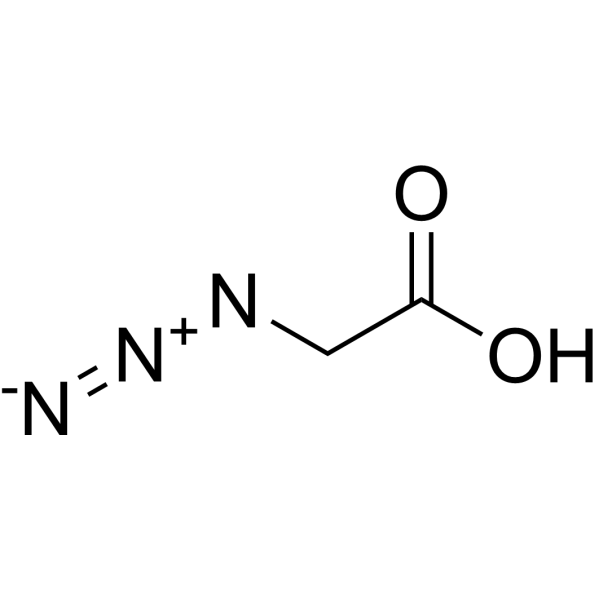
Azidoacetic Acid (2-Azidoacetic acid) (compound 92-1) is a click chemistry reagent containing an azide group. Azidoacetic Acid can be used as a small molecule tool for the synthesis of PROTAC . It contains an azide group and can undergo copper-catalyzed azide-alkyne cycloaddition (CuAAc) with molecules containing alkyne groups. It can also undergo ring strain-promoted alkyne-azide cycloaddition (SPAAC) with molecules containing DBCO or BCN groups.
Cat. No.: HY-132298
CAS No.: 2810887-45-5
Purity:  99.84%
Target:  

Adenylate Cyclase

Research Areas:  

Others

TDI-10229 is a potent and orally bioavailable inhibitor of soluble adenylyl cyclase (sAC, ADCY10). TDI-10229 displays nanomolar inhibition of sAC in both biochemical and cellular assays (IC50 of 195 nM) and exhibits mouse pharmacokinetic properties sufficient to warrant its use as an in vivo tool compound .
Cat. No.: HY-129576
CAS No.: 2089035-40-3
Purity:  99.17%
Target:  

P2Y Receptor

Research Areas:  

Inflammation/Immunology

PSB-16133 (sodium) is a tool compound specifically designed to block P2Y receptor subtypes .
Cat. No.: HY-106312A
CAS No.: 72301-79-2
Purity:  ≥98.0%
Synonyms: LY122772
Target:  

Enterovirus

Research Areas:  

Infection

Enviroxime (LY122772) is an antiviral compound that inhibits the replication of rhinoviruses and enteroviruses. Enviroxime blocks the replication of plus-strand viral RNA by targeting the viral 3A coding region. Enviroxime can be a useful tool for investigating the natural function of the 3A protein .
Cat. No.: HY-W045537
CAS No.: 102185-33-1
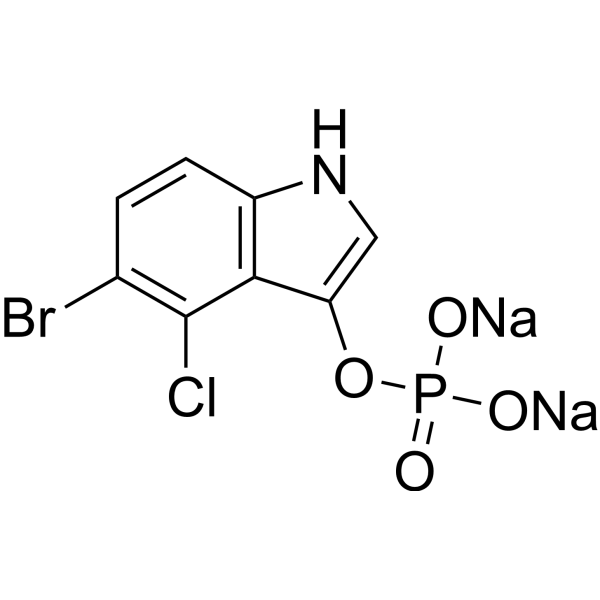
Sodium 5-bromo-4-chloro-1H-indol-3-yl phosphate is commonly used as a substrate for phosphatase assays in biochemistry and molecular biology. This compound is converted by phosphatases to a yellow compound that can be easily measured spectrophotometrically or fluorometrically. Furthermore, it has been used as a useful reagent in enzyme-catalyzed reactions and a tool for studying signal transduction pathways.
Cat. No.: HY-W414799
CAS No.: 79416-87-8
Nε,Nε-Dimethyl-L-lysine monohydrochloride is an unnatural amino acid with the activity of regulating protein post-translational modification. Nε,Nε-Dimethyl-L-lysine monohydrochloride can be used as a tool for epigenetic research to promote the research process of acetylation and methylation. Nε,Nε-Dimethyl-L-lysine monohydrochloride is also widely used in compound development and biochemical research.
Cat. No.: HY-163372
CAS No.: 3034182-97-0
Target:  

PROTACs MAP4K

Research Areas:  

Cancer

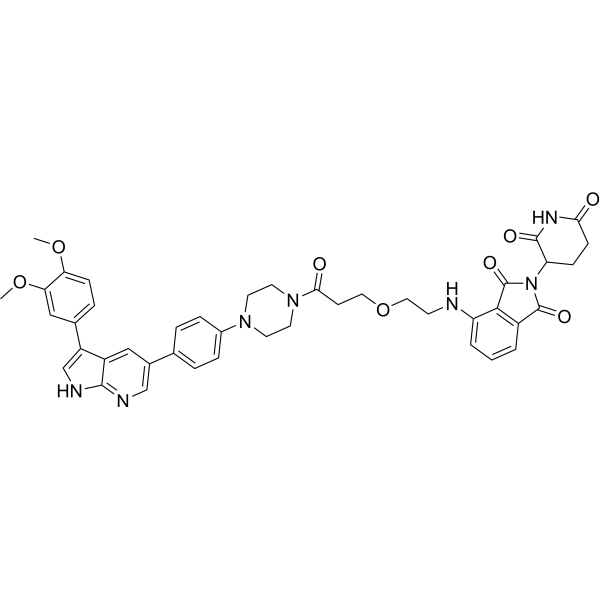
PROTAC HPK1 Degrader-1 (Compound B1) is a potent HPK1 degrader with DC50 value of 1.8 nM. PROTAC HPK1 Degrader-1 inhibits phosphorylation of the SLP76 protein with IC50 value of 496.1 nM. PROTAC HPK1 Degrader-1 is a bona fide HPK1-PROTAC degrader, which provided a potential tool for further HPK1 investigation in TCR signaling .
Cat. No.: HY-D2415
CAS No.: 2411845-57-1
BODIPY-FL staurosporine (Compound 8a) is a fluorescence probe based on staurosporine, exhibiting high specificity towards tyrosine kinases (TK) and tyrosine kinase-like (TKL) family kinases. BODIPY-FL staurosporine has the potential to develop binding assays for kinases that are not recommended for use with Kinase Tracer 236, such as PIM3, CDC42BPG, MAP2K7, TXK, and SIK3. BODIPY-FL staurosporine can be a powerful tool for analyzing kinase selectivity in kinase drug discovery .
Cat. No.: HY-153963
Purity:  99.24%
Target:  

Oxytocin Receptor

Research Areas:  

Endocrinology

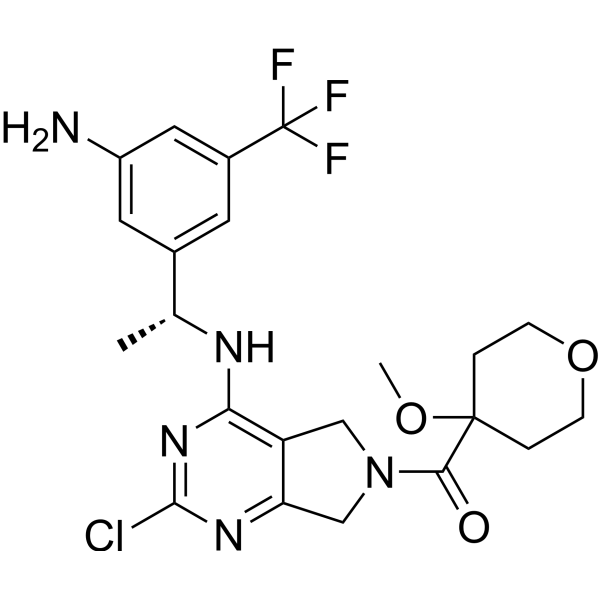
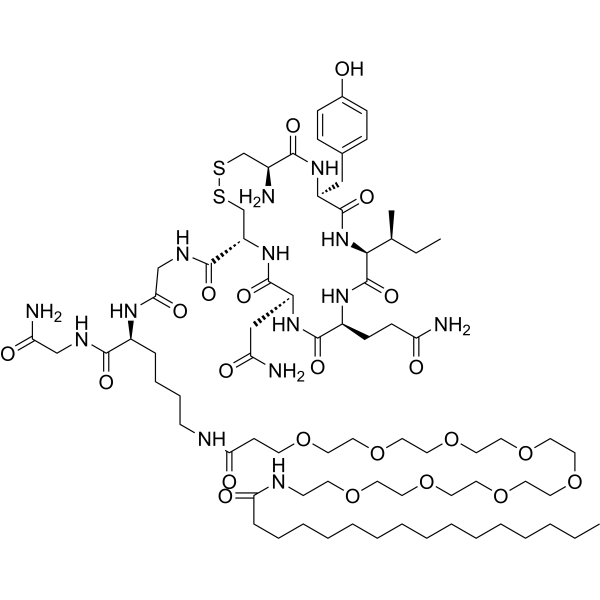
PF-06655075 is a novel andnon–brain-penetrant oxytocin receptor agonist with increased selectivity for the oxytocin receptor and significantly increased pharmacokinetic stability. PF-06655075 can be used as a tool compound to further explore the role of peripheral oxytocin in behavioral response .

