1. Search Result
Search Result
Results for "

water molecules

" in MedChemExpress (MCE) Product Catalog:

83

Inhibitors & Agonists

19

Fluorescent Dyes

27

Biochemical Assay Reagents

5

Natural
Products

19

Click Chemistry

15

Oligonucleotides

1

GMP Molecules

Targets Recommended:
Cat. No. Product Name Target Research Areas Chemical Structure
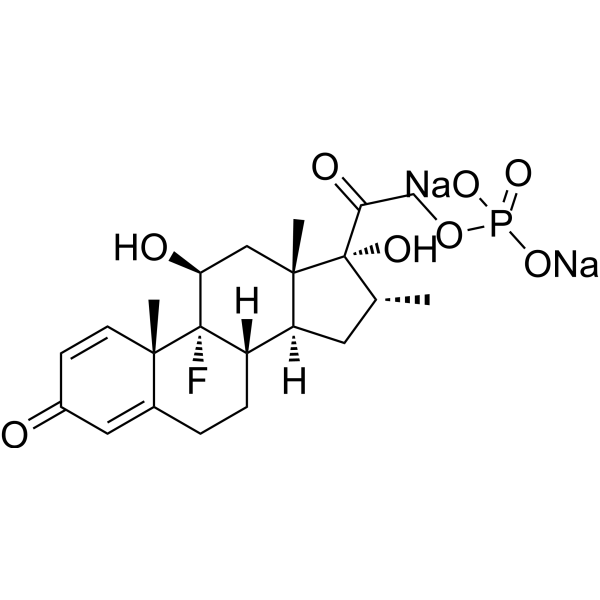
  • HY-B1829A
    Dexamethasone phosphate disodium
    10+ Cited Publications

    Dexamethasone 21-phosphate disodium

    Glucocorticoid Receptor TGF-β Receptor Interleukin Related Neurological Disease Inflammation/Immunology
    Dexamethasone phosphate (Dexamethasone 21-phosphate) disodium is a prodrug form of the glucocorticoid Dexamethasone (HY-14648). Dexamethasone phosphate disodium is produced by introducing a phosphate ester group at the 21-position of the Dexamethasone molecule, forming a salt with sodium ions, thereby significantly improving water solubility. Dexamethasone phosphate disodium inhibits LPS (HY-D1056)-induced degradation of IRAK-1 and IRAK-4, and blocks LPS-induced activation of TRAF6, p-TAK1 and p-JNK. Dexamethasone phosphate disodium inhibits the secretion of RANTES, TGF-β1 and NO, promotes the production of MIP-1α and IL-10, and blocks microglial migration. Dexamethasone phosphate disodium is almost completely converted to Dexamethasone in rat blood, and supports transdermal delivery via iontophoresis. Dexamethasone phosphate disodium can be used in research related to steroid-dependent ulcerative colitis, chemotherapy-induced vomiting, allergic asthma and acute colitis (inflammatory bowel disease) .
    Dexamethasone phosphate disodium
  • HY-Y0338

    Environmental Pollutants Others
    Ethylene glycol is an organic compound that is often used as an antifreeze agent and coolant. Ethylene glycol lowers the freezing point by forming hydrogen bonds with water molecules, exerting antifreeze activity. Ethylene glycol is also used as a raw material in the synthesis of polymers such as polyester fibers and polyurethanes .
    Ethylene glycol,98%
  • HY-W099535

    Biochemical Assay Reagents Others
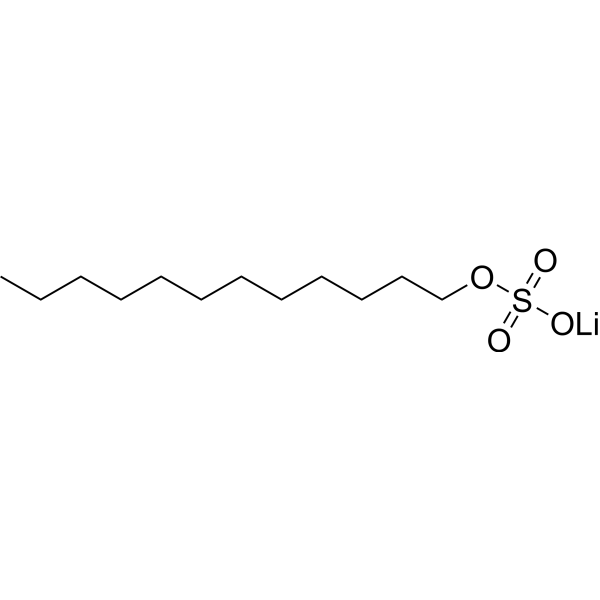
    Lithium dodecyl sulfate is an anionic hydrocarbon surfactant with both surface tension reduction and interfacial adsorption capabilities. Lithium dodecyl sulfate induces low surface viscosity; it forms micelles in aqueous solutions through entropy-driven (low temperature) and enthalpy-driven (high temperature) mechanisms. When acting synergistically with tetrabutylammonium bromide, Lithium dodecyl sulfate exhibits cloud point behavior due to micelle aggregation and phase separation. Lithium dodecyl sulfate can form an adsorption layer at the air-water interface with quantifiable surface excess and minimum area per molecule, and it has higher equilibrium surface tension and foamability compared to other dodecyl sulfate counterion variants. The foam stability of Lithium dodecyl sulfate above its critical micelle concentration is low, and its dynamic surface tension pattern changes dynamically with bubble frequency .
    Lithium dodecyl sulfate
  • HY-151708

    Fluorescent Dye Others
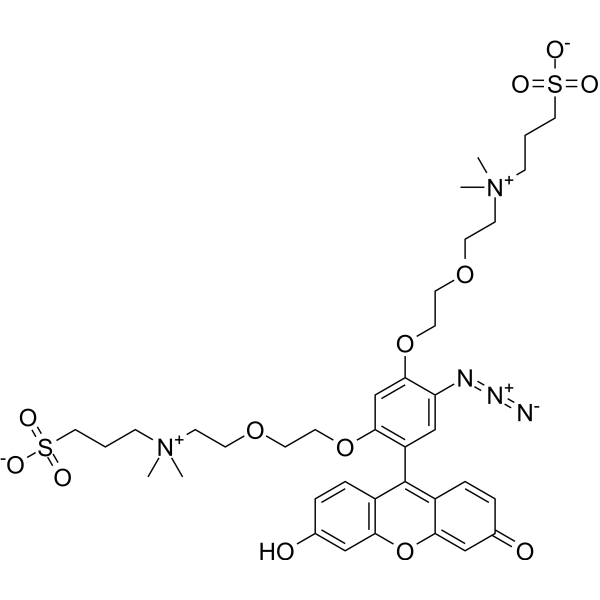
    CalFluor 488 Azide is a water-soluble fluorogenic azide probe. CalFluor 488 Azide is activated by Cu-catalyzed or metal-free click reaction. CalFluor 488 Azide is not fluorescent until it is reacted with alkynes . It contains an azide group and can undergo copper-catalyzed azide-alkyne cycloaddition (CuAAc) with molecules containing alkyne groups. It can also undergo ring strain-promoted alkyne-azide cycloaddition (SPAAC) with molecules containing DBCO or BCN groups.
    CalFluor 488 Azide
  • HY-112624C

    Biochemical Assay Reagents Endogenous Metabolite Others
    Dextran (MW 40000) is a complex carbohydrate polymer consisting of glucose molecules linked by glycosidic bonds. Dextran has excellent solubility in water, making it useful as a viscosity modifier or stabilizer in foods, paints and adhesives. In the biomedical field, dextran is often used as a plasma expander because of its ability to increase blood volume when administered intravenously. It can also be modified to create dextran-based drug delivery systems, such as targeted nanoparticles.
    Dextran (MW 40000)
  • HY-W040040

    Environmental Pollutants Endogenous Metabolite Metabolic Disease
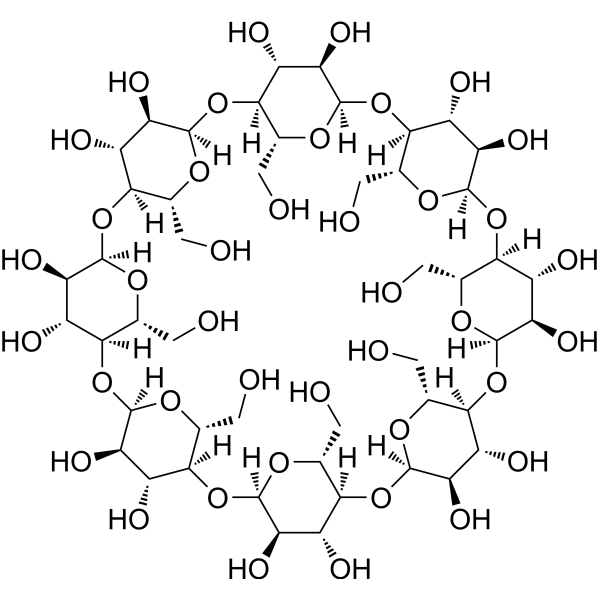
    γ-Cyclodextrin is an orally active cyclic oligosaccharide composed of eight glucose molecules, which can be formed by bacteria digesting starch. γ-Cyclodextrin can form water-soluble inclusion complexes with a variety of poorly soluble compounds and is widely used in fields such as pharmacy and food. In addition, γ-Cyclodextrin has good safety .
    γ-Cyclodextrin
  • HY-125940

    1,2-Dipalmitoyl-sn-glycero-3-phosphoglycerol sodium

    Liposome Others
    DPPG (1,2-Dipalmitoyl-sn-glycero-3-phosphoglycerol sodium) is a phospholipid that contains long-chain (16:0) palmitic acid inserted at the sn-1 and sn-2 positions, and it serves as an active component to prevent BaP molecules from entering the water subphase. DPPG is used to prepare micelles, liposomes, and other types of artificial membranes that can resist damage from UV radiation .
    DPPG
  • HY-P2875

    Endogenous Metabolite Others
    Hemicellulase is a hemicellulose-targeting hydrolase that breaks down the binding of glucose and polymers to water molecules present in plant fibers. Hemicellulase specifically degrades hemicellulose (such as xylan and mannan) in plant cell walls by hydrolyzing β-1,4-xylosidic bonds and ester bonds (such as acetyl and ferulic acid ester bonds). Hemicellulase relies on the synergistic action of the glycoside hydrolase (GH) and carbohydrate esterase (CE) families to achieve efficient hydrolysis through acid-base catalysis (such as Glu/Asp residues) and substrate binding pockets. Hemicellulase can be used in the food industry (such as improving bread texture), biofuel production (lignocellulose pretreatment) and paper industry (biobleaching) .
    Hemicellulase
  • HY-154487

    Biochemical Assay Reagents Neurological Disease
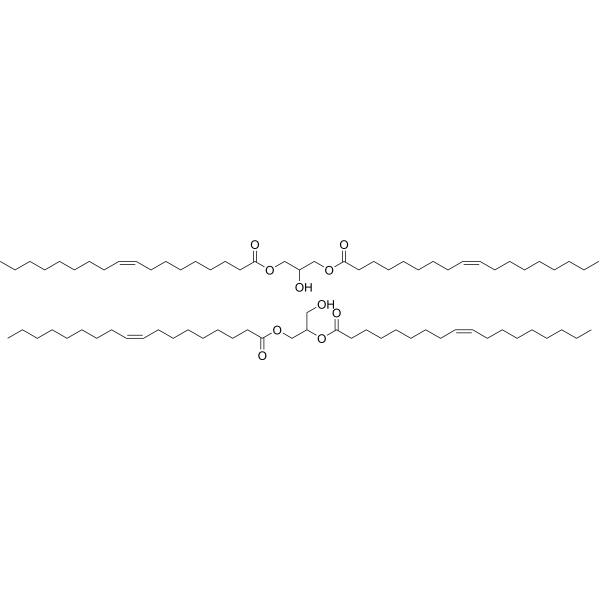
    Glycerol dioleate is a lipid capable of forming Lyotropic Liquid Crystal (LLC). When formulated with phosphatidylcholine and exposed to aqueous media, glycerol dioleate constructs an inverted hexagonal (HII) phase structure with sustained-release properties. The in-situ forming gel prepared by optimizing glycerol dioleate with phosphatidylcholine and N-methyl-2-pyrrolidone enables stable release of Risperidone (HY-11018) for up to 60 days in vitro and in vivo. Glycerol dioleate causes minimal side effects in rabbits, making it an ideal carrier component for the development of antischizophrenia agents .Note: Lyotropic liquid crystals (Lyotropic Liquid Crystal, LLC) are ordered fluid phases self-assembled by amphipathic molecules (e.g., lipids, surfactants) in solvents (usually water) at specific concentrations .
    Glycerol dioleate
  • HY-W048457

    Pearlman's Catalyst (contains Pd, PdO) (wetted with ca. 55% water)

    Biochemical Assay Reagents Others
    Palladium hydroxide on activated carbon(20%)(wetted with ca. 55% Water) is a biological molecule.
    Palladium hydroxide on activated carbon(20%)(wetted with ca. 55% Water)
  • HY-W039897
    Methyl α-D-mannopyranoside
    1 Publications Verification

    α-Methyl-D-mannoside

    Environmental Pollutants Bacterial Infection
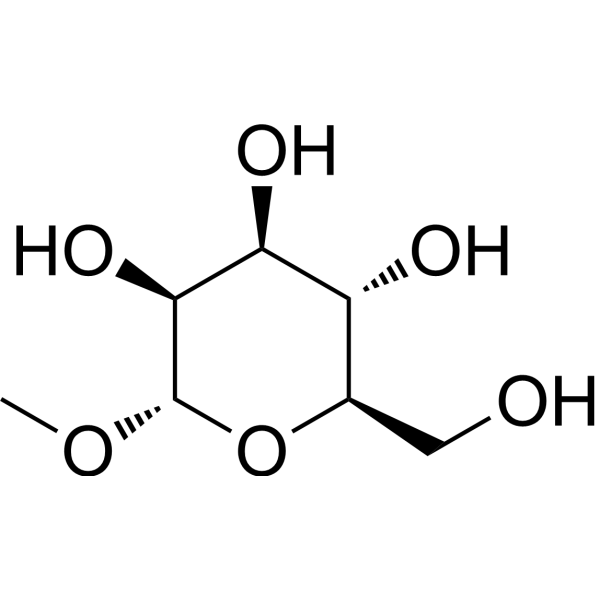
    Methyl α-D-mannopyranoside (α-Methyl-D-mannoside) is a methyl glycoside derivative and conformational stabilizer of α-D-mannopyranose. The glycosidic bond conformation of Methyl α-D-mannopyranoside is significantly affected by the environment. In aqueous solution, Methyl α-D-mannopyranoside stabilizes into a trans conformation via intermolecular hydrogen bonds; in the gas phase, however, steric interactions drive Methyl α-D-mannopyranoside to prefer a clockwise gauche conformation. Methyl α-D-mannopyranoside also serves as a major component of secondary cell wall polymers in some bacteria and an active precursor site for virus-targeted glycoproteins. Methyl α-D-mannopyranoside acts as an acceptor substrate for alternansucrase, mediating the transfer of D-glucopyranosyl groups to generate a variety of glycosylated oligosaccharide products, with methyl α-D-glucopyranosyl-(1→6)-α-D-mannopyranoside as the main component. Methyl α-D-mannopyranoside is applicable to studies on bacterial pathogenic mechanisms associated with mannose-specific fimbrial lectins .
    Methyl α-D-mannopyranoside
  • HY-128417A

    Biochemical Assay Reagents Others
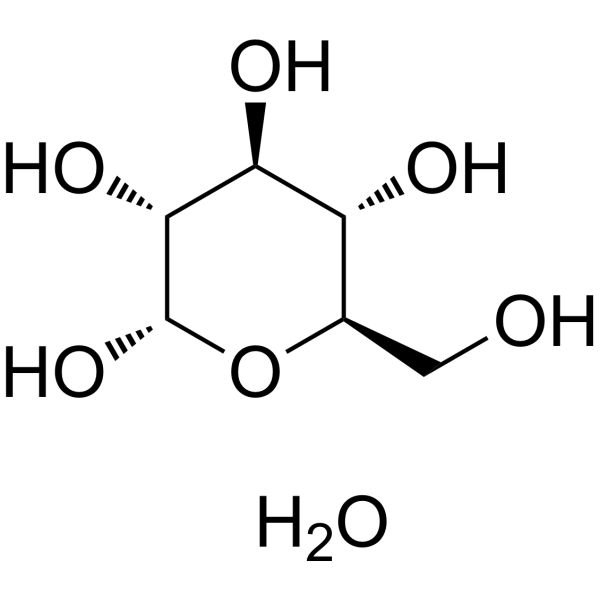
    alpha-D-glucose hydrate is a monosaccharide and the most common form of glucose. It is a monosaccharide, which means it cannot be broken down into simpler sugars. alpha-D-glucose plays a vital role in energy metabolism and is the primary source of energy for many cells in the body. It is also a building block of larger carbohydrates such as starch and glycogen. The "α" prefix refers to the orientation of the hydroxyl group attached to the first carbon atom. Alpha-D-glucose exists in solution as a hydrate, which means it is bound to water molecules.
    alpha-D-glucose hydrate
  • HY-W127776

    Ethylenediaminetetraacetic acid zinc disodium tetrahydrate

    Biochemical Assay Reagents Others
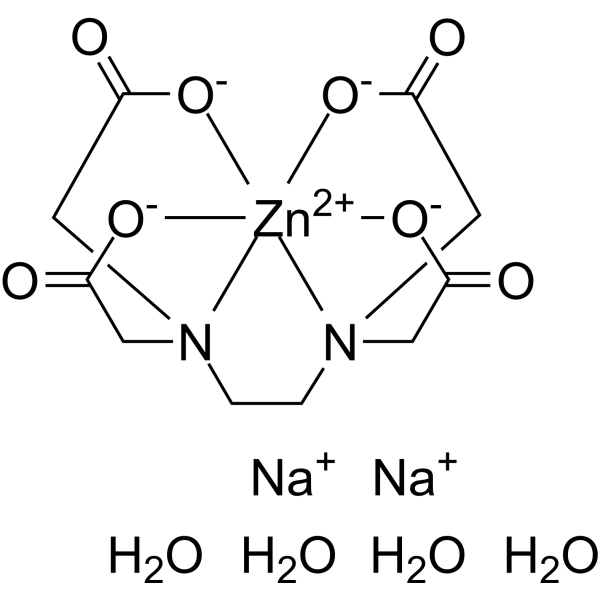
    Zn(II)-EDTA (Ethylenediaminetetraacetic acid zinc) disodium tetrahydrate is a coordinating agent. Zn(II)-EDTA disodium tetrahydrate coordinates with Zn 2+ to modify its solvated structure, provides pre-synthesized EDTA-Zn complexes that release Zn 2+ to repair zinc anode defects under interfacial electric field, adsorbs onto zinc anode surface to block oxygen and water molecules, inhibits corrosion and hydrogen evolution reactions, promotes uniform Zn 2+ deposition, suppresses zinc dendrite formation, and modulates the hydrogen bonding network within the electrolyte. Zn(II)-EDTA disodium tetrahydrate acts as an electrolyte additive to enhance reversibility and stability of zinc anodes in aqueous zinc-ion batteries .
    Zn(Ⅱ)-EDTA disodium tetrahydrate
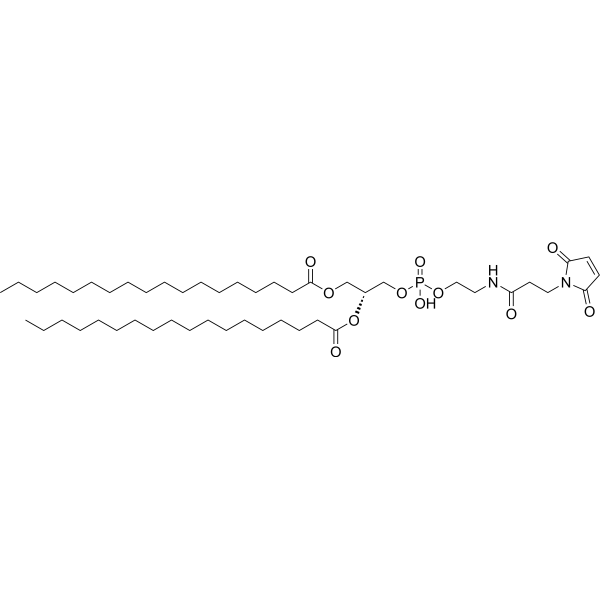
  • HY-W441007

    Liposome Inflammation/Immunology Cancer
    DSPE-MAL is a phospholipid compound with a maleimide reactive group. DSPE-MAL contains two saturated fatty acids and can self-assemble in water to form a lipid bilayer. DSPE-MAL can be used to prepare liposomes as nanocarriers for active molecules .
    DSPE-Mal
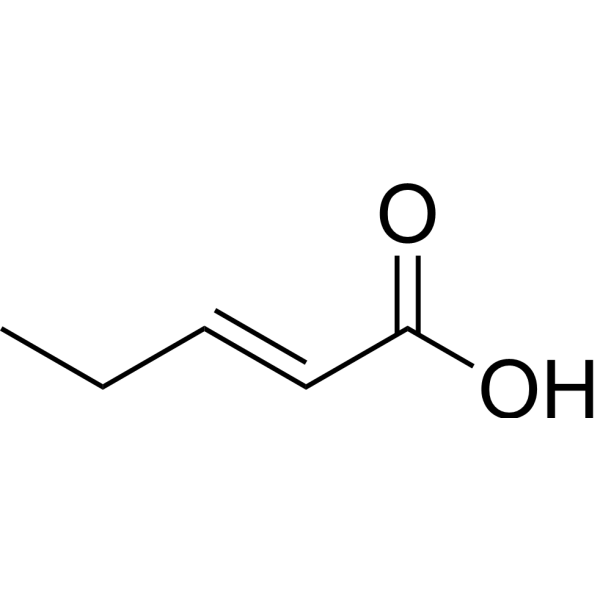
  • HY-W061674

    (E)-Pent-2-enoic acid

    Biochemical Assay Reagents Others
    (2E)-Pent-2-enoic acid is an unsaturated carboxylic acid, it is also known as 2-pentenoic acid or crotonic acid, the "2E" designation indicates that the molecule has a trans double bond configuration, where the double bond The two carbon atoms on both sides are located on opposite sides, (2E)-Pent-2-enoic acid has a pungent odor, is miscible with water and most organic solvents, it is commonly used in organic synthesis as a variety of chemical reactions, including esterification, oxidation, and reduction, and in addition, its potential use as a flavoring agent in the food industry was investigated.
    trans-2-Pentenoic acid
  • HY-W440719

    Liposome Cancer
    Cholesterol-PEG2000-MAL is a PEG derivative and can be used to prepare liposome or nanoparticle due to its ability to self-assemble in water. The maleimide moiety is reactive with thiol molecule to form a covalent thioether bond.
    Cholesterol-PEG2000-MAL
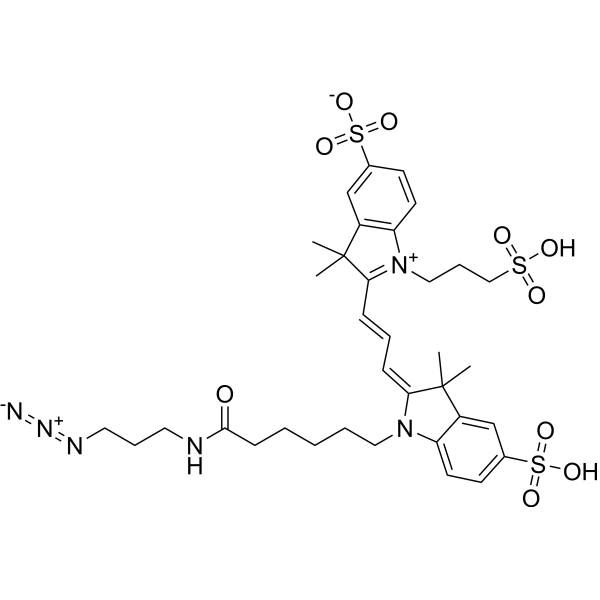
  • HY-151710

    Fluorescent Dye Others
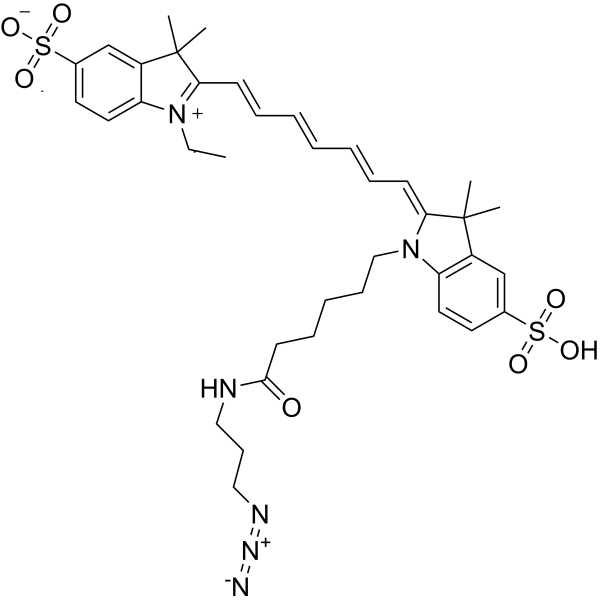
    Sulfo-Cy3 Azide is a water-soluble fluorogenic dye containing an azide group, which enables Click Chemistry. Sulfo-Cy3 Azide can be used for the labeling of sensitive molecules such as proteins . It contains an azide group and can undergo copper-catalyzed azide-alkyne cycloaddition (CuAAc) with molecules containing alkyne groups. It can also undergo ring strain-promoted alkyne-azide cycloaddition (SPAAC) with molecules containing DBCO or BCN groups.
    Sulfo-Cy3 Azide
  • HY-D1568

    Fluorescent Dye Others
    Sulfo-Cy7.5 NHS ester is a near infrared water soluble hydrophilic dye, also is an NHS ester for the modification of amine groups. Sulfo-Cy7.5 NHS ester contains a trimeth ylene bridge and has a linker arm for its attachment to proteins, peptides, and other molecules. Sulfo-Cy7.5 NHS ester can be used for the research of NIR imaging applications .
    Sulfo-Cy7.5 NHS ester
  • HY-151711

    Fluorescent Dye Others
    Sulfo-Cy5.5 Azide is a click chemistry reagent containing an azide group. Sulfo-Cy5.5 Azide is also a water-soluble dye (Ex=673 nm, Em=707 nm), which designed to label sensitive molecules such as peptides, proteins and oligonucleotides. It contains an azide group and can undergo copper-catalyzed azide-alkyne cycloaddition (CuAAc) with molecules containing alkyne groups. It can also undergo ring strain-promoted alkyne-azide cycloaddition (SPAAC) with molecules containing DBCO or BCN groups.
    Sulfo-Cy5.5 Azide
  • HY-N16025

    Liposome Biochemical Assay Reagents Others
    DOPE-PEG(2000) Amine ammonium is a polydisperse PEG covalently attached to a phospholipid. The polymer is an amphiphilic molecule with hydrophobic fatty acid chains and hydrophilic PEG head which enables lipid bilayer or micelle formation in water. The phospholipid PEG can be used to prepare liposome or nanoparticles for targeted agent delivery and is reactive with alkyne to form a triazole ring .
    DOPE-PEG(2000) Amine ammonium
  • HY-D1053

    Sulfo-Cyanine7-N3

    Fluorescent Dye Metabolic Disease
    CY7-N3 (Sulfo-Cyanine7-N3) is a water-soluble NIR dye azide for Click Chemistry. It contains an azide group and can undergo copper-catalyzed azide-alkyne cycloaddition (CuAAc) with molecules containing alkyne groups. It can also undergo ring strain-promoted alkyne-azide cycloaddition (SPAAC) with molecules containing DBCO or BCN groups.
    CY7-N3
  • HY-W440833

    Liposome Others
    DSPE-PEG3400-azide is a polydisperse PEG covalently attached to a phospholipid. The polymer is an amphiphilic molecule with hydrophobic fatty acid chains and hydrophilic PEG head which enables lipid bilayer or micelles formation in water. The phospholipid PEG can be used to prepare liposome or nanoparticles for targeted drug delivery and is reactive with alkyne to form triazole bond.
    DSPE-PEG3400-azide
  • HY-W250928D

    Fluorescent Dye Others
    Biotin-PEG3400-azide is a biotin labeled PEG derivative. Biotin is an enzyme co-factor, can be used for labeling protein; PEG is a hydrophilic and water-soluble polymer with low toxicity; azide, is a moderately good leaving group, can react with alkyne by Cu-catalyzation, which improve the efficiency of biotin binding targets. It contains an azide group and can undergo copper-catalyzed azide-alkyne cycloaddition (CuAAc) with molecules containing alkyne groups. It can also undergo ring strain-promoted alkyne-azide cycloaddition (SPAAC) with molecules containing DBCO or BCN groups.
    Biotin-PEG3400-azide
  • HY-W250928C

    Fluorescent Dye Others
    Biotin-PEG2000-azide is a biotin labeled PEG derivative. Biotin is an enzyme co-factor, can be used for labeling protein; PEG is a hydrophilic and water-soluble polymer with low toxicity; azide, is a moderately good leaving group, can react with alkyne by Cu-catalyzation, which improve the efficiency of biotin binding targets. It contains an azide group and can undergo copper-catalyzed azide-alkyne cycloaddition (CuAAc) with molecules containing alkyne groups. It can also undergo ring strain-promoted alkyne-azide cycloaddition (SPAAC) with molecules containing DBCO or BCN groups.
    Biotin-PEG2000-azide
  • HY-N12281

    Apoptosis MDM-2/p53 PAK Calcium Channel Endocrinology Cancer
    Sennoside is an orally active apoptosis inducer and stimulant laxative, found in Senna (Cassia angustifolia). Sennoside induces overexpression of wild-type p53 and p21/WAF as part of pathways mediating colonic epithelial cell apoptosis. Sennoside stimulates colonic peristalsis, reverses net water, sodium, chloride absorption to secretion and enhances potassium and calcium secretion. Sennoside increases paracellular permeability to small molecules, accelerates colon transit and softens fecal pellets. Sennoside can be used for the research of constipation, melanosis coli, and colorectal cancer .
    Sennoside
  • HY-D1272

    Sulfo-Cyanine3 amine

    Fluorescent Dye Others
    Sulfo-Cy3 amine is a dye derivative of Cyanine 3 (Cy3) (HY-D0822) bearing an amine group. The sulfonate ion increases the water solubility of the compound, making it suitable for use in aqueous solutions. Cy3 is a fluorescent dye with a fluorescence spectrum typically in the green to orange wavelength range. The amine functionality of Sulfo-Cy3 amine can react with carboxyl groups to form covalent bonds. Sulfo-Cy3 amine can bind to biological molecules such as proteins and antibodies to track their location and dynamic changes in biological samples.
    Sulfo-Cy3 amine
  • HY-B1829AR

    Dexamethasone 21-phosphate disodium (Standard)

    Glucocorticoid Receptor Reference Standards Interleukin Related TGF-β Receptor Neurological Disease Metabolic Disease Inflammation/Immunology
    Dexamethasone phosphate (Dexamethasone 21-phosphate) disodium (Standard) is the analytical standard of Dexamethasone phosphate disodium (HY-B1829A). This product is intended for research and analytical applications. Dexamethasone phosphate (Dexamethasone 21-phosphate) disodium is a prodrug form of the glucocorticoid Dexamethasone (HY-14648). Dexamethasone phosphate disodium is produced by introducing a phosphate ester group at the 21-position of the Dexamethasone molecule, forming a salt with sodium ions, thereby significantly improving water solubility. Dexamethasone phosphate disodium inhibits LPS (HY-D1056)-induced degradation of IRAK-1 and IRAK-4, and blocks LPS-induced activation of TRAF6, p-TAK1 and p-JNK. Dexamethasone phosphate disodium inhibits the secretion of RANTES, TGF-β1 and NO, promotes the production of MIP-1α and IL-10, and blocks microglial migration. Dexamethasone phosphate disodium is almost completely converted to Dexamethasone in rat blood, and supports transdermal delivery via iontophoresis. Dexamethasone phosphate disodium can be used in research related to steroid-dependent ulcerative colitis, chemotherapy-induced vomiting, allergic asthma and acute colitis (inflammatory bowel disease).
    Dexamethasone phosphate disodium (Standard)
  • HY-W440895

    Biochemical Assay Reagents Others
    DSPE-PEG1000-SH is an amphiphilic poly-PEG that can form lipid bilayers in water. This amphiphilic polymer can form lipid bilayers in aqueous solution and can be used to embed active molecules for drug delivery systems such as mRNA vaccines.
    DSPE-PEG1000-SH
  • HY-W040040A

    Endogenous Metabolite Metabolic Disease
    γ-Cyclodextrin hydrate is an orally active cyclic oligosaccharide composed of eight glucose molecules, which can be formed by bacteria digesting starch. γ-Cyclodextrin hydrate can form water-soluble inclusion complexes with a variety of poorly soluble compounds and is widely used in fields such as pharmacy and food. In addition, γ-Cyclodextrin hydrate has good safety .
    γ-Cyclodextrin hydrate
  • HY-E70418

    Endogenous Metabolite Cardiovascular Disease Inflammation/Immunology
    Epoxide hydrolase is an enzyme responsible for catalyzing the reaction between epoxides and water, converting epoxide groups into diols. Epoxide hydrolase plays a key role in the metabolism of environmental pollutants and lipids, contributing to detoxification, inflammation responses, and the regulation of cardiovascular system health. Additionally, epoxide hydrolase can be used in asymmetric catalytic reactions, such as the asymmetric ring-opening of epoxides, to produce chiral drug molecules .
    Epoxide hydrolase
  • HY-W998687

    Fluorescent Dye Others
    Cy5 dimethyl is a free non-activated dye. This dye has limited water solubility, but can be dissolved in mixtures of water with organic phase (DMF, DMSO, alcohols) to obtain useful concentrations of the material in solution. This molecule can be considered non-reactive dye for the use in control samples, and for instrument calibration.
    Cy5 dimethyl
  • HY-151789

    ADC Linker Others
    Sulfo DBCO-TFP Ester is a water-soluble, sulfo-containing click chemistry reagent. Sulfo DBCO-TFP Ester enables simple and efficient incorporation of sulfo-DBCO moieties onto amine-containing molecules .
    Sulfo DBCO-TFP Ester
  • HY-151728

    Fluorescent Dye Others
    Trisulfo-Cy3-Alkyne is a water soluble cyanine linker containing an alkyne group, which enables Click Chemistry to attach trisulfo-Cy3 to various azide-bearing molecules. Trisulfo-Cyanine3 is a fluorophore which is compatible with a wide range of fluorescent scanners, imagers, microscopes, etc. It is a bright and photostable dye and can be easily detected in gels by naked eye in low amounts (nmol). Reagent grade, for research use only . Trisulfo-Cy3-Alkyne is a click chemistry reagent, it contains an Alkyne group and can undergo copper-catalyzed azide-alkyne cycloaddition (CuAAc) with molecules containing Azide groups.
    Trisulfo-Cy3-Alkyne
  • HY-N0322GL

    Liposome Estrogen Receptor/ERR Endogenous Metabolite Metabolic Disease Cancer
    Cholesterol (GMP Like) is Cholesterol (HY-N0322) produced by using GMP like guidelines. GMP Like small molecules works appropriately as an auxiliary reagent for cell therapy manufacture. Cholesterol is the major sterol in mammals. It is making up 20-25% of structural component of the plasma membrane. Plasma membranes are highly permeable to water but relatively impermeable to ions and protons. Cholesterol plays an important role in determining the fluidity and permeability characteristics of the membrane as well as the function of both the transporters and signaling proteins . Cholesterol is also an endogenous estrogen-related receptor α (ERRα) agonist .
    Cholesterol (GMP Like)
  • HY-D2771

    Fluorescent Dye Others
    BP Fluor 405 NHS Ester is a water-soluble, blue-fluorescent dye that is often used in multi-color applications, including flow cytometry and super-resolution microscopy using STORM. Its excitation is ideally suited for the 407 nm spectral line of the krypton laser or the 408 nm violet laser diode. BP Fluor 405 conjugates are pH-insensitive from pH 4 to pH 10. The NHS ester (or succinimidyl ester) is the most popular amine reactive group for labeling with the primary amines of proteins (Lys), amine-modified oligonucleotides, and other amine-containing molecules. Proteins can be labeled with BP Fluor 405 NHS Ester at high molar ratios without significant self-quenching, leading to brighter conjugates and more sensitive detection. BP Fluor 405 conjugates can also be used for the detection of abundance targets.
    BP Fluor 405 NHS ester
  • HY-B0560A

    Biochemical Assay Reagents
    Ammonium aluminum sulfate dodecahydrate is a biomolecule precipitation agent that can change the solubility of proteins by interacting with water molecules, thereby effectively purifying proteins.
    Ammonium aluminum sulfate dodecahydrate
  • HY-W441017

    Liposome Others
    DSPE-SPDP is a phospholipid molecule. DSPE-SPDP can orient itself to form lipid bilayer in water. DSPE-SPDP can be used for the research of various biochemical .
    DSPE-SPDP
  • HY-D1274A

    Fluorescent Dye Others
    Sulfo-cyanine3 azide sodium a water-soluble azide cyanine dye and fluorescent probe (Ex/Em=548/563 nm). Sulfo-cyanine3 azide sodium can be involved in synthesis of fused tricyclic heterocycles, produces immunostimulatory agents . It contains an azide group and can undergo copper-catalyzed azide-alkyne cycloaddition (CuAAc) with molecules containing alkyne groups. It can also undergo ring strain-promoted alkyne-azide cycloaddition (SPAAC) with molecules containing DBCO or BCN groups.
    Sulfo-cyanine3 azide sodium
  • HY-W440926

    Liposome Others
    Stearic acid-PEG1000-NHS is a cyclooctyne containing phospholipid PEG polymer. The polymer can self-assemble spontaneously in water to form micelles/lipid bilayer. It can be used to prepare nanoparticles or liposomes as drug carrier in targeted drug delivery system. The DBCO can react with azide molecule via copper free click chemistry to form a stable triazole bond.
    Stearic acid-PEG1000-NHS
  • HY-W010361

    Biochemical Assay Reagents Others
    Tetramethylammonium acetate is an organic compound commonly used as a phase transfer catalyst in organic synthesis reactions, especially those involving charged species or polar reagents. It can facilitate the transfer of reactants between two immiscible phases, such as water and organic solvents, by forming stable ion pairs. Additionally, Tetramethylammonium acetate has been used to prepare a variety of organic compounds, including esters, amides, and carboxylic acids. Due to its unique physicochemical properties, it has also been investigated for its potential use in developing new materials such as ionic liquids and liquid crystals. "x" in the formula represents the number of water molecules in the crystal structure, which can vary depending on the preparation method.
    Tetramethylammonium acetate
  • HY-W145116

    Biochemical Assay Reagents
    [Ru(phen)3]Cl2 is an important photocatalyst with photosensitivity and has the activity of promoting reactions in the fields of organic synthesis and photoelectrochemistry. [Ru(phen)3]Cl2 can drive chemical reactions under light conditions and shows good catalytic performance. [Ru(phen)3]Cl2's applications include photocatalytic water decomposition and synthesis of complex organic molecules.
    [Ru(phen)3]Cl2
  • HY-W783254

    PA(18:0e/0:0)

    G Protein-coupled Receptor Kinase (GRK) Calcium Channel Cardiovascular Disease Cancer
    C18 LPA (PA(18:0e/0:0)) is a water-soluble phospholipid that functions as a signaling molecule, influencing various cellular responses through G protein-coupled receptors (GPCRs). It is known to promote smooth muscle contraction, cytoskeletal rearrangement, and chemotaxis, while also playing a role in neurotransmitter release, cell proliferation, platelet aggregation, and Ca2+ mobilization. Elevated levels of C18 LPA in human plasma are associated with ovarian cancer and atherosclerosis, suggesting its potential as a biomarker for ovarian cancer.
    C18 LPA
  • HY-121066

    Others Others
    Dehydrorotenone is a rotenone analog that is resistant to alkali decomposition. When treated with alkaline solution or alkaline solution containing zinc, dehydrorotenone can absorb 2 molecules of water and convert into acid solution.
    Dehydrorotenone
  • HY-131510

    SNARF-DE

    Fluorescent Dye Others
    Chromoionophore XIII (SNARF-DE) is a pH senor that enables excitation with red light. Chromoionophore XIII functionality renders the indicator molecule lipophilic and water-insoluble but also prevents lactonization of the dye in an apolar environment .
    Chromoionophore XIII
  • HY-W440898

    Biochemical Assay Reagents Others
    DSPE-PEG5000-SH is a polyPEG attached DSPE molecule. The lipid tails allow formation of lipid bilayer in water and can be used to solubilize hydrophobic drugs while the hydrophilic core can encapsulate therapeutic agents, such as nuclein acid (mRNA/DNA), protein or peptide.
    DSPE-PEG5000-SH
  • HY-W040186

    Biochemical Assay Reagents Others
    1-Naphthenyl phosphate hydrate sodium is commonly used as a flame retardant for various materials such as plastics, textiles, and construction materials. In addition, its potential use as a corrosion inhibitor and as an ingredient in fertilizers and detergents has been investigated. Its hydrated form contains variable amounts of water molecules, which affects its physical properties and applications.
    1-Naphthenyl phosphate hydrate sodium
  • HY-W440991

    DOPE-PEG2000-NH2

    Liposome Cancer
    DOPE-PEG-Amine (MW 2000) is a polydisperse PEG covalently attached to a phospholipid. The polymer is an amphiphilic molecule with hydrophobic fatty acid chains and hydrophilic PEG head which enables lipid bilayer or micelle formation in water. The phospholipid PEG can be used to prepare liposome or nanoparticles for targeted drug delivery and is reactive with alkyne to form a triazole ring.
    DOPE-PEG2000-Amine
  • HY-W440907

    Biochemical Assay Reagents Others
    DSPE-PEG5000-Vinylsulfone is a viniyl sulfone PEG lipid which can be used for bioconjugation with cysteine or other thiol molecule through thiol-ene reaction. The polymer is a self-assembling reagetn which forms lipid bilayer in water and can be used as drug carrier to delivery therapeutic agents, such as mRNA or DNA vaccine.
    DSPE-PEG5000-Vinylsulfone
  • HY-W440905

    Biochemical Assay Reagents Others
    DSPE-PEG2000-Vinylsulfone is a viniyl sulfone PEG lipid which can be used for bioconjugation with cysteine or other thiol molecule through thiol-ene reaction. The polymer is a self-assembling reagetn which forms lipid bilayer in water and can be used as drug carrier to delivery therapeutic agents, such as mRNA or DNA vaccine.
    DSPE-PEG2000-Vinylsulfone
  • HY-W440904

    Biochemical Assay Reagents Others
    DSPE-PEG1000-Vinylsulfone is a viniyl sulfone PEG lipid which can be used for bioconjugation with cysteine or other thiol molecule through thiol-ene reaction. The polymer is a self-assembling reagetn which forms lipid bilayer in water and can be used as drug carrier to delivery therapeutic agents, such as mRNA or DNA vaccine.
    DSPE-PEG1000-Vinylsulfone

Inquiry Online

Your information is safe with us. * Required Fields.

Salutation


Country or Region *

Applicant Name *


Organization Name *

Department *


Email Address *


Product Name *

Cat. No.


Requested quantity *

Phone Number *


Remarks

Inquiry Online

Inquiry Information

Product Name:
Cat. No.:
Quantity:
MCE Japan Authorized Agent: