



CFTR
Cystic fibrosis transmembrane conductance regulator
CFTR (Cystic fibrosis transmembrane conductance regulator), mutations of which cause cystic fibrosis, belongs to the ATP-binding cassette (ABC) transporter family and works as a channel for small anions, such as chloride and bicarbonate. CFTR is composed of two homologous halves, each comprising a transmembrane (TMD) and a nucleotide binding domain (NBD). CFTR activity is regulated by phosphorylation of its cytosolic regulatory (R) domain, and ATP binding and hydrolysis at two NBDs.
CFTR is expressed in many cell types throughout the body, but in the airways it is found mainly in secretory serous cells of the submucosal glands. Transitions between open and closed states of CFTR are regulated by ATP binding and hydrolysis on the cytosolic nucleotide binding domains, which are coupled with the transmembrane (TM) domains forming the pathway for anion permeation. CFTR function is normally tightly controlled as dysregulation can lead to life-threatening diseases such as secretory diarrhoea and cystic fibrosis.
All Product Categories
-
CFTR Related Products (134)
Related Products (134)

-
Antibodies (1)
-
Steviol
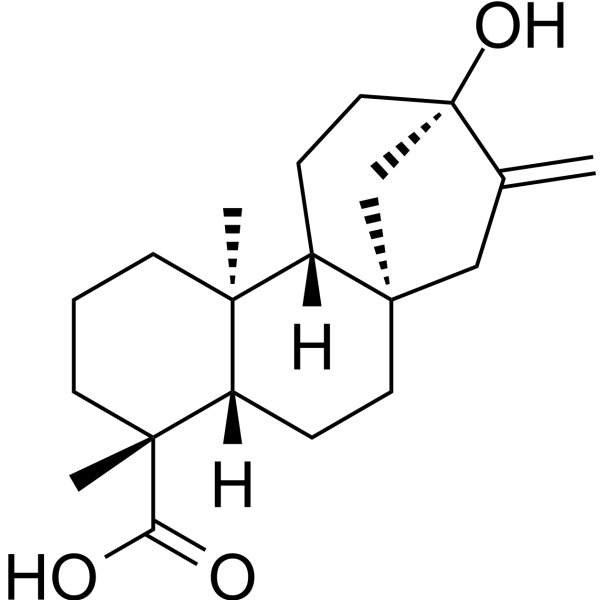 0 ImagesSteviol is the main metabolite of steviol glycosides and an inhibitor of AQP2/CFTR. Steviol slows down the growth of renal cysts by inhibiting the activity of CFTR, reducing the expression of AQP2, and promoting the degradation of AQP2 and CFTR. Steviol can be used in the research of polycystic kidney disease.
-
CP 154526 hydrochloride
 0 ImagesCP 154526 hydrochloride is a potent, brain-penetrant and selective corticotropin-releasing factor receptor 1 (CRF1) antagonist with a Ki of 2.7 nM. CP 154526 hydrochloride shows selective for CRF1 over CRF2 (Ki = >10 μM). CP 154526 hydrochloride has anxiolytic activities.
-
Glafenine hydrochloride
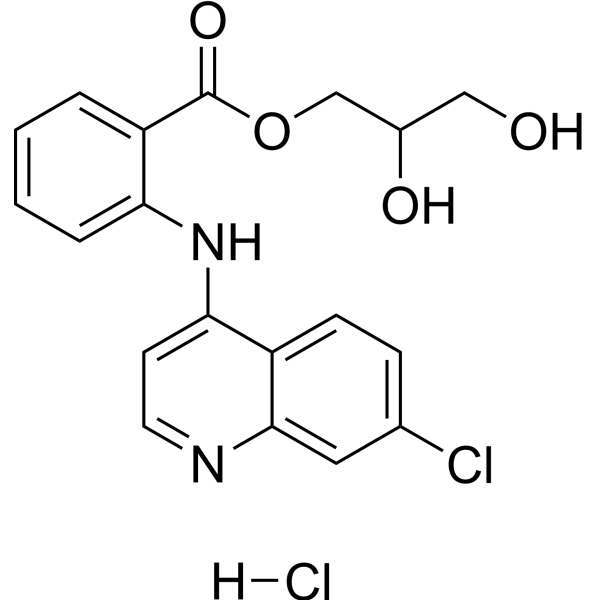 0 ImagesSynonyms: Glafenin hydrochlorideGlafenine (Glafenin) hydrochloride is a non-selective, non-steroidal anti-inflammatory drug-based COX-1/COX-2 inhibitor. Glafenine hydrochloride exerts anti-inflammatory, anti-proliferative and anti-cell migration effects by inhibiting the arachidonic acid metabolic pathway and reducing prostaglandin synthesis. Glafenine hydrochloride can induce cell cycle arrest in vascular smooth muscle cells and endothelial cells and reduce the synthesis of the extracellular matrix protein Tenascin. Glafenine hydrochloride can be used in the research of inflammatory-related diseases, vascular restenosis and cystic fibrosis (CF).
-
(R)-Vanzacaftor
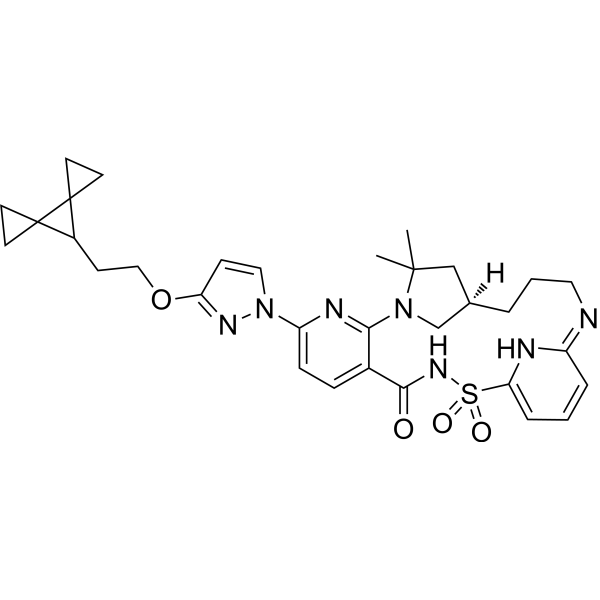 0 ImagesSynonyms: (R)-VX-121(R)-Vanzacaftor ((R)-VX-121) is a Cystic Fibrosis Transmembrane Conductance Regulator (CFTR) modulator with max activity of 30-60% and EC50 <1 μM in enteroid cells. (R)-Vanzacaftor can be used for the research of cystic fibrosis.
-
NJH-2-057
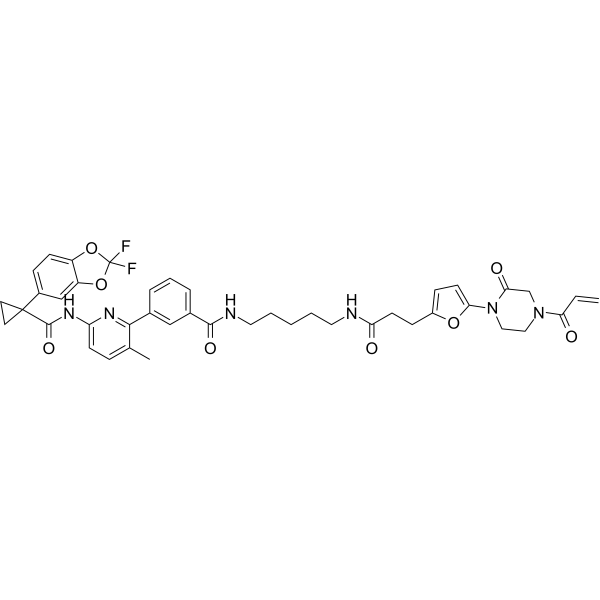 0 ImagesNJH-2-057 is an EN523 OTUB1 recruiter linked to lumacaftor, a agent used to treat cystic fibrosis that binds ΔF508-CFTR.
-
Icenticaftor
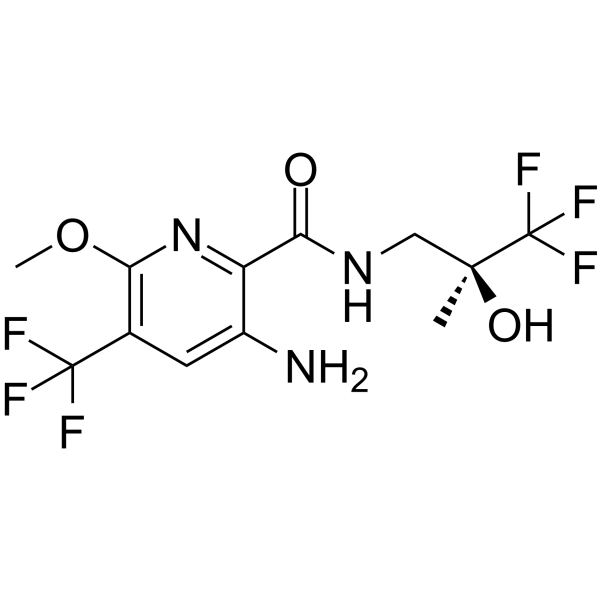 0 ImagesSynonyms: QBW251Icenticaftor (QBW251) is an orally active CFTR channel potentiator, with EC50s of 79 nM and 497 nM for F508del and G551D CFTR, respectively. Icenticaftor can be used for chronic obstructive pulmonary disease (COPD) and cystic fibrosis research.
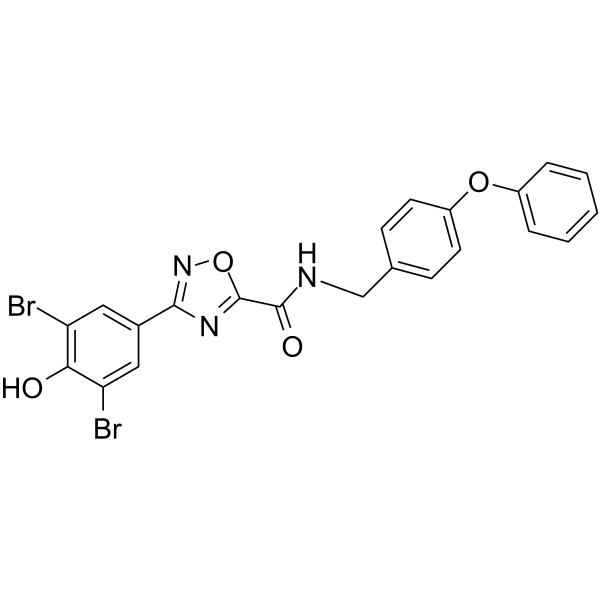
-
PPQ-102
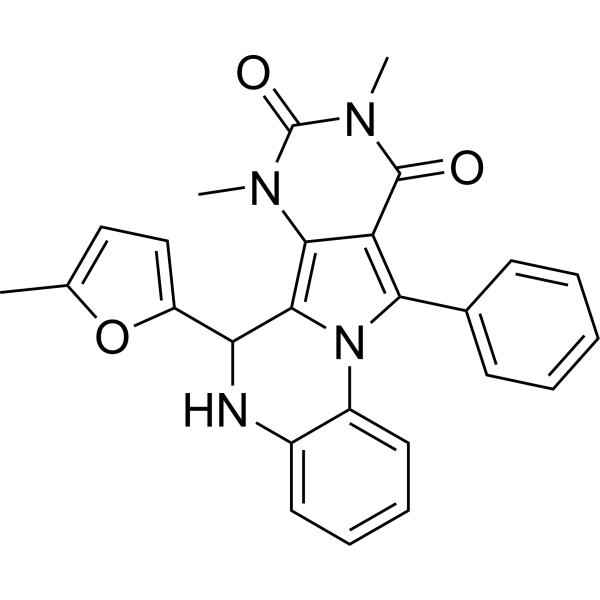 0 ImagesSynonyms: CFTR InhibitorPPQ-102 (CFTR Inhibitor) is a reversible CFTR inhibitor that completely inhibits CFTR chloride currents (IC50 ~90 nM). PPQ-102 is not affected by membrane potential-dependent cell allocation or blocking efficiency (uncharged at physiological pH) and effectively prevents cyst enlargement in polycystic kidney disease.
-
Nesolicaftor
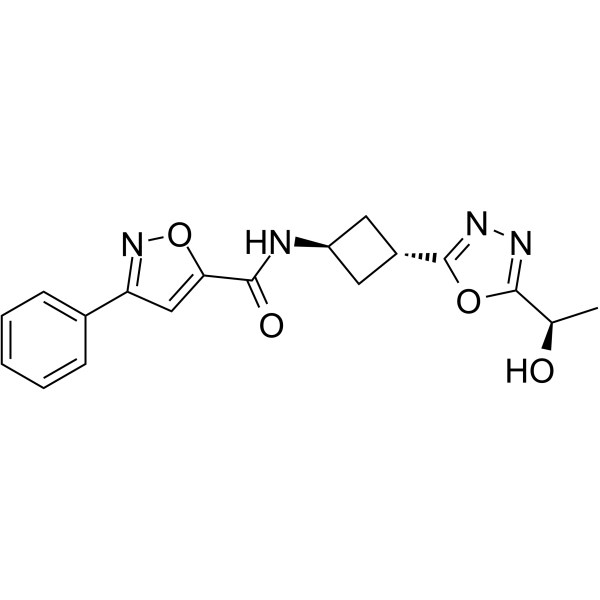 0 ImagesSynonyms: PTI-428Nesolicaftor (PTI-428) is a specific cystic fibrosis transmembrane conductance regulator (CFTR) amplifier.
-
Glyburide-d3
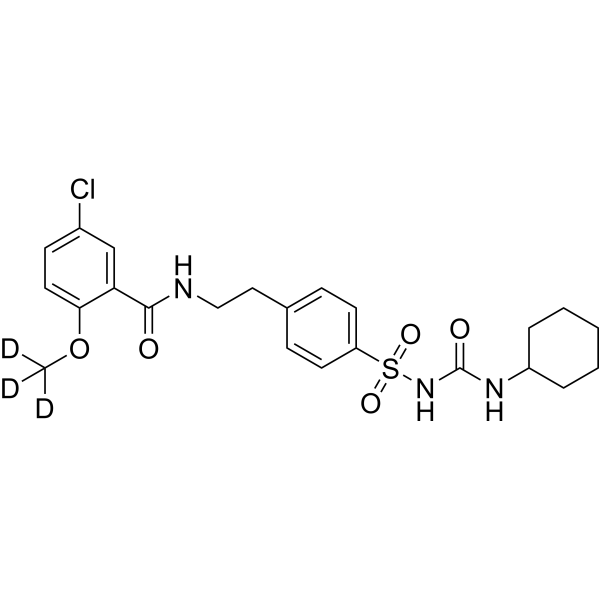 0 ImagesSynonyms: Glyburide-d3Glyburide-d3 is the deuterium labeled Glibenclamide. Glibenclamide (Glyburide) is an orally active ATP-sensitive K+ channel (KATP) inhibitor and can be used for the research of diabetes and obesity[1]. Glibenclamide inhibits P-glycoprotein. Glibenclamide directly binds and blocks the SUR1 subunits of KATP and inhibits the cystic fibrosis transmembrane conductance regulator protein (CFTR)[3]. Glibenclamide interferes with mitochondrial bioenergetics by inducing changes on membrane ion permeability[4]. Glibenclamide can induce autophagy[5].
-
K41498 TFA
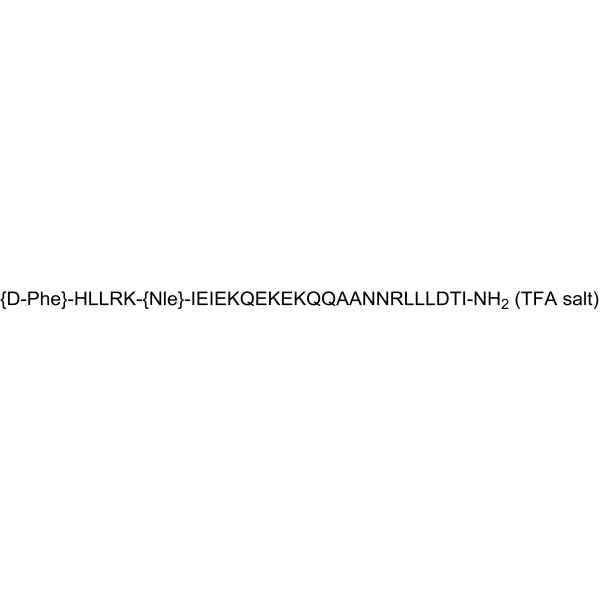 0 ImagesCat. No.: HY-P1106APurity: 98.71%K41498 TFA is a highly selective CRF 2 receptor antagonist, with a Ki of 0.66 nM for human CRF2α receptor and a Ki of 0.62 nM for human CRF2β receptor. K41498 TFA inhibits cAMP accumulation in cells expressing CRF2. K41498 TFA antagonizes the hypotensive response induced by systemic administration of urocortin in conscious rats. K41498 TFA undergoes radioiodination without loss of activity and serves for autoradiographic studies of native CRF2 receptors in rat brain and peripheral tissues.
-
IDOR-4
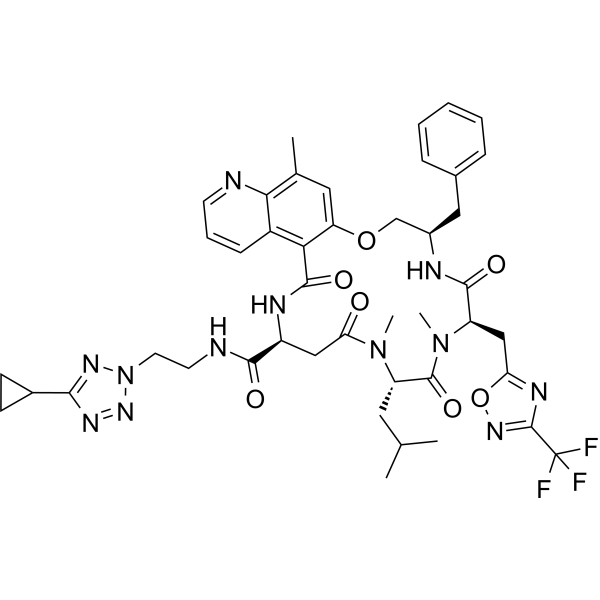 0 ImagesCat. No.: HY-158002CAS No.: 2839901-24-3IDOR-4 is a type IV CFTR corrector. IDOR-4 restores F508del-CFTR trafficking to the cell surface.
-
Crinecerfont hydrochloride
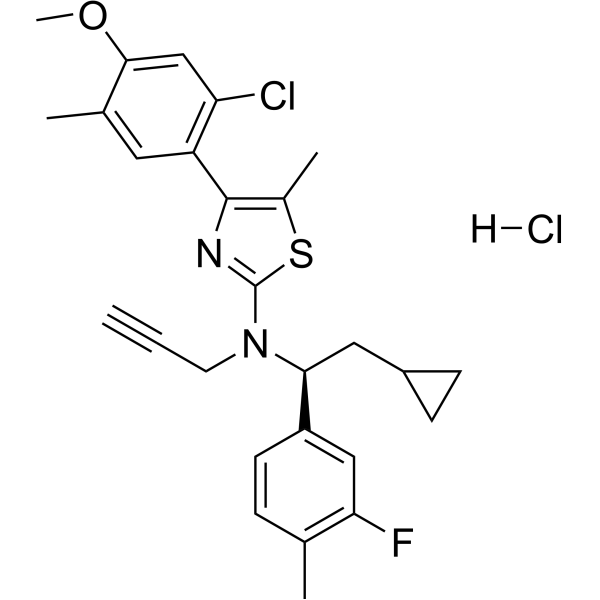 0 ImagesSynonyms: SSR-125543 hydrochlorideCrinecerfont (SSR-125543) hydrochloride is an orally effective corticotropin-releasing factor receptor type-1 (CRF1 receptor) antagonist. Crinecerfont hydrochloride blocks CRF1 receptor signaling to reduce adrenocorticotropic hormone secretion. Crinecerfont hydrochloride improves hypothalamic-pituitary-adrenal axis negative feedback sensitivity in chronically stressed mice. Crinecerfont hydrochloride can be used for the research of chronic stress conditions and classic congenital adrenal hyperplasia due to 21-hydroxylase deficiency. Crinecerfont hydrochloride is a click chemistry reagent, it contains an Alkyne group and can undergo copper-catalyzed azide-alkyne cycloaddition (CuAAc) with molecules containing Azide groups.
-
Navocaftor
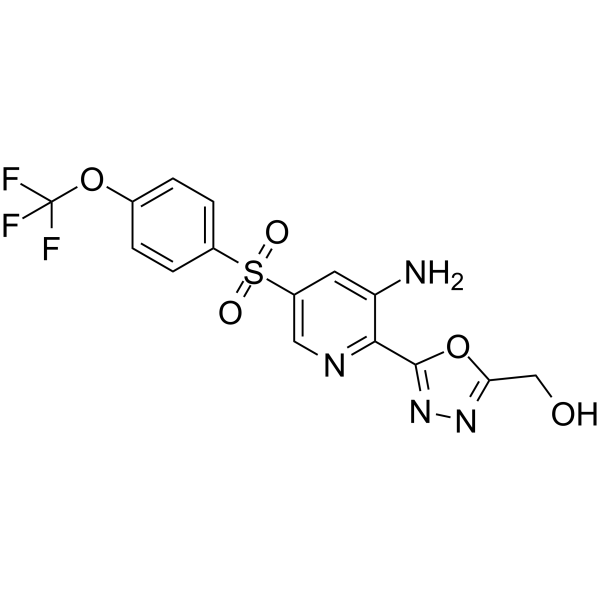 0 ImagesSynonyms: GLPG 3067; ABBV-3067Navocaftor (GLPG 3067), as a cystic fibrosis transmembrane regulator (CFTR), is a protein modulator (US 20200377491 Al, example 1).
-
Galicaftor
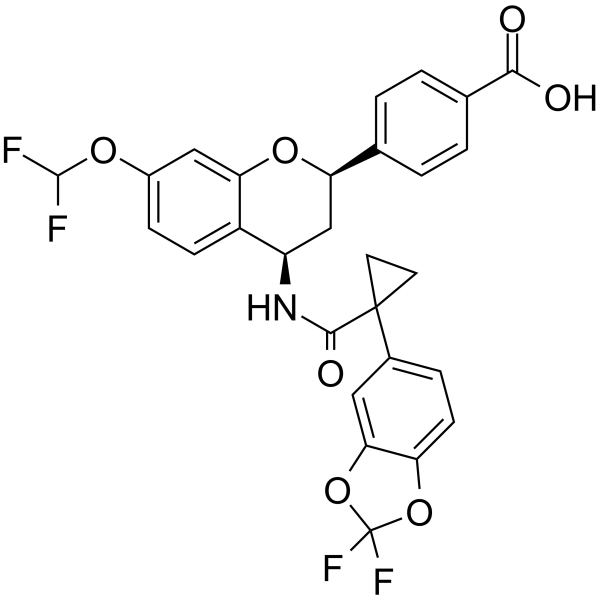 0 ImagesSynonyms: ABBV-2222; GLPG-2222Galicaftor (ABBV-2222; GLPG-2222) is a potent and orally active cystic fibrosis transmembrane conductance regulator (CFTR) corrector. Galicaftor can be used for cystic fibrosis research.
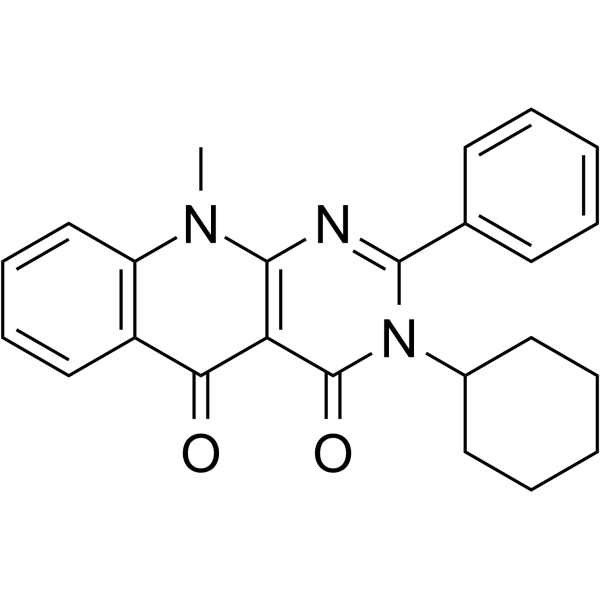
-
CFTR activator 1
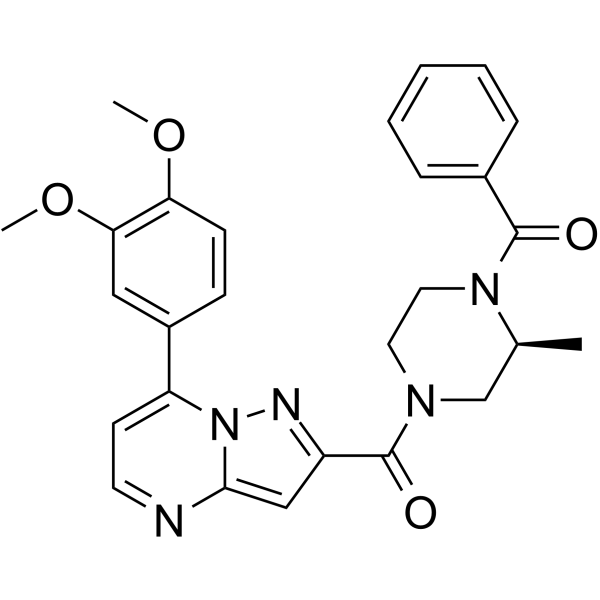 0 ImagesCFTR activator 1 is a potent and selective CFTR activator, with an EC50 of 23 nM. CFTR activator 1 can be used to ameliorate dry eye disease.
-
Posenacaftor sodium
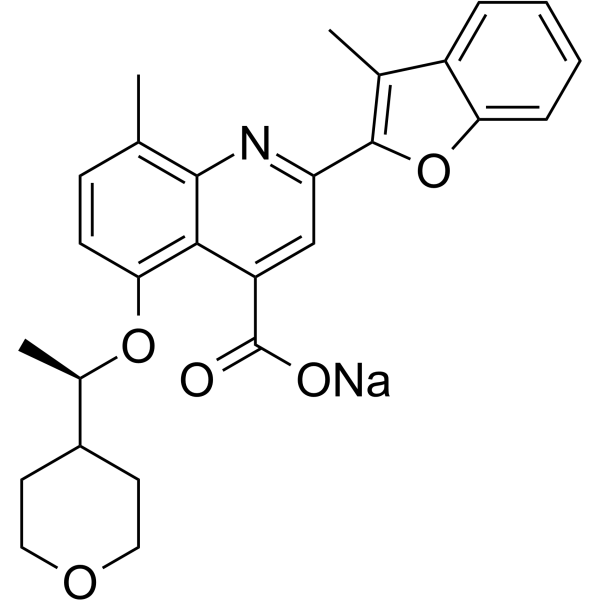 0 ImagesSynonyms: PTI-801 sodiumPosenacaftor (PTI-801) sodium is a cystic fibrosis transmembrane regulator (CFTR) protein modulator that corrects the folding and trafficking of CFTR protein. Posenacaftor sodium is used for the research of cystic fibrosis (CF).
-
I1421
 0 ImagesI1421 is an activator of the cystic fibrosis transmembrane conductance regulator (CFTR) with an EC50 of 64 nM for WT CFTR currents. I1421 also allosterically activates multiple mutants causing cystic fibrosis (CF) with good in vivo potency, with an oral bioavailability of 60% in mice corresponding to a half-life of 75 min. I1421 synergizes with Elexacaftor (HY-111772) to enhance CFTR currents.




