



HBV
Hepatitis B virus
HBV (Hepatitis B virus), abbreviated HBV, is a species of the genus Orthohepadnavirus, which is likewise a part of the Hepadnaviridae family of viruses. HBV causes the disease hepatitis B. The hepatitis B virus is classified as the type species of the Orthohepadnavirus, which contains three other species: the Ground squirrel hepatitis virus, Woodchuck hepatitis virus, and theWoolly monkey hepatitis B virus. The genus is classified as part of the Hepadnaviridae family. HBV is divided into four major serotypes (adr, adw, ayr, ayw) based on antigenic epitopes present on its envelope proteins, and into eight genotypes (A–H) according to overall nucleotide sequence variation of the genome. The genotypes have a distinct geographical distribution and are used in tracing the evolution and transmission of the virus. Differences between genotypes affect the disease severity, course and likelihood of complications, and response to treatment and possibly vaccination.
All Product Categories
-
HBV Related Products (383)
Related Products (383)

-
Antibodies (2)
-
Alisol G
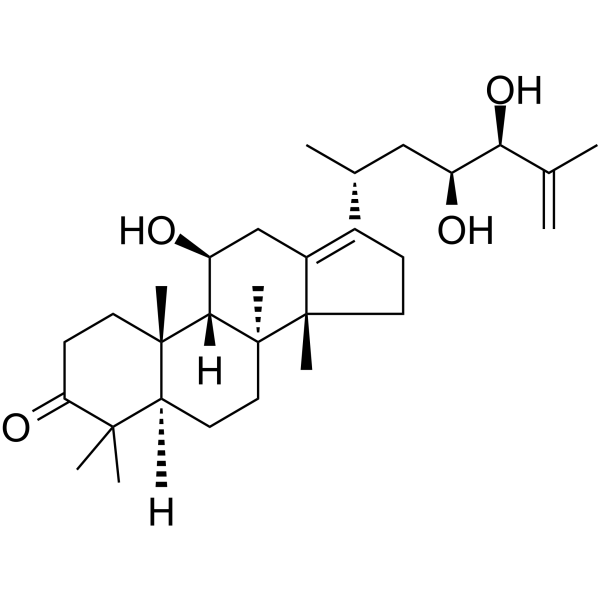 0 ImagesSynonyms: Alisol-G; 25-Anhydroalisol AAlisol G (25-Anhydroalisol A) is a human carboxylesterase 2 (hCES2) inhibitor with an IC50 of 3.85 μM. Alisol G exhibits cytotoxic activity against human cancer cells, antibacterial activity against Gram-positive strains, and anti-hepatitis B virus activity. Alisol G can be used in research related to lung cancer, breast cancer, prostate cancer, bacterial infections, and HBV infections.
-
Lamivudine triphosphate TEA
 0 ImagesSynonyms: 3TCTP TEALamivudine triphosphate (3TCTP) TEA is a phosphorylated Lamivudine (HY-B0250) (a nucleoside analogue). Lamivudine triphosphate TEA inhibits the reverse transcriptase of HIV or HBV viruses to block viral replication by chain termination. Lamivudine triphosphate TEA is also an inhibitor of the RdRp activity of the NS5B subunit of the HCV. Lamivudine triphosphate TEA can be incorporated into the nascent RNA by the SARS-CoV-2 RdRp, thus halting mutations in the nascent SARS-CoV-2 RNA.
-
Neochlorogenic acid methyl ester
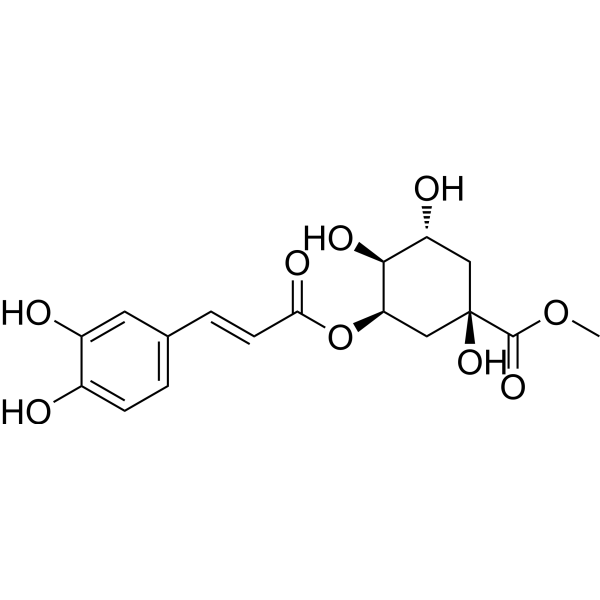 0 ImagesSynonyms: 5-O-Caffeoylquinic acid methyl esterNeochlorogenic acid (5-O-Caffeoylquinic) methyl ester is a selective quinone reductase inducer (EC50 = 6.7 μM) and also exhibits hydroxyl radical scavenging activity (EC50 = 0.81 μM). Neochlorogenic acid methyl ester scavenges hydroxyl radicals by donating electrons or hydrogen atoms, while simultaneously inducing quinone reductase expression to enhance carcinogen detoxification, thus exerting antioxidant and cancer chemopreventive activities. Neochlorogenic acid methyl ester is used in research on antioxidant damage and promoting detoxification metabolism, primarily in the fields of cancer chemotherapy and antioxidant-related diseases. Neochlorogenic acid methyl ester is also an HBV inhibitor and can be isolated from the flower buds of *L. japonica*.
-
Doxorubicin
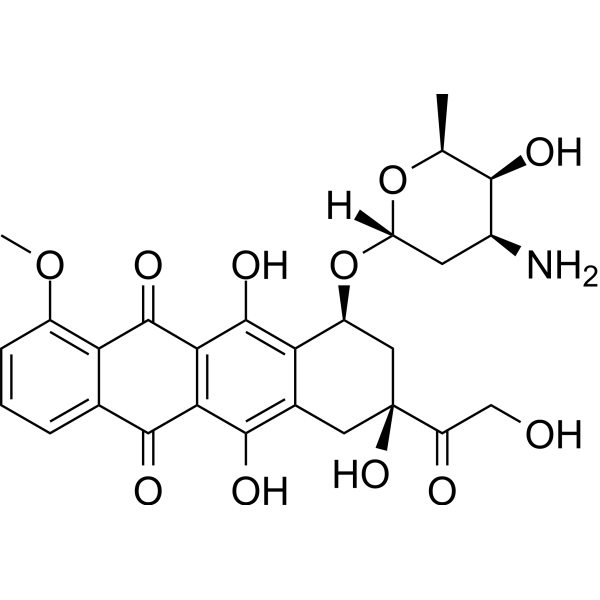 0 ImagesCat. No.: HY-15142ACAS No.: 23214-92-8Synonyms: HydroxydaunorubicinDoxorubicin (Hydroxydaunorubicin), a cytotoxic anthracycline antibiotic, is an anti-cancer chemotherapy agent. Doxorubicin is a potent human DNA topoisomerase I and topoisomerase II inhibitor with IC50s of 0.8 μM and 2.67 μM, respectively. Doxorubicin reduces basal phosphorylation of AMPK and its downstream target acetyl-CoA carboxylase. Doxorubicin induces apoptosis and autophagy.
-
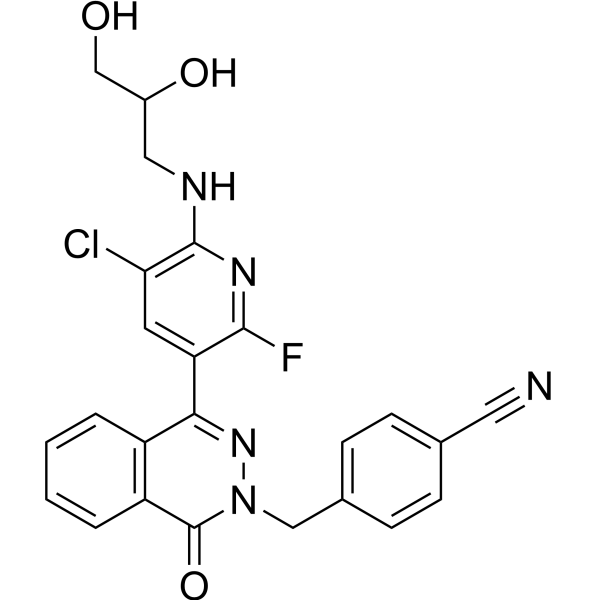
Inarigivir
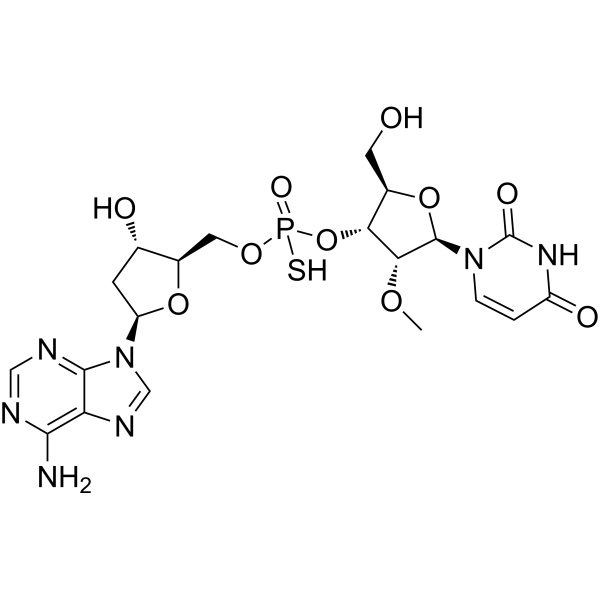 0 ImagesCat. No.: HY-101954CAS No.: 475650-36-3Synonyms: ORI-9020; SB-9000
-
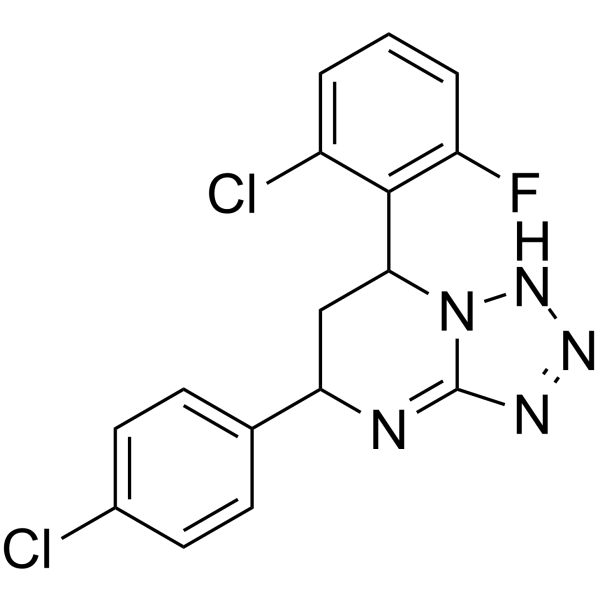
Bay 41-4109 (less active enantiomer)
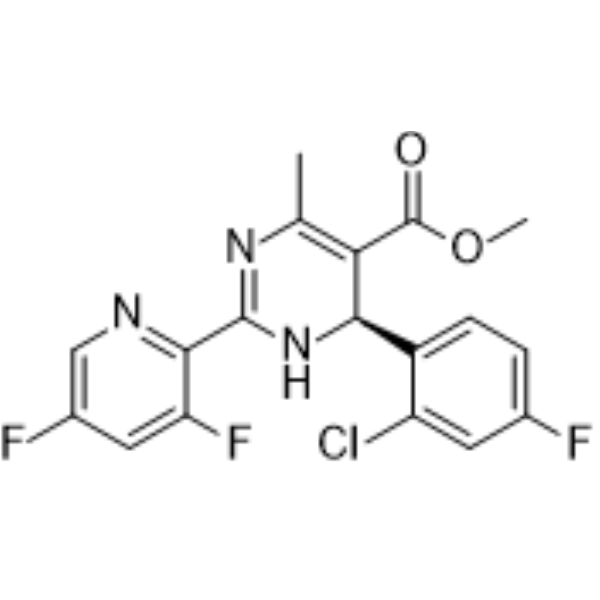 0 ImagesCat. No.: HY-100029BCAS No.: 476617-51-3Bay 41-4109 less active enantiomer shows less activity than Bay 41-4109. BAY 41-4109 is a potent inhibitor of human hepatitis B virus (HBV) with an IC50 of 53 nM.
-
Osthole (Standard)
 0 ImagesSynonyms: Osthol (Standard); NSC 31868 (Standard)Osthole (Standard) is the analytical standard of Osthole. This product is intended for research and analytical applications. Osthole (Osthol) is a natural antihistamine alternative. Osthole may be a potential inhibitor of histamine H1 receptor activity. Osthole also suppresses the secretion of HBV in cells.
-
Tenofovir hydrate (Standard)
 0 ImagesSynonyms: GS 1278 hydrate (Standard); PMPA hydrate (Standard)Tenofovir hydrate (Standard) (GS 1278 hydrate (Standard); PMPA hydrate (Standard)) is the analytical standard of Tenofovir hydrate (HY-13910A). This product is intended for research and analytical applications. Tenofovir hydrate (GS 1278 hydrate; PMPA hydrate) is a nucleotide reverse transcriptase inhibitor to treat HIV and chronic Hepatitis B (HBV).
-
Helioxanthin 8-1
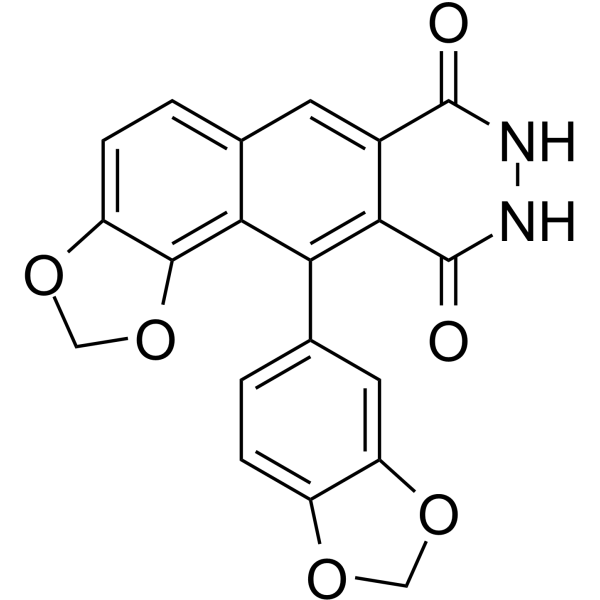 0 ImagesSynonyms: Helioxanthin analogue 8-1Helioxanthin 8-1(Helioxanthin analogue 8-1) is an anti-HBV agent. Helioxanthin 8-1 exhibits anti-hepatitis B virus activity in both in vitro human hepatitis B virus models and animal models. Helioxanthin 8-1 inhibits the synthesis of duck hepatitis B virus (DHBV) DNA, covalently closed circular DNA, RNA and proteins, thereby blocking DHBV replication. Helioxanthin 8-1 shows higher cytotoxicity in virus-induced cells than in non-induced cells. Helioxanthin 8-1 can be used in studies related to hepatitis B virus infection.
-
VNRX-9945
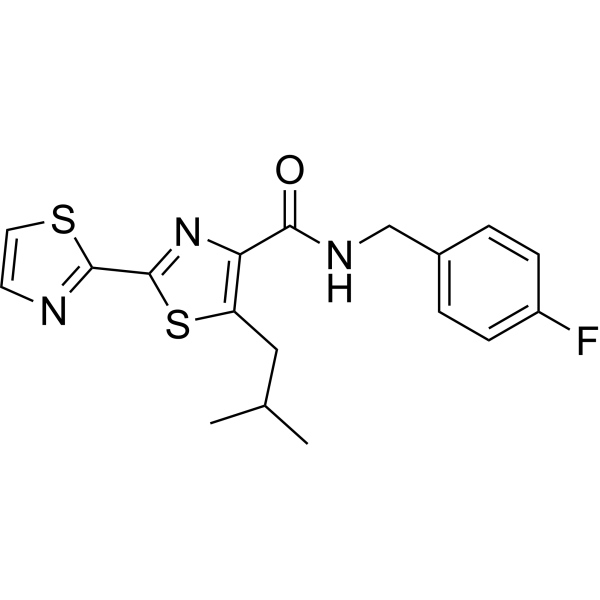
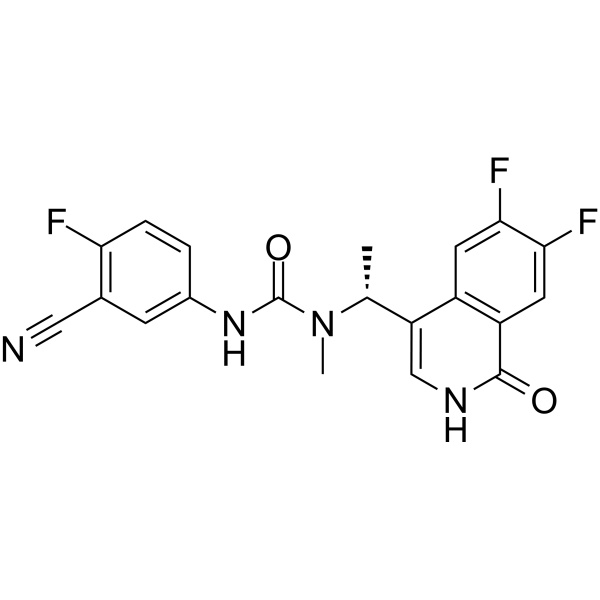
 0 ImagesVNRX-9945 is a potent, broadly and orally active HBV CAM (capsid assembly modulator) with an EC50 of 2.6 nM. VNRX-9945 exhibits excellent and broad antiviral activity against multiple HBV genotypes in vitro, along with favorable pharmacokinetic profiles across multiple species. VNRX-9945 demonstrates robust antiviral efficacy in the adeno-associated virus mice models of HBV (AAV-HBV) infection.
-
(1R)-Tenofovir amibufenamide
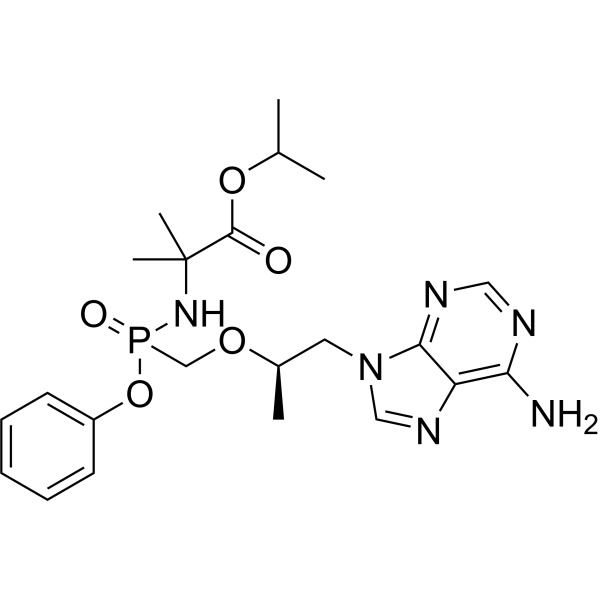 0 ImagesSynonyms: (1R)-HS-10234(1R)-Tenofovir amibufenamide ((1R)-HS-10234) is the isomer of Tenofovir amibufenamide, is an orally active antiviral agent. (1R)-Tenofovir amibufenamide ((1R)-HS-10234) is a HIV infection inhibitor and HBV infection inhibitor. (1R)-Tenofovir amibufenamide ((1R)-HS-10234) can be used for HIV infections, hepatitis B research.
-
Isoscopoletin (Standard)
 0 ImagesSynonyms: 6-Hydroxy-7-methoxycoumarin (Standard)Isoscopoletin (Standard) is the analytical standard of Isoscopoletin. This product is intended for research and analytical applications. Isoscopoletin (6-Hydroxy-7-methoxycoumarin) is an active constituent in Artemisia argyi leaves. Isoscopoletin shows substantial inhibition against cell proliferation, with IC50s of 4.0 μM and 1.6 μM for human CCRF-CEM leukaemia cells and multidrug resistant subline CEM/ADR5000, respectively. Isoscopoletin (6-Hydroxy-7-methoxycoumarin) possesses inhibitory activity against HBV replication. Isoscopoletin exhibits anti-inflammatory activity through inhibition of MAPK/NF-κB/STAT/AKT signaling pathway.
-
AZT triphosphate
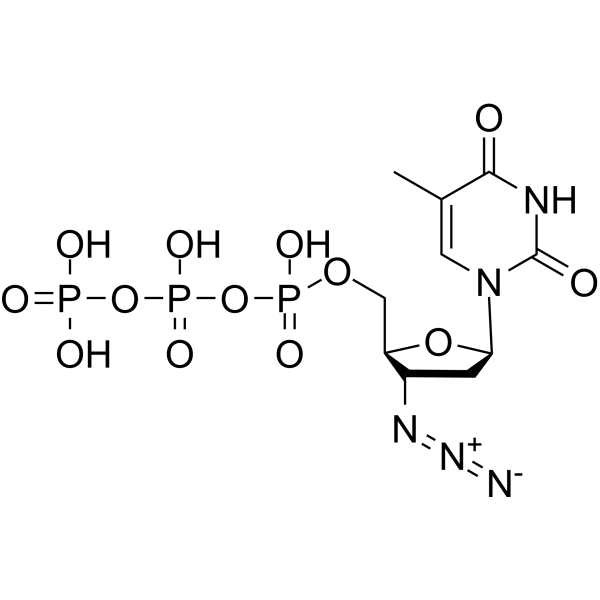 0 ImagesCat. No.: HY-116364CAS No.: 92586-35-1Synonyms: 3'-Azido-3'-deoxythymidine-5'-triphosphateAZT triphosphate (3'-Azido-3'-deoxythymidine-5'-triphosphate) is a active triphosphate metabolite of Zidovudine (AZT). AZT triphosphate exhibits antiretroviral activity and inhibits replication of HIV. AZT triphosphate also inhibits the DNA polymerase of HBV. AZT triphosphate activates the mitochondria-mediated apoptosis pathway.
-
AZT triphosphate TEA
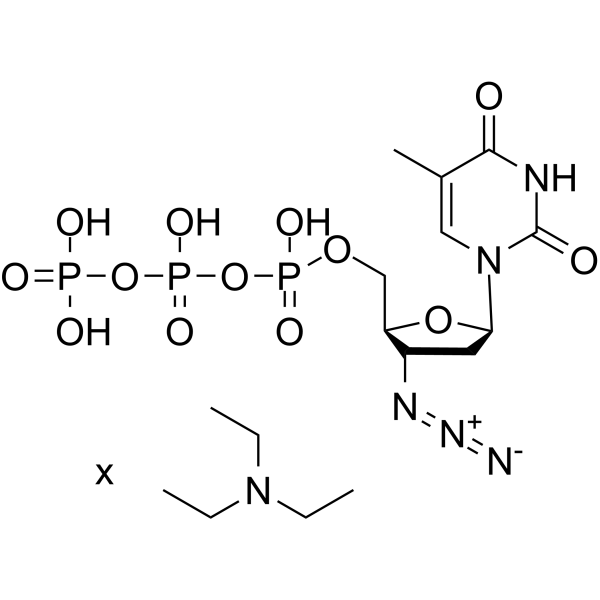 0 ImagesCat. No.: HY-116364ASynonyms: 3'-Azido-3'-deoxythymidine-5'-triphosphate TEAAZT triphosphate (3'-Azido-3'-deoxythymidine-5'-triphosphate) TEA is a active triphosphate metabolite of Zidovudine (AZT). AZT triphosphate TEA exhibits antiretroviral activity and inhibits replication of HIV. AZT triphosphate TEA also inhibits the DNA polymerase of HBV. AZT triphosphate TEA activates the mitochondria-mediated apoptosis pathway.
-
Paederoside
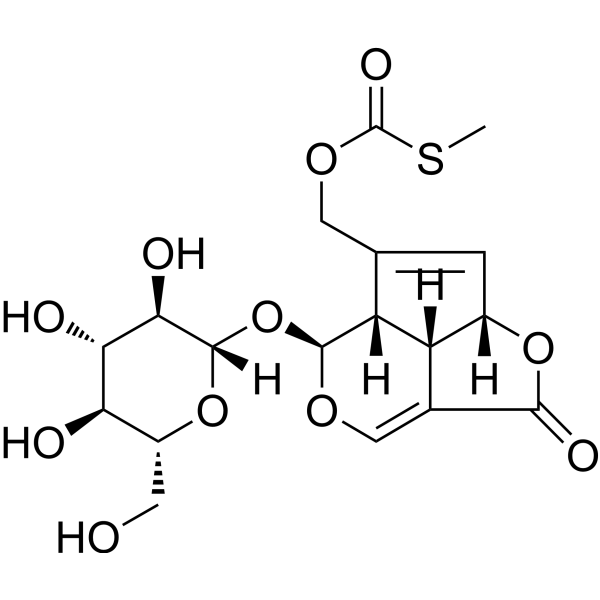 0 ImagesPaederoside is a monoterpene S-methyl thiocarbonate isolated from Paederia pertomentosa. Paederoside shows a high anti-tumor promoting activity against the Epstein-Barr virus activation.
-
FNC-TP trisodium
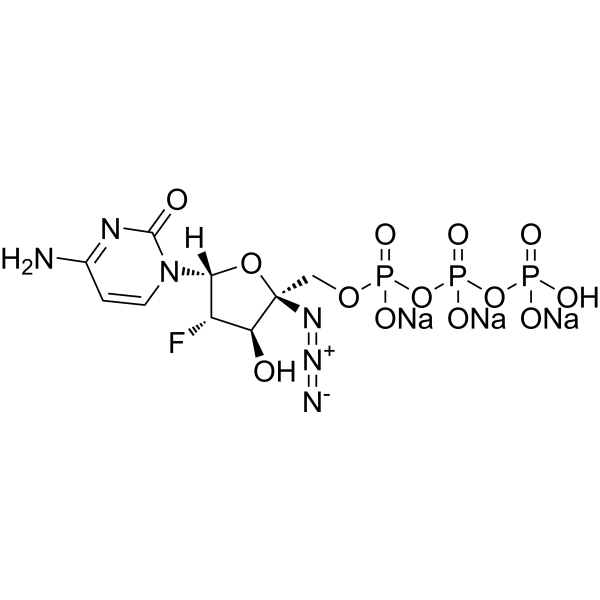 0 ImagesCat. No.: HY-139262AFNC-TP trisodium is the intracellular active form of FNC. FNC is a potent nucleoside reverse transcriptase inhibitor (NRTI), with antiviral activity on HIV, HBV and HCV. FNC-TP (trisodium) is a click chemistry reagent, it contains an Azide group and can undergo copper-catalyzed azide-alkyne cycloaddition reaction (CuAAc) with molecules containing Alkyne groups. It can also undergo strain-promoted alkyne-azide cycloaddition (SPAAC) reactions with molecules containing DBCO or BCN groups.




