



HBV
Hepatitis B virus
HBV (Hepatitis B virus), abbreviated HBV, is a species of the genus Orthohepadnavirus, which is likewise a part of the Hepadnaviridae family of viruses. HBV causes the disease hepatitis B. The hepatitis B virus is classified as the type species of the Orthohepadnavirus, which contains three other species: the Ground squirrel hepatitis virus, Woodchuck hepatitis virus, and theWoolly monkey hepatitis B virus. The genus is classified as part of the Hepadnaviridae family. HBV is divided into four major serotypes (adr, adw, ayr, ayw) based on antigenic epitopes present on its envelope proteins, and into eight genotypes (A–H) according to overall nucleotide sequence variation of the genome. The genotypes have a distinct geographical distribution and are used in tracing the evolution and transmission of the virus. Differences between genotypes affect the disease severity, course and likelihood of complications, and response to treatment and possibly vaccination.
All Product Categories
-
HBV Related Products (383)
Related Products (383)

-
Antibodies (2)
-
Alamifovir
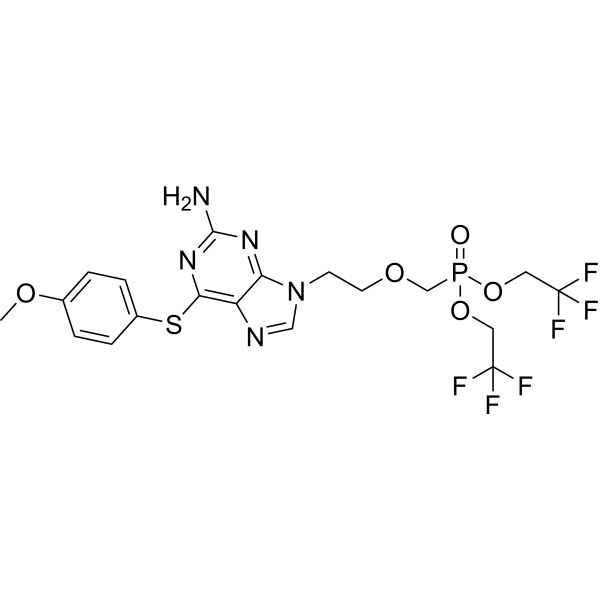 0 ImagesCat. No.: HY-119691CAS No.: 193681-12-8Synonyms: LY582563; MCC-478
-
Tiviciclovir
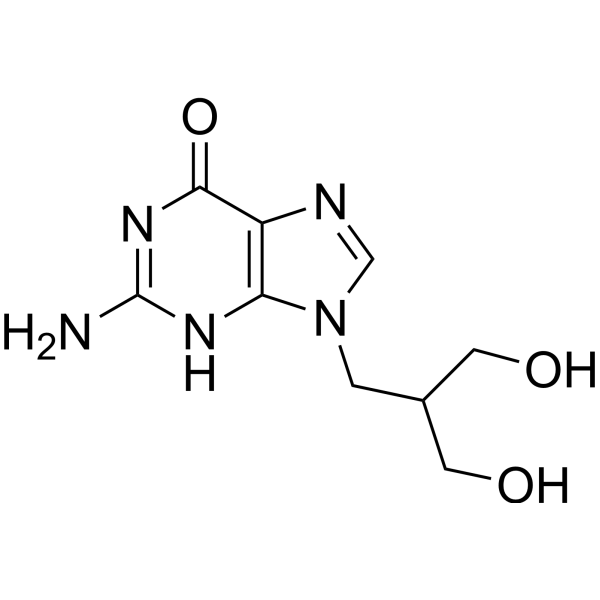 0 ImagesCat. No.: HY-106233CAS No.: 103024-93-7Synonyms: AM188Tiviciclovir (AM188) is an antiviral guanosine analog and a hepatitis B virus inhibitor.
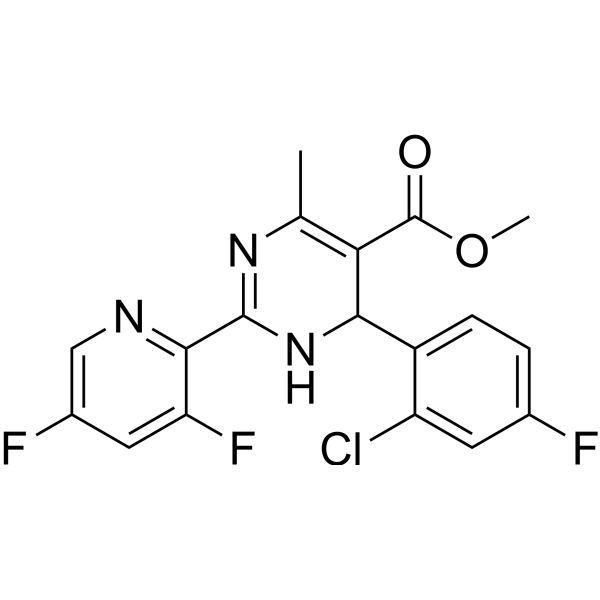
-
Fosclevudine alafenamide
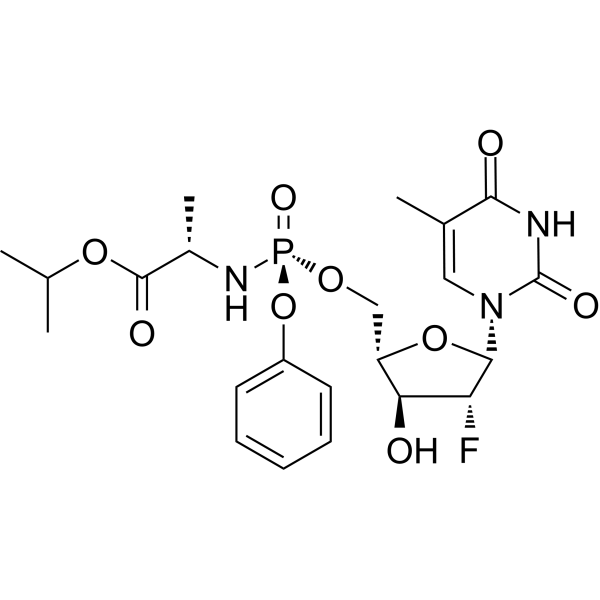 0 ImagesSynonyms: ATI-2173
-
Taurolithocholic acid-d4
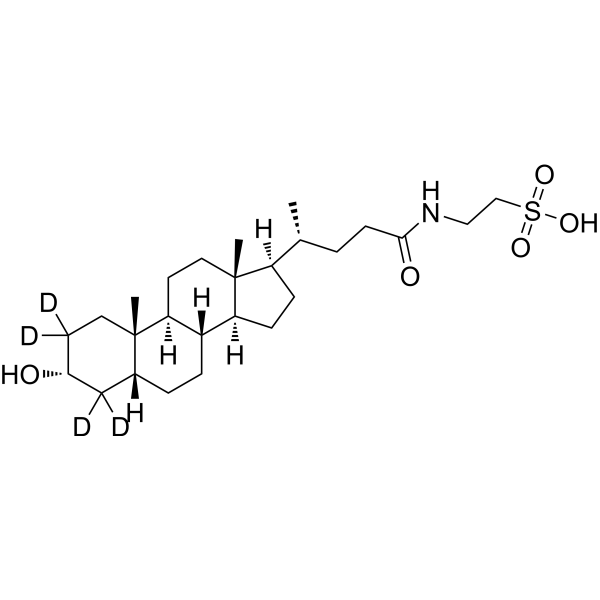 0 ImagesTaurolithocholic acid-d4 is deuterium labeled Taurolithocholic acid. Taurolithocholic acid is an orally active bile acid and antiviral agent. Taurolithocholic acid upregulates FADS2 by activating the TGR5-PI3K/AKT-SREBP2 signaling axis, inhibits SFTSV-induced ferroptosis, viral replication and viral entry of HBV/HDV, while reducing the release of IL-1β, lipid ROS and LDH. While exerting antiviral protective effects, Taurolithocholic acid also stimulates the recycling of hepatocellular membrane transporters, impairs canalicular bile acid secretion function, and induces hepatocyte cholestasis, apoptosis and acute hepatocellular injury. Taurolithocholic acid serves as an experimental model compound for hepatocellular cholestasis. At concentrations ≤200 μM, Taurolithocholic acid shows no cytotoxicity and does not activate the interferon pathway. Taurolithocholic acid not only protects mice from lethal SFTSV infection but also is suitable for studies related to severe fever with thrombocytopenia syndrome and cholestasis.
-
Lobucavir
 0 ImagesCat. No.: HY-105098CAS No.: 127759-89-1Synonyms: BMS-180194; SQ 34514
-
Helioxanthin derivative 5-4-2
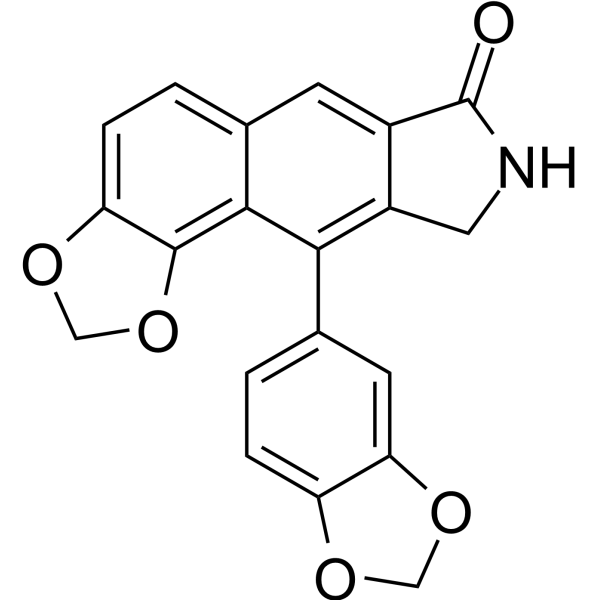 0 ImagesSynonyms: Helioxanthin 5-4-2Helioxanthin derivative 5-4-2 is an analogue of helioxanthin, exhibites significant in vitro anti-HBV activity with EC50 of 0.08 uM in HepG2.2.15 cells.
-
Punicalagin (Standard)
 0 ImagesPunicalagin (Standard) is the analytical standard of Punicalagin. This product is intended for research and analytical applications. Punicalagin is a polyphenol ingredient isolated from Pomegranate (Punica granatum L.) or the leaves of Terminalia catappa L.. Punicalagin is a reversible and non-competitive 3CLpro inhibitor and inhibits SARS-CoV-2 replication in vitro. Punicalagin is an anti-hepatitis B virus (HBV) agent and has antioxidant, anti-inflammatory, and anticancer effects. Punicalagin has the potential for the research of COVID-19.
-
Tiviciclovir hydrochloride
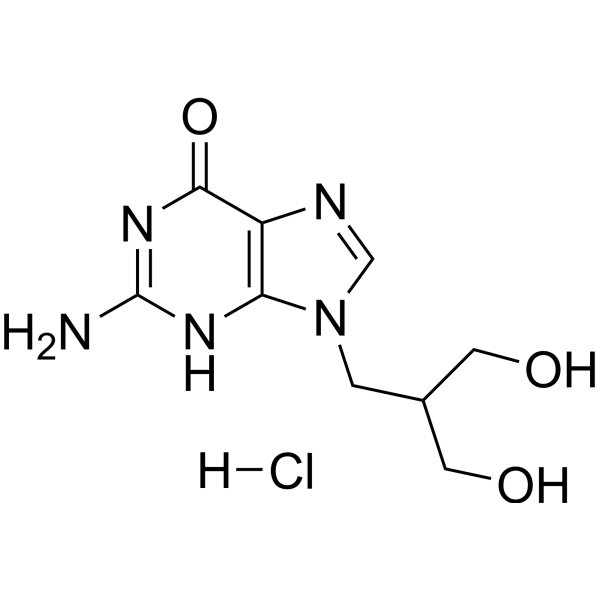 0 ImagesCat. No.: HY-106233BPurity: 99.36%Synonyms: AM188 hydrochlorideTiviciclovir (AM188) hydrochloride is an antiviral guanosine analog and a hepatitis B virus inhibitor.

-
4,5-Dicaffeoylquinic acid (Standard)
 0 ImagesSynonyms: Isochlorogenic acid C (Standard); 4,5-diCQA (Standard)4,5-Dicaffeoylquinic acid (Standard) is the analytical standard of 4,5-Dicaffeoylquinic acid. This product is intended for research and analytical applications. 4,5-Dicaffeoylquinic acid (Isochlorogenic acid C) is an antioxidant, can be isolated from Gynura divaricata and Laggera alata. 4,5-Dicaffeoylquinic acid reduces islet cell apoptosis and improves pancreatic function in type 2 diabetic mice, and has obvious inhibitory activities against yeast α-glucosidase. 4,5-Dicaffeoylquinic acid inhibits prostate cancer cells through cell cycle arrest. 4,5-Dicaffeoylquinic acid also has anti-apoptotic, anti-injury and anti-hepatitis B virus effects.
-
Taurolithocholic acid sodium salt (Standard)
 0 ImagesTaurolithocholic acid (sodium salt) (Standard) is the analytical standard of Taurolithocholic acid (sodium salt). This product is intended for research and analytical applications. Taurolithocholic acid sodium salt is an orally active bile acid and antiviral agent. Taurolithocholic acid sodium salt upregulates FADS2 by activating the TGR5-PI3K/AKT-SREBP2 signaling axis, inhibits SFTSV-induced ferroptosis, viral replication and viral entry of HBV/HDV, while reducing the release of IL-1β, lipid ROS and LDH. While exerting antiviral protective effects, Taurolithocholic acid sodium salt also stimulates the recycling of hepatocellular membrane transporters, impairs canalicular bile acid secretion function, and induces hepatocyte cholestasis, apoptosis and acute hepatocellular injury. Taurolithocholic acid sodium salt serves as an experimental model compound for hepatocellular cholestasis. At concentrations ≤200 μM, Taurolithocholic acid sodium salt shows no cytotoxicity and does not activate the interferon pathway. Taurolithocholic acid sodium salt not only protects mice from lethal SFTSV infection but also is suitable for studies related to severe fever with thrombocytopenia syndrome and cholestasis.
-
Glycosmisic acid
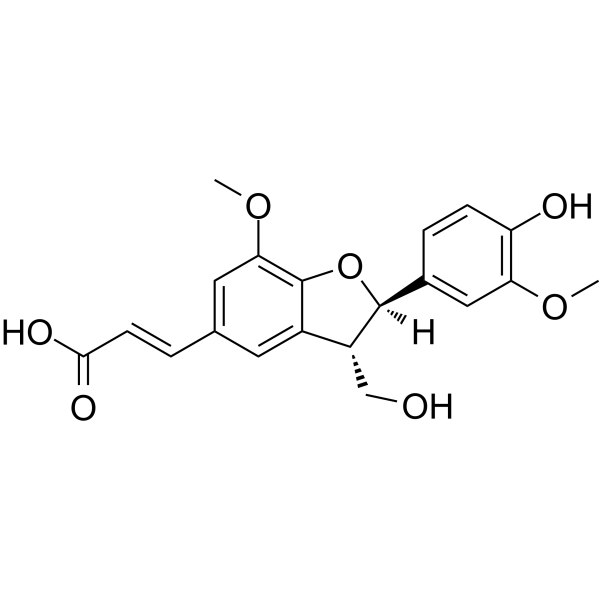 0 ImagesCat. No.: HY-N8153CAS No.: 443908-19-8Glycosmisic acid, a natural compound, possesses anti-HBV activity.
-
Taurolithocholic acid-d4 sodium
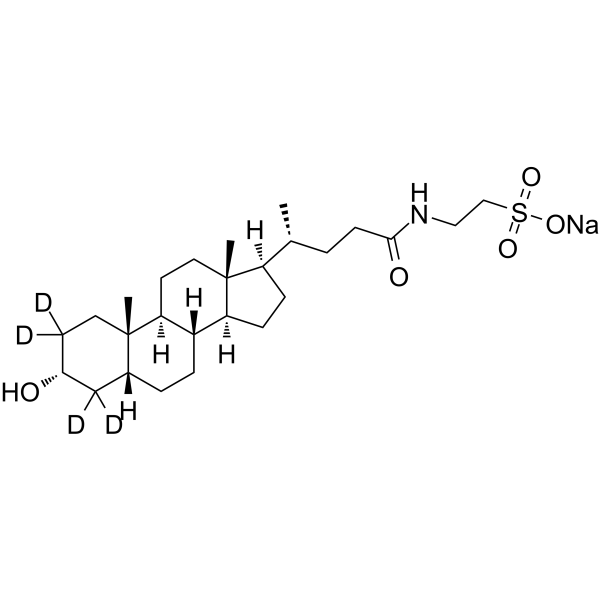 0 ImagesTaurolithocholic acid-d4 (sodium) is the deuterium labeled Taurolithocholic acid (sodium salt). Taurolithocholic acid sodium is an orally active bile acid and antiviral agent. Taurolithocholic acid sodium upregulates FADS2 by activating the TGR5-PI3K/AKT-SREBP2 signaling axis, inhibits SFTSV-induced ferroptosis, viral replication and viral entry of HBV/HDV, while reducing the release of IL-1β, lipid ROS and LDH. While exerting antiviral protective effects, Taurolithocholic acid sodium also stimulates the recycling of hepatocellular membrane transporters, impairs canalicular bile acid secretion function, and induces hepatocyte cholestasis, apoptosis and acute hepatocellular injury. Taurolithocholic acid sodium serves as an experimental model compound for hepatocellular cholestasis. At concentrations ≤200 μM, Taurolithocholic acid sodium shows no cytotoxicity and does not activate the interferon pathway. Taurolithocholic acid sodium not only protects mice from lethal SFTSV infection but also is suitable for studies related to severe fever with thrombocytopenia syndrome and cholestasis.
-
Besifovir Dipivoxil maleate
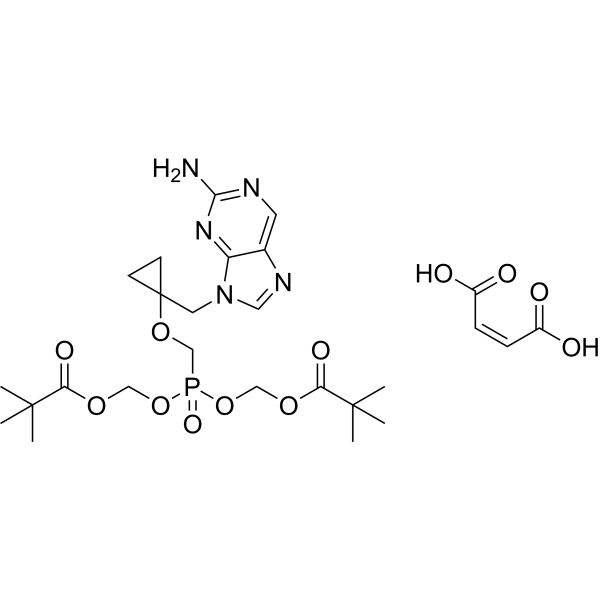 0 ImagesCat. No.: HY-19447ACAS No.: 1039623-01-2Synonyms: LB80380 maleateBesifovir Dipivoxil maleate (LB80380 maleate) is an oral proagent of LB80317. Besifovir Dipivoxil maleate (LB80380 maleate) is effective in hepatitis B virus (HBV) DNA suppression for both treatment-naive and lamivudine-resistant chronic hepatitis B (CHB) patients in preliminary studies[2]
-
SHR5133
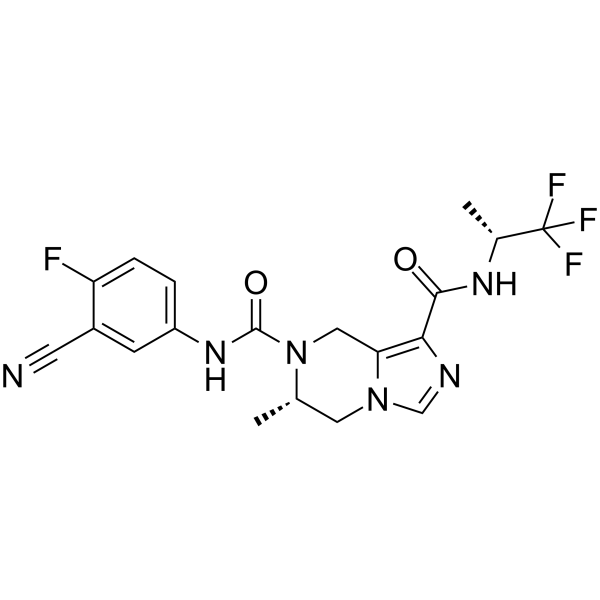 0 ImagesCat. No.: HY-144319CAS No.: 2270943-23-0
-
Firzacorvir
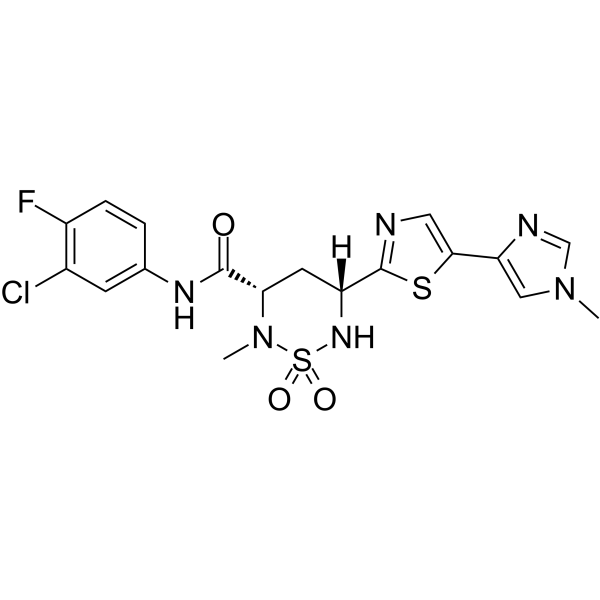 0 ImagesCat. No.: HY-139574CAS No.: 2243747-96-6Firzacorvir is a cyclic sulfamide compound and modulates HBV core protein. Firzacorvir has anti-HBV activity with EC50 < 1 μΜ.
-
Lamivudine salicylate
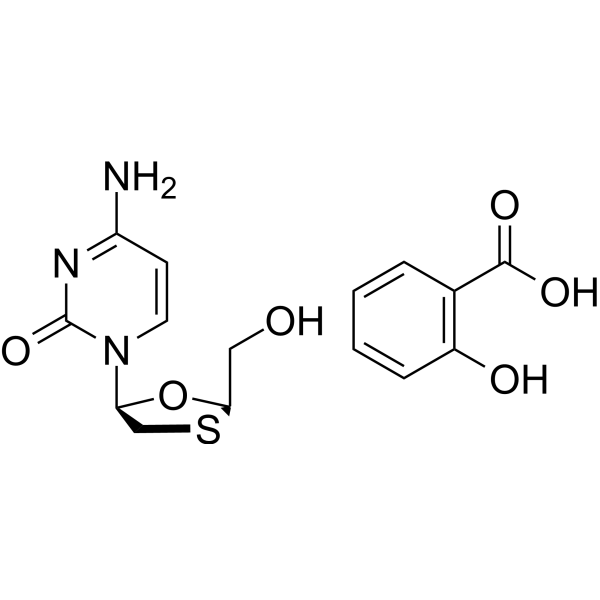 0 ImagesCat. No.: HY-B0250ACAS No.: 173522-96-8Synonyms: BCH-189 salicylateLamivudine (BCH-189) salicylate is an orally active nucleoside reverse transcriptase inhibitor (NRTI). Lamivudine salicylate can inhibit HIV reverse transcriptase 1/2 and also the reverse transcriptase of hepatitis B virus. Lamivudine salicylate can penetrate the CNS.
-
Libevitug
 0 ImagesCat. No.: HY-P990924CAS No.: 2817665-64-6HY-P990924 is an HBV-targeting IgG1λ2 type human antibody, the recommed isotype control is Human IgG1 lambda2, Isotype Control (HY-P990096).
-
HBV-IN-46
 0 ImagesCat. No.: HY-159160CAS No.: 3034992-40-7HBV-IN-46 (compound 1.6) is an active metabolite. HBV-IN-46 is a HBV S-antigen inhibitor, with an EC50 of 2.6 nM.




