



HCV
Hepatitis C virus
Hepatitis C virus (HCV) is a positive-strand RNA virus grouped in the genus Hepacivirus within the family Flaviviridae. HCV is classified into at least 6 genotypes (gt), and its error-prone polymerase leads to more than 50 subtypes. The long open reading frame, which encodes the HCV polyprotein, is processed by host and viral proteases and gives rise to three structural proteins (the capsid protein core and envelope glycoproteins E1 and E2) and seven nonstructural (NS) proteins (p7, NS2, NS3, NS4A, NS4B, NS5A, and NS5B). NS2 and p7 are essential for virus assembly but not RNA replication, whereas NS3 to NS5B are involved in a membrane-associated RNA replicase complex (RC). The NS3 protein is composed of a serine protease and an RNA helicase/nucleoside triphosphatase (NTPase), NS4A serves as a cofactor for NS3 serine protease, NS5B is the RNA-dependent RNA polymerase, and NS5A is considered to play key roles in multiple steps of the HCV life cycle.NS5A inhibitors exhibit a rapid inhibition of virus infectivity shortly after administration to HCV-infected cells.
The HCV protein NS5A prevents the apoptosis-enabling loss of intracellular potassium by inhibiting Kv2.1 function and thus blocking hepatocyte cell death.
The HCV RNA-dependent RNA polymerase (RdRp) has long been a prime target for antiviral development because of its critical role in viral replication and the absence of a mammalian homologous enzyme.
The combination of lucidone and alpha interferon, the protease inhibitor Telaprevir, the NS5A inhibitor BMS-790052, or the NS5B polymerase inhibitor PSI-7977, synergistically suppresses HCV RNA replication.
All Product Categories
-
HCV Related Products (402)
Related Products (402)

-
Recombinant Proteins (5)
-
Antibodies (2)
-
RG-101 sodium
 0 ImagesCat. No.: HY-132600ASynonyms: Temavirsen sodiumRG-101 sodium is a hepatocyte targeted N-acetylgalactosamine conjugated oligonucleotide that antagonises miR-122. miR-122 is an important host factor for hepatitis C virus (HCV) replication.
-
FNC-TP trisodium
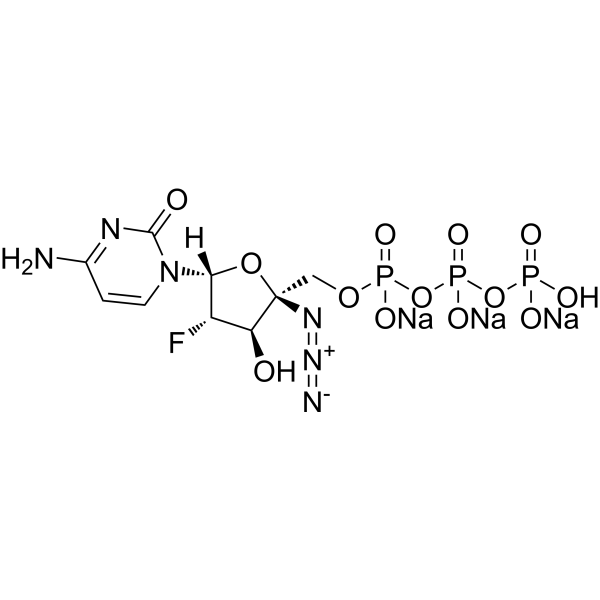 0 ImagesCat. No.: HY-139262AFNC-TP trisodium is the intracellular active form of FNC. FNC is a potent nucleoside reverse transcriptase inhibitor (NRTI), with antiviral activity on HIV, HBV and HCV. FNC-TP (trisodium) is a click chemistry reagent, it contains an Azide group and can undergo copper-catalyzed azide-alkyne cycloaddition reaction (CuAAc) with molecules containing Alkyne groups. It can also undergo strain-promoted alkyne-azide cycloaddition (SPAAC) reactions with molecules containing DBCO or BCN groups.
-
Monodes(N-carboxymethyl)valine Daclatasvir TFA
 0 ImagesCat. No.: HY-133246APurity: 99.89%Synonyms: Daclatasvir Impurity A TFAMonodes(N-carboxymethyl)valine Daclatasvir TFA (Daclatasvir Impurity A TFA) is the TFA salt form of Monodes(N-carboxymethyl)valine Daclatasvir (HY-133246). Monodes(N-carboxymethyl)valine Daclatasvir TFA is the main degradation product of Daclatasvir (HY-10466). Daclatasvir is a potent HCV NS5A protein inhibitor.
-
cis-Trismethoxy resveratrol
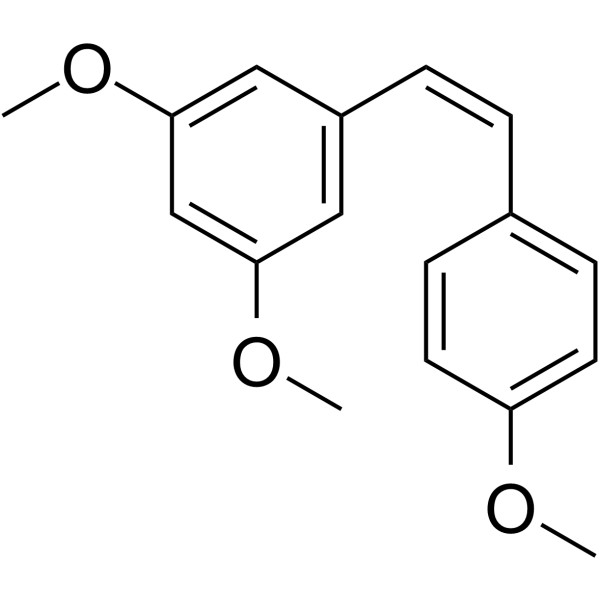 0 ImagesSynonyms: (Z)-3,5,4'-Trimethoxystilbenecis-Trismethoxy resveratrol ((Z)-3,5,4'-Trimethoxystilbene) is an anti-HCV agent and Tubulin inhibitor, with an IC50 of 4 μM against Tubulin. cis-Trismethoxy resveratrol induces G2/M phase cell cycle arrest, reduces DCLK1, decreases CDK1 levels, blocks phosphorylation of Akt Ser473, and induces the expression of p21Cip1/Waf1. cis-Trismethoxy resveratrol exhibits anti-tumor and hepatoprotective activities. cis-Trismethoxy resveratrol can be used in studies related to colon adenocarcinoma, hepatocellular carcinoma, hepatitis C, and liver injury.
-
Primulin
 0 ImagesCat. No.: HY-W540972CAS No.: 8064-60-6Synonyms: PrimulinePrimulin is a versatile fluorescent dye and bioactive compound widely used in analytical, biological, botanical and virological studies. Primulin acts as a versatile stain that labels plant cell walls and differentiates live and dead spermatozoa via distinct fluorescence patterns. Primulin exhibits strong albumin‑binding capacity. Primulin acts as a retrograde axonal tracer in neurobiological investigations. Primulin and its derivatives inhibit HCV NS3, block dengue virus NS3-mediated ATP hydrolysis, and disrupt HCV replicase assembly.
-
RG-101
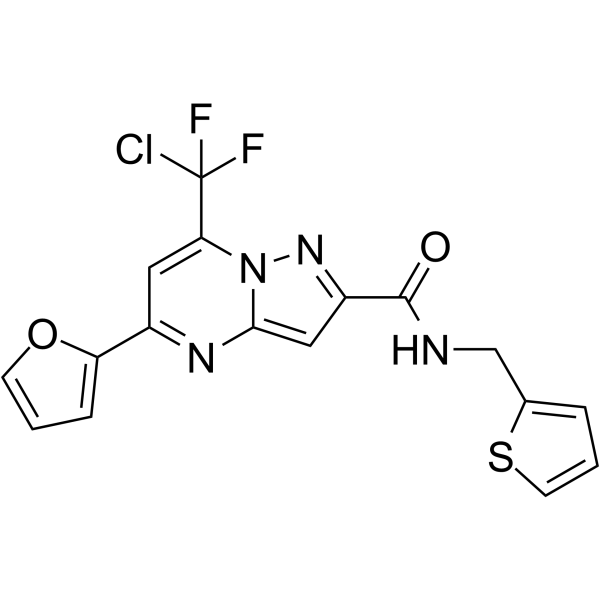
 0 ImagesCat. No.: HY-132600CAS No.: 1929655-04-8Synonyms: TemavirsenRG-101 is a hepatocyte targeted N-acetylgalactosamine conjugated oligonucleotide that antagonises miR-122. miR-122 is an important host factor for hepatitis C virus (HCV) replication.
-
Pseudane IX
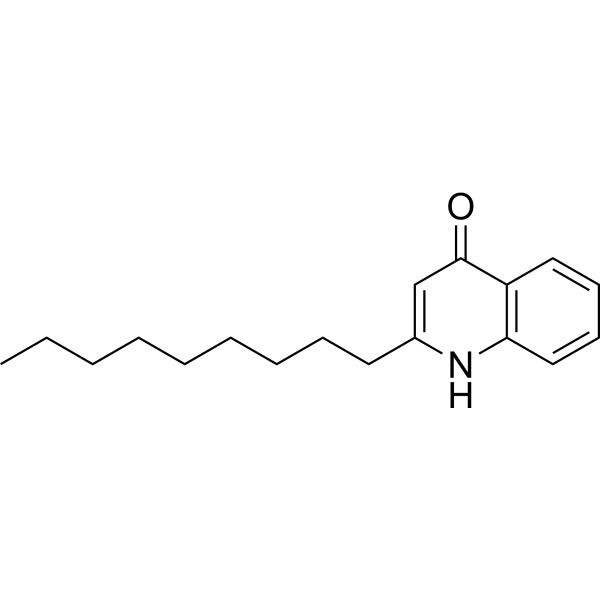 0 ImagesCat. No.: HY-W555382CAS No.: 55396-45-7Synonyms: 2-Nonylquinolin-4(1H)-one
-
Monodes(N-carboxymethyl)valine Daclatasvir
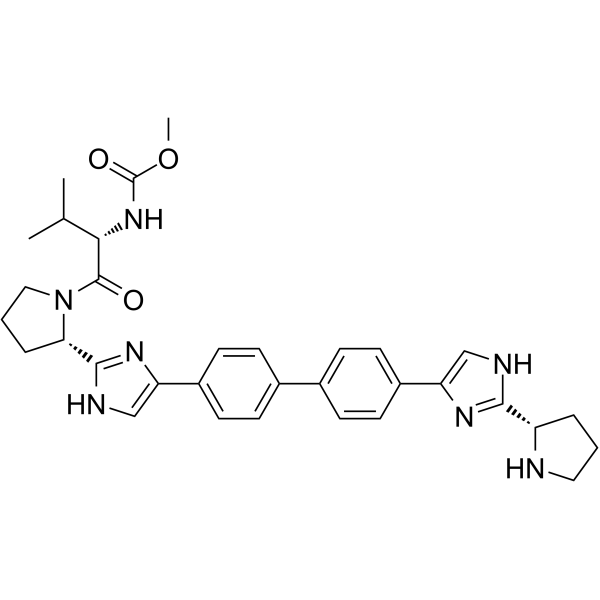 0 ImagesCat. No.: HY-133246CAS No.: 1007884-60-7Synonyms: Daclatasvir Impurity AMonodes(N-carboxymethyl)valine Daclatasvir (Daclatasvir Impurity A) is the main degradation product of Daclatasvir. Daclatasvir is a potent HCV NS5A protein inhibitor.

-
Nucleoside-Analog-2
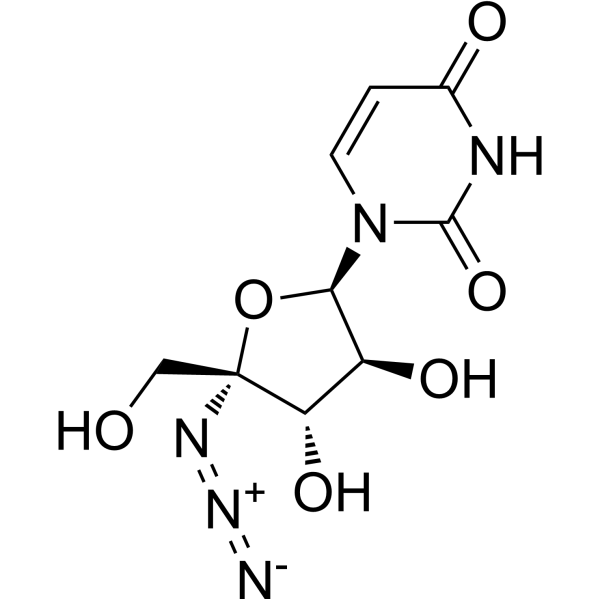 0 ImagesCat. No.: HY-77652CAS No.: 876708-01-9Nucleoside-Analog-2 is a 4'-Azidocytidine analogue against Hepatitis C virus (HCV) replication. Nucleoside-Analog-2 is a click chemistry reagent, it contains an Azide group and can undergo copper-catalyzed azide-alkyne cycloaddition reaction (CuAAc) with molecules containing Alkyne groups. It can also undergo strain-promoted alkyne-azide cycloaddition (SPAAC) reactions with molecules containing DBCO or BCN groups.
-
Mulberroside C
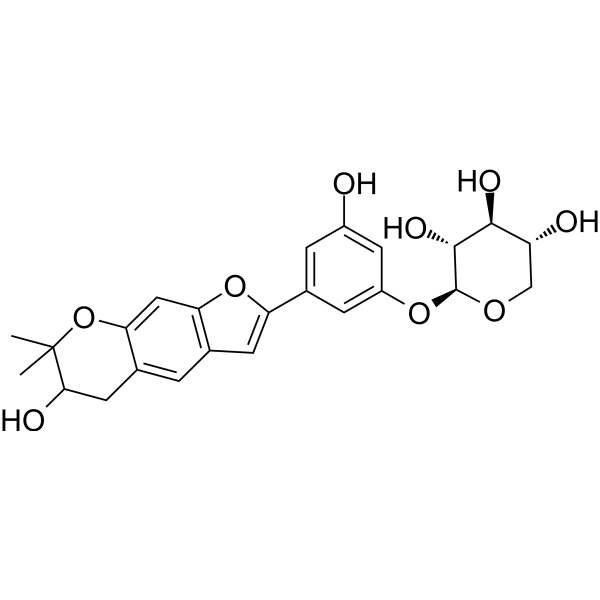 0 ImagesMulberroside C is one of the main bioactive components in white mulberry (Morus alba L.). Mulberroside C exhibits antiplatelet, antiviral and neutrophil-regulating activities, and binds to EV-A71 VP1 with a Kd value of 1.289 nM. Mulberroside C reduces the phosphorylation level of ERK, promotes the phosphorylation of IP3RI at the Ser1756 site, and decreases calcium influx and calcium mobilization. Mulberroside C inhibits the expression of P-selectin (P-selectin). Mulberroside C upregulates the cyclic nucleotide signaling pathway in human platelets. Mulberroside C binds to IL-23R, upregulates the expression of G-CSF, GM-CSF and RASGRP1, and activates the RAS/ERK signaling pathway. Mulberroside C promotes neutrophil maturation, accelerates the recovery of leukopenia, and enhances the antibacterial activity of neutrophils. Mulberroside C inhibits the replication of hepatitis C virus in replicon cells. Mulberroside C prevents the uncoating and genome release of EV-A71, and inhibits the synthesis of viral proteins and RNA. Mulberroside C can be used in studies related to thrombosis-mediated cardiovascular diseases, chemotherapy- and radiotherapy-induced leukopenia, hepatitis C virus infection, and hand, foot and mouth disease.
-
Mipomersen sodium scrambled negative control
 0 ImagesCat. No.: HY-108764BMipomersen sodium scrambled negative control is the sequence scrambled negative control of Mipomersen sodium.
-
Deferiprone-d3
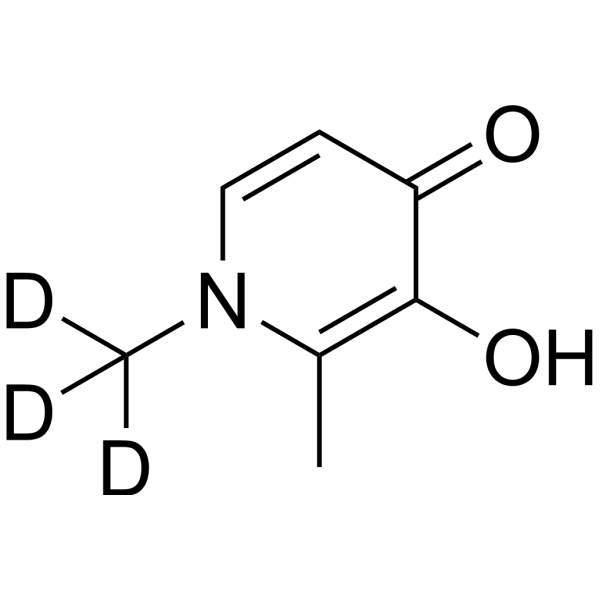 0 ImagesDeferiprone-d3 is the deuterium labeled Deferiprone (HY-B0568). Deferiprone is a potent, orally active, brain-penetrant, cell-penetrant, skin-permeable, free iron chelating agent. Deferiprone inhibits the proliferation and migration, and stimulates apoptosis in tumor cell. Deferiprone can inhibit KDM. Deferiprone has antianemic, neuroprotective, anti-inflammatory, antioxidant, and antidotal activity. Deferiprone can be used in cancer, cardiovascular disease, infection, inflammation, and neurological disease study.
-
Artemisinin (Standard)
 0 ImagesSynonyms: Qinghaosu (Standard); NSC 369397 (Standard)Artemisinin (Standard) is the analytical standard of Artemisinin. This product is intended for research and analytical applications. Artemisinin (Qinghaosu), a sesquiterpene lactone, is an anti-malarial agent isolated from the aerial parts of Artemisia annua L. plants. Artemisinin inhibits AKT signaling pathway by decreasing pAKT in a dose-dependent manner. Artemisinin reduces cancer cell proliferation, migration, invasion, tumorigenesis and metastasis and has neuroprotective effects.
-
Roseoside
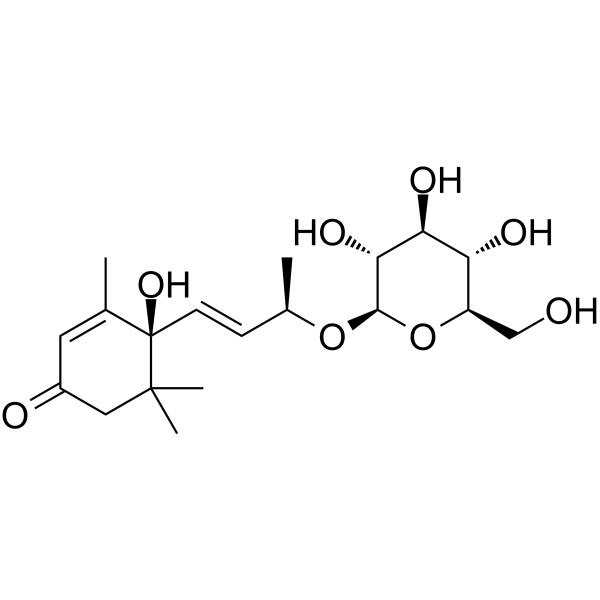 0 ImagesCat. No.: HY-N1341CAS No.: 54835-70-0Roseoside is an inhibitor of DNA gyrase and HAV 3C protease, and also inhibits HCV NS5A/B replicase in human systems with an IC50 of 20 μM. Roseoside binds to the active site of enzymes and stabilizes the interaction by forming hydrogen bonds with key amino acid residues. Roseoside inhibits the growth of Gram-positive bacteria, Gram-negative bacteria, and Candida albicans, and interferes with HCV RNA replication in vitro by inhibiting HCV NS5A/B replicase (IC50=20 μM). Roseoside shows no cytotoxicity and serves as a research tool for studies related to bacterial infections, candidiasis, HAV and HCV.
-
Velpatasvir (Standard)
 0 ImagesSynonyms: GS-5816 (Standard)Velpatasvir (Standard) is the analytical standard of Velpatasvir. This product is intended for research and analytical applications. Velpatasvir (VEL, GS-5816) is a novel pan-genotypic hepatitis C virus (HCV) nonstructural protein 5A (NS5A) inhibitor with activity against genotype 1 (GT1) to GT6 HCV replicons. Velpatasvir is also a SARS-CoV 3CLpro inhibitor with an IC50 of 2.16 μM.




