



MetAP2
MetAP2 (methionine aminopeptidase 2) is a cytosolic metalloprotease that catalyzes the removal of N-terminal methionine residues from nascent proteins, a conserved processing step required for proper protein maturation and cellular function[1]. Mechanistically, MetAP2 participates in N-terminal protein processing pathways and has been strongly linked to the regulation of endothelial cell proliferation and angiogenesis, making it a biologically important mediator of vascular growth programs[1][2]. In disease-relevant contexts, elevated MetAP2 activity or expression has been associated with multiple cancer types, and experimental studies have demonstrated that MetAP2 contributes to tumor-associated processes including endothelial cell growth, angiogenesis, and vasculogenic mimicry[3][4]. MetAP2 has also emerged as a valuable target in cancer research because inhibition of its enzymatic activity suppresses angiogenesis-dependent tumor progression in cellular and animal models[1][5]. Compared with the related isoform MetAP1, MetAP2 exhibits distinct inhibitor sensitivity, as fumagillin, ovalicin, and their derivatives selectively target MetAP2 while sparing MetAP1, providing an experimentally useful distinction between the two methionine aminopeptidase family members[1][2]. For experimental applications, natural-product inhibitors such as fumagillin and the semisynthetic analog TNP-470 have been widely used to interrogate MetAP2-dependent biology, whereas newer MetAP2-directed compounds have demonstrated antiangiogenic and antitumor activity in preclinical models[4][5][6]. Consequently, MetAP2 remains a widely studied regulator of protein processing and angiogenesis and a practical molecular target for mechanistic and translational cancer research[1][3].
References:
- [1]. Griffith EC, et al. Methionine aminopeptidase (type 2) is the common target for angiogenesis inhibitors AGM-1470 and ovalicin. Chem Biol. 1997 Jun;4(6):461-71. [Content Brief]
- [2]. Liberles SD, Diver ST, Austin DJ, Schreiber SL. Inducible gene expression and protein translocation using nontoxic ligands identified by a mammalian three-hybrid screen. Proc Natl Acad Sci U S A. 1997 Jul 22;94(15):7825-30. [Content Brief]
- [3]. Hiramatsu K, et al. Monochloramine inhibits ultraviolet B-induced p53 activation and DNA repair response in human fibroblasts. Biochim Biophys Acta. 2006 Feb;1763(2):188-96. [Content Brief]
- [4]. Shimizu S, et al. Methionine aminopeptidase‑2 is a pivotal regulator of vasculogenic mimicry. Oncol Rep. 2022 Feb;47(2):31. [Content Brief]
- [5]. Chun E, et al. Novel inhibitors targeted to methionine aminopeptidase 2 (MetAP2) strongly inhibit the growth of cancers in xenografted nude model. Int J Cancer. 2005 Mar 10;114(1):124-30. [Content Brief]
- [6]. Ehlers T, et al. Methionine AminoPeptidase Type-2 Inhibitors Targeting Angiogenesis. Curr Top Med Chem. 2016;16(13):1478-88. [Content Brief]
All Product Categories
-
MetAP2 Related Products (14)
Related Products (14)

- 1
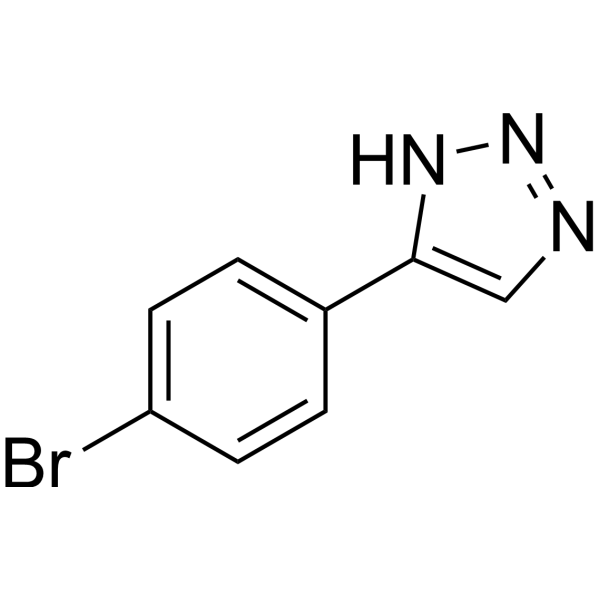
-
TP-004
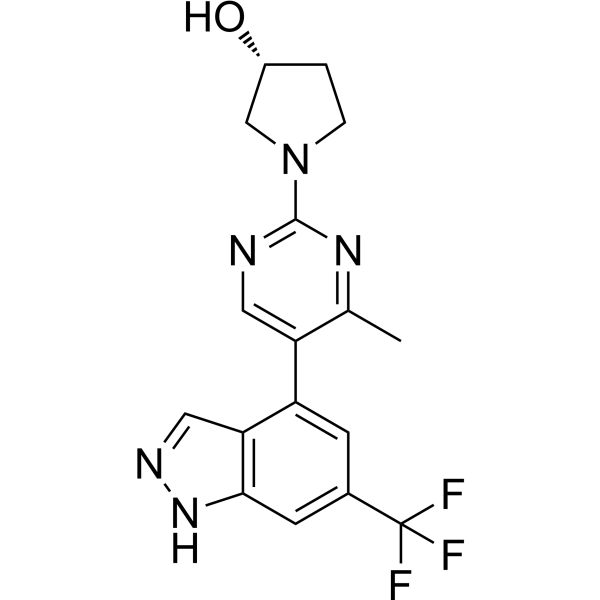 0 ImagesTP-004 is a potent and reversible inhibitor of methionine aminopeptidase 2 (MetAP2), with an IC50 of 6 nM against MetAP2. TP-004 is a chemical probe. TP-004 suppresses MetAP2 enzymatic activity, blocks N-terminal methionine cleavage, impairs protein maturation and stability, and thereby inhibits cell proliferation and angiogenesis. TP-004 can be used for the study of tumors and diseases associated with excessive angiogenesis.
-
Aclimostat
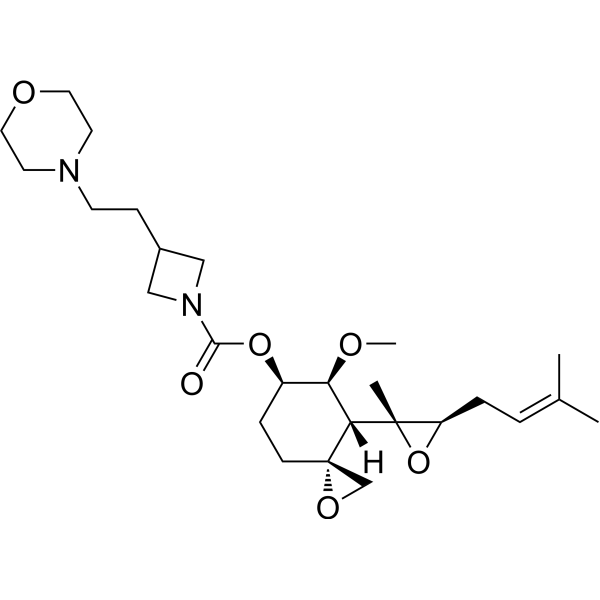 0 ImagesSynonyms: ZGN-1061Aclimostat (ZGN-1061) is a methionine aminopeptidase 2 (MetAP2) inhibitor. Aclimostat exhibits anti-obesity, anti-diabetic and ovarian cancer-related activities, and does not readily distribute to the central nervous system. Aclimostat acts on the active site of MetAP2 via irreversible covalent binding, and blocks enzyme activity through interactions with His231 and His339. Aclimostat regulates gene expression, reduces fat mass, plasma glucose, insulin levels, LDL-C, hs-CRP and leptin levels, while increasing adiponectin levels. Aclimostat can be used in research related to type 2 diabetes, overweight, obesity and ovarian cancer.
-
Beloranib
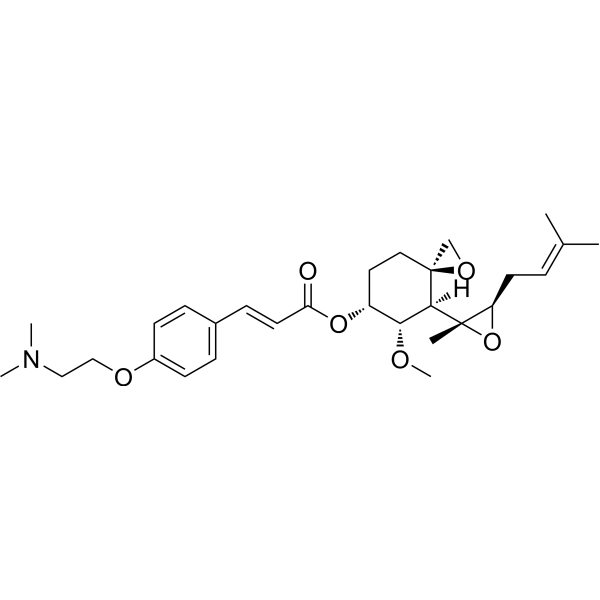 0 ImagesCat. No.: HY-14811CAS No.: 251111-30-5Synonyms: ZGN-440; CKD-732 free baseBeloranib (ZGN-440; CKD-732 free base) is a selective, irreversible inhibitor of methionine aminopeptidase MetAP2 that suppresses appetite and increases energy expenditure. Beloranib blocks the enzymatic cleavage of N-terminal methionine from nascent proteins by forming a covalent bond with MetAP2, thereby regulating fatty acid metabolism, adrenergic signaling, and hypothalamic NF-κB expression. Beloranib significantly reduces food intake, body weight, and fat accumulation, while improving glucose tolerance, insulin sensitivity, and lipid metabolism. Beloranib also elevates energy expenditure and fat oxidation levels, without affecting body temperature, spontaneous activity, or the inflammatory cytokine IL-1β. Beloranib can be used in research on obesity and hypothalamic obesity.
-
Relzomostat
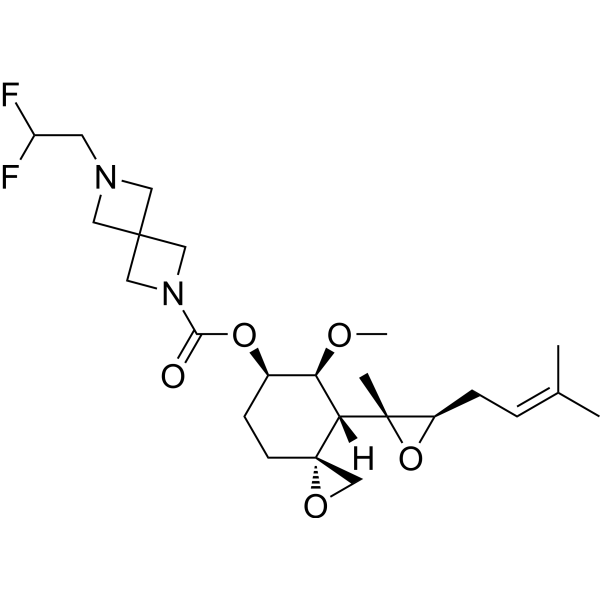 0 ImagesCat. No.: HY-109188CAS No.: 2081078-92-2Relzomostat (Example 18) is a methionyl aminopeptidase 2 (MetAP2) inhibitor. Relzomostat is used for research on obesity and type 2 diabetes.
-
BAY-277
 0 ImagesCat. No.: HY-168967BAY-277 is a selective METAP2 degrader and inhibitor. BAY-277 induces ubiquitination and proteasomal degradation of METAP2, triggers G1-phase cell cycle arrest, and inhibits angiogenesis and endothelial cell proliferation. BAY-277 serves as a chemical probe for investigating the biological functions of METAP2. BAY-277 is applicable to cancer-related research.
-
A-849519
 0 ImagesCat. No.: HY-182419CAS No.: 904680-01-9A-849519 is a reversible methionine aminopeptidase-2 (MetAP-2) inhibitor with an IC50 of 19 nM. A-849519 binds to the active site of the Mn2+ form of human MetAP-2, where the oxygen atom of one acidic functional group interacts with the manganese ion, and another heteroatom binds to the water molecule above the two manganese ions, thereby functionally inhibiting enzyme activity. A-849519 inhibits the methionine processing activity of MetAP-2 as well as the proliferation of fibrosarcoma cells. A-849519 can be used in studies related to fibrosarcoma.
-
LAF389
 0 ImagesCat. No.: HY-118953CAS No.: 270902-51-7LAF389, a prodrug of LAF153 (HY-183876), is a methionine aminopeptidase (MetAps) inhibitor with an IC50 of 800 nM against MetAp2, and exhibits a maximum inhibition rate of 20% against MetAp1 at 300 nM. LAF389 possesses antiproliferative, antiangiogenic and cytotoxic activities. LAF389 can be used in research related to cancers such as advanced solid tumors.
-
Ovalicin
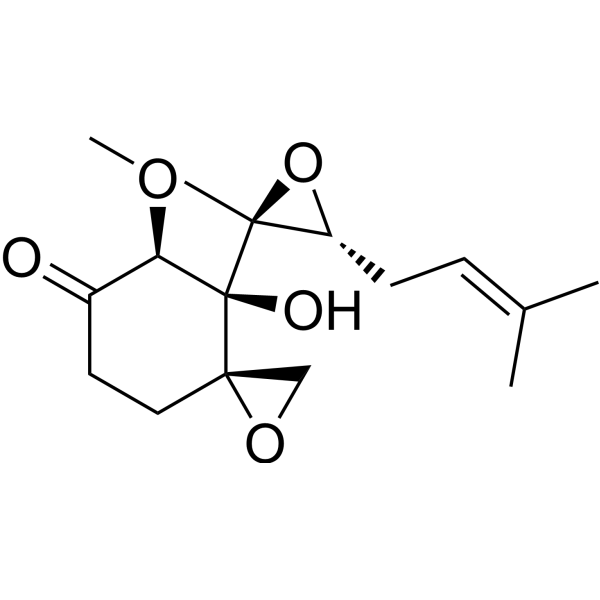 0 ImagesCat. No.: HY-156959CAS No.: 19683-98-8Ovalicin is a multi-target inhibitor that targets MetAP2, HRH2, JAK2 and TRPV1, with anti-inflammatory and anti-atopic dermatitis activities. Ovalicin covalently binds to MetAP2 to inhibit its function, thereby blocking the replication of Enterocytozoon bieneusi and Vittaforma corneae. Ovalicin alleviates intestinal injury and prolongs survival in infected mouse models, without showing obvious hepatorenal toxicity. Ovalicin attenuates LPS-induced calcium influx, reduces the infiltration of macrophages and mast cells in the skin, and regulates the expression of inflammation-related genes such as IL-31, effectively relieving allergic symptoms in mouse models. Ovalicin can be used for the research of microsporidiosis and atopic dermatitis.
-
Fumarranol
 0 ImagesCat. No.: HY-133806CAS No.: 912569-37-0Fumarranol, a Fumagillin (HY-B0751) analogue, is a selective type 2 methionine aminopeptidase (MetAP2) inhibitor with a human IC50 of 3.2 μM. Fumarranol inhibits proliferation of bovine aortic endothelial cells and inhibits angiogenesis in a mouse matrigel plug model. Fumarranol can be used for the researches of cancer, diabetic retinopathy, age-related macular degeneration.
-
A-357300
 0 ImagesCat. No.: HY-116861CAS No.: 369358-07-6A-357300 is a reversible and selective MetAP2 inhibitor with IC50s of 0.12 and 57 μM against MetAP2 and MetAP1. A-357300 induces cytostasis by cell cycle arrest at the G1 phase selectively in endothelial cells and in a subset of tumor cells. A-357300 inhibits angiogenesis both in vitro and in vivo and shows potent antitumor efficacy in carcinoma, sarcoma, and neuroblastoma murine models. A-357300 can be used for the studies of neuroblastoma, fibrosarcoma and breast cancer.
-
A-800141
 0 ImagesCat. No.: HY-119062CAS No.: 681245-85-2A-800141 is an orally active, selective, sulfonamide-based MetAP2 inhibitor (IC50=12 nM) that binds reversibly to MetAP2 and interacts with its manganese ions. A-800141 induces the production of N-terminal methionine-unprocessed GAPDH variants, which in turn triggers G1-phase cell cycle arrest, elevates p21 levels, and reduces the levels of phosphorylated Rb and total cyclin A. A-800141 exhibits anti-angiogenic and tumor growth inhibitory effects, and produces synergistic effects when combined with cytotoxic inhibitors or BCL-2 inhibitors. A-800141 has been widely used in scientific research related to B-cell lymphoma, neuroblastoma, prostate cancer, colon cancer, melanoma and other fields.
-
JNJ-4929821
 0 ImagesCat. No.: HY-122225CAS No.: 836671-12-6JNJ-4929821 (Compound 88), a triazole derivative, is a selective Methionine aminopeptidase-2 (MetAP-2) inhibitor with an IC50 of 15 nM over MetAP-1. JNJ-4929821 can be used for cancers like liver cancer, colorectal adenocarcinoma and pancreatic cancer research.
-
Anticancer agent 313
 0 ImagesCat. No.: HY-182781Anticancer agent 313 is a MetAP2 inhibitor with an IC50 of 4.11 μM. Anticancer agent 313 activates the transcription factor ATF4 via a non-canonical mTORC1-dependent pathway. Anticancer agent 313 inhibits cancer cell proliferation. Anticancer agent 313 is applicable to the research of breast cancer and pancreatic cancer.
- 1



