



RET
RET (REarranged during Transfection) is a transmembrane receptor tyrosine kinase that is activated by a complex consisting of a soluble glial cell line-derived neurotrophic factor (GDNF) family ligand (GFL) and a glycosyl phosphatidylinositol-anchored co-receptor, GDNF family receptors alpha (GFRalpha).
RET signalling is crucial for the development of the enteric nervous system. RET regulates the development of sympathetic, parasympathetic, motor, and sensory neurons, and is necessary for the postnatal maintenance of dopaminergic neurons. RET also plays a role as a driver oncogene in a variety of human cancers. Fusion of RET with several partner genes has been detected in papillary thyroid, lung, colorectal, pancreatic, and breast cancers, and tyrosine kinase inhibitors (TKIs) for RET (particularly RET-specific inhibitors) show promising effects against such cancers.
All Product Categories
-
RET Related Products (164)
Related Products (164)

-
Apatinib-d8 free base
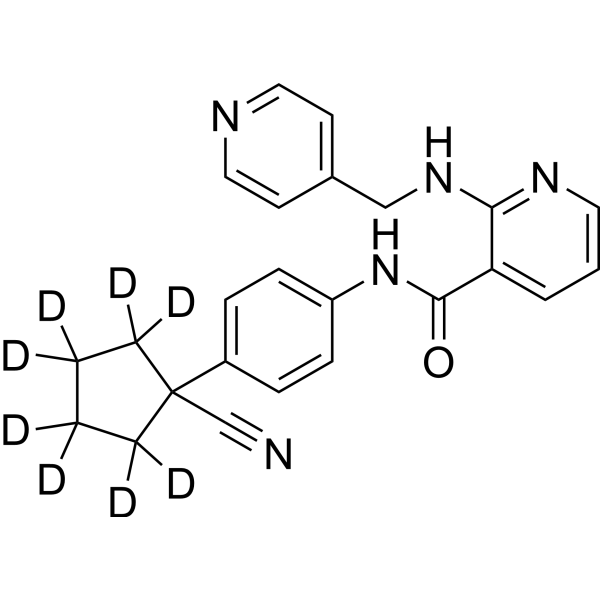 0 ImagesCat. No.: HY-13342ASCAS No.: 2468771-43-7Synonyms: YN968D1-d8 free baseApatinib-d8 (free base) is the deuterium labeled Apatinib free base. Apatinib free base (YN968D1 free base) is an orally bioavailable tyrosine kinase inhibitor, which selectively targets VEGFR-2 (IC50=1 nM). Apatinib free base (YN968D1 free base) is an anti-angiogenic drug for the research of advanced or metastatic gastric cancer. Apatinib free base (YN968D1 free base) potently inhibits Ret, c-Kit and c-Src with IC50s of 13, 429 and 530 nM, respectively. It also inhibits cellular phosphorylation of VEGFR-2, c-kit and PDGFRβ.
-
Lenvatinib (Standard)
 0 ImagesSynonyms: E7080 (Standard); MK-7902 (Standard)
-
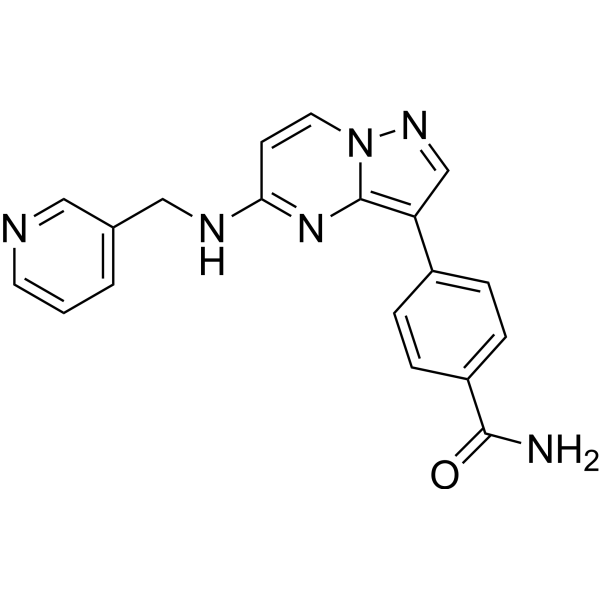
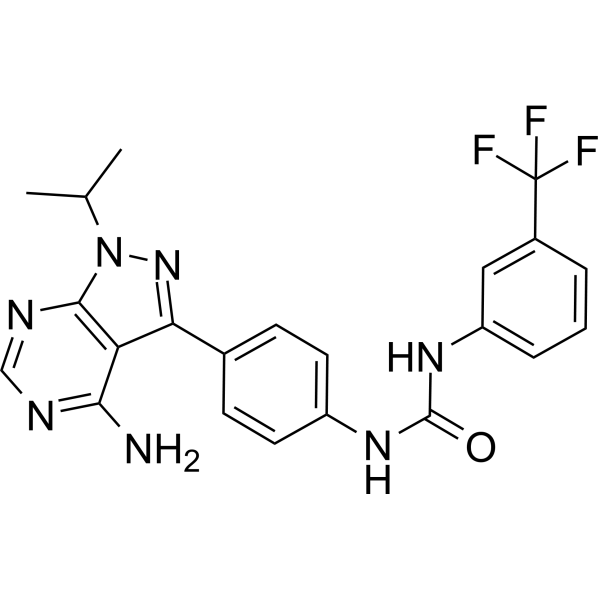
Zeteletinib
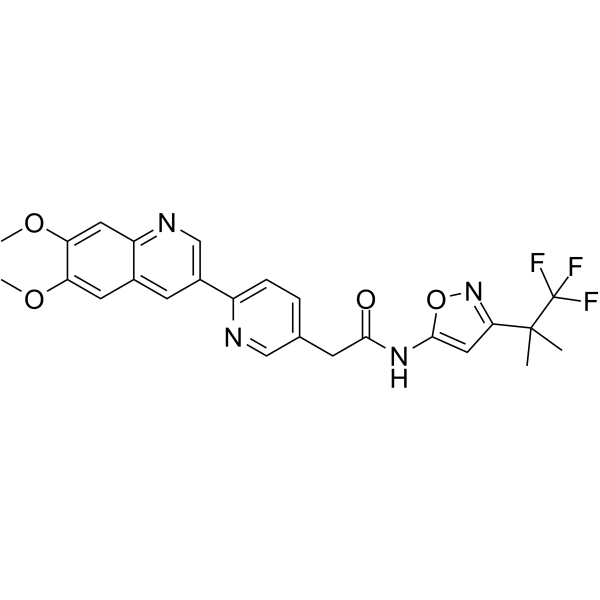 0 ImagesSynonyms: BOS-172738; DS-5010Zeteletinib (BOS-172738; DS-5010) is an orally active, selective RET kinase inhibitor with nanomolar potency against RET and >300-fold selectivity against VEGFR2. Zeteletinib shows exquisite potency for the wild type RET, RETV804M/L gatekeeper mutants, and the most common oncogenic RET mutation M918T. Zeteletinib has potent antitumor activity.
-
SPP-86
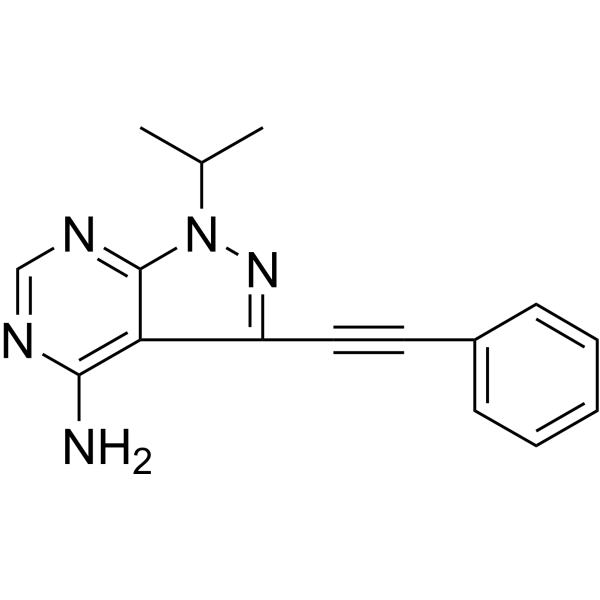 0 ImagesSPP-86 is a potent and selective cell permeable inhibitor of RET tyrosine kinase, with an IC50 of 8 nM. SPP-86 inhibits RET-induced phosphatidylinositide 3-kinases (PI3K)/Akt and MAPK signaling, also inhibits RET-induced estrogen receptorα (ERα) phosphorylation in MCF7 cells. SPP-86 is a click chemistry reagent, it contains an Alkyne group and can undergo copper-catalyzed azide-alkyne cycloaddition (CuAAc) with molecules containing Azide groups.
-
Lenvatinib-d4
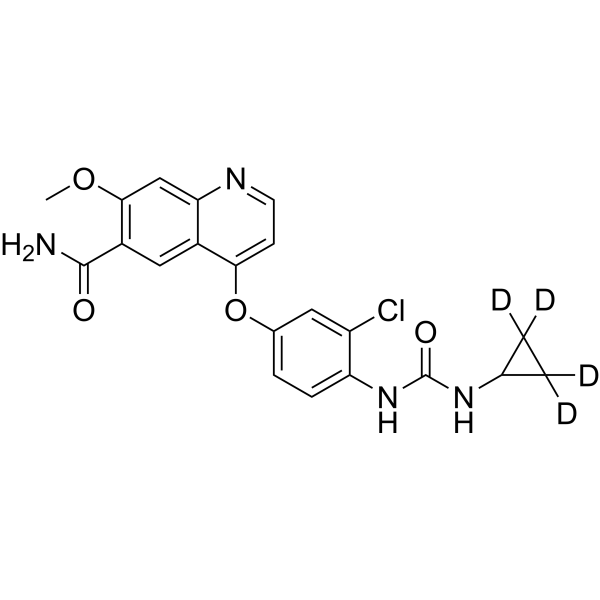 0 ImagesSynonyms: E7080-d4; MK-7902-d4
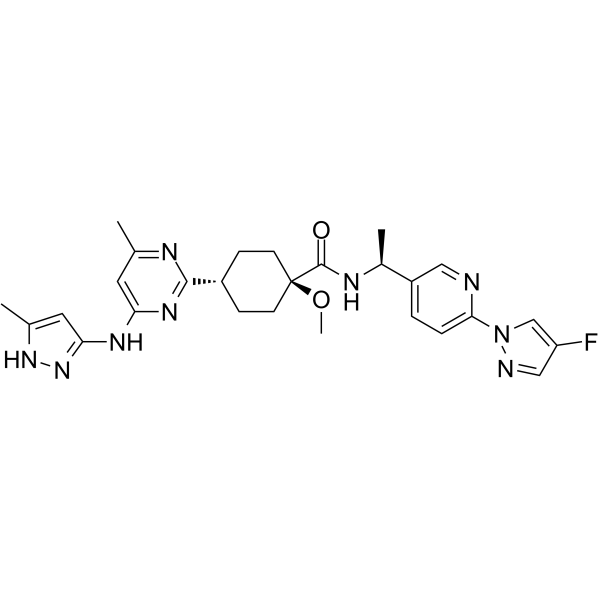
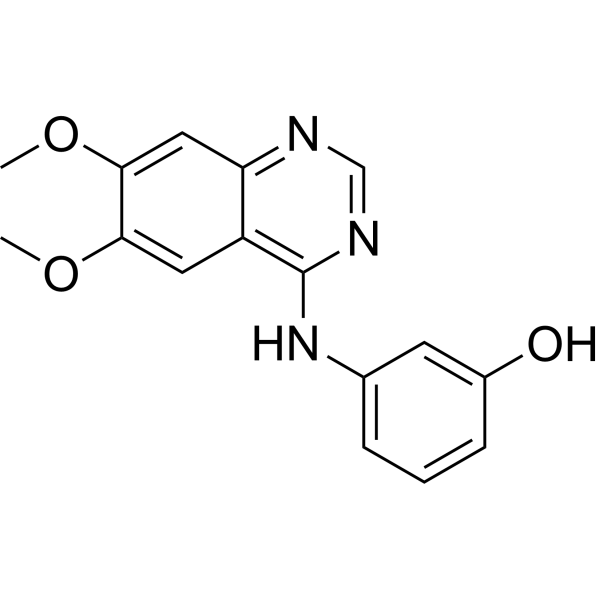
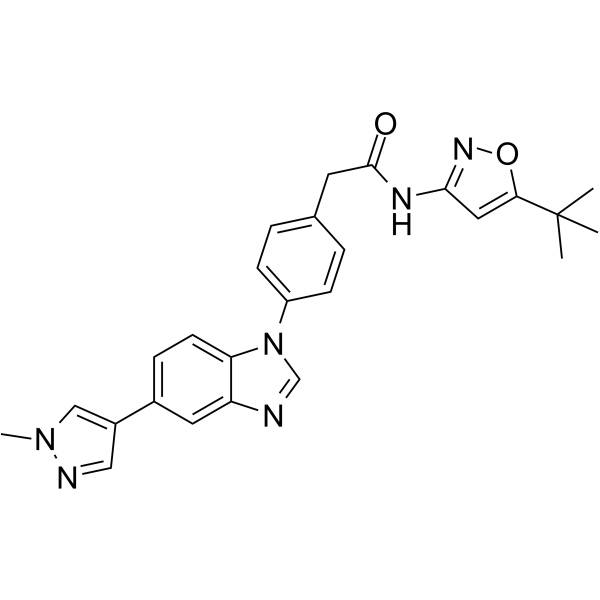
-
Tafetinib
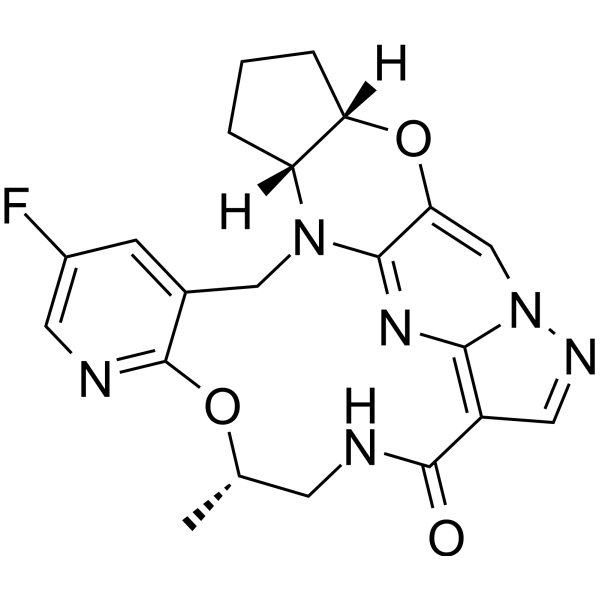
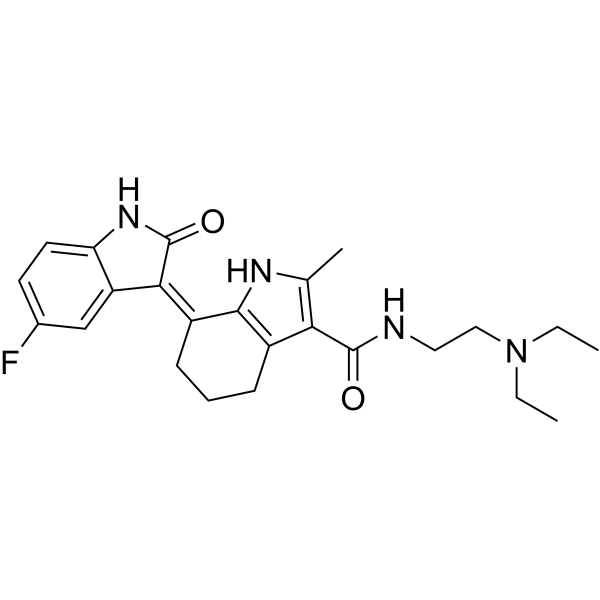 0 ImagesCat. No.: HY-116116CAS No.: 1032265-57-8Synonyms: SIM010603Tafetinib (SIM010603) is an oral multi-targets receptor tyrosine kinases inhibitor. Tafetinib inhibitsstem cell factor receptor (Kit),vascular endothelial growth factor receptor-2 (VEGFR-2),platelet-derived growth factor receptor-β (PDGFR-β),glial cell line-derived neurotrophic factor receptor (Rearranged during Transfection; RET), andFms-like tyrosine kinase-3 (FLT3)withIC50values between 5.0 and 68.1 nmol/l. Tafetinib inhibits the phosphorylation ofPDGFR-βandVEGFR-2. Tafetinib inhibits endothelial cell proliferation, endothelial cells chemotaxis, and corneal angiogenesis.
-
WF-47-JS03
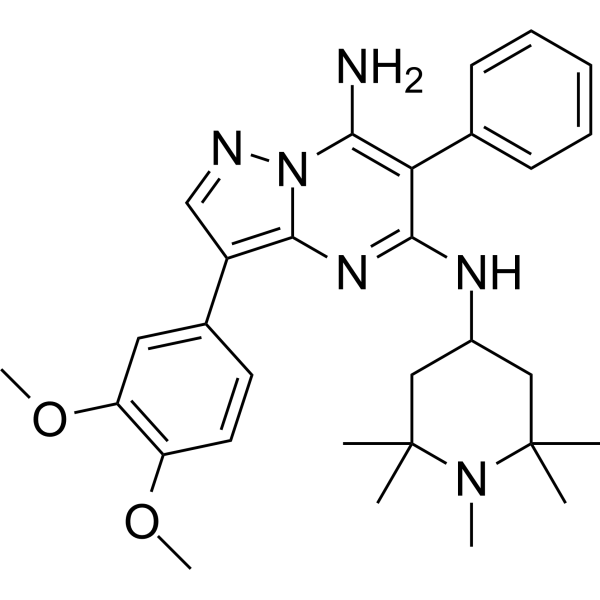 0 ImagesWF-47-JS03 is a potent, selective and brain-penetrantRET kinase inhibitor with IC50s of 1.7 nM and 5.3 nM for KIF5B-RET transfected Ba/F3 cells and CCDC6-RET transfected LC-2/ad lung cancer cells, respectively. WF-47-JS03 demonstrates >500-fold selectivity against kinase insert domain receptor (KDR).
-
RET-IN-21
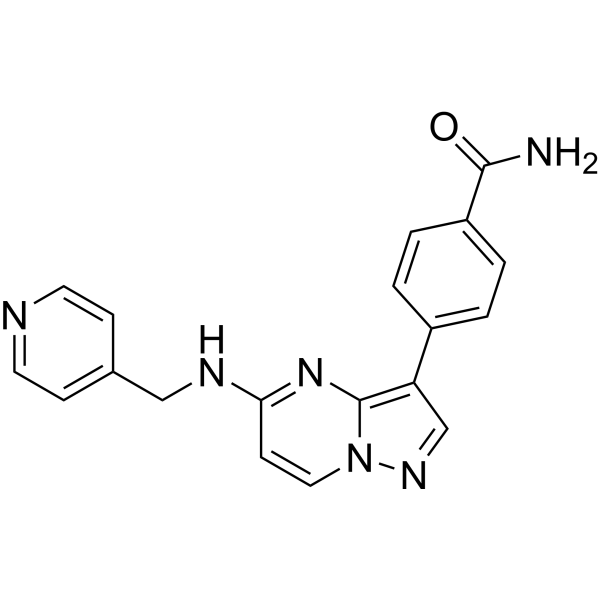 0 ImagesCat. No.: HY-148742CAS No.: 2414373-42-3
-
RET-IN-3
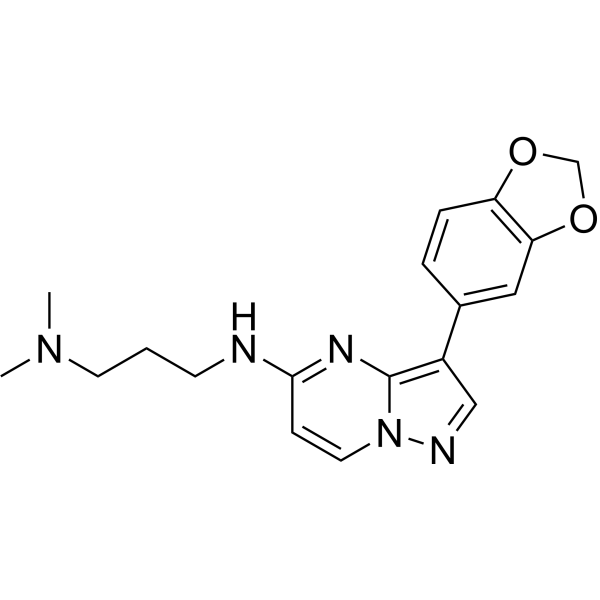 0 ImagesRET-IN-3 (compound 34) is a selective RETV804M kinase inhibitor, with an IC50 of 19 nM.
-
APS03118
 0 ImagesAPS03118 is an orally active, potent and selective rearranged during transfection (RET) inhibitor. APS03118 broadly inhibits RET fusions and mutations (including G810, V804, L730, and Y806 variants), with IC50 values predominantly below 1 nM (0.095 nM for WT; ranging from 0.00438 to 5.72 nM for mutants), and demonstrates marked superiority against RET G810 mutations. APS03118 inhibits the entire RET signaling pathway (including RET, Shc, and ERK1/2), with >20-fold selectivity over most off-target kinases (except FLT3 and YES). APS03118 induces complete tumor regression in KIF5B-RET and CCDC6-RET V804 M patient derived xenografts (PDXs) and significantly prolongs survival in an intracranial CCDC6-RET metastasis mice model. APS03118 can be used for selective RET inhibitor (SRI)-resistant, RET-driven cancer research.
-
Regorafenib-d3
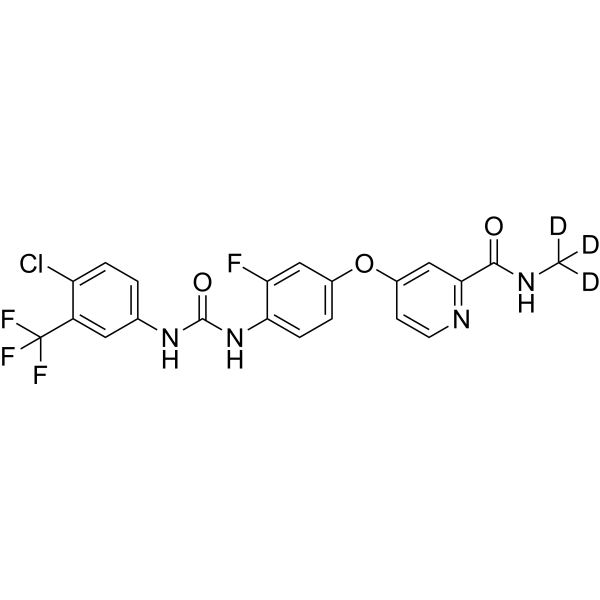 0 ImagesSynonyms: BAY 73-4506-d3Regorafenib-d3 (BAY 73-4506-d3) is a deuterium labeled Regorafenib (HY-10331). Regorafenib is a multi-targeted receptor tyrosine kinase inhibitor.
-
JNJ-38158471
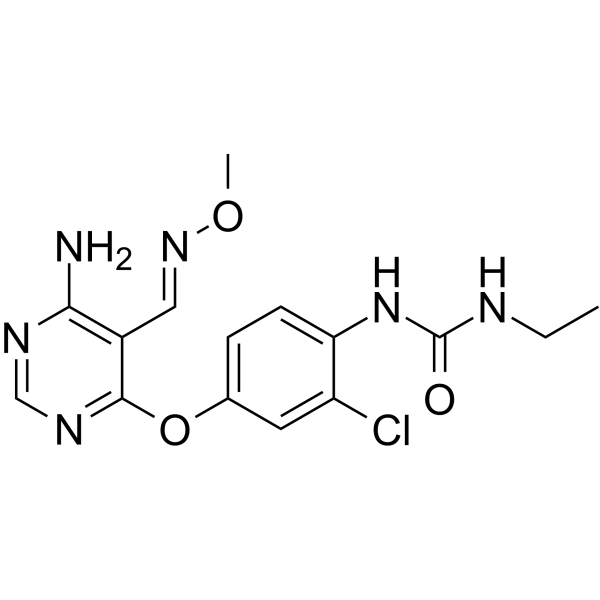 0 ImagesCat. No.: HY-18317CAS No.: 951151-97-6JNJ-38158471 is a well tolerated, orally available, highly selective VEGFR-2 inhibitor, with an IC50 of 40 nM. JNJ-38158471 also inhibits Ret and Kit with IC50s of 180 and 500 nM, respectively.



