



Tyrosine Hydroxylase Inhibitor
- 1
-
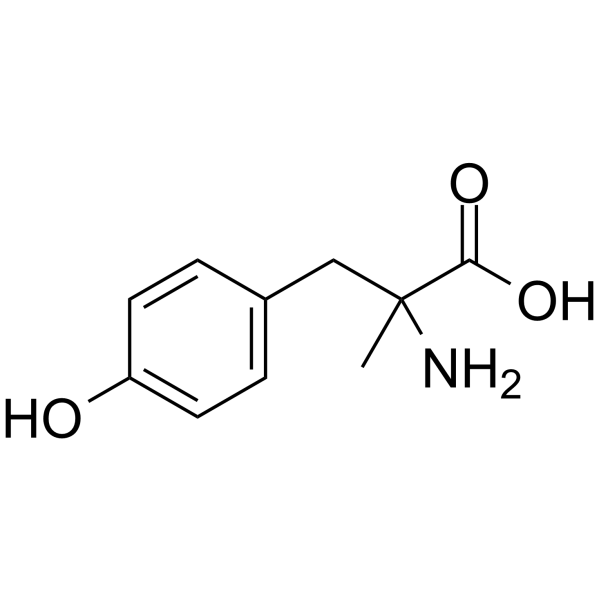
α-Methyl-p-tyrosine
 0 Images
α-Methyl-p-tyrosine is a competitive inhibitor of tyrosine hydroxylase, which converts tyrosine into DOPA. α-Methyl-p-tyrosine is also an orally active inhibitor of catecholamine synthesis, inhibiting the hydroxylation of tyrosine into DOPA. α-Methyl-p-tyrosine can be used in research related to epilepsy, glaucoma, cancer, and other related diseases.
-
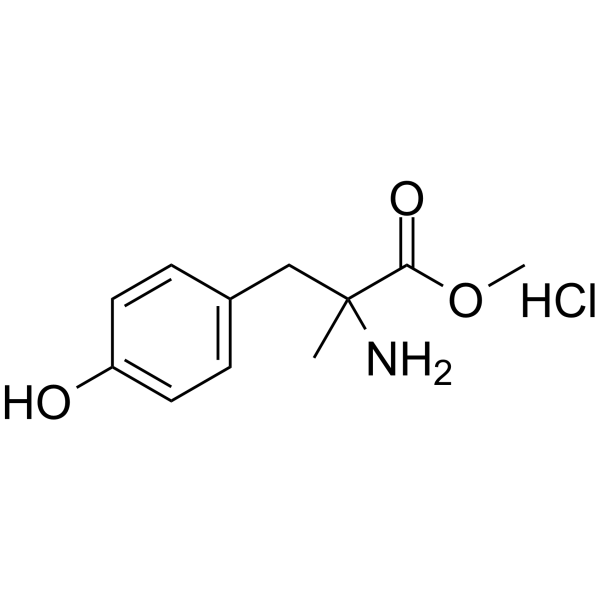
α-Methyltyrosine methyl ester hydrochloride
 0 Images
α-Methyltyrosine methyl ester hydrochloride is an orally active and competitive tyrosine hydroxylase inhibitor. α-Methyltyrosine methyl ester hydrochloride can inhibit the conversion of tyrosine to dopamine. α-Methyltyrosine methyl ester hydrochloride causes kidney damage and urethral calculi in rats. α-Methyltyrosine methyl ester hydrochloride can be used as a tool for sympathetic nervous system research.
-
Hydrastine
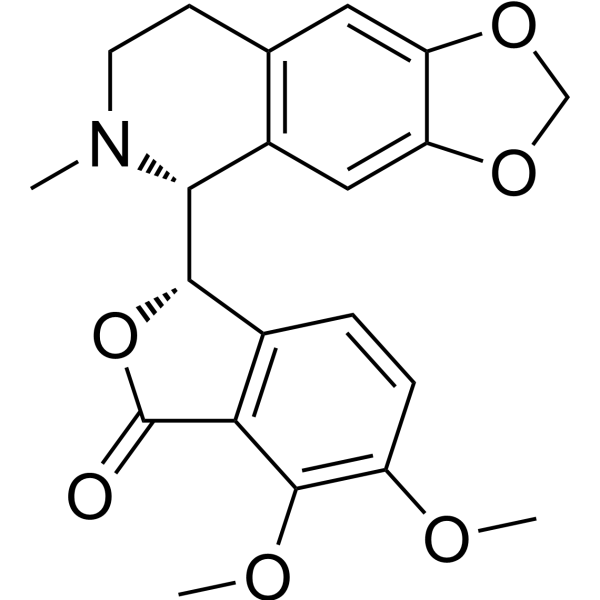 0 ImagesSynonyms: (-)-β-Hydrastine; (1R,9S)-β-Hydrastine
Hydrastine ((-)-β-Hydrastine; (1R,9S)-β-Hydrastine) is a selective competitive inhibitor of tyrosine hydroxylase (TH), inhibiting dopamine biosynthesis (IC50=20.7 μM, PC12 cells). Hydrastine also inhibits the organic cation transporter OCT1 (IC50=6.6 μM). Hydrastine may cause neuronal toxicity through mitochondrial dysfunction rather than oxidative stress damage, and can aggravate cell apoptosis when combined with L-DOPA. Hydrastine can be used to study Parkinson's disease-related dopaminergic neuronal damage.
-
Ethaverine hydrochloride
 0 Images
Ethaverine hydrochloride is a Papaverine derivative and vasodilator. Ethaverine hydrochloride inhibits Phosphodiesterase, Tyrosine hydroxylase, and MAO-B. Ethaverine hydrochloride blocks L-type Ca2+ channels, reduces intracellular Ca2+ levels, inhibits platelet adhesion and aggregation, regulates cardiac conduction and heart rate, and increases peripheral and cerebral blood flow. Ethaverine hydrochloride alters cochlear microcirculation, intracochlear Po2, CM potential, and EP in guinea pigs, and induces transient hypotension. Ethaverine hydrochloride is used in the research of peripheral vascular diseases.
-
Ethaverine hydrochloride (Standard)
 0 Images
Ethaverine hydrochloride (Standard) is the analytical standard of Ethaverine hydrochloride (HY-B1440). This product is intended for research and analytical applications. Ethaverine hydrochloride is a Papaverine derivative and vasodilator. Ethaverine hydrochloride inhibits Phosphodiesterase, Tyrosine hydroxylase, and MAO-B. Ethaverine hydrochloride blocks L-type Ca2+ channels, reduces intracellular Ca2+ levels, inhibits platelet adhesion and aggregation, regulates cardiac conduction and heart rate, and increases peripheral and cerebral blood flow. Ethaverine hydrochloride alters cochlear microcirculation, intracochlear Po2, CM potential, and EP in guinea pigs, and induces transient hypotension. Ethaverine hydrochloride is used in the research of peripheral vascular diseases.
-
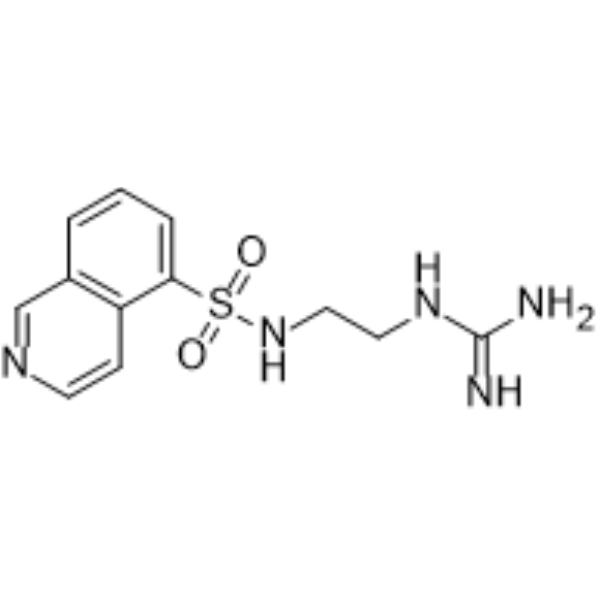
HA-1004
 0 Images
HA-1004 is a selective inhibitor of PKA, which can inhibit lipolysis and induce vascular relaxation. HA-1004 is also a dual inhibitor of cyclic GMP-dependent protein kinase and cyclic AMP-dependent protein, and is involved in smooth muscle, second messenger, cyclic AMP and cyclic GMP regulation mechanisms. HA-1004 is an antagonist for calcium, that can be used as a vasodilator to inhibit the contraction of rabbit aortic strips, or to antagonize ERK and tyrosine hydroxylase (TH) phosphorylation in morphine abstinence rat models.
-
GW583340 dihydrochloride
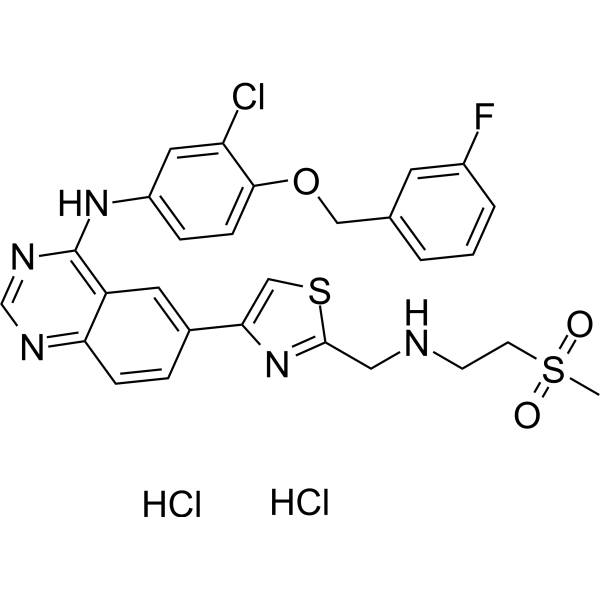 0 ImagesCat. No.: HY-103439CAS No.: 1173023-85-2
GW 583340 dihydrochloride is an orally active ErbB-2/EGFR tyrosine kinase inhibitor. GW 583340 dihydrochloride exhibits antitumor activity in xenograft models with EGFR overexpression or ErbB-2 overexpression. GW 583340 dihydrochloride is applicable to research related to head and neck cancer, breast cancer, and gastric cancer.
-
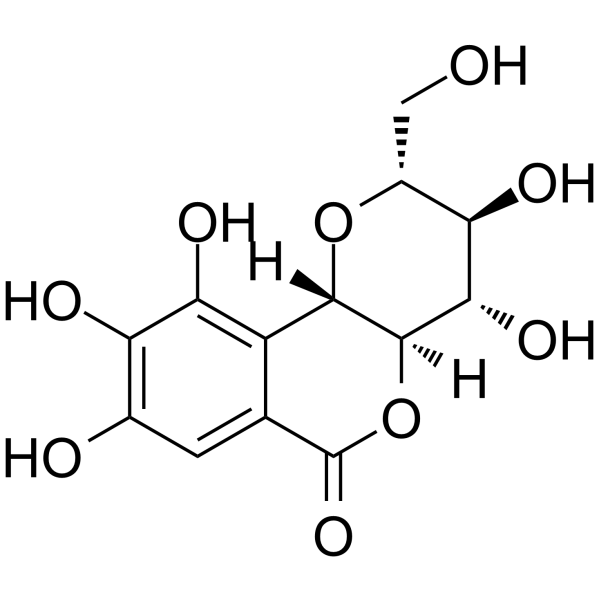
Norbergenin
 0 Images
Norbergenin is a polyphenolic isocoumarin derivative. Norbergenin acts as a non-competitive inhibitor of bovine adrenal tyrosine hydroxylase (TH) with a Ki value of 69.6 μM. Norbergenin inhibits lipopolysaccharide-induced inflammatory responses in macrophages by suppressing the activation of NF-κB, MAPK and STAT3, as well as blocking metabolic reprogramming. Norbergenin inhibits aluminum chloride-induced oxidative stress and apoptosis and restores neurocognitive parameters. Norbergenin scavenges ROS through multiple mechanisms and protects cell membranes from lipid peroxidation damage. Norbergenin can be used in research related to Alzheimer's disease, peptic ulcer and arthritis.
-
Eicosapentaenoyl serotonin
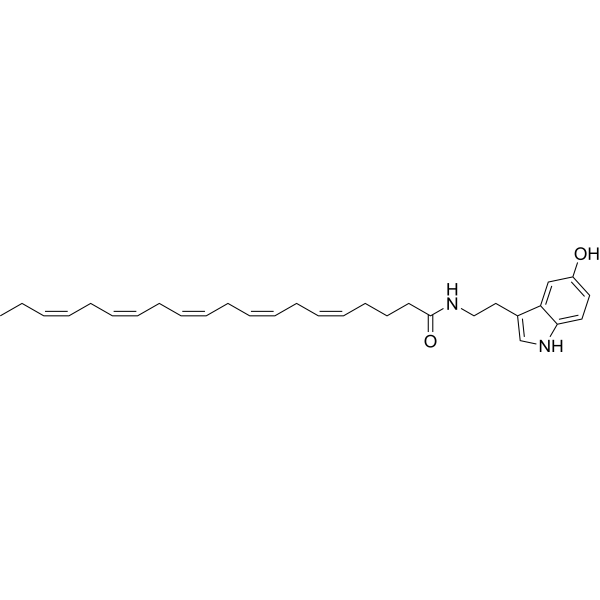 0 ImagesSynonyms: EPA-5-HT
Eicosapentaenoyl serotonin (EPA-5-HT) is an endogenous fatty acid-serotonin conjugate lipid mediator. Eicosapentaenoyl serotonin acts as an inhibitor of fatty acid amide hydrolase (FAAH). Eicosapentaenoyl serotonin suppresses IL-17 release in Concanavalin A (HY-P2149)-stimulated human peripheral blood mononuclear cells. Eicosapentaenoyl serotonin is regulated by polyunsaturated fatty acids and modulates intestinal immunity and Th17 signaling. Eicosapentaenoyl serotonin can be used for the study of inflammatory bowel disease-related mechanisms.
-
2-Fluorodeoxyarbutin
 0 ImagesCat. No.: HY-175149CAS No.: 170795-16-1
2-Fluorodeoxyarbutin, a derivative of Deoxyarbutin (HY-B1461), is a tyrosine hydroxylase and dopa oxidase inhibitor. 2-Fluorodeoxyarbutin inhibits melanin synthesis in intact melanocytes. 2-Fluorodeoxyarbutin can be used for the strudy of skin lightening or for ameliorating hyperpigmented lesions.
-
GW583340
 0 ImagesCat. No.: HY-103439ACAS No.: 388082-81-3
-
Ethaverine hydrobromide
 0 ImagesCat. No.: HY-B1440ACAS No.: 855701-63-2
Ethaverine hydrobromide is a Papaverine derivative and vasodilator. Ethaverine hydrobromide inhibits Phosphodiesterase, Tyrosine hydroxylase, and MAO-B. Ethaverine hydrobromide blocks L-type Ca2+ channels, reduces intracellular Ca2+ levels, inhibits platelet adhesion and aggregation, regulates cardiac conduction and heart rate, and increases peripheral and cerebral blood flow. Ethaverine hydrobromide alters cochlear microcirculation, intracochlear Po2, CM potential, and EP in guinea pigs, and induces transient hypotension. Ethaverine hydrobromide is used in the research of peripheral vascular diseases.
-
α-Methyl-p-tyrosine (Standard)
 0 Images
α-Methyl-p-tyrosine (Standard) is the analytical standard of α-Methyl-p-tyrosine. This product is intended for research and analytical applications. α-Methyl-p-tyrosine is a competitive inhibitor of tyrosine hydroxylase, which converts tyrosine into DOPA. α-Methyl-p-tyrosine is also an orally active inhibitor of catecholamine synthesis, inhibiting the hydroxylation of tyrosine into DOPA. α-Methyl-p-tyrosine can be used in research related to epilepsy, glaucoma, cancer, and other related diseases.
-
(3β)-3-(Acetyloxy)pregna-5,16-dien-20-one 20-oxime
 0 Images
(3β)-3-(Acetyloxy)pregna-5,16-dien-20-one 20-oxime is a human 17α-hydroxylase/C17,20-lyase (P45017α) inhibitor with a human IC50 of 67 nM and a rat IC50 of 2754 nM. (3β)-3-(Acetyloxy)pregna-5,16-dien-20-one 20-oxime blocks the human testicular microsomal enzyme mediating androgen biosynthesis steps. (3β)-3-(Acetyloxy)pregna-5,16-dien-20-one 20-oxime does not inhibit human 5α-reductase in prostatic microsomes.
-
Hydrastine (Standard)
 0 ImagesSynonyms: (-)-β-Hydrastine (Standard); (1R,9S)-β-Hydrastine (Standard)
Hydrastine (Standard) is the analytical standard of Hydrastine (HY-B0927). This product is intended for research and analytical applications. Hydrastine ((-)-β-Hydrastine; (1R,9S)-β-Hydrastine) is a selective competitive inhibitor of tyrosine hydroxylase (TH), inhibiting dopamine biosynthesis (IC50=20.7 μM, PC12 cells). Hydrastine also inhibits the organic cation transporter OCT1 (IC50=6.6 μM). Hydrastine may cause neuronal toxicity through mitochondrial dysfunction rather than oxidative stress damage, and can aggravate cell apoptosis when combined with L-DOPA. Hydrastine can be used to study Parkinson's disease-related dopaminergic neuronal damage.
- 1



