2732 Results for "

intermediate

" in MedChemExpress (MCE) Product Catalog:
Products (2732)

2732 Results for "intermediate" in MCE Product Catalog:

32
32 Publications Verification
Art. -Nr.: HY-F0004
CAS. Nr.: 1094-61-7
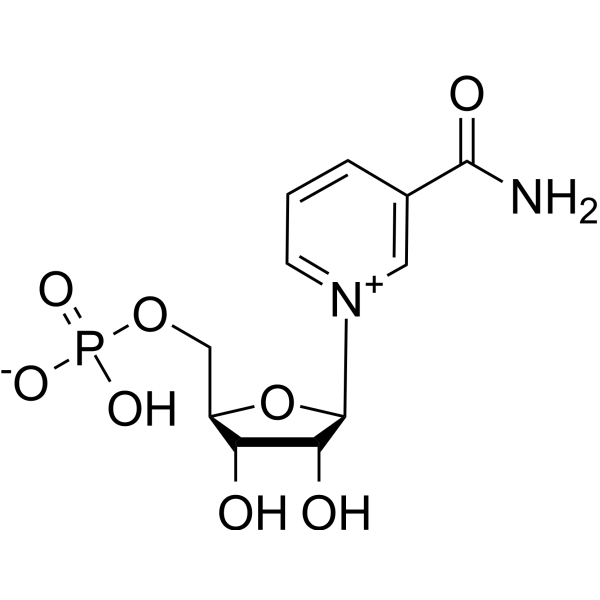
Synonyms: β-Nicotinamide mononucleotide; β-NM; NMN
Fosribnicotinamide (β-nicotinamide mononucleotide) is a product of the nicotinamide phosphoribosyltransferase (NAMPT) reaction and a key NAD + intermediate. The pharmacological activities of Fosribnicotinamide include its role in cellular biochemical functions, cardioprotection, diabetes, Alzheimer's disease, and complications associated with obesity .
loading...
    loading...
30
30 Cited Publications
Art. -Nr.: HY-13519
CAS. Nr.: 289905-88-0
Reinheit:  99.73%
Target:  

Potassium Channel

Forschungsgebiete:  

Neurological Disease

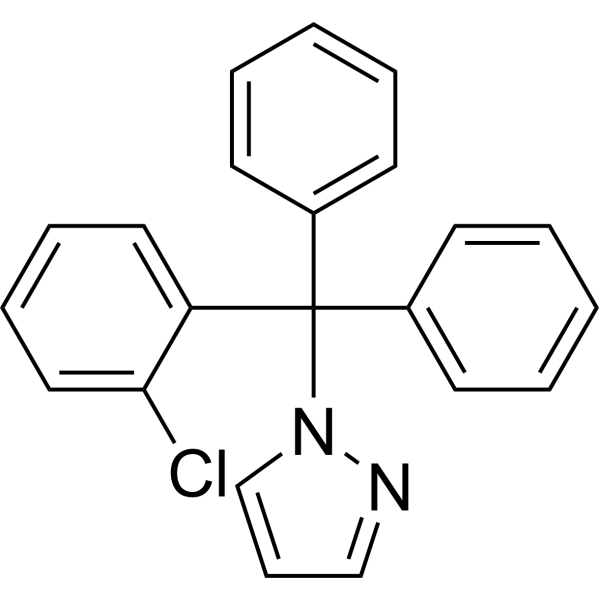
TRAM-34 is a highly selective blocker of intermediate-conductance calcium-activated K + channel (IKCa1) (Kd=20 nM).
loading...
    loading...
25
25 Cited Publications
Art. -Nr.: HY-126793
CAS. Nr.: 2044-85-1
Reinheit:  98.95%
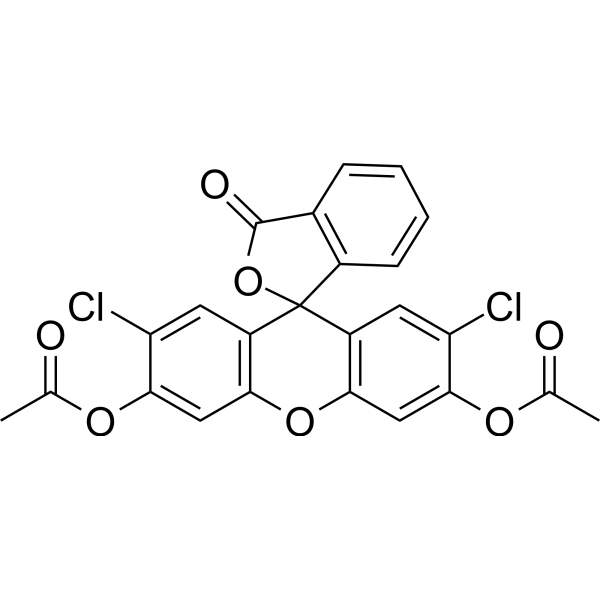
Synonyms: DCFH2-DA
2′,7′-Dichlorofluorescein diacetate (DCFH2-DA) is a cell-permeable fluorescent probe. 2′,7′-Dichlorofluorescein diacetate can be used to detect the generation of reactive oxygen intermediates and for assessing the overall oxidative stress in toxicological phenomenon .
loading...
    loading...
22
22 Cited Publications
Art. -Nr.: HY-B1247
CAS. Nr.: 553-12-8
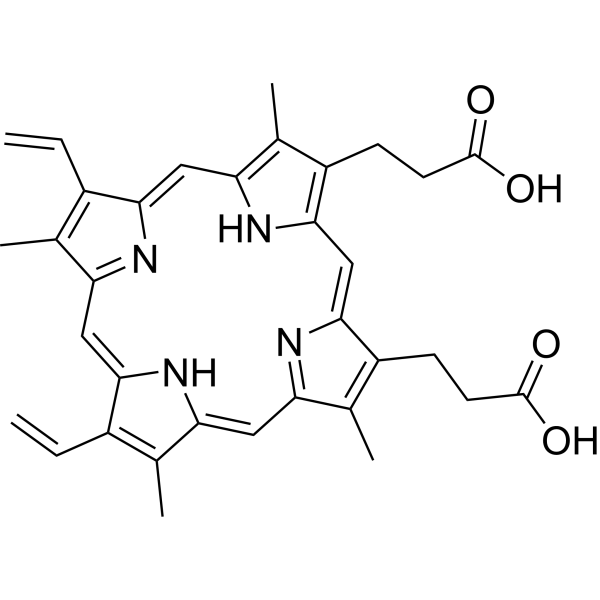
Synonyms: PPIX
Protoporphyrin IX is a final intermediate in the heme biosynthetic pathway, which acts as a radiation sensitizer enhancing ROS generation even in a hypoxic state and inducing DNA damage. Protoporphyrin IX also acts as a photo sensitizer undergoing photobleaching that occurs through direct degradation by light irradiation. Protoporphyrin IX is formed and accumulated following 5-aminolevulinic acid (5-ALA) (HY-W000450) administration in the tumor cells of rats. Protoporphyrin IX causes selective improvement of basal cell carcinoma when activated red fluorescence of a peak wavelength at 405 nm. Protoporphyrin IX is promising for research of sonodynamic and photodynamic agents for a wide range of cancers, such as bladder cancer and nodular basal cell carcinoma .
loading...
    loading...
22
22 Cited Publications
Art. -Nr.: HY-B1247A
CAS. Nr.: 50865-01-5
Synonyms: PPIX disodium
Target:  

Endogenous Metabolite

Forschungsgebiete:  

Cancer

Protoporphyrin IX disodium is a final intermediate in the heme biosynthetic pathway, which acts as a radiation sensitizer enhancing ROS generation even in a hypoxic state and inducing DNA damage. Protoporphyrin IX disodium also acts as a photo sensitizer undergoing photobleaching that occurs through direct degradation by light irradiation. Protoporphyrin IX disodium is formed and accumulated following 5-aminolevulinic acid (5-ALA) (HY-W000450) administration in the tumor cells of rats. Protoporphyrin IX disodium causes selective improvement of basal cell carcinoma when activated red fluorescence of a peak wavelength at 405 nm. Protoporphyrin IX disodium is promising for research of sonodynamic and photodynamic agents for a wide range of cancers, such as bladder cancer and nodular basal cell carcinoma .
loading...
    loading...
20
20 Cited Publications
Art. -Nr.: HY-19528
CAS. Nr.: 979-92-0
Synonyms: SAH (S-Adenosylhomocysteine)
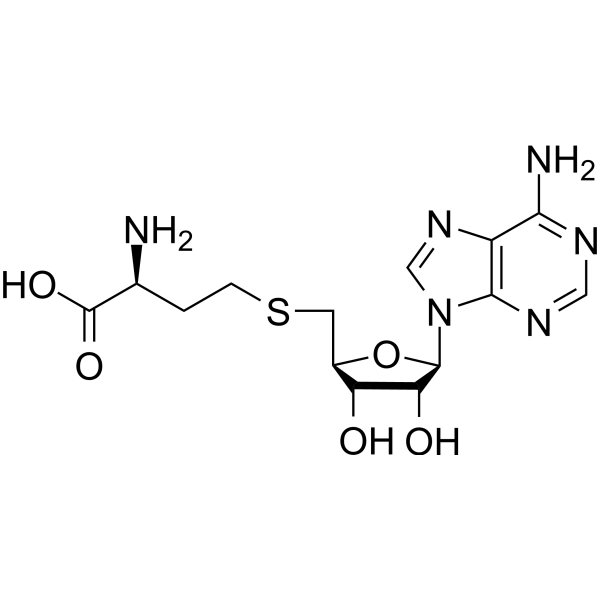
SAH (S-Adenosylhomocysteine) is an amino acid derivative and a modulartor in several metabolic pathways. It is an intermediate in the synthesis of cysteine and adenosine . SAH is an inhibitor for METTL3-METTL14 heterodimer complex (METTL3-14) with an IC50 of 0.9 µM .
loading...
    loading...
17
17 Cited Publications
Art. -Nr.: HY-Y0781
CAS. Nr.: 127-17-3
Synonyms: Acetylformic acid
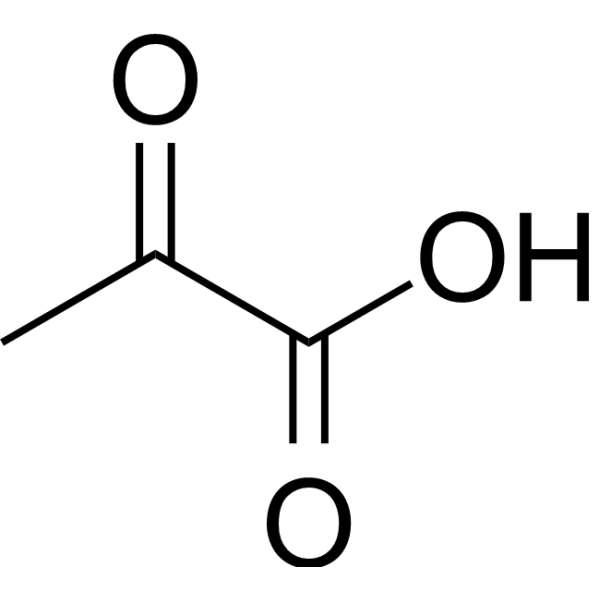
Pyruvic acid is an intermediate metabolite in the metabolism of carbohydrates, proteins, and fats.
loading...
    loading...
11
11 Cited Publications
Art. -Nr.: HY-134539
CAS. Nr.: 2304621-31-4
Reinheit:  98.13%
IMT1 is a first-in-class specific and noncompetitive human mitochondrial RNA polymerase (POLRMT) inhibitor. IMT1 causes a conformational change of POLRMT, which blocks substrate binding and transcription in a dose-dependent way in vitro. IMT1 reduces deoxynucleoside triphosphate levels and citric acid cycle intermediates, resulting in a marked depletion of cellular amino acid levels. IMT1 has the potential for mitochondrial transcription disorders related diseases .
loading...
    loading...
11
11 Cited Publications
Art. -Nr.: HY-N0420
CAS. Nr.: 110-15-6
Synonyms: Wormwood acid
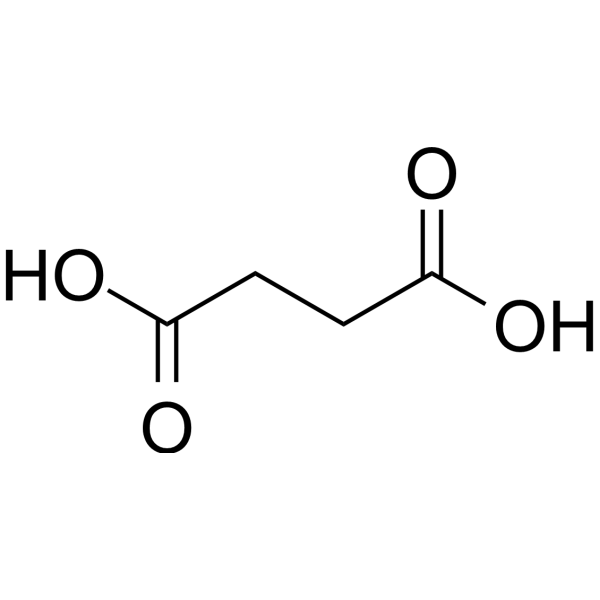
Succinic acid is an anti-anxiety agent with oral activity. Disodium succinate is the salt form of Succinic acid. Succinic acid is an intermediate product of the tricarboxylic acid cycle. Succinic acid is an important platform chemical. Succinic acid can be used as surfactant, additive, ion chelating agent, flavoring agent and other applications in chemical, pharmaceutical and food fields .
loading...
    loading...
11
11 Cited Publications
Art. -Nr.: HY-W015410
CAS. Nr.: 150-90-3
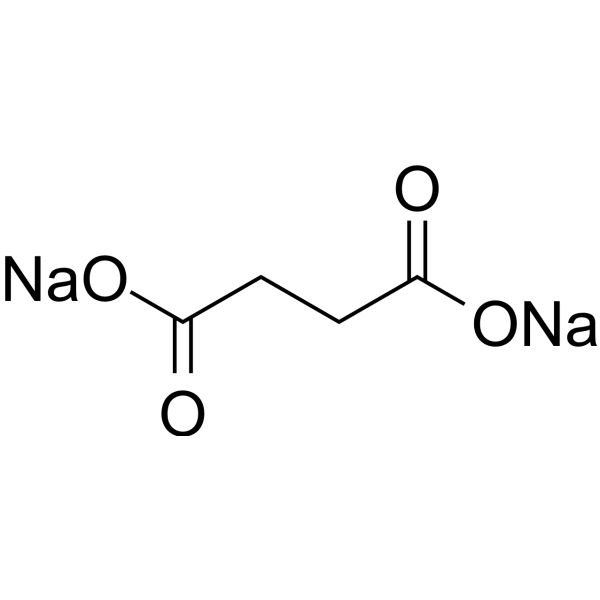
Disodium succinate is an anti-anxiety agent with oral activity. Disodium succinate is the salt form of Succinic acid. Disodium succinate is an intermediate product of the tricarboxylic acid cycle. Disodium succinate is an important platform chemical. Disodium succinate can be used as surfactant, additive, ion chelating agent, flavoring agent and other applications in chemical, pharmaceutical and food fields .
loading...
    loading...
9
9 Cited Publications
Art. -Nr.: HY-153169
CAS. Nr.: 2754428-18-5
Reinheit:  99.30%
Synonyms: 6PPD-Quinone
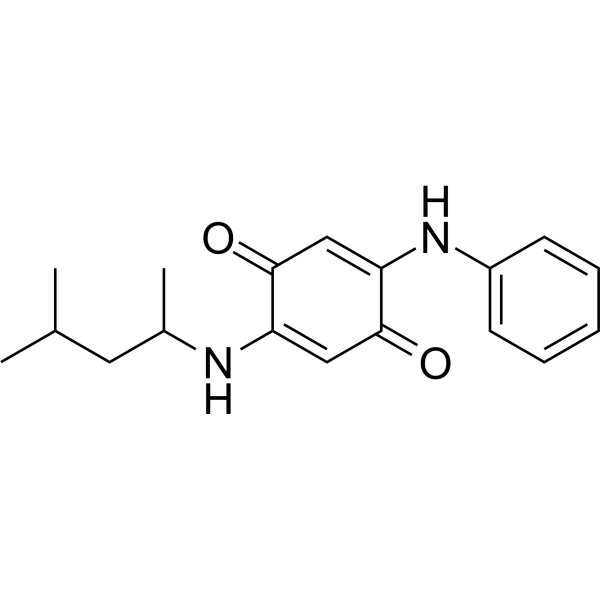
6PPD-Q (6PPD-Quinone) is an environmental pollutant that can be detected in human urine and is widely present in the environment. 6PPD-Q targets and binds to CNR2, CNR1, AA2AR, LCAT, and TRPA1, with CNR2 exhibiting the highest binding affinity, potentially acting as a CNR2 receptor agonist to activate cannabinoid receptors. 6PPD-Q induces intestinal inflammation and barrier damage by disrupting mitochondrial function, reducing neuronal glycolysis metabolites and TCA cycle intermediates, and exacerbating α-synuclein (α-syn) aggregation. 6PPD-Q is applicable in research on environmental toxicology, neurodegenerative diseases, and inflammation-related disorders .
loading...
    loading...
8
8 Cited Publications
Art. -Nr.: HY-W017389
CAS. Nr.: 69-89-6
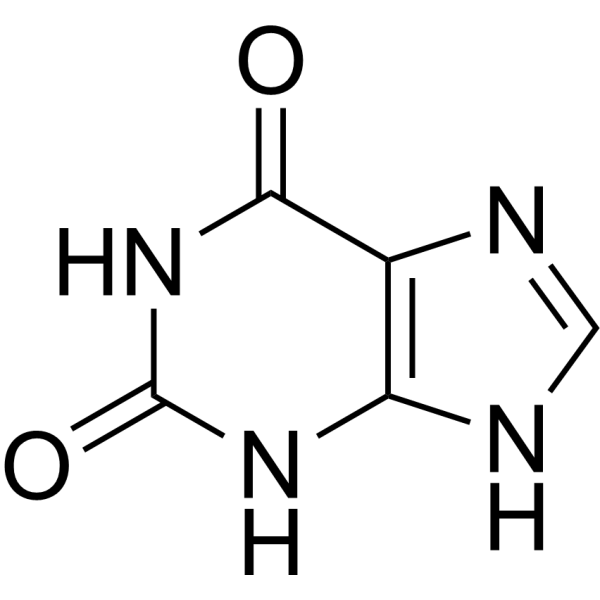
Xanthine, a plant alkaloid found in tea, coffee, and cocoa, is a mild stimulant of the central nervous system. Xanthine also acts as an intermediate product on the pathway of purine degradation .
loading...
    loading...
8
8 Cited Publications
Art. -Nr.: HY-N3007
CAS. Nr.: 73692-50-9
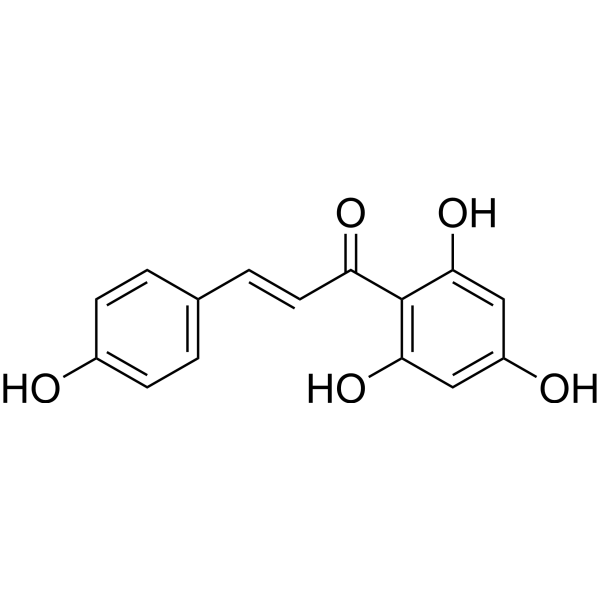
Naringenin chalcone is an orally active intermediate in flavonol biosynthesis. Naringenin chalcone induces Apoptosis. Naringenin chalcone inhibits the production of MCP-1 and NO. Naringenin chalcone exhibits anticancer activity against glioblastoma. Naringenin chalcone has anti-inflammatory and anti-allergic properties .
loading...
    loading...
7
7 Cited Publications
Art. -Nr.: HY-W010347
CAS. Nr.: 6027-13-0
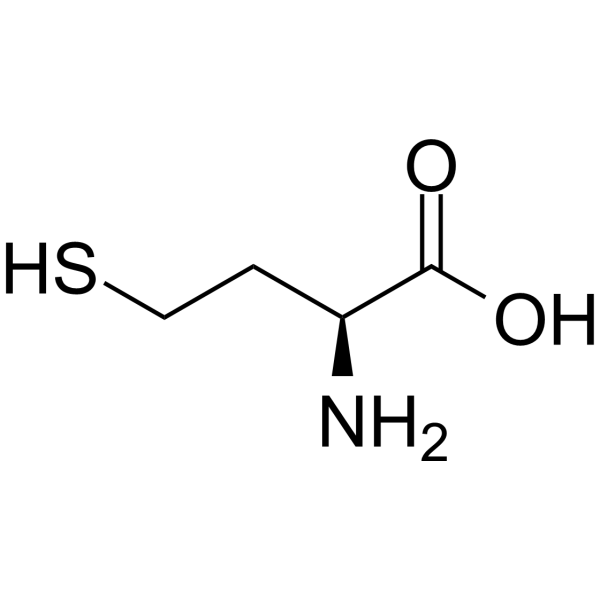
L-Homocysteine, an amino acid, is a homocysteine that has L configuration. Homocysteine is an essential intermediate in normal mammalian metabolism of methionine. L-Homocysteine induces upregulation of Cathepsin V that mediates vascular endothelial inflammation in hyperhomocysteinaemia .
loading...
    loading...
7
7 Cited Publications
Art. -Nr.: HY-100236
CAS. Nr.: 374913-63-0
Reinheit:  99.17%
Synonyms: DDD00107587
Target:  

DNA/RNA Synthesis

Forschungsgebiete:  

Cancer

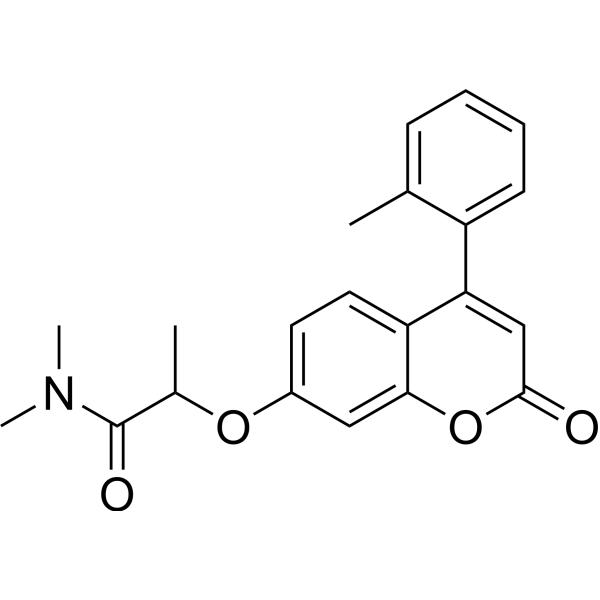
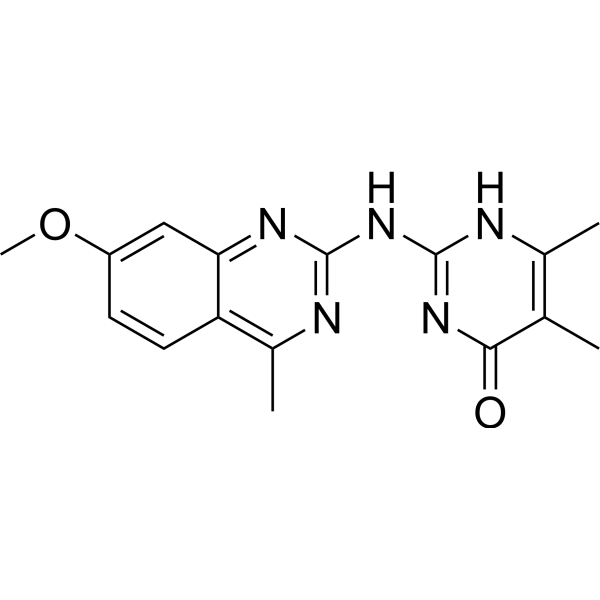
Madrasin (DDD00107587) is a splicing inhibitor that prevents formation of both splicing intermediates and products in vitro and interferes with one or more early steps in the pathway of spliceosome assembly. Madrasin also can inhibit pre-mRNA splicing in vitro and modify splicing of endogenous pre-mRNA in cells .
loading...
    loading...
7
7 Cited Publications
Art. -Nr.: HY-113596
CAS. Nr.: 102029-73-2
Reinheit:  99.22%
Synonyms: Acetyl-CoA trisodium
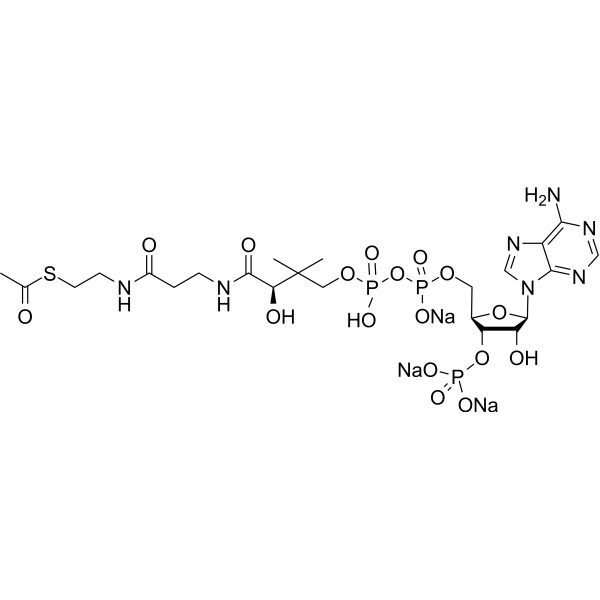
Acetyl-coenzyme A (Acetyl-CoA) trisodium is a membrane-impermeant central metabolic intermediate, participates in the TCA cycle and oxidative phosphorylation metabolism. Acetyl-coenzyme A trisodium, regulates various cellular mechanisms by providing (sole donor) acetyl groups to target amino acid residues for post-translational acetylation reactions of proteins. Acetyl Coenzyme A trisodium is also a key precursor of lipid synthesis .
loading...
    loading...
7
7 Cited Publications
Art. -Nr.: HY-113596A
CAS. Nr.: 32140-51-5
Reinheit:  97%
Synonyms: Acetyl-CoA lithium
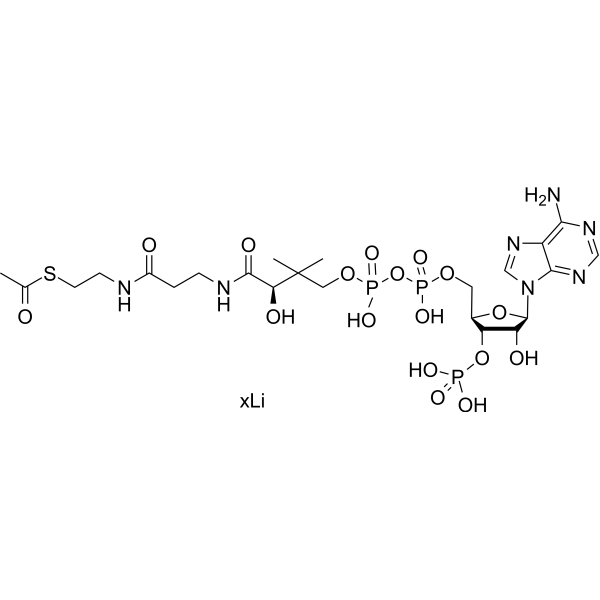
Acetyl-coenzyme A (Acetyl-CoA) lithium is a membrane-impermeant central metabolic intermediate, participates in the TCA cycle and oxidative phosphorylation metabolism. Acetyl-coenzyme A lithium, regulates various cellular mechanisms by providing (sole donor) acetyl groups to target amino acid residues for post-translational acetylation reactions of proteins. Acetyl Coenzyme A lithium is also a key precursor of lipid synthesis .
loading...
    loading...
7
7 Cited Publications
Art. -Nr.: HY-N0420R
CAS. Nr.: 110-15-6
Synonyms: Wormwood acid (Standard)
Succinic acid (Standard) is the analytical standard of Succinic acid. This product is intended for research and analytical applications. Succinic acid is an anti-anxiety agent with oral activity. Disodium succinate is the salt form of Succinic acid. Succinic acid is an intermediate product of the tricarboxylic acid cycle. Succinic acid is an important platform chemical. Succinic acid can be used as surfactant, additive, ion chelating agent, flavoring agent and other applications in chemical, pharmaceutical and food fields .
loading...
    loading...
6
6 Cited Publications
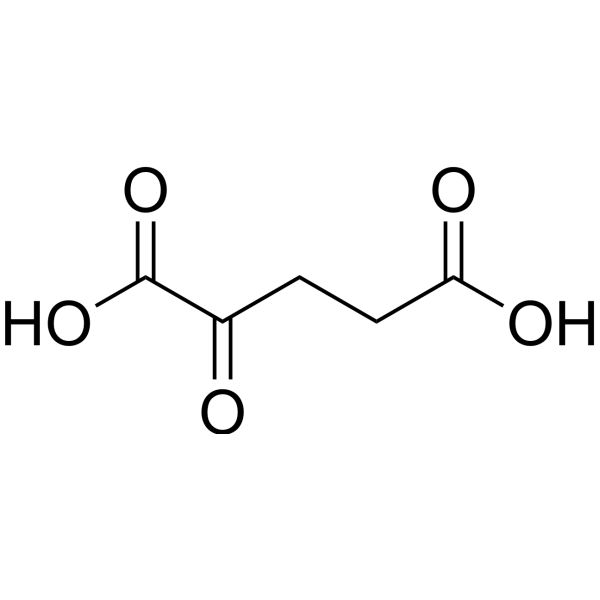
Art. -Nr.: HY-W013636
CAS. Nr.: 328-50-7
Synonyms: Alpha-Ketoglutaric acid; 2-Oxoglutaric acid
2-Ketoglutaric acid (Alpha-Ketoglutaric acid) is an intermediate in the production of ATP or GTP in the Krebs cycle. 2-Ketoglutaric acid also acts as the major carbon skeleton for nitrogen-assimilatory reactions. 2-Ketoglutaric acid is a reversible inhibitor of tyrosinase (IC50=15 mM) .
loading...
    loading...
6
6 Cited Publications
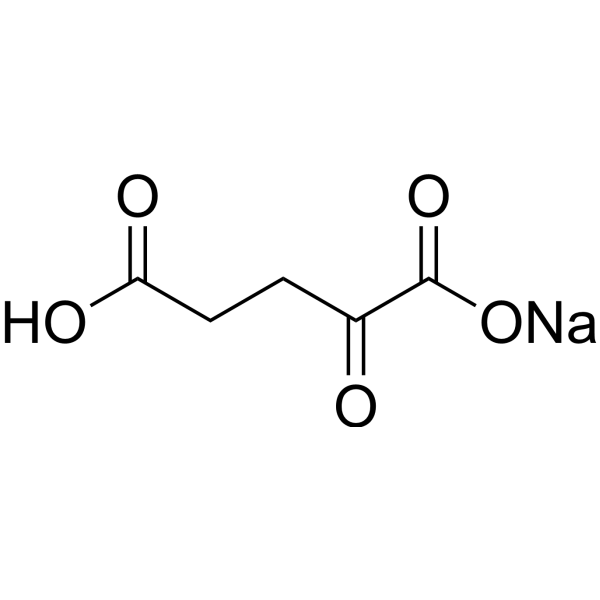
Art. -Nr.: HY-W013636A
CAS. Nr.: 22202-68-2
Synonyms: Alpha-Ketoglutaric acid Sodium
2-Ketoglutaric acid Sodium (Alpha-Ketoglutaric acid Sodium) is an intermediate in the production of ATP or GTP in the Krebs cycle. 2-Ketoglutaric acid Sodium also acts as the major carbon skeleton for nitrogen-assimilatory reactions. 2-Ketoglutaric acid Sodium is a reversible inhibitor of tyrosinase (IC50=15 mM) .
loading...
    loading...

