



CCR4
CCR4 (C-C chemokine receptor type 4, CD194) is a G protein-coupled chemokine receptor predominantly expressed on T helper 2 (Th2) cells and FOXP3+ regulatory T cells (Tregs), where it regulates immune-cell trafficking through interactions with the ligands CCL17 and CCL22.[1][2] Mechanistically, the CCL17/CCL22-CCR4 axis directs the migration and tissue localization of immunoregulatory lymphocytes, thereby shaping inflammatory responses and the immune composition of peripheral tissues.[1][3] In disease settings, persistent CCR4 signaling promotes recruitment of Tregs into the tumor microenvironment, a process associated with suppression of antitumor immunity and enhanced immune escape in multiple hematologic and solid malignancies.[4][5] CCR4-mediated accumulation of Tregs has also been linked to allergic and autoimmune disorders characterized by exaggerated Th2-associated inflammation, highlighting its broader role in immune regulation beyond cancer.[3] Compared with related chemokine receptors that display broader leukocyte distribution, CCR4 shows a characteristic enrichment on Th2 cells and Tregs, making it a useful marker for studying immunosuppressive cell trafficking and tissue-specific immune responses.[2][3] For experimental and therapeutic applications, both monoclonal antibodies and small-molecule antagonists targeting CCR4 have been developed to inhibit CCR4-dependent cell recruitment or deplete CCR4-expressing cell populations.[4][6] These pharmacological tools are widely used to investigate Treg migration, tumor immune regulation, and chemokine-driven immune-cell positioning in preclinical disease models.[4][6]
References:
- [1]. Wirnsberger G, et al. IL-4 induces expression of TARC/CCL17 via two STAT6 binding sites. Eur J Immunol. 2006 Jul;36(7):1882-91. [Content Brief]
- [2]. Parker PJ, et al. Atypical protein kinase Cι as a human oncogene and therapeutic target. Biochem Pharmacol. 2014 Mar 1;88(1):1-11. [Content Brief]
- [3]. Khalili M, et al. Underserved Does Not Mean Undeserved: Unfurling the HCV Care in the Safety Net. Dig Dis Sci. 2018 Dec;63(12):3250-3252. [Content Brief]
- [4]. Ni X, et al. Depletion of regulatory T cells by targeting CC chemokine receptor type 4 with mogamulizumab. Oncoimmunology. 2015 Mar 24;4(7):e1011524. [Content Brief]
- [5]. Plescia J, et al. Integrated Synthetic, Biophysical, and Computational Investigations of Covalent Inhibitors of Prolyl Oligopeptidase and Fibroblast Activation Protein α. J Med Chem. 2019 Sep 12;62(17):7874-7884. [Content Brief]
- [6]. Higuchi T, et al. Epstein-Barr virus-positive pyothorax-associated lymphoma expresses CCL17 and CCL22 chemokines that attract CCR4-expressing regulatory T cells. Cancer Lett. 2019 Jul 1;453:184-192. [Content Brief]
-
CCR4 Related Products (16)
Related Products (16)

-
Recombinant Proteins (2)
- 1
-
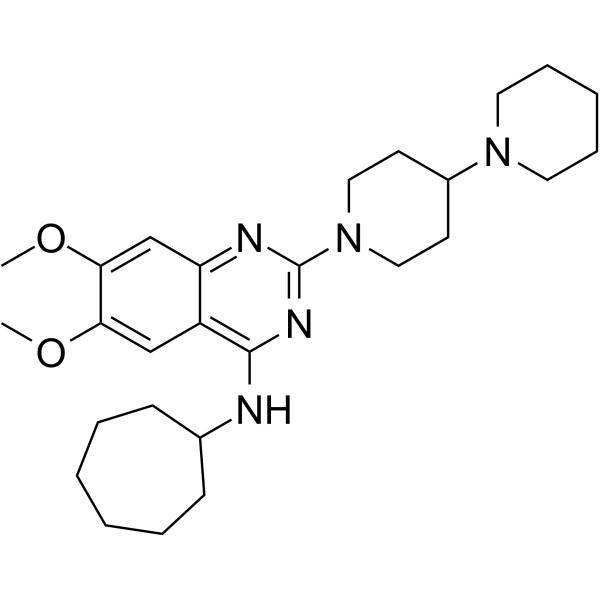
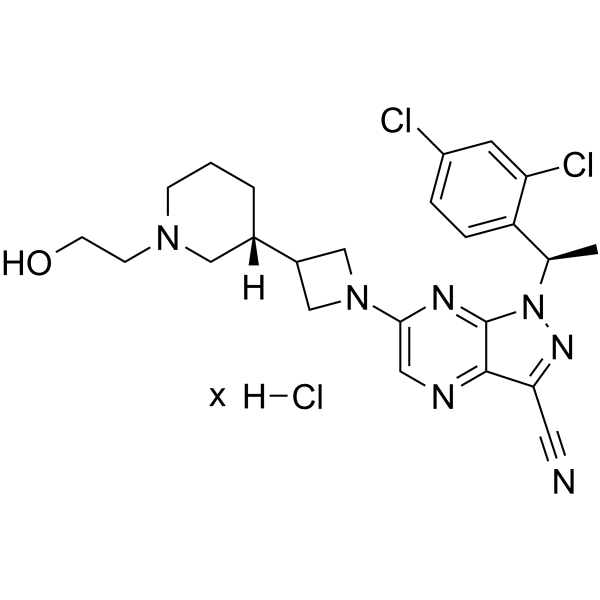
C-021 dihydrochloride
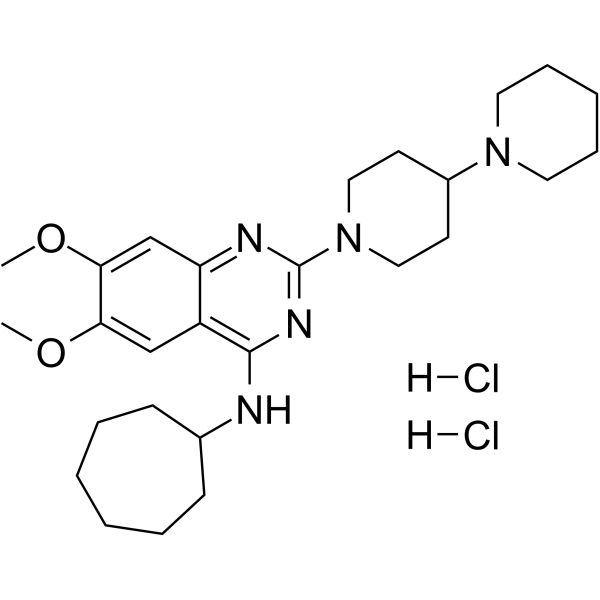 0 ImagesC-021 dihydrochloride is a potent CC chemokine receptor-4 (CCR4) antagonist. C-021 dihydrochloride potently inhibits functional chemotaxis in human and mouse with IC50s of 140 nM and 39 nM, respectively. C-021 dihydrochloride effectively prevents human CCL22-derived [35S]GTPγS from binding to the receptor with an IC50 of 18 nM.
-
Zelnecirnon
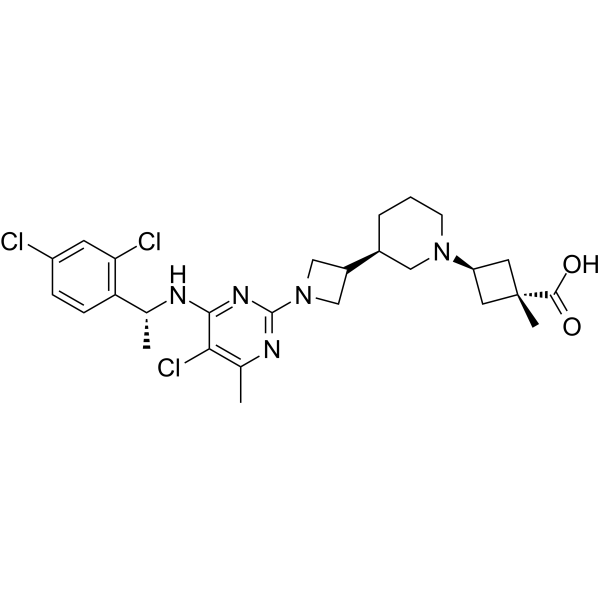 0 ImagesSynonyms: RPT193Zelnecirnon (RPT193) is an orally active inhibitor of CCR4, blocks the recruitment of Th2 inflammatory immune cells into inflamed tissues. Zelnecirnon can be used for allergic inflammation in atopic dermatitis, asthma, and other diseases research.
-
Mogamulizumab
 0 ImagesCat. No.: HY-P99253CAS No.: 1159266-37-1Synonyms: KW-0761Mogamulizumab (KW-0761) is a recombinant anti-CCR4 monoclonal antibody (MAb). Mogamulizumab can eliminate tumor cells by antibody-dependent cellular cytotoxicity (ADCC). Mogamulizumab can be used in the research of cancers, adult T-cell leukemia/lymphoma (ATLL), cutaneous T-cell lymphoma (CTCL).
-
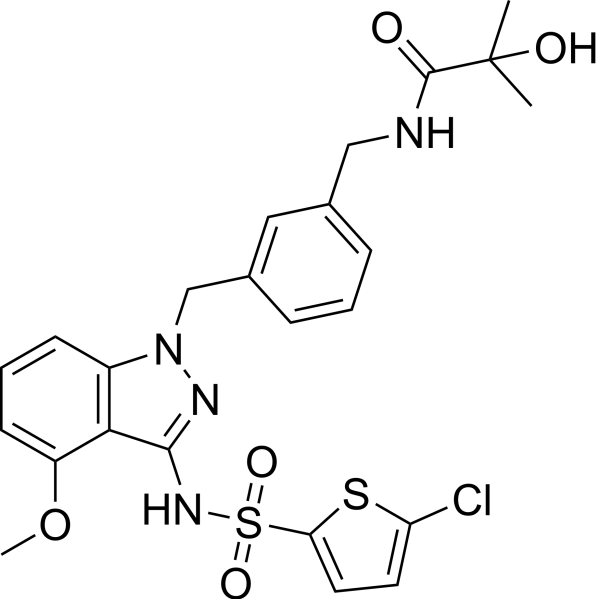
GSK-2239633
 0 ImagesCat. No.: HY-122565CAS No.: 2181665-31-4GSK-2239633 is an indazole arylsulfonamide-based CCR4 antagonist. GSK-2239633 is applicable to research related to asthma.
-
ST45177901
 0 ImagesCat. No.: HY-182564CAS No.: 618865-88-6ST45177901 is a CC chemokine receptor 4 (CCR4) antagonist. The combination of ST45177901 and Sorafenib (HY-10201) effectively inhibits the chemotaxis of Treg cells via the CCL22/CCL17-CCR4 signaling pathway, thereby significantly suppressing the growth and metastasis of tumor cells. ST45177901 is applicable to liver cancer research.
-
Tivumecirnon
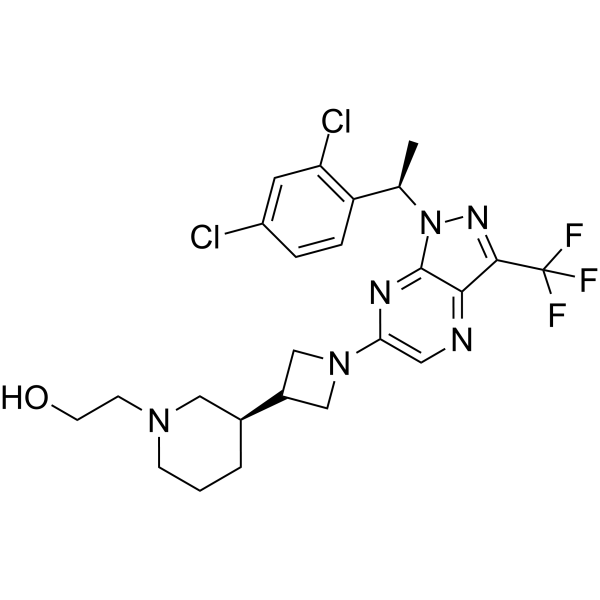 0 ImagesSynonyms: FLX475
-
CCR4 antagonist 4
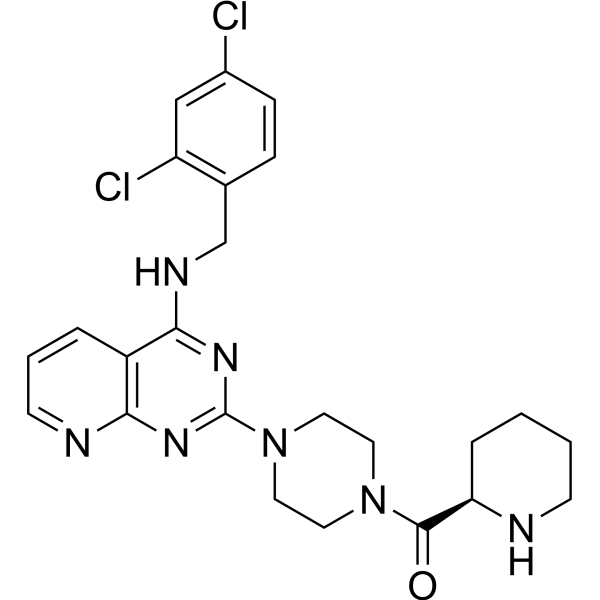 0 ImagesCCR4 antagonist 4 (compound 22) is a selective and potent antagonist of the CC chemokine receptor-4 (CCR4), with an IC50 of 0.02 μM. CCR4 antagonist 4 also blocks MDC-mediated chemotaxis (IC50: 0.007 μM) and Ca2+ mobilization (IC50: 0.003 μM). CCR4 antagonist 4 can be used for allergic inflammation research.


-
CCR4 antagonist 3
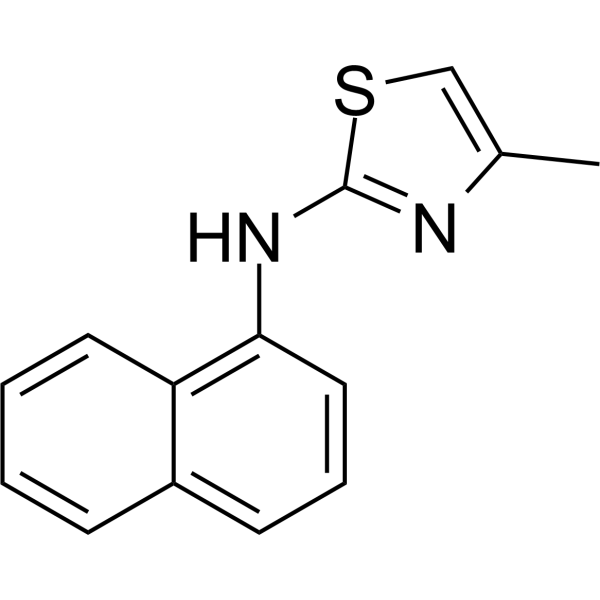 0 ImagesCCR4 antagonist 3 is a potent chemokine receptor 4 (CCR4) antagonist with an IC50 value of 1.7 μM for [125I]TARC (thymus and activation regulated chemokine). CCR4 antagonist 3 inhibits binding of radiolabeled TARC and macrophage-derived chemokine (MDC) to CCR4 receptors on the surface of CEM cells. CCR4 antagonist 3 also inhibits the in vitro migration of CEM cells mediated by TARC (IC50 = 6.4 μM).

- 1




