1. Search Result
Search Result
Results for "

BIO

" in MedChemExpress (MCE) Product Catalog:

78

Inhibitors & Agonists

2

Screening Libraries

2

Fluorescent Dyes

27

Biochemical Assay Reagents

5

Peptides

1

Inhibitory Antibodies

5

Natural
Products

2

Isotope-Labeled Compounds

5

Click Chemistry

Cat. No. Product Name Target Research Areas Chemical Structure
  • HY-10580
    GSK 3 Inhibitor IX
    Maximum Cited Publications
    16 Publications Verification

    6-Bromoindirubin-3'-oxime; BIO; MLS 2052

    GSK-3 CDK Apoptosis Cancer
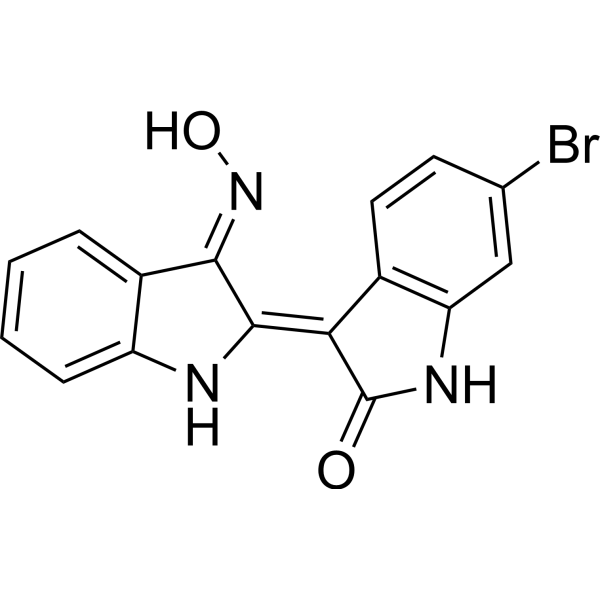
    GSK 3 Inhibitor IX (6-Bromoindirubin-3'-oxime; BIO) is a potent, selective, reversible and ATP-competitive inhibitor of GSK-3α/β and CDK1-cyclinB complex with IC50s of 5 nM/320 nM/80 nM for (GSK-3α/β)/CDK1/CDK5, respectively.
    GSK 3 Inhibitor IX
  • HY-107589
    BIO5192
    2 Publications Verification

    Integrin Inflammation/Immunology
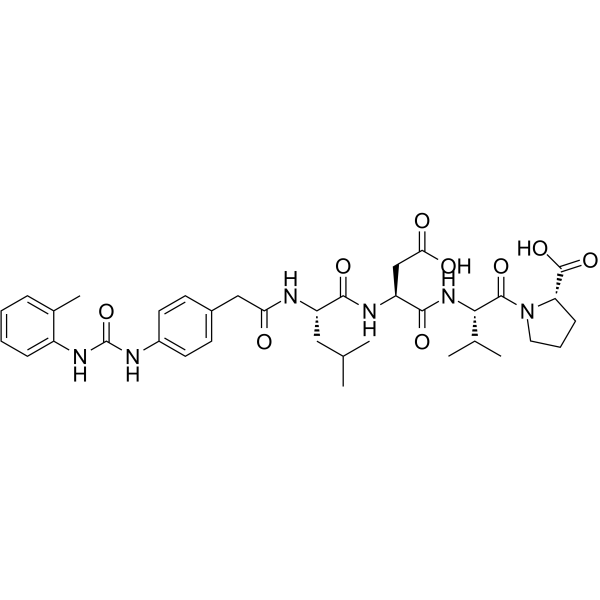
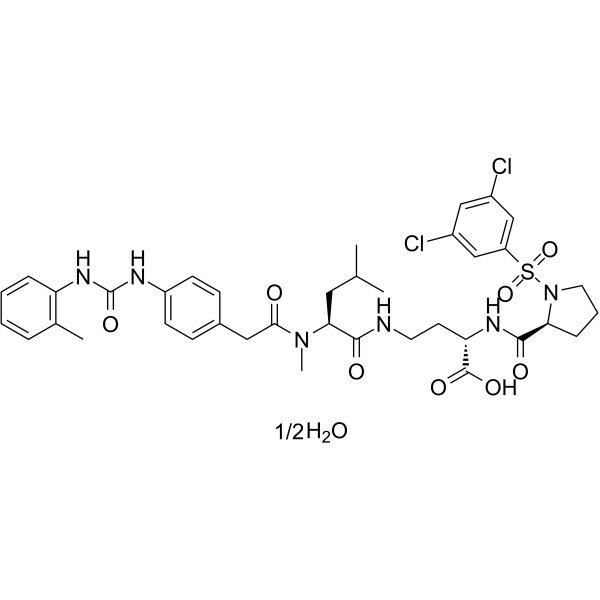
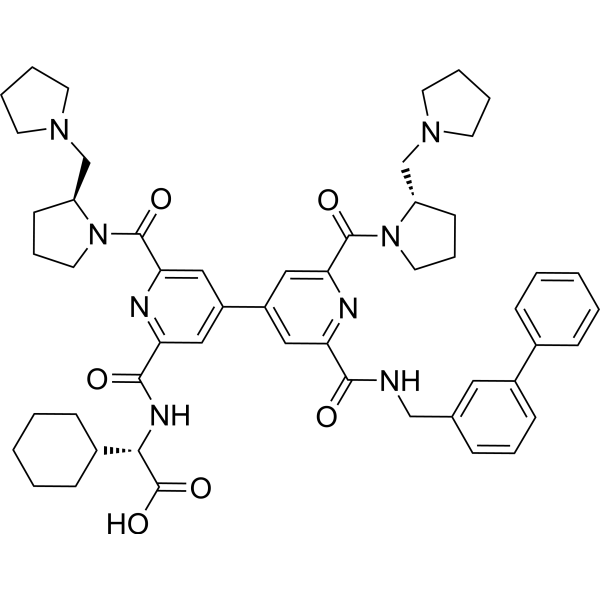
    BIO5192 is a selective and potent integrin α4β1 (VLA-4) inhibitor (Kd<10 pM). BIO5192 selectively binds to α4β1 (IC50=1.8 nM) over a range of other integrins. BIO5192 results in a 30-fold increase in mobilization of murine hematopoietic stem and progenitors (HSPCs) over basal levels .
    BIO5192
  • HY-W013508
    I2959
    2 Publications Verification

    Biochemical Assay Reagents Others
    I2959 is widely used as a photoinitiator for photochemical cross-linking of hydrogels, and the combination of I2959 and CMA hydrogel has been used as a bio-ink for biological 3D printing applications. In addition, I2959 has a high free radical generation efficiency and is cytotoxic to rapidly dividing cell lines .
    I2959
  • HY-108298

    PP 5; Perfluorodecahydronaphthalene

    Biochemical Assay Reagents Others
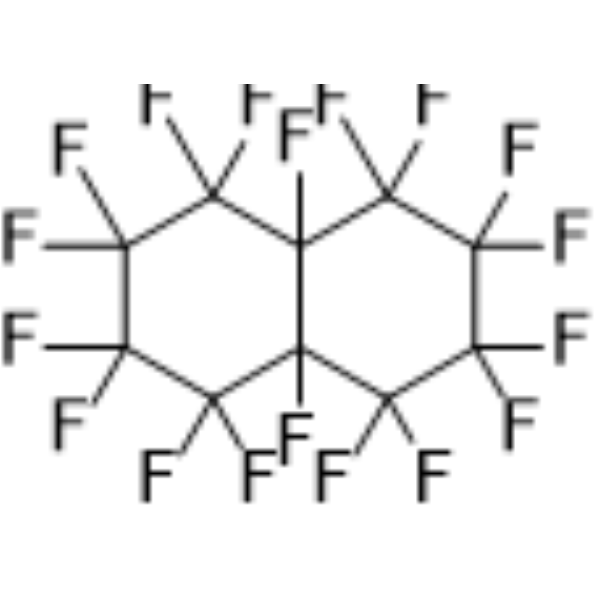
    Perfluorodecalin liquids are largrly used in vitreoretinal surgery. Perfluorodecalin with tamponade lasting more than two days is detrimental to the retina in the case of rabbit. Perfluorodecalin can be used for the research of giant retinal tears . Perfluorodecalin is a non-toxic, non-flammable, thermally stable, non-bio-accumulating O2-carrier and used as artificial blood . Perfluorodecalin enhances bone regeneration and cell viability .
    Perfluorodecalin
  • HY-122663A

    TNF Receptor Apoptosis Metabolic Disease
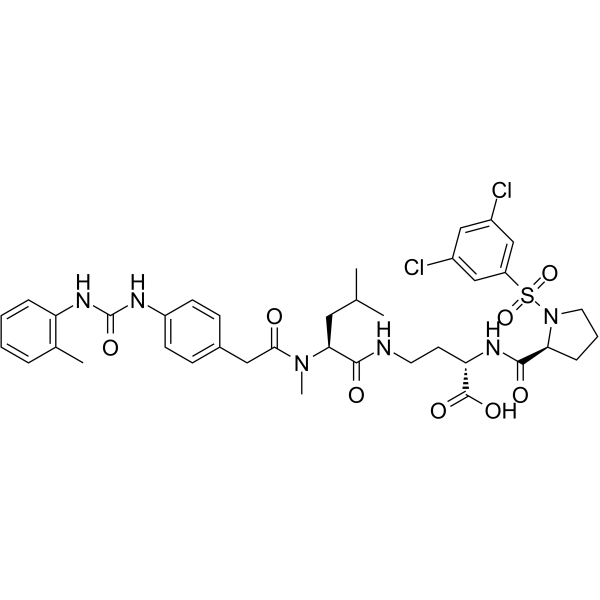
    BIO8898 is a potent CD40-CD154 inhibitor. BIO8898 inhibits soluble CD40L binding to CD40-Ig with an IC50 value of 25 µM. BIO8898 inhibits CD40L-induced apoptosis .
    BIO8898
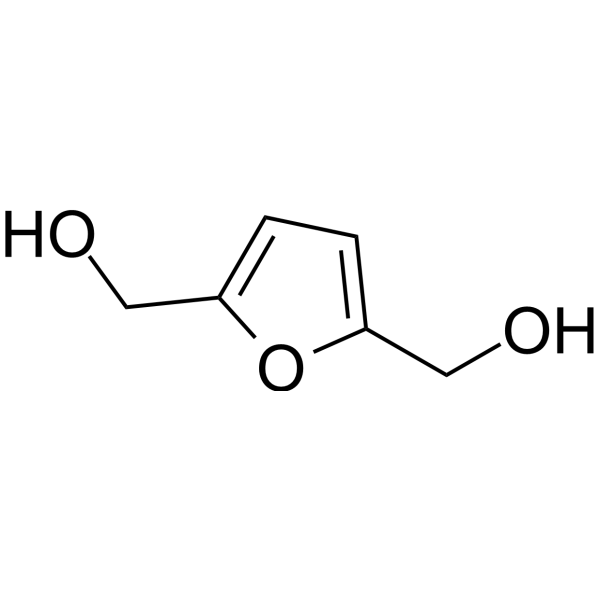
  • HY-W017782

    Endogenous Metabolite Biochemical Assay Reagents Fungal Infection Cancer
    2,5-Furandimethanol (2,5-Bis(hydroxymethyl)furan) is a building block for the enzymatic synthesis of bio-based polyesters. 2,5-Furandimethanol is also a metabolite of Phellinus linteus. 2,5-Furandimethanol affects leukemia. 2,5-Furandimethanol can be used in fungal infection research .
    2,5-Furandimethanol
  • HY-128676

    H-​L-​Lys(Poc)​-​OH hydrochloride

    Amino Acid Derivatives Cancer
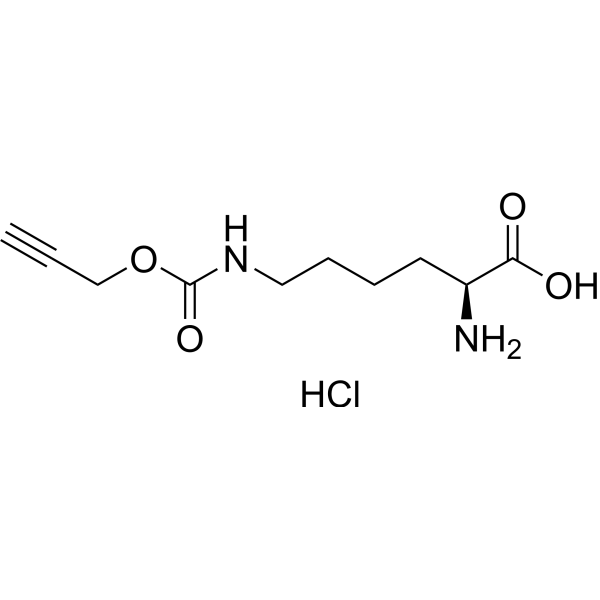
    N-ε-propargyloxycarbonyl-L-lysine (H-L-Lys(Poc)-OH) hydrochloride is a lysine-based unnatural amino acid (UAA). N-ε-propargyloxycarbonyl-L-lysine is widely used for bio-conjugation of fluorescent probes in diverse organisms from E. coli to mammalian cells even in animals . N-ε-propargyloxycarbonyl-L-lysine (hydrochloride) is a click chemistry reagent, it contains an Alkyne group and can undergo copper-catalyzed azide-alkyne cycloaddition (CuAAc) with molecules containing Azide groups.
    N-ε-propargyloxycarbonyl-L-lysine hydrochloride
  • HY-14126
    BIO-1211
    3 Publications Verification

    Integrin Inflammation/Immunology
    BIO-1211 is a highly selective and orally active α4β1 (VLA-4) inhibitor, with IC50 values of 4 nM and 2 μM for α4β1 and α4β7, respectively .
    BIO-1211
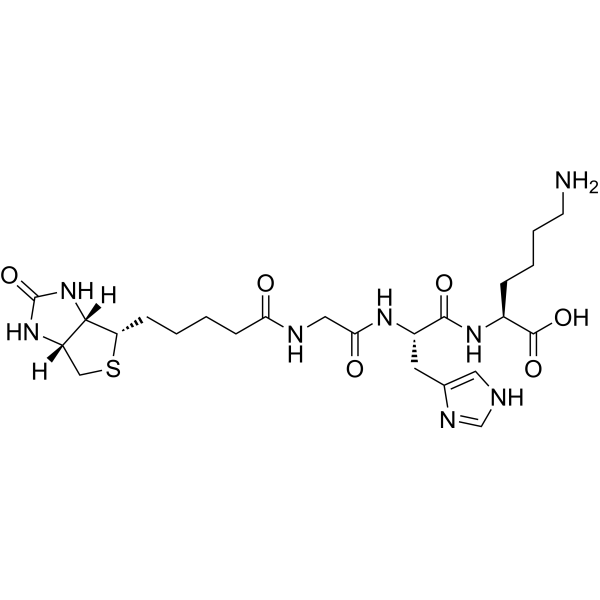
  • HY-125616

    BIOtinyl-GHK; BIO-GHK

    Amyloid-β Reactive Oxygen Species (ROS) Neurological Disease
    Biotinoyl tripeptide-1 (Biotinyl-GHK) is a biotinylating reagent linked to a GHK (glycyl-L-histidyl-L-lysine) tripeptide. Biotin tripeptide-1 is a bioactive peptide with hair care (improves the appearance and feel of hair) and hair growth effects. Biotinoyl tripeptide-1 has a certain affinity for streptavidin. Biotinoyl tripeptide-1 inhibits the production of ROS and has antioxidant effects. Biotinoyl tripeptide-1 reduces the production of carbonylated amyloid-β (Aβ) and inhibits Aβ aggregation. Biotinoyl tripeptide-1 can be used in the study of neurodegenerative diseases .
    Biotinoyl tripeptide-1
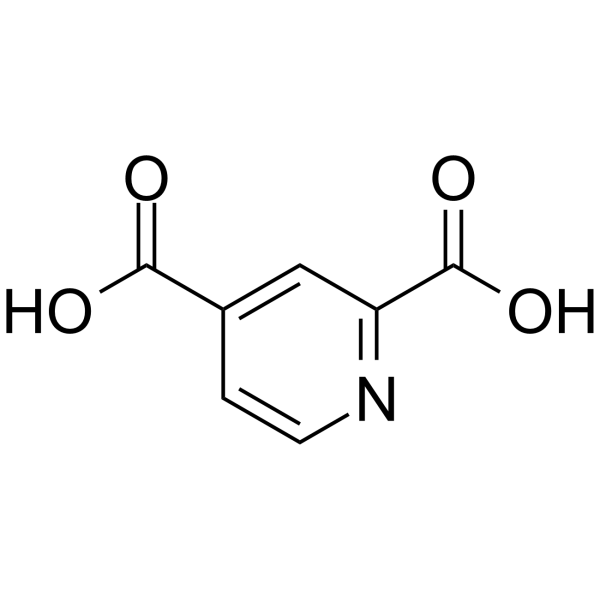
  • HY-W017132

    MOFs Histone Demethylase Cancer
    2,4-PDCA (2,4 pyridine dicarboxylic acid) is a broad-spectrum inhibitor of 2OG oxygenase, including JmjC domain-containing family of histone demethylases (JHDMs). 2,4-PDCA is a target chemical in the field of bio-based plastics .
    2,4-PDCA
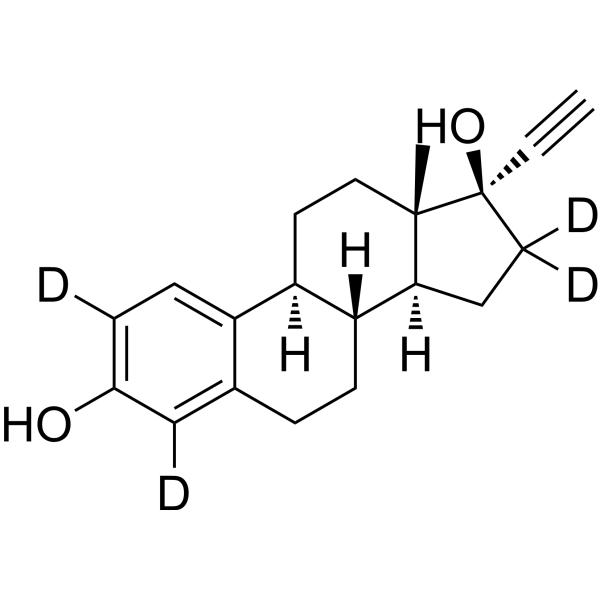
  • HY-B0216S

    17α-Ethynylestradiol-d4; Ethynylestradiol-d4

    Estrogen Receptor/ERR Endogenous Metabolite Endocrinology Cancer
    Ethynyl Estradiol-d4 is the deuterium labeled Ethynyl Estradiol. Ethynyl Estradiol (17α-Ethynylestradiol;Ethynylestradiol) is an orally bio-active estrogen used in almost all modern formulations of combined oral contraceptive pills. Ethynyl Estradiol-d4 is a click chemistry reagent, it contains an Alkyne group and can undergo copper-catalyzed azide-alkyne cycloaddition (CuAAc) with molecules containing Azide groups.
    Ethynyl Estradiol-d4
  • HY-W040144

    Fluorescent Dye Others
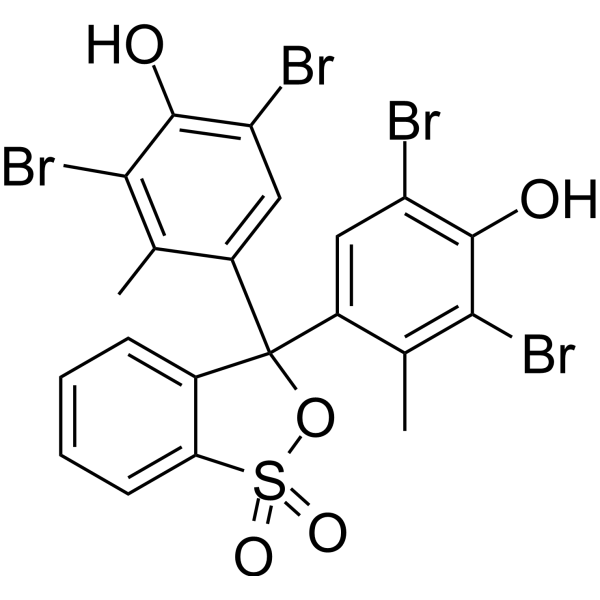
    Bromocresol green is a pH-sensitive triphenylmethane dye commonly used for the determination of protein and albumin in serum. Bromocresol green is a bio-based dye with a yellow-green to blue-green color. Bromocresol green turns yellow (λmax=435 nm, protonated form) when placed in acidic solution (e.g. pH=4.15), and turns blue in basic solution (λmax=615 nm, deprotonated form). Bromocresol green is widely used as a pH indicator in the field of biochemical analysis. In addition, Bromocresol green is also used to detect the concentration of molecules such as creatinine, and to judge the viability of cells .
    Bromocresol green
  • HY-169329

    PINK1/Parkin E1/E2/E3 Enzyme Neurological Disease
    BIO-2007817 is a Parkin positive allosteric modulators (PAMs). BIO-2007817 enhances the activity of wildtype Parkin. BIO-2007817 stimulates Parkin (an E3 ligase)autoubiquitination and induces the appearance of monoubiquitinated forms of Miro1 (EC50: 0.17 μM) .
    BIO-2007817
  • HY-15356
    BIO-acetoxime
    2 Publications Verification

    BIA

    GSK-3 Apoptosis HSV Infection Neurological Disease Inflammation/Immunology
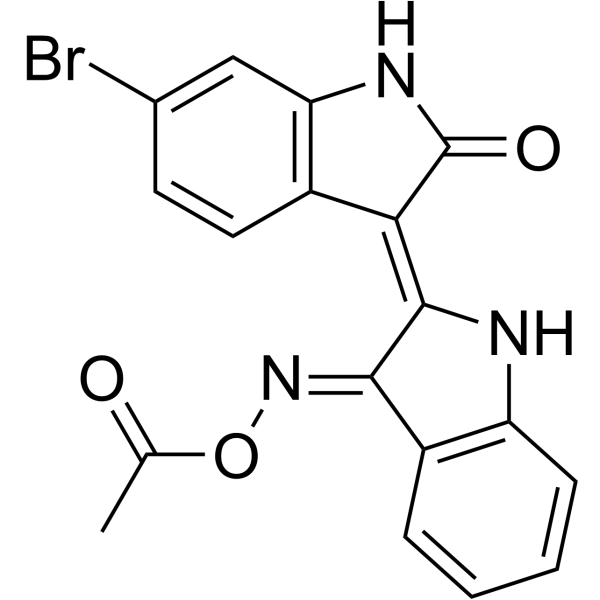
    BIO-acetoxime (BIA) is a potent and selective GSK-3 inhibitor, with IC50s of both 10 nM for GSK-3α/β. BIO-acetoxime has anticonvulsant and anti-infection activity.
    BIO-acetoxime
  • HY-B1937

    BIO-Soft S 101 sodium

    Environmental Pollutants Biochemical Assay Reagents Others
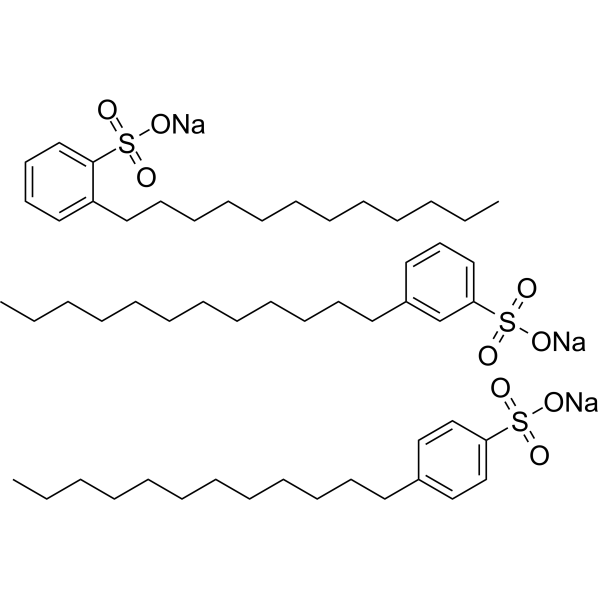
    Sodium dodecylbenzenesulfonate (Bio-Soft S 101 sodium) is a nonionic surfactant commonly used in a variety of applications for cleaning and treating industrial equipment. It has good cleaning power and environmental compatibility, and can effectively remove oil, dirt and other forms of contamination. In addition, in textile, paper, leather and other industries, the compound can also be used for fixing and stabilizing dyes and colors. Although the compound has no direct application in the medical field, it plays an important role in industry and laboratory research.
    Sodium dodecylbenzenesulfonate
  • HY-128867
    bio-THZ1
    1 Publications Verification

    CDK Cancer
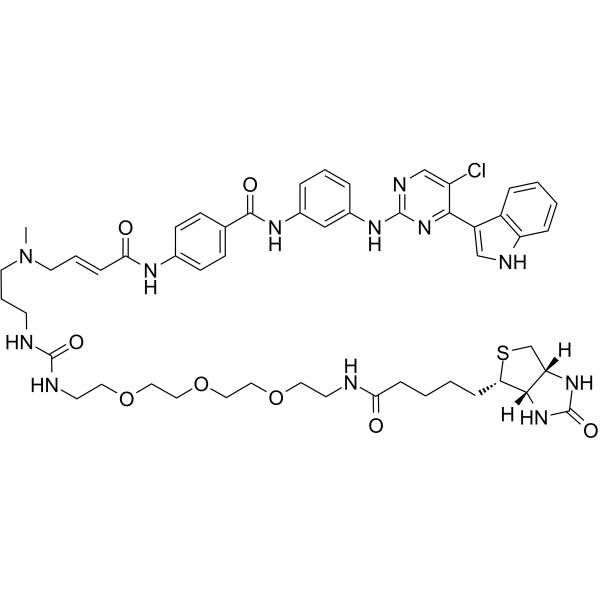
    bio-THZ1 is a biotinylated version of THZ1 and binds irreversibly to CDK7. THZ1 is a selective and potent covalent CDK7 inhibitor with an IC50 of 3.2 nM .
    bio-THZ1
  • HY-121035

    7-Bromoindirubin-3-Oxime

    CDK GSK-3 Neurological Disease
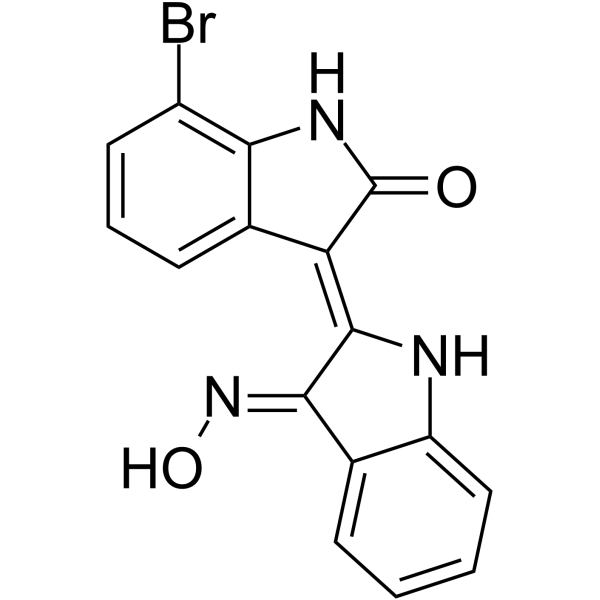
    7BIO (7-Bromoindirubin-3-Oxime) is the derivate of indirubin. 7BIO (7-Bromoindirubin-3-Oxime) has inhibitory effects against cyclin-dependent kinase-5 (CDK5) and glycogen synthase kinase-3β (GSK3β). 7BIO (7-Bromoindirubin-3-Oxime) inhibits Aβ oligomer-induced neuroinflammation, synaptic impairments, tau hyper-phosphorylation, activation of astrocytes and microglia, and attenuates Aβ oligomer-induced cognitive impairments in mice [1].
    7BIO
  • HY-P2663

    TNF Receptor Metabolic Disease
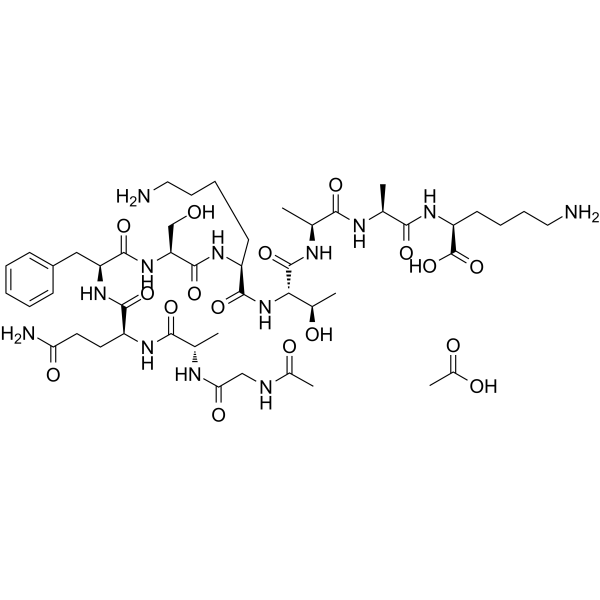
    Acetyl tetrapeptide-2 is a bio-active peptide that exhibits anti-aging activity. Acetyl tetrapeptide-2 can reduce loss of thymic factors. Acetyl tetrapeptide-2 can increase the stiffness of HaCaT cells. Acetyl tetrapeptide-2 is a stimulator of structural skin elements including collagen and elastin .
    Acetyl tetrapeptide-2
  • HY-D1555

    Cy7 DBCO

    Fluorescent Dye Others
    Cyanine7 DBCO (Cy7 DBCO) is a near-infrared fluorescent dye and an efficient bio-orthogonal quencher. Cyanine7 DBCO is formed by covalent connection of the near-infrared fluorescent dye Cy7 and the dibenzocyclooctyne (DBCO) functional group. After reacting with N3-Cy5-COOH, the fluorescence of Cy5 decreases by 90% within 90 minutes, and rapid signal attenuation can be observed within 2-5 minutes. Cyanine7 DBCO can be used for the study of deep tissue imaging and receptor-targeted therapeutic strategies .
    Cyanine7 DBCO
  • HY-W093282

    Soybean oil epoxide

    Environmental Pollutants Biochemical Assay Reagents Others
    Epoxidized soya bean oil (ESBO) is a vegetable oil-derived organic compound used as a plasticizer and stabilizer in various applications. It is produced by epoxidation of soybean oil, which introduces epoxy groups into the fatty acid chains of the oil. ESBO is a viscous, pale yellow liquid that is soluble in many organic solvents, such as chloroform and ethanol, but insoluble in water. It is commonly used as a plasticizer in polyvinyl chloride (PVC) products, including toys, food packaging materials and medical devices. In addition to its plasticizing properties, ESBO acts as an antioxidant and UV stabilizer, helping to prevent degradation and discoloration of PVC products over time. ESBOs have been investigated for their potential use in biodegradable plastics and as bio-based alternatives to traditional petroleum-derived plasticizers.
    Epoxidized soya bean oil
  • HY-106377A
    BIO-11006 acetate
    1 Publications Verification

    MARCKS Inflammation/Immunology Cancer
    BIO-11006 acetate, an analog of the MANS peptide, is a MARCKS (myristoylated alanine-rich C kinase substrate) inhibitor .
    BIO-11006 acetate
  • HY-107589A
    BIO5192 hydrate
    2 Publications Verification

    Integrin Inflammation/Immunology
    BIO5192 hydrate is a selective and potent integrin α4β1 (VLA-4) inhibitor (Kd<10 pM). BIO5192 hydrate selectively binds to α4β1 (IC50=1.8 nM) over a range of other integrins. BIO5192 hydrate results in a 30-fold increase in mobilization of murine hematopoietic stem and progenitors (HSPCs) over basal levels .
    BIO5192 hydrate
  • HY-122663

    TNF Receptor Cancer
    (Rac)-BIO8898 is a CD40-CD154 co-stimulatory interaction inhibitor. (Rac)-BIO8898 inhibits CD154 binding to CD40-Ig with an IC50 of 25 μM .
    (Rac)-BIO8898
  • HY-W156324

    PROTAC Linkers Liposome Others
    Biotin-PEGn-NHS ester is a biotin-labeled PROTAC linker, which belongs to the PEG class and can be used to synthesize PROTAC molecules. Biotin-PEGn-NHS ester can interact with free neutral avidin in solution and successfully target malignant glioma cells. Biotin-PEGn-NHS ester can also be grafted onto the amino group of GelMA to prepare biotin-modified functionalized hydrogel, gelatin methacryloyl (Bio-GelMA) .
    Biotin-PEGn-NHS ester
  • HY-139014
    N-ε-propargyloxycarbonyl-L-lysine
    1 Publications Verification

    H-​L-​Lys(Poc)​-​OH

    Fluorescent Dye Cancer
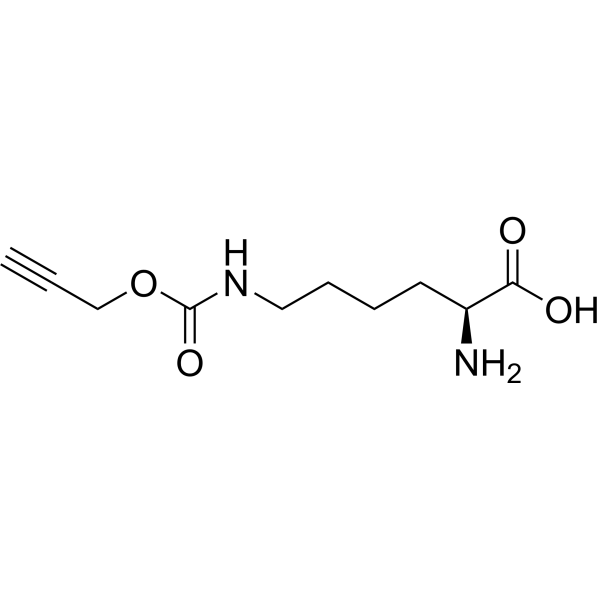
    N-ε-propargyloxycarbonyl-L-lysine (H-L-Lys(Poc)-OH) is a lysine-based unnatural amino acid (UAA). N-ε-propargyloxycarbonyl-L-lysine is widely used for bio-conjugation of fluorescent probes in diverse organisms from E. coli to mammalian cells even in animals . N-ε-propargyloxycarbonyl-L-lysine is a click chemistry reagent, it contains an Alkyne group and can undergo copper-catalyzed azide-alkyne cycloaddition (CuAAc) with molecules containing Azide groups.
    N-ε-propargyloxycarbonyl-L-lysine
  • HY-162359

    IRAK Neurological Disease Inflammation/Immunology
    BIO-7488 is an orally active, selective and blood-brain barrier permeable IRAK4 inhibitor, with an IC50 value of 0.5 nM. BIO-7488 inhibits the production of pro-inflammatory cytokines (IL-1β, TNFα, IL-6) and demonstrates anti-inflammatory effects in both LPS (HY-D1056) and distal hypoxic-middle cerebral artery occlusion (DH-MCAO) ischemic stroke model. BIO-7488 can be used for the study of neuroinflammatory-related diseases, particularly ischemic stroke .
    BIO-7488
  • HY-115448

    Bacterial Infection
    Bio-AMS is a potent bacterial biotin protein ligase inhibitor. Bio-AMS possesses selective activity against Mycobacterium tuberculosis (Mtb) and arrests fatty acid and lipid biosynthesis .
    Bio-AMS
  • HY-W069127F

    BIO-ben

    Biochemical Assay Reagents Others
    Biotin-benzoboroxole (Bio-ben) is a functional probe for the detection of cysteine sulfenic acid (Cys-SOH) .
    Biotin-benzoboroxole
  • HY-114903

    GSK-​3 Inhibitor X

    GSK-3 CDK Neurological Disease Metabolic Disease Cancer
    (E/Z)-BIO-acetoxime (GSK-3 Inhibitor X) is a potent and selective GSK-3α/β inhibitor, with an IC50 of 10 nM. (E/Z)-BIO-acetoxime shows more than 200-flod selectivity over CDK5/p25, CDK2/cyclin A and CDK1/cyclin B (IC50=2.4, 4.3, 63 μM) .
    (E/Z)-BIO-acetoxime
  • HY-131933

    Fluorescent Dye Others
    DCP-Bio3 is a biotinylated probe that can detect labeled proteins in polyacrylamide gels. DCP-Bio3 can be used in research for the identification of oxidized and modified proteins .
    DCP-Bio3
  • HY-Y0850U1

    Polyvinyl alcohol (Mw 61000, 98-99% hydrolyzed, ~1400 polymerization); Poly(Ethenol) (Mw 61000, 98-99% hydrolyzed, ~1400 polymerization)

    Biochemical Assay Reagents Others
    PVA (Mw 61000, 98-99% hydrolyzed, ~1400 polymerization) (Polyvinyl alcohol (Mw 61000, 98-99% hydrolyzed, ~1400 polymerization); Poly(Ethenol) (Mw 61000, 98-99% hydrolyzed, ~1400 polymerization)) is a biodegradable of polymer. PVA (Mw 61000, 98-99% hydrolyzed, ~1400 polymerization) can be used to produce bio-composite films .
    PVA (Mw 61000, 98-99% hydrolyzed, ~1400 polymerization)
  • HY-W010202

    3,7-Dimethyloct-6-en-3-ol

    Environmental Pollutants Others
    Dihydrolinalool, Dihydrolinalool is commonly used as a flavor ingredient in various products, including food, beverages, and perfumes, and it can also be used as a base material for the synthesis of various organic compounds, including pharmaceuticals and agrochemicals. In addition, due to Dihydrolinalool's low toxicity and Biodegradability, which has been studied for its potential use as a bio-based solvent, has also been studied for its potential antioxidant and anti-inflammatory properties, which may make it useful in the study of various diseases, including cancer and Alzheimer's disease. Alzheimer's disease.
    Dihydrolinalool
  • HY-106377

    MARCKS Inflammation/Immunology
    BIO-11006 is a peptide that inhibits the function of the MARCKS protein. BIO-11006 attenuates LPS-induced neutrophil influx into the lungs, NF-κB activation, and expression of the proinflammatory cytokines KC and TNF-α. BIO-11006 also reverses disease progression in an LPS-induced mouse lung injury model. BIO-11006 is indicated for research on acute lung injury/acute respiratory distress syndrome (ALI/ARDS) .
    BIO-11006
  • HY-118810

    TGF-β Receptor Cancer
    BIO-013077-01 is a pyrazole TGF-β inhibitor .
    BIO-013077-01
  • HY-D2258

    Fluorescent Dye Others
    Bio-17-ATP is a substrate that can be used for AMPylation assays .
    Bio-17-ATP
  • HY-115448A

    Bacterial Infection
    Bio-AMS (TFA) is a potent bacterial biotin protein ligase inhibitor. Bio-AMS (TFA) possesses selective activity against Mycobacterium tuberculosis (Mtb) and arrests fatty acid and lipid biosynthesis .
    Bio-AMS TFA
  • HY-151752

    ADC Linker Others
    Mal-AMCHC-N-Propargylamide is a click chemistry reagent containing an azide group. Mal-AMCHC-N-Propargylamide can be a bio-conjugation reagent for antibody-agent-conjugate synthesis using Click-Chemistry .
    Mal-AMCHC-N-Propargylamide
  • HY-W014779

    Dodecamethylene glycol

    Biochemical Assay Reagents Others
    Dodecane-1,12-diol (Dodecamethylene glycol) is a biochemical reagent that can be used as a biological material or organic compound for life science related research. Dodecane-1,12-diol can be used in enzymatic synthesis of bio-based polyesters containing levoglucosan units .
    Dodecane-1,12-diol
  • HY-158374

    IRAK Inflammation/Immunology
    BIO-8169 is a selective inhibitor for interleukin receptor-associated kinase 4 (IRAK 4), with an IC50 of 0.23 nM. BIO-8169 exhibits good pharmacokinetic character, reduces the production of pro-inflammatory cytokines, and attenuates the autoimmune encephalomyelitis in EAE mice model. BIO-8169 exhibits good blood brain penetrant with a rat Kpu,u of 0.7 .
    BIO-8169
  • HY-103035

    Phosphodiesterase (PDE) Cancer
    BIO-32546 (example 12b, S-isomer) is an autotaxin (ATX) modulator (IC50: 1 nM), extracted from the patent US20170158687A1 .
    BIO-32546
  • HY-15905

    N-Ethyl-N-sulfopropylaniline sodium salt

    Fluorescent Dye Others
    ALPS(N-Ethyl-N-sulfopropylaniline sodium salt) is a bio-chemical reagents/chromogenic reagent.
    ALPS
  • HY-123638

    Drug Intermediate Inflammation/Immunology
    6-hydroxykaempferol 3,6,7-tri-O-β-D-glucoside is a bio-active flavonoid from Carthamus tinctorius with antioxidant capacities in vitro .
    6-Hydroxykaempferol 3,6,7-tri-O-β-D-glucoside
  • HY-E70287

    ST6GALNAC5

    Glycosyltransferase Metabolic Disease
    ST6 Sialyltransferase 5 (EC:2.4.3.3, ST6GALNAC5, SIAT7E, ST6 N-acetylgalactosaminide alpha-2,6-sialyltransferase 5) transfers a sialic acid to N-acetylgalactosamine (GalNAc) residues. ST6 Sialyltransferase 5 is a bio-marker in cervical screening samples .
    ST6 Sialyltransferase 5
  • HY-W010177

    Environmental Pollutants Biochemical Assay Reagents Others
    Ethyl heptanoate, Ethyl heptanoate is commonly used as a fragrance ingredient in a variety of products, including food, beverages, and personal care products, it can also be used as a solvent, and a building block for the synthesis of various organic compounds, including pharmaceuticals and agrochemicals, in addition , due to its low toxicity and biodegradability, Ethyl heptanoate has been investigated for its potential use as a bio-based solvent, as well as for its potential antimicrobial properties against certain bacteria and fungi.
    Ethyl heptanoate
  • HY-W649594

    Orphan Nuclear Receptor Inflammation/Immunology Cancer
    NR2F6 modulator-2 (Compound I) is an autorepressed orphan nuclear receptor NR2F6 (Nuclear Receptor subfamily 2 group F member 6) modulator. NR2F6 modulator-2 can inhibits the recruitment of the bio-NSD1 peptide with an IC50 of 2.0 equivalents of NR2F6. NR2F6 modulator-2 can be used for the researches of cancer and immunology .
    NR2F6 modulator-2
  • HY-B0868

    Herbicide Others
    2,4-D isooctyl ester, a synthetic auxin herbicide, is a TIR1 protein transport inhibitor. 2,4-D isooctyl ester interacts with TIR1 to facilitate auxin signal transduction, activating auxin-mediated growth responses. 2,4-D isooctyl ester functions as a pro-herbicide bio-transformed into phytotoxic 2,4-D post-plant absorption, disrupting normal plant growth. 2,4-D isooctyl ester can be used to control broadleaf weeds .
    2,4-D isooctyl ester
  • HY-167384

    Biochemical Assay Reagents Others
    PLLA1000-PEG1000-BIO is a polylactic acid derivative that can form micelles in water. In addition, PLLA1000-PEG1000-BIO can bind tightly to avidin or streptavidin for protein labeling. PLLA1000-PEG1000-BIO can be used in drug delivery research .
    PLLA1000-PEG1000-BIO
  • HY-123802

    Integrin Cancer
    BIO7662 is a specific α4β1 antagonist. BIO7662 can be used to study α4β1 integrin-ligand interactions .
    BIO7662
  • HY-155486

    Fluorescent Dye Cancer
    HCy-AAN-Bio is a tumor-targeted hemicyanine (HCy) probe for Fluorescent/photoacoustic (FL/PA) imaging of legumain in vivo. Legumain can specifically cleave HCy-AAN-Bio with the generation of FL/PA signal. HCy-AAN-Bio is a powerful tool for early diagnosis of associated cancer .
    HCy-AAN-Bio
  • HY-B1937R

    BIO-Soft S 101 sodium (Standard)

    Biochemical Assay Reagents Reference Standards Others
    Sodium dodecylbenzenesulfonate (Standard) is the analytical standard of Sodium dodecylbenzenesulfonate. This product is intended for research and analytical applications. Sodium dodecylbenzenesulfonate (Bio-Soft S 101 sodium) is a nonionic surfactant commonly used in a variety of applications for cleaning and treating industrial equipment. It has good cleaning power and environmental compatibility, and can effectively remove oil, dirt and other forms of contamination. In addition, in textile, paper, leather and other industries, the compound can also be used for fixing and stabilizing dyes and colors. Although the compound has no direct application in the medical field, it plays an important role in industry and laboratory research.
    Sodium dodecylbenzenesulfonate (Standard)

Inquiry Online

Your information is safe with us. * Required Fields.

Salutation


Country or Region *

Applicant Name *


Organization Name *

Department *


Email Address *


Product Name *

Cat. No.


Requested quantity *

Phone Number *


Remarks

Inquiry Online

Inquiry Information

Product Name:
Cat. No.:
Quantity:
MCE Japan Authorized Agent:

