

Search Result
Results for "
Dogs
" in MedChemExpress (MCE) Product Catalog:
5
Biochemical Assay Reagents
5
Isotope-Labeled Compounds
| Cat. No. |
Product Name |
Target |
Research Areas |
Chemical Structure |
-
- HY-148669
-
|
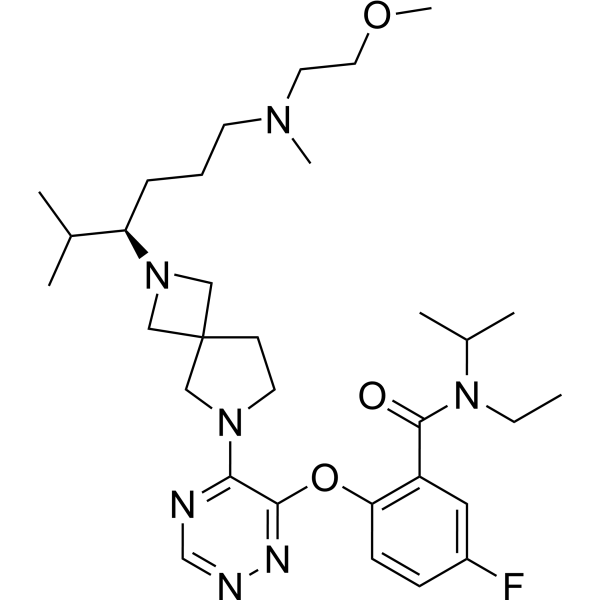
JNJ-75276617; Menin-MLL inhibitor 24
|
Apoptosis
Histone Methyltransferase
FLT3
|
Cancer
|
|
Bleximenib (JNJ-75276617) is an orally active and selective menin-KMT2A inhibitor, with IC50 values of 0.1 nM, 0.045 nM, and ≤0.066 nM for humans, mice, and dogs, respectively. Bleximenib can inhibit the proliferation and induce apoptosis and differentiation of tumor cells. Bleximenib can be used in the research of tumors such as leukemia .
|
-
-
- HY-12717
-
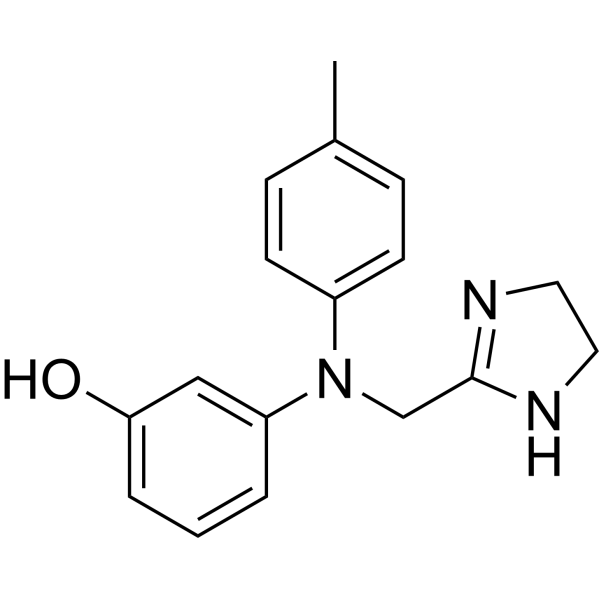
Phentolamine
Maximum Cited Publications
6 Publications Verification
|
Adrenergic Receptor
|
Cardiovascular Disease
Endocrinology
|
|
Phentolamine is an orally active, selective α1 and α2 Adrenergic receptor antagonist. Phentolamine antagonizes the vasodilatory effect of Cromakalim (HY-110011) on isolated circumflex coronary artery segments in dogs. Phentolamine reduces systemic vascular resistance and increases cardiac output. Phentolamine improves erectile dysfunction. Phentolamine can be used for the research of erectile dysfunction .
|
-
-
- HY-P99297
-
|
ZTS-00508841
|
Trk Receptor
|
Inflammation/Immunology
|
|
Bedinvetmab (ZTS-00508841) is a canine monoclonal antibody (mAb) targeting nerve growth factor (NGF). Bedinvetmab inhibits NGF interaction with tropomyosin receptor kinase A (trkA) and p75 neurotrophin receptor (p75NTR) receptors. Bedinvetmab can be used for the research of osteoarthritis pain in dogs .
|
-
-
- HY-148669A
-
|
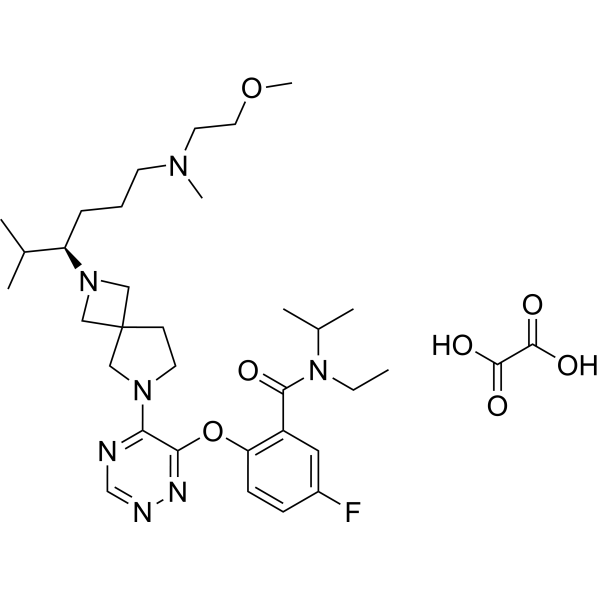
JNJ-75276617 oxalate; Menin-MLL inhibitor 24 oxalate
|
Apoptosis
Histone Methyltransferase
FLT3
|
Cancer
|
|
Bleximenib (JNJ-75276617) oxalate is an orally active and selective menin-KMT2A inhibitor, with IC50 values of 0.1 nM, 0.045 nM, and ≤0.066 nM for humans, mice, and dogs, respectively. Bleximenib oxalate can inhibit the proliferation and induce apoptosis and differentiation of tumor cells. Bleximenib oxalate can be used in the research of tumors such as leukemia .
|
-
-
- HY-P99301
-
|
Anti-Canine IL31 Recombinant Antibody; CAN34D3-65; PF-06443537
|
Interleukin Related
|
Inflammation/Immunology
|
|
Lokivetmab (Anti-Canine IL31 Recombinant Antibody) is an anti-canine IL-31 monoclonal antibody. Lokivetmab inhibits IL-31-mediated activation of pruritogenic signals in peripheral sensory neurons and reduces TH2-weighted inflammation. Lokivetmab demonstrates long-term efficacy in controlling pruritus and improving skin lesions in dogs with canine atopic dermatitis (CAD). Lokivetmab can be used for the research of atopic dermatitis (AD) in dogs .
|
-
-
- HY-16974
-
|
|
GABA Receptor
Chloride Channel
Parasite
|
Infection
|
|
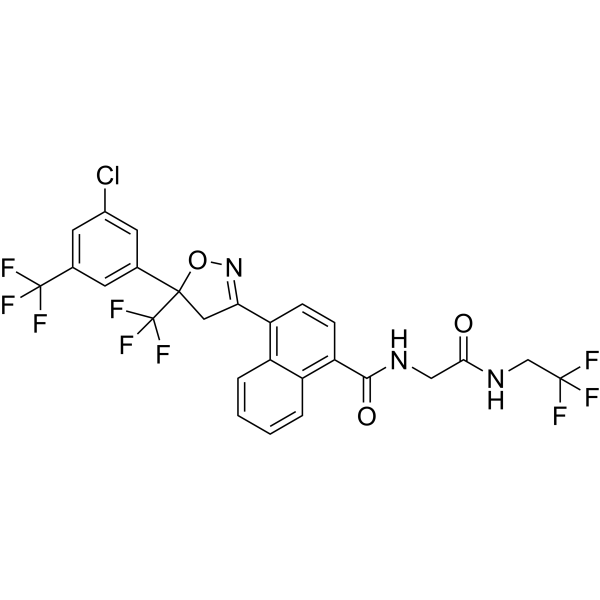
Afoxolaner is an orally active isoxazoline insecticide/acaricide against Ixodes scapularis in dogs. Afoxolaner acts on the insect γ-aminobutyric acid receptor (GABA) and glutamate receptors, inhibiting GABA & glutamate-regulated uptake of chloride ions, resulting in excess neuronal stimulation and death of the arthropod .
|
-
-
- HY-156618
-
|
ABSK011
|
FGFR
|
Cancer
|
|
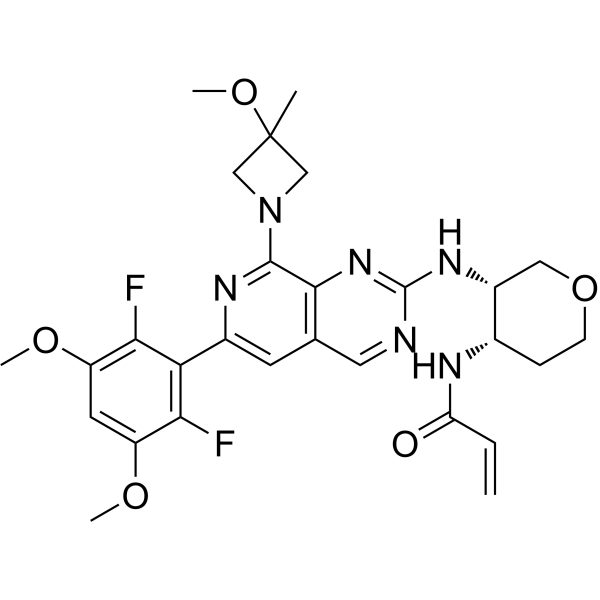
Irpagratinib (ABSK011) is an orally active FGFR4 inhibitor (IC50<10 nM). Irpagratinib inhibits FGFR4 autophosphorylation and blocks signaling from FGFR4 to downstream pathway activation. Irpagratinib has shown high exposure in PK studies in mice, rats, and dogs, and also demonstrated antitumor activity in a subcutaneous xenograft tumor model .
|
-
-
- HY-NP002L
-
|
|
Biochemical Assay Reagents
|
Others
|
|
Canine Serum Albumin is a plasma protein derived from dogs. Canine Serum Albumin exhibits greater flexibility than human serum albumin and bovine serum albumin. Serum albumin is a multifunctional protein with exceptional ligand-binding capacity, which enables it to act as a transport molecule for various metabolites, drugs, nutrients, metals and other molecules .
|
-
-
- HY-B0770
-
|
β-Arteether; (+)-Arteether; Arteether
|
CXCR
Parasite
|
Infection
Cancer
|
|
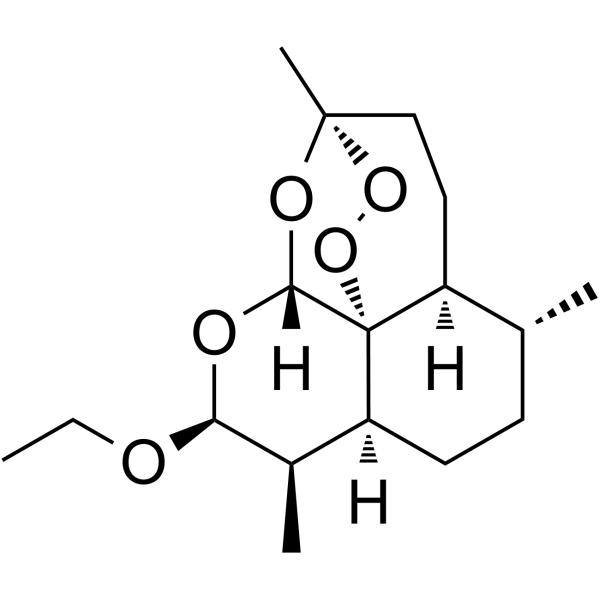
Artemotil (β-Arteether) has antimalarial activity for the treatment of chloroquine-resistant Plasmodium falciparum malaria with an IC50 of 1.61 nM. Artemotil also has central nervous system (CNS) neurotoxicity and anorectic toxicity in rats, dogs and monkeys .
|
-
-
- HY-P2602
-
|
|
GABA Receptor
|
Neurological Disease
|
|
α-Casozepine is an orally effective anxiolytic that binds to the benzodiazepine site of the GABAA receptor in bovine samples with an IC50 of 88 μM. α-Casozepine exerts anxiolytic and anti-stress effects on cats exposed to unfamiliar environments and dogs undergoing road transport . α-Casozepine exhibits significant anxiolytic activity in rats. α-Casozepine can be used in studies related to fear, anxiety and stress .
|
-
-
- HY-Y0850U3
-
|
Polyvinyl alcohol (Mw 125000, 98-99% hydrolyzed, ~2800 polymerization); Poly(Ethenol) (Mw 125000, 98-99% hydrolyzed, ~2800 polymerization)
|
Biochemical Assay Reagents
|
Others
|
|
PVA (Polyvinyl alcohol) (Mw 125000, 98-99% hydrolyzed, ~2800 polymerization) is a water-soluble, biodegradable, biocompatible and non-immunogenic polymer. PVA (Mw 125000, 98-99% hydrolyzed, ~2800 polymerization) causes no irritation to rabbit eyes, no skin sensitization in guinea pigs, promotes the proliferation of human skin keratinocytes, and reduces the loss of corneal endothelial cells. The LD50 of PVA (Mw 125000, 98-99% hydrolyzed, ~2800 polymerization) in rats and dogs is greater than 10 g/kg. PVA (Mw 125000, 98-99% hydrolyzed, ~2800 polymerization) is hardly absorbed by the digestive system, causes no adverse effects upon long-term oral administration, and shows no mutagenicity or carcinogenicity. However, repeated intravenous or portal vein injection of PVA (Mw 125000, 98-99% hydrolyzed, ~2800 polymerization) may induce pathological changes such as glomerular lesions, anemia, hypertension or liver fibrosis in rats or dogs. Crosslinked nanofibers prepared by modifying PVA (Mw 125000, 98-99% hydrolyzed, ~2800 polymerization) can be used in studies related to wound dressings and other applications .
|
-
-
- HY-B1136
-
|
Genabilic acid
|
Drug Derivative
|
Metabolic Disease
|
|
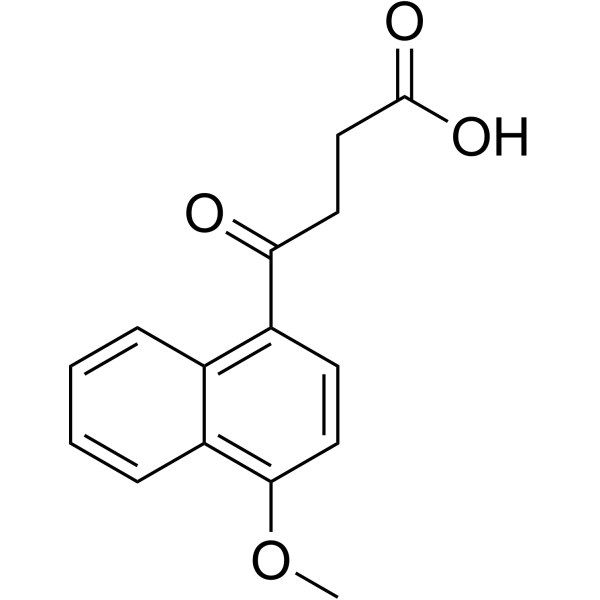
Menbutone (Genabilic acid), an oxobutyric acid derivative, is a choleretic. Menbutone can be used to treat digestive upsets (loss of appetite, indigestion, toxemia, or hepatic and pancreatic insufficiencies) in a variety of animal species, including different farm animals (cattle, sheep, goats, pigs), as well as in dogs .
|
-
-
- HY-W010320
-
|
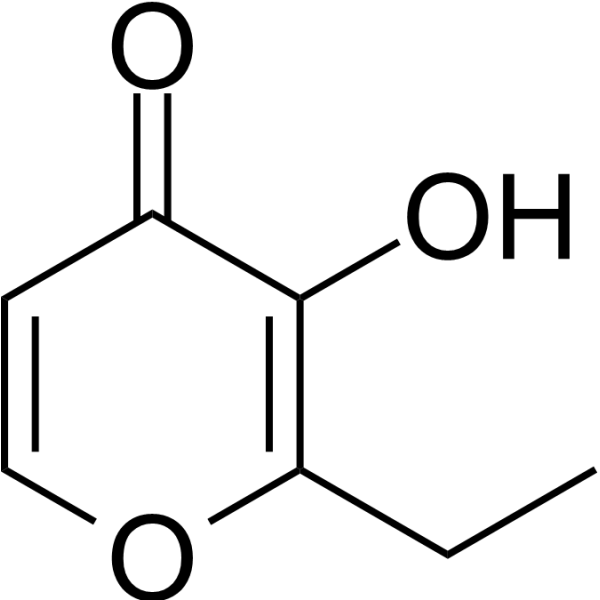
2-Ethyl-3-hydroxy-4H-pyran-4-one
|
Environmental Pollutants
Apoptosis
Heme Oxygenase (HO)
|
Others
|
|
Ethyl maltol (2-Ethyl-3-hydroxy-4H-pyran-4-one) is an orally active and important food additive and flavor enhancer. Ethyl maltol is less toxic to rats and dogs. Ethyl maltol can enhance copper-mediated cytotoxicity and induce apoptosis in lung epithelial cells .
|
-
-
- HY-12717A
-
|
|
Adrenergic Receptor
|
Cardiovascular Disease
Endocrinology
|
|
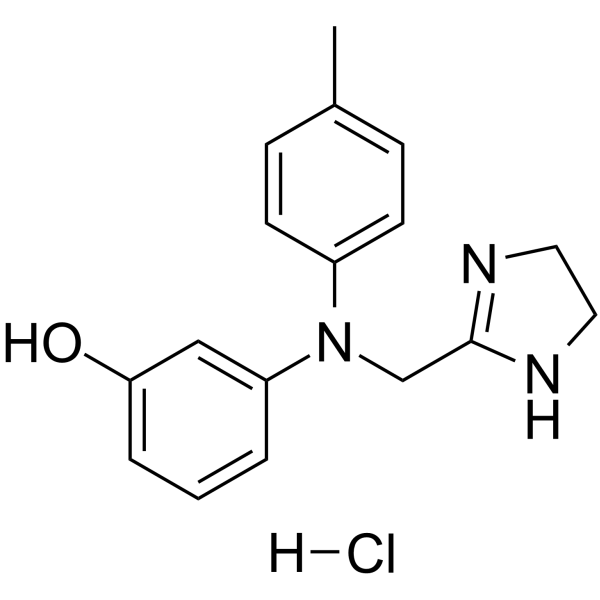
Phentolamine hydrochloride is an orally active, selective α1 and α2 Adrenergic receptor antagonist. Phentolamine hydrochloride antagonizes the vasodilatory effect of Cromakalim (HY-110011) on isolated circumflex coronary artery segments in dogs. Phentolamine hydrochloride reduces systemic vascular resistance and increases cardiac output. Phentolamine hydrochloride improves erectile dysfunction. Phentolamine hydrochloride can be used for the research of erectile dysfunction .
|
-
-
- HY-112998
-
|
|
Factor VIII
|
Cardiovascular Disease
|
|
Efmoroctocog alfa is a recombinant factor VIII-Fc fusion protein (rFVIIIFc). In mice with hemophilia A, Efmoroctocog alfa provides longer-lasting protection against tail vein transection injury than conventional rFVIII products. In dogs with hemophilia A, Efmoroctocog alfa produces a longer duration of improvement in whole blood clotting time than conventional rFVIII products. Efmoroctocog alfa can be used for research on hemophilia A .
|
-
-
- HY-N11424
-
|
|
Drug Metabolite
Glycosyltransferase
|
Metabolic Disease
|
|
Bilirubin diglucuronide is a bilirubin glycoside conjugate with a 1-O-acyl β-D-glucuronide structure. Bilirubin diglucuronide is the major conjugated bilirubin (HY-N0323) and predominant pigment excreted in the bile of adult humans, rats, dogs and cats. Bilirubin diglucuronide is mainly synthesized via UDP-glucuronosyltransferase-mediated transfer of glucuronic acid from UDP-glucuronic acid to bilirubin monoglucuronide, or via enzymatic disproportionation of two moles of bilirubin monoglucuronide (predominantly producing the IXα configuration). In addition, Bilirubin diglucuronide can also be synthesized from bilirubin or its monoglucuronide in a UDP-glucuronic acid-dependent manner. Pretreatment with phenobarbital significantly enhances the formation process of Bilirubin diglucuronide .
|
-
-
- HY-121144
-
|
Refosporen
|
Antibiotic
Bacterial
|
Infection
|
|
Cefazedone (Refosporen) is a first-generation cephalosporin antibiotic. Cefazedone is active against both Gram-positive and Gram-negative bacteria .
|
-
-
- HY-103149
-
|
SB-216641 hydrochloride
|
5-HT Receptor
|
Neurological Disease
|
|
SB-216641A (SB-216641 hydrochloride) is a selective antagonist of 5-HT1B/D receptor. SB-216641A shows high affinity and selectivity for h5-HT1B receptors over h5-HT1D receptors. SB-216641A inhibits the function of SKF-99101H .
|
-
-
- HY-16730
-
|
PF-6450567
|
Parasite
|
Infection
|
|
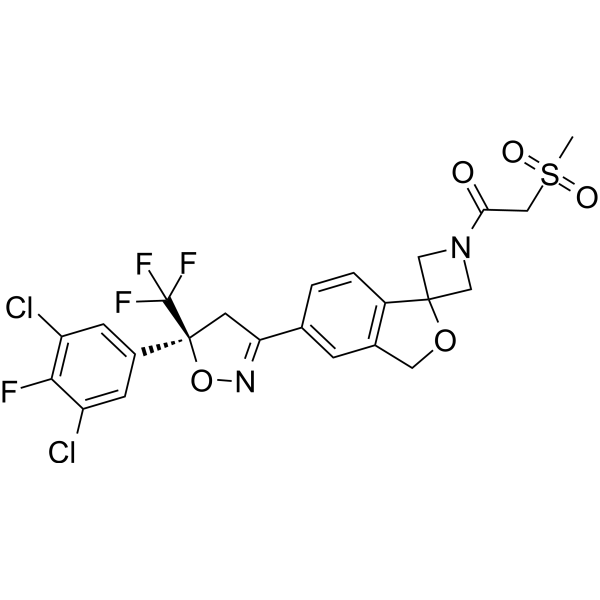
Sarolaner (PF-6450567) is an orally active and broad-spectrum ectoparasiticide. Sarolaner is an isoxazoline compound which shows efficacy against fleas and ticks on dogs, with a LC80 value of 0.3 μg/mL against C. felis and a LC100 value of 0.003 μg/mL against O. turicata .
|
-
-
- HY-156684
-
|
GDC-6599
|
TRP Channel
|
Neurological Disease
|
|
GDC-6599 is an orally active TRPA1 inhibitor, with IC50 values of 5.3 nM in humans, 6.6 nM in rats, 9.3 nM in dogs, 7.2 nM in monkeys, and 15 nM in guinea pigs. GDC-6599 can be used in the research of neuropathic pain and respiratory diseases such as asthma and chronic cough .
|
-
-
- HY-B0962A
-
|
|
mAChR
|
Neurological Disease
|
|
Piperidolate is an antimuscarinic, inhibits intestinal cramp induced by acetylcholine (rats and dogs).
|
-
-
- HY-B0962
-
|
|
mAChR
|
Neurological Disease
|
|
Piperidolate hydrochloride is an antimuscarinic, inhibits intestinal cramp induced by acetylcholine (rats and dogs).
|
-
-
- HY-U00070
-
-
-
- HY-106547
-
|
|
GABA Receptor
|
Neurological Disease
|
|
Rilmazafone (450191S) is an orally active sleep inducer. Rilmazafone targets cytochrome P-450b and cytochrome P-450e. Rilmazafone induces hepatic drug-metabolizing enzyme activity in rats, mice and dogs. Rilmazafone is applicable for insomnia-related research .
|
-
-
- HY-P99557
-
|
KIND-016
|
Interleukin Related
|
Inflammation/Immunology
|
|
Tirnovetmab (KIND-016) is a fully caninized, high-affinity monoclonal antibody that targets IL-31. Tirnovetmab can be used in research related to atopic dermatitis in dogs.
|
-
-
- HY-19513
-
-
-
- HY-119447
-
|
|
COX
|
Inflammation/Immunology
|
|
Mavacoxib is a selective, oral long-acting cyclooxygenase-2 (COX-2) inhibitor and a long-acting non-steroidal anti-inflammatory drug (NSAID). Mavacoxib is used to treat pain and inflammation associated with degenerative joint disease in dogs .
|
-
-
- HY-147040
-
|
|
c-Met/HGFR
Apoptosis
|
Cancer
|
|
ABN401 is an orally active and selective ATP-competitive c-MET inhibitor with an IC50 of 10 nM. ABN401 is cytotoxic to MET-addicted cancer cells with the IC50 of 2-43 nM. ABN401 has bioavailability in rats and dogs of 42.1-56.2% and 27.4-37.7%, respectively. ABN401 has antitumor activity .
|
-
-
- HY-121460
-
-
-
- HY-165439
-
|
LY195115
|
Phosphodiesterase (PDE)
|
Cardiovascular Disease
|
|
Indolidan (LY195115) is an orally active cardiotonic agent and a selective cyclic nucleotide phosphodiesterase inhibitor. Indolidan has a Ki of 80 nM for sarcoplasmic reticulum phosphodiesterase (SR-PDE). Indolidan exhibits positive inotropic and vasodilator effects. Indolidan can be used in the research of diseases such as congestive heart failure .
|
-
-
- HY-118995
-
|
|
GHSR
|
Endocrinology
|
|
L-739943 is a potent, and orally active growth hormone (GH) secretagogue with an ED50 of 1 nM. L-739943 stimulates GH release in beagle dogs. L-739943 can be used for GH-related diseases research .
|
-
-
- HY-100516
-
|
UR-8880
|
COX
Cytochrome P450
|
Inflammation/Immunology
|
|
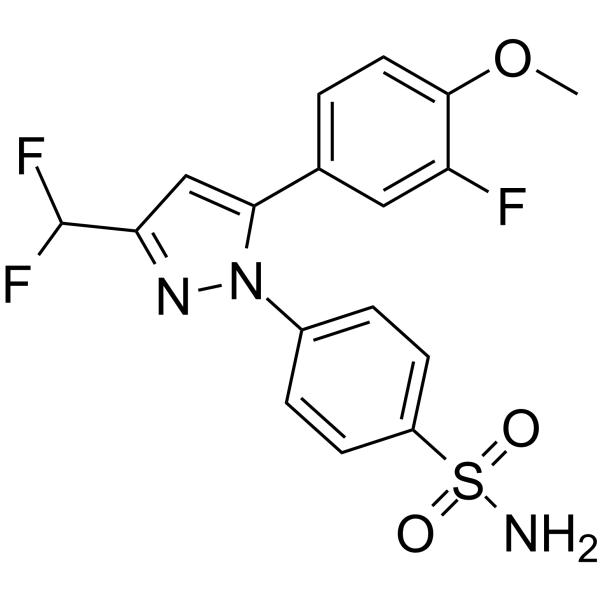
Cimicoxib (UR-8880) is an orally active, blood-brain barrier-permeable COX-2 inhibitor that also exerts targeted inhibition on CYP2D15. It has an IC50 of 66 nM against hCOX-2, an IC50 of 1.6 μM against canine CYP2D15, and an IC50 of 0.056 μM against feline CYP2D15. By inhibiting the COX-2 pathway to reduce the production of thromboxane B2 and prostaglandin E2, Cimicoxib exerts antipyretic, anti-inflammatory and analgesic effects. Cimicoxib is metabolized by CYP2D15 to form demethyl-cimicoxib, undergoes glucuronidation via UDP-glucuronosyltransferases, and exhibits biphasic elimination kinetics in beagle dogs. Cimicoxib is widely used in studies of inflammatory diseases, osteoarthritis, and perioperative pain associated with orthopedic or soft tissue surgeries .
|
-
-
- HY-19513A
-
|
|
Thyroid Hormone Receptor
|
Metabolic Disease
Endocrinology
|
|
MB-07344 sodium is a potent thyroid hormone receptor (TR)-β agonist with a Ki of 2.17 nM. MB-07344 sodium has additive cholesterol lowering activity in combination with Atorvastatin (HY-B0589) in rabbits, dogs and monkeys .
|
-
-
- HY-16974R
-
|
|
Reference Standards
GABA Receptor
Chloride Channel
Parasite
|
Infection
|
|
Afoxolaner (Standard) is the analytical standard of Afoxolaner. This product is intended for research and analytical applications. Afoxolaner is an orally active isoxazoline insecticide/acaricide against Ixodes scapularis in dogs. Afoxolaner acts on the insect γ-aminobutyric acid receptor (GABA) and glutamate receptors, inhibiting GABA & glutamate-regulated uptake of chloride ions, resulting in excess neuronal stimulation and death of the arthropod .
|
-
-
- HY-12996
-
|
|
FLAP
Leukotriene Receptor
|
Inflammation/Immunology
|
|
AZD6642 is a 5-lipoxygenase activating protein (FLAP) inhibitor. AZD6642 can effectively inhibit the production of LTB4. AZD6642 exhibits high oral bioavailability in rats and dogs. AZD6642 can be used in the research of inflammatory diseases .
|
-
-
- HY-W751579
-
|
|
Bacterial
Antibiotic
|
Infection
|
|
Cefovecin is a third-generation cephalosporin antibiotic. Cefovecin's most notable characteristic is its extremely long-lasting effect; a single subcutaneous injection can maintain an effective therapeutic concentration in tissues for up to 14 days. Cefovecin is used in research on bacterial infections in dogs and cats .
|
-
-
- HY-106614
-
|
|
Androgen Receptor
5 alpha Reductase
|
Endocrinology
|
|
Osaterone acetate is an orally active steroid anti-androgen agent, mainly used for benign prostatic hyperplasia (BPH) in dogs. Osaterone acetate competitively antagonizes androgen receptor and inhibits 5α-reductase, reducing the concentration of dihydrotestosterone (DHT) while blocking the growth-stimulating effects of testosterone and DHT on prostate cells. Osaterone acetate can rapidly alleviate the symptoms of BPH in dogs without affecting the fertility of breeding dogs .
|
-
-
- HY-119722
-
|
|
Endogenous Metabolite
|
Others
|
|
Butafosfan is a phosphate containing compound, which is used as active ingredient of veterinary drug. Butafosfan can stimulate the appetite, immune system and digestive function, improves liver and muscle function of dogs. Butafosfan can mitigate the adverse effects of Dexamethasone (HY-14648) on liver and pancreatic function in dogs .
|
-
-
- HY-19132
-
|
|
Prostaglandin Receptor
|
Cardiovascular Disease
|
|
CGS 22652 is a potent thromboxane A2 receptor antagonist. CGS 22652 has selective thromboxane A2 synthase inhibitory properties. CGS 22652 can be used in the research of coronary artery thrombosis .
|
-
-
- HY-108582
-
|
|
Potassium Channel
|
Cardiovascular Disease
|
|
Y-27152, a proagent of the KATP (Kir6) channel opener Y-26763, is a long-acting K+ channel opener with less tachycardia: antihypertensive effects in hypertensive rats and dogs in conscious state .
|
-
-
- HY-119447S
-
|
|
Isotope-Labeled Compounds
COX
|
Inflammation/Immunology
|
|
Mavacoxib-d4 is the deuterium labeled Mavacoxib. Mavacoxib is a selective, oral long-acting cyclooxygenase-2 (COX-2) inhibitor and a long-acting non-steroidal anti-inflammatory drug (NSAID). Mavacoxib is used to treat pain and inflammation associated with degenerative joint disease in dogs .
|
-
-
- HY-167082
-
|
|
NKCC
Potassium Channel
Sodium Channel
|
Cardiovascular Disease
|
|
AY 31906 is an orally active pyrimidine sulfonamide diuretic. AY 31906 exhibits potent diuretic and natriuretic activities in rats and dogs, along with relatively potassium-sparing properties. AY 31906 exhibits superior activity to Furosemide (HY-B0135). AY-31906 also has antihypertensive effects and can be used in the research of cardiovascular diseases .
|
-
-
- HY-111073
-
|
Y101
|
HBV
|
Infection
Inflammation/Immunology
|
|
Bentysrepinine (Y101) is an orally active HBV inhibitor with anti-hepatitis B virus infection activity. Bentysrepinine exhibits favorable pharmacokinetic characteristics, with absolute bioavailability of 44.9%, 43.1%, and 19.2% in rats, dogs, and monkeys, respectively, and it does not accumulate in monkeys after 90 days of oral administration. Bentysrepinine is under research in the antiviral and hepatitis fields .
|
-
-
- HY-113797
-
|
|
Adrenergic Receptor
|
Others
|
|
RS-52367 is a potent syntex β-adrenergic antagonist. RS-52367 decreases intraocular pressure with a mild systemic effect in dogs .
|
-
-
- HY-122349
-
|
L-12717
|
Drug Derivative
|
Others
|
|
Lotrifen is a non-hormonal compound with abortifacient effects. Lotrifen is most effective when used on the 20th day of pregnancy in beagle and mongrel dogs .
|
-
-
- HY-116183
-
|
|
HCV
|
Infection
|
|
ITX 4520 is an orally active and potent hepatitis C virus inhibitor exhibiting an excellent PK profile in both rats and dogs .
|
-
-
- HY-177298
-
|
|
Phosphodiesterase (PDE)
|
Others
|
|
PDE5-IN-15 (compound 21) is a xanthine derivative and PDE5 inhibitor, with IC50 values of 0.002, 0.180, 2.85 and 2.22 μM against hPDE5, bPDE6, bPDE1 and hPDE3, respectively. PDE5-IN-15 has good oral bioavailability in dogs. PDE5-IN-15 can be used in research on male erectile dysfunction .
|
-
-
- HY-106932
-
|
|
Integrin
|
Cardiovascular Disease
|
|
L-734217 is an orally active and potent fibrinogen receptor antagonist and an antithrombotic agent. L-734217 is excreted largely by the renal route and partly into the bile in dogs. L-734217 is promising for research of thrombotic disorders .
|
-
-
- HY-118770
-
|
K 5407 free base
|
Adrenergic Receptor
|
Cardiovascular Disease
|
|
Nafetolol (K 5407 free base) is a β1-selective blocker with high hepatic clearance in humans and dogs, and undergoes extrahepatic, high-level metabolism .
|
-
-
- HY-129782
-
|
|
SOD
|
Cardiovascular Disease
|
|
SC-55858 is an effective superoxide dismutase simulator. SC-55858 increased heart rate and decreased mean arterial pressure and left ventricular systolic and end-diastolic pressures in conscious dogs .
|
-
- HY-106018A
-
|
GM 611 fumarate
|
Motilin Receptor
|
Others
|
|
Mitemcinal fumarate is an oral motilium agonist. Studies in rabbits and dogs have shown that it can promote defecation without causing severe diarrhea, increase stool weight without increasing water content in the rabbit constipation model, and reduce the time to first defecation in dogs. Mitemcinal fumarate may be a constipation suppressant due to its early onset and short duration of action.
|
-
- HY-P1414
-
-
- HY-106018
-
|
GM 611
|
Motilin Receptor
|
Others
|
|
Mitemcinal (GM 611) is an oral motilin receptor agonist. Studies in rabbits and dogs have shown that it can promote defecation without causing severe diarrhea, increase stool weight without increasing water content in the rabbit constipation model, and reduce the time to first defecation in dogs. Mitemcinal may be a constipation suppressant due to its early onset and short duration of action .
|
-
- HY-W181626
-
|
DU 21445
|
5-HT Receptor
|
Cardiovascular Disease
|
|
Tiprenolol is a β-adrenoceptor blocker. Tiprenolol can abolish the ventricular arrhythmias produced by adrenaline in dogs respired with halothane .
|
-
- HY-118370
-
-
- HY-W181626A
-
|
DU 21445 hydrochloride
|
5-HT Receptor
|
Cardiovascular Disease
|
|
Tiprenolol hydrochloride is a β-adrenoceptor blocker. Tiprenolol hydrochloride abolished ventricular arrhythmias induced by intravenous epinephrine in dogs receiving halothane inhalation .
|
-
- HY-123429
-
|
|
Antibiotic
|
Infection
|
|
CK0683A is a novel biaminourea antibiotic with antiplaque effects and demonstrated efficacy in experimental mouse dental disease models. A 12-week study in beagles compared its efficacy in terms of plaque and gingivitis reduction, staining potential, and safety. Dogs were selected as the study subjects because the onset and progression of canine periodontal disease is similar to that of humans. As a positive control for plaque and gingivitis reduction and staining, chlorhexidine acetate was selected because it is effective in both humans and dogs.
|
-
- HY-123479
-
|
|
Antibiotic
|
Infection
|
|
CK0492B is a novel biaminourea antibiotic that has antiplaque properties in vitro and has shown efficacy in an experimental mouse dental disease model. A 12-week study in beagles compared its efficacy in reducing plaque and gingivitis, staining potential, and safety. Dogs were selected as the study subjects because the onset and progression of canine periodontal disease are similar to humans. Chlorhexidine acetate was selected as a positive control for plaque and gingivitis reduction and staining because it is effective in both humans and dogs.
|
-
- HY-168792
-
-
- HY-114682A
-
|
AHR 2277
|
Dopamine Receptor
|
Neurological Disease
|
|
Lenperone hydrochloride (AHR 2277) is an antipsychotic compound and a dopamine antagonist. Lenperone hydrochloride reduces gastroesophageal sphincter pressure of healthy dogs. Lenperone hydrochloride can be used for neurological disease research .
|
-
- HY-W019720
-
|
|
Endogenous Metabolite
|
Inflammation/Immunology
|
|
1-Methylguanidine hydrochloride is a uremic toxin, which accumulate in dogs with renal failure and chronic kidney disese. 1-Methylguanidine hydrochloride enhances the oxidative metabolism and induces apoptosis in neutrophils .
|
-
- HY-119595
-
|
R3201
|
Others
|
Neurological Disease
|
|
Haloperidide (R3201) is a neuroleptic compound. Haloperidide is a potent and selective anti-emetic agent. Haloperidide antagonizes Apomorphine (HY-12723)-induced emesis in dogs .
|
-
- HY-106193
-
|
|
NO Synthase
|
Cardiovascular Disease
|
|
RC-552 is a novel synthetic glycolipid related in chemical structure to MLA. RC-552 induces delayed cardioprotective effects via an iNOS-dependent pathway. RC-552 attenuates myocardial stunning .
|
-
- HY-B0519C
-
|
|
Bacterial
|
Infection
|
Tylosin (lactate) is an anti-bacterial agent that can target spore-forming bacteria. Tylosin (lactate) can increase the levels of Enterococcus and lactobacilli in dogs' feces and help relieve tylosin-responsive diarrhea .
|
-
- HY-118033
-
|
|
Renin
|
Cardiovascular Disease
|
|
SQ 30774 is a renin (renin) inhibitor. SQ 30774 has potent in vitro inhibitory effects in primates but not in rats, pigs, or dogs. And imidazolinol renin inhibitors also inhibit PRA and reduce arterial blood pressure in vivo .
|
-
- HY-102092
-
|
PD 147953
|
Endothelin Receptor
|
Cardiovascular Disease
|
|
FR139317 (PD 147953) is a selective ETA receptor antagonist. FR139317 inhibits cerebral activation by intraventricular endothelin-1 in conscious rats. FR139317 also ameliorates cerebral vasospasm in dogs .
|
-
- HY-118311
-
|
(Z)-Probilin; (Z)-Secrebil; (Z)-Piprozolin
|
Others
|
Metabolic Disease
|
|
(Z)-W 3699 is a potential choleretic. (Z)-W 3699 can increase the solubility of cholesterol in the gallbladder by altering the secretion of micellar bile acids. (Z)-W 3699 can prevent the formation of cholesterol-containing gallstones in dogs.
|
-
- HY-119064
-
|
|
HMG-CoA Reductase (HMGCR)
|
Neurological Disease
|
|
L-645164 is a potent inhibitor of hydroxymethylglutaryl coenzyme A (HMG-CoA) reductase. L-645164 produces substantial decreases in circulating serum cholesterol concentrations in dogs. L-645164 is promising for research of central nervous system disorders .
|
-
- HY-P99579
-
|
AT-005
|
NF-κB
|
Cancer
|
|
Tamtuvetmab (AT-005) is a caninised blontuvetmab against CD52. Tamtuvetmab increases progression-free survival (PFS), exhibits in vivo efficacy in dogs with naïve T-cell lymphoma (LSA). Tamtuvetmab has been approved by veterinary .
|
-
- HY-126762
-
|
|
Progesterone Receptor
|
Endocrinology
|
|
Fenprostalene is an analog of Dinoprost (PGF2α) (HY-12956) that is used in veterinary medicine to induce corpus luteum regression and blood Progesterone (HY-N0437) levels reduction in dogs. Fenprostalene is potent in ameliorating pyometra and inducing abortion .
|
-
- HY-10420
-
|
|
Drug Derivative
|
Neurological Disease
|
|
ZK-93426 is a benzodiazepine receptor antagonist. ZK-93426 does not alter the dogs' motility but induces generalized myoclonic jerks and tonic-clonic seizures. ZK-93426 can be used to study the mechanism of withdrawal reactions in the state of benzodiazepine dependence .
|
-
- HY-123284
-
|
|
Others
|
Others
|
|
LY137150 (2) and LY163252 (4) are products of LY175326 metabolism in rats or dogs. The preparation of LY175326 labeled with 14C at the methylthiol group provides a sensitive method to determine whether the metabolically produced LY137150 (2) is further metabolized by S-demethylation.
|
-
- HY-126044
-
|
|
Endogenous Metabolite
|
Metabolic Disease
|
|
6-Hydroxy bexarotene is the main circulating metabolite of bexarotene, found in rats, dogs, and humans. Compared to the parent compound, 6-hydroxy-bexarotene shows a significantly reduced ability to bind to retinoid receptors and exhibits very minimal activity in activating retinoic acid receptors .
|
-
- HY-12159A
-
|
|
Integrin
|
Inflammation/Immunology
|
|
MK-0668 mesylate is an amino acid-based, potent antagonist of unactivated VLA-4, with an IC50) of 0.13 nM in human whole blood. And MK-0668 mesylate exhibits IC50s of 0.19 nM in dogs, 0.21 nM in rhesus monkeys, and 0.4 nM in rats .
|
-
- HY-12159
-
|
|
Integrin
|
Inflammation/Immunology
|
|
MK-0668 is an amino acid-based, potent antagonist of unactivated VLA-4, with an IC50) of 0.13 nM in human whole blood. And MK-0668 exhibits IC50s of 0.19 nM in dogs, 0.21 nM in rhesus monkeys, and 0.4 nM in rats .
|
-
- HY-12944
-
|
|
HIV
CCR
|
Infection
|
|
GSK163929 (compound 122) is an orally active, anti-HIV CCR5 antagonist with low inhibitory potency against hEGR. GSK163929 had no adverse effects in rats at 2000 mg/kg/day (i.v., 7 d) and in dogs at 250 mg/kg/day (i.v., 7 d) .
|
-
- HY-105925
-
|
MCN 2378
|
Adrenergic Receptor
|
Cardiovascular Disease
|
|
Mefenidil (MCN 2378) is a selective cerebral vasodilator that is not affected by beta-adrenergic blockade. Mefenidil can be used in the study of cardiovascular disease. In monkey models, mefenidil preferentially increases cerebral blood flow over systemic (femoral) blood flow. Mefenidil is also able to reduce systemic arterial pressure in anesthetized dogs.
|
-
- HY-116591
-
|
|
Endogenous Metabolite
|
Endocrinology
|
|
8-ISo-15-keto prostaglandin F2β is a potential metabolite of 8-Iso PGF2β via the 15-hydroxy-PG dehydrogenase pathway. 8-iso PGF2β constricts pulmonary veins in dogs and pigs .
|
-
- HY-14466
-
|
|
Prostaglandin Receptor
|
Endocrinology
|
|
GW 848687X is a selective, orally active prostaglandin EP1 receptor antagonist for the inhibition of inflammatory pain. The oral bioavailability of GW 848687X was 54% in rats and 53% in dogs. GW 848687X has a half-life of 2 hours and has inhibitory potential for both acute and chronic pain .
|
-
- HY-129445
-
|
|
Potassium Channel
|
Cardiovascular Disease
|
|
SG-209 is a Nicorandil (HY-B0341) derivative that produces relaxation through potassium channel activation, while this action contributes to the vasodilating action of Nicorandil (HY-B0341) at higher concentrations. SG-209 dilates tracheal smooth muscle and increases tracheal blood flow in anesthetized dogs .
|
-
- HY-115895
-
|
CI-686 free base
|
Dopamine Receptor
Adrenergic Receptor
|
Neurological Disease
|
|
Trebenzomine (CI-686 free base) is a centrally acting psychotropic compound. Trebenzomine has both neuroleptic and stimulant activity. Trebenzomine potentiates Methamphetamine-induced self-stimulation. Trebenzomine reduces septal
hyperirritability, suppression of conditioned avoidance behavior, blocks Apomorphine (HY-12723)-induced emesis in dogs .
|
-
- HY-119447R
-
|
|
COX
|
Inflammation/Immunology
|
|
Mavacoxib (Standard) is the analytical standard of Mavacoxib. This product is intended for research and analytical applications. Mavacoxib is a selective, oral long-acting cyclooxygenase-2 (COX-2) inhibitor and a long-acting non-steroidal anti-inflammatory drug (NSAID). Mavacoxib is used to treat pain and inflammation associated with degenerative joint disease in dogs .
|
-
- HY-P3082
-
|
|
Endogenous Metabolite
|
Cardiovascular Disease
|
|
SKF 106760 is a potent platelet fibrin receptor (glycoprotein IIb/IIIa) antagonist with significant antiplatelet and antithrombotic activities. SKF 106760 inhibits platelet aggregation in dogs in vitro and prevents thrombus formation in stenotic carotid arteries. SKF 106760 has also shown elimination effects against aspirin-resistant thrombi that develop in the setting of high-grade stenosis .
|
-
- HY-123328
-
|
|
Prostaglandin Receptor
|
Cardiovascular Disease
|
|
AGN 191976 is a potent and selective thromboxane A2-sensitive (TP) receptor agonist with EC50 values of 0.23 nM and 24 nM in rat aorta and human platelets, respectively. AGN 191976 has potent IOP-lowering effects in dogs and monkeys. AGN 191976 can be used to study vascular biology and the role of thromboxane A2 in vascular function .
|
-
- HY-N1483A
-
|
|
Potassium Channel
|
Cardiovascular Disease
|
|
Guanfu base A hydrochloride is an antiarrhythmic alkaloid with the ability to inhibit CYP2D6 enzyme activity. Guanfu base A hydrochloride can be used to inhibit arrhythmia-related diseases. Guanfu base A hydrochloride exhibits inhibitory effects on CYP2D6 in different species of organisms, including humans, monkeys, and dogs. The biological activity of Guanfu base A hydrochloride makes it have potential clinical application value .
|
-
- HY-133931
-
|
EMD-52692; SR-44866
|
Potassium Channel
Glutathione Peroxidase
|
Cardiovascular Disease
|
|
Bimakalim (EMD-52692) is an ATP-sensitive potassium channel opener. Bimakalim reduces transmural MPO activity. Bimakalim mimics the effects of ischemic preconditioning to reduce infarct size, adenosine release, and neutrophil function in dogs .
|
-
- HY-N13715
-
-
- HY-N15797
-
-
- HY-W982689
-
|
|
Biochemical Assay Reagents
|
Metabolic Disease
|
|
Fluindarol is a phenylindandione derivative and an orally active anticoagulant. Fluindarol acts as a toxicant that induces organ and tissue haemorrhages and liver parenchymal necrosis in rats. Fluindarol exhibits acute and cumulative preclinical toxicity in rats, rabbits, and dogs, with higher toxicity in female rats than male rats. Fluindarol lacks analgesic action, produces only minor blood pressure effects, and does not alter circulation, respiration, CNS, or cardiac activity. Fluindarol is considered too toxic for clinical use based on preclinical data .
|
-
- HY-17604
-
|
EGT1442; EGT0001442; THR-1442
|
SGLT
|
Cardiovascular Disease
Metabolic Disease
|
|
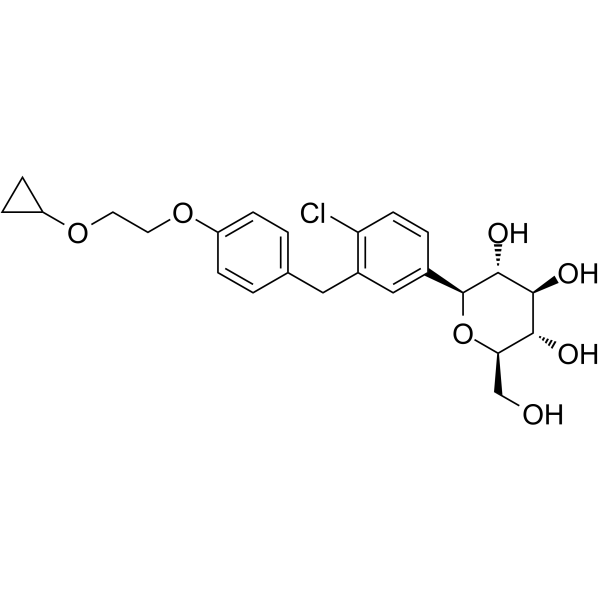
Bexagliflozin (EGT1442) is an orally active and selective SGLT2 inhibitor with IC50 values of 0.002 μM and 5.6 μM for SGLT2 and SGLT1, respectively. Bexagliflozin selectively inhibits SGLT2-mediated sodium-dependent glucose uptake. Bexagliflozin induces saturable urinary glucose excretion in normal rats and dogs. Bexagliflozin reduces blood glucose and HbA1c levels in db/db mice without affecting body mass or insulin level. Bexagliflozin can be used for the research of type 2 diabetes mellitus, hypertensive stroke .
|
-
- HY-180401
-
|
|
Angiotensin Receptor
|
Cardiovascular Disease
|
|
DMP 811 is a potent, orally active and selective angiotensin II subtype receptor AT1 antagonist. DMP 811 exhibits selectivity for AT1 (IC50 = 6 nM) over AT2 (IC50 >10 μM). DMP 811 exhibits potent antihypertensive activity in rats and dogs. DMP 811 can be used for the research of hypertension .
|
-
- HY-114833
-
|
(Rac)-Bunolol; dl-Bunolol
|
Adrenergic Receptor
|
Cardiovascular Disease
Neurological Disease
|
|
Bunolol ((Rac)-Bunolol) is a β-adrenergic receptor blocker. Bunolol antagonizes the β-receptor agonist activity induced by Isoproterenol (HY-B0468) and Dichloroisoproterenol. Bunolol reduces the heart rate and mean blood pressure of anesthetized dogs. Bunolol decreases spontaneous motor activity and Amphetamine-induced hyperactivity in rats, potentiates Pentobarbital-induced hypnosis in mice, and protects rats from extensor tonic convulsions induced by maximal electroshock .
|
-
- HY-153507
-
|
|
Acyltransferase
|
Metabolic Disease
|
|
DGAT1-IN-4 is a potent, orally active, and selective DGAT1 inhibitor with an IC50 of 17 nM. DGAT1-IN-4 exhibits >588-fold selectivity over DGAT2. DGAT1-IN-4 suppresses intracellular triglyceride synthesis in mouse myoblast cells. DGAT1-IN-4 suppresses body weight gain in diet-induced obese dogs. DGAT1-IN-4 can be used for the research of obesity .
|
-
- HY-118934
-
|
|
Others
|
Neurological Disease
Metabolic Disease
|
|
Novocebrin is a central nervous system activator that effectively increases brain and femoral blood flow in dogs. In addition, Novocebrin inhibits triglyceride biosynthesis in porcine adipose tissue .
|
-
- HY-101431
-
|
D32 hydrochloride
|
Adrenergic Receptor
|
Cardiovascular Disease
|
|
Xibenolol hydrochloride (D32 hydrochloride) is an orally active beta-adrenoceptor blocking agent. Xibenolol hydrochloride can be used in the research of tachycardia and hypotension .
|
-
- HY-15208A
-
|
HMR 1098 free base
|
Others
|
Others
|
|
Clamikalant (HMR 1098 free base) is a compound used to suppress cardiac arrhythmias. It prevents the reduction of the refractory period during ventricular fibrillation in dogs and also shows antiarrhythmic effects in a rabbit heart model.
|
-
- HY-106074
-
|
MDL 646
|
Drug Derivative
|
Inflammation/Immunology
|
|
Mexiprostil (MDL 646) is an orally active gastric protectant, being a synthetic analogue of Prostaglandin E1 (HY-B0131). Mexiprostil exhibits significant inhibition of gastric acid secretion caused by Histamine (HY-B1204) and Bethanechol (HY-B0406) in rats, dogs, and cats. Mexiprostil can also inhibit the increase in gastric acid secretion caused by Pentagastrin (HY-A0261) in cats, while it does not have this effect in dogs and rats. Mexiprostil does not cause pregnancy termination. Mexiprostil can be used for research on gastric ulcers .
|
-
- HY-P992104
-
|
|
CD20
|
Cancer
|
|
Blidarvetug is a veterinary monoclonal antibody targeting MS4A1/CD20, which can be used to study CD20-positive B-cell lymphoma in dogs.
|
-
- HY-W423010
-
|
|
Antibiotic
Bacterial
|
Infection
|
|
Cefazedone (Refosporen) is a first-generation cephalosporin antibiotic. Cefazedone is active against both Gram-positive and Gram-negative bacteria .
|
-
- HY-180397
-
|
|
Histamine Receptor
|
Inflammation/Immunology
|
|
ORF 17910 is a potent, long-acting, orally active histamine H2 receptor antagonist. ORF 17910 exhibits significant and prolonged acid-suppressing activity in dogs and rats. However, the cardiac depressant effect of ORF 17910 cannot be completely overcome at high concentrations. ORF 17910 may be used to study diseases such as gastric ulcers .
|
-
- HY-129278
-
|
|
Parasite
|
Infection
Cardiovascular Disease
Neurological Disease
|
|
Lunarine is an alkaloid, which can be isolated from the seeds of kale (Lunaria annua). Lunarine lowers the blood pressure, stimulates small intestinal motility, inhibits spontaneous contractions of uterus and nervous system, and exhibits an acute toxicity with LD50 of 62.3 mg/kg in dogs and rabbits. Lunarine exhibits antiparasitic activity through a competitive inhibition of protozoan oxidoreductase trypanothione reductase (TryR) with Ki of 304 μM .
|
-
- HY-174380
-
|
|
Dipeptidyl Peptidase
Ser/Thr Protease
Elastase
|
Inflammation/Immunology
|
|
DPP-1-IN-1 (Compound 14) is an orally active inhibitor of Cathepsin C (also known as Dipeptidyl peptidase I) with an IC50 of 5.31 nM. DPP-1-IN-1 can inhibit the activity of Cathepsin C downstream Neutrophil elastase in neutrophils. DPP-1-IN-1 can be used in the research of inflammatory diseases .
|
-
- HY-B1211
-
|
Biocide 470F
|
Environmental Pollutants
Bacterial
Fungal
|
Infection
|
|
Dehydroacetic acid (Biocide 470F) is a pyrone derivative. Dehydroacetic acid has antibacterial, antifungal and phytotoxic activities. Dehydroacetic acid can be added to cosmetics, food and beverages for preservation and other purposes. Dehydroacetic acid can also be used to synthesize various heterocycles and cycloaddition products .
|
-
- HY-17465
-
|
Glycopyrronium bromide; Glycopyrrolate bromide
|
mAChR
|
Cardiovascular Disease
Neurological Disease
Cancer
|
|
Glycopyrrolate (Glycopyrronium bromide), a quaternary ammonium derivative, is a muscarinic receptor antagonist. Glycopyrrolate has bronchoprotective effect and produces a beneficial effect on blood pressure. Glycopyrrolate can be used for the research of bronchial diseases .
|
-
- HY-17465R
-
|
Glycopyrronium bromide (Standard); Glycopyrrolate bromide (Standard)
|
Reference Standards
mAChR
|
Neurological Disease
Cancer
|
|
Glycopyrrolate (Standard) is the analytical standard of Glycopyrrolate. This product is intended for research and analytical applications. Glycopyrrolate (Glycopyrronium bromide), a quaternary ammonium derivative, is a muscarinic receptor antagonist. Glycopyrrolate has bronchoprotective effect and produces a beneficial effect on blood pressure. Glycopyrrolate can be used for the research of bronchial diseases .
|
-
- HY-183136
-
|
BMY 25801
|
5-HT Receptor
|
Cancer
|
|
Batanopride (BMY 25801) is a selective 5-HT3 receptor antagonist. Batanopride inhibits chemotherapy-induced emesis, and prevents Cisplatin (HY-17394)-, Cyclophosphamide (HY-17420)-, Doxorubicin (HY-15142A)-, and total body irradiation-induced emesis .
|
-
- HY-116442
-
|
|
Xanthine Oxidase
|
Cardiovascular Disease
Inflammation/Immunology
|
|
Azapropazone is an orally active nonsteroidal anti-inflammatory agent. Azapropazone inhibits Xanthine oxidase activity with an IC50 of 70-140 μg/mL. Azapropazone exerts significant cardiomyocyte protective effects on dogs with ischemia-reperfusion injury . Azapropazone reduces arthritis. Azapropazone inhibits Adrenaline-induced platelet aggregation. Azapropazone can be used for the research of myocardial ischemia and reperfusion injury, adjuvant arthritis, and gouty arthritis .
|
-
- HY-122229
-
|
|
HIV
|
Infection
|
|
GS-9822 is a potent antivira agent with nanomolar activity against wild-type HIV-1 viruses. GS-9822 potently inhibits the LEDGF/p75-integrase interaction with an IC50 of 0.07 μM. GS-9822 has high in vitro metabolic stability and favorable oral pharmacokinetic profiles with low systemic clearance in rats, dogs, and monkeys .
|
-
- HY-172672
-
|
|
Orexin Receptor (OX Receptor)
|
Neurological Disease
|
|
Orexin 2 Receptor Agonist 3 (Compound 57) is an orally active and brain-penetrant orexin receptor type-2 (OX2) agonist (EC50: 2.5 nM). Orexin 2 Receptor Agonist 3 increases wakefulness in the orexin/ataxin-3 NT1 mouse model and healthy beagle dogs. Orexin 2 Receptor Agonist 3 can be used in the study of narcolepsy .
|
-
- HY-118233
-
|
M 17055
|
Chloride Channel
|
Neurological Disease
|
|
Alilusem potassium is a diuretic. In anesthetized dogs undergoing water diuresis, Alilusem potassium effectively decreased free water clearance and increased Na+ and Cl- levels in excreted urine. When combined with Furosemide (HY-B0135) or Hydrochlorothiazid, Alilusem potassium further inhibited free water clearance. Alilusem potassium inhibited the lumen-positive transepithelial voltage and lumen-to-cistern Cl- flux in isolated rabbit cortical thick ascending limbs of Henle .
|
-
- HY-16773
-
|
GS-9451
|
HCV Protease
BCRP
P-glycoprotein
|
Infection
|
|
Vedroprevir (GS-9451) is an inhibitor for HCV NS3/4A protease with an IC50 of 3.2 nM. Vedroprevir is also an inhibitor for breast cancer resistant protein (BCRP) with an IC50 of 1.4 μM. Vedroprevir inhibits P-gp, MRP1 and MRP2 with IC50 of 34, 14.9 and 12 μM, respectively. Vedroprevir exhibits good pharmacokinetic characteristics in rats and dogs .
|
-
- HY-19019
-
|
|
Dopamine Receptor
|
Neurological Disease
|
|
Y-20024 hydrochloride is an orally active D2 receptor antagonist with blood-brain barrier permeability. Y-20024 hydrochloride can inhibit Apomorphine (HY-12723)-induced ADHD in mice. Y-20024 hydrochloride can inhibit Apomorphine-induced vomiting in dogs. Y-20024 hydrochloride has prolactin-promoting activity. Y-20024 hydrochloride can be used in research on neurological disorders such as ADHD and vomiting .
|
-
- HY-148669B
-
|
(S)-JNJ-75276617 oxalate; (S)-Menin-MLL inhibitor 24 oxalate
|
Apoptosis
Histone Methyltransferase
FLT3
|
Cancer
|
|
(S)-Bleximenib (oxalate) is a S-Enantiomer of Bleximenib oxalate (HY-148669A). Bleximenib (JNJ-75276617) oxalate is an orally active and selective menin-KMT2A inhibitor, with IC50 values of 0.1 nM, 0.045 nM, and ≤0.066 nM for humans, mice, and dogs, respectively. Bleximenib oxalate can inhibit the proliferation and induce apoptosis and differentiation of tumor cells. Bleximenib oxalate can be used in the research of tumors such as leukemia .
|
-
- HY-107063
-
|
10-Undecen-1-yl-thiopseudourea iodide
|
Histamine Receptor
|
Cancer
|
|
AHR-1911 (10-Undecen-1-yl-Thiopseudourea Iodide;Isothiuronium) is a thiourea-based anti-inflammatory and anti-tumor agent that has an improving effect on burned skin. AHR-1911 produces histamine-like effects when injected intradermally and may reduce arterial pressure in anesthetized dogs. AHR-1911 inhibits tumor growth and reduces microsomal and C-polysome protein synthesis .
|
-
- HY-70050C
-
|
GR 68755C; GR 68755 Hydrochloride; GR 68755X Hydrochloride
|
5-HT Receptor
|
Neurological Disease
|
|
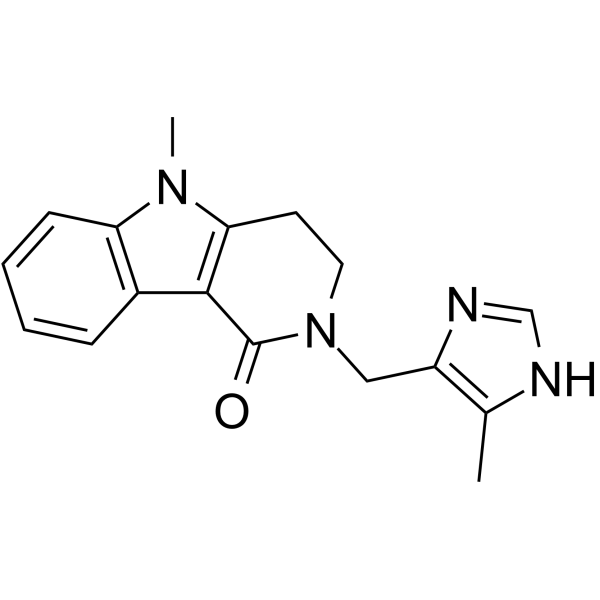
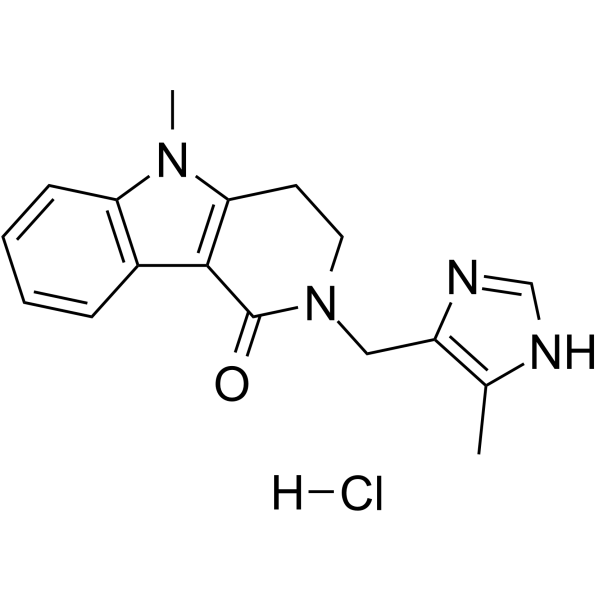
Alosetron Hydrochloride (GR 68755C) is a potent and highly selective serotonin 5-HT3 receptor antagonist. Alosetron Hydrochloride is used for the research of irritable bowel syndrome (IBS). Alosetron blocks the fast 5HT3-mediated depolarisation of guinea-pig myenteric and submucosal neurons, with IC50 at ~55 nM. Alosetron Hydrochloride attenuates the visceral nociceptive effect of rectal distension in conscious or anaesthetised dogs. Anti-inflammatory effects .
|
-
- HY-107835
-
|
FCR 2769
|
Environmental Pollutants
Apoptosis
Bcl-2 Family
Parasite
Insecticide
|
Infection
Cancer
|
|
Flumethrin (FCR 2769) is a pyrethroid insecticide and acaricide . Flumethrin targets voltage-gated sodium channels and estrogen receptor α (ERα). Flumethrin induces cytotoxicity, apoptosis, genotoxicity and DNA damage in breast cancer cells by regulating the expression of BCL2, BAX, TP53 and P21 genes. Flumethrin is applicable to relevant studies on ectoparasite infections (tick and flea burdens) in dogs and cats, as well as breast cancer .
|
-
- HY-70050A
-
|
GR 68755; GR 68755X
|
5-HT Receptor
|
Neurological Disease
Inflammation/Immunology
|
|
Alosetron (GR 68755) is a potent and highly selective serotonin 5-HT3 receptor antagonist. Alosetron is used for the research of irritable bowel syndrome (IBS). Alosetron blocks the fast 5HT3-mediated depolarisation of guinea-pig myenteric and submucosal neurons, with IC50 at ~55 nM. Alosetron attenuates the visceral nociceptive effect of rectal distension in conscious or anaesthetised dogs. Anti-inflammatory effects .
|
-
- HY-W010320S
-
|
2-Ethyl-3-hydroxy-4H-pyran-4-one-d5
|
Isotope-Labeled Compounds
|
Others
|
|
Ethyl maltol-d5 is the deuterium labeled Ethyl maltol. Ethyl maltol (2-Ethyl-3-hydroxy-4H-pyran-4-one) is an orally active and important food additive and flavor enhancer. Ethyl maltol is less toxic to rats and dogs. Ethyl maltol can enhance copper-mediated cytotoxicity and induce apoptosis in lung epithelial cells .
|
-
- HY-118991
-
|
|
Adenosine Receptor
|
Cardiovascular Disease
|
|
KT-1 is a vasodilator. KT 1 can decrease aortic pressure, renal blood flow, left ventricular enddiastolic pressure and resistances of total peripheral, vertebral, coronary and renal vasculatures and increase aortic blood flow, vertebral blood flow, coronary blood flow, peak positive left ventricular dP/dt and heart rate in anesthetized open-chest dogs. KT-1 can be used for the research of cardiovascular disease .
|
-
- HY-B2209B
-
|
Vitamin B12a acetate
|
NO Synthase
|
Cardiovascular Disease
Metabolic Disease
|
|
Hydroxocobalamin acetate is an injectable natural vitamin B12. Hydroxocobalamin acetate binds to NO. Hydroxocobalamin acetate detoxifies Cyanide and NaSH. Hydroxocobalamin acetate reduces hypotension. Hydroxocobalamin acetate is used in research related to vitamin B12 deficiency, including pernicious anemia .
|
-
- HY-149927
-
|
|
Drug Derivative
|
Cancer
|
|
Antitumor agent-91 is a cyclic phosphate ester derivative with anticancer and anti-proliferative activities. Antitumor agent-91 has potential application in human castration resistant prostate cancer and pancreatic cancer .
|
-
- HY-12962A
-
|
|
iGluR
|
Neurological Disease
|
|
NMDA-IN-1 dihydrochloride is a selective NMDA NR2B antagonist with a Ki of 0.85 nM; NR2B Ca2+ influx IC50 is 9.7 nM. NMDA-IN-1 dihydrochloride inhibits Glu/Gly stimulated Ca2+ flux in Ltk- cells expressing the hNR1a/NR2B with a IC50 of 9.7 nM. NMDA-IN-1 dihydrochloride has no activities on NR2A, NR2C, NR2D, hERG-channel and α1-adrenergic receptor. NMDA-IN-1 dihydrochloride shows excellent activity in the mechanical hyperalgesia assay in rats. NMDA-IN-1 dihydrochloride can be used for the studies of stroke, parkinson, and neuropathic pain .
|
-
- HY-176248
-
|
|
Histamine Receptor
Serotonin Transporter
|
Neurological Disease
Inflammation/Immunology
|
|
Dimephosphon is an anti-inflammatory agent with antihistamine and antiserotonin activities. Dimephosphon helps maintain the conduction function of the spinal cord and reduces the excitability of spinal motor neurons in the area surrounding the lesion. Dimephosphon directly activates lymphatic vessel movement and improves lymphatic circulation. Dimephosphon can be used for the study of inflammatory edema, acute spinal cord injury and lymphatic circulation disorders .
|
-
- HY-19106
-
|
|
Secretin Receptor
|
Inflammation/Immunology
Endocrinology
|
|
MCI-727 free base is an orally active anti-ulcer agent. MCI-727 free base can increase the plasma secretin concentration in rats and dogs. MCI-727 free base can also stimulate the exocrine function of the pancreas in rats by promoting the release of endogenous secretin, and exert preventive and therapeutic effects on mild acute pancreatitis. MCI-727 free base can be used in the research of ulcer-related diseases .
|
-
- HY-182506
-
|
BM 12.531
|
Biochemical Assay Reagents
|
Inflammation/Immunology
Cancer
|
|
Azimexon (BM 12.531) is an orally active immunomodulator with radioprotective and antitumor activities. Azimexon prolongs survival in multiple mouse models, enhances immunity and hematopoiesis, and alleviates radiation injury and tumor metastasis. Azimexon causes reversible hemolytic anemia in rats and dogs, and exerts therapeutic activity against adjuvant-induced arthritis in rats. Azimexon can be used for the research of lung carcinoma, leukemia, multiple myeloma, lung tumor, arthritis, breast cancer and AIDS‑related complex .
|
-
- HY-178082
-
|
|
Others
|
Cardiovascular Disease
|
|
MK-251 is an orally active anti-arrhythmic agent. MK-251 prevents or modifies ventricular arrhythmias induced in dogs and baboons by tetrafluorethylbutylamine. MK-251 antagonizes the arrhythmias caused by Digoxin (HY-B1049) in cats. MK-251 at effective doses has little effect on basic cardiovascular parameters such as blood pressure, cardiac output, myocardial contractility and ventricular conduction, thus demonstrating its unique advantages .
|
-
- HY-W012663
-
|
|
Environmental Pollutants
Drug Intermediate
|
Others
|
|
1,2,6-Hexanetriol, a polyol, is an intermediate for wetting agents, solvents, and pharmaceuticals with excellent moisturizing property. 1,2,6-Hexanetriol is a humectant and plasticizer for hydrophilic films. 1,2,6-Hexanetriol has no significant toxicity in rats, rabbits, and dogs via oral (16 mL/kg), intraperitoneal (10 g/kg) and intravenous (5.6 mL/kg) routes. 1,2,6-Hexanetriol can be used for the cosmetics and resin industries .
|
-
- HY-17518
-
|
IR5885; Valiphenal
|
Environmental Pollutants
Bacterial
Fungal
|
Infection
|
|
Valifenalate (IR5885; Valiphenal) is an insecticide agent and fungicide, which is approved for application on high-value crops such as grapes, tomatoes and other vegetables. Valifenalate interferes with cell-wall synthesisValifenalate is effective against various types of mildew. Valifenalate can be used against crown rot of rose cuased by Phytophthora citrophthora. Valifenalate induces non-adverse thyroid changes via adaptive induction of uridine 5’-diphosphoglucuronosyltransferase (UGT) in the liver of dogs and rats .
|
-
- HY-W010320R
-
|
2-Ethyl-3-hydroxy-4H-pyran-4-one (Standard)
|
Reference Standards
Apoptosis
Heme Oxygenase (HO)
|
Others
|
|
Ethyl maltol (Standard) is the analytical standard of Ethyl maltol. This product is intended for research and analytical applications. Ethyl maltol (2-Ethyl-3-hydroxy-4H-pyran-4-one) is an orally active and important food additive and flavor enhancer. Ethyl maltol is less toxic to rats and dogs. Ethyl maltol can enhance copper-mediated cytotoxicity and induce apoptosis in lung epithelial cells .
|
-
- HY-182696
-
|
|
Lipoxygenase
|
Inflammation/Immunology
|
|
CGS 24891 is an orally active 5-lipoxygenase (5-LO) inhibitor, with an IC50 value of 0.051 μM in guinea pigs and 0.11 μM in dogs. CGS 24891 inhibits the production of 5-hydroxyeicosatetraenoic acid (5-HETE) and leukotriene B4 (LTB4) from arachidonic acid. CGS 24891 weakly inhibits 12-lipoxygenase (12-LO) with an IC50 of 0.41 μM. CGS 24891 is applicable to research on inflammation and allergic reactions .
|
-
- HY-121670
-
|
|
Others
|
Neurological Disease
|
|
Ambenoxan is a central nervous system-acting skeletal muscle relaxant that is effective in mice, rats, rabbits, dogs, and monkeys without loss of the righting reflex. It has no peripheral neuromuscular blocking effects and significantly reduces or eliminates decerebrate rigidity in rabbits, but does not antagonize the effects of strychnine, leptazol, or tremorine. Like other central nervous system depressants, ambenoxan prolongs sleep duration with hexobarbitone, but it has no local anesthetic effects. In anesthetized cats, the agent lowers blood pressure and reduces the pressor response to epinephrine, but has no effect on norepinephrine.
|
-
- HY-164010
-
-
- HY-121670A
-
|
|
Adrenergic Receptor
|
Neurological Disease
|
|
Ambenoxan hydrochloride is a central nervous system-acting skeletal muscle relaxant that is effective in mice, rats, rabbits, dogs, and monkeys without loss of the righting reflex. It has no peripheral neuromuscular blocking effects and significantly reduces or eliminates decerebrate rigidity in rabbits, but does not antagonize the effects of strychnine, leptazol, or tremorine. Like other central nervous system depressants, ambenoxan prolongs sleep duration with hexobarbitone, but it has no local anesthetic effects. In anesthetized cats, the agent lowers blood pressure and reduces the pressor response to epinephrine, but has no effect on norepinephrine.
|
-
- HY-106761
-
|
|
Calcium Channel
|
Cardiovascular Disease
Others
|
|
Oxodipine, a dihydropyridine-type calcium antagonist, inhibits KCl-induced aortic contraction in rabbits and reduces cardiac force in less potent rat ventricular test-paper contractions. In rat cultured neonatal ventricular myocytes, Oxodipine reduces L-type Ca currents (I) with an IC50 of 0.24 μM, and against T-type Ca currents (I) with an IC50 of 0.41 μM. Oxodipine causes constipation in mice and gingival hyperplasia in dogs .
|
-
- HY-116442R
-
|
|
Reference Standards
Xanthine Oxidase
|
Cardiovascular Disease
Inflammation/Immunology
|
|
Azapropazone (Standard) is the analytical standard of Azapropazone (HY-116442). This product is intended for research and analytical applications. Azapropazone is an orally active nonsteroidal anti-inflammatory agent. Azapropazone inhibits Xanthine oxidase activity with an IC50 of 70-140 μg/mL. Azapropazone exerts significant cardiomyocyte protective effects on dogs with ischemia-reperfusion injury . Azapropazone reduces arthritis. Azapropazone inhibits Adrenaline-induced platelet aggregation. Azapropazone can be used for the research of myocardial ischemia and reperfusion injury, adjuvant arthritis, and gouty arthritis .
|
-
- HY-A0066A
-
|
Imidaline hydrochloride; NSC35110 hydrochloride
|
Adrenergic Receptor
|
Cardiovascular Disease
Endocrinology
|
|
Tolazoline hydrochloride (Imidaline hydrochloride) is an α-adrenergic receptor antagonist. Tolazoline hydrochloride inhibits Noradrenaline (HY-13715)-induced cell contraction, modulates vascular resistance, increases arterial pressure, and reverses bradycardia and tachypnea. Tolazoline hydrochloride can be used to study erectile dysfunction, α2-adrenergic receptor agonist-related poisoning, and skin vascular disease research .
|
-
- HY-182455
-
-
- HY-W419570
-
|
|
P2Y Receptor
|
Cardiovascular Disease
|
|
(Rac)-BX 048 is a BX 048 racemate. BX 048 is a P2Y12 receptor antagonist. BX 048 inhibits ADP-induced platelet aggregation in human, dog and rat whole blood. BX 048 also inhibits Arachidonic acid (HY-109590) induced platelet aggregation (IC50 of 15 μM) .
|
-
- HY-A0066AR
-
|
Imidaline hydrochloride (Standard); NSC35110 hydrochloride (Standard)
|
Reference Standards
Adrenergic Receptor
|
Cardiovascular Disease
Endocrinology
|
|
Tolazoline (hydrochloride) (Standard) is the analytical standard of Tolazoline hydrochloride (HY-A0066A). This product is intended for research and analytical applications. Tolazoline hydrochloride (Imidaline hydrochloride) is an α-adrenergic receptor antagonist. Tolazoline hydrochloride inhibits Noradrenaline (HY-13715)-induced cell contraction, modulates vascular resistance, increases arterial pressure, and reverses bradycardia and tachypnea. Tolazoline hydrochloride can be used to study erectile dysfunction, α2-adrenergic receptor agonist-related poisoning, and skin vascular disease research .
|
-
- HY-150080
-
|
BMS-986180
|
HIV
HIV Integrase
|
Infection
|
|
GSK3739936 (BMS-986180) is a potent HIV-1 allosteric integrase inhibitor with an IC50 value of 11.1 nM and an EC50 value of 1.7 nM. GSK3739936 is also a weak CYP inhibitor (IC50>24.3 μM). GSK3739936 shows favorable pharmacokinetic property in preclinical species with rapid absorption, low to moderate clearance and excellent oral bioavailability .
|
-
- HY-161349
-
|
|
Aminopeptidase
|
Inflammation/Immunology
|
|
LTA4H-IN-4 (compound 3) is an orally active LTA4H inhibitor. The IC50 value of LTA4H-IN-4 for hERG is 156 μM. LTA4H-IN-4 can be used in inflammation related studies .
|
-
- HY-D0193
-
|
Acid Red 18; New Coccine
|
Environmental Pollutants
Fluorescent Dye
|
Others
|
|
Ponceau 4R is a synthetic colorant that can be used for food coloring. Ponceau 4R is a strawberry red azo dye that can be used in a variety of foods, usually synthesized from aromatic hydrocarbons, and is stable to light, heat, and acids .
|
-
- HY-19109
-
|
|
Leukotriene Receptor
|
Others
|
|
RG-7152 is a tetrazolyl-substituted leukotriene D4 receptor antagonist that can induce peroxisomal β-oxidation and peroxisome bifunctional enzymes (PBEs) in hepatocytes in various animal models. It has been shown to significantly increase PBE levels and β-oxidation activity in rat and mouse liver homogenates, while smaller effects were observed in guinea pigs and monkeys and no effect in dogs. In vitro studies have also shown that it can induce PBEs comparable to clofibric acid, indicating its potential as a peroxisome proliferator .
|
-
- HY-17518R
-
|
IR5885 (Standard); Valiphenal (Standard)
|
Reference Standards
Bacterial
Fungal
|
Infection
|
|
Valifenalate (Standard) is the analytical standard of Valifenalate. This product is intended for research and analytical applications. Valifenalate (IR5885; Valiphenal) is an insecticide agent and fungicide, which is approved for application on high-value crops such as grapes, tomatoes and other vegetables. Valifenalate interferes with cell-wall synthesisValifenalate is effective against various types of mildew. Valifenalate can be used against crown rot of rose cuased by Phytophthora citrophthora. Valifenalate induces non-adverse thyroid changes via adaptive induction of uridine 5’-diphosphoglucuronosyltransferase (UGT) in the liver of dogs and rats .
|
-
- HY-118387
-
|
|
Potassium Channel
|
Cardiovascular Disease
|
|
AVE-0118 is a Kv1.5 potassium channel blocker and antiarrhythmic agent. AVE-0118 blocks neuronal Kv1.5 potassium channels, thereby enhancing the release of norepinephrine. AVE-0118 enhances field stimulation-induced neurogenic contraction, an effect sensitive to α1-adrenergic receptor blockade. AVE-0118 terminates persistent atrial fibrillation in some dogs. AVE-0118 is applicable to research related to atrial fibrillation and persistent atrial fibrillation .
|
-
- HY-17603A
-
|
(E)-TSR-011
|
Anaplastic lymphoma kinase (ALK)
|
Cancer
|
|
(E)-Belizatinib ((E)-TSR-011)) (compound 36), the (E)-isomer of Belizatinib (HY-17603), is a potent, selective and orally active anaplastic lymphoma kinase (ALK) Inhibitor with an enzymatic IC50 of 0.005 μM and a cellular IC50 of 0.048 μM. (E)-Belizatinib shows >61-fold selectivity over JAK2, SRC, and IGF1R. (E)-Belizatinib shows favorable potency and PK characteristics in rats and dogs. (E)-Belizatinib can be used for ALK-driven cancer research .
|
-
- HY-107835R
-
|
FCR 2769 (Standard)
|
Reference Standards
Insecticide
Parasite
Apoptosis
Bcl-2 Family
|
Infection
Cancer
|
|
Flumethrin (Standard) (FCR 2769 (Standard)) is the analytical standard of Flumethrin (HY-107835). This product is intended for research and analytical applications. Flumethrin (FCR 2769) is a pyrethroid insecticide and acaricide. Flumethrin targets voltage-gated sodium channels and estrogen receptor α (ERα). Flumethrin induces cytotoxicity, apoptosis, genotoxicity and DNA damage in breast cancer cells by regulating the expression of BCL2, BAX, TP53 and P21 genes. Flumethrin is applicable to relevant studies on ectoparasite infections (tick and flea burdens) in dogs and cats, as well as breast cancer.
|
-
- HY-E70541B
-
|
|
Biochemical Assay Reagents
|
Cardiovascular Disease
|
|
Canine Factor IX is a functional coagulation factor. Canine Factor IX shortens whole blood clotting time and activated partial thromboplastin time, and restores coagulation function. After intramuscular administration via rAAV vector in hemophilia B dogs, Canine Factor IX maintains a sustained circulating level for at least 1 year, partially corrects the hemophilia B phenotype in a dose-dependent manner, and its plasma expression persists for more than 17 months. Canine Factor IX is applicable to relevant research on hemophilia B .
|
-
- HY-W103463
-
|
1-Phenylpyrrolidin-2-one
|
GABA Receptor
|
Neurological Disease
|
|
1-Phenyl-2-pyrrolidinone (1-Phenylpyrrolidin-2-one) is a phenyl analogue of GABA with sedative effect, decreasing the exploratory behavior of rats at 50-100 mg/kg (i.v.). 1-Phenyl-2-pyrrolidinone also has been proved to inhibit emotional reactions in dogs and cats. 1-Phenyl-2-pyrrolidinone induces decreases in the pressor reaction to emotional stress without accompanied by normalization of the function of baroreceptor reflexes .
|
-
- HY-182301
-
|
|
Renin
|
Cardiovascular Disease
|
|
CP 71362 is a renin inhibitor, a highly potent substrate-analog transition state mimic with antihypertensive properties. CP 71362 exhibits significant inhibitory activity against plasma renin from rats, dogs, and humans (IC50 values are 3 nM, 0.0033 nM, and 20 nM, respectively). CP 71362 reduces the mean arterial pressure of anesthetized and conscious sodium-depleted animals in a dose-dependent manner, and has pharmacokinetic characteristics of rapid elimination and short duration of action. CP 71362 can be used in research related to hypertension and congestive heart failure .
|
-
- HY-70050CR
-
|
GR 68755C (Standard); GR 68755 Hydrochloride (Standard); GR 68755X Hydrochloride (Standard)
|
Reference Standards
5-HT Receptor
|
Neurological Disease
|
|
Alosetron (Hydrochloride) (Standard) is the analytical standard of Alosetron (Hydrochloride). This product is intended for research and analytical applications. Alosetron Hydrochloride (GR 68755C) is a potent and highly selective serotonin 5-HT3 receptor antagonist. Alosetron Hydrochloride is used for the research of irritable bowel syndrome (IBS). Alosetron blocks the fast 5HT3-mediated depolarisation of guinea-pig myenteric and submucosal neurons, with IC50 at ~55 nM. Alosetron Hydrochloride attenuates the visceral nociceptive effect of rectal distension in conscious or anaesthetised dogs. Anti-inflammatory effects .
|
-
- HY-186046
-
|
|
Glutathione Peroxidase
|
Cardiovascular Disease
Inflammation/Immunology
|
|
MPO-IN-10 is an orally active, selective, and irreversible inhibitor of myeloperoxidase (MPO), with an IC50 of 0.080 μM against human MPO. MPO-IN-10 exhibits higher selectivity for extracellular MPO over intracellular (neutrophil) MPO. MPO-IN-10 can be used in the study of inflammatory diseases such as vascular disorders .
|
-
- HY-P99483
-
|
AT 004; VT 007
|
CD20
|
Cancer
|
|
Blontuvetmab (AT 004) is a canine-derived CD20 monoclonal antibody, and it is used for research on canine B-cell lymphoma .
|
-
- HY-18612
-
|
|
Bombesin Receptor
|
Metabolic Disease
|
|
MK-7725 is a selective, orally active, and blood-brain barrier-permeable agonist of the subtype 3 of the frog skin peptide receptor (BRS-3). MK-7725 has a high affinity for the human BRS-3 (hBRS-3), with an IC50 of 3 nM, and its functional activity in the mouse-derived BRS-3 (mBRS-3) model with an EC50 of 22 nM (105% agonistic). MK-7725 significantly reduces the body weight of obese rats and obese dogs. MK-7725 can be used for the treatment of obesity .
|
-
- HY-167848
-
|
XL-118
|
Others
|
Cardiovascular Disease
|
|
DMP-728 free base (XL-118) is a highly potent and selective GPIIb/IIIa antagonist with antiplatelet and antithrombotic activities. DMP-728 free base can inhibit ADP-induced human platelet aggregation in vitro, with an IC50 of 46 nmol/L, and can significantly reduce the interaction between fibrinogen and human platelets or Binding of purified human GPIIb/IIIa receptors. DMP-728 free base exhibits dose-dependent antiplatelet effects in anesthetized mongrel dogs, effectively inhibiting ADP-induced platelet aggregation and prolonging template bleeding time .
|
-
- HY-106718
-
|
|
Sodium Channel
|
Cardiovascular Disease
|
|
Barucainide is an Ib-class anti-arrhythmic agent (moderately blocking sodium channel). Barucainide exhibits concentration-dependent inhibitory effects on the maximum upstroke velocity (Vmax) of Purkinje fibers and ventricular muscle in dogs. Barucainide significantly shortens the action potential duration (APD). Barucainide significantly inhibits the pacemaker activity frequency of atrial tissue in rabbits and the enhanced automaticity of Purkinje fibers under normal resting potential in response to isoproterenol. Barucainide cannot inhibit the abnormal automaticity emission frequency of canine Purkinje fibers induced by barium. Barucainide can be used for research on arrhythmias .
|
-
- HY-B0204B
-
|
(-)-UD-CG115
|
Phosphodiesterase (PDE)
|
Cardiovascular Disease
|
|
(-)-Pimobedan is an isomer of pimobedan. It has the property of stereoselective partitioning or distribution into erythrocytes. The clearance of (-)-pimobedan from erythrocytes is significantly lower than that of (+)-pimobedan, which is entirely due to its stereoselective distribution into erythrocytes. This stereoselective property of (-)-pimobedan may explain the phenomenon previously reported that it produces a 1.5-fold greater contractile force than the (+)-isomer in detergent-treated myocardial specimens of guinea pigs and dogs. These properties suggest that (-)-pimobedan may have unique advantages in terms of in vivo distribution and pharmacological action, which may have important implications for its clinical use.
|
-
- HY-106394
-
|
|
P-glycoprotein
|
Cardiovascular Disease
|
|
TP-9201 is a platelet glycoprotein (GP) IIb/IIIa receptor antagonist. TP-9201 inhibits the interaction between GPIIb/IIIa and fibrinogen, thereby suppressing platelet aggregation. TP-9201 exhibits similar inhibitory activity on adenosine diphosphate (ADP) (HY-W010918)-induced platelet aggregation in humans, baboons, and dogs (IC50 = 1-3 μM), while showing lower activity in rabbits (IC50 = 45 μM) and rats (IC50 = 20 μM). TP-9201can be used in studies related to the prevention of rethrombosis after arterial thrombolysis .
|
-
- HY-70050B
-
|
GR 68755 ((Z)-2-butenedioate); GR 68755X ((Z)-2-butenedioate)
|
5-HT Receptor
|
Neurological Disease
Inflammation/Immunology
|
|
Alosetron (GR 68755) (Z)-2-butenedioate is a potent and highly selective serotonin 5-HT3 receptor antagonist. Alosetron (Z)-2-butenedioate is used for the research of irritable bowel syndrome (IBS). Alosetron (Z)-2-butenedioate blocks the fast 5HT3-mediated depolarisation of guinea-pig myenteric and submucosal neurons, with IC50 at ~55 nM. Alosetron (Z)-2-butenedioate attenuates the visceral nociceptive effect of rectal distension in conscious or anaesthetised dogs. Anti-inflammatory effects .
|
-
- HY-70050
-
|
GR 68755 (Hydrochloride(1:X)); GR 68755X (Hydrochloride(1:X))
|
5-HT Receptor
|
Neurological Disease
Inflammation/Immunology
|
|
Alosetron (GR 68755) Hydrochloride(1:X) is a potent and highly selective serotonin 5-HT3 receptor antagonist. Alosetron Hydrochloride(1:X) is used for the research of irritable bowel syndrome (IBS). Alosetron Hydrochloride(1:X) blocks the fast 5HT3-mediated depolarisation of guinea-pig myenteric and submucosal neurons, with IC50 at ~55 nM. Alosetron Hydrochloride(1:X) attenuates the visceral nociceptive effect of rectal distension in conscious or anaesthetised dogs. Anti-inflammatory effects .
|
-
- HY-17509
-
|
SC 046; SC 46; SC 59046
|
COX
Apoptosis
|
Neurological Disease
Inflammation/Immunology
Cancer
|
|
Deracoxib (SC 046; SC 59046), an orally active COX-2 inhibitor, is a veterinary nonsteroidal anti-inflammatory agent used exclusively in dogs. Deracoxib inhibits the COX-2 enzyme to reduce the production of prostaglandins, effectively controlling pain and inflammation after canine soft tissue surgery. Deracoxib reduces the inhibition of COX-1 and lowers the risk of gastrointestinal side effects. Deracoxib induces tumor cell cycle arrest and apoptosis, and shows anti-tumor activity in canine osteosarcoma, breast tumors and bladder transitional cell carcinomas .
|
-
- HY-113589
-
|
|
Lipoxygenase
|
Inflammation/Immunology
|
|
ICI 198615 is a lipoxygenase inhibitor. ICI 198615 inhibits the activity of lipoxygenases involved in eicosanoid metabolism. ICI 198615 attenuates the early phase of bronchoconstriction induced by ET-1 .
|
-
- HY-172811
-
|
|
GCGR
|
Metabolic Disease
|
|
DA-302168S is an orally active and selective agonist targeting the GLP-1R, with EC50 value of 1.32 nM. DA-302168S stimulates insulin secretion and shows hypoglycemic effects. DA-302168S decreases food intake. DA-302168S mainly activates GLP-1R of monkeys and humans, and exhibits little excitatory effect on GLP-1R of rats, mice, and dogs. DA-302168S can be used for type 2 diabetes and obesity study .
|
-
- HY-121067
-
|
|
Parasite
|
Cancer
|
|
Carbarsone, also known as p-ureidobenzenearsonic acid, is historically used as an amebicide in human and veterinary medicine and extensively employed in poultry and swine feed, often in combination with antibiotics to prevent conditions like blackhead in turkeys. It exhibits relatively low acute toxicity, prompting investigations into its safety for food additives under the Federal Food, Drug, and Cosmetic Act. Studies aimed at assessing its potential carcinogenicity in laboratory animals have shown negative evidence similar to other arsanilic acid derivatives, suggesting minimal risk under chronic ingestion conditions. Metabolically, carbarsone is converted to arsanilic acid, which has been observed in preliminary studies involving dogs at high doses .
|
-
- HY-124470
-
|
|
Others
|
Cardiovascular Disease
|
|
Amisometradine is an orally active aminouracil diuretic with a diuretic potency approximately 40% that of Mersalyl (HY-108868) (when administered intramuscularly). Amisometradine exerts its effects by promoting the excretion of sodium, chloride and a small amount of potassium, exhibits significant therapeutic effects in heart failure models, and has good tolerance with long-term administration. Compared with drugs of the same class, Amisometradine causes fewer gastrointestinal reactions; its minor side effects mainly include nausea, vomiting, diarrhea, tinnitus and deafness, and are usually not accompanied by proteinuria or abnormalities in blood and urine indicators. Amisometradine is an important tool for the study of heart failure and related diuretic mechanisms .
|
-
- HY-14157
-
|
|
Opioid Receptor
|
Inflammation/Immunology
|
|
ADL-5747 is a selective and orally active agonist of the δ-opioid receptor (DOR). By binding to the δ-opioid receptors, ADL-5747 activates these receptors, thereby playing a role in pain management pathways. ADL-5747 can be used for research into pain management mechanisms .
|
-
- HY-14157A
-
|
|
Opioid Receptor
|
Inflammation/Immunology
|
|
ADL-5747 hydrochloride is a selective and orally active agonist of the δ-opioid receptor (DOR). By binding to the δ-opioid receptors, ADL-5747 hydrochloride activates these receptors, thereby playing a role in pain management pathways. ADL-5747 hydrochloride can be used for research into pain management mechanisms .
|
-
- HY-17509R
-
|
SC 046 (Standard); SC 46 (Standard); SC 59046 (Standard)
|
Reference Standards
COX
Apoptosis
|
Neurological Disease
Inflammation/Immunology
Cancer
|
|
Deracoxib (SC 046; SC 59046) (Standard) is the analytical standard of Deracoxib (HY-17509). This product is intended for research and analytical applications. Deracoxib, an orally active COX-2 inhibitor, is a veterinary nonsteroidal anti-inflammatory agent used exclusively in dogs. Deracoxib inhibits the COX-2 enzyme to reduce the production of prostaglandins, effectively controlling pain and inflammation after canine soft tissue surgery. Deracoxib reduces the inhibition of COX-1 and lowers the risk of gastrointestinal side effects. Deracoxib induces tumor cell cycle arrest and apoptosis, and shows anti-tumor activity in canine osteosarcoma, breast tumors and bladder transitional cell carcinomas
|
-
- HY-B1017
-
|
EN-1733A
|
Dopamine Receptor
|
Neurological Disease
|
|
Molindone hydrochloride (EN-1733A) is an orally active and brain-penetrant dopamine D2/D5 receptor antagonist. Molindone hydrochloride shows antipsychotic and antidepressant-like activities. Molindone hydrochloride suppresses spontaneous locomotion, and antagonizes apomorphine-induced emesis. Molindone hydrochloride can be used for the research of neurological disease .
|
-
- HY-W017540
-
|
|
ATP Synthase
|
Cardiovascular Disease
Neurological Disease
Metabolic Disease
Cancer
|
|
Cyclocreatine, a creatine analogue, acts as a brain-penetrant and potent bioenergetic protective agent by providing high levels of ATP. Cyclocreatine can be phosphorylated and dephosphorylated by creatine kinases. Cyclocreatine suppresses creatine metabolism ameliorating the cognitive, autistic and epileptic phenotype in a mouse model of creatine transporter defciency. Cyclocreatine protects against ischemic injury and enhances cardiac recovery during early reperfusion in dogs and rats. Cyclocreatine decreases plaque-adjacent neuronal dystrophy in TREM2-deficient mice with amyloid-β pathology. Cyclocreatine is proming for research of ischemic heart disease, cardiovascular diseases, Alzheimer’s disease and other neurodegenerative diseases associated with microglial dysfunction, prostate cancer .
|
-
- HY-17509S
-
|
SC 046-d3; SC 46-d3; SC 59046-d3
|
Isotope-Labeled Compounds
COX
Apoptosis
|
Neurological Disease
Inflammation/Immunology
Cancer
|
|
Deracoxib-d3 (SC 046-d3; SC 59046-d3) is the deuterium labeled Deracoxib (HY-17509). Deracoxib, an orally active COX-2 inhibitor, is a veterinary nonsteroidal anti-inflammatory agent used exclusively in dogs. Deracoxib inhibits the COX-2 enzyme to reduce the production of prostaglandins, effectively controlling pain and inflammation after canine soft tissue surgery. Deracoxib reduces the inhibition of COX-1 and lowers the risk of gastrointestinal side effects. Deracoxib induces tumor cell cycle arrest and apoptosis, and shows anti-tumor activity in canine osteosarcoma, breast tumors and bladder transitional cell carcinomas.
|
-
- HY-W703540
-
|
SC 046-d4; SC 46-d4; SC 59046-d4
|
Isotope-Labeled Compounds
Apoptosis
COX
|
Neurological Disease
Inflammation/Immunology
Cancer
|
|
Deracoxib-d4 (SC 046-d4; SC 59046--d4) is deuterium labeled Deracoxib (HY-17509). Deracoxib, an orally active COX-2 inhibitor, is a veterinary nonsteroidal anti-inflammatory agent used exclusively in dogs. Deracoxib inhibits the COX-2 enzyme to reduce the production of prostaglandins, effectively controlling pain and inflammation after canine soft tissue surgery. Deracoxib reduces the inhibition of COX-1 and lowers the risk of gastrointestinal side effects. Deracoxib induces tumor cell cycle arrest and apoptosis, and shows anti-tumor activity in canine osteosarcoma, breast tumors and bladder transitional cell carcinomas.
|
-
- HY-119854
-
|
AY-28228
|
Adrenergic Receptor
5-HT Receptor
Histamine Receptor
|
Cardiovascular Disease
Neurological Disease
|
|
Atiprosine (AY-28228) is an orally effective selective α1-adrenergic receptor antagonist with a pA2 value of 8.11. Atiprosine exhibits antagonistic activity against α2-adrenergic receptors (α1-adrenergic receptor), 5-HT₂ receptors (5-HT₂ receptor), and H₁ receptors (H₁ receptor). The pA2 values for these receptors are 6.04, 6.87, and 7.32 respectively. Atiprosine has antihypertensive and hypotensive effects in rats, dogs, and monkeys. It can be used for research on cardiovascular and mental disorders.
|
-
- HY-W017540R
-
|
|
Reference Standards
ATP Synthase
|
Cardiovascular Disease
Neurological Disease
Metabolic Disease
Cancer
|
|
Cyclocreatine, a creatine analogue, acts as a brain-penetrant and potent bioenergetic protective agent by providing high levels of ATP. Cyclocreatine can be phosphorylated and dephosphorylated by creatine kinases. Cyclocreatine suppresses creatine metabolism ameliorating the cognitive, autistic and epileptic phenotype in a mouse model of creatine transporter defciency. Cyclocreatine protects against ischemic injury and enhances cardiac recovery during early reperfusion in dogs and rats. Cyclocreatine decreases plaque-adjacent neuronal dystrophy in TREM2-deficient mice with amyloid-β pathology. Cyclocreatine is proming for research of ischemic heart disease, cardiovascular diseases, Alzheimer’s disease and other neurodegenerative diseases associated with microglial dysfunction, prostate cancer .
|
-
- HY-B1636
-
|
|
Parasite
|
Infection
|
|
Dithiazanine iodide is a broad-spectrum anthelmintic that induces irreversible relaxation and death of Trichuris trichiura. Dithiazanine iodide is used in research related to trichuriasis, strongyloidiasis, ascariasis, enterobiasis and hookworm infections .
|
-
- HY-W243408C
-
-
- HY-W663179
-
|
|
Parasite
Cytochrome P450
|
Infection
|
|
DNDI-VL-2098 is an orally active antileishmanial agent. DNDI-VL-2098 exhibits high permeability, in vitro metabolic stability, and selective inhibition of CYP2C19 (IC50=0.47 μM). DNDI-VL-2098 does not affect the activities of other major CYP enzymes (CYP1A2, CYP2C9, CYP2D6 and CYP3A4) at concentrations up to 12.5 μM. It shows favorable pharmacokinetic properties in multiple animal models including mice, hamsters, rats and dogs. DNDI-VL-2098 is characterized by moderate to high plasma protein binding and can be used for the research of visceral leishmaniasis .
|
-
- HY-111245
-
-
- HY-144074
-
|
|
LRRK2
|
Neurological Disease
|
|
LRRK2-IN-4 is a potent, selective, CNS-penetran and orally active leucine-rich repeat kinase 2 (LRRK2) inhobitor with an IC50 of 2.6 nM. LRRK2-IN-4 has the potential for the research of Parkinson’s disease .
|
-
- HY-107949
-
|
Flumethasone 21-pivalate
|
Glucocorticoid Receptor
|
Cardiovascular Disease
Inflammation/Immunology
|
|
Flumethasone pivalate (Flumethasone 21-pivalate) is a glucocorticoid and a topical corticosteroid with anti-inflammatory, antipruritic, and vasoconstrictive actions. Flumethasone pivalate inhibits foreign body granuloma formation. Flumethasone pivalate can be used for the researches of dermatitis, eczema, and psoriasis .
|
-
- HY-145551
-
|
|
JAK
Interleukin Related
|
Inflammation/Immunology
|
|
Atinvicitinib is an orally active and selective JAK1 inhibitor. Atinvicitinib blocks signaling of JAK1-dependent pruritogenic and pro-inflammatory cytokines, including those in the IL-31, IL-4, and IL-13 pathways. Atinvicitinib can be used for the researches of pruritus associated with allergic dermatitis and canine atopic dermatitis .
|
-
- HY-W017540S
-
|
|
Isotope-Labeled Compounds
ATP Synthase
|
Cardiovascular Disease
Neurological Disease
Metabolic Disease
Cancer
|
|
Cyclocreatine- 13C3 is the 13C-labeled Cyclocreatine (HY-W017540). Cyclocreatine, a creatine analogue, acts as a brain-penetrant and potent bioenergetic protective agent by providing high levels of ATP. Cyclocreatine can be phosphorylated and dephosphorylated by creatine kinases. Cyclocreatine suppresses creatine metabolism ameliorating the cognitive, autistic and epileptic phenotype in a mouse model of creatine transporter defciency. Cyclocreatine protects against ischemic injury and enhances cardiac recovery during early reperfusion in dogs and rats. Cyclocreatine decreases plaque-adjacent neuronal dystrophy in TREM2-deficient mice with amyloid-β pathology. Cyclocreatine is proming for research of ischemic heart disease, cardiovascular diseases, Alzheimer’s disease and other neurodegenerative diseases associated with microglial dysfunction, prostate cancer .
|
-
- HY-14939A
-
|
|
Histamine Receptor
|
Inflammation/Immunology
|
|
Vapitadine hydrochloride (Compound 3a) is a selective, orally active and nonsedating antihistamine agent, which exhibits a good binding affinity with human cloned histamine H1 receptor with a Ki of 19 nM. Vapitadine hydrochloride decreases the histamine-induced lethality (ED50 is 0.056-1.2 mg/kg), antagonizes the cutaneous reactions to histamine (ED50 is 0.51-1.4 mg/kg) in rats .
|
-
- HY-109968A
-
|
CEP-26401 hydrochloride
|
Histamine Receptor
|
Neurological Disease
|
|
Irdabisant (CEP-26401) hydrochloride is a selective, orally active and blood-brain barrier (BBB) penetrant histamine H3 receptor (H3R) inverse agonist/inverse agonist with Ki values of 7.2 nM and 2.0 nM for rat H3R and human H3R, respectively. Irdabisant hydrochloride has relatively low inhibitory activity against hERG current with an IC50 of 13.8 μM. Irdabisant hydrochloride has cognition-enhancing and wake-promoting activities in the rat social recognition model. Irdabisant hydrochloride can be used to research schizophrenia or cognitive impairment .
|
-
- HY-183318
-
|
|
PPAR
|
Metabolic Disease
|
|
PPARα/δ agonist 4 is a potent orally active and selective dual peroxisome proliferator-activated receptor (PPAR) α/δ agonist with EC50s of 0.36 and 1.31 nM, respectively. PPARα/δ agonist 4 exhibits >123-fold selectivity over PPARγ (EC50 = 160.84 nM). PPARα/δ agonist 4 upregulates expression of downstream fatty acid oxidation genes PDK4, CPT1A, and ACADVL. PPARα/δ agonist 4 can be used for the research of metabolic dysfunction-associated steatohepatitis .
|
-
- HY-183177
-
|
|
Adrenergic Receptor
|
Cardiovascular Disease
|
|
Zolertine is an α-adrenergic receptor antagonist, with a pKi of 6.35 for rabbit α1A-adrenergic receptor and a pKi of 6.81 for rat α1B-adrenergic receptor. Zolertine competitively blocks α1D-adrenergic receptor-mediated vasoconstriction and α1A-adrenergic receptor-mediated vasoconstriction in arteries. Zolertine can be used in the research of hypertension .
|
-
- HY-109968
-
|
CEP-26401
|
Histamine Receptor
|
Neurological Disease
Metabolic Disease
|
|
Irdabisant (CEP-26401) is a selective, orally active and blood-brain barrier (BBB) penetrant histamine H3 receptor (H3R) inverse agonist/inverse agonist with Ki values of 7.2 nM and 2.0 nM for rat H3R and human H3R, respectively. Irdabisant has relatively low inhibitory activity against hERG current with an IC50 of 13.8 μM. Irdabisant has cognition-enhancing and wake-promoting activities in the rat social recognition model. Irdabisant can be used to research schizophrenia or cognitive impairment .
|
-
- HY-101646
-
|
HOE-731
|
Proton Pump
|
Inflammation/Immunology
|
|
Saviprazole (HOE-731) is a H +,K +-ATPase inhibitor. Saviprazole inhibits gastric acid secretion. Saviprazole inhibits histamine- and dbcAMP-stimulated [ 14C]aminopyrine uptake, dbcAMP-induced oxygen consumption. Saviprazole can be used in research related to gastrointestinal diseases, such as gastric ulcers and acid reflux .
|
-
- HY-115418
-
|
U-68553B
|
Dopamine Receptor
|
Neurological Disease
|
|
Alentemol (hydrobromide) is a dopamine antagonist and dihydrophenalene analog with dimethylamino substitution and an orthophenolic hydroxy group relative to the amino nitrogen. Alentemol (hydrobromide) does not impair escape response at a dose that completely suppresses conditioned avoidance in rats .
|
-
- HY-126367
-
|
Acid Green 5
|
Fluorescent Dye
|
Cancer
|
|
Light green SF yellowish (Acid Green 5) is a water-soluble triarylmethane dye. Light green SF yellowish serves as a histological stain that selectively labels mitochondria, collagen, and cartilage, while being an essential component of Papanicolaou staining. Light green SF yellowish is commonly used as a cytoplasmic counterstain for nuclear stains, and is applied in Masson's trichrome staining for collagen fibers, Pap staining, and cytological polychromatic staining in histopathology. Light green SF yellowish also induces growth inhibition and local fibrosarcomas in rats and exerts mild pulmonary tumorigenicity in mice .
|
-
- HY-B0708
-
|
1,3,5(10)-Estratriene-3,17β-diol 17-acetate
|
Estrogen Receptor/ERR
|
Endocrinology
|
|
β-Estradiol 17-acetate (1,3,5(10)-Estratriene-3,17β-diol 17-acetate) is a long-acting endogenous estrogen precursor and also a cell viability and proliferation enhancer. β-Estradiol 17-acetate promotes the adhesion and proliferation of freshly isolated and revived female-derived human brain microvascular endothelial cells, and reverses the decreased viability of revived male-derived human brain microvascular endothelial cells. β-Estradiol 17-acetate exerts the microvascular protective effect of estrogen, enabling non-tumor human brain microvascular endothelial cells to be cultured in vitro for 2 months after cryopreservation. β-Estradiol 17-acetate is biotransformed into β-estradiol via hydrolase action in the in vitro skin of humans, hairless dogs, rats and hairless mice .
|
-
- HY-W019901B
-
|
Gypsum ustum (97%)
|
Environmental Pollutants
Biochemical Assay Reagents
RUNX
|
Metabolic Disease
|
|
Anhydrous calcium sulfate (97%) serves as an oil-based drilling fluid additive and an osteogenic material. Anhydrous calcium sulfate (97%) increases the plastic viscosity, yield point, apparent viscosity and gel strength of oil-based drilling fluids. Anhydrous calcium sulfate (97%) upregulates the expression of bone-related genes FOSL1, RUNX2 and SPP1. Anhydrous calcium sulfate (97%) significantly affects the behavior of dental pulp stem cells, enhancing their proliferation, differentiation and matrix deposition .
|
-
- HY-165456
-
|
|
Adrenergic Receptor
Vasopressin Receptor
|
Endocrinology
|
|
AGN-190851 is a potent and selective agonist of α2-adrenergic receptor (α2 adrenoceptor). AGN-190851 induces dose-dependent water diuresis in rats, and inhibits vasopressin V2 receptor in a species-dependent manner in vitro, thereby suppressing cAMP production. AGN-190851 enhances the contraction of porcine myometrium. AGN 190851 can be used in studies on renal diuretic mechanisms, pharmacology of α2-adrenergic receptor subtypes, and parturition .
|
-
- HY-100516R
-
|
UR-8880 (Standard)
|
Reference Standards
Cytochrome P450
COX
|
Inflammation/Immunology
|
|
Cimicoxib (Standard) is the analytical standard of Cimicoxib. This product is intended for research and analytical applications. Cimicoxib (UR-8880) is an orally active, blood-brain barrier-permeable COX-2 inhibitor that also exerts targeted inhibition on CYP2D15. It has an IC50 of 66 nM against hCOX-2, an IC50 of 1.6 μM against canine CYP2D15, and an IC50 of 0.056 μM against feline CYP2D15. By inhibiting the COX-2 pathway to reduce the production of thromboxane B2 and prostaglandin E2, Cimicoxib exerts antipyretic, anti-inflammatory and analgesic effects. Cimicoxib is metabolized by CYP2D15 to form demethyl-cimicoxib, undergoes glucuronidation via UDP-glucuronosyltransferases, and exhibits biphasic elimination kinetics in beagle dogs. Cimicoxib is widely used in studies of inflammatory diseases, osteoarthritis, and perioperative pain associated with orthopedic or soft tissue surgeries .
|
-
- HY-138074
-
|
5-Ketomilbemycin A4 oxime; 5-Oxomilbemycin A4 5-oxime
|
Parasite
|
Infection
|
|
Milbemycin A4 oxime (5-Ketomilbemycin A4 oxime; 5-Oxomilbemycin A4 5-oxime) is a derivative of Milbemycin A4 (HY-126906) and a component of Milbemycin oxime (HY-B0778), both of which have insecticidal and nematicidal activities. Milbemycin A4 oxime (0.05 mg/kg) reduces the number of microfilariae in naturally infected dogs with D. immitis and inhibits the growth of clinical isolates of Candida glabrata (MIC80=16-32 μg/mL). Milbemycin A4 oxime (2.5 μg/mL) blocks the efflux of Fluconazole (HY-B0101) from clinical isolates of Candida glabrata. Milbemycin A4 oxime enhances doxorubicin-induced cell growth inhibition and increases the intracellular accumulation of doxorubicin and P-glycoprotein substrate Rhodamine 123 (HY-D0816) in doxorubicin-resistant but not sensitive MCF-7 breast cancer cells in a concentration-dependent manner.
|
-
- HY-W003467
-
-
- HY-119511
-
|
|
Parasite
|
Cardiovascular Disease
Infection
|
|
Isopentaquine is an orally active antimalarial agent. Isopentaquine induces mild morphological changes in the exoerythrocytic stage of Plasmodium fallax, with a ED50 of 6.7 mg/L. Isopentaquine causes degenerative changes in the development of Plasmodium oocysts in infected mosquitoes. Isopentaquine reduces the infectivity of Plasmodium falciparum gametocytes. Isopentaquine impairs sympathetic cardiovascular reflexes. Isopentaquine decreases the recurrence rate and total disease duration of Plasmodium vivax infection. Isopentaquine can be used in malaria-related research .
|
-
- HY-154636
-
|
|
Biochemical Assay Reagents
|
Endocrinology
|
Liquid Paraffin is a petroleum-derived mixture of saturated hydrocarbons and an orally active fecal lubricant. Liquid Paraffin is widely used in studies of constipation and fecal incontinence in children through its lubricating effect and the osmotic effect generated by its conversion to hydroxy fatty acids. Liquid Paraffin has high safety, is non-carcinogenic, and does not affect fat-soluble vitamin levels with long-term use. Liquid Paraffin does not cause abdominal pain or electrolyte disorders, but may lead to lipoid pneumonia and granulomas caused by rectal administration. Liquid Paraffin can also be used as a phase change material for thermal energy storage, or combined with nanoparticles to form a protective boundary film to reduce mechanical wear .
|
-
- HY-182415
-
|
|
Phosphodiesterase (PDE)
|
Cardiovascular Disease
Cancer
|
|
RX-RA-69 is an orally active platelet phosphodiesterase (PDE) inhibitor with a IC50 of 1 nM. RX-RA-69 elevates cAMP levels in platelets, exerts anti-aggregatory effects, and inhibits the formation of coronary platelet thrombi. RX-RA-69 exhibits anti-metastatic activity in a mouse Lewis lung cancer model. RX-RA-69 can be used in research related to coronary platelet thrombi and Lewis lung cancer .
|
-
- HY-W008951
-
|
EDTMP
|
Radionuclide-Drug Conjugates (RDCs)
|
Neurological Disease
Cancer
|
|
Ethylenediaminetetramethylenephosphonic acid (EDTMP) is a bone-targeted chelating agent. Ethylenediaminetetramethylenephosphonic acid sodium‘s phosphonic acid groups possess a unique ability to bind with high affinity to hydroxyapatite in bone, and can form radioactive compounds with 153Sm and 177Lu. Ethylenediaminetetramethylenephosphonic acid is used to study palliative therapy for pain associated with multiple bone metastatic cancers .
|
-
- HY-116691
-
|
Hydrocortisone 17-propionate 21-acetate
|
Glucocorticoid Receptor
|
Neurological Disease
Inflammation/Immunology
|
|
Hydrocortisone aceponate (Hydrocortisone 17-propionate 21-acetate) is a diester-based topical glucocorticoid. Hydrocortisone aceponate alleviates symptoms such as erythema, dryness/desquamation, pruritus, epidermal exfoliation, and exudation/crusting. Hydrocortisone aceponate causes extremely few adverse reactions. Hydrocortisone aceponate is applicable to various dermatological disease studies .
|
-
- HY-N11857
-
|
|
Antibiotic
Bacterial
|
Infection
|
|
Gentamicin C2 is an aminoglycoside antibiotic with broad-spectrum bactericidal activity, selectively binding to the bacterial 16S rRNA A-site. Gentamicin C2 interferes with protein synthesis initiation and translation fidelity to exert bactericidal effects. Gentamicin C2 can be used for the research of bacterial infections .
|
-
- HY-182440
-
|
|
5-HT Receptor
|
Neurological Disease
|
|
AZD3783 is an orally active, blood-brain barrier-penetrant 5-HT1B receptor antagonist. AZD3783 reverses agonist-induced hypothermia, inhibits separation-induced vocalizations in guinea pig pups, and acts as a moderately permeable glycoprotein substrate with moderate clearance. AZD3783 inhibits hERG channel activity. AZD3783 is applicable for research on depression, anxiety disorders, and other psychiatric diseases associated with serotonergic neurotransmission .
|
-
- HY-105628
-
|
CI-427
|
Others
|
Neurological Disease
Inflammation/Immunology
|
|
Prodilidine (CI-427) is an orally active, pyrrolidine-derived non-narcotic pain inhibitor. Prodilidine exerts analgesic activity against various nociceptive stimuli, and shows no antipyretic, anti-inflammatory or respiratory depressive effects. Prodilidine fails to inhibit withdrawal symptoms of addictive agents in monkeys, but exhibits excitatory effects and enhances the crossed extensor reflex at toxic doses. Prodilidine is well absorbed from the gastrointestinal tract and metabolized via hepatic microsomal N-demethylation, displaying isomer-specific activity, toxicity and metabolic characteristics. Prodilidine can be used in research related to chronic pain (e.g., cancer-, musculoskeletal/arthritis-derived), traumatic pain and arthritic pain .
|
-
- HY-B1849
-
|
|
Environmental Pollutants
Herbicide
|
Others
|
|
Hexazinone is a triazinone herbicide with high mobility and persistence in soil. Hexazinone is mainly degraded by soil microorganisms, and its degradation and mineralization processes are significantly affected by soil texture (faster in clay loam) and application method (mixed application can improve its bioavailability and mineralization rate). Hexazinone exhibits mild to moderate acute oral toxicity and has significant eye irritation .
|
-
- HY-B1427
-
|
Gamma-amino-beta-hydroxybutyric acid
|
Drug Derivative
|
Neurological Disease
|
|
Gamibetal (Gamma-amino-beta-hydroxybutyric acid) is γ-amino-β-hydroxybutyric acid (GABOB), a hydroxylated derivative of GABA (γ-aminobutyric acid). Gamibetal exhibits central inhibitory and anticonvulsant activities. Gamibetal can be used in research on epilepsy, neuralgia, and other conditions .
|
-
- HY-148804
-
|
APD418
|
Adrenergic Receptor
|
Cardiovascular Disease
|
|
Vemtoberant is a β3-adrenergic receptor inhibitor with a human Ki of 8.2 nM, and exhibits 400- to 600-fold selectivity over human β1-AR and β2-AR. Vemtoberant attenuates β3-AR-mediated cardiac inhibition. Vemtoberant can be used for the research of systolic heart failure .
|
-
- HY-183954
-
|
|
Adrenergic Receptor
|
Cardiovascular Disease
|
|
MDL-19744A is an orally active and selective α1-adrenergic receptor antagonist, with rat α1-adrenergic receptor IC50 of 8 nM. MDL-19744A increases renal blood flow, dose-related decreases mean arterial blood pressure, increases urinary sodium excretion, and mediates renal vasodilation. MDL-19744A can be used for the research of hypertension .
|
-
- HY-182320
-
|
|
CETP
|
Cardiovascular Disease
|
|
DRL-17822 is a selective cholesteryl ester transfer protein (CETP) inhibitor. DRL-17822 increases high-density lipoprotein levels. The exposure of DRL-17822 nanocrystal formulation increases significantly after a high-fat breakfast. The exposure of DRL-17822 in the fasted state is higher than that of its nanocrystal formulation. DRL-17822 can be used in the research of type II hyperlipidemia and atherosclerotic cardiovascular disease .
|
-
- HY-48813
-
|
|
Endogenous Metabolite
NF-κB
Interleukin Related
|
Metabolic Disease
|
|
Glycoursodeoxycholic acid 3-sulfate is a glycine-conjugated sulfated bile acid 3-sulfate, which is produced by SULT2A1-mediated sulfation of glycoursodeoxycholic acid (HY-N1424) in the liver. Glycoursodeoxycholic acid 3-sulfate attenuates the anti-inflammatory effect of glycoursodeoxycholic acid and impairs the inhibitory effect on the IL-17 and NF-κB signaling pathways. Glycoursodeoxycholic acid 3-sulfate shows a significant correlation with aortic flow velocity and BNP in patients with aortic stenosis. Glycoursodeoxycholic acid 3-sulfate is mainly used in related studies such as quantitative analysis, quality control and biochemical experiments; it often serves as a reagent for metabolomics analysis and can also be applied to research related to aortic stenosis .
|
-
- HY-W250721D
-
|
Carboxy polymethylene
|
Biochemical Assay Reagents
|
Others
|
|
Carbomer (Carboxy polymethylene) is an acrylic acid polymer, which can be used as a thickening agent. Carbomer provides a stable gel matrix, exhibits good heat, light and microbial contamination resistance. Carbomer facilitates the drug release and local application, which can be used in the pharmaceutical industry .
|
-
- HY-170333
-
|
CICL1
|
Liposome
|
Inflammation/Immunology
|
|
Lipid A-11 (Compound A-11) (CICL1) is an ionizable cationic lipid. Lipid A-11 can be used to prepare lipid nanoparticles. Lipid A-11 can be used in research involving T cell-targeted transfection .
|
-
- HY-185643
-
|
|
Prostaglandin Receptor
|
Neurological Disease
|
|
PF-04475270 is a prodrug of CP-734432 (HY-119236), as well as an agonist of the EP4 prostaglandin receptor, with IC50 values of 2 nM and 8 nM against human and canine sources, respectively. PF-04475270 is rapidly hydrolyzed into its active metabolite CP-734432 by ocular esterases or corneal homogenate, stimulates cAMP production, and activates cAMP response element-mediated β-lactamase activity in cells expressing EP4. PF-04475270 can be used in research related to glaucoma .
|
-
- HY-117685
-
|
|
Antibiotic
Bacterial
|
Infection
|
|
Cefovecin sodium is an extended-spectrum semisynthetic cephalosporin and bactericidal agent. Cefovecin sodium exerts potent antibacterial activity against multiple bacterial. Cefovecin sodium can be used for the research of bacterial infection .
|
-
- HY-137055
-
|
|
Others
|
Others
|
|
PF-3774076 is a highly central nervous system (CNS) penetrant, potent, and selective human α1A-adrenoceptor partial agonist. It exhibits good potency and selectivity in multiple binding and functional assays. PF-3774076 increases peak urethral pressure in anesthetized female dogs in a dose-dependent manner via a central mechanism. PF-3774076 affects both the proximal and distal portions of the urethra in vivo. These properties suggest that PF-3774076 may have significant benefit in the treatment of stress urinary incontinence (SUI) as a CNS-penetrant α1A receptor partial agonist. However, despite its partial agonism and selectivity for α1A receptors, PF-3774076 failed to provide adequate safety differences in in vivo models of cardiovascular function. This may be due to the simultaneous activation of both peripheral and central α1A receptors. These data suggest that while central α1A partial agonists may have significant benefit in the treatment of SUI, this class of agents may have difficulty achieving the desired urethral selectivity without affecting cardiovascular function.
|
-
- HY-100634
-
|
(±)-4-hydroxy Propranolol hydrochloride
|
Adrenergic Receptor
|
Cardiovascular Disease
|
|
4-Hydroxypropranolol hydrochloride is a non-cardiac selective β-adrenergic receptor antagonist and a metabolite produced after oral administration of Propranolol (HY-B0573B). 4-Hydroxypropranolol hydrochloride also acts as a membrane stabilizer and possesses intrinsic sympathomimetic inhibitory activity. 4-Hydroxypropranolol hydrochloride blocks β-adrenergic receptors to antagonize the effects of catecholamines, acts as a partial β-adrenergic receptor agonist, and induces membrane stabilization. 4-Hydroxypropranolol hydrochloride alters heart rate, left ventricular contractility, and atrioventricular conduction time. 4-Hydroxypropranolol hydrochloride can be used in research related to cardiovascular and cerebrovascular diseases .
|
-
- HY-105439A
-
|
LY 150378
|
Drug Derivative
|
Cardiovascular Disease
|
|
Clofilium phosphate (LY 150378) is an antiarrhythmic/antifibrillatory agent. Clofilium phosphate significantly prolongs the action potential duration and effective refractory period of canine cardiac Purkinje fibers, increases the ventricular fibrillation threshold, reduces the risk of reentrant arrhythmias, and enables spontaneous conversion of some ventricular fibrillation episodes to sinus rhythm. Clofilium phosphate is applicable to research related to ventricular fibrillation, arrhythmias, and ventricular tachyarrhythmias .
|
-
- HY-P4070
-
|
|
Insulin Receptor
|
Metabolic Disease
|
|
Insulin icodec is an Insulin (HY-P0035) analog that strongly but reversibly binds to albumin. Insulin icodec has long plasma half-life. Insulin icodec modulates insulin receptor activity, controls blood glucose levels, reduces HbA1c levels, and binds reversibly to human serum albumin. Insulin icodec can be used for the research of type 2 diabetes mellitus .
|
-
- HY-182252
-
|
|
Na+/Ca2+ Exchanger
|
Cardiovascular Disease
|
|
SAR296968 is a Na +/Ca 2+ exchanger (NCX) subtype inhibitor with an IC50 value of 74 nM against hNCX1. SAR296968 inhibits both forward and reverse modes of NCX current. SAR296968 enhances cardiac contractility and stroke volume. SAR296968 exerts antiarrhythmic effects. SAR296968 is applicable to research related to heart failure .
|
-
- HY-155351
-
|
|
PARP
Cytochrome P450
|
Cancer
|
|
PARP7-IN-15 is an orally active and selective PARP7 inhibitor with an IC50 of 0.56 nM. PARP7-IN-15 inhibits the enzymatic activity of PARP7 and induces anti-tumor activity against lung cancer in vivo. PARP7-IN-15 can be used for the research of lung cancer .
|
-
- HY-119236
-
|
CP-734432
|
Prostaglandin Receptor
Beta-lactamase
|
Neurological Disease
|
|
CP-432 (CP-734432) is a EP4 receptor agonist with an IC50 of 2 nM for human sources, 8 nM for canine sources, and an EC50 of 1 nM for human sources. CP-432 stimulates cAMP production and activates β-lactamase (β-lactamase) activity via the cAMP response element signaling pathway. CP-432 is applicable to research related to glaucoma .
|
-
- HY-17549
-
|
CRL 40028
|
Adrenergic Receptor
|
Neurological Disease
|
|
Adrafinil (CRL 40028) is an orally active vigilance promoting agent. Adrafinil enhances central noradrenergic transmission, improves spontaneous activity, exploratory behavior, discriminative learning ability and response motivation, but impairs visuospatial working memory. Adrafinil antagonizes Prazosin (HY-B0193)-induced hypoactivity and hypothermia, exerts anticonvulsant effects, and induces sustained enhancement of high-frequency electrocortical activity. Adrafinil can be used for research on decreased alertness and specific cognitive deficits .
|
-
- HY-183138
-
|
|
Drug Metabolite
|
Cardiovascular Disease
|
|
N-Demethyldiltiazem is a metabolite of Diltiazem (HY-B0632). N-Demethyldiltiazem increases coronary blood flow, modulates cardiac function, decreases systemic blood pressure and heart rate, and alters papillary muscle developed tension .
|
-
- HY-182386
-
|
|
NKCC
|
Metabolic Disease
Endocrinology
|
|
Triflocin is an orally active diuretic and Na +-K +-2Cl − cotransporter inhibitor with an IC50 of 3×10 -5 M. Triflocin inhibits the outward basolateral electrogenic Na-(HCO3) n>1 cotransport in the proximal tubule. Triflocin has no tendency to induce hyperglycemia, and its blood glucose-elevating effect is extremely weak, such that an increase in blood glucose levels can only be detected under special conditions such as glucose loading. Triflocin is more prone to induce hypoglycemia .
|
-
- HY-182589
-
|
|
FAAH
Potassium Channel
|
Neurological Disease
Metabolic Disease
|
|
SRP-001 is an orally active, blood-brain barrier-permeable analgesic and antipyretic agent. SRP-001 reduces the expression level of FAAH, mildly inhibits hERG currents, generates AM404 (HY-101388), and maintains the integrity of hepatic tight junctions. SRP-001 exerts analgesic, antipyretic, and antinociceptive effects .
|
-
- HY-182691
-
|
|
HCV
|
Infection
|
|
Amphihevir is an orally active HCV NS4B inhibitor. Amphihevir exhibits activity against HCV genotype 1a and 1b replicons and reduces HCV RNA levels. Amphihevir can be used in the research of chronic hepatitis C .
|
-
- HY-185150
-
|
9-(2-Phosphonylmethoxy)ethylguanine
|
DNA/RNA Synthesis
CMV
|
Infection
Inflammation/Immunology
Cancer
|
|
PMEG is a nuclear DNA polymerases α, δ, and ε inhibitor that causes DNA chain termination, inhibits DNA synthesis, induces cytotoxicity in dividing cells. PMEG is an acyclic nucleotide phosphonate that forms an active phosphorylated metabolite, PMEG diphosphate, within cells. PMEG has activity against leukemia and melanoma in rodent models. PMEG has poor cell permeability; its prodrug is Rabacfosadine (GS-9219) (HY-13640). PMEG shows antiviral activity against against various DNA virus infections including murine cytomegalovirus (MCMV) and human cytomegalovirus (HCMV). PMEG can be used for the research of non-hodgkin's lymphoma [1][2].
|
-
| Cat. No. |
Product Name |
Type |
-
- HY-D0193
-
|
Acid Red 18; New Coccine
|
Fluorescent Dye
|
|
Ponceau 4R is a synthetic colorant that can be used for food coloring. Ponceau 4R is a strawberry red azo dye that can be used in a variety of foods, usually synthesized from aromatic hydrocarbons, and is stable to light, heat, and acids .
|
-
- HY-B1636
-
|
|
Fluorescent Dye
|
|
Dithiazanine iodide is a broad-spectrum anthelmintic that induces irreversible relaxation and death of Trichuris trichiura. Dithiazanine iodide is used in research related to trichuriasis, strongyloidiasis, ascariasis, enterobiasis and hookworm infections .
|
-
- HY-126367
-
|
Acid Green 5
|
Fluorescent Dye
|
|
Light green SF yellowish (Acid Green 5) is a water-soluble triarylmethane dye. Light green SF yellowish serves as a histological stain that selectively labels mitochondria, collagen, and cartilage, while being an essential component of Papanicolaou staining. Light green SF yellowish is commonly used as a cytoplasmic counterstain for nuclear stains, and is applied in Masson's trichrome staining for collagen fibers, Pap staining, and cytological polychromatic staining in histopathology. Light green SF yellowish also induces growth inhibition and local fibrosarcomas in rats and exerts mild pulmonary tumorigenicity in mice .
|
| Cat. No. |
Product Name |
Type |
-
- HY-NP002L
-
|
|
Biochemical Assay Reagents
|
|
Canine Serum Albumin is a plasma protein derived from dogs. Canine Serum Albumin exhibits greater flexibility than human serum albumin and bovine serum albumin. Serum albumin is a multifunctional protein with exceptional ligand-binding capacity, which enables it to act as a transport molecule for various metabolites, drugs, nutrients, metals and other molecules .
|
-
- HY-Y0850U3
-
|
Polyvinyl alcohol (Mw 125000, 98-99% hydrolyzed, ~2800 polymerization); Poly(Ethenol) (Mw 125000, 98-99% hydrolyzed, ~2800 polymerization)
|
Biochemical Assay Reagents
|
|
PVA (Polyvinyl alcohol) (Mw 125000, 98-99% hydrolyzed, ~2800 polymerization) is a water-soluble, biodegradable, biocompatible and non-immunogenic polymer. PVA (Mw 125000, 98-99% hydrolyzed, ~2800 polymerization) causes no irritation to rabbit eyes, no skin sensitization in guinea pigs, promotes the proliferation of human skin keratinocytes, and reduces the loss of corneal endothelial cells. The LD50 of PVA (Mw 125000, 98-99% hydrolyzed, ~2800 polymerization) in rats and dogs is greater than 10 g/kg. PVA (Mw 125000, 98-99% hydrolyzed, ~2800 polymerization) is hardly absorbed by the digestive system, causes no adverse effects upon long-term oral administration, and shows no mutagenicity or carcinogenicity. However, repeated intravenous or portal vein injection of PVA (Mw 125000, 98-99% hydrolyzed, ~2800 polymerization) may induce pathological changes such as glomerular lesions, anemia, hypertension or liver fibrosis in rats or dogs. Crosslinked nanofibers prepared by modifying PVA (Mw 125000, 98-99% hydrolyzed, ~2800 polymerization) can be used in studies related to wound dressings and other applications .
|
-
- HY-W243408C
-
|
Limestone, 99%
|
Biochemical Assay Reagents
|
|
Calcium carbonate, 99% (Limestone, 99%) is a calcium carbonate salt and also a mineral. Calcium carbonate, 99% serves as a thickener and acidity regulator .
|
-
- HY-W008951
-
|
EDTMP
|
Biochemical Assay Reagents
|
|
Ethylenediaminetetramethylenephosphonic acid (EDTMP) is a bone-targeted chelating agent. Ethylenediaminetetramethylenephosphonic acid sodium‘s phosphonic acid groups possess a unique ability to bind with high affinity to hydroxyapatite in bone, and can form radioactive compounds with 153Sm and 177Lu. Ethylenediaminetetramethylenephosphonic acid is used to study palliative therapy for pain associated with multiple bone metastatic cancers .
|
-
- HY-W019901B
-
|
Gypsum ustum (97%)
|
Biochemical Assay Reagents
|
|
Anhydrous calcium sulfate (97%) serves as an oil-based drilling fluid additive and an osteogenic material. Anhydrous calcium sulfate (97%) increases the plastic viscosity, yield point, apparent viscosity and gel strength of oil-based drilling fluids. Anhydrous calcium sulfate (97%) upregulates the expression of bone-related genes FOSL1, RUNX2 and SPP1. Anhydrous calcium sulfate (97%) significantly affects the behavior of dental pulp stem cells, enhancing their proliferation, differentiation and matrix deposition .
|
| Cat. No. |
Product Name |
Target |
Research Area |
-
- HY-P4070
-
|
|
Insulin Receptor
|
Metabolic Disease
|
|
Insulin icodec is an Insulin (HY-P0035) analog that strongly but reversibly binds to albumin. Insulin icodec has long plasma half-life. Insulin icodec modulates insulin receptor activity, controls blood glucose levels, reduces HbA1c levels, and binds reversibly to human serum albumin. Insulin icodec can be used for the research of type 2 diabetes mellitus .
|
-
- HY-P2602
-
|
|
GABA Receptor
|
Neurological Disease
|
|
α-Casozepine is an orally effective anxiolytic that binds to the benzodiazepine site of the GABAA receptor in bovine samples with an IC50 of 88 μM. α-Casozepine exerts anxiolytic and anti-stress effects on cats exposed to unfamiliar environments and dogs undergoing road transport . α-Casozepine exhibits significant anxiolytic activity in rats. α-Casozepine can be used in studies related to fear, anxiety and stress .
|
-
- HY-P1414
-
-
- HY-P3082
-
|
|
Endogenous Metabolite
|
Cardiovascular Disease
|
|
SKF 106760 is a potent platelet fibrin receptor (glycoprotein IIb/IIIa) antagonist with significant antiplatelet and antithrombotic activities. SKF 106760 inhibits platelet aggregation in dogs in vitro and prevents thrombus formation in stenotic carotid arteries. SKF 106760 has also shown elimination effects against aspirin-resistant thrombi that develop in the setting of high-grade stenosis .
|
| Cat. No. |
Product Name |
Target |
Research Area |
Image |
-
- HY-P99297
-
|
ZTS-00508841
|
Trk Receptor
|
Inflammation/Immunology
|
|
Bedinvetmab (ZTS-00508841) is a canine monoclonal antibody (mAb) targeting nerve growth factor (NGF). Bedinvetmab inhibits NGF interaction with tropomyosin receptor kinase A (trkA) and p75 neurotrophin receptor (p75NTR) receptors. Bedinvetmab can be used for the research of osteoarthritis pain in dogs .
|
-
(5)
-
- HY-P99301
-
|
Anti-Canine IL31 Recombinant Antibody; CAN34D3-65; PF-06443537
|
Interleukin Related
|
Inflammation/Immunology
|
|
Lokivetmab (Anti-Canine IL31 Recombinant Antibody) is an anti-canine IL-31 monoclonal antibody. Lokivetmab inhibits IL-31-mediated activation of pruritogenic signals in peripheral sensory neurons and reduces TH2-weighted inflammation. Lokivetmab demonstrates long-term efficacy in controlling pruritus and improving skin lesions in dogs with canine atopic dermatitis (CAD). Lokivetmab can be used for the research of atopic dermatitis (AD) in dogs .
|
-
(5)
-
- HY-P99483
-
|
AT 004; VT 007
|
CD20
|
Cancer
|
|
Blontuvetmab (AT 004) is a canine-derived CD20 monoclonal antibody, and it is used for research on canine B-cell lymphoma .
|
-
(5)
-
- HY-112998
-
|
|
Factor VIII
|
Cardiovascular Disease
|
|
Efmoroctocog alfa is a recombinant factor VIII-Fc fusion protein (rFVIIIFc). In mice with hemophilia A, Efmoroctocog alfa provides longer-lasting protection against tail vein transection injury than conventional rFVIII products. In dogs with hemophilia A, Efmoroctocog alfa produces a longer duration of improvement in whole blood clotting time than conventional rFVIII products. Efmoroctocog alfa can be used for research on hemophilia A .
|
-
(5)
-
- HY-P99557
-
|
KIND-016
|
Interleukin Related
|
Inflammation/Immunology
|
|
Tirnovetmab (KIND-016) is a fully caninized, high-affinity monoclonal antibody that targets IL-31. Tirnovetmab can be used in research related to atopic dermatitis in dogs.
|
-
(5)
-
- HY-P99579
-
|
AT-005
|
NF-κB
|
Cancer
|
|
Tamtuvetmab (AT-005) is a caninised blontuvetmab against CD52. Tamtuvetmab increases progression-free survival (PFS), exhibits in vivo efficacy in dogs with naïve T-cell lymphoma (LSA). Tamtuvetmab has been approved by veterinary .
|
-
(5)
-
- HY-P992104
-
|
|
CD20
|
Cancer
|
|
Blidarvetug is a veterinary monoclonal antibody targeting MS4A1/CD20, which can be used to study CD20-positive B-cell lymphoma in dogs.
|
-
(5)
| Cat. No. |
Product Name |
Category |
Target |
Chemical Structure |
-
- HY-B2209B
-
-
-
- HY-B0770
-
-
-
- HY-A0066A
-
-
-
- HY-N11424
-
|
|
Structural Classification
Natural Products
Endogenous metabolite
Source Classification
|
Drug Metabolite
Glycosyltransferase
|
|
Bilirubin diglucuronide is a bilirubin glycoside conjugate with a 1-O-acyl β-D-glucuronide structure. Bilirubin diglucuronide is the major conjugated bilirubin (HY-N0323) and predominant pigment excreted in the bile of adult humans, rats, dogs and cats. Bilirubin diglucuronide is mainly synthesized via UDP-glucuronosyltransferase-mediated transfer of glucuronic acid from UDP-glucuronic acid to bilirubin monoglucuronide, or via enzymatic disproportionation of two moles of bilirubin monoglucuronide (predominantly producing the IXα configuration). In addition, Bilirubin diglucuronide can also be synthesized from bilirubin or its monoglucuronide in a UDP-glucuronic acid-dependent manner. Pretreatment with phenobarbital significantly enhances the formation process of Bilirubin diglucuronide .
|
-
-
- HY-121144
-
-
-
- HY-B0708
-
|
1,3,5(10)-Estratriene-3,17β-diol 17-acetate
|
Structural Classification
Monophenols
Animals
Classification of Application Fields
Phenols
Disease Research Fields
Endocrinology
Steroids
Source Classification
|
Estrogen Receptor/ERR
|
|
β-Estradiol 17-acetate (1,3,5(10)-Estratriene-3,17β-diol 17-acetate) is a long-acting endogenous estrogen precursor and also a cell viability and proliferation enhancer. β-Estradiol 17-acetate promotes the adhesion and proliferation of freshly isolated and revived female-derived human brain microvascular endothelial cells, and reverses the decreased viability of revived male-derived human brain microvascular endothelial cells. β-Estradiol 17-acetate exerts the microvascular protective effect of estrogen, enabling non-tumor human brain microvascular endothelial cells to be cultured in vitro for 2 months after cryopreservation. β-Estradiol 17-acetate is biotransformed into β-estradiol via hydrolase action in the in vitro skin of humans, hairless dogs, rats and hairless mice .
|
-
-
- HY-B1427
-
-
-
- HY-N11857
-
-
-
- HY-129278
-
|
|
Alkaloids
Lunaria annua L.
Other Alkaloids
Plants
Brassicaceae
Source Classification
|
Parasite
|
|
Lunarine is an alkaloid, which can be isolated from the seeds of kale (Lunaria annua). Lunarine lowers the blood pressure, stimulates small intestinal motility, inhibits spontaneous contractions of uterus and nervous system, and exhibits an acute toxicity with LD50 of 62.3 mg/kg in dogs and rabbits. Lunarine exhibits antiparasitic activity through a competitive inhibition of protozoan oxidoreductase trypanothione reductase (TryR) with Ki of 304 μM .
|
-
-
- HY-N1483A
-
-
-
- HY-A0066AR
-
|
Imidaline hydrochloride (Standard); NSC35110 hydrochloride (Standard)
|
Alkaloids
Other Alkaloids
Alpinia officinarum Hance
Plants
Source Classification
Zingiberaceae
|
Reference Standards
Adrenergic Receptor
|
|
Tolazoline (hydrochloride) (Standard) is the analytical standard of Tolazoline hydrochloride (HY-A0066A). This product is intended for research and analytical applications. Tolazoline hydrochloride (Imidaline hydrochloride) is an α-adrenergic receptor antagonist. Tolazoline hydrochloride inhibits Noradrenaline (HY-13715)-induced cell contraction, modulates vascular resistance, increases arterial pressure, and reverses bradycardia and tachypnea. Tolazoline hydrochloride can be used to study erectile dysfunction, α2-adrenergic receptor agonist-related poisoning, and skin vascular disease research .
|
-
-
- HY-N13715
-
-
-
- HY-N15797
-
-
| Cat. No. |
Product Name |
Chemical Structure |
-
- HY-17509S
-
|
|
|
Deracoxib-d3 (SC 046-d3; SC 59046-d3) is the deuterium labeled Deracoxib (HY-17509). Deracoxib, an orally active COX-2 inhibitor, is a veterinary nonsteroidal anti-inflammatory agent used exclusively in dogs. Deracoxib inhibits the COX-2 enzyme to reduce the production of prostaglandins, effectively controlling pain and inflammation after canine soft tissue surgery. Deracoxib reduces the inhibition of COX-1 and lowers the risk of gastrointestinal side effects. Deracoxib induces tumor cell cycle arrest and apoptosis, and shows anti-tumor activity in canine osteosarcoma, breast tumors and bladder transitional cell carcinomas.
|
-
-
- HY-119447S
-
|
|
|
Mavacoxib-d4 is the deuterium labeled Mavacoxib. Mavacoxib is a selective, oral long-acting cyclooxygenase-2 (COX-2) inhibitor and a long-acting non-steroidal anti-inflammatory drug (NSAID). Mavacoxib is used to treat pain and inflammation associated with degenerative joint disease in dogs .
|
-
-
- HY-W010320S
-
|
|
|
Ethyl maltol-d5 is the deuterium labeled Ethyl maltol. Ethyl maltol (2-Ethyl-3-hydroxy-4H-pyran-4-one) is an orally active and important food additive and flavor enhancer. Ethyl maltol is less toxic to rats and dogs. Ethyl maltol can enhance copper-mediated cytotoxicity and induce apoptosis in lung epithelial cells .
|
-
-
- HY-W703540
-
|
|
|
Deracoxib-d4 (SC 046-d4; SC 59046--d4) is deuterium labeled Deracoxib (HY-17509). Deracoxib, an orally active COX-2 inhibitor, is a veterinary nonsteroidal anti-inflammatory agent used exclusively in dogs. Deracoxib inhibits the COX-2 enzyme to reduce the production of prostaglandins, effectively controlling pain and inflammation after canine soft tissue surgery. Deracoxib reduces the inhibition of COX-1 and lowers the risk of gastrointestinal side effects. Deracoxib induces tumor cell cycle arrest and apoptosis, and shows anti-tumor activity in canine osteosarcoma, breast tumors and bladder transitional cell carcinomas.
|
-
-
- HY-W017540S
-
|
|
|
Cyclocreatine- 13C3 is the 13C-labeled Cyclocreatine (HY-W017540). Cyclocreatine, a creatine analogue, acts as a brain-penetrant and potent bioenergetic protective agent by providing high levels of ATP. Cyclocreatine can be phosphorylated and dephosphorylated by creatine kinases. Cyclocreatine suppresses creatine metabolism ameliorating the cognitive, autistic and epileptic phenotype in a mouse model of creatine transporter defciency. Cyclocreatine protects against ischemic injury and enhances cardiac recovery during early reperfusion in dogs and rats. Cyclocreatine decreases plaque-adjacent neuronal dystrophy in TREM2-deficient mice with amyloid-β pathology. Cyclocreatine is proming for research of ischemic heart disease, cardiovascular diseases, Alzheimer’s disease and other neurodegenerative diseases associated with microglial dysfunction, prostate cancer .
|
-
| Cat. No. |
Product Name |
|
Classification |
-
- HY-170333
-
|
CICL1
|
|
Cationic Lipids
|
|
Lipid A-11 (Compound A-11) (CICL1) is an ionizable cationic lipid. Lipid A-11 can be used to prepare lipid nanoparticles. Lipid A-11 can be used in research involving T cell-targeted transfection .
|
-
- HY-154636
-
|
|
|
Others
|
Liquid Paraffin is a petroleum-derived mixture of saturated hydrocarbons and an orally active fecal lubricant. Liquid Paraffin is widely used in studies of constipation and fecal incontinence in children through its lubricating effect and the osmotic effect generated by its conversion to hydroxy fatty acids. Liquid Paraffin has high safety, is non-carcinogenic, and does not affect fat-soluble vitamin levels with long-term use. Liquid Paraffin does not cause abdominal pain or electrolyte disorders, but may lead to lipoid pneumonia and granulomas caused by rectal administration. Liquid Paraffin can also be used as a phase change material for thermal energy storage, or combined with nanoparticles to form a protective boundary film to reduce mechanical wear .
|
-
- HY-W250721D
-
|
Carboxy polymethylene
|
|
Emulsifiers
Suspending Agents
|
|
Carbomer (Carboxy polymethylene) is an acrylic acid polymer, which can be used as a thickening agent. Carbomer provides a stable gel matrix, exhibits good heat, light and microbial contamination resistance. Carbomer facilitates the drug release and local application, which can be used in the pharmaceutical industry .
|
Your information is safe with us. * Required Fields.
Inquiry Information
- Product Name:
- Cat. No.:
- Quantity:
- MCE Japan Authorized Agent:

