

1. Search Result
Search Result
Results for "

3D model

" in MedChemExpress (MCE) Product Catalog:

44

Inhibitors & Agonists

2

Screening Libraries

1

Fluorescent Dyes

4

Biochemical Assay Reagents

2

MCE Kits

1

Inhibitory Antibodies

1

Natural
Products

17

Isotope-Labeled Compounds

1

GMP Molecules

Cat. No. Product Name Target Research Areas Chemical Structure
  • HY-162250

    PROTACs Histone Methyltransferase Cancer
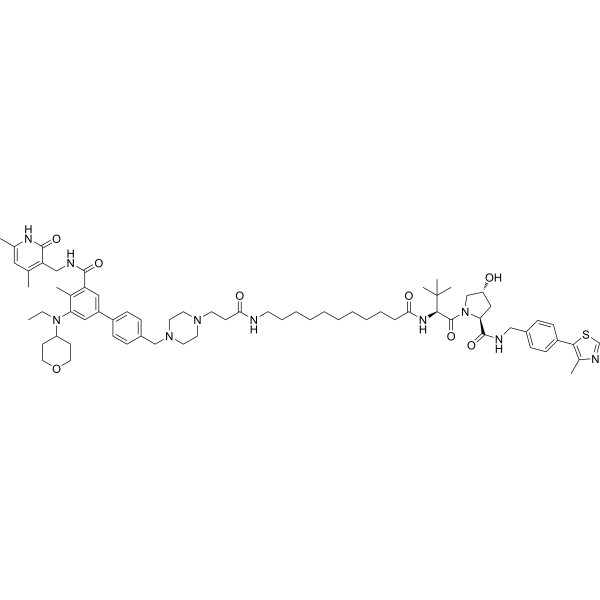
    MS8847 is a PROTAC degrader and antiproliferative agent targeting EZH2 (DC50=34.4 nM in EOL-1 MLL-rAML cells). MS8847 recruits the E3 ligase von Hippel-Lindau (VHL) to mediate the degradation of EZH2 via the ubiquitin-proteasome system. MS8847 induces antiproliferative effects in MLL-rearranged acute myeloid leukemia cells and inhibits the growth of triple-negative breast cancer cell lines or 3D triple-negative breast cancer models. MS8847 is applicable to research related to MLL-rearranged acute myeloid leukemia and triple-negative breast cancer .
    MS8847
  • HY-W110542H

    PEGDA (MW 10000)

    Biochemical Assay Reagents Others
    Poly(ethylene glycol) diacrylate (PEGDA) (MW 10000) is a versatile polymer material that is widely used as a building material for hydrogel scaffolds, especially in the fields of tissue engineering and regenerative medicine. Poly(ethylene glycol) diacrylate (MW 10000) can be used to create a three-dimensional (3D) breast cancer cell culture model .
    Poly(ethylene glycol) diacrylate (MW 10000)
  • HY-175207

    Glycosidase Cancer
    CHI3L1-IN-3 is a CHI3L1 inhibitor. CHI3L1-IN-3 binds to CHI3L1 with Kds of 13.76 μM and 13.5 μM in MST and SPR assays, respectively. CHI3L1-IN-3 demonstrates extended plasma half-lives and microsomal stability, along with reduced intrinsic clearance. CHI3L1-IN-3 induces dose-dependent cytotoxicity, reduces spheroid mass and inhibits migration in a 3D multicellular glioblastoma (GBM) spheroid model. CHI3L1-IN-3 can be used for the study of GBM .
    CHI3L1-IN-3
  • HY-141878

    RIBOTAC DNA/RNA Synthesis Neurological Disease
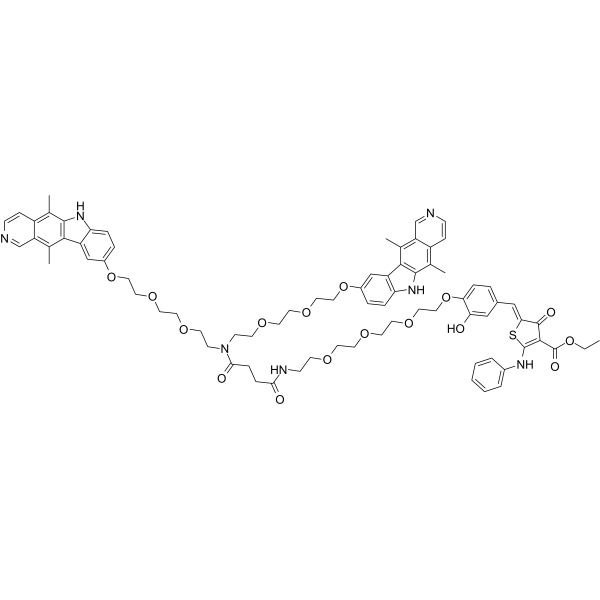
    di-Ellipticine-RIBOTAC is a RNase recruiting chimera (RIBOTAC) degrader, capable of specifically binding and degrading expanded G4C2 RNA repeat (r(G4C2) exp). di-Ellipticine-RIBOTAC selectively binds the three-dimensional (3D) structure formed by r(G4C2) exp and that recruits an endogenous ribonuclease (RNase) to cleave r(G4C2) exp. di-Ellipticine-RIBOTAC selectively degrades the mutant chromosome 9 open reading frame 72 (C9orf72) allele and reduces quantities of toxic dipeptide repeat proteins (DPRs) translated from r(G4C2) exp. di-Ellipticine-RIBOTAC significantly improves the pathological phenotype of amyotrophic lateral sclerosis/ frontotemporal dementia (c9ALS/FTD) in cells and mouse models. di-Ellipticine-RIBOTAC can be used for the study of amyotrophic lateral sclerosis (ALS) and frontotemporal dementia (FTD) .
    di-Ellipticine-RIBOTAC
  • HY-N0682S

    Pyridoxol-d3 hydrochloride; Vitamin B6-d3 hydrochloride

    Endogenous Metabolite Keap1-Nrf2 Neurological Disease
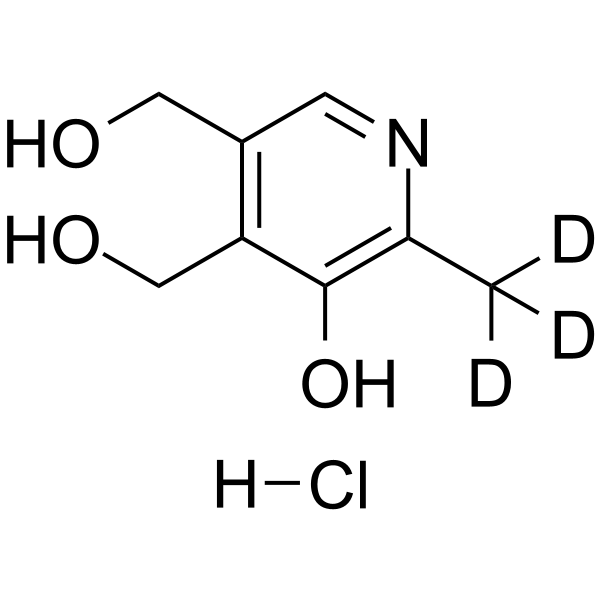
    Pyridoxine-d3 (hydrochloride) is the deuterium labeled Pyridoxine hydrochloride. Pyridoxine hydrochloride (Pyridoxol; Vitamin B6) is a pyridine derivative. Pyridoxine (Pyridoxol; Vitamin B6) exerts antioxidant effects in cell model of Alzheimer's disease via the Nrf-2/HO-1 pathway.
    Pyridoxine-d3 hydrochloride
  • HY-143792

    Huntingtin P-glycoprotein Neurological Disease
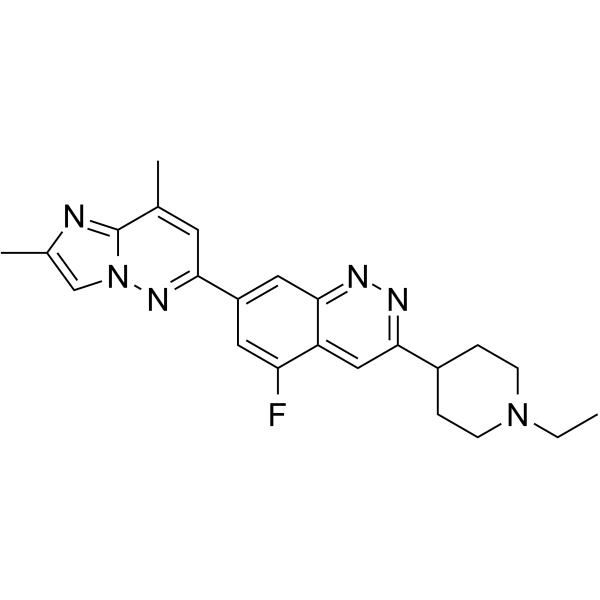
    HTT-D3 is an orally active, blood-brain barrier penetrant splicing modulator of huntingtin (HTT). HTT-D3 promotes the inclusion of a pseudo-exon containing a premature termination codon into HTT pre-mRNA, triggers nonsense-mediated mRNA degradation and reduces HTT protein levels. HTT-D3 induces dose-dependent, comparable reductions in mutant HTT protein in both the brain and peripheral tissues of transgenic mouse models. HTT-D3 can be used for the research of Huntington's disease .
    HTT-D3
  • HY-103252S
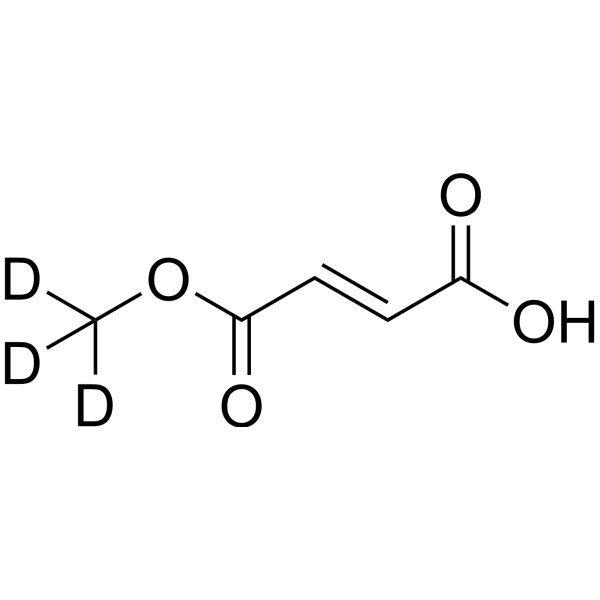
    Monomethyl fumarate-d3
    1 Publications Verification

    GPR109A Isotope-Labeled Compounds Drug Metabolite Neurological Disease Inflammation/Immunology
    Monomethyl fumarate-d3 is a deuterium labeled Monomethyl fumarate (HY-103252). Monomethyl fumarate, an active metabolite of Dimethyl fumarate (DMF) (HY-17363), is a potent GPR109A agonist. Monomethyl fumarate has the potential for multiple neuroprotective pathways and other models of retinal disease .
    Monomethyl fumarate-d3
  • HY-158223

    CMCSMA

    Biochemical Assay Reagents Others
    Carboxymethyl chitosan Methacryloyl (CMCSMA) is methacrylated carboxymethyl chitosan with properties as a 3D printing ink. A composite hydrogel made of Carboxymethyl chitosan Methacryloyl can effectively accelerate bone healing in an infectious microenvironment after implantation in a rat model of Staphylococcus aureus-infected femoral defect . Carboxymethyl chitosan Methacryloyl needs to self-assemble into fibrous hydrogel under the action of photoinitiator LAP (HY-44076), and target bioactive adhesion sites, play an inherent supporting role for tissue cells and biodegradable activity.
    Application: cell culture, biological 3D printing, tissue engineering, etc.
    Carboxymethyl chitosan Methacryloyl
  • HY-170780

    Parasite Dihydroorotate Dehydrogenase Infection
    DSM1465 (Compound 82) is a potent, selective inhibitor of P. falciparum dihydroorotate dehydrogenase (PfDHODH) with an IC50 value of 15 nM, inhibits P. falciparum 3D7 (Pf3D7) parasites with an EC50 value of 1.4 nM. DSM1465 shows potent in vivo activity in the humanized P. falciparum mouse model .
    DSM1465
  • HY-W008719S

    Mitochondrial Metabolism Neurological Disease
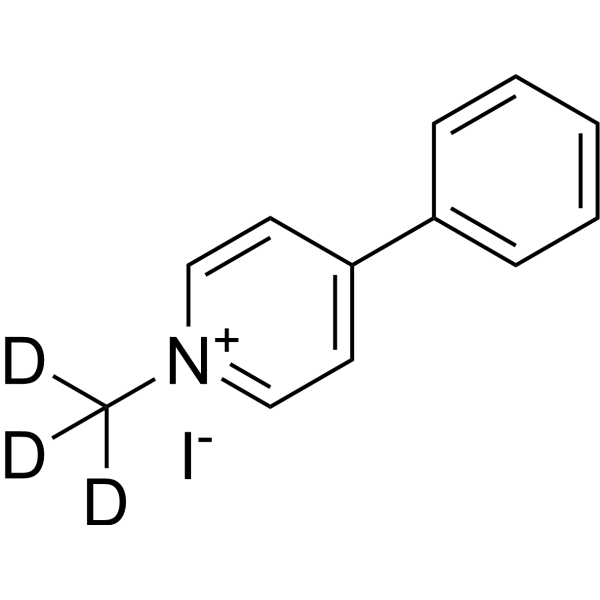
    MPP+-d3 (iodide) is deuterium labeled MPP+ (iodide). MPP+ iodide, a toxic metabolite of the neurotoxin MPTP, causes symptom of Parkinson's disease in animal models by selectively destroying dopaminergic neurons in substantia nigra. MPP+ iodide is taken up by the dopamine transporter into dopaminergic neurons where it exerts its neurotoxic action on mitochondria by affecting complex I of the respiratory chain. MPP+ iodide is also a high affinity substrate for the serotonin transporter (SERT) .
    MPP+-d3iodide
  • HY-W015600S

    Orthocetamol-d3

    Isotope-Labeled Compounds Ferroptosis Glutathione Peroxidase Reactive Oxygen Species (ROS) LDLR Cardiovascular Disease Inflammation/Immunology
    2-Acetamidophenol-d3 (Orthocetamol-d3) is the deuterium labeled 2-Acetamidophenol (HY-W015600). 2-Acetamidophenol (Orthocetamol) is a regulator that targets ferroptosis and glutathione metabolic pathways, is the ortho-regioisomer of Paracetamol (HY-66005). 2-Acetamidophenol has anti-atherosclerotic activity, and inhibiting total cholesterol (TC) and triglyceride (TG) in a zebrafish hyperlipidemia model with IC50s for 30 μM and 40 μM, respectively. 2-Acetamidophenol upregulates the expression of glutathione synthesis-related genes (such as GCLC, GCLM, GSS) and iron ion transport genes (such as FPN1, FTH), reduces the accumulation of intracellular reactive oxygen species (ROS) and ferrous ions (Fe2+), and enhances the activity of glutathione peroxidase GPX4, thereby inhibiting macrophage phagocytosis of oxidized low-density lipoprotein (ox-LDL) and foam cell formation .
    2-Acetamidophenol-d3
  • HY-134914

    Antibiotic Parasite Infection
    Fosmidomycin is an orally active antibiotic, which exhibits antimalarial activity through inhibition of 1-deoxy-D-xylulose 5-phosphate reductoisomerase (DOXP reductoisomerase). Fosmidomycin inhibits P. falciparum strains 3D7, HB3, Dd2 and A2, with IC50s of 150, 71, 170 and 150 ng/mL, respectively. Fosmidomycin exhibits synergistic effect with Clindamycin (HY-B1455), and ameliorates malaria in mouse model .
    Fosmidomycin
  • HY-161838

    ATM/ATR Cancer
    ICT10336 is a hypoxia-responsive prodrug of ATR inhibitor, AZD6738 (HY-19323). ICT10336 is hypoxia-activated and specifically releases AZD6738 only in hypoxic conditions in vitro. This can inhibit ATR activation (T1989 and S428 phosphorylation) and subsequently abrogate HIF1a-mediated adaptation of hypoxic cancers cells, thus selectively inducing cell death in 2D and 3D cancer models. ICT10336 is a metabolic substrate of CYPOR activity.
    ICT10336
  • HY-120281

    MEK PI3K Akt Apoptosis Caspase Cancer
    ST-168 is an orally active MEK/PI3K inhibitor with an IC50 of 182 nM against MEK1 and IC50 values ​​of 69.2, 41.7, 1482 and 2293 nM against PI3Kα, PI3Kδ, PI3Kβ and PI3Kγ respectively. ST-168 completely inhibits the phosphorylation of ERK1/2 and AKT and induces cancer cell death in a 3D tumor sphere model. ST-168 demonstrates significant antitumor effects in the A375 melanoma mouse model. ST-168 improves the ocular toxicity profile of MEK inhibitors, showing lower caspase activation levels, indicating reduced apoptosis induction. ST-168 can be used in melanoma research .
    ST-168
  • HY-B0310S

    Isotope-Labeled Compounds Histamine Receptor Inflammation/Immunology Endocrinology Cancer
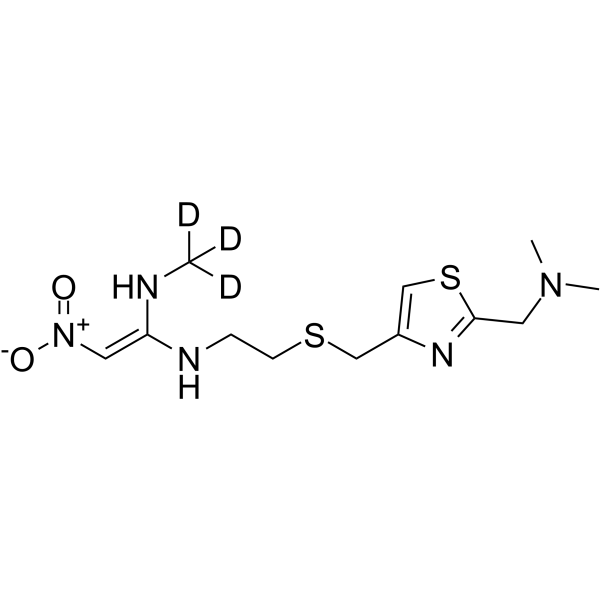
    Nizatidine-d3 is the deuterium labeled Nizatidine. Nizatidine is a potent and orally active histamine H2 receptor antagonist, can be used for the research of stomach?and?intestines ulcers. Nizatidine works by decreasing the secretion of gastric?acid the stomach makes and prevent ulcers from coming back after they have healed in animal models .
    Nizatidine-d3
  • HY-179382

    FLT3 Apoptosis Cancer
    HSB401 is an orally active FLT3 inhibitor (IC50: 28, 5, 72, 51 nM for FLT3-WT, FLT3-D835Y, FLT3-ITD-F691L, FLT3-ITD, respectively). HSB401 downregulates FLT3 signaling and induces cell cycle arrest and apoptosis. HSB401 spares c-KIT inhibition, thereby reducing the risk of myelosuppression. HSB401 significantly suppresses tumor growth in the MV4-11 xenograft mouse model. HSB401 can be used for the research of acute myeloid leukemia .
    HSB401
  • HY-155525

    PPAR Metabolic Disease Inflammation/Immunology
    Anti-NASH agent 1 (compound 3d),a derivative of Elafibranor (HY-16737),is a potent agonist of PPAR-α/δ,targeting to nonalcoholic steatohepatitis (NASH). Anti-NASH agent 1 (3-10 mg/kg; 4 weeks) improves hyperlipidemia,liver fat degeneration and liver inflammation in Methionine-choline deficiency (MCD) induced NASH mice model. Anti-NASH agent 1 shows low liver toxicity and potent liver protection effect .
    Anti-NASH agent 1
  • HY-139382

    Cytochrome P450 Neurological Disease
    2-(Isopentylamino)naphthalene-1,4-dione (compound 3d), a Vitamin K (HY-B2172) analogue, shows protection in Pentylenetetrazole (PTZ)-induced seizure model. 2-(Isopentylamino)naphthalene-1,4-dione significantly increases ATP levels in zebrafish as well as HT-22 cells. 2-(Isopentylamino)naphthalene-1,4-dione shows excellent permeability into the brain .
    2-(Isopentylamino)naphthalene-1,4-dione
  • HY-141878A

    RIBOTAC DNA/RNA Synthesis Neurological Disease
    di-Ellipticine-RIBOTAC TFA is a RNase recruiting chimera (RIBOTAC) degrader, capable of specifically binding and degrading expanded G4C2 RNA repeat (r(G4C2) exp). di-Ellipticine-RIBOTAC TFA selectively binds the three-dimensional (3D) structure formed by r(G4C2) exp and that recruits an endogenous ribonuclease (RNase) to cleave r(G4C2) exp. di-Ellipticine-RIBOTAC TFA selectively degrades the mutant chromosome 9 open reading frame 72 (C9orf72) allele and reduces quantities of toxic dipeptide repeat proteins (DPRs) translated from r(G4C2) exp. di-Ellipticine-RIBOTAC TFA significantly improves the pathological phenotype of amyotrophic lateral sclerosis/ frontotemporal dementia (c9ALS/FTD) in cells and mouse models. di-Ellipticine-RIBOTAC TFA can be used for the study of amyotrophic lateral sclerosis (ALS) and frontotemporal dementia (FTD) .
    di-Ellipticine-RIBOTAC TFA
  • HY-181306

    PROTACs Histone Methyltransferase Cancer
    PROTAC EZH2 Degrader-11 (compound 2) is a EZH2-targeting PROTAC protein degrader. PROTAC EZH2 Degrader-11 reduces tumor size and viability in 3D spheroid models. PROTAC EZH2 Degrader-11 can be used for the research of cancer .
    PROTAC EZH2 Degrader-11
  • HY-161341

    Photosensitizer Cancer
    β-Glucuronidase responsive conjugate 1 (compound 3) is a well-balanced photosensitizer which has photodynamic activity. β-Glucuronidase responsive conjugate 1 inhibits T-24 cell viability and growth with an IC50 of 0.2 μM. β-Glucuronidase responsive conjugate 1 can used to study bladder cancers .
    β-Glucuronidase responsive conjugate 1
  • HY-B0647S1

    3-n-Butylphthalide-d3; 3-Butylphthalide-d3

    Isotope-Labeled Compounds Neurological Disease
    Butylphthalide-d3 is the deuterium labeled Butylphthalide. Butylphthalide(3-n-Butylphthalide), an anti-cerebral-ischemia agent, is first isolated from the seeds of celery and showes efficacy in animal models of stroke.
    Butylphthalide-d3
  • HY-B1378S

    Isotope-Labeled Compounds Calcium Channel Neurological Disease
    Ethosuximide-d3 is the deuterium labeled Ethosuximide. Ethosuximide, a widely prescribed anti-epileptic agent, improves the phenotypes of multiple neurodegenerative disease models and blocks the low voltage activated T-type calcium channel .
    Ethosuximide-d3
  • HY-B1328S1

    Pyridoxol-d3

    NF-κB Neurological Disease
    Pyridoxine-d3 is a deuterium labeled Pyridoxine. Pyridoxine (Pyridoxol) is a pyridine derivative. Pyridoxine exerts antioxidant effects in cell model of Alzheimer's disease via the Nrf-2/HO-1 pathway .
    Pyridoxine-d3
  • HY-B0565S

    Isotope-Labeled Compounds Bacterial Parasite Others
    Ronidazole-d3 is the deuterium labeled Ronidazole (HY-B0565) . Ronidazole is a potent and orally active antiprotozoal and anti-microbial agent. Ronidazole acts as a veterinary agent against Tritrichomonas foetus?in cats models. Ronidazole can be used the research of forhistomoniasis?and?swine?dysentery .
    Ronidazole-d3
  • HY-W743952

    Isotope-Labeled Compounds Adrenergic Receptor Neurological Disease
    Nicergoline-d3 is the deuterium labeled Nicergoline (HY-B0702). Nicergoline, an ergoline derivative ester of bromonicotinic acid, is a potent, selective and orally active antagonist of α1A-adrenoceptor. Nicergoline has vasodilator effects. Nicergoline also has ameliorative effects on cognitive function in mouse models of Alzheimer's disease .
    Nicergoline-d3
  • HY-W757743

    ACP-196-d3

    Isotope-Labeled Compounds Others
    Acalabrutinib-d3 (ACP-196-d3) is the deuterated form of Acalabrutinib (HY-17600). Acalabrutinib (ACP-196) is an orally active, irreversible, highly selective second-generation BTK inhibitor. Acalabrutinib covalently binds to Cys481 in the ATP-binding pocket of BTK. Acalabrutinib shows strong targeting and efficacy in mouse models of chronic lymphocytic leukemia (CLL).
    Acalabrutinib-d3
  • HY-W747797

    Isotope-Labeled Compounds Apoptosis Cancer
    Cinobufagine-d3 is the deuterium labeled Cinobufagin (HY-N0421). Cinobufagin is an anticancer agent that can be secreted by the Asiatic toad Bufo gargarizans. Cinobufagin induces the cell cycle arrests in the G1 phase or G2/M phase, leading to apoptosis in cancer cells. Cinobufagin inhibits tumor growth in melanoma and glioblastoma multiforme xenograft mouse models .
    Cinobufagine-d3
  • HY-161551

    Biochemical Assay Reagents Inflammation/Immunology
    25-OH Vitamin D3/KLH is an antigen-adjuvant conjugate of 25-OH Vitamin D3 (HY-158285) and Keyhole Limpet Hemocyanin (KLH). By conjugating the antigen with the protein adjuvant, the production of antigen-specific antibodies in vaccine models can be enhanced. The conjugate does not affect protein folding or disrupt major epitopes, and it can enhance cross-presentation and the generation of antigen-specific T cells.
    25-OH Vitamin D3/KLH
  • HY-178147

    Parasite Infection
    Antimalarial agent 52 is an orally active formation of synthetic hemozoin (β-hematin) inhibitor with an IC50 of 6.6 μM. Antimalarial agent 52 exhibits in vitro antiplasmodial activity against P. falciparum Pf3D7, PfDd2 strains and P. knowlesi with IC50s of 6.1, 6.4 and 3.3 nM. Antimalarial agent 52 remain highly effective against multidrug-resistant strains and demonstrates curative activity in the P. berghei mouse model .
    Antimalarial agent 52
  • HY-174437B

    FLT3 Apoptosis STAT p38 MAPK Akt Cancer
    FLT3-IN-32 hydrochloride is a potent and orally active FLT3 inhibitor with an IC50s of 0.29 nM, 0.77 nM and 2.07 nM against FLT3-ITD, FLT3-D835Y and FLT-N676K. FLT3-IN-32 hydrochloride reduces the phosphorylation of FLT3 and its downstream signaling molecules (STAT5, MAPK, AKT) to induce FLT3-mutated Ba/F3 cells apoptosis. FLT3-IN-32 hydrochloride shows significant anti-tumor efficacy in n the MV4-11 xenograft model. FLT3-IN-32 hydrochloride can be used for the study of acute myeloid leukemia (AML) .
    FLT3-IN-32 hydrochloride
  • HY-147849

    Parasite Infection
    JMI-105 is a potent PfFP-2 (Plasmodium falciparum falcipain-2 protease) inhibitor. JMI-105 inhibits the growth of CQ S (3D7; IC50=8.8 µM) and CQ R (RKL-9; IC50=14.3 µM) strains of P. falciparum. JMI-105 significantly decreases parasitemia and prolonged host survival in a murine model with P. berghei ANKA infection. JMI-105 has the potential to be used as an anti-malarial agent .
    JMI-105
  • HY-B0531S

    Isotope-Labeled Compounds COX NF-κB Phosphodiesterase (PDE) NO Synthase Prostaglandin Receptor Infection Neurological Disease Inflammation/Immunology Cancer
    Triflusal-d3 is deuterium labeled Triflusal (HY-B0531). Triflusal is an orally bioavailable, blood-brain barrier-permeable dual Cyclooxygenase-1 (COX-1)/cAMP phosphodiesterase inhibitor. Triflusal inhibits platelet aggregation, NF-κB activation, iNOS activity, and prostaglandin synthesis in ischaemic tissue. Triflusal stimulates neutrophil nitric oxide production, eNOS protein expression, and cNOS activity. Triflusal alleviates cerebral ischemic injury in rats and ameliorates pathological lesions and related gene expression in transgenic Alzheimer’s disease models. Triflusal can be used for the research of thromboembolic/ischemic cardiovascular and cerebrovascular diseases, and Alzheimer’s disease .
    Triflusal-d3
  • HY-179719

    Bacterial Drug Intermediate Infection
    Anti-MRSA agent 41 (Compound 3d) is a prodrug of Mupirocin (HY-B0958), being a cholesterol disulfide conjugate of Mupirocin. Anti-MRSA agent 41 shows no antibacterial activity or cytotoxicity in vitro. Anti-MRSA agent 41 demonstrates strong anti-MRSA infection efficacy in systemic bacteremia and pneumonia mouse models. Anti-MRSA agent 41 can be used in antibiotic resistance research .
    Anti-MRSA agent 41
  • HY-162812

    Apoptosis Cholinesterase (ChE) Tau Protein Ferroptosis Histamine Receptor Neurological Disease
    H3R antagonist 4 (compound 11L) was a dual inhibitor of cholinesterase and histamine receptor (H3R), with corresponding IC50 of 7.04 μM (eeAChE), 9.73 μM (hAChE)(reversible) and 1.09 nM (H3R) , respectively. H3R antagonist 4 inhibited the aggregation of Aβ1-42 induced by itself and Cu 2+ (95.48% and 88.63%) , and degraded the Aβ1-42 fibrils induced by itself and Cu 2+ (80.16% and 89.30%) . H3R antagonist 4 chelate biometals such as Cu 2+, Zn 2+, Al 3+, and Fe 2+. H3R antagonist 4 significantly reduced tau protein hyperphosphorylation induced by Aβ1-42 and inhibited RSL-3-induced apoptosis and ferroptosis in PC12 cells. H3R antagonist 4 had the best blood-brain barrier permeability and intestinal absorption in hCMEC/D3 and hPepT1-MDCK cells.H3R antagonist 4 ameliorates learning and memory impairment in a mouse model of Alzheimer's disease induced by scopolamine (HY-N0296) .
    H3R antagonist 4
  • HY-15947G

    GDC-0994

    ERK c-Myc Hexokinase Lactate Dehydrogenase Cancer
    Ravoxertinib GMP is Ravoxertinib (HY-15947) produced by using GMP guidelines. GMP small molecules works appropriately as an auxiliary reagent for cell therapy manufacture. Ravoxertinib (GDC-0994) is an orally active ERK1/2 inhibitor. Ravoxertinib inhibits the ERK1/2 MAPK signaling pathway and reduces the expression levels of c-Myc, HK2 and LDHA. Ravoxertinib decreases mammosphere formation, and exerts additive and/or superadditive cytotoxicity when combined with Ipatasertib (HY-15186) in 3D tumor sphere models. Ravoxertinib can be used in research related to various cancers including breast cancer, melanoma, head and neck cancer, non-small cell lung cancer, ovarian cancer and Merkel cell carcinoma .
    Ravoxertinib
  • HY-19337S

    BAY 1896953-d3; ORM-15341-d3

    Isotope-Labeled Compounds Androgen Receptor Cancer
    Ketodarolutamide-d3 (BAY 1896953-d3) is the deuterium labeled Ketodarolutamide (HY-19337). Ketodarolutamide (ORM-15341) is a potent, high-affinity nonsteroidal competitive full antagonist of androgen receptor (AR). Ketodarolutamide displays a Ki value of 8 nM for rat wild-type AR and an IC50 value of 38 nM in AR-HEK293 cells . Ketodarolutamide inhibits testosterone-induced nuclear translocation of the AR and antagonizes both overexpressed and mutant ARs . Ketodarolutamide specifically suppresses the proliferation of AR-dependent prostate cancer cells and exhibits antitumor activity in models of castration-resistant prostate cancer (CRPC) . Ketodarolutamide is suitable for the mechanistic and therapeutic research of prostate cancer .
    Ketodarolutamide-d3
  • HY-181350

    Carbonic Anhydrase NAMPT Apoptosis Reactive Oxygen Species (ROS) ERK Akt DNA/RNA Synthesis Mitochondrial Metabolism Cancer
    CAIX/XII/NAMPT-IN-1 is a triple inhibitor of carbonic anhydrase IX/XII and nicotinamide phosphoribosyltransferase (NAMPT) with a hCA IX Ki of 78.1 nM, hCA XII Ki of 64.4 nM, and hNAMPT IC50 of 168 nM. CAIX/XII/NAMPT-IN-1 induces apoptosis, ROS accumulation, suppresses ERK/AKT signaling, inhibits DNA synthesis, and causes mitochondrial dysfunction. CAIX/XII/NAMPT-IN-1 exerts antiproliferative effects against multiple cancer cells under normoxic and hypoxic conditions. CAIX/XII/NAMPT-IN-1 can be used for the research of cancer, such as renal carcinoma, glioblastoma and colorectal cancer .
    CAIX/XII/NAMPT-IN-1
  • HY-119475S

    Isotope-Labeled Compounds Insecticide DNA/RNA Synthesis Bacterial Others
    Satranidazole-d3 is the deuterium labeled Satranidazole. Satranidazole is an orally active insecticide and antimicrobial agent with high electron affinity. Satranidazole forms reduced nitro intermediates, which interact with DNA, causing helix instability, strand breakage and release of thymidine derivatives. Satranidazole exhibits antitrichomonal activity against Trichomonas vaginalis and Trichomonas foetus, and antiamoebic activity in rodent models of hepatic amoebiasis and caecal amoebiasis. Satranidazole inhibits the replication of bacteriophage φX174 DNA. Satranidazole can be used in research related to caecal amoebiasis, trichomoniasis and anaerobic bacterial infections.
    Satranidazole-d3
  • HY-W010201S1

    (±)-Citronelloll-d3; (±)-β-Citronelloll-d3

    Isotope-Labeled Compounds Fungal PI3K Apoptosis ERK Autophagy TNF Receptor Reactive Oxygen Species (ROS) Atg8/LC3 Necroptosis p62 Cardiovascular Disease Neurological Disease Cancer
    Citronellol-d3 ( (±)-Citronelloll-d3) is the deuterium labeled Citronellol (HY-W010201). Citronellol ((±)-Citronellol) is an orally active inducer of apoptosis. Citronellol can prevent oxidative stress, mitochondrial dysfunction, and apoptosis in the SH-SY5Y cell Parkinson's disease model induced by 6-OHDA by regulating the ROS-NO, MAPK/ERK, and PI3K/Akt signaling pathways. Citronellol can induce necroptosis in human lung cancer cells through the TNF-α pathway and accumulation of ROS. Citronellol can reduce the levels of LC-3 and p62 to regulate the autophagy pathway, inhibit oxidative stress and neuroinflammation, and thus have neuroprotective effects on Parkinson's rats. Citronellol exhibits anti-fungal activity against Trichophyton rubrum by inhibiting ergosterol synthesis .
    Citronellol-d3
  • HY-W746542

    Isotope-Labeled Compounds Free Fatty Acid Receptor Neurological Disease
    Tricosanoic acid-d3 is the deuterium labeled Tricosanoic acid (HY-W009081). Tricosanoic acid is an endogenous agonist of long-chain saturated fatty acids and free fatty acid receptor FFAR1, which can activate hair growth. Tricosanoic acid (C23:0) has the activity of improving cognitive function by regulating neuronal membrane fluidity, inhibiting neuroinflammatory response, participating in myelination and neuronal energy metabolism. Tricosanoic acid expression levels are low in the prefrontal cortex of Alzheimer's disease (AD) models; while better cognitive performance corresponds to higher serum concentration levels. Tricosanoic acid can be used as a biomarker for diseases related to cognitive decline .
    Tricosanoic acid-d3
  • HY-P991883

    Licartin; Metuximab; Mehuzumab

    Apoptosis CDK Caspase Bcl-2 Family Cancer
    Metuzumab (Licartin) is a human-mouse chimeric IgG1 monoclonal antibody targeting CD147. Metuzumab induces Apoptosis, reduces levels of Cyclin D1, full-length Caspase-3, and Bcl-2, and increases Bax expression. Metuzumab enhances the sensitivity of non-small cell lung cancer (NSCLC) cells to Gemcitabine (HY-17026). Metuzumab is applicable for research on hepatocellular carcinoma and non-small cell lung cancer [1] [2].
    Metuzumab
  • HY-181559S

    AG06827

    mAChR Neurological Disease
    VU6025733 (AG06827) is a highly selective, orally active and blood-brain barrier-penetrant positive allosteric modulator of the muscarinic acetylcholine receptor subtype M4 (M4 mAChR). VU6025733 exerts a potentiating effect on acetylcholine-induced receptor activation with an EC50 of 23 nM for hM4 and 55 nM for rM4. VU6025733 shows high selectivity over other muscarinic acetylcholine receptor subtypes, dose-dependently reduces amphetamine-induced hyperlocomotion in rats. VU6025733 is applicable to the research of schizophrenia, Parkinson's disease, and Alzheimer's disease .
    VU6025733
  • HY-181086

    FLT3 HDAC Apoptosis Reactive Oxygen Species (ROS) Cancer
    FLT3/HDAC-IN-3 is a dual inhibitor of FLT3 and HDAC. FLT3/HDAC-IN-3 potently inhibits FLT3 (IC50 = 14 nM), HDAC1 (IC50 = 27 nM), HDAC6 (IC50 = 20 nM), and FLT3 D853Y (IC50 = 55 nM), exhibits weak activity against HDAC8, and shows no activity against HDAC4. FLT3/HDAC-IN-3 possesses kinase selectivity, plasma stability, and stability in human liver microsomes. FLT3/HDAC-IN-3 demonstrates anti-proliferative effects in a variety of hematological malignancy cell lines. FLT3/HDAC-IN-3 shows efficacy in the Jeko-1 xenograft model without observed significant toxicity. FLT3/HDAC-IN-3 can be used in the study of hematological malignancies .
    FLT3/HDAC-IN-3

Inquiry Online

Your information is safe with us. * Required Fields.

Salutation


Country or Region *

Applicant Name *


Organization Name *

Department *


Email Address *


Product Name *

Cat. No.


Requested quantity *

Phone Number *


Remarks

Inquiry Online

Inquiry Information

Product Name:
Cat. No.:
Quantity:
MCE Japan Authorized Agent:

