
1. Search Result
Search Result
Results for "

BBB-penetrable

" in MedChemExpress (MCE) Product Catalog:

119

Inhibitors & Agonists

2

Fluorescent Dye

13

Peptides

1

Inhibitory Antibodies

5

Natural
Products

11

Isotope-Labeled Compounds

2

Click Chemistry

Cat. No. Product Name Target Research Areas Chemical Structure
  • HY-12678
    Entrectinib
    25+ Cited Publications

    NMS-E628; RXDX-101

    ROS Kinase Trk Receptor Anaplastic lymphoma kinase (ALK) Autophagy Cancer
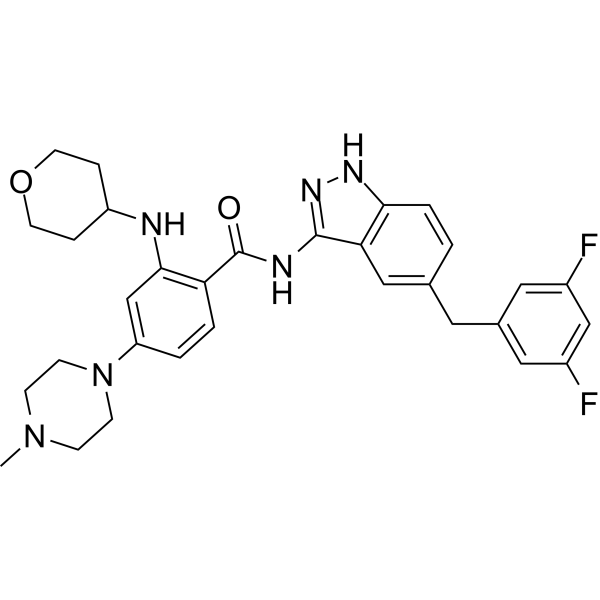
    Entrectinib (NMS-E628) is an orally active, BBB-penetrated and centrally active inhibitor of TrkA/B/C, ROS1 and ALK, with IC50 values of 1, 3, 5, 12 and 7 nM, respectively. Entrectinib induces apoptosis and cycle arrest in cancer cells, has antitumor activity, and attenuates bleomycin-induced lung fibrosis in mice .
    Entrectinib
  • HY-P1178
    Cyclotraxin B
    3 Publications Verification

    Trk Receptor p38 MAPK Neurological Disease
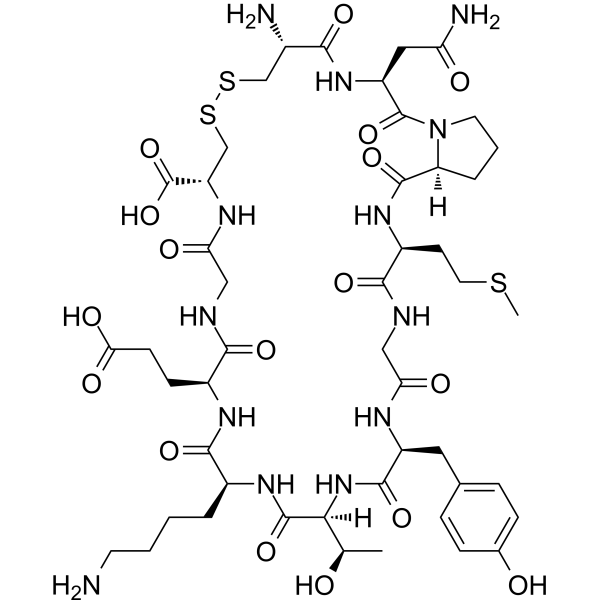
    Cyclotraxin B is a BBB-penetrable and selective TrkB inhibitor. Cyclotraxin B inhibits BDNF-induced TrkB activity in a non-competitive manner, with an IC50 of 0.30 nM. Cyclotraxin B has analgesic and anxiolytic effects .
    Cyclotraxin B
  • HY-B1715
    Oxiracetam
    1 Publications Verification

    ISF2522

    GABA Receptor NO Synthase Neurological Disease Inflammation/Immunology
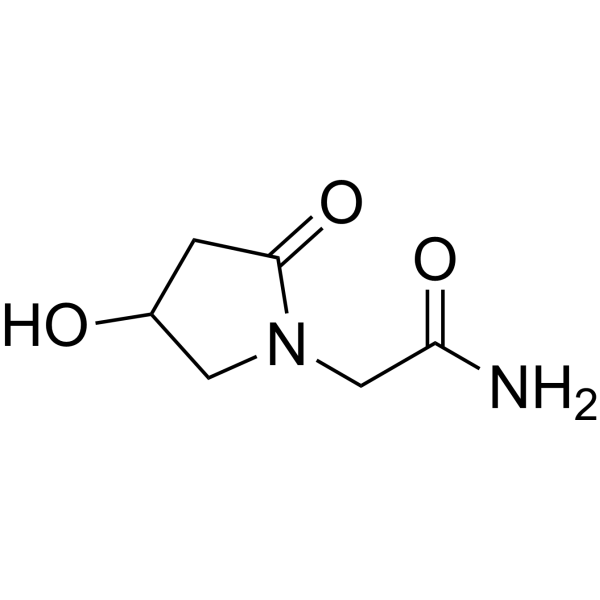
    Oxiracetam (ISF2522) is an orally active and a BBB-penetrable cyclic derivative of γ-aminobutyric acid (GABA). Oxiracetam reaches the hippocampus and cerebral cortex in high concentrations. Oxiracetam can promote cognitive function and regulate inflammatory response, with powerful neuroprotective effects. Oxiracetam can be used in the study of central nervous system diseases .
    Oxiracetam
  • HY-B0553
    Methazolamide
    4 Publications Verification

    L584601

    Carbonic Anhydrase Apoptosis Reactive Oxygen Species (ROS) Caspase Cardiovascular Disease Neurological Disease Inflammation/Immunology Cancer
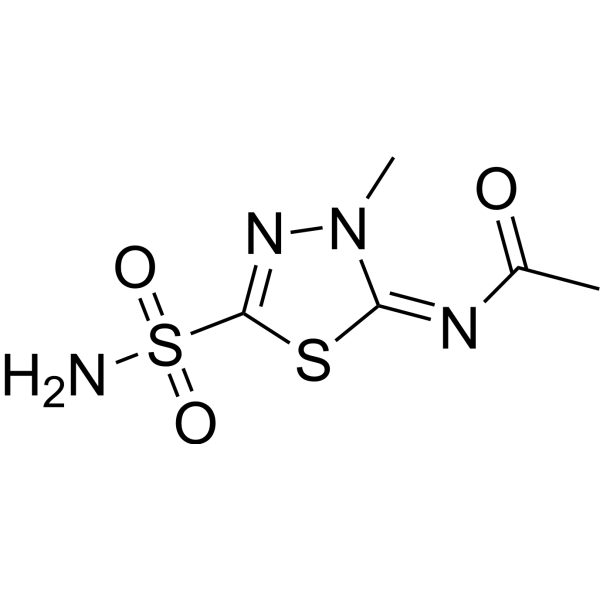
    Methazolamide (L584601) is a BBB-penetrable and orally active carbonic anhydrase inhibitor, with a Ki of 14 nM for human carbonic anhydrase II. Methazolamide can reduce intraocular pressure and has a neuroprotective effect, being able to inhibit neuronal apoptosis. Methazolamide can be used in the research of ophthalmic diseases such as glaucoma and cerebrovascular diseases such as subarachnoid hemorrhage .
    Methazolamide
  • HY-N1501
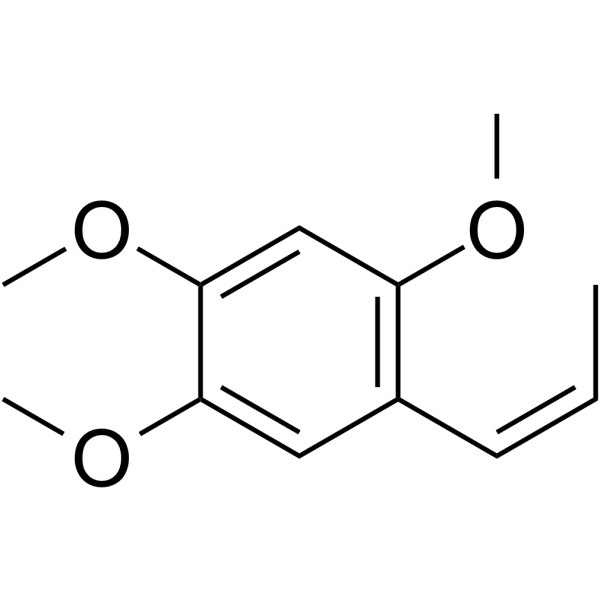
    Beta-asarone
    4 Publications Verification

    α-synuclein Cardiovascular Disease Neurological Disease Inflammation/Immunology
    Beta-asarone is an orally active and BBB-penetrable anti-inflammatory agent and neuroprotective agent, which is the major ingredient of Acorus tatarinowii Schott. Beta-asarone can protect nerve cells from apoptosis and autophagy, inhibit expression of α-synuclein, as well as myocardial protection. Beta-asarone can be used in the study of neurological and cardiovascular diseases .
    Beta-asarone
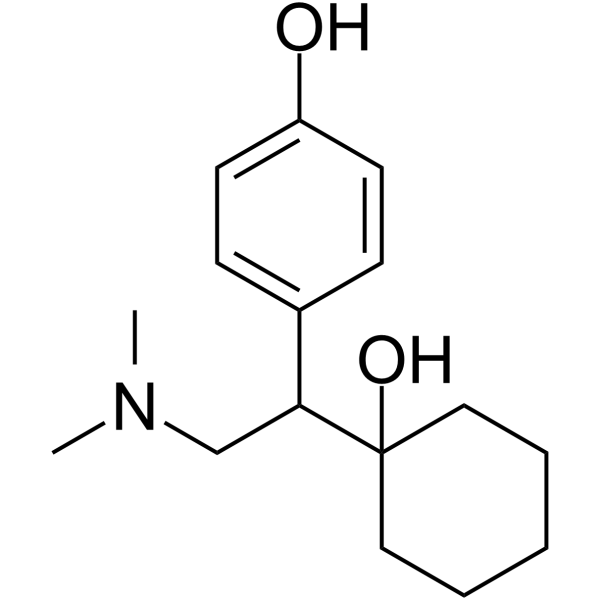
  • HY-B0602

    O-Desmethylvenlafaxine

    Environmental Pollutants Serotonin Transporter Neurological Disease
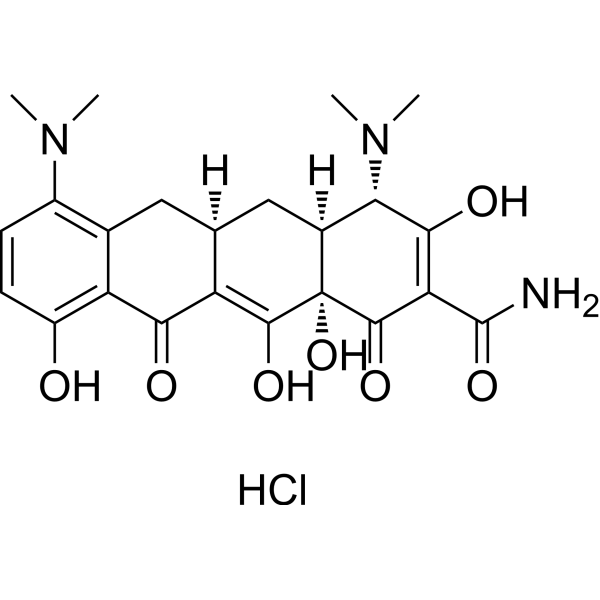
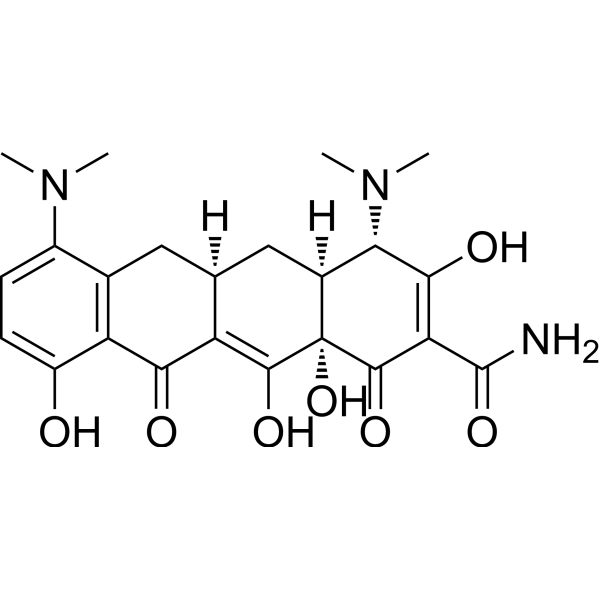
    Desvenlafaxine, the succinate salt form of the isolated major active metabolite of Venlafaxine (HY-B0196), is an orally active and BBB penetrated 5-HT and norepinephrine reuptake inhibitor, with IC50 values of 47.3 nM and 531.3 nM for hSERT and hNET, respectively. Desvenlafaxine shows weak binding affinity (62% inhibition at 100 μM) at the human dopamine (DA) transporter .
    Desvenlafaxine
  • HY-107744
    Nalmefene
    1 Publications Verification

    Opioid Receptor Apoptosis Reactive Oxygen Species (ROS) NO Synthase Toll-like Receptor (TLR) p38 MAPK NF-κB Cardiovascular Disease Neurological Disease Inflammation/Immunology
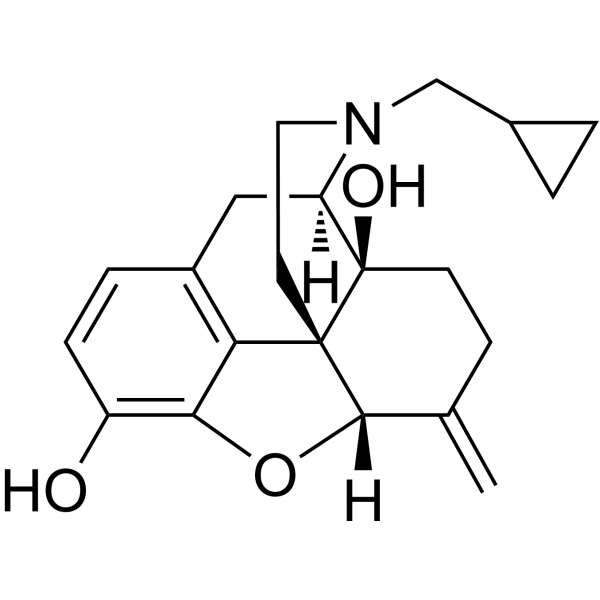
    Nalmefene is a BBB-penetrable opioid receptor modulator. Nalmefene is an antagonist of MOR and DOR, and a partial agonist of KOR. Nalmefene has anti-inflammatory and neuroprotective activities. Nalmefene can be used in the research of reducing alcohol-dependent disorders .
    Nalmefene
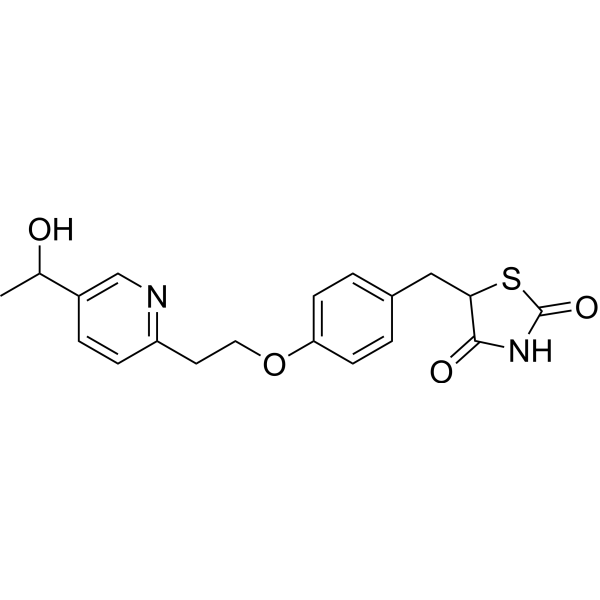
  • HY-117727

    MIN-102; Hydroxypioglitazone

    PPAR Neurological Disease Metabolic Disease Inflammation/Immunology
    Leriglitazone (MIN-102; Hydroxypioglitazone) is an orally active and a BBB-penetrable PPARγ agonist with an EC50 of 9 μM. Leriglitazone, as a regulator of mitochondrial function, has neuroprotective, anti-inflammatory and antioxidant effects. Leriglitazone can be used in the study of neuroinflammatory and neurodegenerative diseases .
    Leriglitazone
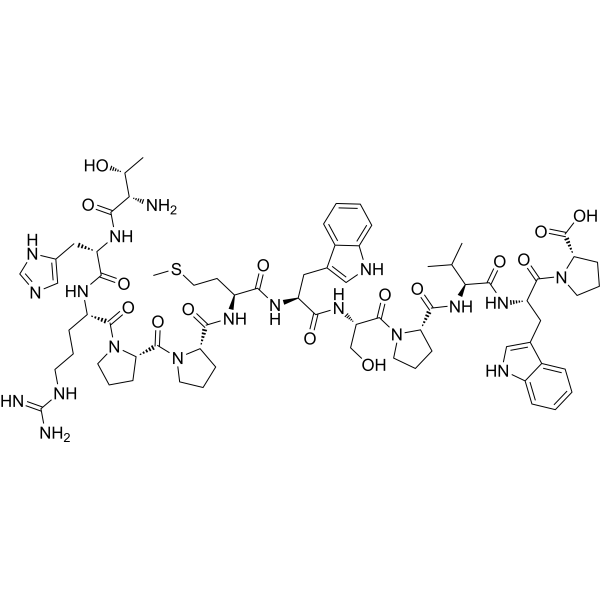
  • HY-P1146
    Semax
    1 Publications Verification

    Amyloid-β Cardiovascular Disease Neurological Disease Inflammation/Immunology
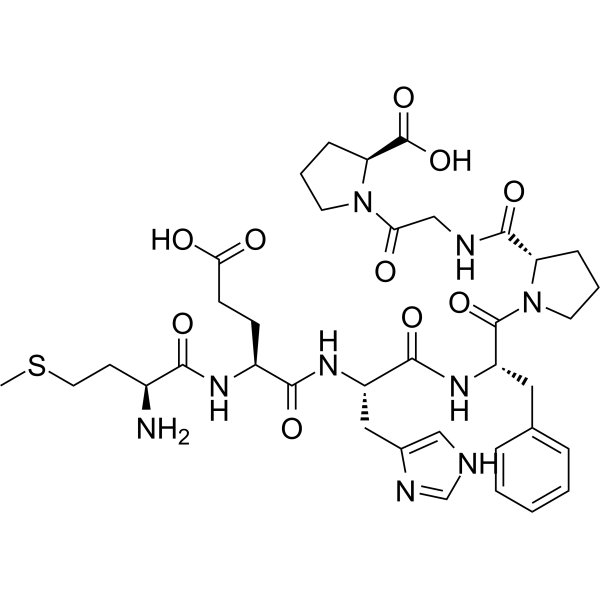
    Semax is a BBB-penetrable adrenocorticotropic hormone-like peptide and can form stable complexes with Cu 2+. Semax is a synthetic peptide analog of Adrenocorticotropic hormone (ACTH) (4-10). Semax has immunomodulatory, nootropic and neuroprotective activities. Semax can be used in the research of central nervous system diseases such as Alzheimer's disease and cerebral ischemia .
    Semax
  • HY-69019
    7-Nitroindazole
    1 Publications Verification

    NO Synthase Cardiovascular Disease Neurological Disease
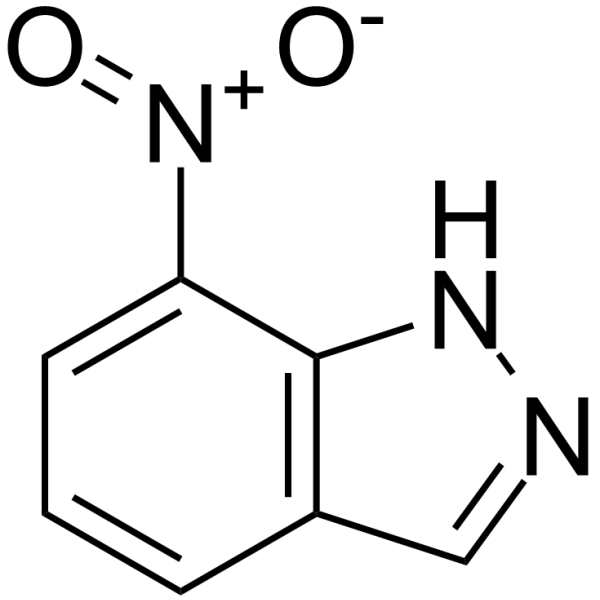
    7-Nitroindazole is a selective and BBB-penetrable inhibitor of nitric oxide synthase (NOS) (IC50 = 0.47 μM in mouse cerebellum). 7-Nitroindazole does not affect blood pressure or endothelium-dependent relaxation while inhibiting nNOS in experimental animals. 7-Nitroindazole has anti-injurious and neuroprotective properties, and can be studied in research for neurological diseases such as Parkinson’s disease .
    7-Nitroindazole
  • HY-19939S
    VX-984
    4 Publications Verification

    M9831

    DNA-PK Cancer
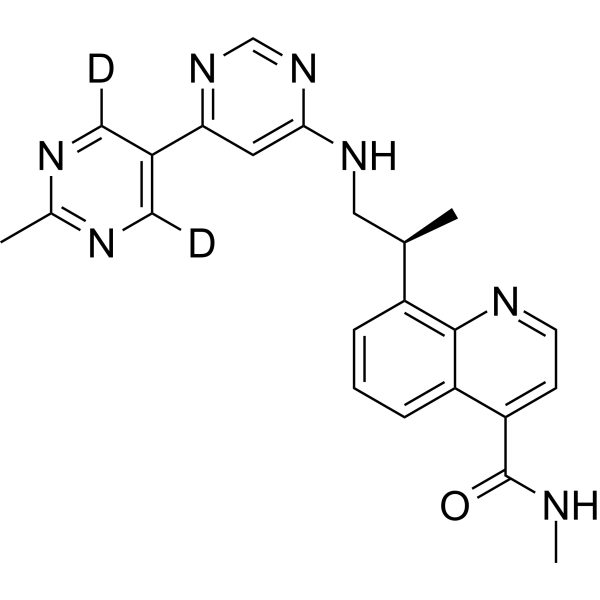
    VX-984 is an orally active, potent, selective and BBB-penetrated DNA-PK inhibitor. VX-984 efficiently inhibits NHEJ (non-homologous end joining) and increases DSBs (DNA double-strand breaks). VX-984 can be used for glioblastomas (GBM) and non-small cell lung cancer (NSCLC) research. VX-984 is a de novo deuterium .
    VX-984
  • HY-101449
    Adaptaquin
    2 Publications Verification

    HIF/HIF Prolyl-Hydroxylase Reactive Oxygen Species (ROS) Neurological Disease Metabolic Disease Inflammation/Immunology
    Adaptaquin is a BBB-penetrable HIF-PHDs inhibitor. Adaptaquin has anti-inflammatory and neuroprotective effects. Adaptaquin can effectively inhibit lipid peroxidation, maintain mitochondrial function, and reduce neuronal death. Adaptaquin can be used in the research of nervous system diseases such as Parkinson's disease .
    Adaptaquin
  • HY-P2297

    Transferrin Receptor Metabolic Disease
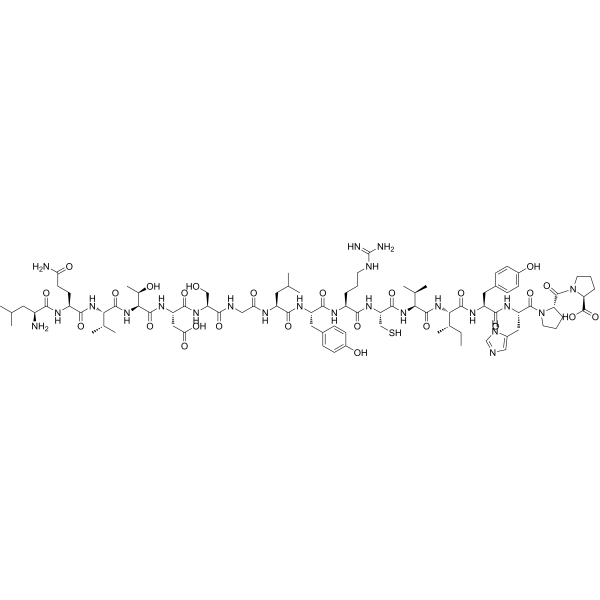
    TfR-T12 is a BBB-penetrated transferrin receptor (TfR) binding peptide, displaying a binding affinity in the nM range .
    TfR-T12
  • HY-B0602A

    O-Desmethylvenlafaxine succinate hydrate

    Serotonin Transporter Neurological Disease
    Desvenlafaxine succinate hydrate, the succinate salt form of the isolated major active metabolite of Venlafaxine (HY-B0196), is an orally active and BBB penetrated 5-HT and norepinephrine reuptake inhibitor, with IC50 values of 47.3 nM and 531.3 nM for hSERT and hNET, respectively. Desvenlafaxine succinate hydrate shows weak binding affinity (62% inhibition at 100 μM) at the human dopamine (DA) transporter .
    Desvenlafaxine succinate hydrate
  • HY-107566

    Histamine Receptor Parasite MDM-2/p53 NF-κB FOXO Bacterial Infection Neurological Disease
    Conessine is an orally active and BBB-penetrable selective histamine H3 receptor antagonist. The pKi values of Conessine for rat and human H3 receptors are 7.61 and 8.27, respectively. Conessine is an inhibitor of the multidrug efflux pump system in Pseudomonas aeruginosa and can enhance the activity of antibiotics. Conessine has antimalarial activity. Conessine can also be used in the research of muscle atrophy .
    Conessine
  • HY-138669

    PROTACs Tau Protein Neurological Disease
    C004019 is a BBB-penetrable and small-molecule PROTAC that targets tau. C004019 can simultaneously recruit tau and E3 ligase, and effectively clear tau proteins by promoting the ubiquitination and proteasome-dependent degradation of tau, thereby improving synaptic and cognitive functions in Alzheimer's disease (AD) mice. C004019 can be used in the research of AD and tau protein-related diseases. (Pink: Ligand for target protein (HY-138679); Black: linker (HY-140189); Blue: E3 Ligase Ligand (HY-138678))
    C004019
  • HY-148787

    SAR443820; DNL788

    RIP kinase Neurological Disease Inflammation/Immunology
    Oditrasertib (SAR443820) is an orally active, BBB-penetrable and selective reversible inhibitor of RIPK1. Oditrasertib can be used in the research of chronic inflammatory central nervous system diseases, such as amyotrophic lateral sclerosis and multiple sclerosis .
    Oditrasertib
  • HY-117727A

    MIN-102 hydrochloride; Hydroxypioglitazone hydrochloride

    PPAR Neurological Disease Metabolic Disease Inflammation/Immunology
    Leriglitazone (MIN-102; Hydroxypioglitazone) hydrochloride is an orally active and a BBB-penetrable PPARγ agonist with an EC50 of 9 μM. Leriglitazone hydrochloride, as a regulator of mitochondrial function, has neuroprotective, anti-inflammatory and antioxidant effects. Leriglitazone hydrochloride can be used in the study of neuroinflammatory and neurodegenerative diseases .
    Leriglitazone hydrochloride
  • HY-P1146A
    Semax acetate
    1 Publications Verification

    Amyloid-β Cardiovascular Disease Neurological Disease Inflammation/Immunology
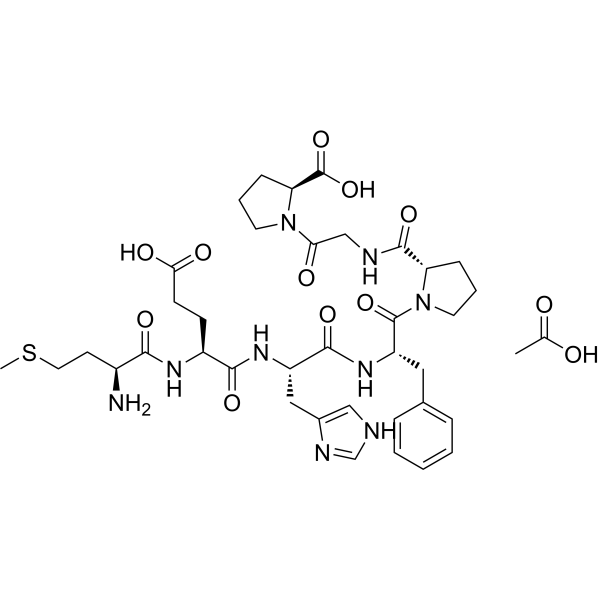
    Semax acetate is a BBB-penetrable adrenocorticotropic hormone-like peptide and can form stable complexes with Cu 2+. Semax acetate is a synthetic peptide analog of Adrenocorticotropic hormone (ACTH) (4-10). Semax acetate has immunomodulatory, nootropic and neuroprotective activities. Semax acetate can be used in the research of central nervous system diseases such as Alzheimer's disease and cerebral ischemia .
    Semax acetate
  • HY-164284

    Sodium Channel Neurological Disease
    LK-2 is an antagonist for ASIC1a with a Kd of 1.9 μM. LK-2 reduces glutamate-induced ASIC1a current-enhancement with an IC50 of 6.6 μM. LK-2 exhibits neuroprotective efficacy in mouse ischemic stroke model, with improved motor and coordination skills. LK-2 is blood-brain barrier (BBB) penetrable .
    LK-2
  • HY-153773
    Z4P
    3 Publications Verification

    IRE1 Cancer
    Z4P is a BBB-penetrable IRE1 inhibitor with an IC50 of 1.13 μM. Z4P in combination with Temozolomide (HY-17364) inhibits the growth and recurrence of glioblastoma and has anti-tumor activity .
    Z4P
  • HY-10851

    JNK Reactive Oxygen Species (ROS) Neurological Disease
    JNK-9L (Compound 9l) is a BBB-penetrable and ATP-competitive JNK inhibitor with IC50s of 0.099 and 0.148  μM for JNK1 and JNK3, respectively. JNK-9L significantly inhibits c-jun phosphorylation and Streptozotocin (HY-13753)-induced ROS generation with an IC50 of 0.8  nM. JNK-9L can be used for neurodegenerative disorders like Parkinson’s disease research .
    JNK-9L
  • HY-N1501R

    α-synuclein Reference Standards Cardiovascular Disease Neurological Disease Inflammation/Immunology
    Beta-asarone (Standard) is the analytical standard of Beta-asarone. This product is intended for research and analytical applications. Beta-asarone is an orally active and BBB-penetrable anti-inflammatory agent and neuroprotective agent, which is the major ingredient of Acorus tatarinowii Schott. Beta-asarone can protect nerve cells from apoptosis and autophagy, inhibit expression of α-synuclein, as well as myocardial protection. Beta-asarone can be used in the study of neurological and cardiovascular diseases .
    Beta-asarone (Standard)
  • HY-P2343

    Apoptosis Cancer
    BH3 hydrochloride, a BBB penetrated peptide, provoke apoptosis either by direct activation of pro-apoptotic Bax/Bak or by neutralizing anti-apoptotic Bcl-2 proteins (Bcl-2, Bcl-XL, Bcl-w, Mcl-1 and A-1) via their BH3 domian .
    BH3 hydrochloride
  • HY-130630

    mGluR Neurological Disease
    mGluR2 modulator 1 (compound 95) is a potent and BBB-penetrated mGluR2 (metabotropic glutamate receptor-2) positive allosteric modulator, with an EC50 of 0.03 μM. mGluR2 modulator 1 can be used for psychosis research .
    mGluR2 modulator 1
  • HY-P99694

    JR-171

    Transferrin Receptor Neurological Disease
    Lepunafusp alfa (JR-171) is a BBB-penetrable fusion protein consisting of J-Brain Cargo and IDUA (a lysosomal enzyme, α-L-iduronidase). Lepunafusp alfa can reduce concentration of heparan sulfate (HS) and dermatan sulfate (DS). Lepunafusp alfa can be used for research of mucopolysaccharidosis type I .
    Lepunafusp alfa
  • HY-D2268

    Fluorescent Dye Amyloid-β Neurological Disease
    QM-FN-SO3 is a BBB-penetrable near-infrared (NIR) aggregation-induced emission (AIE)-active probe for Aβ plaques. QM-FN-SO3 can be used for in vivo detection of Aβ plaques. QM-FN-SO3 has ultra-high S/N ratio, binding affinity, and high-performance NIR emission .
    QM-FN-SO3
  • HY-144898

    Microtubule/Tubulin Apoptosis Cancer
    SB-216 is an BBB-penetrable tubulin polymerization inhibitor. SB-216 can inhibit the proliferation and migration, and induce apoptosis and cell cycle arrest of tumor cells. SB-216 has good in vivo metabolic stability and low toxicity, but its oral bioavailability is limited. SB-216 has antitumor activity and can be used in the research of tumors such as melanoma .
    SB-216
  • HY-P2297A

    Transferrin Receptor Metabolic Disease
    TfR-T12 TFA is a BBB-penetrated transferrin receptor (TfR) binding peptide, displaying a binding affinity in the nM range .
    TfR-T12 TFA
  • HY-169116

    Dopamine Receptor Neurological Disease
    D5R agonist 1 (Compound 5j) is a selective, orally active and BBB penetrable D5R partial agonist (EC50: 269.7 nM). D5R agonist 1 enhances the cognition in the Scopolamine (HY-N0296)-induced amnesia model .
    D5R agonist 1
  • HY-152671

    Monoamine Oxidase Neurological Disease
    hMAO-B-IN-4 (compound B10) is a selective, reversible and blood–brain barrier (BBB) penetrable human monoamine oxidase-B (hMAO-B) inhibitor with an IC50 value and a Ki value of 0.067 and 0.03 μM, respectively. hMAO-B-IN-4 inhibits hMAO-A with an IC50 value of 33.82 μM. hMAO-B-IN-4 can be used for Alzheimer’s disease (AD) and Parkinson’s disease (PD) research .
    hMAO-B-IN-4
  • HY-P3223A

    Opioid Receptor Neurological Disease
    Biphalin acetate, a BBB-penetrable opioid peptide analog, contains two active enkephalin pharmacophores.Biphalin acetate has high affinity for opioid receptors. Biphalin acetate shows analgesic effect in acute, neuropathic, and chronic animal pain models. Biphalin acetate is also an antiviral, antiproliferative, anti-inflammatory, and neuroprotective agent .
    Biphalin acetate
  • HY-153660A

    MC-4R Agonist 2 hydrochloride

    Melanocortin Receptor Metabolic Disease
    Bivamelagon (MC-4R Agonist 2) hydrochloride is an orally active and BBB-penetrable MC4R agonist with EC50 values of 0.562 nM (Luci assay) and 36.5 nM (cAMP assay), and a Ki of 65 nM. Bivamelagon hydrochloride can be used for the research of diseases such as obesity and diabetes .
    Bivamelagon hydrochloride
  • HY-P10782

    Peptide-Drug Conjugates (PDCs) Cancer
    Pt(IV)-M13 is a BBB-penetrable Platinum (IV) prodrug-perfluoroaryl macrocyclic peptide conjugate. Pt(IV)-M13 is cytotoxic to glioma stem cells and increases uptake of platinum in the brain. Pt(IV)-M13 can be used in the study of glioblastoma .
    Pt(IV)-M13
  • HY-19070

    Opioid Receptor Cardiovascular Disease
    BRL-52656 is a blood-brain barrier (BBB)-penetrable KOR receptor agonist that exhibits a biphasic effect. At low doses, BRL-52656 decreases blood pressure, whereas high doses have the opposite effect in spontaneously hypertensive rats. Additionally, BRL-52656 induces water diuresis by inhibiting the secretion of vasopressin (AVP) .
    BRL-52656
  • HY-117727S

    MIN-102-d4; Hydroxypioglitazone-d4

    Isotope-Labeled Compounds PPAR Neurological Disease Metabolic Disease Inflammation/Immunology
    Leriglitazone-d4 (MIN-102-d4; Hydroxypioglitazone-d4) is deuterium labeled Leriglitazone. Leriglitazone is an orally active and a BBB-penetrable PPARγ agonist with an EC50 of 9 μM. Leriglitazone, as a regulator of mitochondrial function, has neuroprotective, anti-inflammatory and antioxidant effects. Leriglitazone can be used in the study of neuroinflammatory and neurodegenerative diseases .
    Leriglitazone-d4
  • HY-B1715R

    ISF2522 (Standard)

    Reference Standards GABA Receptor NO Synthase Neurological Disease Inflammation/Immunology
    Oxiracetam (Standard) is the analytical standard of Oxiracetam. This product is intended for research and analytical applications. Oxiracetam (ISF2522) is an orally active and a BBB-penetrable cyclic derivative of γ-aminobutyric acid (GABA). Oxiracetam reaches the hippocampus and cerebral cortex in high concentrations. Oxiracetam can promote cognitive function and regulate inflammatory response, with powerful neuroprotective effects. Oxiracetam can be used in the study of central nervous system diseases .
    Oxiracetam (Standard)
  • HY-107566A

    Histamine Receptor Parasite MDM-2/p53 NF-κB FOXO Bacterial Infection Neurological Disease
    Conessine dihydrobromide is an orally active and BBB-penetrable selective histamine H3 receptor antagonist. The pKi values of Conessine dihydrobromide for rat and human H3 receptors are 7.61 and 8.27, respectively. Conessine dihydrobromide is an inhibitor of the multidrug efflux pump system in Pseudomonas aeruginosa and can enhance the activity of antibiotics. Conessine dihydrobromide has antimalarial activity. Conessine dihydrobromide can also be used in the research of muscle atrophy .
    Conessine dihydrobromide
  • HY-174339

    Phosphodiesterase (PDE) Heme Oxygenase (HO) NF-κB Neurological Disease Inflammation/Immunology
    Neuroprotective agent 12 is an orally active and BBB-penetrable neuroprotective agent. Neuroprotective agent 12 has potent neuroprotective effects with robust anti-oxidation and anti-inflammation. Neuroprotective agent 12 significantly inhibits glutamate- and acrolein-induced cell death, reduces PDE4B expression but increases the HO-1, p-CREB and BDNF levels. Neuroprotective agent 12 exhibits potent neuroprotection in traumatic brain injury (TBI) mice model, promising for TBI and other central nervous system diseases .
    Neuroprotective agent 12
  • HY-174312

    NOD-like Receptor (NLR) Pyroptosis Caspase Interleukin Related Inflammation/Immunology
    NLRP3-IN-81 (N102) is a BBB-penetrable inhibitor against NLRP3 inflammasome-dependent pyroptosis with an EC50 of 0.029 μM against cell pyroptosis induced by Nigericin (HY-127019). NLRP3-IN-81 potently inhibits NLRP3-dependent activation of caspase-1 and the release of IL-1β. NLRP3-IN-81 disturbs the interaction of NLRP3 with the adaptor protein ASC and inhibits ASC oligomerization. NLRP3-IN-81 can be used for pyroptosis-related diseases research, such as inflammatory bowel diseases and type 2 diabetes .
    NLRP3-IN-81
  • HY-119953

    mAChR Neurological Disease
    BIBN-99 is a selective, BBB-penetrable and competitive muscarinic M2 receptor antagonist. BIBN-99 improves cognitive performancein rats with traumatic brain injury .
    BIBN-99
  • HY-147681

    FGFR Neurological Disease
    SUN13837 is an orally active, potent and BBB-penetrated FGFR (fibroblast growth factor receptor) modulator. SUN13837 shows neuroprotective activity. SUN13837 can be used for neurodegenerative diseases research .
    SUN13837
  • HY-W754114

    Isotope-Labeled Compounds Opioid Receptor Apoptosis Reactive Oxygen Species (ROS) NO Synthase Toll-like Receptor (TLR) p38 MAPK NF-κB Cardiovascular Disease Neurological Disease Inflammation/Immunology
    Nalmefene Sulfate-d3 is the deuterium labeled Nalmefene (HY-107744). Nalmefene is a BBB-penetrable opioid receptor modulator. Nalmefene is an antagonist of MOR and DOR, and a partial agonist of KOR. Nalmefene has anti-inflammatory and neuroprotective activities. Nalmefene can be used in the research of reducing alcohol-dependent disorders .
    Nalmefene Sulfate-d3
  • HY-B0602S2

    Isotope-Labeled Compounds Serotonin Transporter Neurological Disease
    Desvenlafaxine-d6 is deuterium labeled Desvenlafaxine. Desvenlafaxine, the succinate salt form of the isolated major active metabolite of Venlafaxine (HY-B0196), is an orally active and BBB penetrated 5-HT and norepinephrine reuptake inhibitor, with IC50 values of 47.3 nM and 531.3 nM for hSERT and hNET, respectively. Desvenlafaxine shows weak binding affinity (62% inhibition at 100 μM) at the human dopamine (DA) transporter .
    Desvenlafaxine-d6
  • HY-12678R

    NMS-E628 (Standard); RXDX-101 (Standard)

    Reference Standards ROS Kinase Trk Receptor Anaplastic lymphoma kinase (ALK) Autophagy Cancer
    Entrectinib (Standard) is the analytical standard of Entrectinib. This product is intended for research and analytical applications. Entrectinib (NMS-E628) is an orally active, BBB-penetrated and centrally active inhibitor of TrkA/B/C, ROS1 and ALK, with IC50 values of 1, 3, 5, 12 and 7 nM, respectively. Entrectinib induces apoptosis and cycle arrest in cancer cells, has antitumor activity, and attenuates bleomycin-induced lung fibrosis in mice .
    Entrectinib (Standard)
  • HY-171981

    mAChR Neurological Disease
    VU6002703 (Compound 17) is a BBB-penetrable M4 mAChR positive allosteric modulator (PAM) with an EC50 of 0.6  μM for hM4. VU6002703 can be used for neuropsychiatric and rare genetic CNS disorders research .
    VU6002703
  • HY-P3223

    Opioid Receptor Neurological Disease
    Biphalin TFA, a BBB-penetrable opioid peptide analog, contains two active enkephalin pharmacophores. Biphalin TFA has high affinity for opioid receptors. Biphalin TFA shows analgesic effect in acute, neuropathic, and chronic animal pain models. Biphalin TFA is also an antiviral, antiproliferative, anti-inflammatory, and neuroprotective agent .
    Biphalin TFA
  • HY-125602

    Adenosine Receptor Neurological Disease
    MNI-444 is a BBB-penetrable ligand of adenosine 2A receptor (A2AR). A2AR is a potential non-dopaminergic target for the research of Parkinson’s disease .
    MNI-444
  • HY-155024

    Parasite Infection
    HAT-IN-8 (Compound 38) is a BBB-penetrable T. brucei inhibitor (EC50: 0.18 μM). HAT-IN-8 can be used for the research of Human African trypanosomiasis .
    HAT-IN-8
  • HY-153432

    Cholinesterase (ChE) Neurological Disease Cancer
    TRV-7019 is a BBB-penetrable radioligand for brain imaging that target butyrylcholinesterase. TRV-7019 can be used for the diagnosis of an amyloid disease, multiple sclerosis, a brain tumor, or butyrylcholinesterase activity .
    TRV-7019

Inquiry Online

Your information is safe with us. * Required Fields.

Salutation


Country or Region *

Applicant Name *


Organization Name *

Department *


Email Address *


Product Name *

Cat. No.


Requested quantity *

Phone Number *


Remarks

Inquiry Online

Inquiry Information

Product Name:
Cat. No.:
Quantity:
MCE Japan Authorized Agent:

