

From 11:00 pm to 12:00 pm EST ( 8:00 pm to 9:00 pm PST ) on January 6th, the website will be under maintenance. We are sorry for the inconvenience. Please arrange your schedule properly.
CD19 CAR mRNA (Human) expresses CAR protein that specifically targets human CD19. CD19 CAR mRNA can trigger transitory expression of CAR, allowing T cells to be targeted without permanent genetic modification. CD19 CAR mRNA targets CD19 which is a transmembrane glycoprotein primarily expressed on B lymphocytes and is important in B cell activation. CD19 CAR mRNA can be studied in cancer research such as lymphoma and leukemia .
ML-T7 is a potent Tim-3 inhibitor. ML-T7 blocks Tim-3 interactions with PtdSer and CEACAM1. ML-T7 not only enhances the antitumor activity of adoptive transfer therapy with cytotoxic T lymphocytes (CTLs) and CART cells but also increases the effector function of T cell. ML-T7 promotes NK cells’ killing activity against tumor cells and DC antigen-presenting capacity. ML-T7 directly exerts antitumor efficacy in preclinical tumor models either alone or in combination with Nivolumab (HY-P9903A). ML-T7 can be used for tumor immunotherapy research .
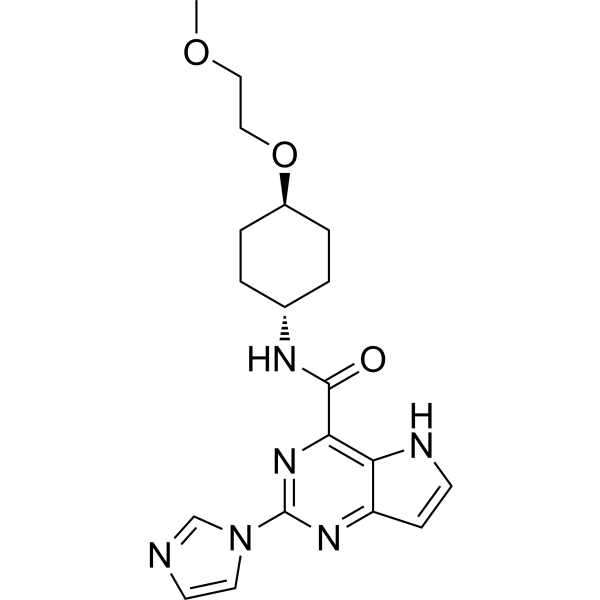
BMS-986408 is an orally active inhibitor of DGKα and DGKζ, with IC50 values of 0.0003 μM and 0.002 μM, respectively. BMS-986408 activates intratumoral T cell responses, enhances the priming and expansion of tumor-reactive T cells in tumor-draining lymph nodes, and functions as an immunostimulant. BMS-986408 can be used in the research of tumors .
2A3 (2-aminopyridine-3-carboxylic acid imidazolide) is a T cell activator that specifically binds to CEACAM6 and CEACAM5. 2A3 exhibits enzymatic activity that catalyzes the glucuronidation of specific substrates (e.g., 1-naphthol), and possesses significant cytotoxic activity. When integrated into CART cells or used alone, 2A3 acts by inducing cytokine release, degranulation, and direct cytotoxicity. 2A3 kills pancreatic and breast cancer cells with high target antigen expression in vitro, and significantly inhibits the growth of pancreatic cancer xenografts in vivo. 2A3 broadly targets malignant tumors with overexpressed CEACAM5, CEACAM6, or co-expressed both, and shows high expression mainly in tissues such as the liver and colon. 2A3 serves as an important research tool for the immunotherapy of pancreatic and breast cancer . 2A3 is a novel SHAPE reagent, which can be used for the analysis of RNA structure both in vitro and in vivo . 2A3 is an electrophilic chemical probe that acylates the 2'-OH in the RNA backbone. 2A3 can be used for RNA SHAPE-MaP experiments and is capable of analyzing the RNA secondary structures at single nucleotide resolution.
PROTAC IDO1 Degrader-1 is the first potent IDO1 (indoleamine 2,3-dioxygenase 1) degrader that hijacks IDO1 to Cereblon E3 ligase to introduce IDO1 into UPS and eventually achieve ubiquitination and degradation (DC50=2.84 μM). PROTAC IDO1 Degrader-1 moderately improves the tumor-killing activity of H ER2 CAR-T cells .
Anti-Mouse FAP Antibody (73.3) is an anti-mouse FAP IgG1 monoclonal antibody. Anti-Mouse FAP Antibody (73.3) can be used to accurately detect the expression and localization of FAP protein in mice. Anti-Mouse FAP Antibody (73.3) can be used for research on cancer .
Omburtamab is a humanized monoclonal antibody targeting B7-H3 (CD276). Omburtamab selectively binds to B7-H3 highly expressed on the surface of tumor cells and activates anti-tumor immune responses mediated by T cells and natural killer (NK) cells. Omburtamab can promote the specific infiltration of CAR-T cells into tumors, enhance the killing function of NK cells through the CD16 signaling pathway, and regulate tumor cell glucose metabolism (such as inhibiting the Warburg effect). Omburtamab has the potential to inhibit solid tumors such as non-small cell lung cancer (NSCLC) .
RBN013209 is an orally active small molecule inhibitor of CD38 with an IC50 of 0.01 to 0.1 μM for human CD38. RBN013209 prevents the conversion of extracellular NAD + to ADPR or cADPR in tumor cells and PBMCs. RBN013209 can be used in the study of tumor. In addition, RBN013209 enables CAR-T cells to maintain the naive state and central memory state, and decreases the expression of cell activation markers and exhaustion-related inhibitory receptors .
Anti-CD19 Antibody (4G7) is an anti-human CD19 IgG1 monoclonal antibody. Anti-CD19 Antibody (4G7) reduces the killing effect of CART cells on Raji cells. Anti-CD19 Antibody (4G7) can be used for research on immunology. Anti-CD19 Antibody (4G7) is often used in flow cytometry. The recommend isotype control of Anti-CD19 Antibody (4G7): Mouse IgG1 kappa, Isotype Control (HY-P99977) .
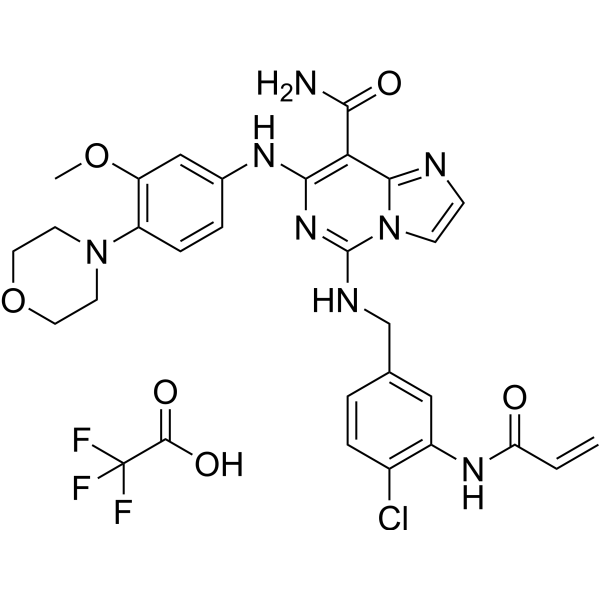
SC13 is an orally active, selective Flap structure-specific endonuclease 1 (FEN1) inhibitor and mu opioid receptor (MOR) activator. SC13 impairs DNA damage repair and induces apoptosis in cancer cells. SC13 activates cGAS-STING signaling, increases chemokine secretion, and promotes CAR-T cell infiltration at solid tumour sites. SC13 can be used for the research of solid tumours and pain .
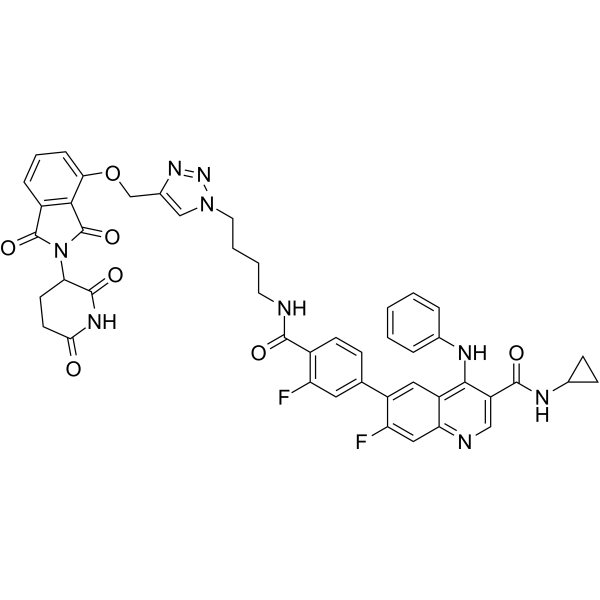
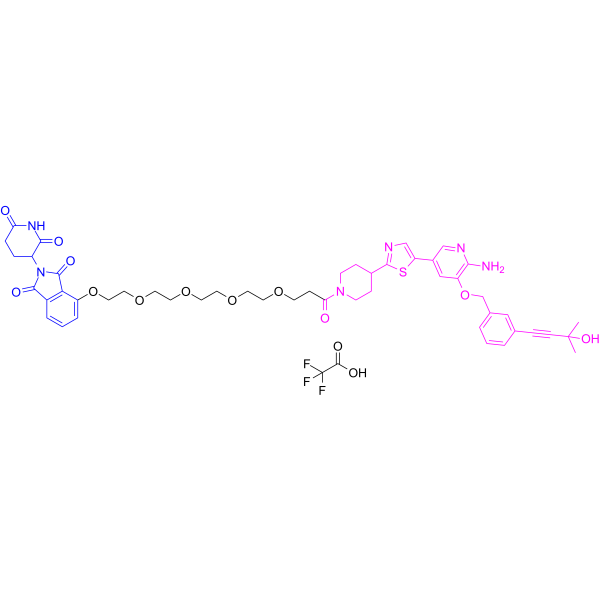
SS47 TFA, a PROTAC-based HPK1 degrader, exerts proteasome-mediated HPK1 degradation. The degradation of HPK1 via SS47 also significantly enhances the in vivo antitumor efficacy of BCMA CAR-T cell research. HPK1, an immunosuppressive regulatory kinase, is a promising target for cancer immunotherapies . SS47 (TFA) is a click chemistry reagent, it contains an Alkyne group and can undergo copper-catalyzed azide-alkyne cycloaddition (CuAAc) with molecules containing Azide groups.
CD19 CAR circRNA will express CD19 car protein, and can be used in chimeric antigen receptor T cell immunotherapy (CAR-CD19). The CD19 car is a chimeric antigen receptor. Among them, CD19 is a CD molecule expressed by B cells (i.e. leukocyte differentiation antigen), an important membrane antigen involved in B cell proliferation, differentiation, activation and antibody production, and can also promote BCR signal transduction.
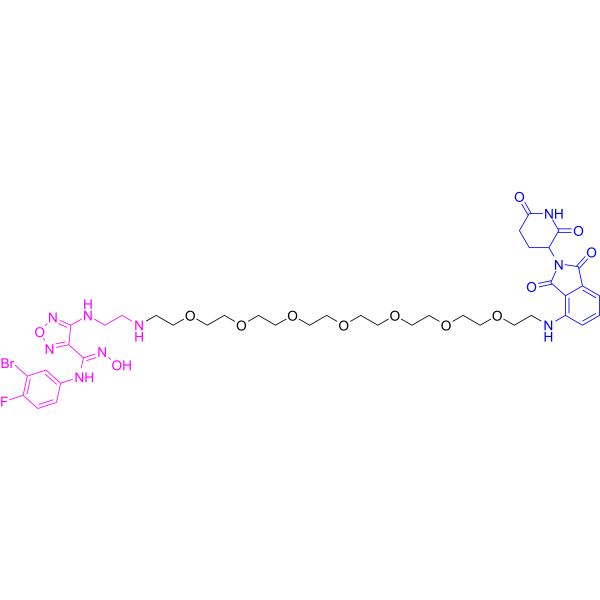
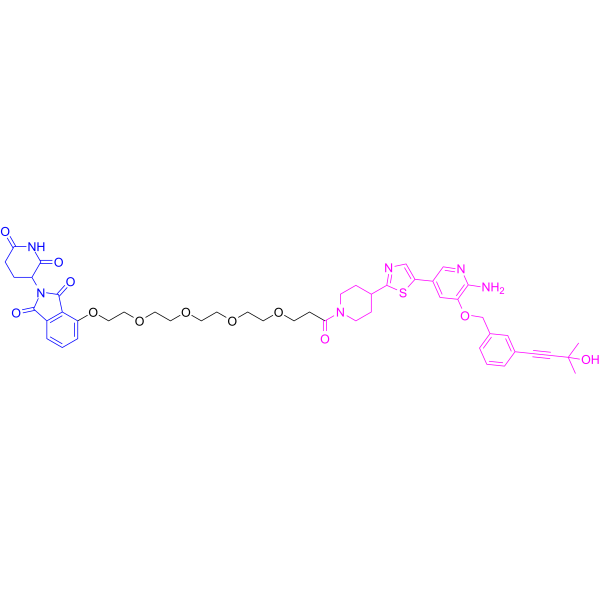
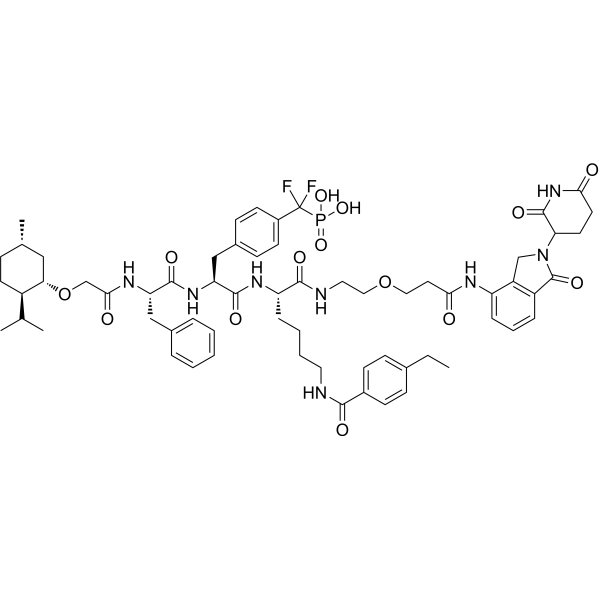
TP1L is a potent and selective T-cell protein tyrosine phosphatase (TC-PTP) PROTAC degrader, with a DC50 value of 35.8 nM. TP1L elevates the phosphorylation level of TC-PTP substrates including pSTAT1 and pJAK1. TP1L selectively enhances IFN-γ signaling and increases MHC-I expression. TP1L activates TCR signaling through increases phosphorylation of LCK. TP1L enhances CAR-T cell mediated tumor killing efficacy through activation of the CAR-T cells. TP1L can be used for the study of cancer. (Pink: TC-PTP ligand: (HY-138964), Blue: E3 ligase CRBN Ligand (HY-A0003), Black: Linker: (HY-140002)) .
RTDLDSLRTYTL is an Alpha (v) beta (6) integrin (avb6) inhibitor with high affinity and specificity. RTDLDSLRTYTL binds to avb6 integrin, a peptide sequence that activates cytotoxicity and cytokine production in T cells, such as interferon-gamma. RTDLDSLRTYTL is designed through a chimeric T cell antigen receptor (CAR) so that T cells can be redirected to specifically recognize and attack tumor cells. RTDLDSLRTYTL can be used in the research of cancer immunotherapy and targeted drug development .
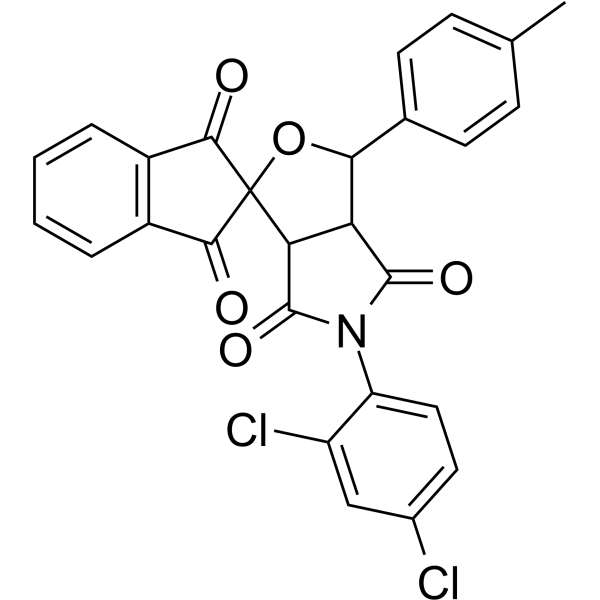
Lck-IN-5 (example C10) is a potent and selective lymphocyte-specific protein tyrosine kinase (LCK) inhibitor. Lck-IN-5 selectively disrupts the interaction between the SH3 domain of LCK and the RK motif of CD3ε, thereby impairing LCK recruitment to the TCR. Lck-IN-5 modulates the activity of CD3ε-containing CAR and TRuC T cells, attenuating cytokine production and promoting a central-memory-like phenotype associated with enhanced persistence. Lck-IN-5 can be used for autoimmune diseases and graft-versus-host disease research .
CAR-2 is a BODIPY-based photosensitizer that induces ferroptosis in photodynamic therapy (PDT) by targeting the endoplasmic reticulum (ER) and lipid droplets (LDs). CAR-2 exhibits phototoxicity in breast cancer cells with IC50 of 0.01-0.02 μM. CAR-2 exhibits antitumor efficacy in 4T1 xenograft mouse models .
o-Cresol sulfate is a biomarker related to CART cell-independent and dependent metabolic and inflammatory. o-Cresol sulfate can be used to predict patient response .
Cartpt Rat Pre-designed siRNA Set A contains three designed siRNAs for Cartpt gene (Rat), as well as a negative control, a positive control, and a FAM-labeled negative control.
CARTPT Human Pre-designed siRNA Set A contains three designed siRNAs for CARTPT gene (Human), as well as a negative control, a positive control, and a FAM-labeled negative control.
NM600 is an alkylphosphocholine mimetic RPT agent. NM600 demonstrates an antitumor activity against a second GD2+ neuroblastoma xenograft model with SY5Y cells. NM600 can enhance suboptimal CART cell efficacy against solid tumors. NM600 can be studied in research for neuroblastoma .
(R)-Phe-A110/B319, a hapten, is a selective binder to tumor-associated antigens. (R)-Phe-A110/B319 has a 20-fold higher affinity towards the H1047R mutant of p110α in the p110α/p85α PI3K complex. (R)-Phe-A110/B319 can be used for the research of conditional chimeric antigen receptor T (CAR-T) cell activation and tumor targeting .
BCMA CAR mRNA can express the CAR protein targeting human BCMA. BCMA CAR mRNA can trigger the transient expression of CAR, enabling T cells to be targeted without the need for permanent genetic modification. BCMA is a member of the tumor necrosis factor receptor superfamily 17 (TNFRSF17), also known as B-cell maturation antigen (CD269), which promotes B-cell survival and plays a role in regulating humoral immunity. BCMA is highly expressed in multiple myeloma and is a biomarker for the diagnosis of multiple myeloma.
Cartpt Mouse Pre-designed siRNA Set A contains three designed siRNAs for Cartpt gene (Mouse), as well as a negative control, a positive control, and a FAM-labeled negative control.
ALLO-647 is a human monoclonal antibody targeting CD52. ALLO-647 transiently and selectively depletes host lymphocytes to promote the proliferation of allogeneic CART-cell following infusion. ALLO-647 can be used for the research of B-cell lymphoma and follicular lymphoma .
RTDLDSLRTYTL TFA is an Alpha (v) beta (6) integrin (avb6) inhibitor with high affinity and specificity. RTDLDSLRTYTL TFA binds to avb6 integrin, a peptide sequence that activates cytotoxicity and cytokine production in T cells, such as interferon-gamma. RTDLDSLRTYTL TFA is designed through a chimeric T cell antigen receptor (CAR) so that T cells can be redirected to specifically recognize and attack tumor cells. RTDLDSLRTYTL TFA can be used in the research of cancer immunotherapy and targeted drug development .
Carisoprodol/BSA (CAR/BSA) is an antigen-adjuvant conjugate conjugate of Carisoprodol and BSA. By conjugating the antigen with a protein adjuvant, the production of antigen-specific antibodies in vaccine models can be enhanced. The conjugate does not affect protein folding or disrupt major epitopes, and can enhance cross-presentation and the production of antigen-specific T cells.
Immuno-Oncology is a type of immunotherapy that has the specific purpose of treating cancer. It works by stimulating our immune system to fight back. Normally, our immune system is able to destroy cancer cells in our body, however sometimes cancer cells can adapt and mutate, effectively hiding from our immune system. This is when tumors can develop and become a threat to our health. Immuno-oncology involves mobilizing lymphocytes to recognize and eliminate cancer cells using the body’s immune system. There are several immuno-oncology treatments available, including Immune cell therapy (CAR-T), monoclonal antibodies (mABs) and checkpoint inhibitors, cytokines and cancer vaccines.
MCE Small Molecule Immuno-Oncology Compound Library offers 783 bioactive tumor immunology compounds that target some important checkpoints such as PD1/PD-L1, CXCR, Sting, IDO, TLR, etc. This library is a useful tool for Immuno-oncology research.
CAR-2 is a BODIPY-based photosensitizer that induces ferroptosis in photodynamic therapy (PDT) by targeting the endoplasmic reticulum (ER) and lipid droplets (LDs). CAR-2 exhibits phototoxicity in breast cancer cells with IC50 of 0.01-0.02 μM. CAR-2 exhibits antitumor efficacy in 4T1 xenograft mouse models .
Carisoprodol/BSA (CAR/BSA) is an antigen-adjuvant conjugate conjugate of Carisoprodol and BSA. By conjugating the antigen with a protein adjuvant, the production of antigen-specific antibodies in vaccine models can be enhanced. The conjugate does not affect protein folding or disrupt major epitopes, and can enhance cross-presentation and the production of antigen-specific T cells.
RTDLDSLRTYTL is an Alpha (v) beta (6) integrin (avb6) inhibitor with high affinity and specificity. RTDLDSLRTYTL binds to avb6 integrin, a peptide sequence that activates cytotoxicity and cytokine production in T cells, such as interferon-gamma. RTDLDSLRTYTL is designed through a chimeric T cell antigen receptor (CAR) so that T cells can be redirected to specifically recognize and attack tumor cells. RTDLDSLRTYTL can be used in the research of cancer immunotherapy and targeted drug development .
MAGE-A4 (286-294) is a polypeptide derived from the 286th to 294th amino acids of the MAGE-A4 protein. MAGE-A4 (286-294) binds HLA-A*02 with an affinity of 560.08 nM and an IC50 of 8.52 nM. MAGE-A4 (286-294) can be detected in various types of cancers (such as esophageal cancer, lung squamous cell carcinoma, bladder cancer). MAGE-A4 (286-294) can be used to produce CAR-T cells and to develop CAR-T cell therapy .
RTDLDSLRTYTL TFA is an Alpha (v) beta (6) integrin (avb6) inhibitor with high affinity and specificity. RTDLDSLRTYTL TFA binds to avb6 integrin, a peptide sequence that activates cytotoxicity and cytokine production in T cells, such as interferon-gamma. RTDLDSLRTYTL TFA is designed through a chimeric T cell antigen receptor (CAR) so that T cells can be redirected to specifically recognize and attack tumor cells. RTDLDSLRTYTL TFA can be used in the research of cancer immunotherapy and targeted drug development .
Anti-Mouse FAP Antibody (73.3) is an anti-mouse FAP IgG1 monoclonal antibody. Anti-Mouse FAP Antibody (73.3) can be used to accurately detect the expression and localization of FAP protein in mice. Anti-Mouse FAP Antibody (73.3) can be used for research on cancer .
Omburtamab is a humanized monoclonal antibody targeting B7-H3 (CD276). Omburtamab selectively binds to B7-H3 highly expressed on the surface of tumor cells and activates anti-tumor immune responses mediated by T cells and natural killer (NK) cells. Omburtamab can promote the specific infiltration of CAR-T cells into tumors, enhance the killing function of NK cells through the CD16 signaling pathway, and regulate tumor cell glucose metabolism (such as inhibiting the Warburg effect). Omburtamab has the potential to inhibit solid tumors such as non-small cell lung cancer (NSCLC) .
Anti-CD19 Antibody (4G7) is an anti-human CD19 IgG1 monoclonal antibody. Anti-CD19 Antibody (4G7) reduces the killing effect of CART cells on Raji cells. Anti-CD19 Antibody (4G7) can be used for research on immunology. Anti-CD19 Antibody (4G7) is often used in flow cytometry. The recommend isotype control of Anti-CD19 Antibody (4G7): Mouse IgG1 kappa, Isotype Control (HY-P99977) .
ALLO-647 is a human monoclonal antibody targeting CD52. ALLO-647 transiently and selectively depletes host lymphocytes to promote the proliferation of allogeneic CART-cell following infusion. ALLO-647 can be used for the research of B-cell lymphoma and follicular lymphoma .
CART Protein, a satiety factor, intricately regulates feeding in connection with leptin and neuropeptide Y. It effectively suppresses regular and starvation-triggered feeding, robustly inhibiting neuropeptide Y-initiated feeding within the hypothalamus. Additionally, CART protein plays a pivotal role in fostering neuronal development and survival in vitro, extending beyond its appetite regulation function. CART Protein, Human (HEK293, Fc) is the recombinant human-derived CART protein, expressed by HEK293 , with C-mFc labeled tag.
CART Protein, a satiety factor, intricately regulates feeding in connection with leptin and neuropeptide Y. It effectively suppresses regular and starvation-triggered feeding, robustly inhibiting neuropeptide Y-initiated feeding within the hypothalamus. Additionally, CART protein plays a pivotal role in fostering neuronal development and survival in vitro, extending beyond its appetite regulation function. CART Protein, Human (HEK293) is the recombinant human-derived CART protein, expressed by HEK293 , with tag free.
SS47 TFA, a PROTAC-based HPK1 degrader, exerts proteasome-mediated HPK1 degradation. The degradation of HPK1 via SS47 also significantly enhances the in vivo antitumor efficacy of BCMA CAR-T cell research. HPK1, an immunosuppressive regulatory kinase, is a promising target for cancer immunotherapies . SS47 (TFA) is a click chemistry reagent, it contains an Alkyne group and can undergo copper-catalyzed azide-alkyne cycloaddition (CuAAc) with molecules containing Azide groups.
CD19 CAR mRNA (Human) expresses CAR protein that specifically targets human CD19. CD19 CAR mRNA can trigger transitory expression of CAR, allowing T cells to be targeted without permanent genetic modification. CD19 CAR mRNA targets CD19 which is a transmembrane glycoprotein primarily expressed on B lymphocytes and is important in B cell activation. CD19 CAR mRNA can be studied in cancer research such as lymphoma and leukemia .
Cartpt Rat Pre-designed siRNA Set A contains three designed siRNAs for Cartpt gene (Rat), as well as a negative control, a positive control, and a FAM-labeled negative control.
CARTPT Human Pre-designed siRNA Set A contains three designed siRNAs for CARTPT gene (Human), as well as a negative control, a positive control, and a FAM-labeled negative control.
BCMA CAR mRNA can express the CAR protein targeting human BCMA. BCMA CAR mRNA can trigger the transient expression of CAR, enabling T cells to be targeted without the need for permanent genetic modification. BCMA is a member of the tumor necrosis factor receptor superfamily 17 (TNFRSF17), also known as B-cell maturation antigen (CD269), which promotes B-cell survival and plays a role in regulating humoral immunity. BCMA is highly expressed in multiple myeloma and is a biomarker for the diagnosis of multiple myeloma.
Cartpt Mouse Pre-designed siRNA Set A contains three designed siRNAs for Cartpt gene (Mouse), as well as a negative control, a positive control, and a FAM-labeled negative control.
Inquiry Online
Your information is safe with us. * Required Fields.
Western blot analysis of extracts from THP-1(lane 2(20μg), Jurkat (lane 3(20μg) and NIH3T3(lane 4(20μg) using FOXO1A (HY-P80132) Rabbit mAb. Proteins were transferred
to a PVDF membrane and blocked with 5% non-fat milk in TBST for 2 hour at room temperature. The primary antibody (1/1000) and Loading control antibody (Beta Actin, HY-P80438, 1/10000) was
used in 5% non-fat milk in TBST at 4°C overnight. Goat Anti-Mouse/Rabbit IgG-HRP Secondary Antibody (1/10000) was used for 1 hour at room temperature.
Western blot analysis of extracts from THP-1(lane 2(20μg), Jurkat (lane 3(20μg) and NIH3T3(lane 4(20μg) using FOXO1A (HY-P80132) Rabbit mAb. Proteins were transferred
to a PVDF membrane and blocked with 5% non-fat milk in TBST for 2 hour at room temperature. The primary antibody (1/1000) and Loading control antibody (Beta Actin, HY-P80438, 1/10000) was
used in 5% non-fat milk in TBST at 4°C overnight. Goat Anti-Mouse/Rabbit IgG-HRP Secondary Antibody (1/10000) was used for 1 hour at room temperature.
Western blot analysis of extracts from THP-1(lane 2(20μg), Jurkat (lane 3(20μg) and NIH3T3(lane 4(20μg) using FOXO1A (HY-P80132) Rabbit mAb. Proteins were transferred
to a PVDF membrane and blocked with 5% non-fat milk in TBST for 2 hour at room temperature. The primary antibody (1/1000) and Loading control antibody (Beta Actin, HY-P80438, 1/10000) was
used in 5% non-fat milk in TBST at 4°C overnight. Goat Anti-Mouse/Rabbit IgG-HRP Secondary Antibody (1/10000) was used for 1 hour at room temperature.
Western blot analysis of extracts from THP-1(lane 2(20μg), Jurkat (lane 3(20μg) and NIH3T3(lane 4(20μg) using FOXO1A (HY-P80132) Rabbit mAb. Proteins were transferred
to a PVDF membrane and blocked with 5% non-fat milk in TBST for 2 hour at room temperature. The primary antibody (1/1000) and Loading control antibody (Beta Actin, HY-P80438, 1/10000) was
MedchemExpress Validation 03
Western blot analysis of extracts from THP-1(lane 2(20μg), Jurkat (lane 3(20μg) and NIH3T3(lane 4(20μg) using FOXO1A (HY-P80132) Rabbit mAb. Proteins were transferred
MedchemExpress Validation 04
Western blot analysis of extracts from THP-1(lane 2(20μg), Jurkat (lane 3(20μg) and NIH3T3(lane 4(20μg) using FOXO1A (HY-P80132) Rabbit mAb. Proteins were transferred
to a PVDF membrane and blocked with 5% non-fat milk in TBST for 2 hour at room temperature. The primary antibody (1/1000) and Loading control antibody (Beta Actin, HY-P80438, 1/10000) was
used in 5% non-fat milk in TBST at 4°C overnight. Goat Anti-Mouse/Rabbit IgG-HRP Secondary Antibody (1/10000) was used for 1 hour at room temperature.
MedchemExpress Validation
Western blot analysis of extracts from THP-1(lane 2(20μg), Jurkat (lane 3(20μg) and NIH3T3(lane 4(20μg) using FOXO1A (HY-P80132) Rabbit mAb. Proteins were transferred
to a PVDF membrane and blocked with 5% non-fat milk in TBST for 2 hour at room temperature. The primary antibody (1/1000) and Loading control antibody (Beta Actin, HY-P80438, 1/10000) was
used in 5% non-fat milk in TBST at 4°C overnight. Goat Anti-Mouse/Rabbit IgG-HRP Secondary Antibody (1/10000) was used for 1 hour at room temperature.
Western blot analysis of extracts from THP-1(lane 2(20μg), Jurkat (lane 3(20μg) and NIH3T3(lane 4(20μg) using FOXO1A (HY-P80132) Rabbit mAb. Proteins were transferred
to a PVDF membrane and blocked with 5% non-fat milk in TBST for 2 hour at room temperature. The primary antibody (1/1000) and Loading control antibody (Beta Actin, HY-P80438, 1/10000) was
used in 5% non-fat milk in TBST at 4°C overnight. Goat Anti-Mouse/Rabbit IgG-HRP Secondary Antibody (1/10000) was used for 1 hour at room temperature.
MedchemExpress Validation
Western blot analysis of extracts from THP-1(lane 2(20μg), Jurkat (lane 3(20μg) and NIH3T3(lane 4(20μg) using FOXO1A (HY-P80132) Rabbit mAb. Proteins were transferred
to a PVDF membrane and blocked with 5% non-fat milk in TBST for 2 hour at room temperature. The primary antibody (1/1000) and Loading control antibody (Beta Actin, HY-P80438, 1/10000) was
used in 5% non-fat milk in TBST at 4°C overnight. Goat Anti-Mouse/Rabbit IgG-HRP Secondary Antibody (1/10000) was used for 1 hour at room temperature.
MedchemExpress Validation
Western blot analysis of extracts from THP-1(lane 2(20μg), Jurkat (lane 3(20μg) and NIH3T3(lane 4(20μg) using FOXO1A (HY-P80132) Rabbit mAb. Proteins were transferred
to a PVDF membrane and blocked with 5% non-fat milk in TBST for 2 hour at room temperature. The primary antibody (1/1000) and Loading control antibody (Beta Actin, HY-P80438, 1/10000) was
used in 5% non-fat milk in TBST at 4°C overnight. Goat Anti-Mouse/Rabbit IgG-HRP Secondary Antibody (1/10000) was used for 1 hour at room temperature.
MedchemExpress Validation
Western blot analysis of extracts from THP-1(lane 2(20μg), Jurkat (lane 3(20μg) and NIH3T3(lane 4(20μg) using FOXO1A (HY-P80132) Rabbit mAb. Proteins were transferred
to a PVDF membrane and blocked with 5% non-fat milk in TBST for 2 hour at room temperature. The primary antibody (1/1000) and Loading control antibody (Beta Actin, HY-P80438, 1/10000) was
used in 5% non-fat milk in TBST at 4°C overnight. Goat Anti-Mouse/Rabbit IgG-HRP Secondary Antibody (1/10000) was used for 1 hour at room temperature.
MedchemExpress Validation
Western blot analysis of extracts from THP-1(lane 2(20μg), Jurkat (lane 3(20μg) and NIH3T3(lane 4(20μg) using FOXO1A (HY-P80132) Rabbit mAb. Proteins were transferred
to a PVDF membrane and blocked with 5% non-fat milk in TBST for 2 hour at room temperature. The primary antibody (1/1000) and Loading control antibody (Beta Actin, HY-P80438, 1/10000) was
used in 5% non-fat milk in TBST at 4°C overnight. Goat Anti-Mouse/Rabbit IgG-HRP Secondary Antibody (1/10000) was used for 1 hour at room temperature.
MedchemExpress Validation
Western blot analysis of extracts from THP-1(lane 2(20μg), Jurkat (lane 3(20μg) and NIH3T3(lane 4(20μg) using FOXO1A (HY-P80132) Rabbit mAb. Proteins were transferred
to a PVDF membrane and blocked with 5% non-fat milk in TBST for 2 hour at room temperature. The primary antibody (1/1000) and Loading control antibody (Beta Actin, HY-P80438, 1/10000) was
used in 5% non-fat milk in TBST at 4°C overnight. Goat Anti-Mouse/Rabbit IgG-HRP Secondary Antibody (1/10000) was used for 1 hour at room temperature.
MedchemExpress Validation
Western blot analysis of extracts from THP-1(lane 2(20μg), Jurkat (lane 3(20μg) and NIH3T3(lane 4(20μg) using FOXO1A (HY-P80132) Rabbit mAb. Proteins were transferred
to a PVDF membrane and blocked with 5% non-fat milk in TBST for 2 hour at room temperature. The primary antibody (1/1000) and Loading control antibody (Beta Actin, HY-P80438, 1/10000) was
used in 5% non-fat milk in TBST at 4°C overnight. Goat Anti-Mouse/Rabbit IgG-HRP Secondary Antibody (1/10000) was used for 1 hour at room temperature.
MedChemExpress values your privacy and your trust is important to us. We use cookies to enhance your website experience. Some cookies are necessary to run the website.
Privacy and Cookie Policy

