
1. Search Result
Search Result
Results for "

Central nervous System function

" in MedChemExpress (MCE) Product Catalog:

37

Inhibitors & Agonists

4

Screening Libraries

2

Biochemical Assay Reagents

5

Peptides

4

Natural
Products

1

Isotope-Labeled Compounds

3

Oligonucleotides

Targets Recommended:
Cat. No. Product Name Target Research Areas Chemical Structure
  • HY-N10546

    iGluR Trk Receptor ERK Apoptosis Autophagy Neurological Disease
    Ganglioside GM1 is a type of glycosphingolipid, mainly found on the cell membranes of the central nervous system of vertebrates. Ganglioside GM1 exerts neuroprotective effects by reducing excessive activation of NMDAR, activating TrkA and ERK1/2, and inhibiting oxidative stress and cell apoptosis and autophagy. Ganglioside GM1 can be used in the research of diseases such as traumatic brain injury, Parkinson's disease, Alzheimer's disease, and Huntington's disease .
    Ganglioside GM1
  • HY-B1715
    Oxiracetam
    1 Publications Verification

    ISF2522

    GABA Receptor NO Synthase Neurological Disease Inflammation/Immunology
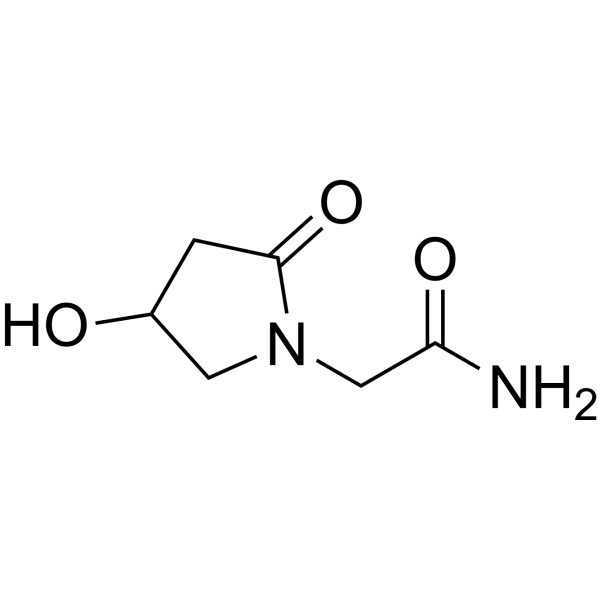
    Oxiracetam (ISF2522) is an orally active and a BBB-penetrable cyclic derivative of γ-aminobutyric acid (GABA). Oxiracetam reaches the hippocampus and cerebral cortex in high concentrations. Oxiracetam can promote cognitive function and regulate inflammatory response, with powerful neuroprotective effects. Oxiracetam can be used in the study of central nervous system diseases .
    Oxiracetam
  • HY-102020
    RG3039
    3 Publications Verification

    PF-06687859

    DNA/RNA Synthesis Neurological Disease
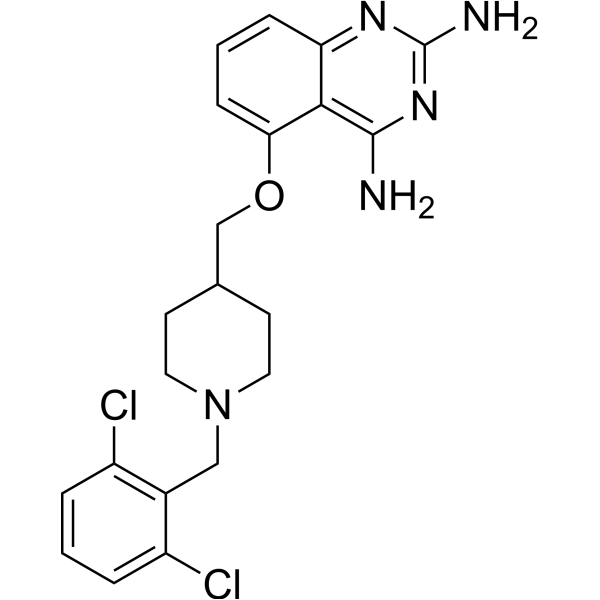
    RG3039 (PF-06687859) is an orally active, blood-brain barrier-permeable DcpS inhibitor with an IC50 of 4.2 nM against hDcpS. RG3039 inhibits the decapping activity of DcpS and maintains DcpS in a catalytically inactive conformation in the central nervous system and other tissues. RG3039 extends survival and improves function in spinal muscular atrophy mice. RG3039 is applicable to research related to spinal muscular atrophy .
    RG3039
  • HY-W015236

    Triglycine

    Biochemical Assay Reagents Others
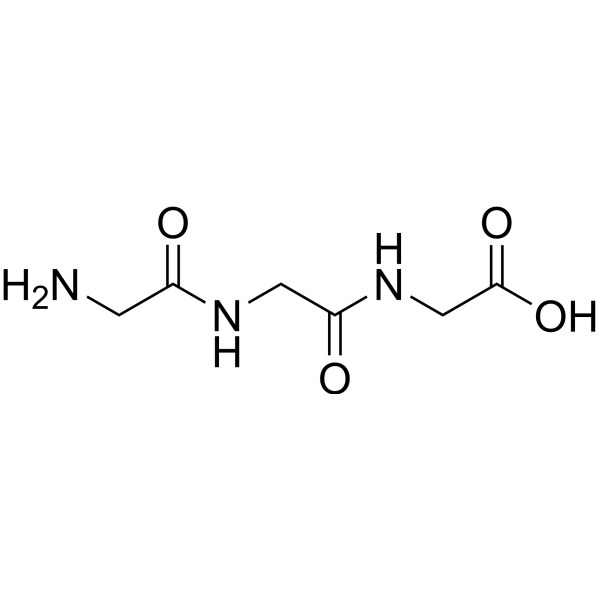
    H-Gly-Gly-Gly-OH, also known as Triglycine, is a tripeptide composed of glycine, glycine and glycine, which are linked by peptide bonds. Often used as a model compound in the study of protein structure and function. Glycylglycylglycine also acts as a neurotransmitter in the central nervous system and has been shown to have antioxidant properties. Furthermore, it may have potential research roles in various diseases such as cancer, diabetes and neurodegenerative diseases.
    H-Gly-Gly-Gly-OH
  • HY-149555

    Eukaryotic Initiation Factor (eIF) Neurological Disease
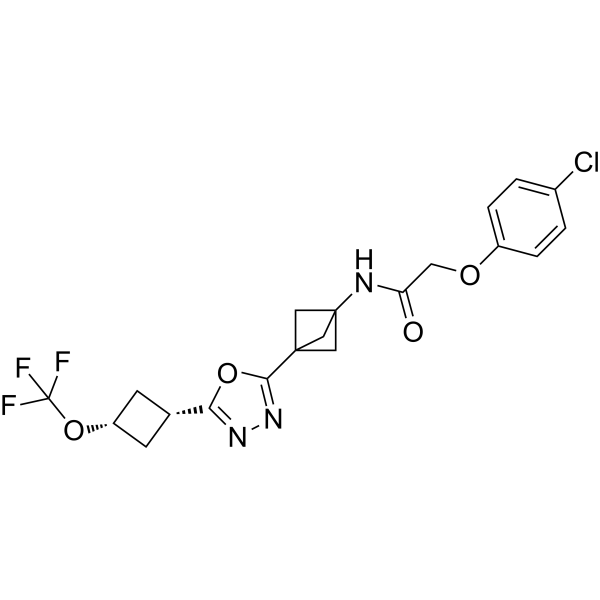
    DNL343 is a potent, selective, orally active and brain-penetrant activator of eukaryotic initiation factor eIF2B. DNL343 inhibits the activity of the integrated stress response (ISR) in the central nervous system (CNS) and reverses neurodegeneration and neuroinflammation. DNL343 also prevents motor dysfunction and premature death in eIF2B loss-of-function (LOF) mutant mice. DNL343 can be used in the study of neurodegenerative diseases .
    DNL343
  • HY-134356

    AICAR-5'-MP

    Endogenous Metabolite Others
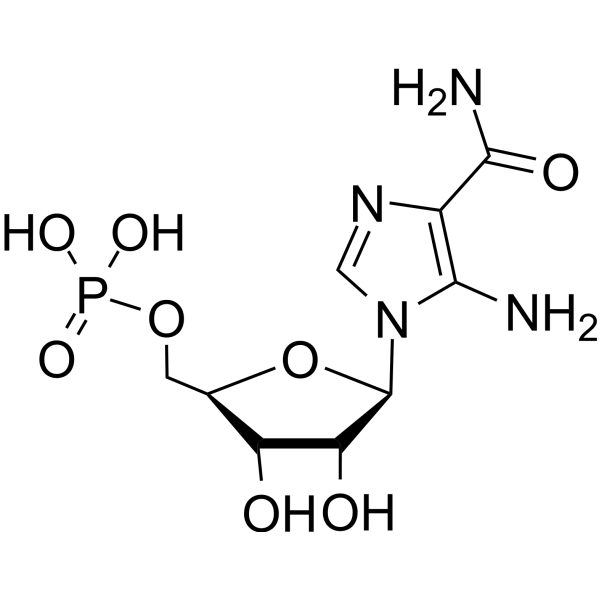
    AICA-riboside, 5′-phosphate is AICA riboside with a phosphate group. The functions of AICA riboside include: 1) conversion into AMP mimetic to selectively activate AMPK; 2) competition with adenosine for the uptake of nucleoside transporters, reversible blocking of adenosine reuptake, increasing extracellular adenosine concentration, and indirectly activating adenosine A1 receptors. AICA riboside is involved in metabolic regulation (promoting catabolism and inhibiting anabolism) and adenosine-dependent neuroprotection (inhibiting excitatory synaptic transmission). AICA riboside can be used in the study of metabolic diseases (such as diabetes and obesity) and neurological diseases (such as ischemia and epilepsy), and has central nervous system protective activity .
    AICA-riboside, 5′-phosphate
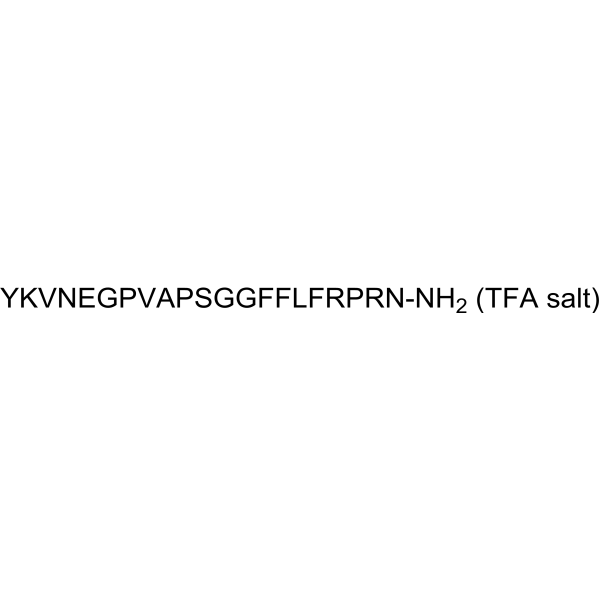
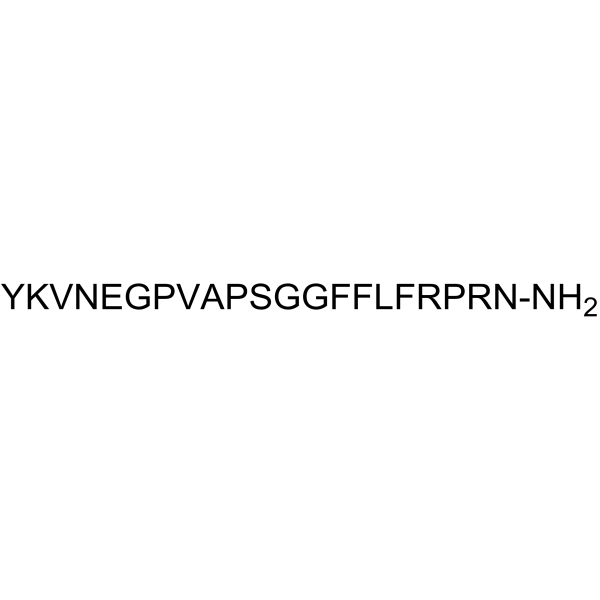
  • HY-P1248

    NPFF

    Neuropeptide FF Receptor Cardiovascular Disease Neurological Disease
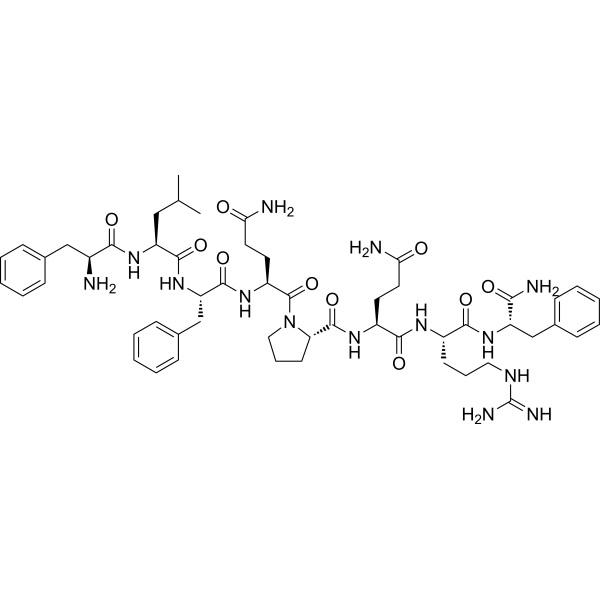
    Neuropeptide FF (NPFF), an octapeptide belonging to the RF-amide family of peptides, is a NPFF1 and NPFF2 receptors agonist with Ki values of 2.82 nM and 0.21 nM, respectively. Neuropeptide FF induces abstinence syndrome, exerts antiopioid and analgesic effects, releases via calcium-dependent mechanisms from rat spinal cord, regulates memory, autonomic function, and neuroendocrine function, modulates pain and opioid antinociception, reduces food intake, stimulates water intake, alters cardiovascular parameters, and shows differential activity in hypothalamic paraventricular nucleus neurons. Neuropeptide FF is present in mammalian central nervous system and periphery, with NPFF-immunoreactivity increases in rat cerebrospinal fluid during opiate tolerance, and its NPFF gene and NPFF-R2 gene are up-regulated in rat spinal cord and dorsal root ganglia during peripheral inflammation. Neuropeptide FF can be used for the research of opioid tolerance, morphine-induced analgesia, abstinence syndrome, pain, hypertension, nociception, inflammatory pain, and neuropathic pain .
    Neuropeptide FF
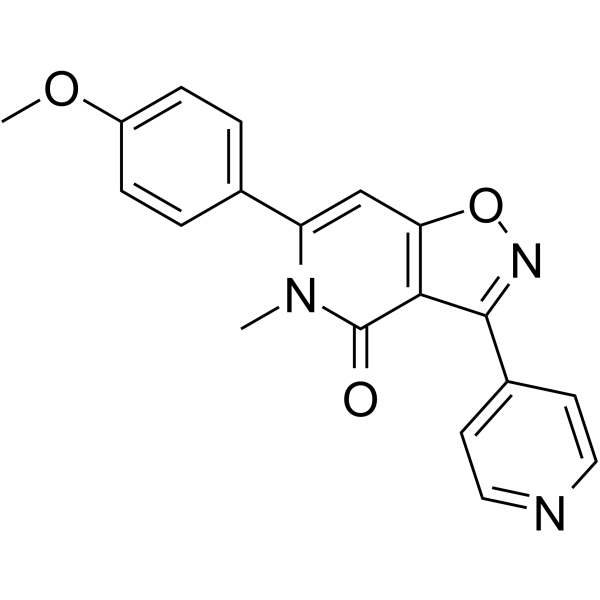
  • HY-103111

    mGluR Neurological Disease
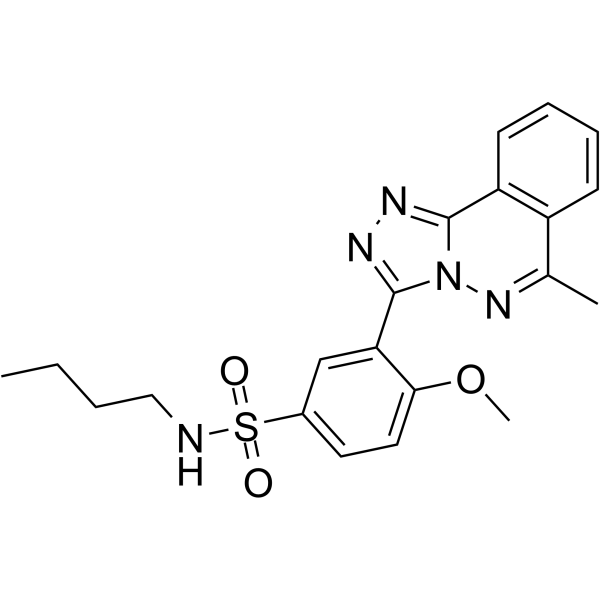
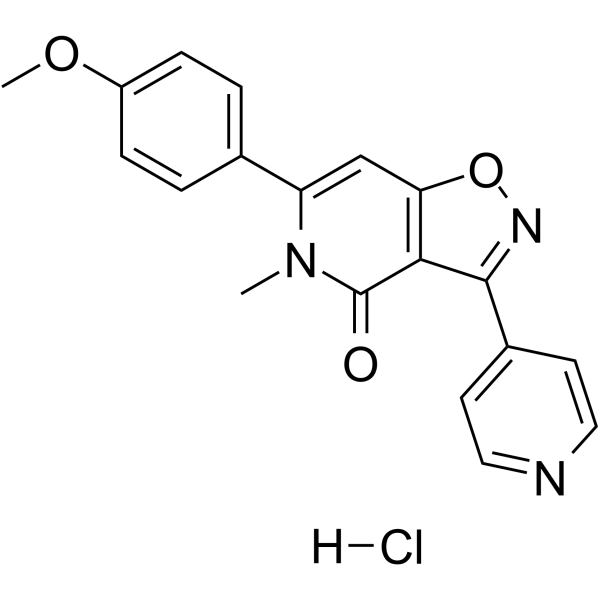
    MMPIP hydrochloride is an allosteric metabotropic glutamate receptor 7 (mGluR7) selective antagonist (KB values 24 -30 nM). MMPIP hydrochloride acts as a pharmacological tool for elucidating the roles of mGluR7 on central nervous system functions. MMPIP hydrochloride alleviates pain and normalizes affective and cognitive behavior in neuropathic mice .
    MMPIP hydrochloride
  • HY-P4058

    CGRP free acid

    CGRP Receptor Neurological Disease
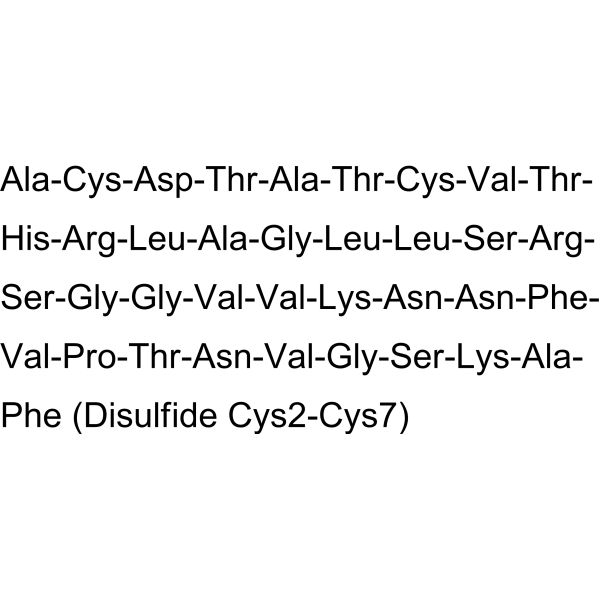
    Calcitonin gene-related peptide (CGRP) free acid is a 37-amino acid neuropeptide, which represents the deamidated form of α-CGRP (human) (HY-P1071). Calcitonin gene-related peptide free acid is produced in the central and peripheral nervous systems of rats, and localizes to specific sensory, integrative and motor neuron systems, including those involved in nociception/thermoreception, feeding behavior, olfaction and visceral motor functions .
    Calcitonin gene-related peptide free acid
  • HY-Y1840

    Drug Derivative Neurological Disease
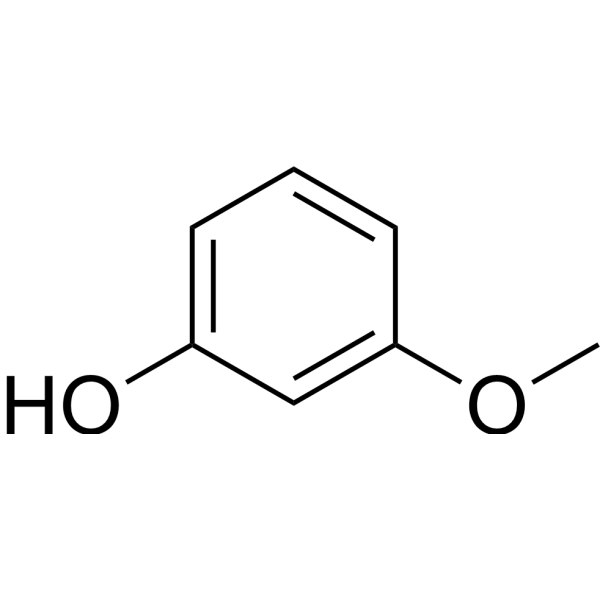
    3-Methoxyphenol is a phenolic compound that is biologically toxic. 3-Methoxyphenol is systemically absorbed, disrupts the function of the liver, kidneys, central nervous system, and redox processes, and increases levels of Hb, red blood cells, and white blood cells in the body.
    3-Methoxyphenol
  • HY-133910
    Lu AE98134
    1 Publications Verification

    Sodium Channel Neurological Disease
    Lu AE98134, an activator of voltage-gated sodium channels, acts as a partly selective Nav1.1 channels positive modulator. Lu AE98134 also increases the activity of Nav1.2 and Nav1.5 channels but not of Nav1.4, Nav1.6 and Nav1.7 channels. Lu AE98134 can be used to analyze pathophysiological functions of the Nav1.1 channel in various central nervous system diseases, including cognitive restoring in schizophrenia, et al .
    Lu AE98134
  • HY-U00382

    Neurokinin Receptor Neurological Disease Inflammation/Immunology
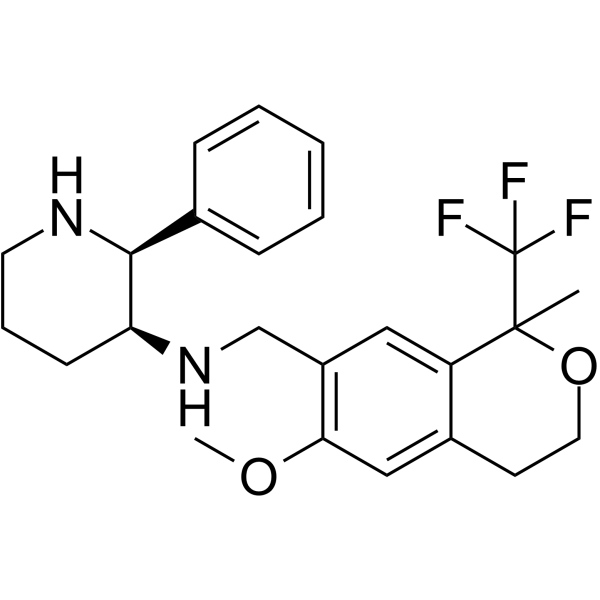
    Substance P Receptor Antagonist 1 has the potential function in central nervous system disorders, respiratory, inflammatory diseases and gastrointestinal disorders.
    Substance P Receptor Antagonist 1
  • HY-P1238A

    Neuromedin U (rat) TFA; Rat neuromedin U-23 TFA

    Neuromedin U Receptor (NMUR) Neurological Disease
    Neuromedin U, rat TFA is a 23-amino acid brain-gut peptide. Neuromedin U (NMU), through its cognate receptor NMUR2 in the central nervous system, regulates several important physiological functions, including energy balance, stress response, and nociception.
    Neuromedin U, rat TFA
  • HY-107503

    mGluR Neurological Disease
    MMPIP is an allosteric metabotropic glutamate receptor 7 (mGluR7) selective antagonist (KB values 24 -30 nM). MMPIP acts as a pharmacological tool for elucidating the roles of mGluR7 on central nervous system functions. MMPIP alleviates pain and normalizes affective and cognitive behavior in neuropathic mice .
    MMPIP
  • HY-161511

    5-HT Receptor Neurological Disease
    LPH-5 is a selective 5-HT2A receptor agonist (EC50=190 nM). LPH-5 works by selectively activating the 5-HT2A receptor, which may be involved in regulating mood, perception, and other central nervous system functions associated with the 5-HT2A receptor. LPH-5 can be used to further explore the 5-HT2A receptor in psychiatric disorders, including depression, anxiety, and substance abuse disorders .
    LPH-5
  • HY-P1238

    Neuromedin U (rat); Rat neuromedin U-23

    Neuromedin U Receptor (NMUR) Neurological Disease
    Neuromedin U, rat is a 23-amino acid brain-gut peptide. Neuromedin U (NMU), through its cognate receptor NMUR2 in the central nervous system, regulates several important physiological functions, including energy balance, stress response, and nociception.
    Neuromedin U, rat
  • HY-B1715R

    ISF2522 (Standard)

    Reference Standards GABA Receptor NO Synthase Neurological Disease Inflammation/Immunology
    Oxiracetam (Standard) is the analytical standard of Oxiracetam. This product is intended for research and analytical applications. Oxiracetam (ISF2522) is an orally active and a BBB-penetrable cyclic derivative of γ-aminobutyric acid (GABA). Oxiracetam reaches the hippocampus and cerebral cortex in high concentrations. Oxiracetam can promote cognitive function and regulate inflammatory response, with powerful neuroprotective effects. Oxiracetam can be used in the study of central nervous system diseases .
    Oxiracetam (Standard)
  • HY-E70684

    CDK Neurological Disease Cancer
    CDK5 can be mapped to chromosome 7q36 and its expression is upregulated by the transcription factors Fos and CREB through the MEK/ERK pathway and by δFosB. CDK5 plays a vital role in the central nervous system but has functions in other cell types. CDK5 has recently been implicated in diseases, including the development and progression of cancer and neurodegenerative diseases. CDK5/p25NCK Recombinant Human Active Protein Kinase is an ortholog of CDK5 .
    CDK5/p25NCK Recombinant Human Active Protein Kinase
  • HY-E70685

    CDK Neurological Disease Cancer
    CDK5 can be mapped to chromosome 7q36 and its expression is upregulated by the transcription factors Fos and CREB through the MEK/ERK pathway and by δFosB. CDK5 plays a vital role in the central nervous system but has functions in other cell types. CDK5 has recently been implicated in diseases, including the development and progression of cancer and neurodegenerative diseases. CDK5/p35NCK Recombinant Human Active Protein Kinase is an ortholog of CDK5 .
    CDK5/p35NCK Recombinant Human Active Protein Kinase
  • HY-N15147

    DNA/RNA Synthesis Cardiovascular Disease Neurological Disease Metabolic Disease Inflammation/Immunology Cancer
    Panax saponin C is a ginsenoside found in Ginseng with biological activities including regulatory effects on immunomodulation, protection functions in the central nervous and cardiovascular systems, anti-diabetic, anti-aging, anti-carcinogenic, anti-fatigue, anti-pyretic, anti-stress, boosting physical vitality, and promotion of DNA, RNA, and protein synthesis activities .
    Panax saponin C
  • HY-107556

    Histamine Receptor Neurological Disease
    VUF 5681 dihydrobromide is a neutral antagonist of histamine H3 receptor. VUF 5681 dihydrobromide also has partial agonist function of H3 receptor. VUF 5681 dihydrobromide blocks the effects of Thioperamide (HY-12206). VUF 5681 dihydrobromide is used in central nervous system disease research .
    VUF 5681 dihydrobromide
  • HY-161846

    Tyrosinase Neurological Disease
    Tyrosinase-IN-31 (compound 2-06) is a central-targeting tyrosinase inhibitor (tyrosinase: monophenolase IC50=70.44 μM, diphenolase IC50=1.89 μM). Tyrosinase-IN-31 can inhibit the tyrosinase and melanogenesis. Tyrosinase-IN-31 can penetrate the BBB and enter the central nervous system (CNS). Tyrosinase-IN-31 shows neuroprotective effects and Parkinsonism behavior improving function .
    Tyrosinase-IN-31
  • HY-114555

    GlyT Neurological Disease
    TASP0315003 is a glycine transporter 1 (GlyT1) inhibitor. TASP0315003 potentiates NMDA receptor function by increasing synaptic glycine levels. TASP0315003 can improve cognitive dysfunction and the negative symptoms of schizophrenia without having undesirable central nervous system side effects. TASP0315003 can be used for the research of neurological disease .
    TASP0315003
  • HY-Y1840R

    Biochemical Assay Reagents Reference Standards Neurological Disease
    3-Methoxyphenol (Standard) is the analytical standard of 3-Methoxyphenol. This product is intended for research and analytical applications. 3-Methoxyphenol is a phenolic compound that is biologically toxic. 3-Methoxyphenol is systemically absorbed, disrupts the function of the liver, kidneys, central nervous system, and redox processes, and increases levels of Hb, red blood cells, and white blood cells in the body.
    3-Methoxyphenol (Standard)
  • HY-Y1840S

    Isotope-Labeled Compounds Neurological Disease
    3-Methoxyphenol-d3 is deuterated labeled 3-Methoxyphenol (HY-Y1840). 3-Methoxyphenol is a phenolic compound that is biologically toxic. 3-Methoxyphenol is systemically absorbed, disrupts the function of the liver, kidneys, central nervous system, and redox processes, and increases levels of Hb, red blood cells, and white blood cells in the body.
    3-Methoxyphenol-d3
  • HY-164083

    5-HT Receptor Neurological Disease
    GR65630 is a potent and selective 5-hydroxytryptamine (5-HT) type 3 receptor antagonist. GR65630 can be used to study the expression patterns of 5-HT3 receptors in different brain regions and their possible functions in the central nervous system. GR65630 and its radiolabeled form [ 3H]GR65630 can be used to study the distribution, density and affinity of the receptors .
    GR65630
  • HY-174744

    mRNA Inflammation/Immunology
    Human CCR4 mRNA encodes the human C-C motif chemokine receptor 4 (CCR4) protein, a member of G protein-coupled receptors family. CCR4 is a receptor for the CC chemokine - MIP-1, RANTES, TARC and MCP-1. Chemokines are a group of small polypeptide, structurally related molecules that regulate cell trafficking of various types of leukocytes. The chemokines also play fundamental roles in the development, homeostasis, and function of the immune system, and they have effects on cells of the central nervous system as well as on endothelial cells involved in angiogenesis or angiostasis.
    Human CCR4 mRNA
  • HY-114539

    Dopamine Receptor Neurological Disease
    L-750667 triHydrochloride is a selective antagonist for the D4 dopamine receptor, with a Ki value of 0.51 nM. The radiolabeled form of L-750667, [ 125I]L-750,667, has a Kd value of 0.16 nM for the D4 receptor. L-750667 triHydrochloride can reverse dopamine-induced inhibition of cAMP accumulation. It can be used to study the distribution and function of D4 dopamine receptors in the central nervous system and has potential applications in the fields of neuroscience and psychiatry .
    L-750667 triHydrochloride
  • HY-118700AR

    Guanidinobiotin hydrobromide (Standard)

    Reference Standards NO Synthase Neurological Disease
    H-Gly-Gly-Gly-OH (Standard) is the analytical standard of H-Gly-Gly-Gly-OH. This product is intended for research and analytical applications. H-Gly-Gly-Gly-OH, also known as Triglycine, is a tripeptide composed of glycine, glycine and glycine, which are linked by peptide bonds. Often used as a model compound in the study of protein structure and function. Glycylglycylglycine also acts as a neurotransmitter in the central nervous system and has been shown to have antioxidant properties. Furthermore, it may have potential research roles in various diseases such as cancer, diabetes and neurodegenerative diseases.
    2-Iminobiotin hydrobromide (Standard)
  • HY-W015236R

    Triglycine (Standard)

    Biochemical Assay Reagents Reference Standards Others
    H-Gly-Gly-Gly-OH (Standard) is the analytical standard of H-Gly-Gly-Gly-OH. This product is intended for research and analytical applications. H-Gly-Gly-Gly-OH, also known as Triglycine, is a tripeptide composed of glycine, glycine and glycine, which are linked by peptide bonds. Often used as a model compound in the study of protein structure and function. Glycylglycylglycine also acts as a neurotransmitter in the central nervous system and has been shown to have antioxidant properties. Furthermore, it may have potential research roles in various diseases such as cancer, diabetes and neurodegenerative diseases.
    H-Gly-Gly-Gly-OH (Standard)
  • HY-137055

    Others Others
    PF-3774076 is a highly central nervous system (CNS) penetrant, potent, and selective human α1A-adrenoceptor partial agonist. It exhibits good potency and selectivity in multiple binding and functional assays. PF-3774076 increases peak urethral pressure in anesthetized female dogs in a dose-dependent manner via a central mechanism. PF-3774076 affects both the proximal and distal portions of the urethra in vivo. These properties suggest that PF-3774076 may have significant benefit in the treatment of stress urinary incontinence (SUI) as a CNS-penetrant α1A receptor partial agonist. However, despite its partial agonism and selectivity for α1A receptors, PF-3774076 failed to provide adequate safety differences in in vivo models of cardiovascular function. This may be due to the simultaneous activation of both peripheral and central α1A receptors. These data suggest that while central α1A partial agonists may have significant benefit in the treatment of SUI, this class of agents may have difficulty achieving the desired urethral selectivity without affecting cardiovascular function.
    PF-3774076
  • HY-N19040

    Others Neurological Disease
    Coryanthe yohimbe extract is a dietary supplement whose active ingredient is yohimbine, an alkaloid known for its stimulating effects on the central nervous system. Coryanthe yohimbe extract is commonly used to enhance sexual function and treat erectile dysfunction.
    Coryanthe yohimbe extract
  • HY-174701

    mRNA Neurological Disease
    Human FGF20 mRNA encodes the human fibroblast growth factor 20 (FGF20) protein, a member of the fibroblast growth factor (FGF) family. FGF20 may regulate central nervous system development and function.
    Human FGF20 mRNA
  • HY-174747

    mRNA Inflammation/Immunology
    Human CCR10 mRNA encodes the human C-C motif chemokine receptor 10 (CCR10) protein, a member of chemokines which play fundamental roles in the development, homeostasis, and function of the immune system, and they have effects on cells of the central nervous system as well as on endothelial cells involved in angiogenesis or angiostasis.
    Human CCR10 mRNA
  • HY-102020A

    DNA/RNA Synthesis Neurological Disease
    RG3039 hydrochloride is an orally active, blood-brain barrier-permeable DcpS inhibitor with an IC50 of 4.2 nM against hDcpS. RG3039 hydrochloride inhibits the decapping activity of DcpS and maintains DcpS in a catalytically inactive conformation in the central nervous system and other tissues. RG3039 hydrochloride extends survival and improves function in spinal muscular atrophy mice. RG3039 hydrochloride is applicable to research related to spinal muscular atrophy .
    RG3039 hydrochloride
  • HY-103111R

    Reference Standards mGluR Neurological Disease
    MMPIP hydrochloride (Standard) is the analytical standard of MMPIP hydrochloride (HY-103111). This product is intended for research and analytical applications. MMPIP hydrochloride is an allosteric metabotropic glutamate receptor 7 (mGluR7) selective antagonist (KB values 24 -30 nM). MMPIP hydrochloride acts as a pharmacological tool for elucidating the roles of mGluR7 on central nervous system functions. MMPIP hydrochloride alleviates pain and normalizes affective and cognitive behavior in neuropathic mice .
    MMPIP hydrochloride (Standard)
  • HY-102020R

    PF-06687859 (Standard)

    DNA/RNA Synthesis Reference Standards Neurological Disease
    RG3039 (Standard) is the analytical standard of RG3039 (HY-102020). This product is intended for research and analytical applications. RG3039 (PF-06687859) is an orally active, blood-brain barrier-permeable DcpS inhibitor with an IC50 of 4.2 nM against hDcpS. RG3039 inhibits the decapping activity of DcpS and maintains DcpS in a catalytically inactive conformation in the central nervous system and other tissues. RG3039 extends survival and improves function in spinal muscular atrophy mice. RG3039 is applicable to research related to spinal muscular atrophy .
    RG3039 (Standard)

Inquiry Online

Your information is safe with us. * Required Fields.

Salutation


Country or Region *

Applicant Name *


Organization Name *

Department *


Email Address *


Product Name *

Cat. No.


Requested quantity *

Phone Number *


Remarks

Inquiry Online

Inquiry Information

Product Name:
Cat. No.:
Quantity:
MCE Japan Authorized Agent:

