1. Search Result
Search Result
Results for "

D-isomer

" in MedChemExpress (MCE) Product Catalog:

28

Inhibitors & Agonists

1

Biochemical Assay Reagents

5

Peptides

12

Natural
Products

4

Isotope-Labeled Compounds

Cat. No. Product Name Target Research Areas Chemical Structure
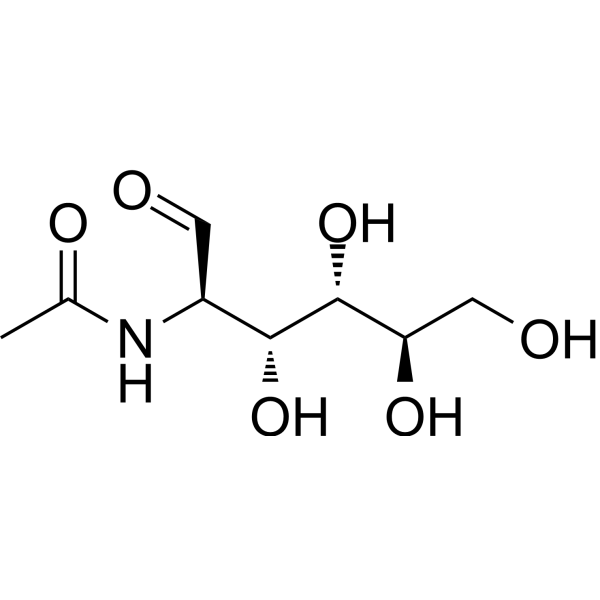
  • HY-A0132
    N-Acetyl-D-glucosamine
    2 Publications Verification

    N-Acetyl-2-amino-2-deoxy-D-glucose

    Endogenous Metabolite Drug Derivative Drug Isomer Interleukin Related Metabolic Disease Inflammation/Immunology Cancer
    N-Acetyl-D-Glucosamine (N-Acetyl-2-amino-2-deoxy-D-glucose), the D isomer of N-acetylglucosamine, is an orally active monosaccharide derivative of glucose with anti-tumor and anti-inflammation properties. N-Acetyl-D-Glucosamine is also a bacterial metabolite, which is found in Escherichia coli. N-Acetyl-D-Glucosamine can induce yeast-mycelial conversion in Candida albicans. N-Acetyl-D-Glucosamine also enhances healing of cartilaginous injuries in rabbits .
    N-Acetyl-D-glucosamine
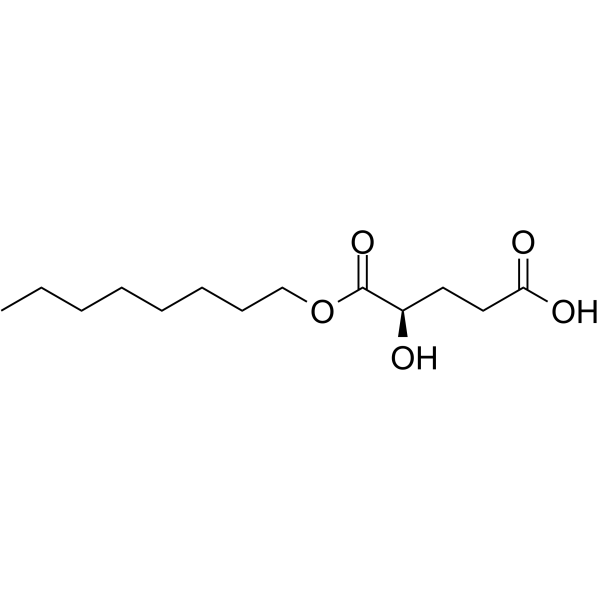
  • HY-103641
    (2R)-Octyl-α-hydroxyglutarate
    3 Publications Verification

    (2R)-Octyl-2-HG

    Drug Isomer Cancer
    (2R)-Octyl-α-hydroxyglutarate ((2R)-Octyl-2-HG) is a modified form of D-isomer 2-Hydroxyglutarate.
    (2R)-Octyl-α-hydroxyglutarate
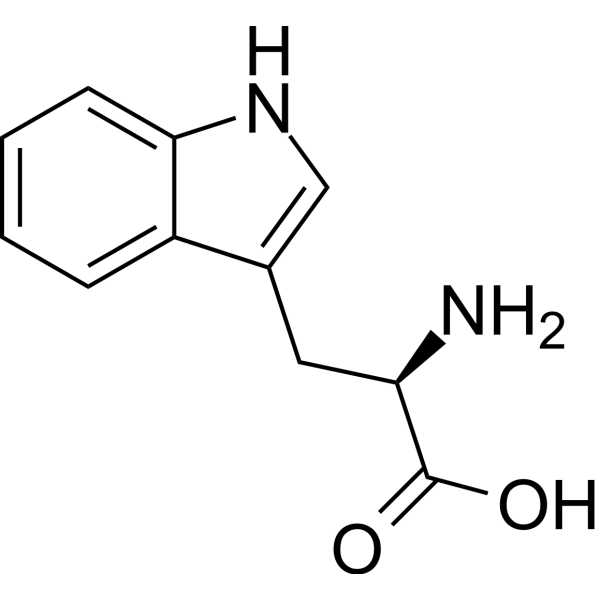
  • HY-W012479
    H-D-Trp-OH
    1 Publications Verification

    D-Tryptophan

    Endogenous Metabolite Ligands for E3 Ligase Metabolic Disease
    H-D-Trp-OH (D-Tryptophan) is the D-isomer of tryptophan, which is occasionally found in natural peptides, such as marine toxin peptides. H-D-Trp-OH can increase intestinal microbial diversity and counteract the inhibitory effect of allergic airway inflammation on intestinal microbial diversity .
    H-D-Trp-OH
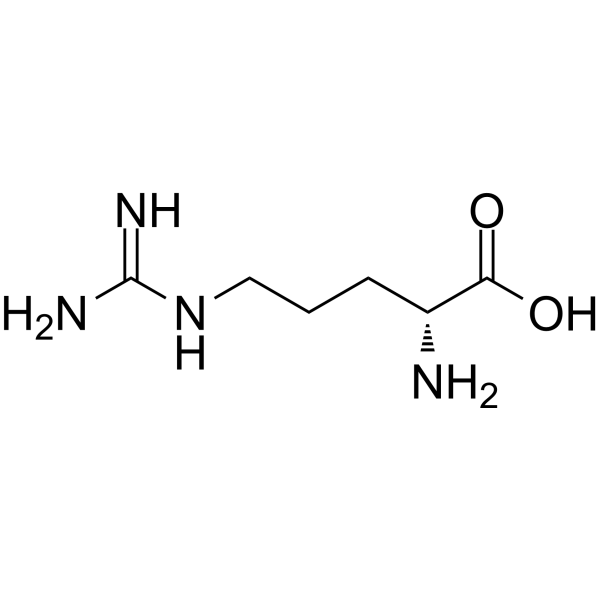
  • HY-W016781
    D-Arginine
    2 Publications Verification

    H-D-Arg-OH

    Endogenous Metabolite Neurological Disease Cancer
    D-arginine (H-D-Arg-OH) is the D-isomer of arginine. Arginine is an α-amino acid that is used in the biosynthesis of proteins. D-Arginine is an inactive form of L-arginine. D-arginine can be used in myeloma and neurological disease research . .
    D-Arginine
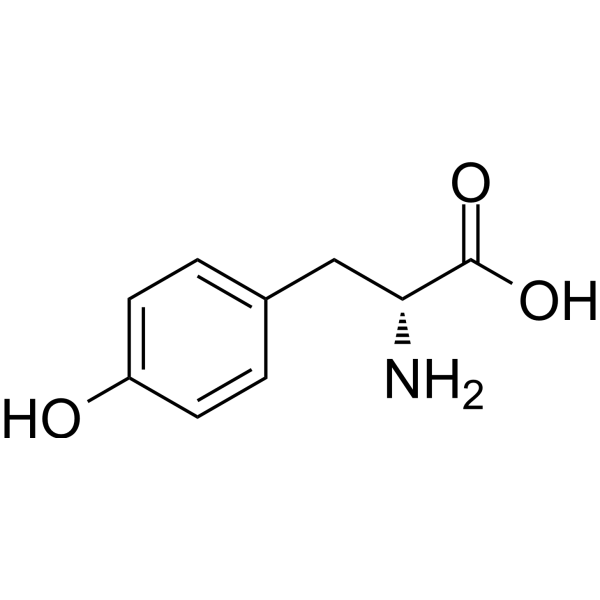
  • HY-Y0444

    Tyrosinase Metabolic Disease
    D-Tyrosine is the D-isomer of tyrosine. D-Tyrosine negatively regulates melanin synthesis by inhibiting tyrosinase activity. D-Tyrosine inhibits biofilm formation and trigger the self-dispersal of biofilms without suppressing bacterial growth .
    D-Tyrosine
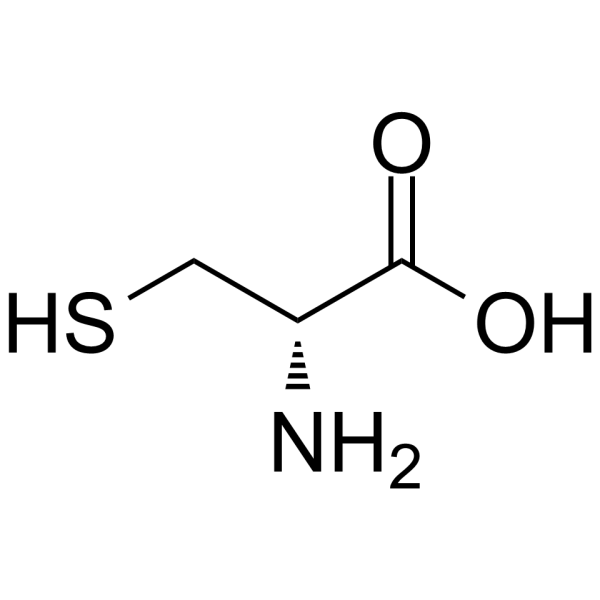
  • HY-W018555

    Endogenous Metabolite Bacterial Infection Neurological Disease
    D-Cysteine, the D-isomer of cysteine, is an orally active antibacterial agent and a regulator of neural progenitor cell proliferation. D-Cysteine can inhibit Escherichia coli, Streptococcus mutans, and Streptococcus sanguinis. The no-observed-adverse-effect level of D-Cysteine in rats should be less than 500 mg/kg/day .
    D-Cysteine
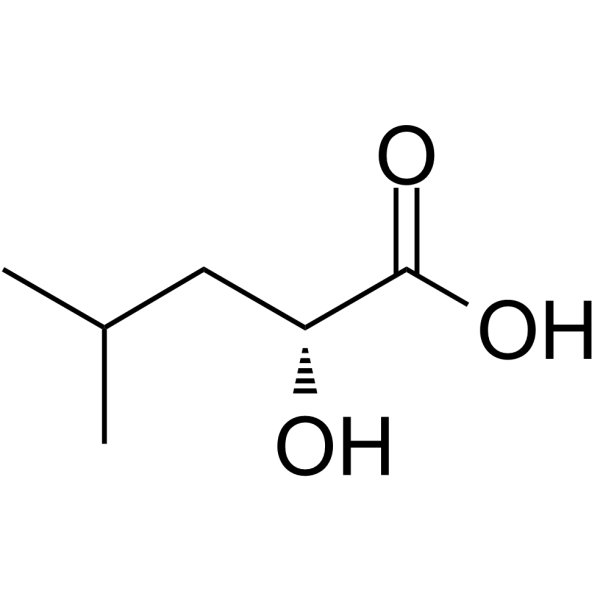
  • HY-30216

    D-α-Hydroxyisocaproic acid

    Amino Acid Derivatives Endogenous Metabolite Metabolic Disease
    (R)-Leucic acid (D-α-Hydroxyisocaproic acid) is an orally active D-isomer of the α-hydroxy analogue of Leucine (HY-N0486). (R)-Leucic acid is a metabolite of Lactobacillus and can promote intestinal fatty acid absorption by upregulating CD36 expression. (R)-Leucic acid can be used to study microbe-host interactions and the regulation of lipid metabolism by probiotics .
    (R)-Leucic acid
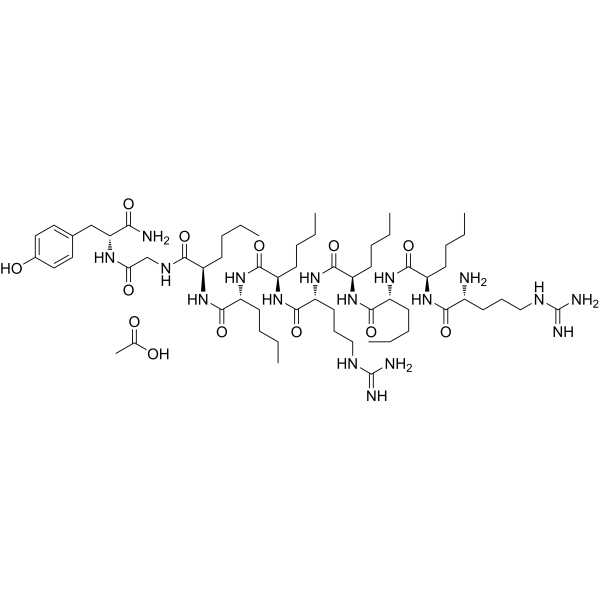
  • HY-106359A

    RDP-58 acetate

    TNF Receptor IFNAR Reactive Oxygen Species (ROS) Cancer
    Delmitide (RDP58) acetate is an orally active d-isomer decapeptide with potent anti-inflammatory activity. Delmitide acetate inhibits production of TNF-α, IFN-γ, and interleukin (IL)-12, and up-regulates heme oxygenase 1 activity. Delmitide acetate can be used for the research of ulcerative colitis .
    Delmitide acetate
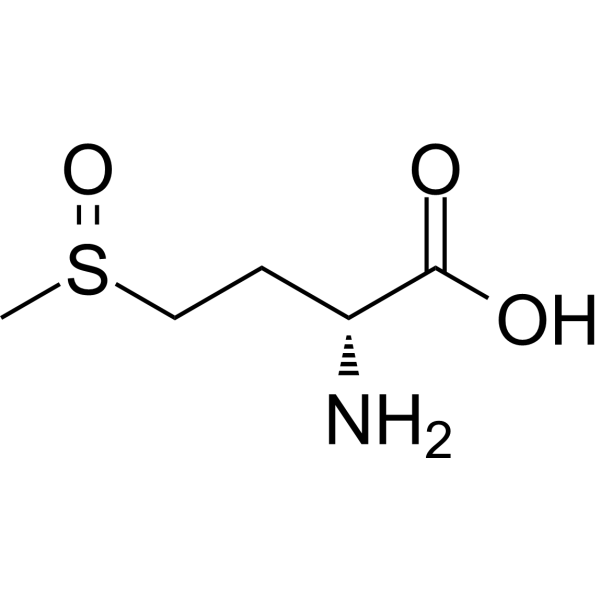
  • HY-129770

    Endogenous Metabolite Metabolic Disease
    D-methionine sulfoxide is the D-isomer of Methionine sulfoxide. Methionine sulfoxide is an oxidation product of methionine. Methionine is the limiting amino acid in milk or leguminous proteins , which is easily oxidized during the course of storage or processing .
    D-Methionine sulfoxide
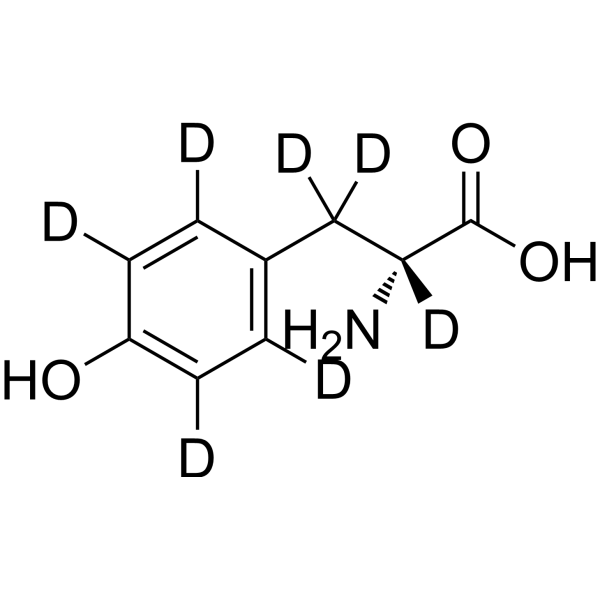
  • HY-Y0444S2

    Isotope-Labeled Compounds Tyrosinase Metabolic Disease
    D-Tyrosine-d7 is the deuterium labeled D-Tyrosine (HY-Y0444) . D-Tyrosine is the D-isomer of tyrosine. D-Tyrosine negatively regulates melanin synthesis by inhibiting tyrosinase activity. D-Tyrosine inhibits biofilm formation and trigger the self-dispersal of biofilms without suppressing bacterial growth .
    D-Tyrosine-d7
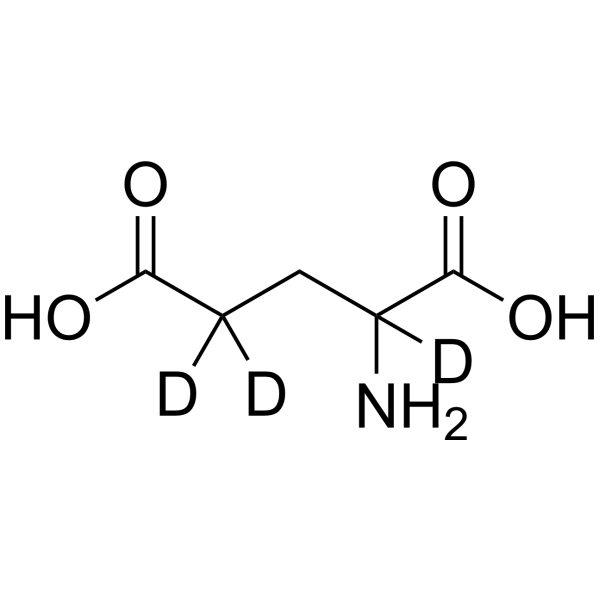
  • HY-W041895

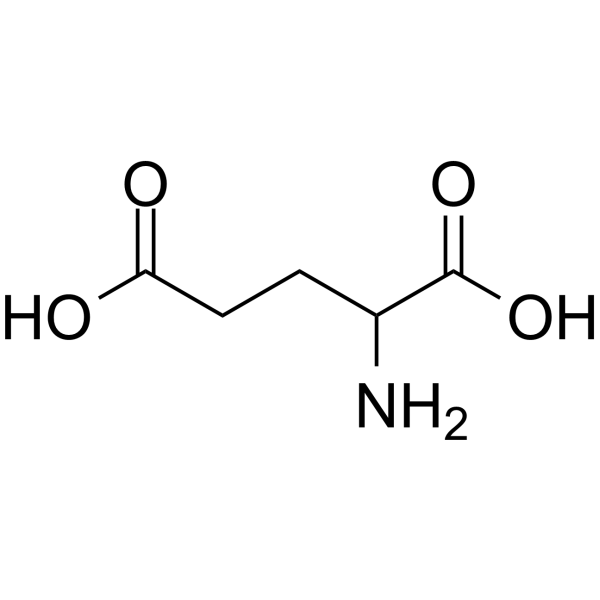
    Endogenous Metabolite DNA/RNA Synthesis Bacterial Infection
    DL-Glutamic acid is a racemic amino acid mixture and an antibacterial agent. DL-Glutamic acid reduces RNA and DNA levels, with a more significant effect on RNA. DL-Glutamic acid inhibits cell division of Rhodospirillum rubrum .
    DL-Glutamic acid
  • HY-W002291

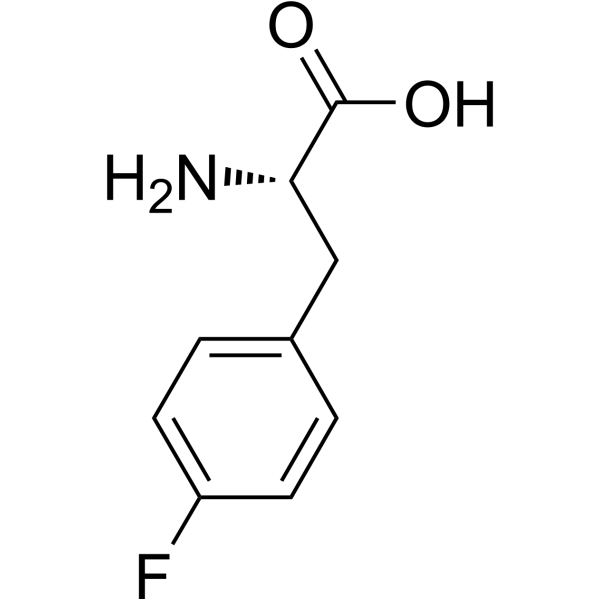
    4-Fluoro-L-phenylalanine

    Drug Derivative Infection
    p-Fluoro-L-phenylalanine (4-Fluoro-L-phenylalanine) is a fluorinated derivative of L-phenylalanine (HY-N0215). p-Fluoro-L-phenylalanine specifically binds to the L-leucine-specific receptor of Escherichia coli, with a Kd value of 0.26 μM .
    p-Fluoro-L-phenylalanine
  • HY-106359

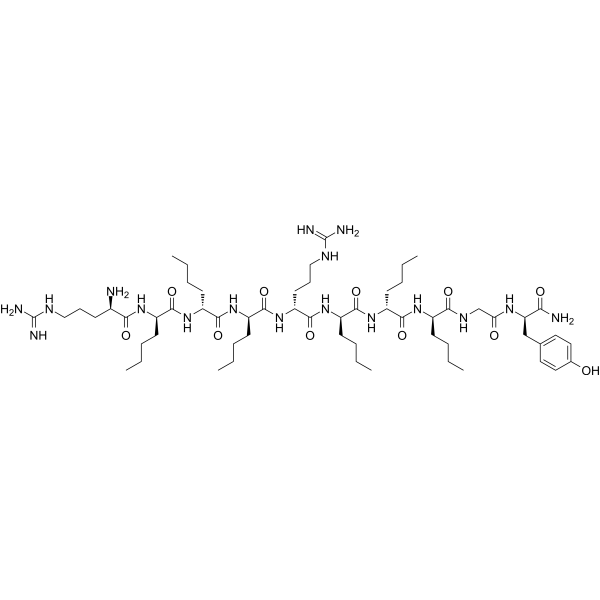
    RDP-58

    TNF Receptor IFNAR Reactive Oxygen Species (ROS) Infection Inflammation/Immunology Cancer
    Delmitide (RDP58) is an orally active d-isomer decapeptide with potent anti-inflammatory activity. Delmitide inhibits production of TNF-α, IFN-γ, and interleukin (IL)-12, and up-regulates heme oxygenase 1 activity. Delmitide can be used for the research of ulcerative colitis .
    Delmitide
  • HY-131833A

    ADC Linker Cancer
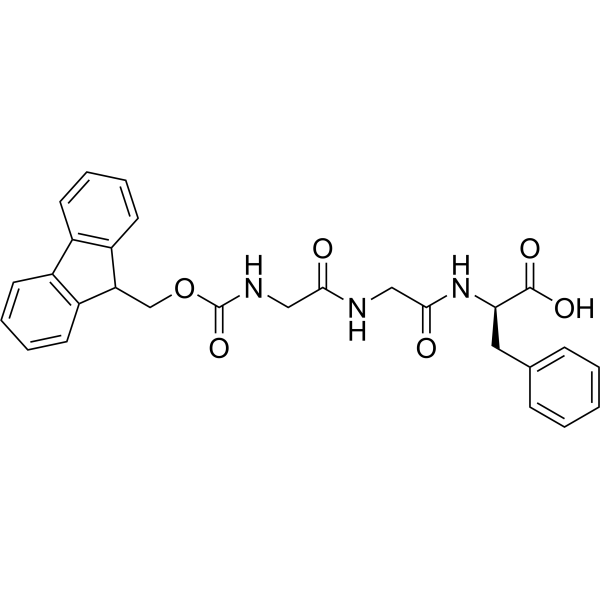
    Fmoc-Gly-Gly-D-Phe-OH is a cleavable ADC linker used in the synthesis of antibody-drug conjugates (ADCs). Fmoc-Gly-Gly-D-Phe-OH is the D-isomer of Fmoc-Gly-Gly-Phe-OH (HY-131833).
    Fmoc-Gly-Gly-D-Phe-OH
  • HY-W007223

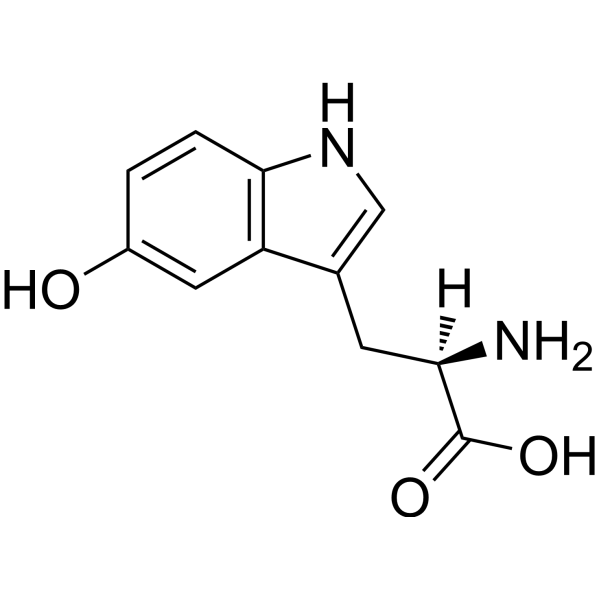
    D-5-HTP; 5-Hydroxy-D-tryptophan

    5-HT Receptor Neurological Disease
    D-5-Hydroxytryptophan (D-5-HTP) is the D-isomer of 5-HTP and can be isolated from DL-5-hydroxytryptophan by continuous separation. Compared with intraperitoneal administration of L-5-Hydroxytryptophan, which can induce dose-dependent backward walking behavior in mice, D-5-Hydroxytryptophan has no significant effect on mouse behavior and is a negative control. D-5-Hydroxytryptophan is also a 5-HT ligand, capable of binding to the 5-HT site with affinity in the micromolar range .
    D-5-Hydroxytryptophan
  • HY-P4633A

    Drug Isomer Dipeptidyl Peptidase Metabolic Disease
    D-γ-Glu-Tyr is a D-isomer of γ-Glu-Tyr (HY-P4633), the difference being the γ-Glu content.γ-Glu-Tyr, a competitive inhibitor of dipeptidyl peptidase-IV (DPP-IV) (IC50=6.77 mM), is a potentially functional component of the type 2 diabetes diet .
    D-γ-Glu-Tyr
  • HY-106601A

    LY-150720 hydrochloride

    Opioid Receptor Neurological Disease
    Picenadol (LY-150720) hydrochloride is an opioid mixed agonist-antagonist analgesic. Picenadol hydrochloride is an external racemic mixture, where its d-isomer (LY136596) is a potent μ-opioid receptor agonist, and the l-isomer (LY136595) is a weak μ-receptor competitive antagonist, which can inhibit the agonist effect and reduce the risk of dependence. Picenadol hydrochloride has anticholinergic activity .
    Picenadol hydrochloride
  • HY-W018555R

    Reference Standards Endogenous Metabolite Bacterial Infection Neurological Disease
    D-Cysteine (Standard) is the analytical standard of D-Cysteine. This product is intended for research and analytical applications. D-Cysteine, the D-isomer of cysteine, is an orally active antibacterial agent and a regulator of neural progenitor cell proliferation. D-Cysteine can inhibit Escherichia coli, Streptococcus mutans, and Streptococcus sanguinis. The no-observed-adverse-effect level of D-Cysteine in rats should be less than 500 mg/kg/day[1][2][3][4].
    D-Cysteine (Standard)
  • HY-129770A

    Drug Isomer Metabolic Disease
    D-methionine sulfoxide hydrochloride is the D-isomer of Methionine sulfoxide hydrochloride. Methionine sulfoxide is an oxidation product of methionine. Methionine is the limiting amino acid in milk or leguminous proteins, which is easily oxidized during the course of storage or processing .
    D-Methionine sulfoxide hydrochloride
  • HY-W016781R

    H-D-Arg-OH (Standard)

    Reference Standards Endogenous Metabolite Neurological Disease Cancer
    D-arginine (H-D-Arg-OH) is the D-isomer of arginine. Arginine is an α-amino acid that is used in the biosynthesis of proteins. D-Arginine is an inactive form of L-arginine. D-arginine can be used in myeloma and neurological disease research . .
    D-Arginine (Standard)
  • HY-103641R

    (2R)-Octyl-2-HG (Standard)

    Histone Demethylase Reference Standards Others Cancer
    (2R)-Octyl-α-hydroxyglutarate (Standard) is the analytical standard of (2R)-Octyl-α-hydroxyglutarate. This product is intended for research and analytical applications. (2R)-Octyl-α-hydroxyglutarate ((2R)-Octyl-2-HG) is a modified form of D-isomer 2-Hydroxyglutarate.
    (2R)-Octyl-α-hydroxyglutarate (Standard)
  • HY-Y0444S1

    Isotope-Labeled Compounds Tyrosinase Metabolic Disease
    D-Tyrosine-d4 is the deuterium labeled D-Tyrosine (HY-Y0444) . D-Tyrosine is the D-isomer of tyrosine. D-Tyrosine negatively regulates melanin synthesis by inhibiting tyrosinase activity. D-Tyrosine inhibits biofilm formation and trigger the self-dispersal of biofilms without suppressing bacterial growth .
    D-Tyrosine-d4
  • HY-Y0444S

    Isotope-Labeled Compounds Tyrosinase Metabolic Disease
    D-Tyrosine-d2 is the deuterium labeled D-Tyrosine (HY-Y0444) . D-Tyrosine is the D-isomer of tyrosine. D-Tyrosine negatively regulates melanin synthesis by inhibiting tyrosinase activity. D-Tyrosine inhibits biofilm formation and trigger the self-dispersal of biofilms without suppressing bacterial growth .
    D-Tyrosine-d2
  • HY-106601

    LY-150720

    Opioid Receptor Neurological Disease
    Picenadol (LY-150720) is an opioid mixed agonist-antagonist analgesic. Picenadol is an external racemic mixture, where its d-isomer (LY136596) is a potent μ-opioid receptor agonist, and the l-isomer (LY136595) is a weak μ-receptor competitive antagonist, which can inhibit the agonist effect and reduce the risk of dependence. Picenadol has anticholinergic activity .
    Picenadol
  • HY-30216R

    D-α-Hydroxyisocaproic acid (Standard)

    Reference Standards Amino Acid Derivatives Endogenous Metabolite Metabolic Disease
    (R)-Leucic acid (Standard) is the analytical standard of (R)-Leucic acid (HY-30216). This product is intended for research and analytical applications. (R)-Leucic acid (D-α-Hydroxyisocaproic acid) is the D-isomer of the α-hydroxy analogue of Leucine (HY-N0486). (R)-Leucic acid is a metabolite of Lactobacillus and can promote intestinal fatty acid absorption by upregulating CD36 expression. (R)-Leucic acid can be used to study microbe-host interactions and the regulation of lipid metabolism by probiotics.
    (R)-Leucic acid (Standard)
  • HY-P5327

    Bcl-2 Family Others
    r8 Bid BH3 is a biological active peptide. (The Bid BH3 is a pro-apoptotic member of the 'BH3-only' subset of BCL-2 family proteins that constitute a critical control point in apoptosis. r8BIDBH3 is lethal to human leukemia cell lines that expresse Bcl-2. The Bcl-2 antagonists may have the potential to be efficacious in cancer therapy. Poly-D-arginine (d-isomer as denoted by rrrrrrrr) is fused to the Bid BH3 peptide to facilitate cellular uptake of the peptide.)
    r8 Bid BH3
  • HY-A0132S14

    N-Acetyl-2-amino-2-deoxy-D-glucose-d3

    Isotope-Labeled Compounds Endogenous Metabolite Drug Derivative Interleukin Related Drug Isomer Metabolic Disease Inflammation/Immunology Cancer
    N-Acetyl-D-glucosamine-d3 (N-Acetyl-2-amino-2-deoxy-D-glucose-d3) is deuterium labeled N-Acetyl-D-glucosamine. N-Acetyl-D-Glucosamine (N-Acetyl-2-amino-2-deoxy-D-glucose), the D isomer of N-acetylglucosamine, is an orally active monosaccharide derivative of glucose with anti-tumor and anti-inflammation properties. N-Acetyl-D-Glucosamine is also a bacterial metabolite, which is found in Escherichia coli. N-Acetyl-D-Glucosamine can induce yeast-mycelial conversion in Candida albicans. N-Acetyl-D-Glucosamine also enhances healing of cartilaginous injuries in rabbits .
    N-Acetyl-D-glucosamine-d3
  • HY-Y0444R

    Tyrosinase Reference Standards Metabolic Disease
    D-Tyrosine (Standard) is the analytical standard of D-Tyrosine (HY-Y0444). This product is intended for research and analytical applications. D-Tyrosine is the D-isomer of tyrosine. D-Tyrosine negatively regulates melanin synthesis by inhibiting tyrosinase activity. D-Tyrosine inhibits biofilm formation and trigger the self-dispersal of biofilms without suppressing bacterial growth .
    D-Tyrosine (Standard)

Inquiry Online

Your information is safe with us. * Required Fields.

Salutation


Country or Region *

Applicant Name *


Organization Name *

Department *


Email Address *


Product Name *

Cat. No.


Requested quantity *

Phone Number *


Remarks

Inquiry Online

Inquiry Information

Product Name:
Cat. No.:
Quantity:
MCE Japan Authorized Agent:

