1. Search Result
Search Result
Pathways Recommended: Cell Cycle/DNA Damage
Isoforms Recommended: DNA Ligase
Results for "

DNA ligase

" in MedChemExpress (MCE) Product Catalog:

28

Inhibitors & Agonists

1

Screening Libraries

1

Peptides

2

MCE Kits

1

Recombinant Proteins

7

Antibodies

Cat. No. Product Name Target Research Areas Chemical Structure
  • HY-70062
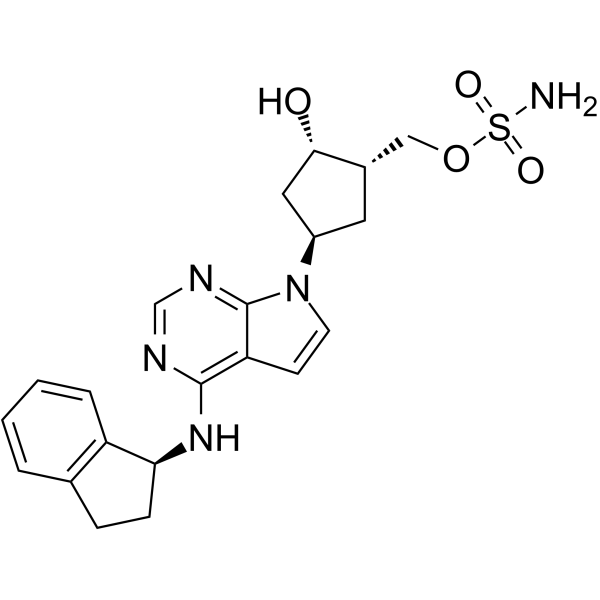
    Pevonedistat
    Maximum Cited Publications
    212 Publications Verification

    MLN4924

    NEDD8-activating Enzyme Apoptosis Cancer
    Pevonedistat (MLN4924) is a potent and selective NEDD8-activating enzyme (NAE) inhibitor with an IC50 of 4.7 nM. Pevonedistat induces the deregulation of S-phase DNA synthesis, thereby disrupting protein turnover mediated by cullin-RING ligase, leading to apoptosis of human tumor cells. Pevonedistat suppresses the growth of human tumour xenografts in mice .
    Pevonedistat
  • HY-107845
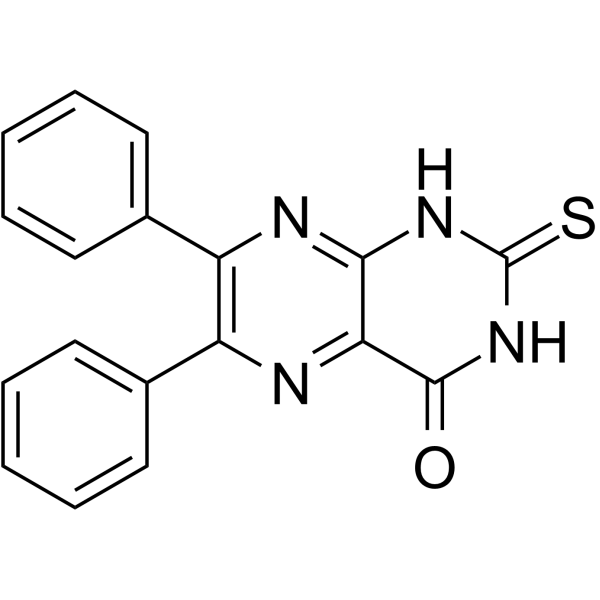
    SCR7 pyrazine
    15+ Cited Publications

    DNA/RNA Synthesis Apoptosis Cancer
    SCR7 pyrazine is a DNA ligase IV inhibitor that blocks nonhomologous end-joining (NHEJ) in a ligase IV-dependent manner. SCR7 pyrazine increases the efficiency of Cas9-mediated homology-directed repair (HDR). SCR7 pyrazine induces cell apoptosis and has anticancer activity .
    SCR7 pyrazine
  • HY-15586
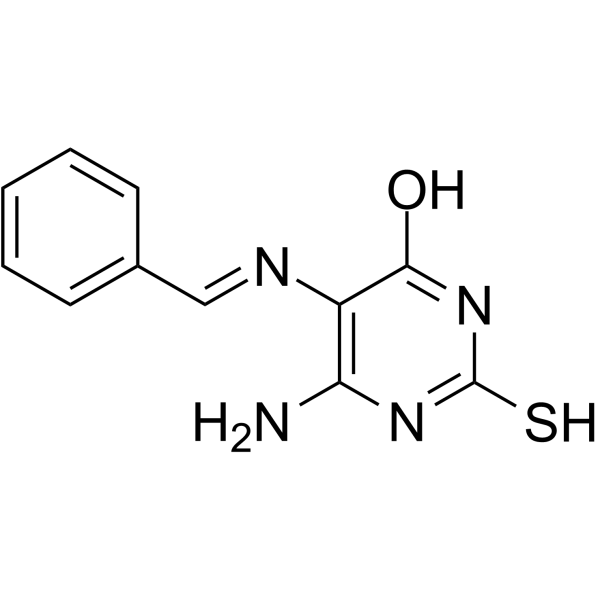
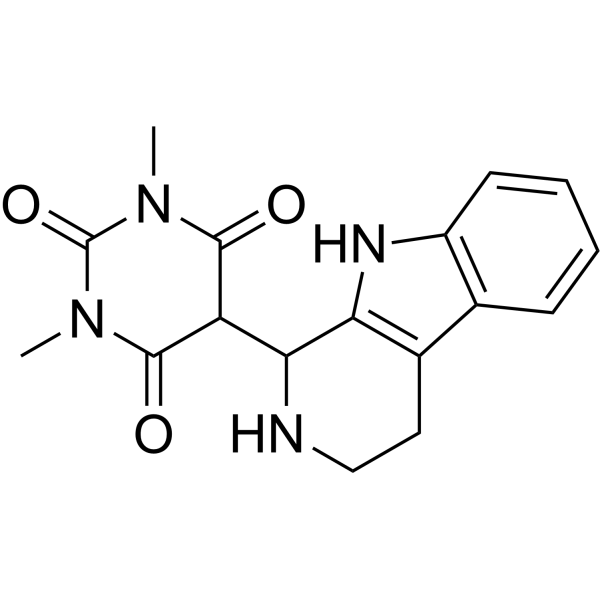
    L67
    2 Publications Verification

    DNA ligase Inhibitor

    DNA/RNA Synthesis Caspase Apoptosis Reactive Oxygen Species (ROS) Cancer
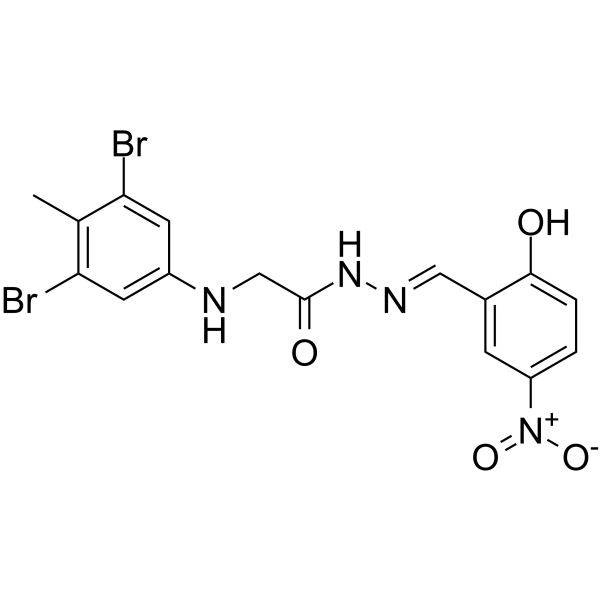
    L67 (DNA Ligase Inhibitor) is a competitive DNA ligase inhibitor that effectively inhibits DNA ligases I/III (both IC50 are 10 μM). L67 can cause nuclear DNA damage by reducing levels of mitochondrial DNA and increasing levels of mitochondrially-generated ROS. L67 also activates the Caspase 1-dependent apoptosis pathway in cancer cells, can be used in cancer research .
    L67
  • HY-10484
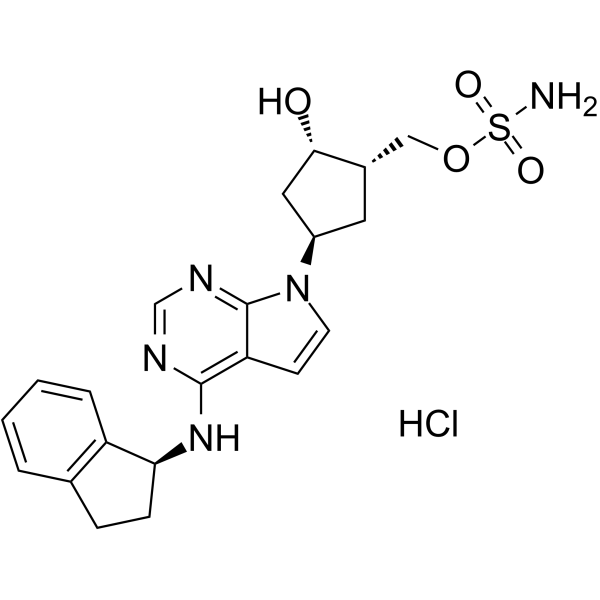
    Pevonedistat hydrochloride
    Maximum Cited Publications
    212 Publications Verification

    MLN4924 hydrochloride

    NEDD8-activating Enzyme Apoptosis Cancer
    Pevonedistat (MLN4924) hydrochloride is a potent and selective NEDD8-activating enzyme (NAE) inhibitor, with an IC50 of 4.7 nM. Pevonedistat hydrochloride induces the deregulation of S-phase DNA synthesis, thereby disrupting protein turnover mediated by cullin-RING ligase, leading to apoptosis of human tumor cells. Pevonedistat hydrochloride suppresses the growth of human tumour xenografts in mice .
    Pevonedistat hydrochloride
  • HY-P3005

    DNA/RNA Synthesis Others
    T4 DNA ligase is the product of gene 30 of phage T4. T4 DNA ligase catalyzes the repair of single-stranded nicks in duplex DNA and joins duplex DNA restriction fragments having either blunt or cohesive ends. T4 DNA ligase catalyze the sealing of adjacent 5′-phosphate and 3′-­hydroxyl termini at single-stranded breaks in double-stranded DNA.T4 DNA ligase is an ATP-dependent ligase enzyme. T4 DNA ligase can be used in various biotechnological applications. T4 DNA ligase can join the ends of single-stranded DNA in the absence of any duplex DNA structure at the ligation site .
    T4 DNA ligase
  • HY-15588
    L189
    3 Publications Verification

    DNA/RNA Synthesis Cancer
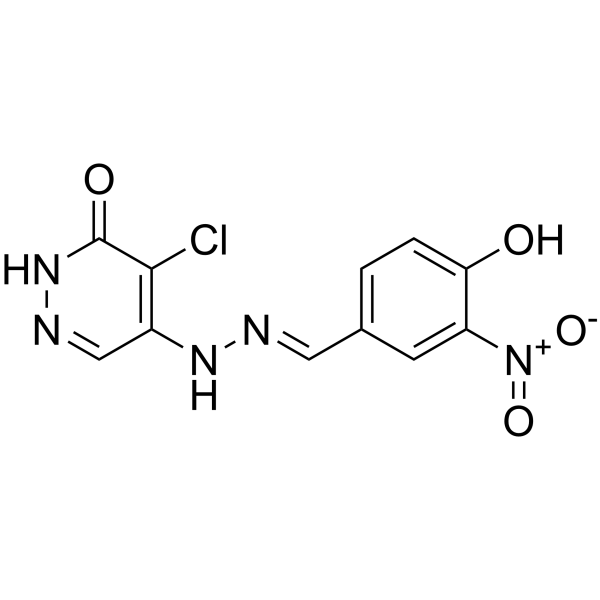
    L189 is a DNA ligase inhibitor. L189 has inhibition effect for DNA Ligase I, III and IV with IC50 values of 5 μM, 9 μM and 5 μM, respectively. L189 has no cytotoxicity and individually increase cell death. L189 can be used for the research of cancer .
    L189
  • HY-153215

    Ligands for E3 Ligase Cancer
    MEL24 is an Mdm2 E3 ligase inhibitor that reduces cell survival and increases sensitivity to DNA damaging agents in a p53-dependent manner for in vitro antitumor studies .
    MEL24
  • HY-139297
    SCR130
    1 Publications Verification

    DNA/RNA Synthesis Apoptosis Cancer
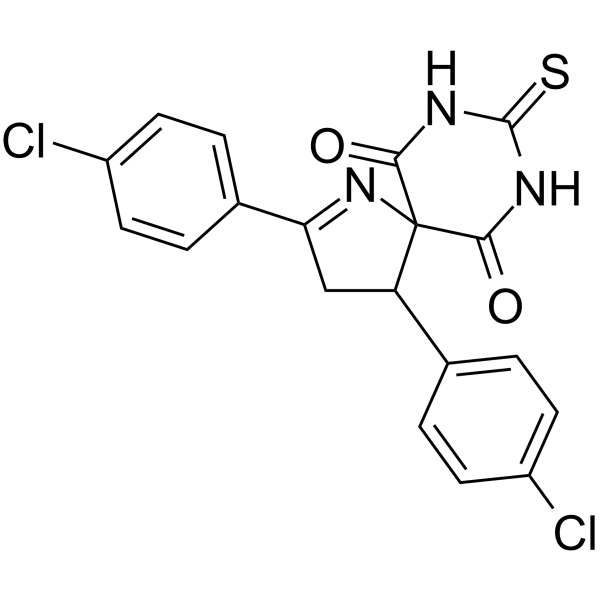
    SCR130 is a SCR7-based DNA nonhomologous end-joining (NHEJ) inhibitor. SCR130 inhibits the end-joining of DNA in a Ligase IV-dependent manner. SCR130 is specific to Ligase IV, and shows minimal or no effect on Ligase III and Ligase I mediated joining. SCR130 induces cell apoptosis and has anticancer activity .
    SCR130
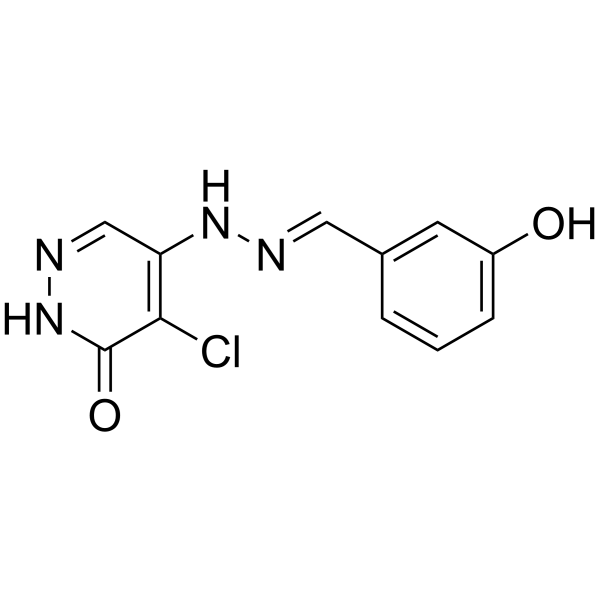
  • HY-15587

    DNA/RNA Synthesis Cancer
    L82 is a selective and uncompetitive DNA ligase 1 (DNA Lig1) inhibitor (hLig1 IC50=12 μM). L82 shows anti-proliferative activity to breast cancer cells .
    L82
  • HY-148161

    DNA/RNA Synthesis Cancer
    L82-G17 is an uncompetitive DNA ligase I (Lig I)-selective inhibitor. L82-G17 inhibits the third step of the ligation reaction, phosphodiester bond formation. L82-G17can be used as a probe of the catalytic activity .
    L82-G17
  • HY-170620
    PARP1 PROTAC 180055
    1 Publications Verification

    PROTACs PARP Cancer
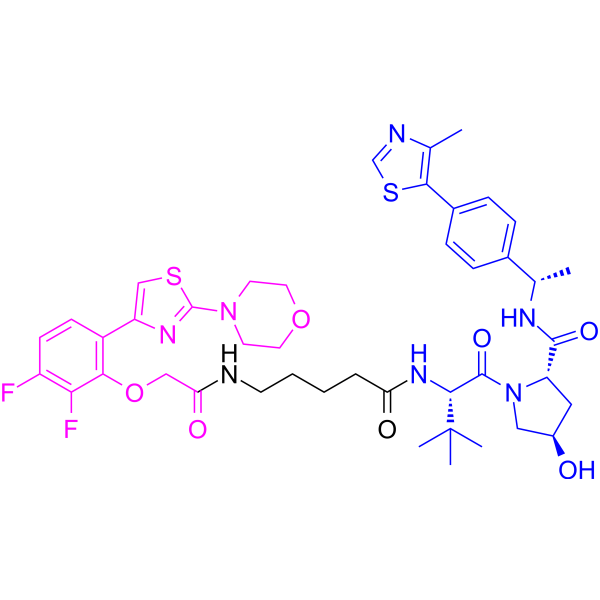
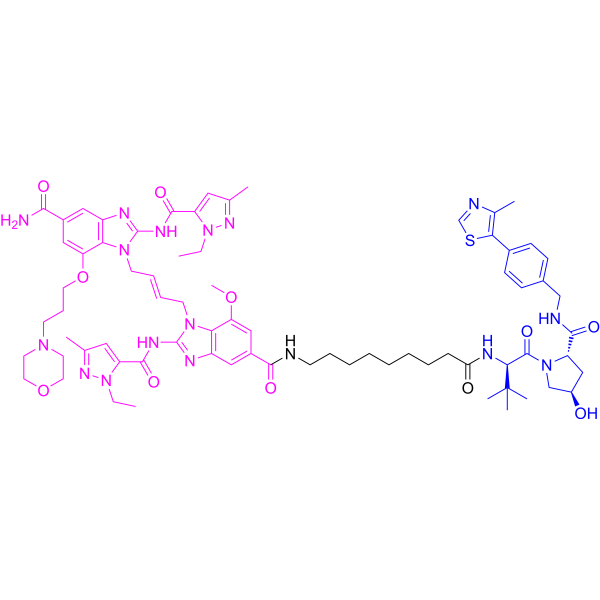
    PARP1 PROTAC 180055 (Compound 180055) is a selective PARP1 PROTAC degrader (DC50 in T47D and MDA-MB-231 cell lines is 180 nM and 240 nM, respectively). PARP1 PROTAC 180055 promotes ubiquitination and degradation of PARP1 as well as inhibits PARP1 enzyme activity without a noticeable DNA trapping effect. PARP1 PROTAC 180055 inhibits tumors carrying BRCA mutations with a minor impact on the growth of normal cells (Pink: PARP1 ligand (HY-10617A); Blue: E3 ligase VHL ligand (HY-125845); Black: linker (HY-W014787)) .
    PARP1 PROTAC 180055
  • HY-108640A

    MDM-2/p53 Parasite Apoptosis Infection Cancer
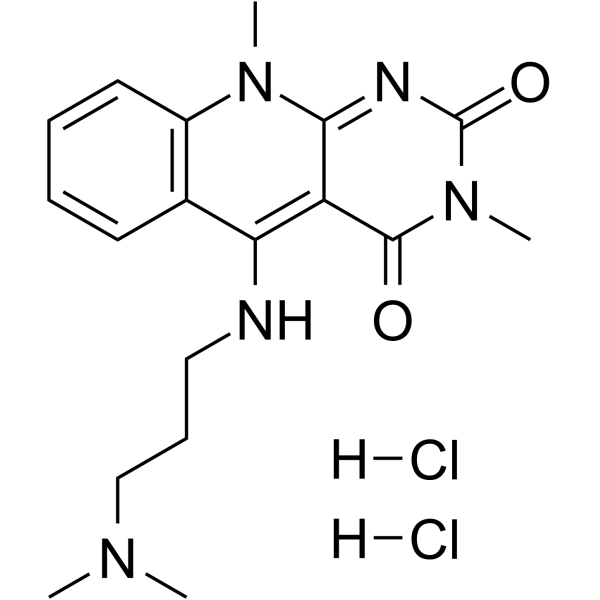
    HLI373 dihydrochloride is an efficacious Hdm2 inhibitor. HLI373 dihydrochloride inhibits the ubiquitin ligase activity of Hdm2. HLI373 dihydrochloride is effective in inducing apoptosis of several tumor cells that are sensitive to DNA-damaging agents . Antimalarial activity .
    HLI373 dihydrochloride
  • HY-177119

    PROTACs RIP kinase Mixed Lineage Kinase Infection Inflammation/Immunology
    ZBP1 Covalent PROTAC-1 is a covalent Z-DNA binding protein 1 ZBP1 PROTAC degrader, with its DC50 being 25.69 nM. ZBP1 Covalent PROTAC-1 integrates the ligand that recruits the VHL E3 ubiquitin ligase and the DNA aptamer (Aptamer Z3) with the specific Zα domain that can bind to ZBP1, which has a high affinity (KD = 2.71 nM) with ZBP1. After degrading ZBP1, the phosphorylation levels of downstream signaling molecules RIPK3 and MLKL significantly decrease. ZBP1 Covalent PROTAC-1, encapsulated by nano-liposomes, significantly improves the survival rate of mice infected with influenza A virus (IAV) after administration via the trachea .
    ZBP1 Covalent PROTAC-1
  • HY-161152

    DNA/RNA Synthesis Apoptosis Cancer
    DNA relaxation-IN-1 (Compound 27) is a DNA ligase 1 DNA Lig1) inhibitor. DNA relaxation-IN-1 inhibits DNA ligation and disrupts the DNA relaxing activity of DNA Lig1. DNA relaxation-IN-1 induces Apoptosis. DNA relaxation-IN-1, in combination with Topotecan (HY-13768), exhibits synergistic antiproliferative effects against colorectal cancer .
    DNA relaxation-IN-1
  • HY-172767

    PROTACs STAT Apoptosis Cancer
    STAT3-D11-PROTAC-VHL (Compound D11-PROTAC) is a PROTAC degrader targeting Signal Transducer and Activator of Transcription 3 (STAT3). STAT3-D11-PROTAC-VHL exhibits anti-tumor activity with IC50 values of 1335 nM and 1973 nM against HeLa and MCF-7 cells, respectively. STAT3-D11-PROTAC-VHL binds to the DNA-binding domain of STAT3 and recruits the E3 ligase VHL to form a ternary complex, leading to the ubiquitination of STAT3 and subsequent degradation by the proteasome. STAT3-D11-PROTAC-VHL also inhibits tumor cell growth, induces cell cycle arrest and apoptosis, and suppresses tumor immune evasion .
    STAT3-D11-PROTAC-VHL
  • HY-168556

    CDK PROTACs DNA/RNA Synthesis Cancer
    YJ9069 is a selective CDK12/CDK13 PROTAC degrader with an IC50 of 22.22 nM for in VCaP cells. CDK12/13 degradation rapidly triggers gene-length-dependent transcriptional elongation defects, leading to DNA damage and cell-cycle arrest. YJ9069 effectively inhibits proliferation in subsets of prostate cancer cells and significantly suppresses prostate tumor growth. (Pink: CDK12/CDK13 degradation agent (HY-168658); Black: Linker (HY-W015967); Blue: ligand for E3 ligase (HY-103596)) .
    YJ9069
  • HY-108640

    MDM-2/p53 Parasite Apoptosis Infection Cancer
    HLI373 is an efficacious Hdm2 inhibitor. HLI373 inhibits the ubiquitin ligase activity of Hdm2. HLI373 is effective in inducing apoptosis of several tumor cells that are sensitive to DNA-damaging agents . Antimalarial activity .
    HLI373
  • HY-150331

    DNA/RNA Synthesis Bacterial Infection
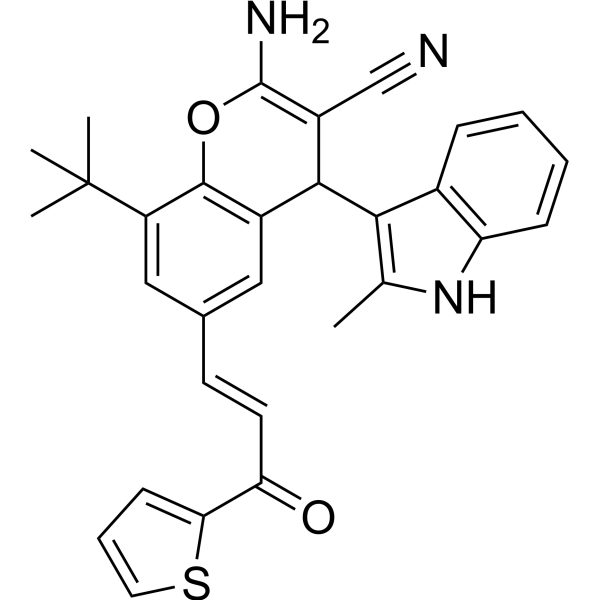
    DNA ligase-IN-2 (compound 2) is a potent LigA inhibitor and inhibits the DNA-independent autoadenylation activity of both full-length LigA and a truncated enzyme, LigA:AD (IC50=29 nM). DNA ligase-IN-2 effectively inhibits the growth of Staphylococcus aureus in vitro, with MIC valuse of 1, 1, and >64 μg/mL for S. aureus ATCC 29213, S. aureus ATCC 700699 and E. coli ATCC 25922, respectively .
    DNA ligase-IN-2
  • HY-E70091

    DNA/RNA Synthesis Others
    T4 RNA ligase is an ATP-dependent RNA ligase that can catalyze the formation of phosphodiester bonds between the 5'-P end and the 3'-OH end of single-stranded RNA, single-stranded DNA or single nucleotides between molecules or within molecules. T4 RNA ligase is used for enzymatic low ribonucleotide synthesis and 3′ end labeling of RNA. It is mainly used for RNA and RNA, but can also be used for RNA and single nucleotides .
    T4 RNA ligase
  • HY-150330

    DNA/RNA Synthesis Bacterial Infection
    DNA ligase-IN-1 (Compound 1) is an inhibitor of bacterial NAD +-dependent DNA ligase (LigA). DNA ligase-IN-1 effectively inhibits the growth of Staphylococcus aureus in vitro .
    DNA ligase-IN-1
  • HY-E70604

    DNA/RNA Synthesis Others
    E. coli DNA ligase is a NAD +-dependent DNA ligase that catalyzes the formation of a phosphodiester bond between the complementary 3′-OH and 5′-P ends of dsDNA .
    E. coli DNA ligase
  • HY-70062R

    MLN4924 (Standard)

    NEDD8-activating Enzyme Apoptosis Reference Standards Cancer
    Pevonedistat (Standard) is the analytical standard of Pevonedistat. This product is intended for research and analytical applications. Pevonedistat (MLN4924) is a potent and selective NEDD8-activating enzyme (NAE) inhibitor with an IC50 of 4.7 nM. Pevonedistat induces the deregulation of S-phase DNA synthesis, thereby disrupting protein turnover mediated by cullin-RING ligase, leading to apoptosis of human tumor cells. Pevonedistat suppresses the growth of human tumour xenografts in mice .
    Pevonedistat (Standard)
  • HY-W749297A

    Phleomycin D2 sulfate

    DNA/RNA Synthesis Bacterial Infection Cancer
    Bleomycin B2 (Phleomycin D2) sulfate is a selective antitumor and antibacterial agent that induces DNA strand breaks and inhibits DNA ligase activity. The optimal pH for the activity of Bleomycin B2 sulfate is 9.1, and its efficacy is enhanced by thiol compounds or hydrogen peroxide. Bleomycin B2 sulfate undergoes enzymatic inactivation via bleomycin-inactivating enzymes, exhibits selective retention in squamous cell carcinoma, and is inactivated most rapidly in liver and kidney homogenates. Bleomycin B2 sulfate can be applied in research related to squamous cell carcinoma and other relevant studies .
    Bleomycin B2 sulfate
  • HY-107845R

    Reference Standards DNA/RNA Synthesis Apoptosis Cancer
    SCR7 pyrazine (Standard) is the analytical standard of SCR7 pyrazine (HY-107845). This product is intended for research and analytical applications. SCR7 pyrazine is a DNA ligase IV inhibitor that blocks nonhomologous end-joining (NHEJ) in a ligase IV-dependent manner. SCR7 pyrazine increases the efficiency of Cas9-mediated homology-directed repair (HDR). SCR7 pyrazine induces cell apoptosis and has anticancer activity .
    SCR7 pyrazine (Standard)
  • HY-10484R

    MLN4924 hydrochloride (Standard)

    Reference Standards NEDD8-activating Enzyme Apoptosis Cancer
    Pevonedistat hydrochloride (Standard) is the analytical standard of Pevonedistat hydrochloride (HY-10484). This product is intended for research and analytical applications. Pevonedistat (MLN4924) hydrochloride is a potent and selective NEDD8-activating enzyme (NAE) inhibitor, with an IC50 of 4.7 nM. Pevonedistat hydrochloride induces the deregulation of S-phase DNA synthesis, thereby disrupting protein turnover mediated by cullin-RING ligase, leading to apoptosis of human tumor cells. Pevonedistat hydrochloride suppresses the growth of human tumour xenografts in mice .
    Pevonedistat hydrochloride (Standard)
  • HY-W547534

    2,4-Dichlorophenoxyacetic acid ammonium

    Herbicide DNA/RNA Synthesis Apoptosis Cancer
    2,4-D (2, 4-dichlorophenoxyacetic acid) ammonium is a selective herbicide that can be used for the control of broad-leaved weeds. 2,4-D ammonium can induce apoptosis. 2,4-D ammonium inhibits DNA and protein synthesis, thereby preventing normal plant growth and development .
    2,4-D ammonium
  • HY-182037

    DNA/RNA Synthesis Pyruvate Kinase Cancer
    Multi-target kinase-IN-9 is a multi-target enzyme inhibitor with antiproliferative and antiangiogenic activities, and exhibits remarkable selectivity against hepatocellular carcinoma cells. By broadly binding to the active sites or ATP-binding regions of multiple key enzymes including DNA polymerase β, Pyruvate Kinase M2 (PKM2), Multi-target kinase-IN-9 comprehensively disrupts DNA repair and replication, glycolysis, chromatin dynamics and transcriptional programs, and blocks the self-renewal of cancer stem cells. Multi-target kinase-IN-9 induces genomic instability, lysosomal dysfunction and autophagic flux impairment, thereby triggering tumor cell death, effectively inhibiting tumor proliferation, invasion, metastasis and angiogenesis, and significantly reducing tumor volume in xenograft models. Multi-target kinase-IN-9 is applicable to hepatocellular carcinoma-related research .
    Multi-target kinase-IN-9
  • HY-P11792

    E1/E2/E3 Enzyme Cancer
    CP2-CPP is a conjugate of p27 Analogue CP2 (HY-P11020) and Antennapedia Peptide (HY-P0307). CP2-CPP crosses cell membranes and localizes to live cell cytosol. CP2-CPP blocks SCF Skp2/Cks1-p27 interaction to inhibit p27 ubiquitination and degradation, restoring p27 levels and inhibiting cell proliferation. CP2-CPP can be used for the research of cancer, such as breast cancer .
    CP2-CPP

Inquiry Online

Your information is safe with us. * Required Fields.

Salutation


Country or Region *

Applicant Name *


Organization Name *

Department *


Email Address *


Product Name *

Cat. No.


Requested quantity *

Phone Number *


Remarks

Inquiry Online

Inquiry Information

Product Name:
Cat. No.:
Quantity:
MCE Japan Authorized Agent:

