From 11:00 pm to 12:00 pm EST ( 8:00 pm to 9:00 pm PST ) on January 6th, the website will be under maintenance. We are sorry for the inconvenience. Please arrange your schedule properly.
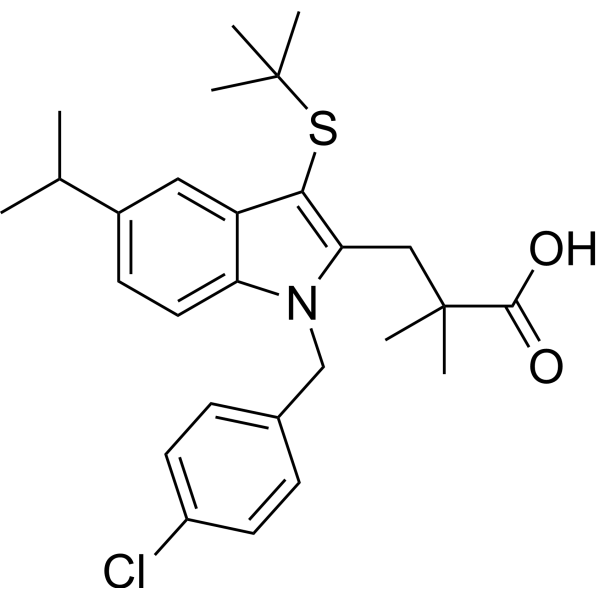
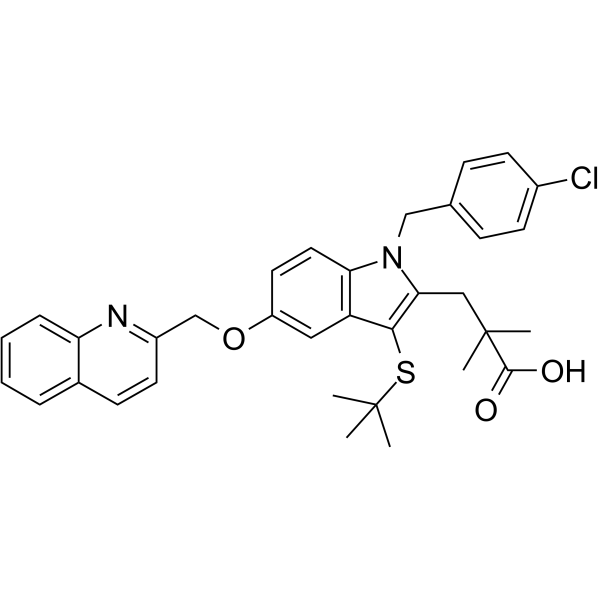
MK-886 (L 663536) is a potent, cell-permeable and orally active FLAP (IC50 of 30 nM) and leukotriene biosynthesis (IC50s of 3 nM and 1.1 μM in intact leukocytes and human whole blood, respectively) inhibitor. MK-886 is also a non-competitive PPARα antagonist and can induce apoptosis .
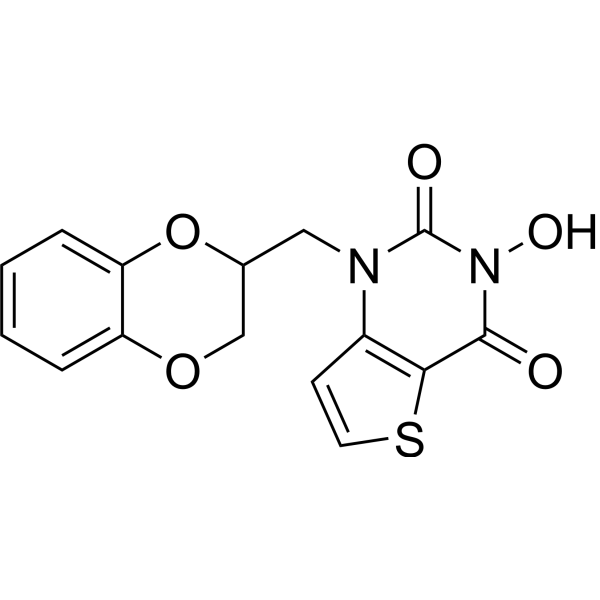
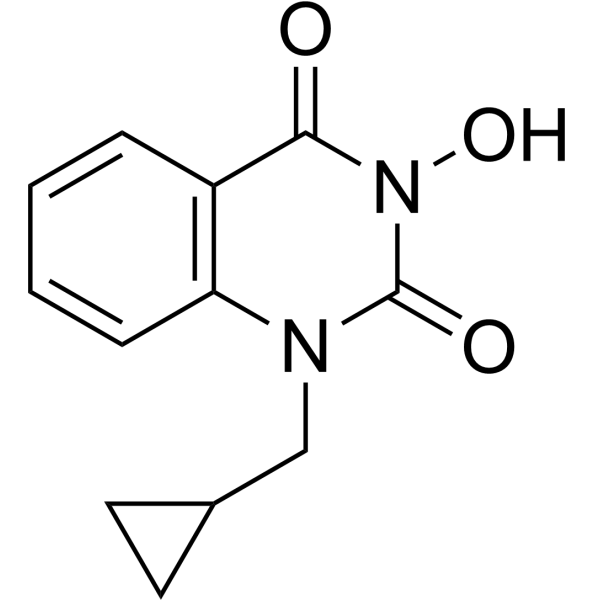
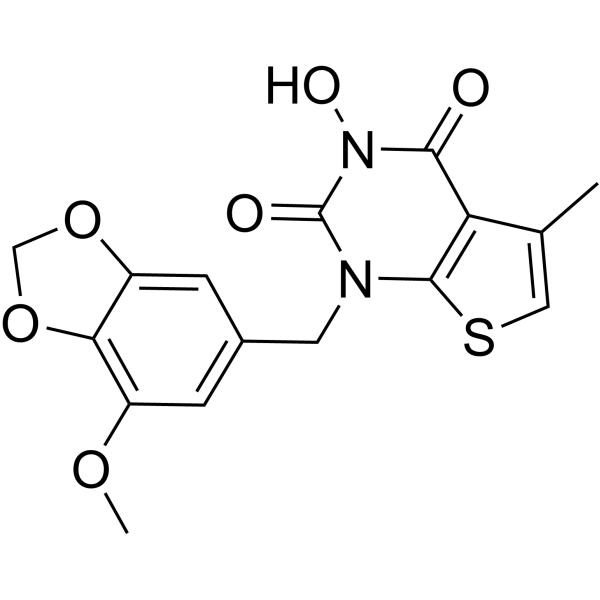
FEN1-IN-1 (compound 1) is a small molecule flap endonuclease 1 (FEN1) inhibitor with antitumor activity. FEN1-IN-1 binds to the active site of FEN1 and partly achieves inhibition by the co-ordination of Mg 2+ ions. FEN1-IN-1 initiaties a DNA damage response and activates the ATM checkpoint signalling pathway, the phosphorylation of histone H2AX and the ubiquitination of FANCD2 in mammalian cells. FEN1-IN-1 is promising for research of cancers .
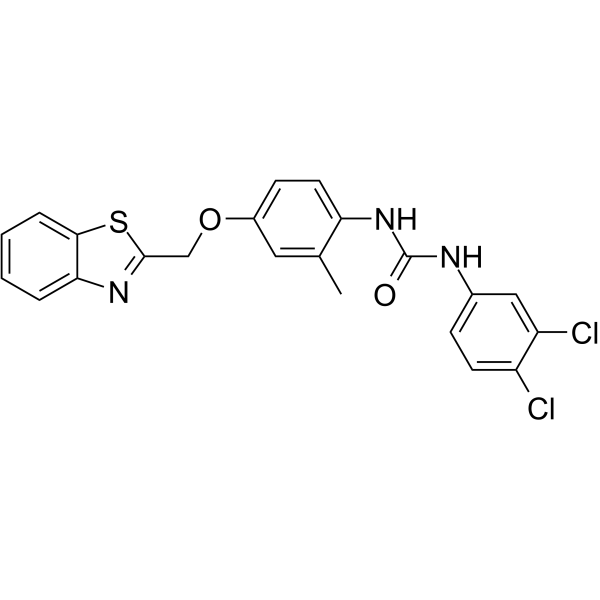
Diflapolin is a highly active dual 5-lipoxygenase-activating protein (FLAP)/soluble epoxide hydrolase (sEH) inhibitor with marked anti-inflammatory efficacy and high target selectivity. Diflapolin inhibits 5-LOX product formation in intact human monocytes and neutrophils with IC50s?of? 30 and 170?nM, respectively, and suppressed the activity of isolated sEH (IC50=20?nM) .
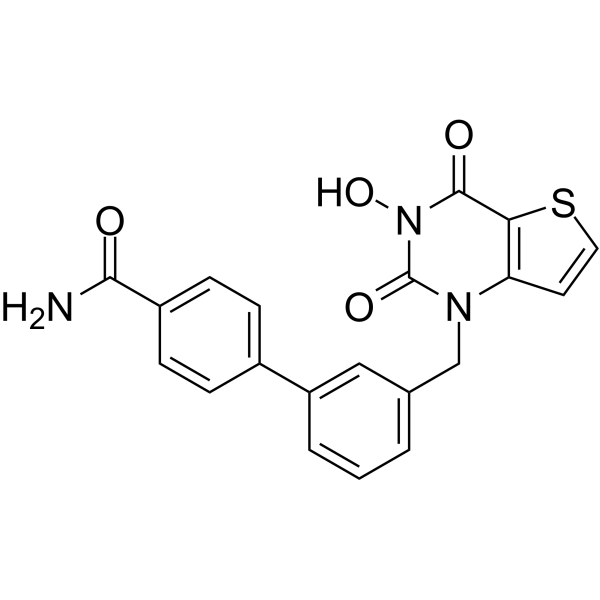
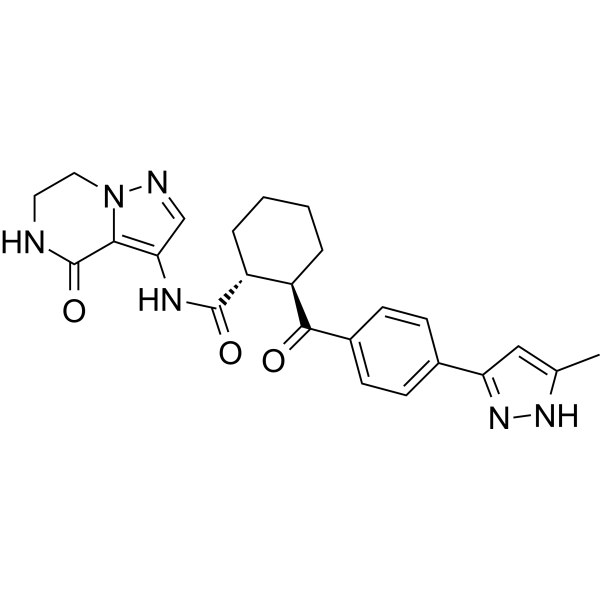
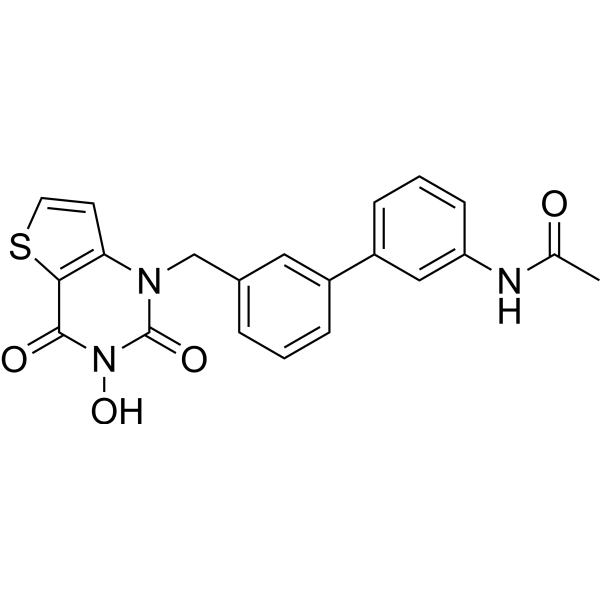
MSC778 is an effective and orally active flap endonuclease 1 (FEN1) inhibitor with an IC50 of 3 nM and a KD of 2.9 nM. MSC778 exhibits 145-fold, 516-fold, and 65-fold selectivity over EXO1, GEN1, and XPG, respectively. MSC778 selectively kills BRCA2-deficient cells and potentiates the activity of Niraparib (HY-10619) to induce tumor stasis in a BRCA2 KO DLD-1 mouse xenograft. MSC778 can be used in the research of colorectal cancer .
Fiboflapon (GSK2190915; AM-803) is a potent and orally bioavailable 5-lipoxygenase-activating protein (FLAP) inhibitor with a potency of 2.9 nM in FLAP binding, an IC50 of 76 nM for inhibition of LTB4 in human blood .
Quiflapon (MK-591) is a selective and specific 5-lipoxygenase-activating protein (FLAP) inhibitor with an IC50 of 1.6 nM in a FLAP binding assay. Quiflapon is also a potent and orally active Leukotriene biosynthesis (LT) inhibitor, shows IC50 values of 3.1 and 6.1 nM in intact human and elicited rat PMNLs, respectively. Quiflapon induces cell apoptosis .
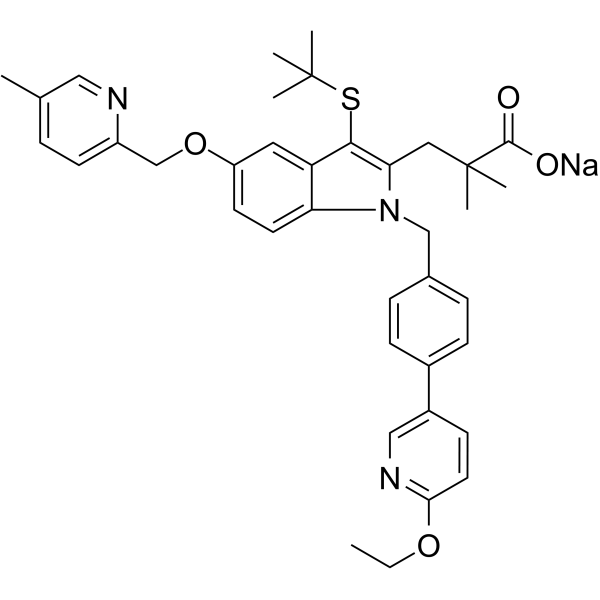
Atuliflapon (AZD5718) is an orally active inhibitor of FLAP (5?Lipoxygenase activating protein), with an IC50 of 2 nM. Atuliflapon is used in the study for coronary artery disease .
AM679 is a potent, selective 5-lipoxygenase-activating protein (FLAP) inhibitor with an IC50 of 2 nM in a human FLAP membrane binding assay. AM679 markedly reduces the respiratory syncytial virus-driven ocular pathology as well as the synthesis of cysteinyl leukotrienes (CysLTs) in the eye .
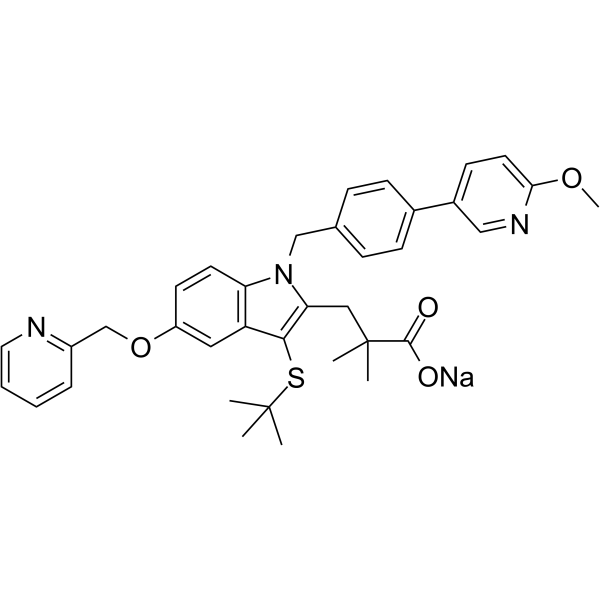
Fiboflapon sodium (GSK2190915; AM-803) is a potent and orally bioavailable 5-lipoxygenase-activating protein (FLAP) inhibitor with a potency of 2.9 nM in FLAP binding, an IC50 of 76 nM for inhibition of LTB4 in human blood .
T5 Exonuclease is a DNA exonuclease that has 5′-3′ exonuclease activity on both single- and double-stranded DNA. T5 Exonuclease also has single-strand endonuclease and 5′-flap endonuclease activity .
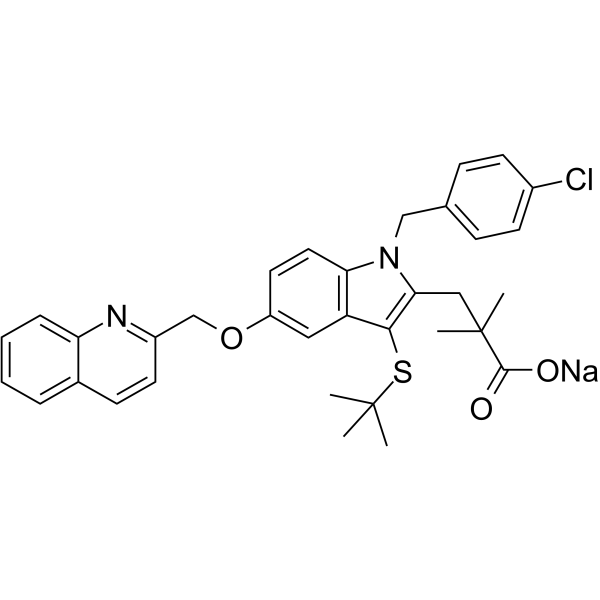
Quiflapon sodium (MK-591 sodium) is a selective and specific 5-Lipoxygenase-activating protein (FLAP) inhibitor. Quiflapon sodium is an orally active Leukotriene biosynthesis inhibitor. Induces apoptosis.
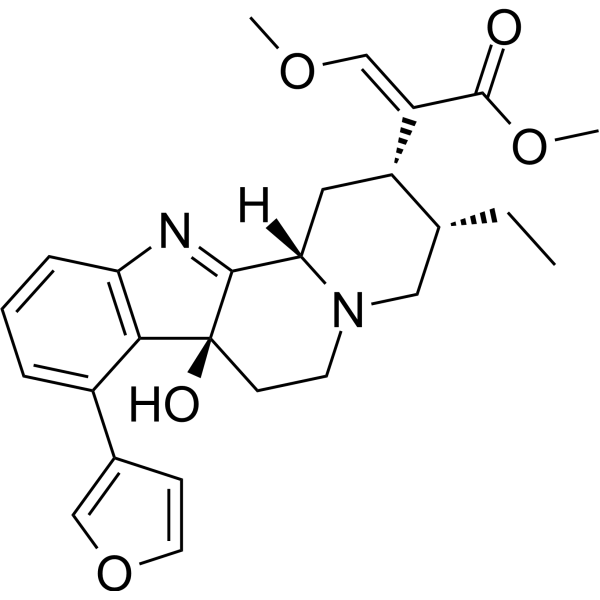
FEN1-IN-7 (compound 16) is a selective inhibitor of Flapendonuclease-1 (FEN1, IC50=18 nM), involving in mammalian cells to repair DNA damage. FEN1-IN-7 also targets to related endonuclease, xeroderma pigmentosum G (XPG) with an IC50 value of 3.04 μM. FEN1-IN-7 increases the cellular sensitivity of cancer cells to potent DNA alkylating agents or methylating agents .
sEH/FLAP-IN-2 is a selective sEH (IC50 = 12.6 nM)/FLAP dual inhibitor. sEH/FLAP-IN-2 highlights the reduction of 5-LOX/FLAP- and sEH-derived LMs, resulting in a favourable redistribution of LMs. sEH/FLAP-IN-2 can be used for the study of peritonitis .
Veliflapon (BAY X 1005; DG-031) is an orally active and selective 5-lipoxygenase activating protein (FLAP) inhibitor . Veliflapon inhibits the synthesis of the leukotrienes B4 and C4 .
BI 665915, a chemical probe, is an orally active and potent 5-lipoxygenase-activating protein (FLAP) inhibitor. BI 665915 inhibits FLAP production that blocks LTB4 biosynthesis in mice. BI 665915 is promising for research of various inflammatory diseases, including respiratory and cardiovascular diseases .
(S)-BI 665915 is an orally active oxadiazole-containing 5-lipoxygenase-activating protein (FLAP) inhibitor with an IC50 of 1.7 nM for FLAP binding. (S)-BI 665915 inhibits FLAP functional in human whole blood with an IC50 of 45 nM. (S)-BI 665915 demonstrates an excellent cross-species agent metabolism and pharmacokinetics (DMPK) profile and a dose-dependent inhibition of LTB4 production .
AZD6642 is a 5-lipoxygenase activating protein (FLAP) inhibitor. AZD6642 can effectively inhibit the production of LTB4. AZD6642 exhibits high oral bioavailability in rats and dogs. AZD6642 can be used in the research of inflammatory diseases .
FLAP-IN-1 (Intermediate 14) is a 5-lipoxygenase-activating protein (FLAP) inhibitor with an IC50 value of 654 nM. FLAP-IN-1 can be used in cardiovascular disease research .
MK-886 (L 663536) sodium salt is a potent, cell-permeable and orally active FLAP (IC50 of 30 nM) and leukotriene biosynthesis (IC50s of 3 nM and 1.1 μM in intact leukocytes and human whole blood, respectively) inhibitor. MK-886 sodium salt is also a non-competitive PPARα antagonist and can induce apoptosis .
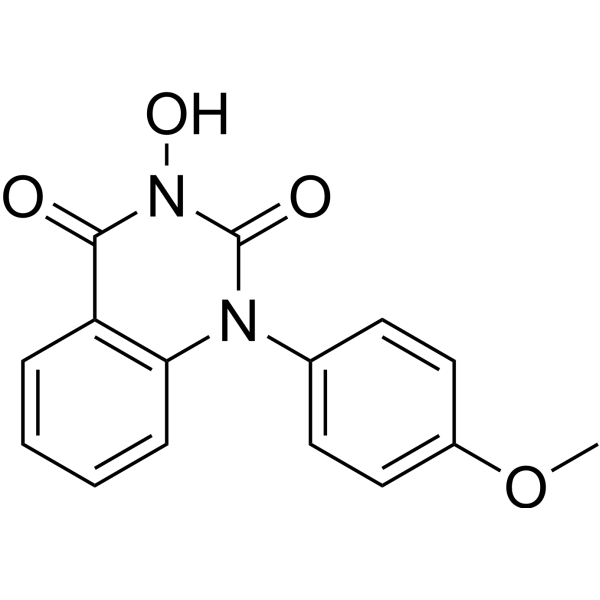
FEN1-IN-6 (compound 9) is a potent inhibitor of Flapendonuclease-1 (FEN1, IC50=10 nM), involving in mammalian cells to repair DNA damage. FEN1-IN-6 also targets to related endonuclease, xeroderma pigmentosum G (XPG) with an IC50 value of 23 nM .
MK-886 (Standard) is the analytical standard of MK-886. This product is intended for research and analytical applications. MK-886 (L 663536) is a potent, cell-permeable and orally active FLAP (IC50 of 30 nM) and leukotriene biosynthesis (IC50s of 3 nM and 1.1 μM in intact leukocytes and human whole blood, respectively) inhibitor. MK-886 is also a non-competitive PPARα antagonist and can induce apoptosis .
sEH/FLAP-IN-1 (Compound 46A) is a sEH/FLAP inhibitor. sEH/FLAP-IN-1 inhibits 5-LOX product formation in SACM-stimulated PBMCs (EC50: 11 nM). sEH/FLAP-IN-1 inhibit sEH (EC50: 18 nM) and thromboxane production. sEH/FLAP-IN-1 can be used for research of inflammatory diseases .
LTB4-IN-2 (Comopund 6x) is a Leukotriene B4 (LTB4) inhibitor. LTB4-IN-2 inhibits Leukotriene B4 formation (IC50: 1.15 μM) by selectively targeting 5-Lipoxygenase-activating protein (FLAP). LTB4-IN-2 can be used for anti-inflammatory research .
sEH inhibitor-12 (compound 34) is a sEH inhibitor with an IC50 value of 0.7 μM. sEH inhibitor-12 inhibits the 5-lipoxygenase-activating protein (FLAP)-mediated leukotriene (LT) biosynthesis with an IC50 value of 2.9 μM. sEH inhibitor-12 can be used for the research of inflammation .
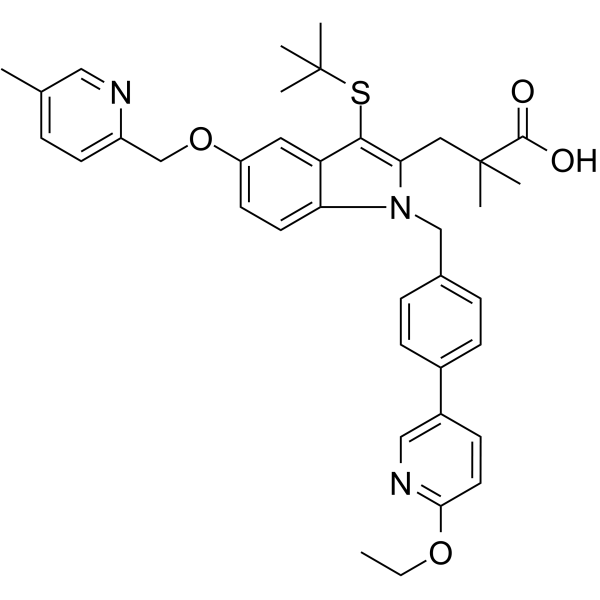
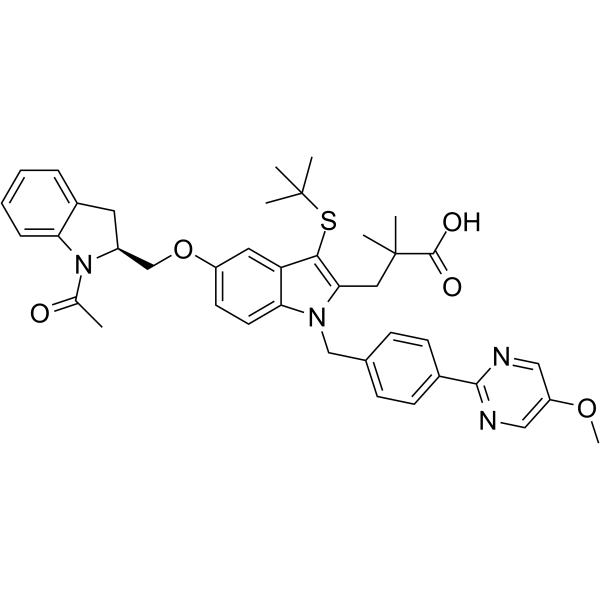
AM103 (free acid) is a selective FLAP inhibitor that can block the first step of the LT pathway, which is 5-LO activation. AM103 (free acid) can inhibit the production of LTB4 and cysteinyl leukotrienes (CysLT). AM103 (free acid) has anti-inflammatory activity in a mouse model of chronic lung inflammation and can extend the survival time of mice injected with platelet-activating factor. AM103 (free acid) can be used for research on respiratory diseases such as asthma .
Alox5ap Mouse Pre-designed siRNA Set A contains three designed siRNAs for Alox5ap gene (Mouse), as well as a negative control, a positive control, and a FAM-labeled negative control.
ALOX5AP Human Pre-designed siRNA Set A contains three designed siRNAs for ALOX5AP gene (Human), as well as a negative control, a positive control, and a FAM-labeled negative control.
L-691678 can bind to FLAP by recognizing the amino acid residues of 5-lipoxygenase-activating protein (FLAP), thereby inhibiting leukotriene biosynthesis. L-691678 can be used in the study of leukotriene-related diseases such as allergies, asthma, and inflammation .
L-669083 is a leukotriene biosynthesis inhibitor whose structure is based on a mixture of indole and quinoline. In this study, a potent radioiodinated photoaffinity analog of L-689,037, [125I] L-691,678, was developed and characterized for immunoprecipitation studies showing that the quindole series of leukotriene biosynthesis inhibitors directly interact with FLAP. In addition, the results showed that MK-886, L-674,573, and L-689,037 competed with [125I] L-691,678 and [125I] L-669083 for binding to FLAP in a concentration-dependent manner, indicating that these three leukotriene biosynthesis inhibitors share a binding site on FLAP, further demonstrating that FLAP is a suitable target for structurally diverse leukotriene biosynthesis inhibitors.
L-691831 is a ligand for 5-lipoxygenase activating protein binding assays that has utility as a tool for studying 5-lipoxygenase activating protein (FLAP) related activities. L-691831 can be used to measure the affinity of FLAP on the leukocyte membrane for leukotriene synthesis inhibitors, with binding being correlated with inhibition of leukotriene synthesis.
Quiflapon (Standard) is the analytical standard of Quiflapon. This product is intended for research and analytical applications. Quiflapon (MK-591) is a selective and specific 5-lipoxygenase-activating protein (FLAP) inhibitor with an IC50?of 1.6 nM in a FLAP binding assay. Quiflapon is also a potent and orally active?Leukotriene biosynthesis (LT)?inhibitor, shows IC50?values of 3.1 and 6.1 nM in intact human and elicited rat PMNLs, respectively. Quiflapon induces cell apoptosis .
Quiflapon (sodium) (Standard) is the analytical standard of Quiflapon (sodium). This product is intended for research and analytical applications. Quiflapon sodium (MK-591 sodium) is a selective and specific 5-Lipoxygenase-activating protein (FLAP) inhibitor. Quiflapon sodium is an orally active Leukotriene biosynthesis inhibitor. Induces apoptosis.
ALR-6 is an antagonist of the 5-lipoxygenase (5-LOX) activating protein FLAP and has anti-inflammatory activity. ALR-6 potently inhibits 5-LOX product formation (>80%) in pro-inflammatory M1-MDM and has no significant effect on direct inhibition of 5-LOX .
(S)-Veliflapon ((S)-BAY X 1005) is an orally active inhibitor of leukotriene biosynthesis and 5-lipoxygenase activating protein (FLAP). (S)-Veliflapon inhibits the formation of leukotriene B4 (LTB4) in rat, mouse and human leukocytes with IC50 values of 0.026 µM, 0.039 µM and 0.22 µM respectively. (S)-Veliflapon showes enantioselectivity in human whole blood .
ALR-27 is an antagonist of the 5-lipoxygenase (5-LOX) activating protein FLAP and has anti-inflammatory activity. ALR-27 potently inhibits 5-LOX product formation (>80%) in pro-inflammatory M1-MDM, with no significant direct inhibition of 5-LOX. ALR-27 not only reduces prostaglandin and leukotriene (LT) production in neutrophils but also increases the production of specialized prolytic mediators in specific human macrophage phenotypes .
L-699333 is a 5-lipoxygenase (5-LO) inhibitor belonging to the thieno[2,3,4-cd]indole class. This compound has a 2-ethoxybutyric acid side chain and is a potent inhibitor of the biosynthesis of 5-HPETE and LTB4 produced from human 5-LO, with ICm values of 22 nM, 7 nM, and 3.8 pM for human neutrophils and whole blood, respectively. L-699333 has shown anti-inflammatory and antiasthmatic effects in a variety of animal models, including rat pleurisy models, antigen-induced wheezing models, and awake macaque and sheep asthma models. Its inhibition of 5-LO is highly selective, with higher ICm values or stronger competitive inhibition in FLAP binding assays compared to inhibition of human 15-LO, porcine 12-LO, and ram epididymal cyclooxygenase. The racemic enantiomer 14g of L-699333 is the most potent enantiomer to date, with inhibitory effects similar to those of the known MK-0591, which has been shown in clinical trials to inhibit the biochemical effects of LTB4 biosynthesis in vitro and LTE4 excretion in urine.
AM-643 is a FLAP inhibitor with human IC50 of 2 nM, oral activity, and dermal activity.AM-643 selectively inhibits FLAP, reduces leukotriene biosynthesis and reduces inflammatory ear swelling.AM-643 can be used for the research of skin disorders involving leukotriene production .
L 689037 is a leukotriene biosynthesis (LT) inhibitor and a 5-lipoxygenase-activating protein (FLAP) binder. [ 125I]-L 691,831 serves as a standard probe to precisely locate the key structural domains that determine the binding of inhibitors to FLAP. L 689037 can be used in the research of asthma and inflammatory bowel disease .
BRP-7 is a 5-lipoxygenase activating protein (FLAP) inhibitor with an IC50 of 0.31 μM. BRP-7 inhibits the co-localization of 5-lipoxygenase (5-LOX) and FLAP by targeting FLAP, thereby blocking the transfer of arachidonic acid (AA) to 5-LOX and suppressing the production of leukotrienes (LTs) (IC₅₀ = 0.15 μM). BRP-7 does not inhibit cyclooxygenase (COX-1/COX-2) or microsomal prostaglandin E₂ synthase-1 (mPGES-1), and does not affect cell viability or AA release. BRP-7 exhibits significant anti-inflammatory effects in rat pleurisy and mouse peritonitis models. BRP-7 can be used for the study of inflammatory diseases .
CP-69799 is an azahomostatine-containing oligopeptide transition-state analogue inhibitor with a hog renin IC50 of 6e-9 M, human plasma renin IC50 of 3e-7 M and Ki of 0.310 μM, and endothiapepsin Ki of 0.27 μM. CP-69799 binds endothiapepsin’s active site cleft in extended conformation, fills S4 to S3' pockets, displaces native solvent molecules, induces domain rotation, and reduces thermal mobility of endothiapepsin’s flap and helix regions. CP-69799 acts as a transition-state analogue inhibitor of hog renin and human plasma renin. CP-69799 contains a polar lysine residue at the P2' position, with a nitrogen atom replacing the P1' Cα atom of the hydroxyethylene dipeptide isostere. CP-69799 can be used for the research of hypertension .
GRL-142 is a potent HIV-1 protease inhibitor capable of crossing the blood-brain barrier. GRL-142 exhibits extremely high inhibitory activity against both wild-type and multidrug-resistant strains (IC50=0.0094 nM). GRL-142 acts synergistically with the P2/P2' segments via a unique scaffold binding mechanism, utilizes fluorine-mediated stable interactions to maintain its bioactive conformation, adapts to p51 HIV-1 protease mutants, and maintains the flap-closed state by directly acting on the flap tip residues. GRL-142 disrupts the flap-water hydrogen bond network of wild-type protease, thereby effectively blocking viral replication. GRL-142 can be used to study HIV-1 infection and the associated neurocognitive disorder (HAND) .
CP-69799 is an azahomostatine-containing oligopeptide transition-state analogue inhibitor with a hog renin IC50 of 6e-9 M, human plasma renin IC50 of 3e-7 M and Ki of 0.310 μM, and endothiapepsin Ki of 0.27 μM. CP-69799 binds endothiapepsin’s active site cleft in extended conformation, fills S4 to S3' pockets, displaces native solvent molecules, induces domain rotation, and reduces thermal mobility of endothiapepsin’s flap and helix regions. CP-69799 acts as a transition-state analogue inhibitor of hog renin and human plasma renin. CP-69799 contains a polar lysine residue at the P2' position, with a nitrogen atom replacing the P1' Cα atom of the hydroxyethylene dipeptide isostere. CP-69799 can be used for the research of hypertension .
Flap endonuclease 1 (FEN-1) is a structure-specific nuclease crucial for DNA replication and repair. In replication, it cleaves 5'-overhanging flaps, guiding DNA polymerase and creating a nick for ligation. FEN-1 is integral to the long patch base excision repair pathway, preventing genomic instability. It exhibits 5'-3' exonuclease and RNase H activities, playing roles in rDNA and mitochondrial DNA replication and repair. Flap endonuclease 1/FEN-1 Protein, Human is the recombinant human-derived Flap endonuclease 1/FEN-1 protein, expressed by E. coli , with tag free.
Flap endonuclease 1 (FEN-1) is a structure-specific nuclease crucial for DNA replication and repair. In replication, it cleaves 5'-overhanging flaps, guiding DNA polymerase and creating a nick for ligation. FEN-1 is integral to the long patch base excision repair pathway, preventing genomic instability. It exhibits 5'-3' exonuclease and RNase H activities, playing roles in rDNA and mitochondrial DNA replication and repair. Flap endonuclease 1/FEN-1 Protein, Human (His, Myc) is the recombinant human-derived Flap endonuclease 1/FEN-1 protein, expressed by E. coli , with N-10*His, C-Myc labeled tag.
L-691678 can bind to FLAP by recognizing the amino acid residues of 5-lipoxygenase-activating protein (FLAP), thereby inhibiting leukotriene biosynthesis. L-691678 can be used in the study of leukotriene-related diseases such as allergies, asthma, and inflammation .
L-669083 is a leukotriene biosynthesis inhibitor whose structure is based on a mixture of indole and quinoline. In this study, a potent radioiodinated photoaffinity analog of L-689,037, [125I] L-691,678, was developed and characterized for immunoprecipitation studies showing that the quindole series of leukotriene biosynthesis inhibitors directly interact with FLAP. In addition, the results showed that MK-886, L-674,573, and L-689,037 competed with [125I] L-691,678 and [125I] L-669083 for binding to FLAP in a concentration-dependent manner, indicating that these three leukotriene biosynthesis inhibitors share a binding site on FLAP, further demonstrating that FLAP is a suitable target for structurally diverse leukotriene biosynthesis inhibitors.
Alox5ap Mouse Pre-designed siRNA Set A contains three designed siRNAs for Alox5ap gene (Mouse), as well as a negative control, a positive control, and a FAM-labeled negative control.
ALOX5AP Human Pre-designed siRNA Set A contains three designed siRNAs for ALOX5AP gene (Human), as well as a negative control, a positive control, and a FAM-labeled negative control.
Inquiry Online
Your information is safe with us. * Required Fields.
Western blot analysis of extracts from THP-1(lane 2(20μg), Jurkat (lane 3(20μg) and NIH3T3(lane 4(20μg) using FOXO1A (HY-P80132) Rabbit mAb. Proteins were transferred
to a PVDF membrane and blocked with 5% non-fat milk in TBST for 2 hour at room temperature. The primary antibody (1/1000) and Loading control antibody (Beta Actin, HY-P80438, 1/10000) was
used in 5% non-fat milk in TBST at 4°C overnight. Goat Anti-Mouse/Rabbit IgG-HRP Secondary Antibody (1/10000) was used for 1 hour at room temperature.
Western blot analysis of extracts from THP-1(lane 2(20μg), Jurkat (lane 3(20μg) and NIH3T3(lane 4(20μg) using FOXO1A (HY-P80132) Rabbit mAb. Proteins were transferred
to a PVDF membrane and blocked with 5% non-fat milk in TBST for 2 hour at room temperature. The primary antibody (1/1000) and Loading control antibody (Beta Actin, HY-P80438, 1/10000) was
used in 5% non-fat milk in TBST at 4°C overnight. Goat Anti-Mouse/Rabbit IgG-HRP Secondary Antibody (1/10000) was used for 1 hour at room temperature.
Western blot analysis of extracts from THP-1(lane 2(20μg), Jurkat (lane 3(20μg) and NIH3T3(lane 4(20μg) using FOXO1A (HY-P80132) Rabbit mAb. Proteins were transferred
to a PVDF membrane and blocked with 5% non-fat milk in TBST for 2 hour at room temperature. The primary antibody (1/1000) and Loading control antibody (Beta Actin, HY-P80438, 1/10000) was
used in 5% non-fat milk in TBST at 4°C overnight. Goat Anti-Mouse/Rabbit IgG-HRP Secondary Antibody (1/10000) was used for 1 hour at room temperature.
Western blot analysis of extracts from THP-1(lane 2(20μg), Jurkat (lane 3(20μg) and NIH3T3(lane 4(20μg) using FOXO1A (HY-P80132) Rabbit mAb. Proteins were transferred
to a PVDF membrane and blocked with 5% non-fat milk in TBST for 2 hour at room temperature. The primary antibody (1/1000) and Loading control antibody (Beta Actin, HY-P80438, 1/10000) was
MedchemExpress Validation 03
Western blot analysis of extracts from THP-1(lane 2(20μg), Jurkat (lane 3(20μg) and NIH3T3(lane 4(20μg) using FOXO1A (HY-P80132) Rabbit mAb. Proteins were transferred
MedchemExpress Validation 04
Western blot analysis of extracts from THP-1(lane 2(20μg), Jurkat (lane 3(20μg) and NIH3T3(lane 4(20μg) using FOXO1A (HY-P80132) Rabbit mAb. Proteins were transferred
to a PVDF membrane and blocked with 5% non-fat milk in TBST for 2 hour at room temperature. The primary antibody (1/1000) and Loading control antibody (Beta Actin, HY-P80438, 1/10000) was
used in 5% non-fat milk in TBST at 4°C overnight. Goat Anti-Mouse/Rabbit IgG-HRP Secondary Antibody (1/10000) was used for 1 hour at room temperature.
MedchemExpress Validation
Western blot analysis of extracts from THP-1(lane 2(20μg), Jurkat (lane 3(20μg) and NIH3T3(lane 4(20μg) using FOXO1A (HY-P80132) Rabbit mAb. Proteins were transferred
to a PVDF membrane and blocked with 5% non-fat milk in TBST for 2 hour at room temperature. The primary antibody (1/1000) and Loading control antibody (Beta Actin, HY-P80438, 1/10000) was
used in 5% non-fat milk in TBST at 4°C overnight. Goat Anti-Mouse/Rabbit IgG-HRP Secondary Antibody (1/10000) was used for 1 hour at room temperature.
Western blot analysis of extracts from THP-1(lane 2(20μg), Jurkat (lane 3(20μg) and NIH3T3(lane 4(20μg) using FOXO1A (HY-P80132) Rabbit mAb. Proteins were transferred
to a PVDF membrane and blocked with 5% non-fat milk in TBST for 2 hour at room temperature. The primary antibody (1/1000) and Loading control antibody (Beta Actin, HY-P80438, 1/10000) was
used in 5% non-fat milk in TBST at 4°C overnight. Goat Anti-Mouse/Rabbit IgG-HRP Secondary Antibody (1/10000) was used for 1 hour at room temperature.
MedchemExpress Validation
Western blot analysis of extracts from THP-1(lane 2(20μg), Jurkat (lane 3(20μg) and NIH3T3(lane 4(20μg) using FOXO1A (HY-P80132) Rabbit mAb. Proteins were transferred
to a PVDF membrane and blocked with 5% non-fat milk in TBST for 2 hour at room temperature. The primary antibody (1/1000) and Loading control antibody (Beta Actin, HY-P80438, 1/10000) was
used in 5% non-fat milk in TBST at 4°C overnight. Goat Anti-Mouse/Rabbit IgG-HRP Secondary Antibody (1/10000) was used for 1 hour at room temperature.
MedchemExpress Validation
Western blot analysis of extracts from THP-1(lane 2(20μg), Jurkat (lane 3(20μg) and NIH3T3(lane 4(20μg) using FOXO1A (HY-P80132) Rabbit mAb. Proteins were transferred
to a PVDF membrane and blocked with 5% non-fat milk in TBST for 2 hour at room temperature. The primary antibody (1/1000) and Loading control antibody (Beta Actin, HY-P80438, 1/10000) was
used in 5% non-fat milk in TBST at 4°C overnight. Goat Anti-Mouse/Rabbit IgG-HRP Secondary Antibody (1/10000) was used for 1 hour at room temperature.
MedchemExpress Validation
Western blot analysis of extracts from THP-1(lane 2(20μg), Jurkat (lane 3(20μg) and NIH3T3(lane 4(20μg) using FOXO1A (HY-P80132) Rabbit mAb. Proteins were transferred
to a PVDF membrane and blocked with 5% non-fat milk in TBST for 2 hour at room temperature. The primary antibody (1/1000) and Loading control antibody (Beta Actin, HY-P80438, 1/10000) was
used in 5% non-fat milk in TBST at 4°C overnight. Goat Anti-Mouse/Rabbit IgG-HRP Secondary Antibody (1/10000) was used for 1 hour at room temperature.
MedchemExpress Validation
Western blot analysis of extracts from THP-1(lane 2(20μg), Jurkat (lane 3(20μg) and NIH3T3(lane 4(20μg) using FOXO1A (HY-P80132) Rabbit mAb. Proteins were transferred
to a PVDF membrane and blocked with 5% non-fat milk in TBST for 2 hour at room temperature. The primary antibody (1/1000) and Loading control antibody (Beta Actin, HY-P80438, 1/10000) was
used in 5% non-fat milk in TBST at 4°C overnight. Goat Anti-Mouse/Rabbit IgG-HRP Secondary Antibody (1/10000) was used for 1 hour at room temperature.
MedchemExpress Validation
Western blot analysis of extracts from THP-1(lane 2(20μg), Jurkat (lane 3(20μg) and NIH3T3(lane 4(20μg) using FOXO1A (HY-P80132) Rabbit mAb. Proteins were transferred
to a PVDF membrane and blocked with 5% non-fat milk in TBST for 2 hour at room temperature. The primary antibody (1/1000) and Loading control antibody (Beta Actin, HY-P80438, 1/10000) was
used in 5% non-fat milk in TBST at 4°C overnight. Goat Anti-Mouse/Rabbit IgG-HRP Secondary Antibody (1/10000) was used for 1 hour at room temperature.
MedchemExpress Validation
Western blot analysis of extracts from THP-1(lane 2(20μg), Jurkat (lane 3(20μg) and NIH3T3(lane 4(20μg) using FOXO1A (HY-P80132) Rabbit mAb. Proteins were transferred
to a PVDF membrane and blocked with 5% non-fat milk in TBST for 2 hour at room temperature. The primary antibody (1/1000) and Loading control antibody (Beta Actin, HY-P80438, 1/10000) was
used in 5% non-fat milk in TBST at 4°C overnight. Goat Anti-Mouse/Rabbit IgG-HRP Secondary Antibody (1/10000) was used for 1 hour at room temperature.
MedChemExpress values your privacy and your trust is important to us. We use cookies to enhance your website experience. Some cookies are necessary to run the website.
Privacy and Cookie Policy

