1. Search Result
Search Result
Results for "

HIV-1 latency

" in MedChemExpress (MCE) Product Catalog:

24

Inhibitors & Agonists

1

Peptides

2

Isotope-Labeled Compounds

Cat. No. Product Name Target Research Areas Chemical Structure
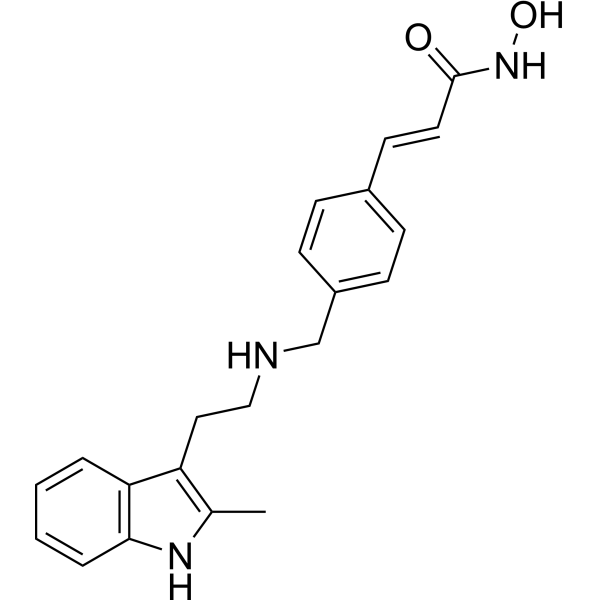
  • HY-10224
    Panobinostat
    Maximum Cited Publications
    83 Publications Verification

    LBH589; NVP-LBH589

    HDAC Autophagy HIV Apoptosis Cancer
    Panobinostat (LBH589; NVP-LBH589) is a potent and orally active non-selective HDAC inhibitor, and has antineoplastic activities . Panobinostat induces HIV-1 virus production even at low concentration range 8-31 nM, stimulates HIV-1 expression in latently infected cells . Panobinostat induces cell apoptosis and autophagy. Panobinostat can be used for the study of refractory or relapsed multiple myeloma .
    Panobinostat
  • HY-13207
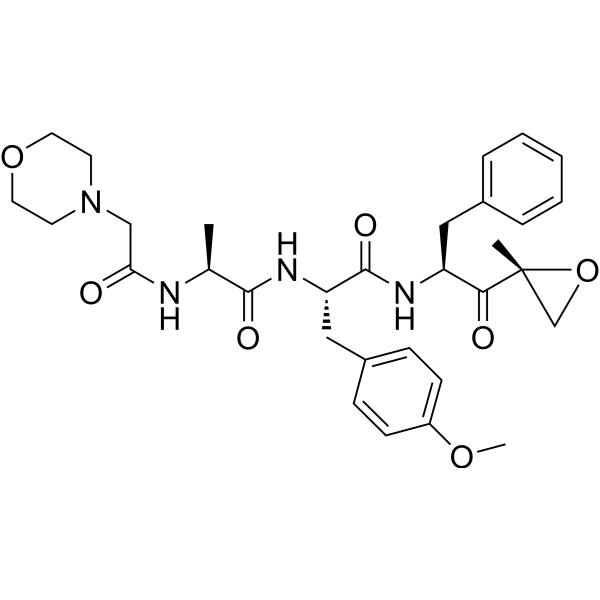
    ONX-0914
    20+ Cited Publications

    PR-957

    Proteasome Bacterial HIV Infection Inflammation/Immunology
    ONX-0914 (PR-957) is a selective inhibitor of low-molecular mass polypeptide-7 (LMP7), the chymotrypsin-like subunit of the immunoproteasome. ONX-0914 blocks cytokine production and attenuates progression of experimental arthritis. ONX-0914 is a noncompetitive irreversible inhibitor of the mycobacterial proteasome (Ki=5.2 μM). ONX-0914 reactivates latent HIV-1 through p-TEFb activation mediated by HSF-1 .
    ONX-0914
  • HY-114268
    BRD-K98645985
    3 Publications Verification

    HIV Infection
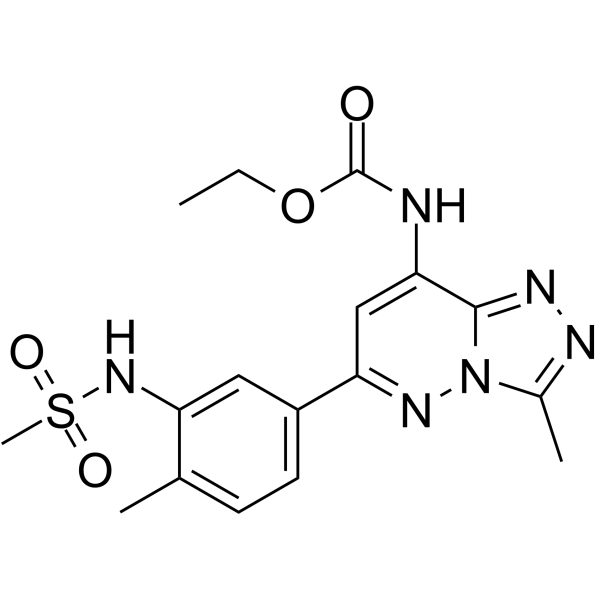
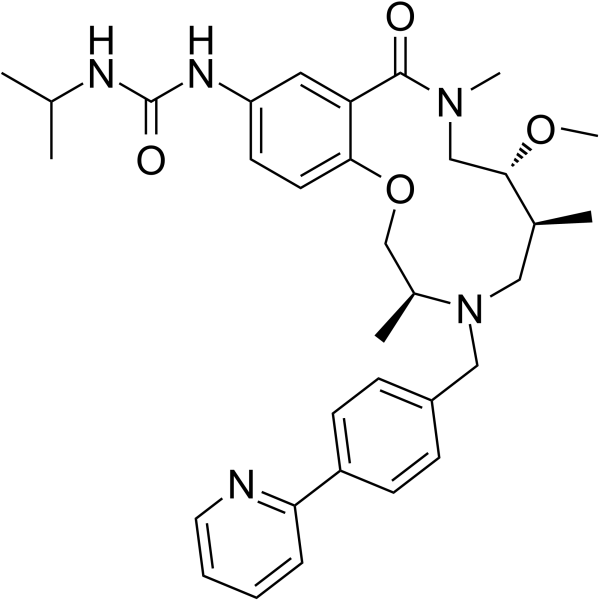
    BRD-K98645985 is a BAF (mammalian SWI/SNF) transcriptional repression inhibitor with an EC50 of ~2.37 μM. BRD-K98645985 binds ARID1A-specific BAF complexes, prevents nucleosomal positioning, and potently reverses HIV-1 latency, without T cell activation or toxicity .
    BRD-K98645985
  • HY-19618
    BRD3308
    1 Publications Verification

    HDAC HIV Apoptosis Infection Metabolic Disease
    BRD3308 is a highly selective HDAC3 inhibitor with an IC50 of 54 nM. BRD3308 is 23-fold selectivity for HDAC3 over HDAC1 (IC50 of 1.26 μM) or HDAC2 (IC50 of 1.34 μM). BRD3308 suppresses pancreatic β-cell apoptosis induced by inflammatory cytokines or glucolipotoxic stress, and increases functional insulin release. BRD3308 activates HIV-1 transcription and disrupts HIV-1 latency .
    BRD3308
  • HY-15815
    Bromosporine
    5 Publications Verification

    Epigenetic Reader Domain Apoptosis CDK HIV Cancer
    Bromosporine, a chemical probe, is a potent BET inhibitor with an IC50 value of 2.1 μM for PCAF. Bromosporine can arrest cell cycle and induce apoptosis in cancer cells. Bromosporine exhibits excellent antitumor activity in xenograft mice model when combined with 5-Fluorouracil (HY-90006). Bromosporine can increase CDK9 T-loop phosphorylation in HIV-1 latency models, resulting the protection of reactivate HIV-1 replication from latency. Bromosporine can be used to research colorectal cancer, acute myeloid leukemia (AML) and AIDS .
    Bromosporine
  • HY-A0068
    Aurothioglucose
    2 Publications Verification

    Gold thioglucose

    NF-κB HIV Reactive Oxygen Species (ROS) Infection Inflammation/Immunology Cancer
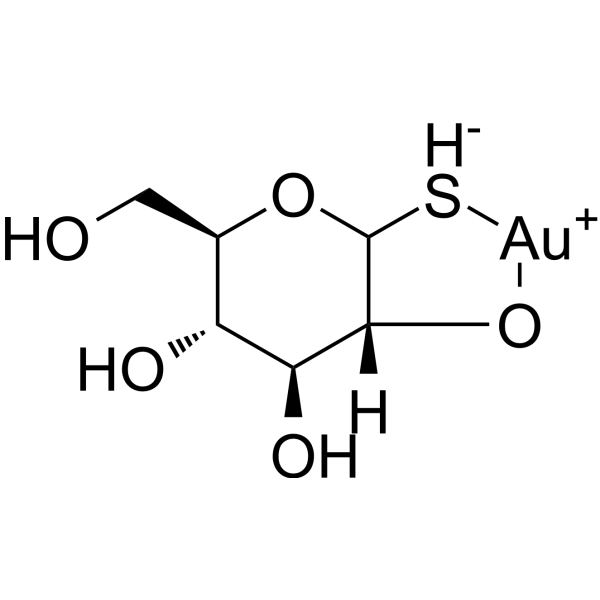
    Aurothioglucose (Gold thioglucose), containing monovalent gold ion, is a potent active-site inhibitor of TrxR1 (thioredoxin reductase 1), with an IC50 of 65 nM. Aurothioglucose inhibits the DNA binding of NF-κB in vitro. Aurothioglucose shows anti-HIV and anti-rheumatic activities .
    Aurothioglucose
  • HY-130514

    HIV CDK Infection
    SMAPP1 is an activator of protein phosphatase-1 (PP1). SMAPP1 increases phosphorylation of CDK9’s Ser90 and Thr186 residues, but not Ser175. SMAPP1 induces HIV-1 replication, upregulates HIV-1 transcription that led to the reactivation of latent HIV-1 provirus .
    SMAPP1
  • HY-10224R
    Panobinostat (Standard)
    80+ Cited Publications

    LBH589 (Standard); NVP-LBH589 (Standard)

    Reference Standards HDAC Autophagy HIV Apoptosis Infection Cancer
    Panobinostat (Standard) (LBH589 (Standard)) is the analytical standard of Panobinostat (HY-10224). This product is intended for research and analytical applications. Panobinostat is a potent and orally active non-selective HDAC inhibitor, and has antineoplastic activities . Panobinostat induces HIV-1 virus production even at low concentration range 8-31 nM, stimulates HIV-1 expression in latently infected cells . Panobinostat induces cell apoptosis and autophagy. Panobinostat can be used for the study of refractory or relapsed multiple myeloma .
    Panobinostat (Standard)
  • HY-13207A
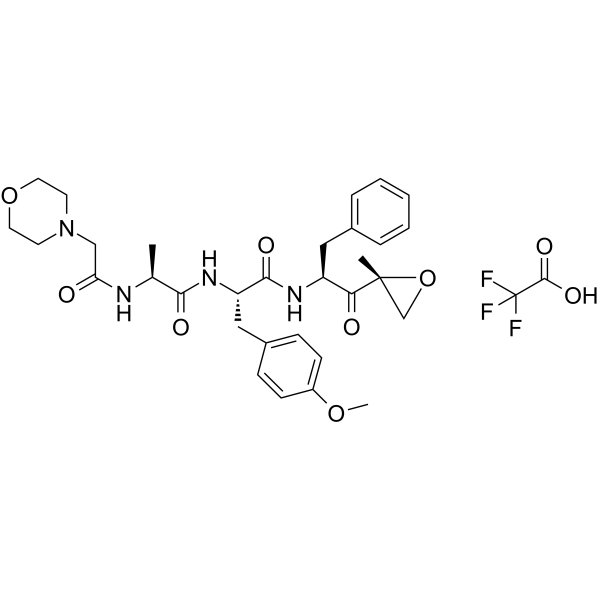
    ONX-0914 TFA
    20+ Cited Publications

    PR-957 TFA

    Proteasome Bacterial HIV Infection Inflammation/Immunology
    ONX-0914 (PR-957) TFA is a selective inhibitor of low-molecular mass polypeptide-7 (LMP7), the chymotrypsin-like subunit of the immunoproteasome. ONX-0914 TFA blocks cytokine production and attenuates progression of experimental arthritis. ONX-0914 TFA is a noncompetitive irreversible inhibitor of the mycobacterial proteasome (Ki=5.2 μM). ONX-0914 TFA reactivates latent HIV-1 through p-TEFb activation mediated by HSF-1 .
    ONX-0914 TFA
  • HY-10224S

    LBH589-d4; NVP-LBH589-d4

    HDAC Autophagy HIV Apoptosis Cancer
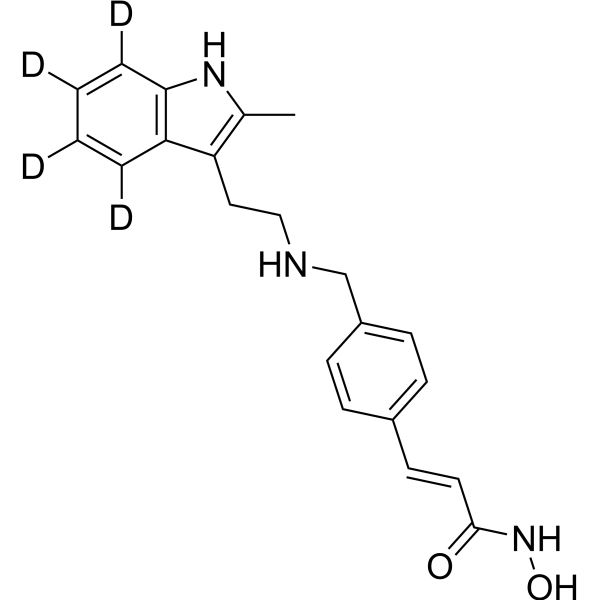
    Panobinostat-d4 is the deuterium labeled Panobinostat. Panobinostat (LBH589; NVP-LBH589) is a potent and orally active non-selective HDAC inhibitor, and has antineoplastic activities[1][2]. Panobinostat induces HIV-1 virus production even at low concentration range 8-31 nM, stimulates HIV-1 expression in latently infected cells[4]. Panobinostat induces cell apoptosis and autophagy. Panobinostat can be used for the study of refractory or relapsed multiple myeloma[3].
    Panobinostat-d4
  • HY-10224S1

    LBH589-d4 hydrochloride; NVP-LBH589-d4 hydrochloride

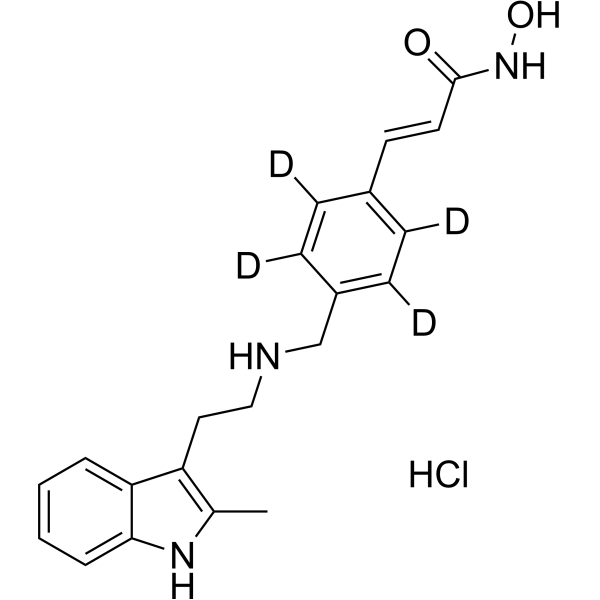
    Isotope-Labeled Compounds HDAC Autophagy HIV Apoptosis Cancer
    Panobinostat-d4 (hydrochloride) is deuterium labeled Panobinostat. Panobinostat (LBH589; NVP-LBH589) is a potent and orally active non-selective HDAC inhibitor, and has antineoplastic activities[1][2]. Panobinostat induces HIV-1 virus production even at low concentration range 8-31 nM, stimulates HIV-1 expression in latently infected cells[4]. Panobinostat induces cell apoptosis and autophagy. Panobinostat can be used for the study of refractory or relapsed multiple myeloma[3].
    Panobinostat-d4 hydrochloride
  • HY-163666

    HIV PKC Infection
    HIV-1 inhibitor-68 (compound 26) is a protein kinase C (PKC) activator derivative with reversal activity in HIV-1 latency. HIV-1 inhibitor-68 may be able to eliminate cells latently infected with HIV-1, .
    HIV-1 inhibitor-68
  • HY-162077

    HIV Infection
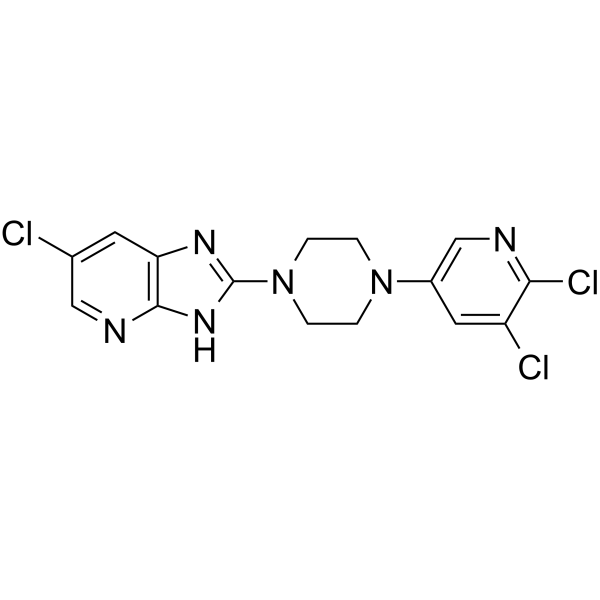
    HIV-IN-10 is a HIV-1 latency reversing agent .
    HIV-IN-10
  • HY-147553

    HIV Infection
    HIV-1 inhibitor-36 (Compound 2) is a potent HIV-1. HIV-1 inhibitor-36 has the potential for further development as novel latency reversing agents .
    HIV-1 inhibitor-36
  • HY-147555

    HIV Infection
    HIV-1 inhibitor-38 (Compound 91) is a potent HIV-1. HIV-1 inhibitor-38 has the potential for further development as novel latency reversing agents .
    HIV-1 inhibitor-38
  • HY-147554

    HIV Infection
    HIV-1 inhibitor-37 (Compound 83) is a potent HIV-1. HIV-1 inhibitor-37 has the potential for further development as novel latency reversing agents .
    HIV-1 inhibitor-37
  • HY-155599

    HIV PKC Infection
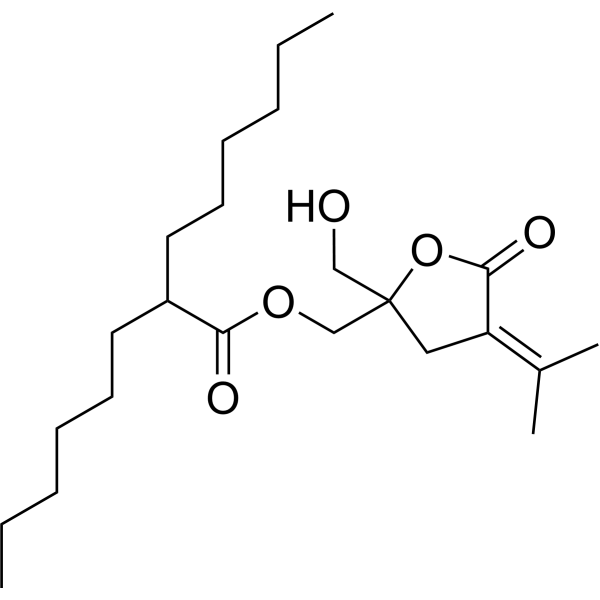
    HIV-1 protease-IN-10 (Compound 2) has HIV-1 latency reversing activity (IC50: 0.22 μM). HIV-1 protease-IN-10 binds to the PKCδ C1b domain (IC50: 0.69 μM). HIV-1 protease-IN-10 has stability against esterase-mediated hydrolysis .
    HIV-1 protease-IN-10
  • HY-119490

    Epigenetic Reader Domain HIV Infection
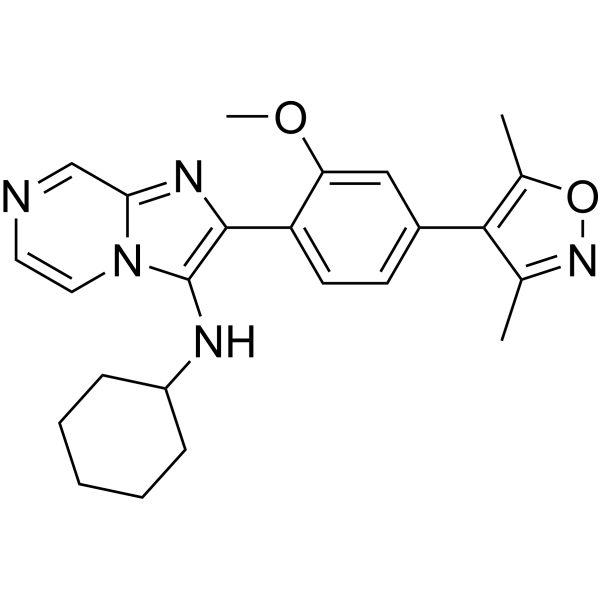
    UMB-136 is a bromodomain inhibitor. UMB-136 is a promising latency-reversing agent (LRA) for HIV-1 eradication. UMB-136 reactivates HIV-1 in multiple cell models. UMB-136 enhances HIV-1 transcription and increases viral production through the release of P-TEFb .
    UMB-136
  • HY-147552

    HIV Infection
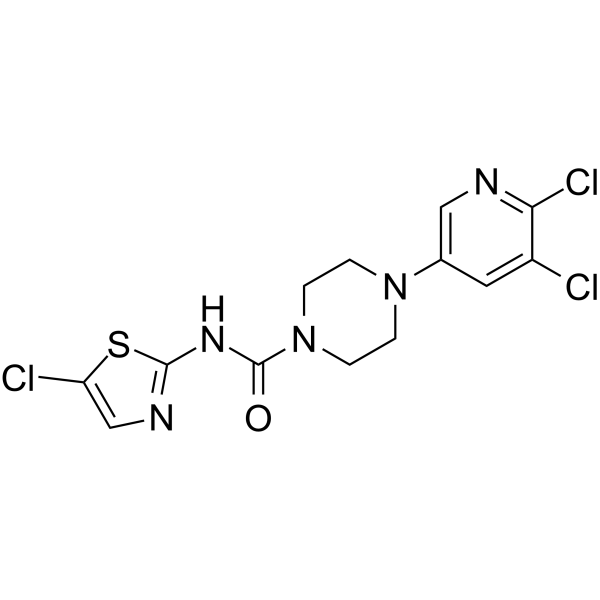
    HIV-1 inhibitor-35 (compound 74) is a potent HIV-1 inhibitor with EC50s of 80 nM and 70 nM for LTR and CMV in HEK293 cells, respectively. HIV-1 inhibitor-35 has inhibitory activity against liver cancer cell HepG2 with a CC50 of 40 nM. HIV-1 inhibitor-35 can be used as HIV-1 latency reversing agent .
    HIV-1 inhibitor-35
  • HY-134844

    SBI-0953294

    HIV IAP NF-κB Infection
    Ciapavir (SBI-0953294) is a HIV-1 latency-reversing agent. Ciapavir reverses latent HIV-1 reservoir in vitro and in vivo without inducing systemic T cell activation or broad cytokine release. Ciapavir degrades cIAP1 and activates non-canonical NF-κB pathway. Ciapavir can be used for the research of HIV-1 infection .
    Ciapavir
  • HY-181841

    Toll-like Receptor (TLR) HIV Infection
    TLR8 agonist 10 is a selective TLR8 agonist with an EC50 of 0.019 μM in humans. TLR8 agonist 10 activates TLR8-mediated signaling pathways. As a latency-reversing agent, TLR8 agonist 10 reactivates latent HIV-1 reservoirs. TLR8 agonist 10 activates innate cytotoxic natural killer cells to target HIV-infected CD4 + T cells. TLR8 agonist 10 is applicable to research related to HIV-1 infection .
    TLR8 agonist 10
  • HY-181831

    Drug Derivative HIV Epigenetic Reader Domain Infection
    XQ2 is a resveratrol (HY-16561) derivative and latency-reversing agent. XQ2 releases positive transcription elongation factor b (P-TEFb) from BRD4, thereby promoting Tat-dependent viral transcription. XQ2 reactivates latent HIV-1 via activating P-TEFb .
    XQ2
  • HY-181164

    PROTACs Epigenetic Reader Domain HIV Infection
    PROTAC BRD4 Degrader-43 is a BRD4 PROTAC degrader. PROTAC BRD4 Degrader-43 recruits the DCAF1-DDB1-Cul4A E3 ligase complex via a Vpr-derived peptide moiety to induce BRD4 ubiquitination and degradation through the ubiquitin-proteasome system. PROTAC BRD4 Degrader-43 exhibits potent HIV latency-reversing activity. PROTAC BRD4 Degrader-43 can be used for the research of HIV-1 latent infection . (Pink: BRD4 ligand (HY-13030); Blue: Cul4A-DDB1-DCAF1 ligand (HY-P11640); Black: conjugate of PEG linker + cell-penetrating peptide (HY-P2483))
    PROTAC BRD4 Degrader-43
  • HY-P11640

    Ligands for E3 Ligase HIV Infection
    Vpr (1-14) is a viral protein R and acts as an accessory protein of HIV-1. Vpr (1-14) can binds to Cul4A-DDB1-DCAF1 E3 ligase complex and can be used as an E3 ligase-binding component in PROTACs. Vpr (1-14) can be used to synthesize PROTAC BRD4 Degrader-43 (HY-181164) .
    Vpr (1-14)

Inquiry Online

Your information is safe with us. * Required Fields.

Salutation


Country or Region *

Applicant Name *


Organization Name *

Department *


Email Address *


Product Name *

Cat. No.


Requested quantity *

Phone Number *


Remarks

Inquiry Online

Inquiry Information

Product Name:
Cat. No.:
Quantity:
MCE Japan Authorized Agent:

